Piraeus is the port city that keeps Athens connected to the Greek islands and beyond. Just 8 km southwest of central Athens, it operates on a different rhythm from the tourist-facing city center, with working docks, seafood tavernas, and layers of ancient history sitting beneath a modern urban port.
Piraeus is not a neighborhood in the conventional sense but a full municipality, the largest port in Greece and the gateway through which millions of travelers pass on their way to the islands. It functions as Athens' maritime engine, rougher and more industrial than the city center, but with its own harbor culture, archaeological depth, and quieter corners worth exploring if you look past the ferry terminals.
Orientation
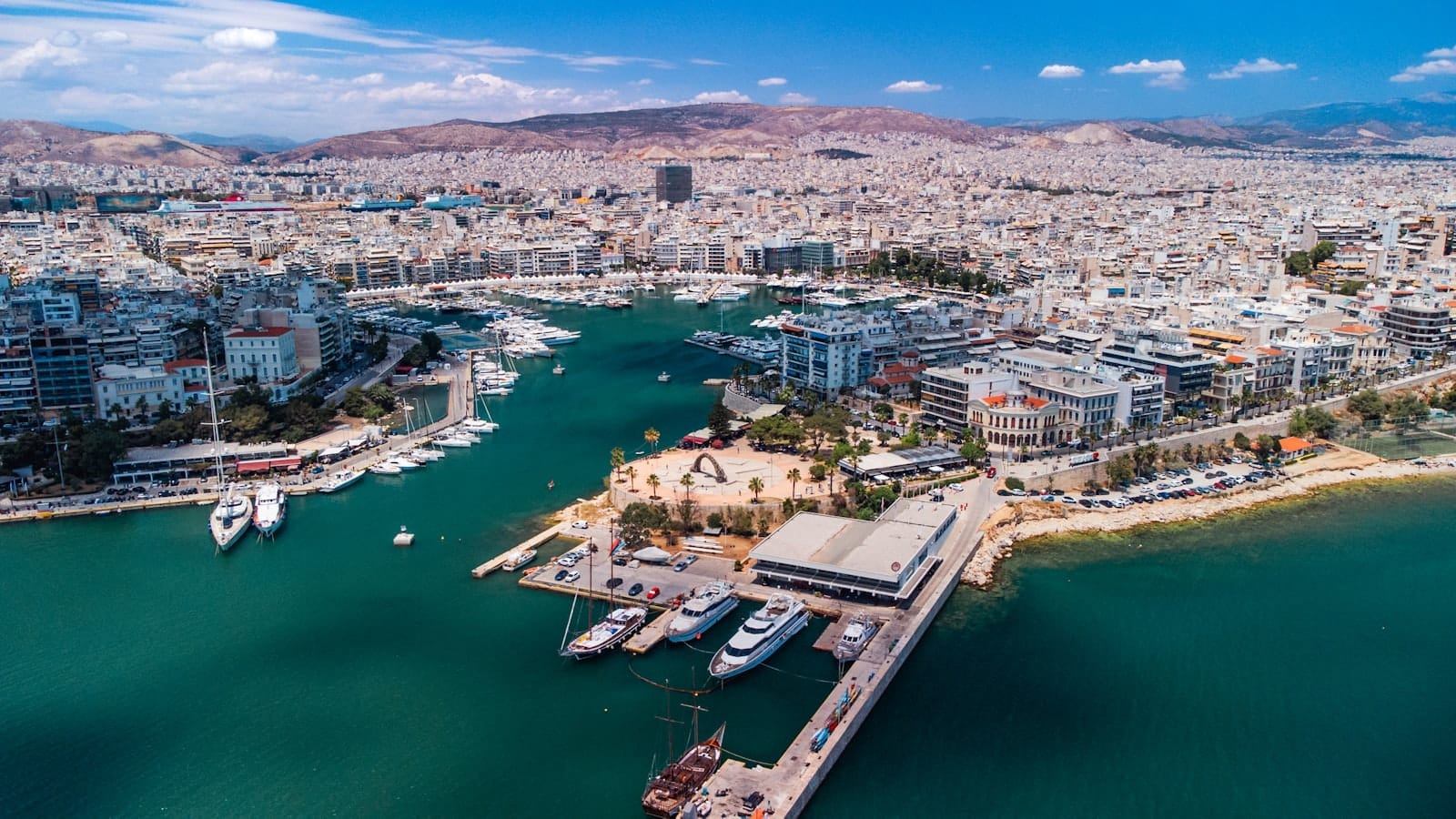
Piraeus sits about 8 km southwest of central Athens, occupying a small peninsula that juts into the Saronic Gulf. The municipality covers just under 11 square kilometers, bounded to the northwest by Mount Aigaleo and surrounded on its southern and western edges by water. To the east and northeast, the urban fabric flows continuously into the rest of the Athens metropolitan area, with no clear break in the streetscape.
The port area is not a single zone but a collection of distinct harbors. The main port, with its enormous ferry terminals along Akti Miaouli and Akti Kondyli, handles the bulk of island traffic and is where most visitors first encounter Piraeus. Moving southward around the peninsula, the landscape shifts: Zea harbor (also called Pasalimani) is a smaller, circular marina lined with cafés and moored yachts, while Mikrolimano, further south still, is a compact fishing harbor with seafood restaurants crowding its edge. These three zones have markedly different atmospheres, and it is worth knowing which one you are heading to.
Piraeus is most usefully understood as the starting point for island trips rather than a destination in its own right, though it rewards a few hours of deliberate exploration. Travelers planning broader Athens itineraries will find context in the 3-day Athens itinerary, which helps place Piraeus within the wider city geography.
Character & Atmosphere
Early morning in Piraeus is all diesel fume and purpose. By 6 a.m., the main ferry terminal is already moving: travelers hauling luggage, trucks loading cargo, and the steady thrum of engines from ships preparing to depart. The air carries salt and exhaust in roughly equal measure. This is a port city doing what port cities do, and it does not pause for aesthetics.
Walk fifteen minutes south from the ferry terminals toward Pasalimani and the mood changes completely. The circular harbor is calm in the morning, with small boats reflected in still water, café chairs being set out along Akti Moutsopoulou, and the occasional jogger completing a loop of the waterfront. The ancient dockyard ruins visible along the harbor's edge are easy to miss if you are not looking for them, but they are genuinely present: stone slipway bases from the classical era, partially exposed along the quay. At Mikrolimano, the smallest and most picturesque of the three harbors, mornings are quiet enough to hear the water lapping against the fishing boats.
Afternoons bring heat and noise back to the main port district, especially in summer. The commercial streets inland from the ferry terminals, around Dimotiko Theatro square and along Filonos Street, are functional urban Greece: dry goods shops, shipping offices, pharmacies, and the occasional souvlaki counter. The afternoon light falls hard on white neoclassical facades in varying states of repair. This is not polished tourist infrastructure; it is a working city that happens to receive a large number of transiting visitors.
After dark, Mikrolimano transforms most dramatically. The seafood restaurants that ring the small harbor fill with Athenian families and couples who have driven down from the city for the evening. The lights reflect off the water, the noise level rises pleasantly, and the area takes on the atmosphere of a summer evening out rather than a port transit zone. Pasalimani is similarly animated on warm evenings. The main ferry terminal area, by contrast, quiets down between the major overnight departure windows, feeling empty and slightly exposed late at night.
ℹ️ Good to know
Piraeus is technically a separate municipality from Athens, with its own mayor and local government. Residents identify strongly with the city itself, not simply as an Athens suburb, and local football culture in particular runs deep.
What to See & Do
Most travelers move through Piraeus without stopping, which means the few who do explore find it relatively uncrowded. The Piraeus Archaeological Museum, on Charilaou Trikoupi Street, holds a strong collection of classical and Roman-era statuary, including bronze figures recovered from the ancient harbor that rank among the finest surviving examples of classical Greek bronze work. The museum is compact and manageable in an hour or two.
The ancient remains scattered across the peninsula are fragmentary but historically significant. At Rondiri Square and along the waterfront at Pasalimani, you can see partially excavated ruins of the ancient shipsheds that once housed Athens' powerful trireme fleet. These were the dockyard facilities that made fifth-century Athens a naval superpower. They are not dramatized or heavily interpreted, just stone foundations beside modern pavement, but the scale becomes vivid once you understand what you are looking at.
Mikrolimano harbor is the most pleasant place to spend time without a specific agenda. Walk the full circuit of the harbor, watch the fishing boats, and settle at one of the waterfront terraces. For context on what the wider Athens region looked like in antiquity, the Athens ancient sites guide provides useful background, including on sites that connect historically to Piraeus.
Piraeus Archaeological Museum: classical and Roman bronzes, statuary, and pottery
Pasalimani (Zea harbor): circular yacht marina with ancient dockyard ruins along Akti Moutsopoulou
Mikrolimano: small fishing harbor with seafood restaurants and an easy waterfront walk
Rondiri Square area: accessible fragments of the ancient city walls and gate structures
The main ferry terminal waterfront: worth a walk for the scale of Greek maritime logistics, even if you are not departing
💡 Local tip
If you have a few hours before an evening ferry, take the metro or a short taxi to Mikrolimano rather than waiting near the terminal. It is a 10-15 minute ride and significantly more pleasant than the port waiting areas.
Eating & Drinking
Piraeus has a genuinely strong seafood scene, anchored by the restaurants at Mikrolimano. The small harbor is ringed with tavernas that have been feeding Athenians on weekend evenings for decades. Grilled fish sold by weight is the default, with sea bream, bass, and red mullet common depending on the season. Prices at Mikrolimano are higher than in central Athens neighborhoods, reflecting the views and the clientele, but quality is generally reliable and the setting justifies the premium on a good evening.
Pasalimani has a more mixed offering: casual cafés and bars along the marina, some with water views and easy seating, alongside a handful of mid-range restaurants. It is a good spot for a coffee or an early evening drink without committing to the full Mikrolimano dinner experience. The area around the main port and Dimotiko Theatro square has cheap and functional options, primarily serving port workers and budget travelers: gyros shops, bakeries with cheese pies, and no-frills Greek lunch spots.
For travelers connecting Piraeus to broader Athens food exploration, the Athens food guide covers the city's food culture in depth, including the types of dishes and price points to expect across different neighborhoods.
Pasalimani marina: cafés, bars, light meals, good for drinks with water views
Around Dimotiko Theatro and the main port: budget gyros, cheese pies, working-lunch spots
Central market area streets: traditional bakeries and grocery options for ferry provisions
⚠️ What to skip
The restaurants immediately adjacent to the main ferry terminals tend toward tourist-trap pricing and mediocre food. Walk at least five minutes from the terminal entrance before choosing where to eat.
Getting There & Around
From central Athens, Piraeus is most easily reached by metro. Line 1 (the Green Line, historically called ISAP) runs from Kifisia in the north to Piraeus station in the south, passing through central stations including Omonia and Monastiraki. The journey from Monastiraki takes around 15 minutes and from Omonia around 12 minutes. The Piraeus metro station sits directly adjacent to the main ferry terminal, making the connection practical for travelers with luggage.
The Suburban Railway (Proastiakos) also serves Piraeus, connecting it to Athens Central Railway Station (Larissa Station) and Athens International Airport. This is useful for travelers arriving at the airport who need to reach Piraeus for an island ferry without routing through the city center first. Verify current schedules and ticketing with OASA or the airport directly before travel, as these change periodically.
Direct airport bus X96 runs between Athens International Airport and Piraeus, operating around the clock. The journey takes roughly 60 to 90 minutes depending on traffic, significantly longer than the metro-to-metro option but useful for travelers with heavy luggage or arriving at off-peak hours when the connection is straightforward.
Within Piraeus, the three main harbor areas are walkable from each other but the distances are longer than they look on a map. From the main ferry terminal to Pasalimani is about a 20-minute walk; from Pasalimani to Mikrolimano is another 15 minutes. Taxis are plentiful around the port area and are the practical choice if you are carrying ferry luggage. Local buses connect the port district with the harbor neighborhoods but the network is not intuitive for short-term visitors.
For comprehensive guidance on navigating Athens public transport including metro, tram, and buses, the getting around Athens guide covers ticketing, routes, and practical logistics in detail.
Where to Stay
Most visitors to Athens stay in the city center rather than Piraeus, and for good reason: proximity to the Acropolis, Plaka, and the main cultural attractions makes central neighborhoods like Koukaki or Monastiraki far more practical bases. For general accommodation advice across Athens, the where to stay in Athens guide explains the trade-offs between different areas.
Staying in Piraeus makes sense in a specific scenario: if you have an early morning ferry departure or a late-arriving flight connection and need to be at the port first thing. In that case, the hotels near the main ferry terminal provide functional accommodation for a single night, within walking distance of the departure gates. They are not destination hotels, but they solve a logistical problem efficiently.
The Pasalimani and Mikrolimano areas have quieter, slightly more characterful accommodation options and are a better choice if you want to spend an actual evening in Piraeus rather than just transit through it. These neighborhoods are calm at night, have good restaurant access, and are only a short taxi or local bus ride from the ferry terminals.
Practical Considerations
The main port area around the ferry terminals requires some alertness in the way any large transit hub does. The area sees a continuous flow of travelers, which attracts the usual range of opportunistic petty crime found at major European ports. Keep an eye on luggage, be aware of your surroundings in the terminal waiting areas late at night, and use licensed taxis from the official ranks rather than accepting unsolicited offers of rides.
Ferry ticketing in Piraeus is handled at agency offices along Akti Miaouli and at the terminal buildings themselves. Major routes to islands including Santorini, Mykonos, Crete, Rhodes, and dozens of smaller destinations depart from clearly numbered gates, but the layout of the main terminal is large and can be confusing. Arrive with enough time to find your gate, particularly in summer when the port is operating at full capacity.
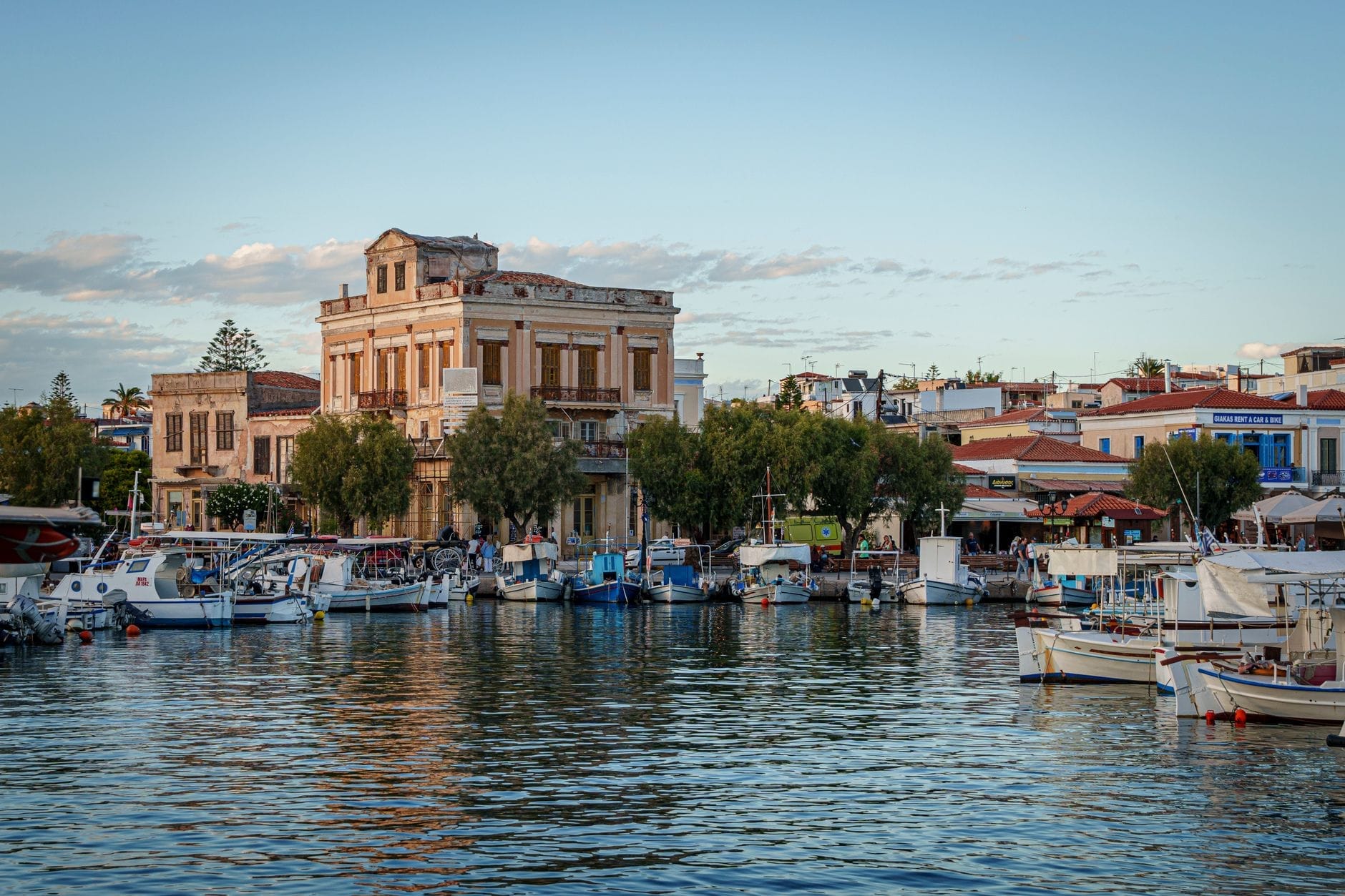
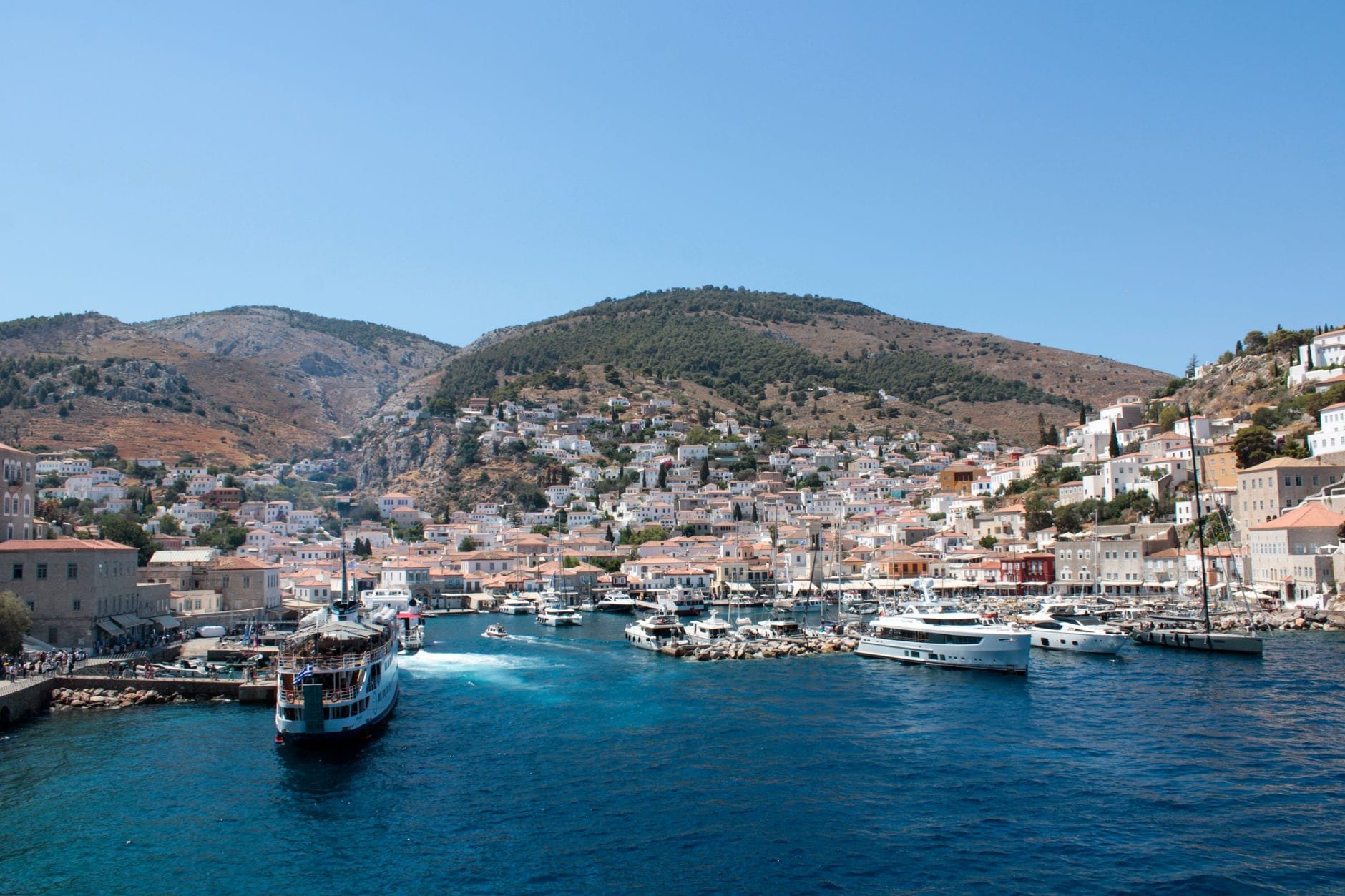
Travelers planning island day trips or multi-day excursions from Piraeus will find the day trips from Athens guide useful for understanding ferry logistics, timing, and which islands are most accessible. Nearby Aegina Island is among the closest and most manageable departures, reachable in under an hour by fast ferry.
💡 Local tip
Greek ferry schedules are seasonal and change significantly between summer and winter. Always confirm departure times directly with the ferry company or at the ticket office rather than relying on cached information, especially outside peak season.
Quick Verdict
TL;DR
Piraeus is Athens' working port and the departure point for ferries to virtually all Greek islands: most visitors pass through rather than stay.
The three harbor areas (main port, Pasalimani, Mikrolimano) have completely different atmospheres; knowing which one you are heading to matters.
Mikrolimano is genuinely worth a visit for seafood and waterfront atmosphere; the Piraeus Archaeological Museum is underrated and uncrowded.
Metro Line 1 connects Piraeus directly to central Athens in around 15 minutes, making it easy to combine with a city-center stay.
Best suited to: island-bound travelers, maritime history enthusiasts, and anyone who wants to experience the working pulse of Greek sea life rather than its polished tourist face.
Three full days is the right amount of time to cover Athens at a comfortable pace, from the Acropolis and its world-class museum to the ancient Agora, Monastiraki, Kolonaki, and beyond. This guide breaks it all down day by day, with booking tips, honest crowd warnings, and the practical details most itineraries skip.
Twenty-four hours in Athens is enough to cover the Acropolis, the Acropolis Museum, the historic neighborhoods of Plaka and Monastiraki, and a spectacular sunset viewpoint. This itinerary is built around realistic walking distances, smart timing, and clear guidance on what to skip when time is short.
Athens holds one of the densest concentrations of ancient history on earth. This guide covers the city's major archaeological sites and museums, from the Acropolis and Ancient Agora to lesser-known gems like Kerameikos, with practical tips on tickets, timing, and what to expect at each.
Athens is one of the best cities in Europe to eat well without spending much. This guide covers the essential dishes, where to find them, realistic prices for 2026, and how to avoid the tourist traps that line the most photographed streets in the city.
Athens rewards those who wander beyond the obvious. From a Cycladic island village clinging to the Acropolis rock to a thermal lake on the coast, these are the experiences that make the city feel like yours. This guide covers the lesser-known sites, quiet hills, and local haunts that most visitors walk straight past.
Summer in Athens means intense heat, peak crowds, and some of the longest days in Europe. This guide breaks down what each month actually looks like, how to handle the heat, and how to get the most out of your visit in June, July, or August.
Athens nightlife runs on its own schedule, with dinners starting at 10pm and clubs peaking between 3 and 5am. This guide covers every major district, the best bars and clubs, what things cost, how to dress, and how to navigate the city after dark like a local.
Athens is one of Europe's most affordable capitals, with free archaeological sites, cheap street food, and an excellent public transport network. This guide breaks down exactly what things cost, when to go for the best deals, and how to stretch every euro without missing anything important.
Athens is generally a safe city for tourists, but petty theft, taxi scams, and a few neighborhood considerations are worth knowing before you arrive. This guide covers the real risks, the overhyped ones, and exactly how to stay out of trouble.
Athens rewards shoppers who know where to look. This guide breaks down the city's best markets, shopping streets, and neighborhoods by type, with practical advice on timing, pricing, and what's actually worth buying versus what to skip.
Athens is one of Europe's most walkable capitals, with millennia of history packed into a compact city center. This guide covers the best guided walking tours, self-guided routes, practical logistics, and clear advice on timing, pricing, and what to avoid.
Athens is far more family-friendly than most travelers expect. From interactive museum programs and funicular rides to free outdoor ceremonies and canal kayaking, this guide covers the best activities for children of all ages, honest pricing breakdowns, and practical logistics for navigating Athens with kids.
Athens holds one of the densest concentrations of world-class museums anywhere in Europe. This guide covers every major collection, from the Acropolis Museum's Parthenon sculptures to the Benaki's sweep of Greek history, with practical advice on what to prioritise and when to go.
Athens rewards visitors year-round, but the experience changes dramatically by season. This guide breaks down every month by weather, crowd levels, and cost so you can plan around what actually matters to you.
Athens rewards those who look up, and out. The city's hills, ancient rock outcrops, rooftop bars, and clifftop temples frame the Parthenon, the Saronic Gulf, and the sprawling Attic basin from every angle. This guide covers the best viewpoints in Athens, from completely free hilltop climbs to spectacular paid experiences.
Athens sits at the center of one of Europe's richest regions for day tripping. Within a few hours you can stand at the Oracle of Delphi, swim off a car-free Saronic island, or walk through a Bronze Age citadel. This guide covers the best day trips from Athens, organized by type and travel time.
Athens is one of Europe's most rewarding cities on a tight budget. From ancient hilltop views and marble stadiums to flea markets and ceremonial guards, this guide covers the best free experiences in the Greek capital, plus the specific days when even major paid sites open their gates for nothing.
Athens has one of the most affordable and well-connected urban transport networks in Southern Europe. This guide covers everything from metro fares and airport express buses to taxi flat rates, tram routes, and the ticketing mistakes that catch most first-time visitors off guard.
Athens rewards visitors who go beyond the obvious. This guide covers the best things to do in Athens Greece, from ancient sites and world-class museums to rooftop bars, coastal escapes, and neighborhood walks, with practical advice on tickets, timing, and what to skip.
Choosing where to stay in Athens shapes your entire trip. This guide breaks down every major neighbourhood by walkability, noise level, price range, and proximity to the sights that matter, so you can book with confidence rather than guesswork.