Hidden Gems in Athens: 18 Off the Beaten Path Experiences You'll Actually Remember
Athens rewards those who wander beyond the obvious. From a Cycladic island village clinging to the Acropolis rock to a thermal lake on the coast, these are the experiences that make the city feel like yours. This guide covers the lesser-known sites, quiet hills, and local haunts that most visitors walk straight past.
Plan and book this trip
Tools from our partner Travelpayouts help you compare flights and hotels. If you book through them, we may earn a commission at no extra cost to you.
Flights
Hotels map
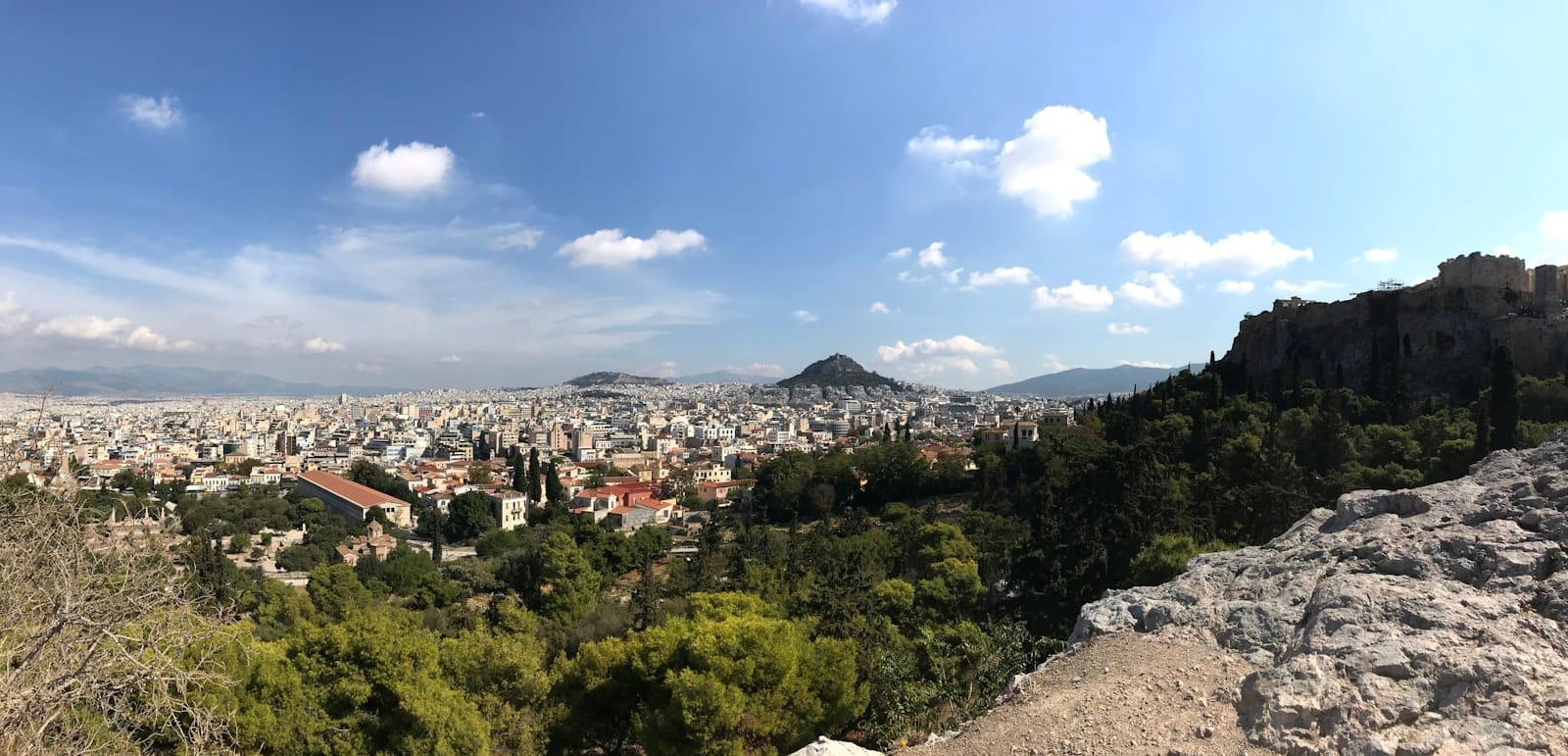
Most visitors to Athens tick off the Acropolis, wander through Plaka, and call it a day. That's a fine trip, but it's barely scratching the surface. Athens has been continuously inhabited for over 3,000 years, and the layers run deep: Ottoman bathhouses, Byzantine monasteries, Cycladic island enclaves, and ancient cemeteries that see a fraction of the tourist traffic of the main sites. The neighborhoods of Psyrri and Gazi have their own distinct characters, and the hills surrounding the Acropolis offer free, crowd-free views that rival anything you'll pay to enter. For a fuller picture of what the city has to offer, the Athens walking tours guide is an excellent companion to this list.
💡 Local tip
Many of the best off-the-beaten-path spots in Athens are free or very cheap. Go early in the morning to beat both crowds and summer heat. Spring (April–May) and autumn (September–October) are ideal for exploring on foot.
Secret Neighborhoods & Streets
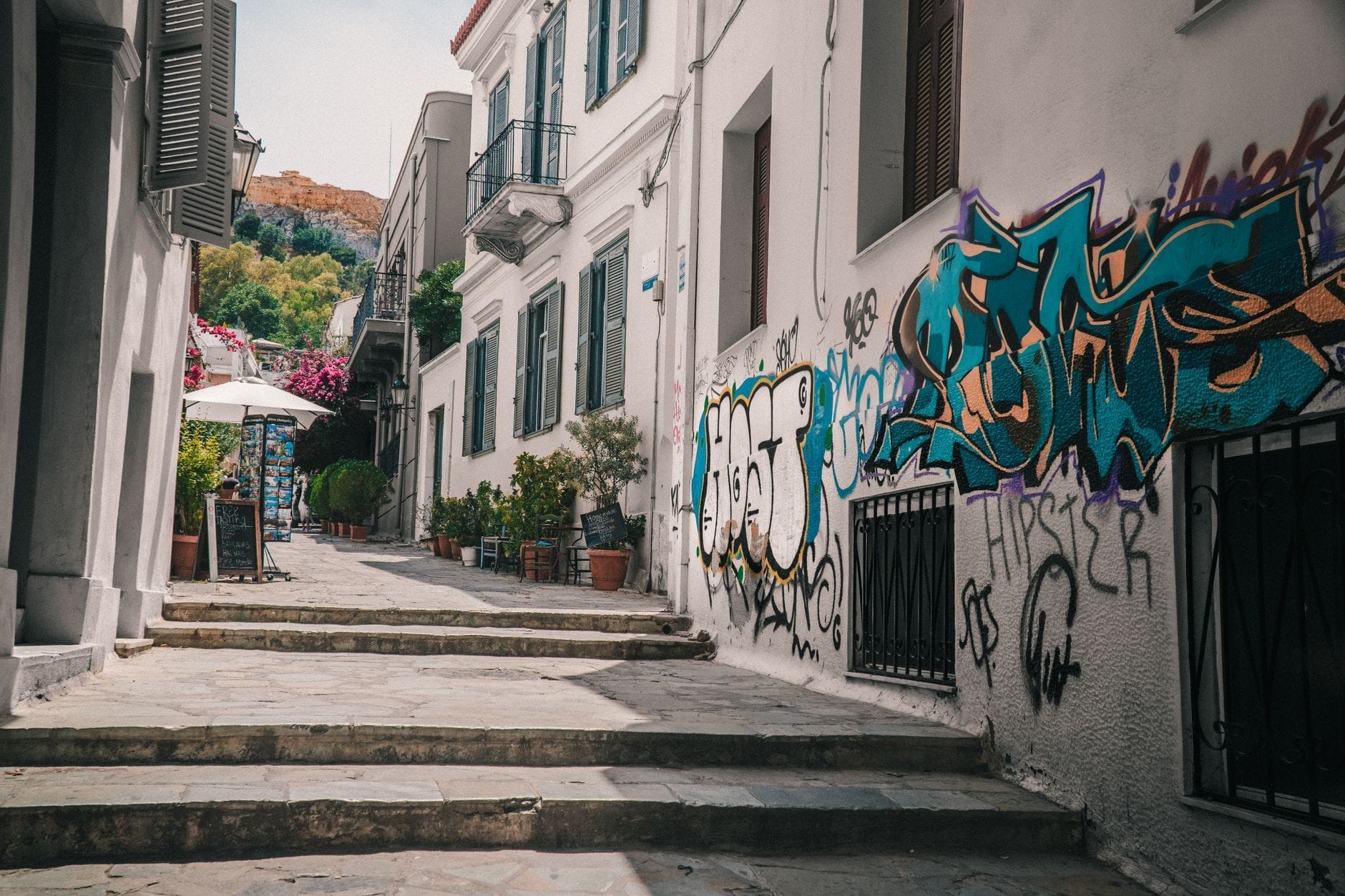
Some of Athens' most compelling places to explore are not monuments at all but entire neighborhoods that feel like they belong to a different century or a different country. The Monastiraki area alone contains Ottoman-era ruins and a flea market that rewards slow, curious walking. These are the areas where Athens reveals its character most honestly.
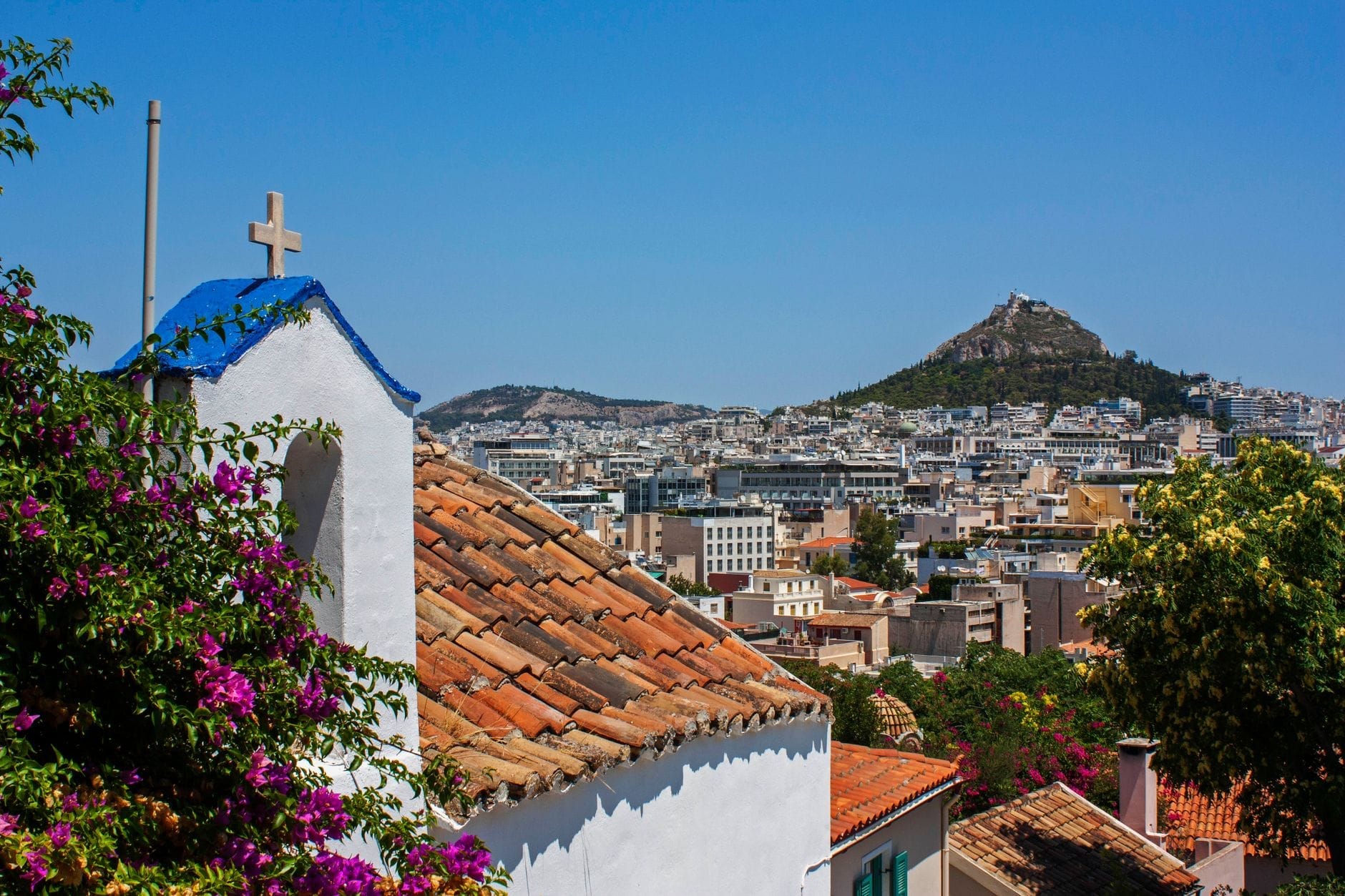
1. Wander the Cycladic Enclave of Anafiotika
A maze of whitewashed houses, bougainvillea, and cats on the Acropolis' north slope, built by craftsmen from Anafi island in the 1800s. It's free to explore and feels utterly unlike any other European capital neighborhood.
Explore1. Wander the Cycladic Enclave of Anafiotika
A maze of whitewashed houses, bougainvillea, and cats on the Acropolis' north slope, built by craftsmen from Anafi island in the 1800s. It's free to explore and feels utterly unlike any other European capital neighborhood.
Explore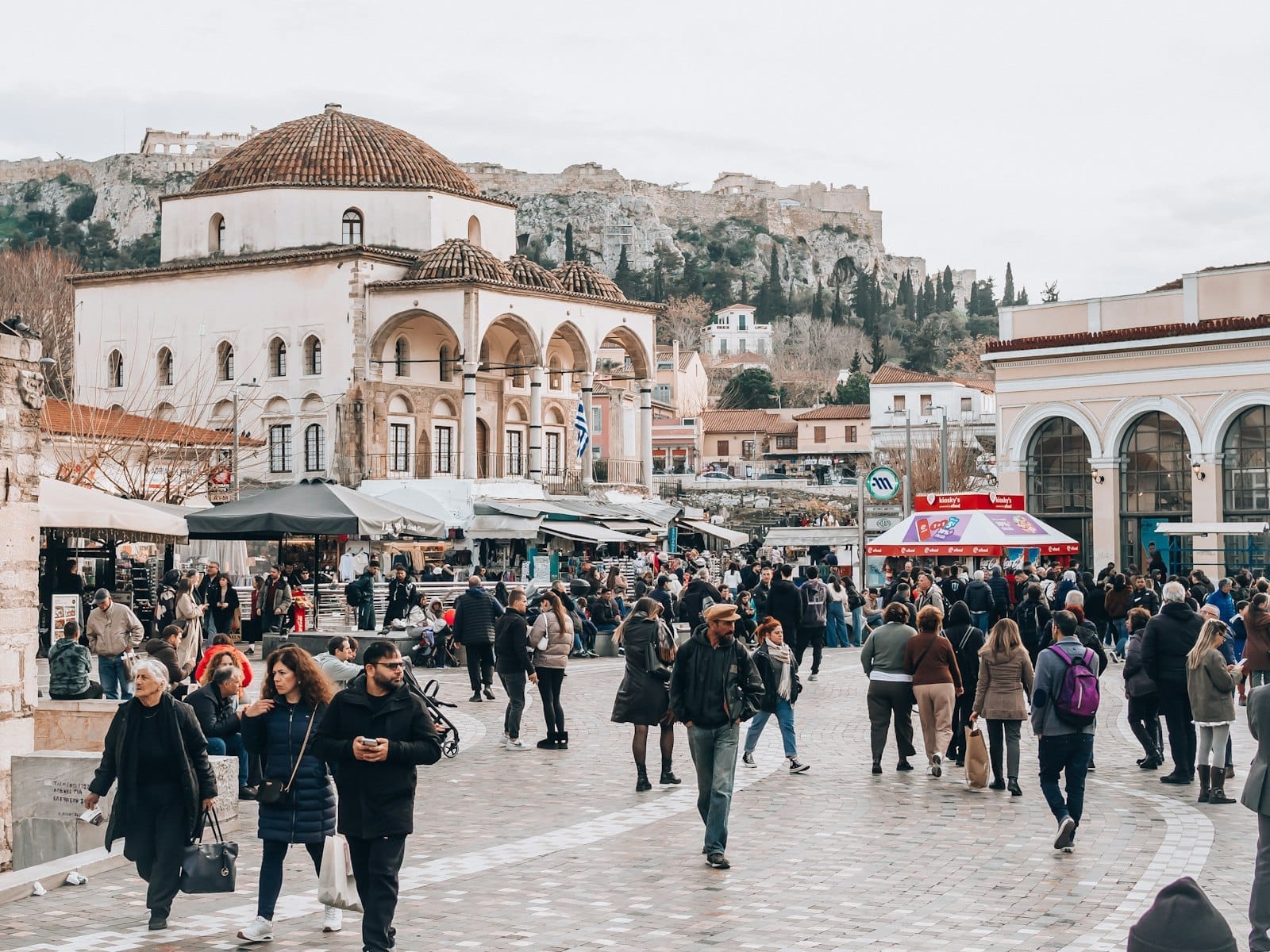
2. Lose an Hour in Monastiraki Flea Market
Sunday mornings are best, when antiques, vintage vinyl, old maps, and Greek curiosities overflow the stalls. Even on weekdays the permanent shops around Avyssinias Square offer genuine browsing without the pressure of a polished retail experience.
Explore2. Lose an Hour in Monastiraki Flea Market
Sunday mornings are best, when antiques, vintage vinyl, old maps, and Greek curiosities overflow the stalls. Even on weekdays the permanent shops around Avyssinias Square offer genuine browsing without the pressure of a polished retail experience.
Explore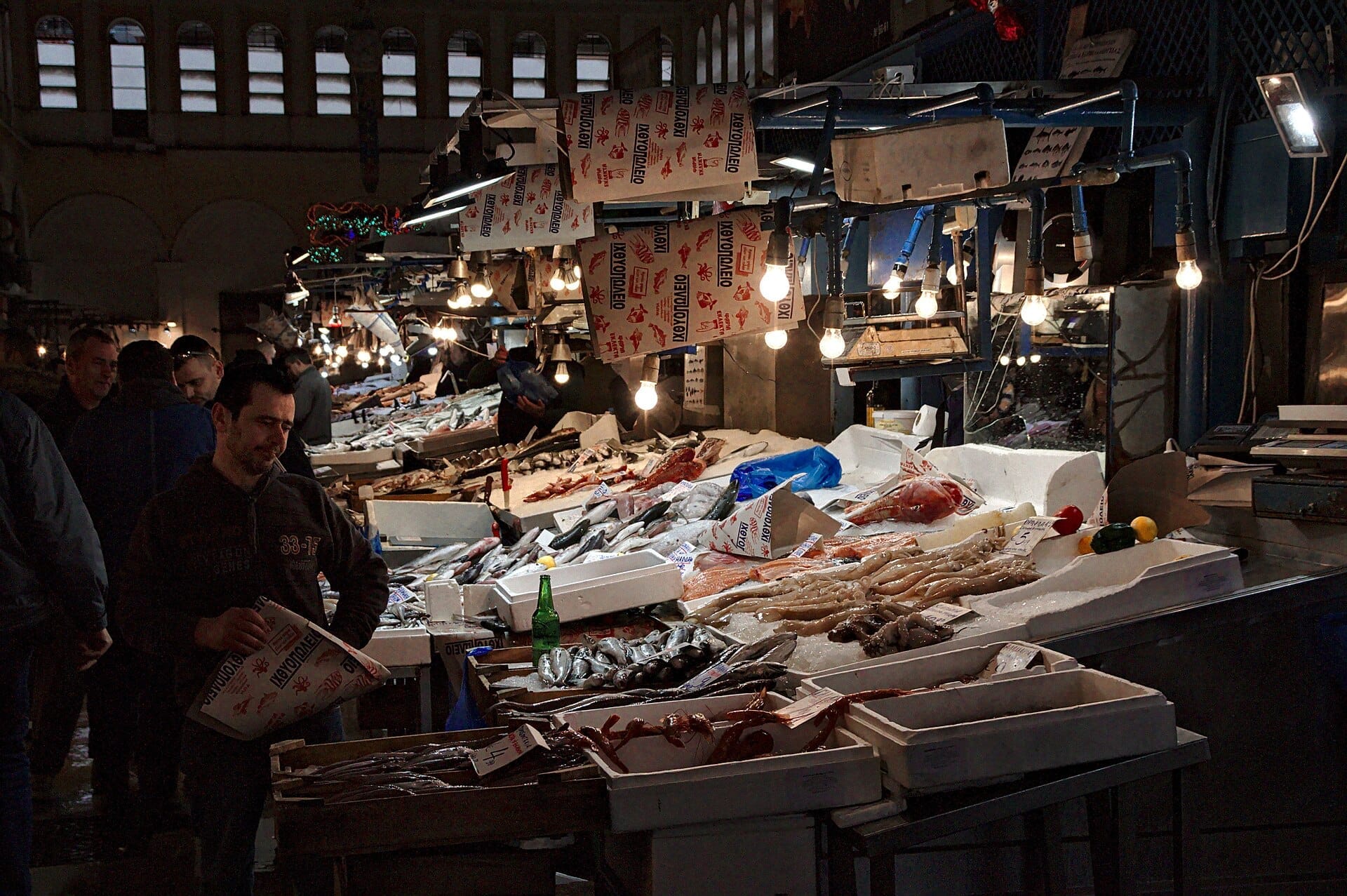
3. Walk Through the Varvakios Agora Like a Local
Operating since 1886, this covered market is where Athens actually shops. Hanging carcasses, fresh fish on ice, barrels of olives: arrive before noon on a weekday and you'll have the full sensory experience with almost no other tourists in sight.
Explore3. Walk Through the Varvakios Agora Like a Local
Operating since 1886, this covered market is where Athens actually shops. Hanging carcasses, fresh fish on ice, barrels of olives: arrive before noon on a weekday and you'll have the full sensory experience with almost no other tourists in sight.
Explore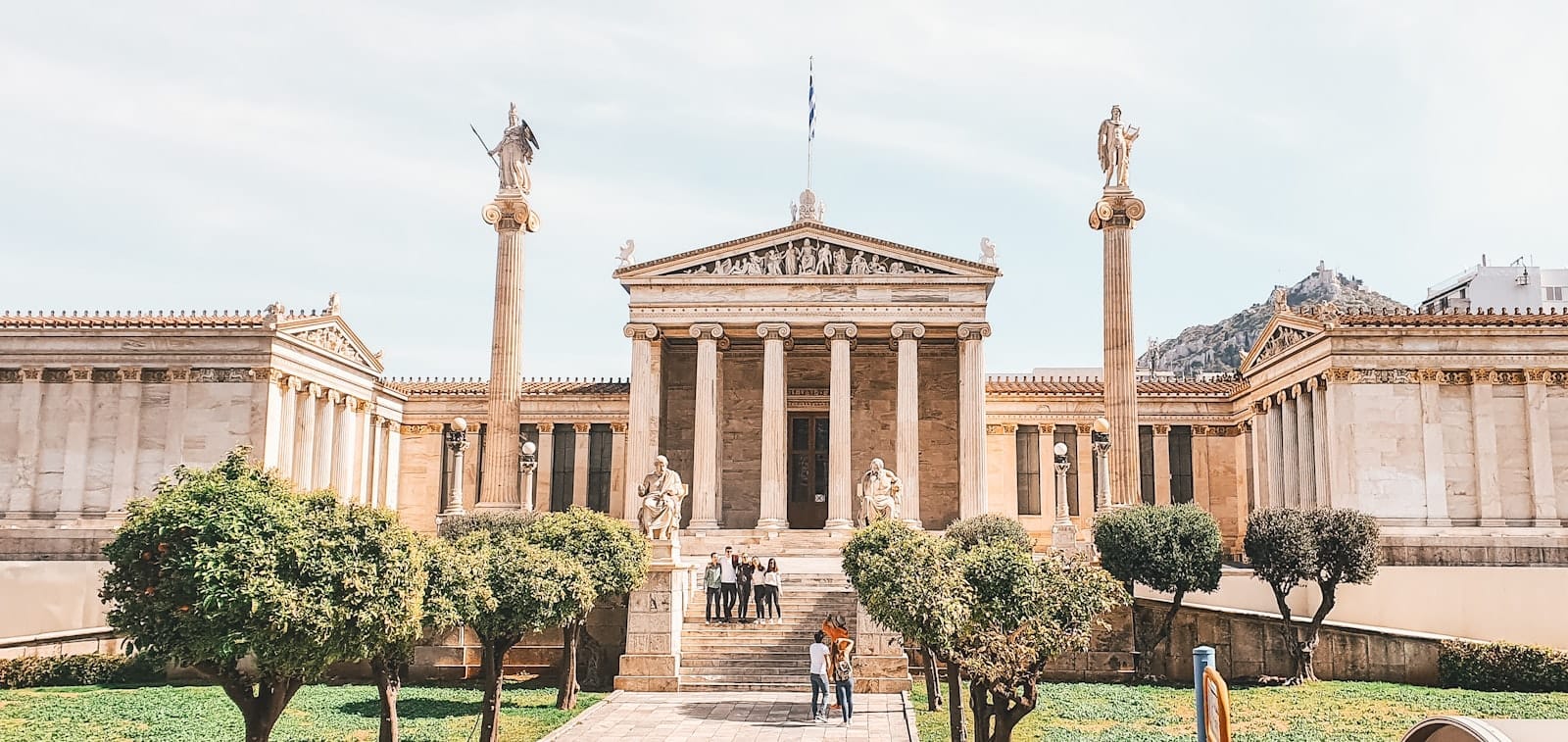
4. Discover the Neoclassical Trilogy on Panepistimiou Street
Three Hansen-designed civic masterpieces, the Academy, University, and National Library, stand in a row most visitors walk past on their way somewhere else. The Academy's sculpted pediment and marble columns rival anything in central Europe for sheer grandeur.
Explore4. Discover the Neoclassical Trilogy on Panepistimiou Street
Three Hansen-designed civic masterpieces, the Academy, University, and National Library, stand in a row most visitors walk past on their way somewhere else. The Academy's sculpted pediment and marble columns rival anything in central Europe for sheer grandeur.
ExploreQuiet Hills & Free Viewpoints
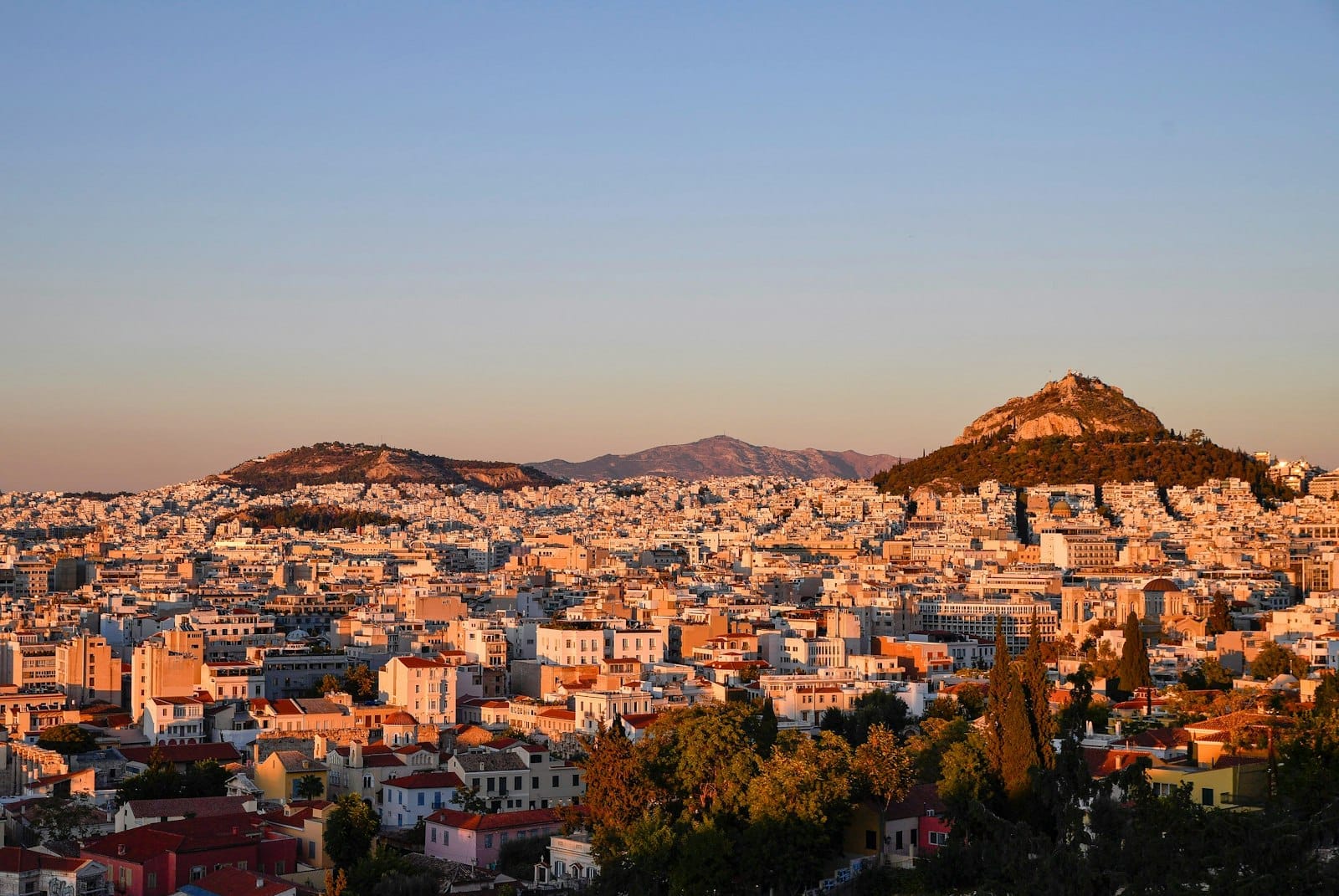
Athens is a city of hills, and several of them offer spectacular views without entrance fees or queues. If you want the full picture of where to find the best panoramas, the best views in Athens guide covers them in detail. The hills below are consistently less crowded than the Acropolis and are often at their best just before sunset.
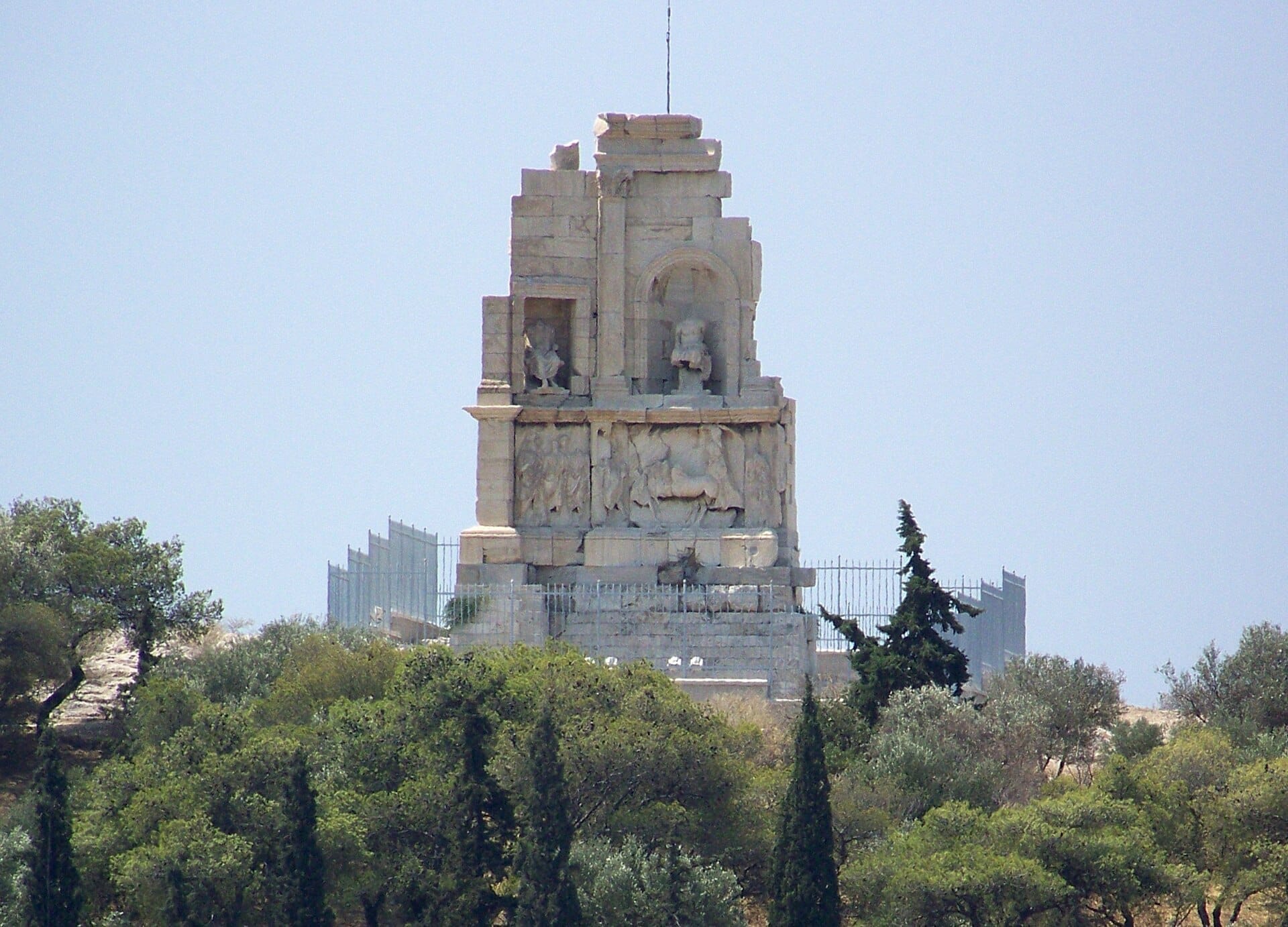
5. Hike Philopappos Hill for Uncrowded Acropolis Views
The pine-covered path to the Philopappos Monument takes about 20 minutes and most days you'll have stretches of it entirely to yourself. The view of the Parthenon from the summit is arguably the best free angle in the city.
Explore5. Hike Philopappos Hill for Uncrowded Acropolis Views
The pine-covered path to the Philopappos Monument takes about 20 minutes and most days you'll have stretches of it entirely to yourself. The view of the Parthenon from the summit is arguably the best free angle in the city.
Explore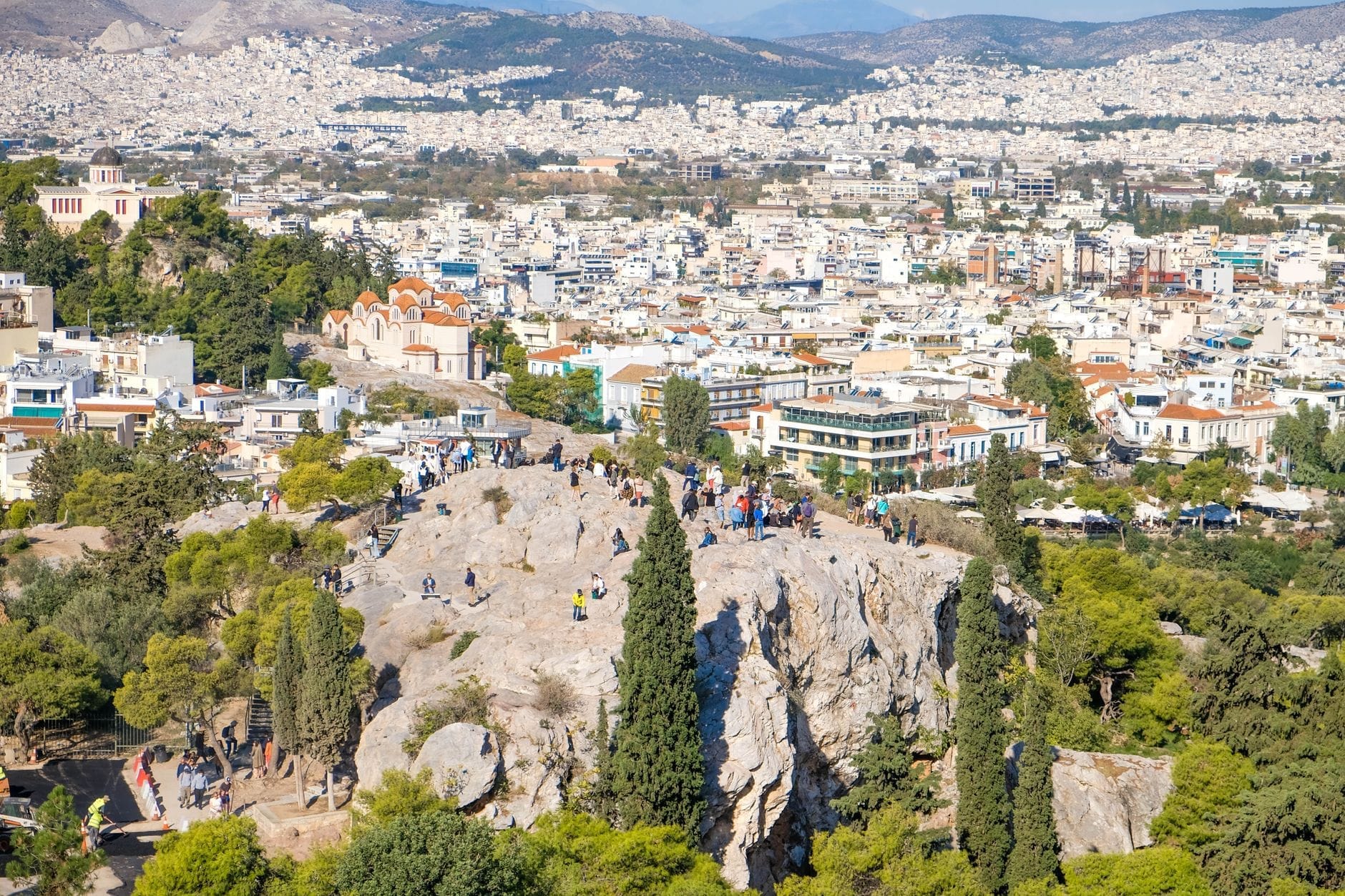
6. Sit on Areopagus Hill at Sunset
This bare limestone outcrop next to the Acropolis is free, always open, and has no barriers. Locals bring wine and watch the sun set behind the Ancient Agora. St Paul preached here in 51 AD; the carved text of his sermon is still on a plaque at the base.
Explore6. Sit on Areopagus Hill at Sunset
This bare limestone outcrop next to the Acropolis is free, always open, and has no barriers. Locals bring wine and watch the sun set behind the Ancient Agora. St Paul preached here in 51 AD; the carved text of his sermon is still on a plaque at the base.
Explore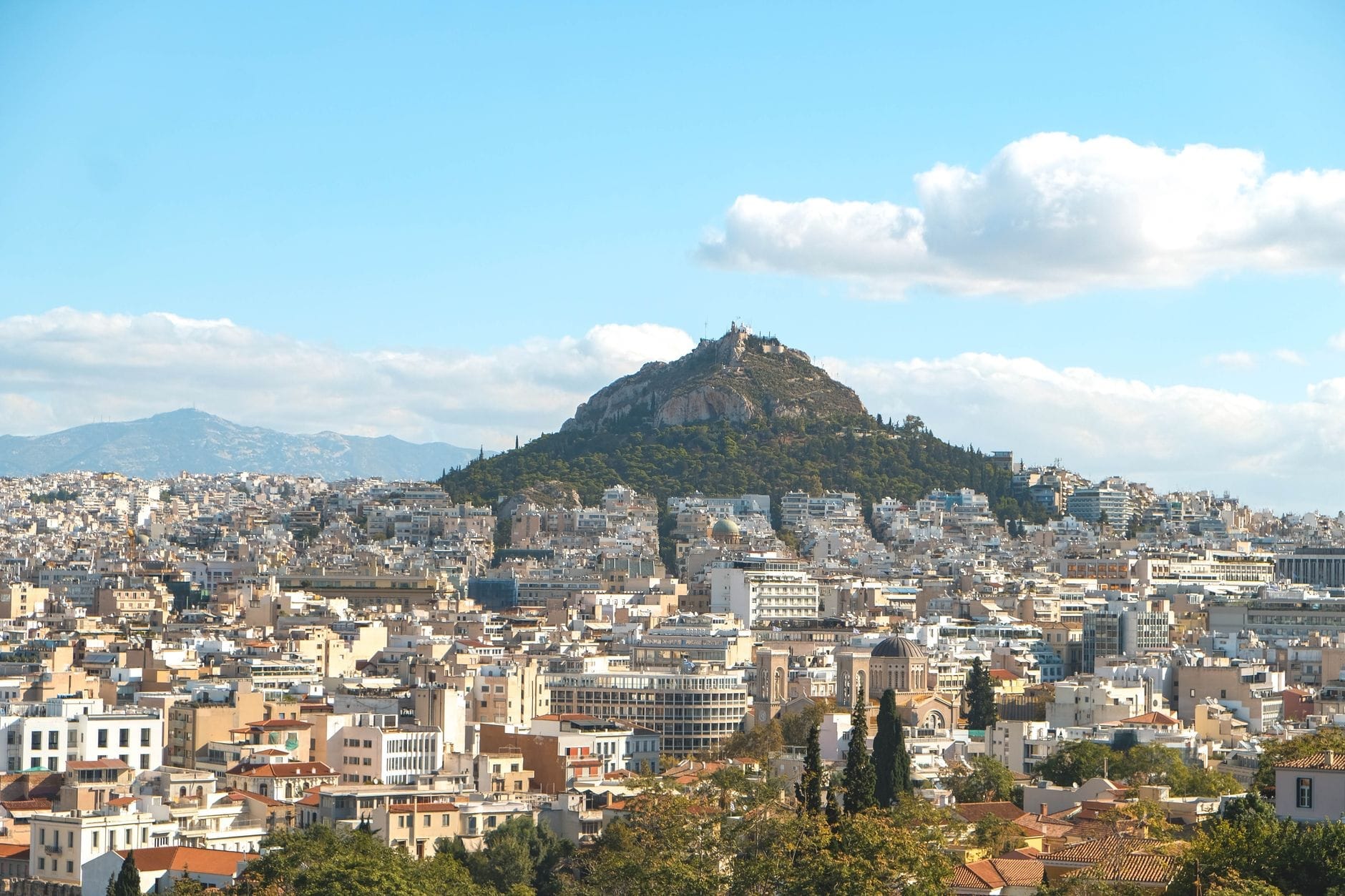
7. Reach the Top of Mount Lycabettus by Funicular
At 277 metres, Lycabettus is Athens' highest point and gives a 360-degree panorama over the entire city to the sea. Take the funicular from Kolonaki; the summit cafe is a genuine stop, not just a tourist trap.
Explore7. Reach the Top of Mount Lycabettus by Funicular
At 277 metres, Lycabettus is Athens' highest point and gives a 360-degree panorama over the entire city to the sea. Take the funicular from Kolonaki; the summit cafe is a genuine stop, not just a tourist trap.
ExploreOverlooked Ancient Sites
Beyond the Acropolis, Athens has ancient sites that most visitors either skip or don't know exist. Several are included in the combined archaeological ticket, meaning you may already have paid for entry. For a deeper dive into what to prioritize, the Athens ancient sites guide is the most thorough resource available.
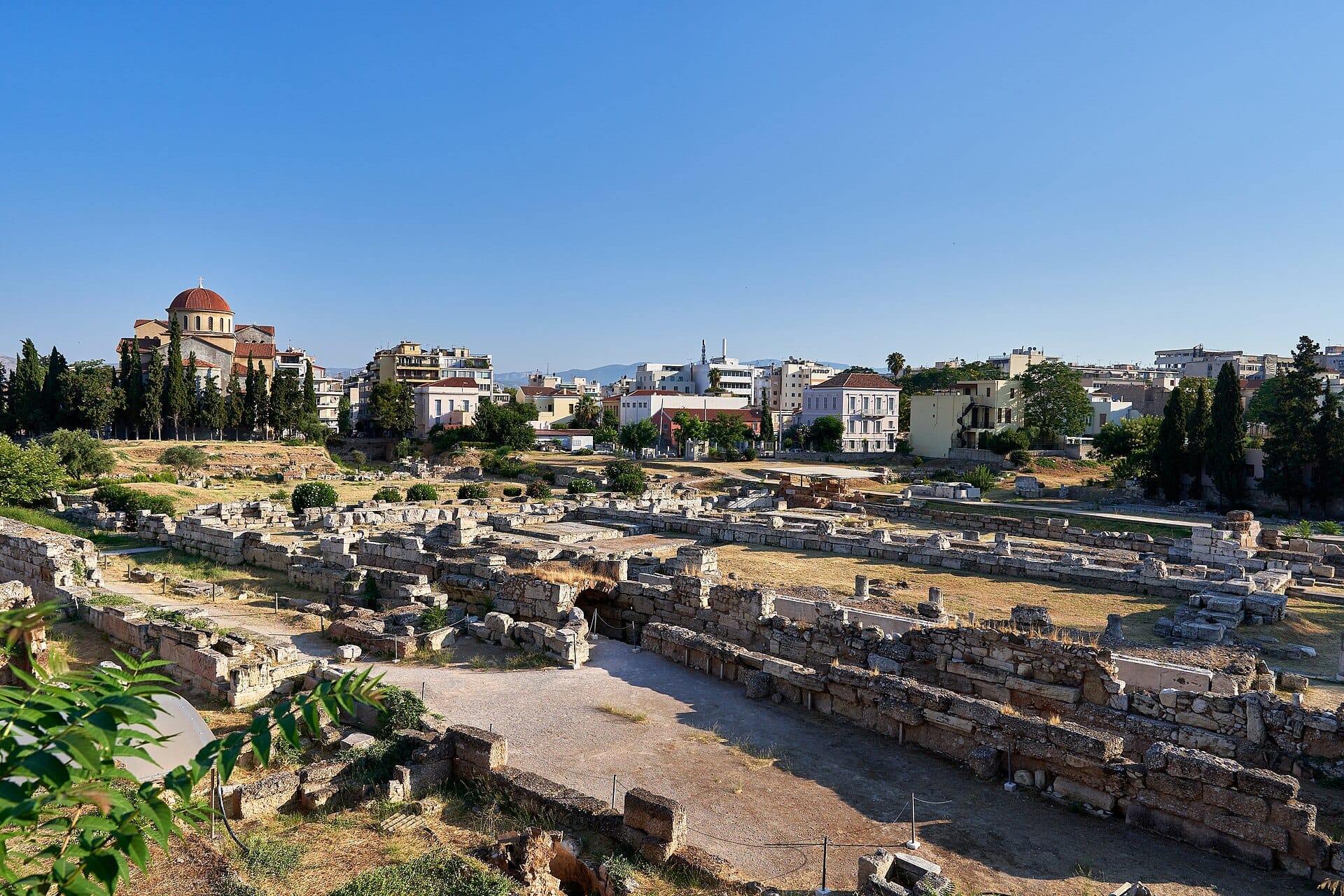
8. Explore Athens' Ancient Cemetery at Kerameikos
Athens' oldest and most important burial ground, used continuously from 1200 BC, sees a fraction of the visitors of nearby sites. The Sacred and Dipylon Gates, the Street of Tombs, and the on-site museum are all exceptional and rarely crowded even in peak season.
Explore8. Explore Athens' Ancient Cemetery at Kerameikos
Athens' oldest and most important burial ground, used continuously from 1200 BC, sees a fraction of the visitors of nearby sites. The Sacred and Dipylon Gates, the Street of Tombs, and the on-site museum are all exceptional and rarely crowded even in peak season.
Explore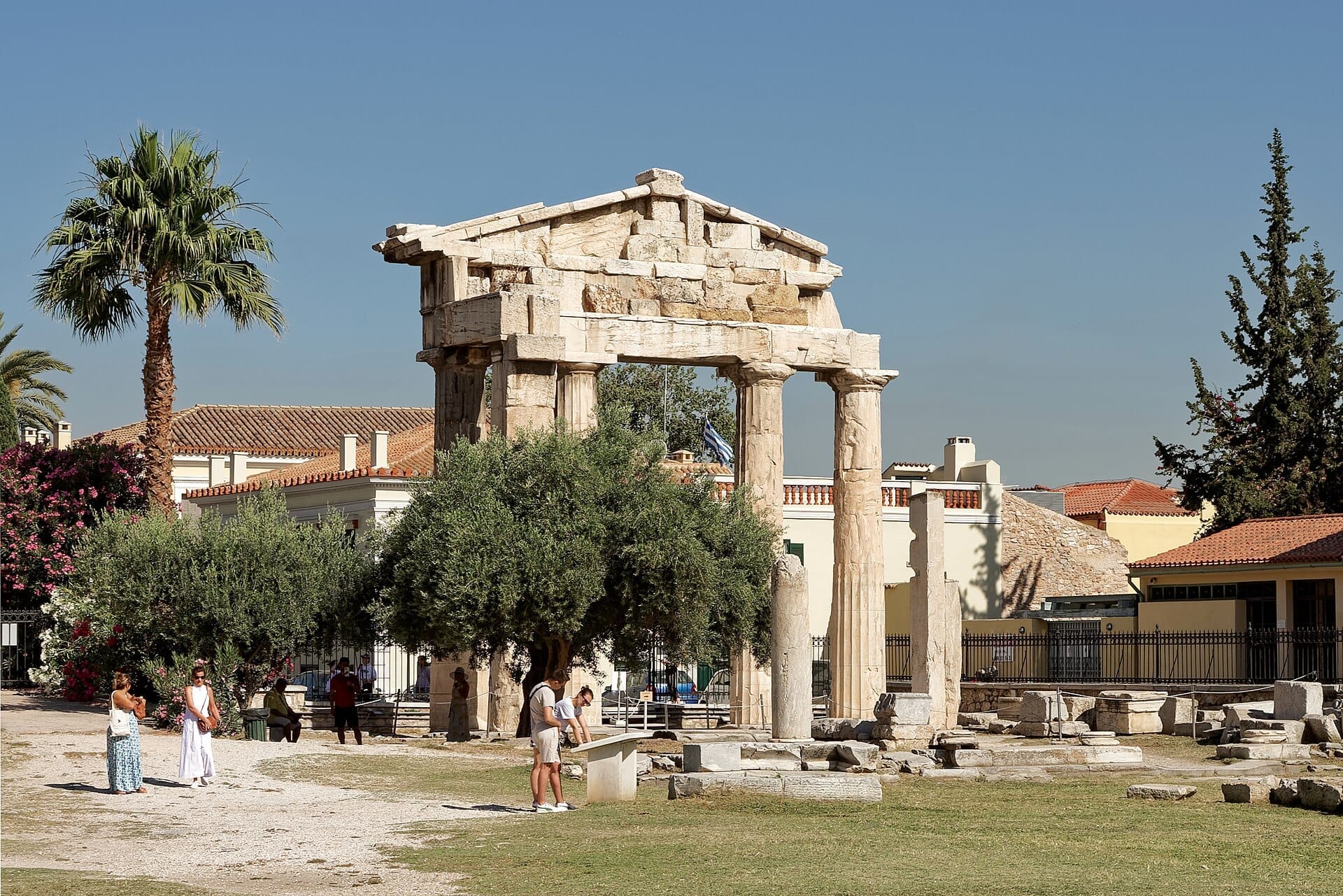
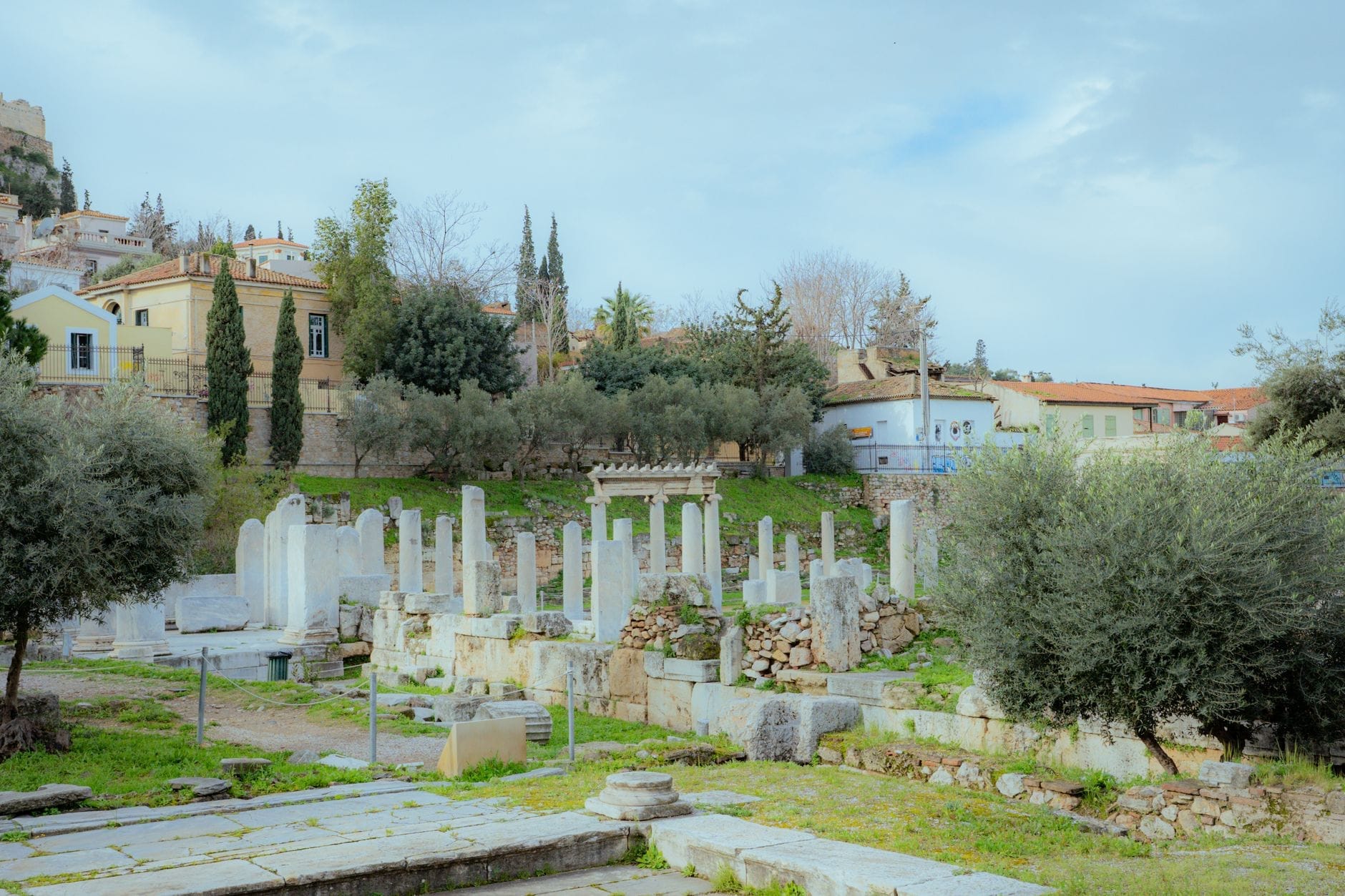
9. Find the Tower of the Winds in the Roman Agora
The Tower of the Winds is a 1st-century BC marble octagonal clocktower with carved wind gods on each face, one of Athens' most unusual ancient structures. The Roman Agora surrounding it is compact and rarely busy, sitting just steps from the crowded Monastiraki Square.
Explore9. Find the Tower of the Winds in the Roman Agora
The Tower of the Winds is a 1st-century BC marble octagonal clocktower with carved wind gods on each face, one of Athens' most unusual ancient structures. The Roman Agora surrounding it is compact and rarely busy, sitting just steps from the crowded Monastiraki Square.
Explore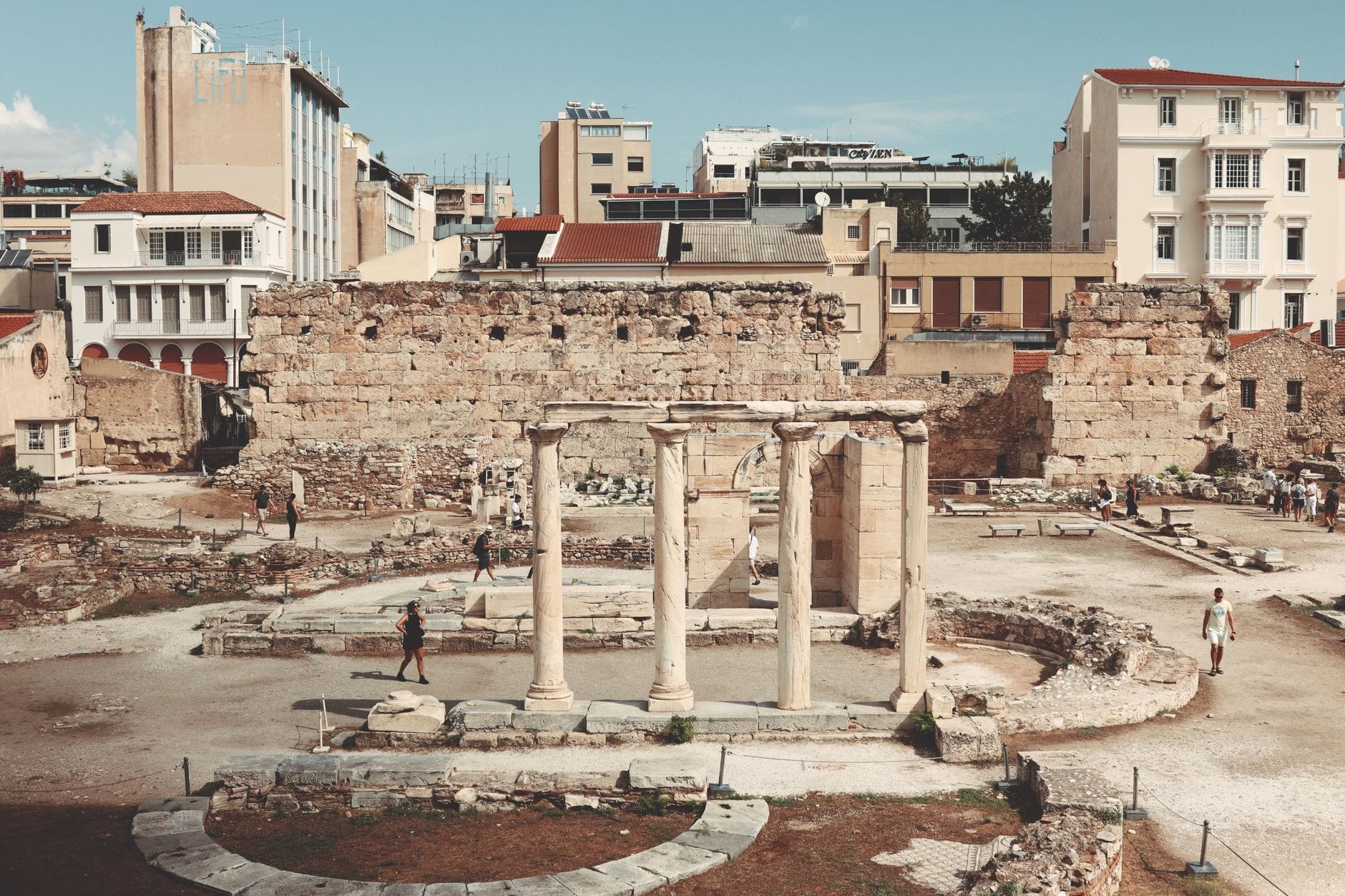
10. Walk the Colonnaded Ruins of Hadrian's Library
Emperor Hadrian's vast library complex from 132 AD is largely unroofed and open to the sky, its towering Corinthian facade visible from the street. Inside, you can trace the footprint of one of the ancient world's great repositories of knowledge. Few visitors linger long.
Explore10. Walk the Colonnaded Ruins of Hadrian's Library
Emperor Hadrian's vast library complex from 132 AD is largely unroofed and open to the sky, its towering Corinthian facade visible from the street. Inside, you can trace the footprint of one of the ancient world's great repositories of knowledge. Few visitors linger long.
Explore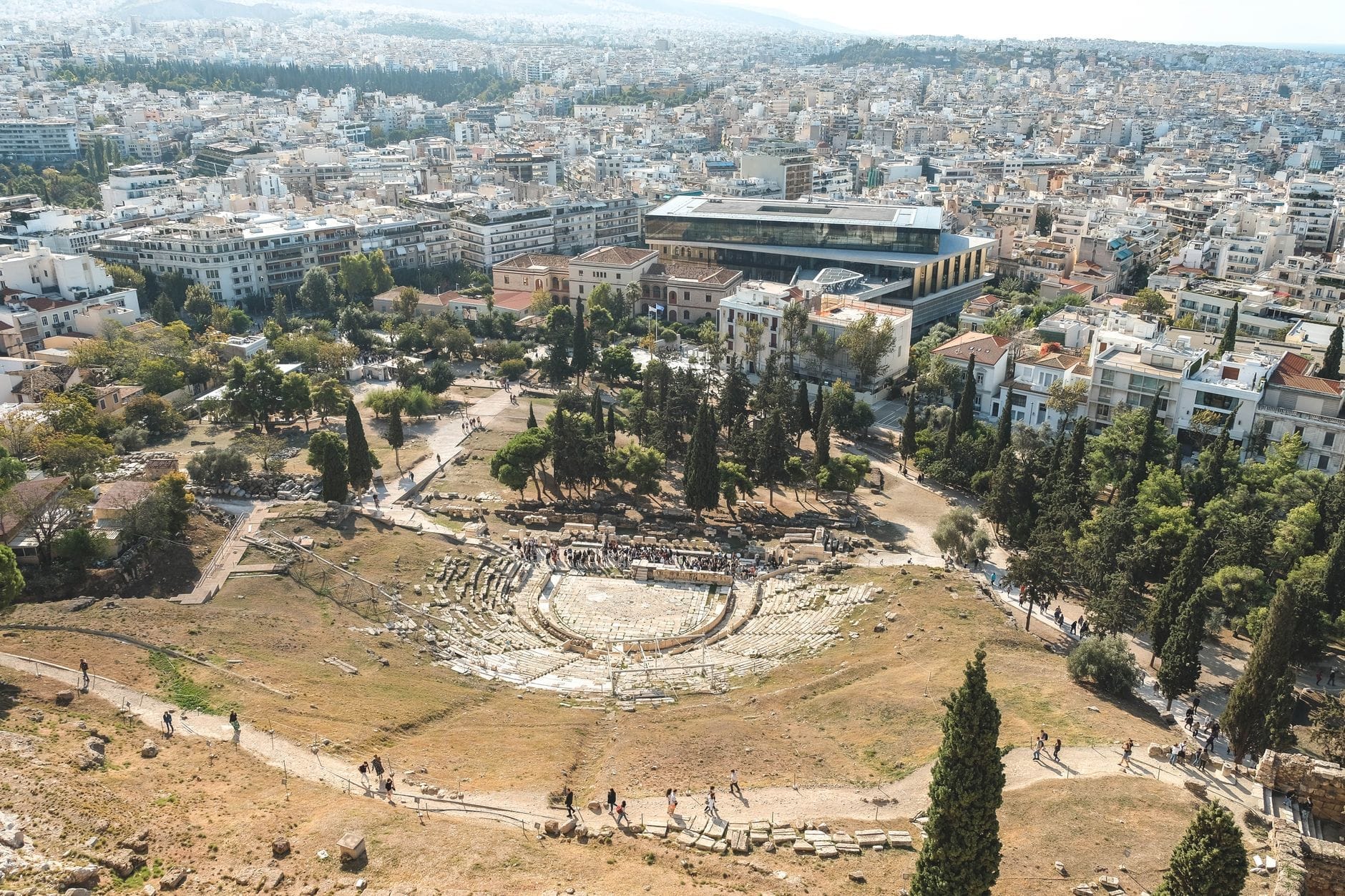
11. See Where Greek Tragedy Was Born at the Theatre of Dionysus
The world's first theatre, where Sophocles and Euripides premiered their plays, sits on the Acropolis' south slope and is included in the Acropolis & Slopes ticket (€30). The carved marble thrones of the front row are still intact and most visitors walk past without stopping.
Explore11. See Where Greek Tragedy Was Born at the Theatre of Dionysus
The world's first theatre, where Sophocles and Euripides premiered their plays, sits on the Acropolis' south slope and is included in the Acropolis & Slopes ticket (€30). The carved marble thrones of the front row are still intact and most visitors walk past without stopping.
Explore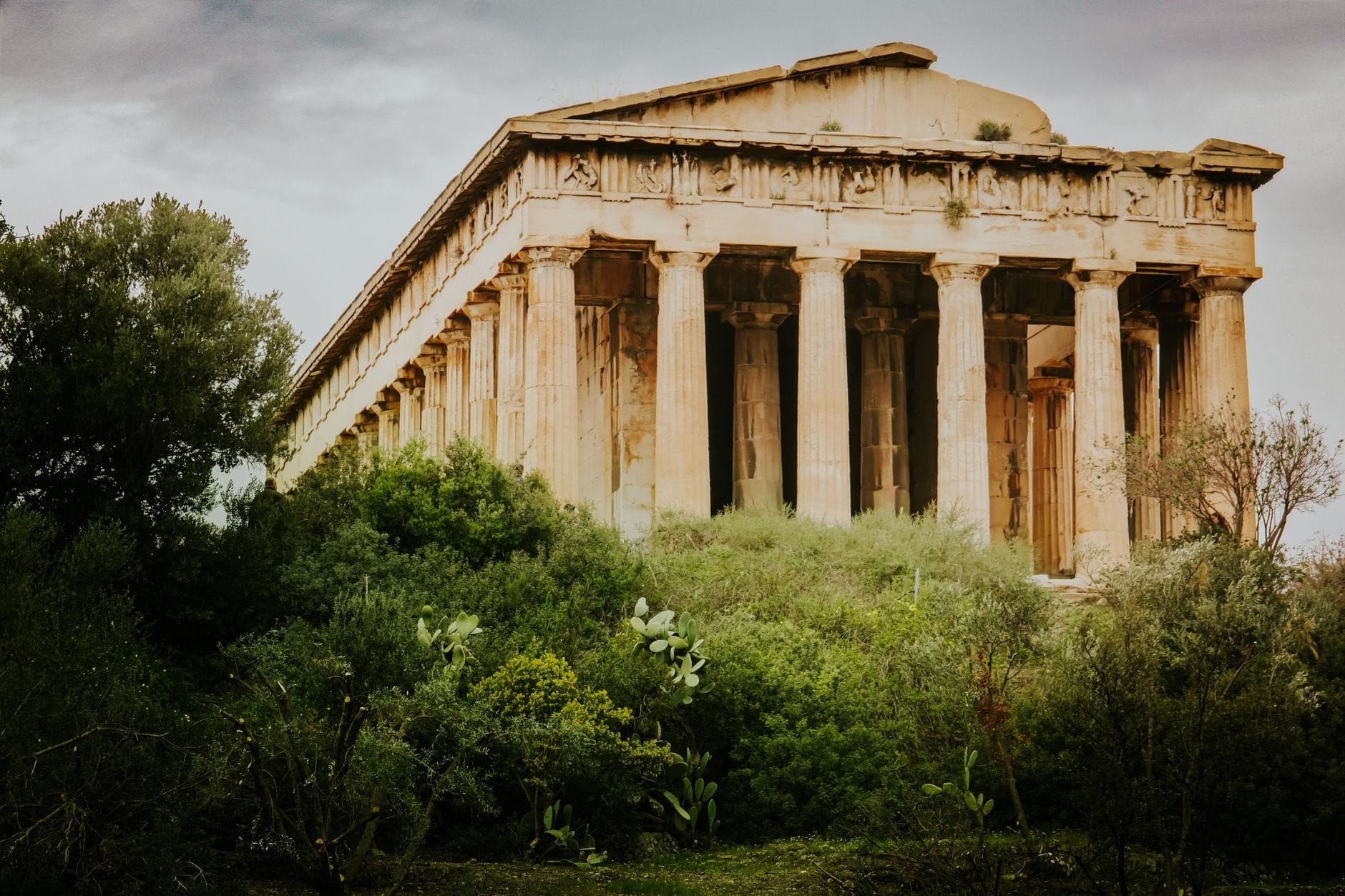
12. Stand Before the Best-Preserved Temple in Greece
More complete than the Parthenon, the Temple of Hephaestus in the Ancient Agora has stood for over 2,400 years with its Doric colonnade almost entirely intact. It consistently surprises visitors who expected the Acropolis to be more impressive.
Explore12. Stand Before the Best-Preserved Temple in Greece
More complete than the Parthenon, the Temple of Hephaestus in the Ancient Agora has stood for over 2,400 years with its Doric colonnade almost entirely intact. It consistently surprises visitors who expected the Acropolis to be more impressive.
ExploreUnusual Museums Worth Seeking Out
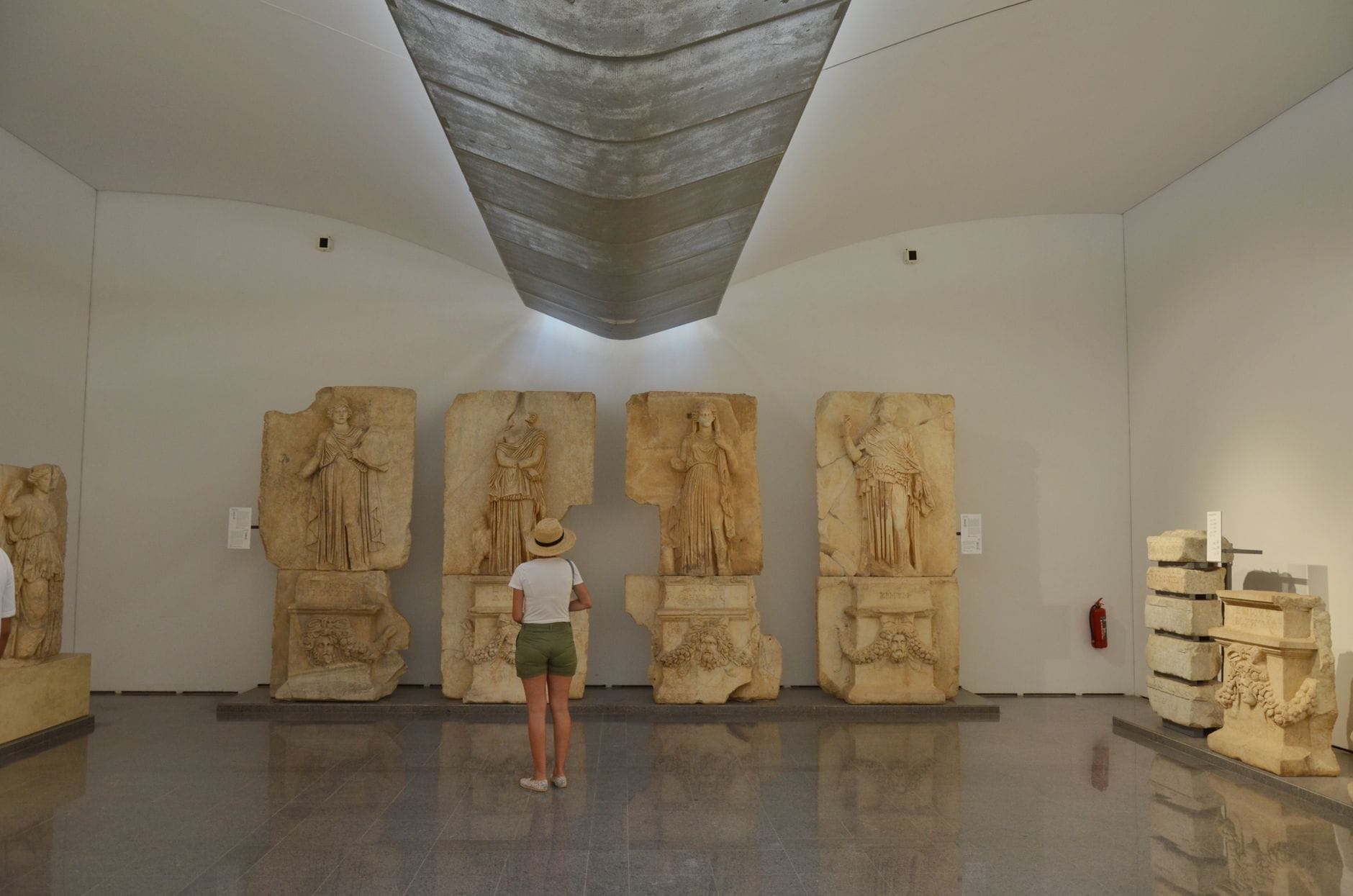
Athens has more than 100 museums, and most visitors see two or three of the obvious ones. The city's smaller and more specialized collections reward curiosity disproportionately. For a curated overview of what's worth your time, the best museums in Athens guide covers both the major institutions and the overlooked ones.
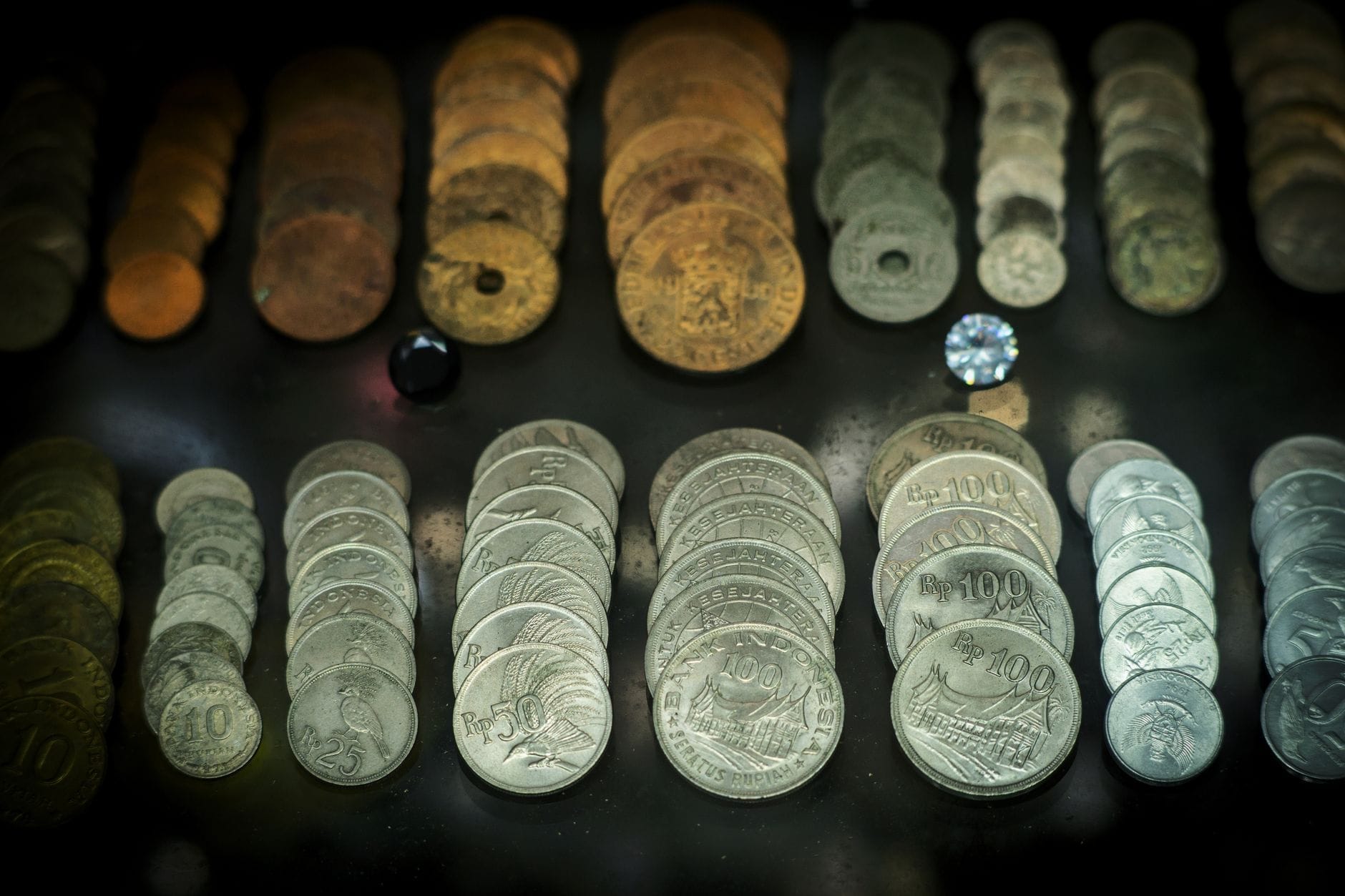
13. Tour Heinrich Schliemann's Mansion at the Numismatic Museum
The discoverer of Troy built this palatial neoclassical home, and the building alone is worth the visit. Inside, 600,000 coins from antiquity to the modern era make up one of the world's great numismatic collections, all but ignored by the general tourist circuit.
Explore13. Tour Heinrich Schliemann's Mansion at the Numismatic Museum
The discoverer of Troy built this palatial neoclassical home, and the building alone is worth the visit. Inside, 600,000 coins from antiquity to the modern era make up one of the world's great numismatic collections, all but ignored by the general tourist circuit.
Explore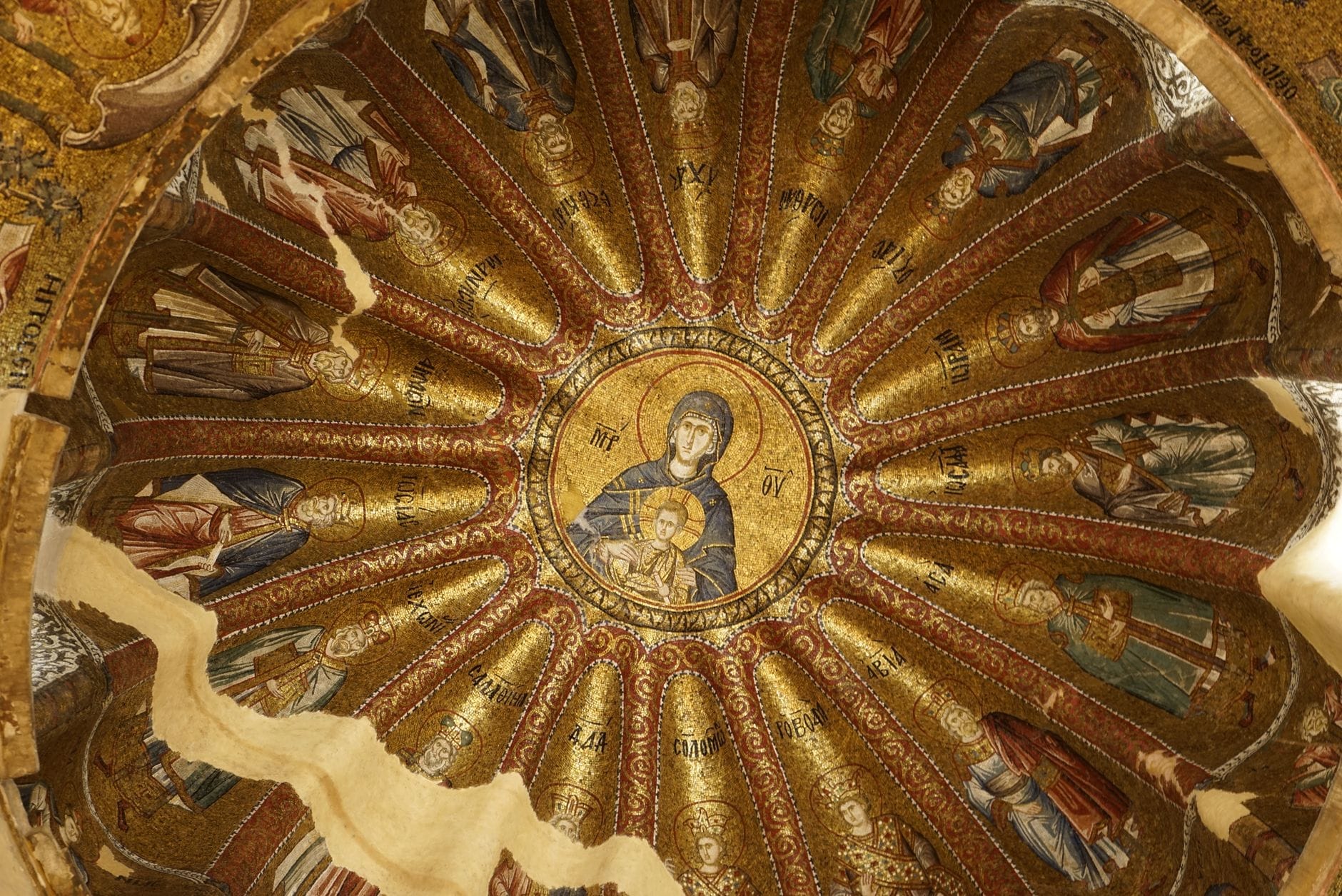
14. Discover Byzantine Icons at an Unexpectedly Beautiful Museum
Housed in a 19th-century Florentine villa in Kolonaki, this museum traces Christian art from early Byzantine icons to post-Byzantine masterpieces. The courtyard is one of Athens' most serene spots and the collection is world-class without ever feeling overwhelming.
Explore14. Discover Byzantine Icons at an Unexpectedly Beautiful Museum
Housed in a 19th-century Florentine villa in Kolonaki, this museum traces Christian art from early Byzantine icons to post-Byzantine masterpieces. The courtyard is one of Athens' most serene spots and the collection is world-class without ever feeling overwhelming.
Explore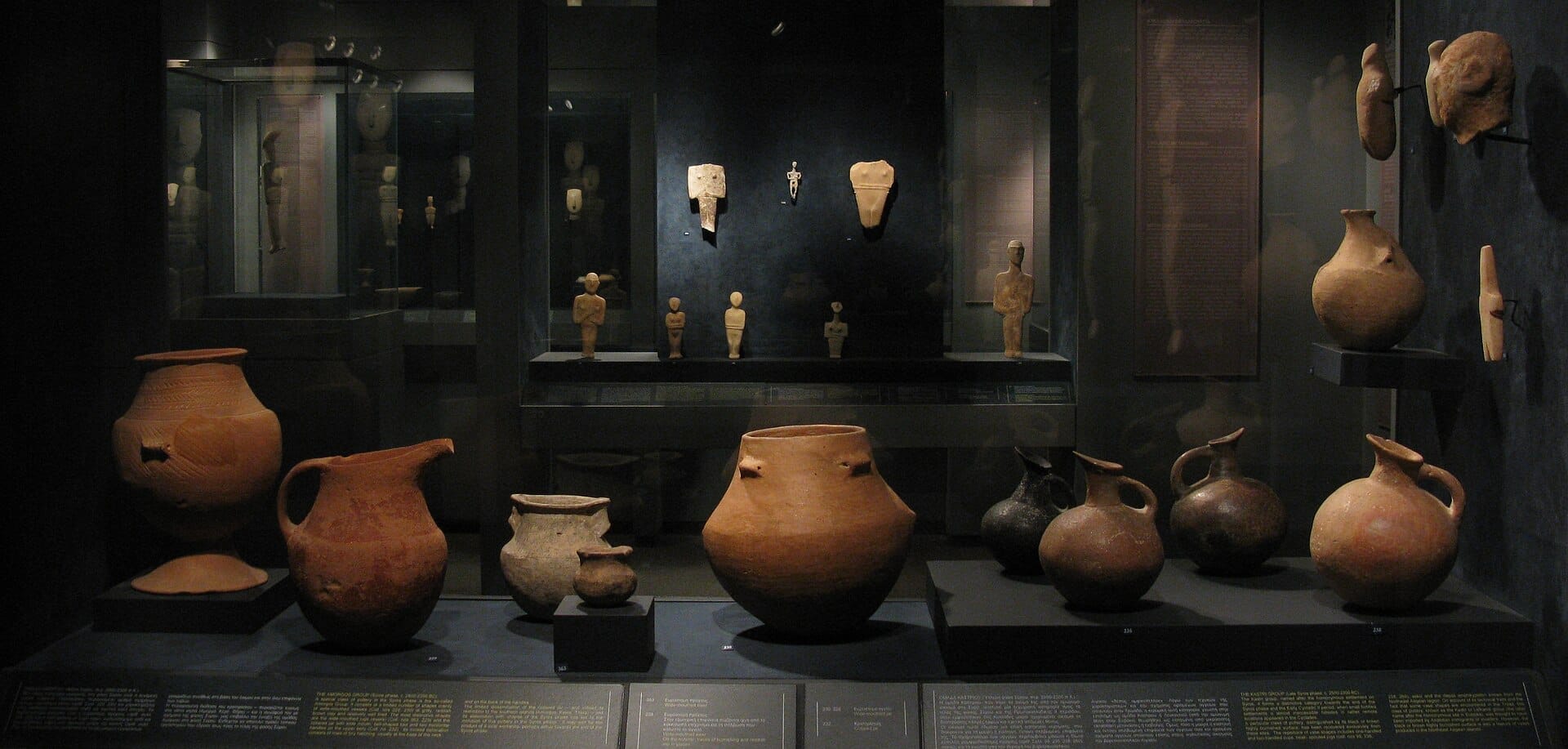
15. See the Marble Figurines That Inspired Picasso
The Cycladic figurines here, 5,000 years old and strikingly modern in form, influenced 20th-century artists from Picasso to Modigliani. The museum in Kolonaki is beautifully lit, rarely overcrowded, and takes about 90 minutes to explore properly.
Explore15. See the Marble Figurines That Inspired Picasso
The Cycladic figurines here, 5,000 years old and strikingly modern in form, influenced 20th-century artists from Picasso to Modigliani. The museum in Kolonaki is beautifully lit, rarely overcrowded, and takes about 90 minutes to explore properly.
Explore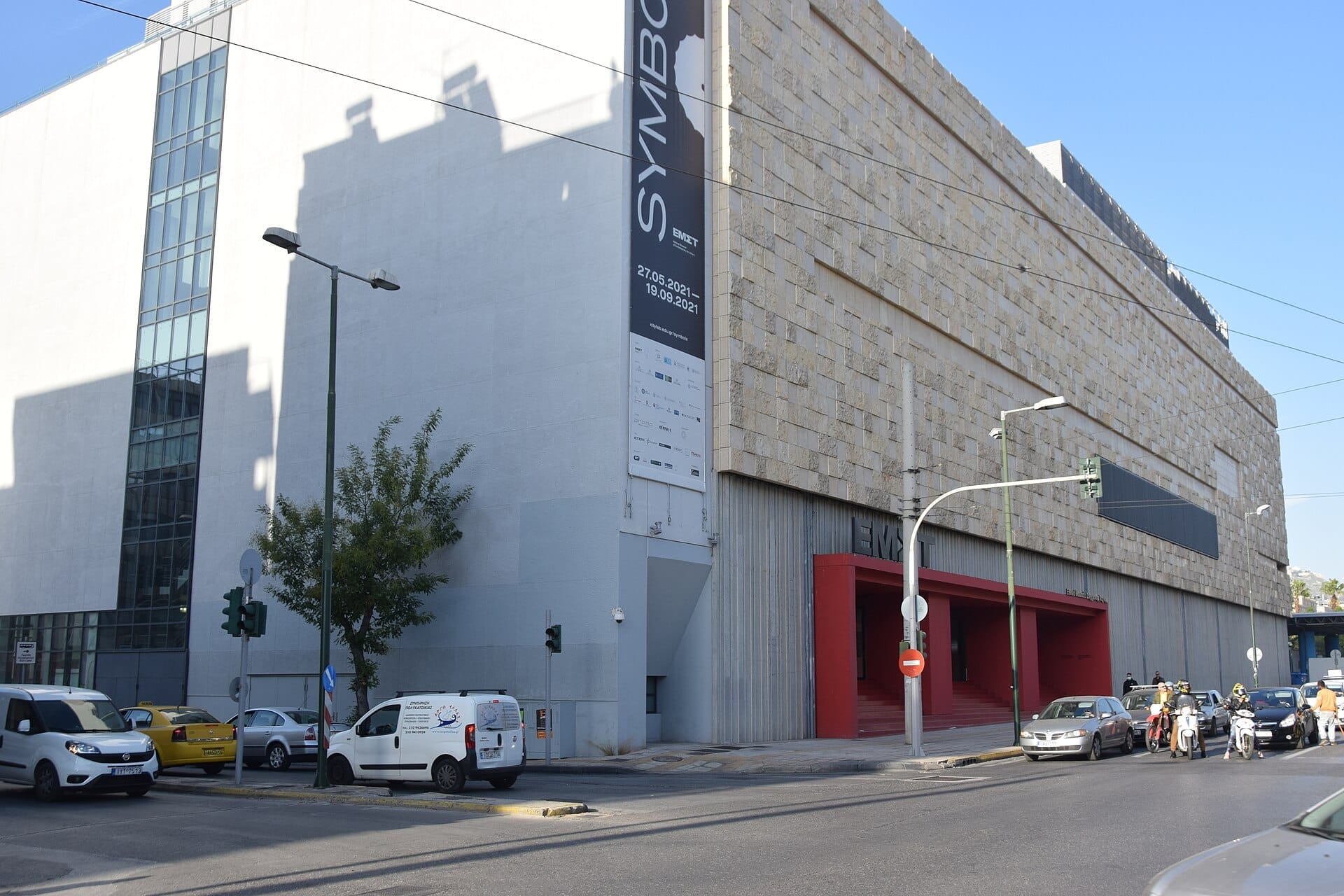
16. Catch Contemporary Art in a Converted Brewery
EMST occupies the old Fix brewery in Koukaki and shows major Greek and international contemporary art. It's one of Athens' most ambitious cultural institutions, yet most visitors focused on antiquity never make it through the door.
Explore16. Catch Contemporary Art in a Converted Brewery
EMST occupies the old Fix brewery in Koukaki and shows major Greek and international contemporary art. It's one of Athens' most ambitious cultural institutions, yet most visitors focused on antiquity never make it through the door.
ExploreEscapes Beyond the City Centre
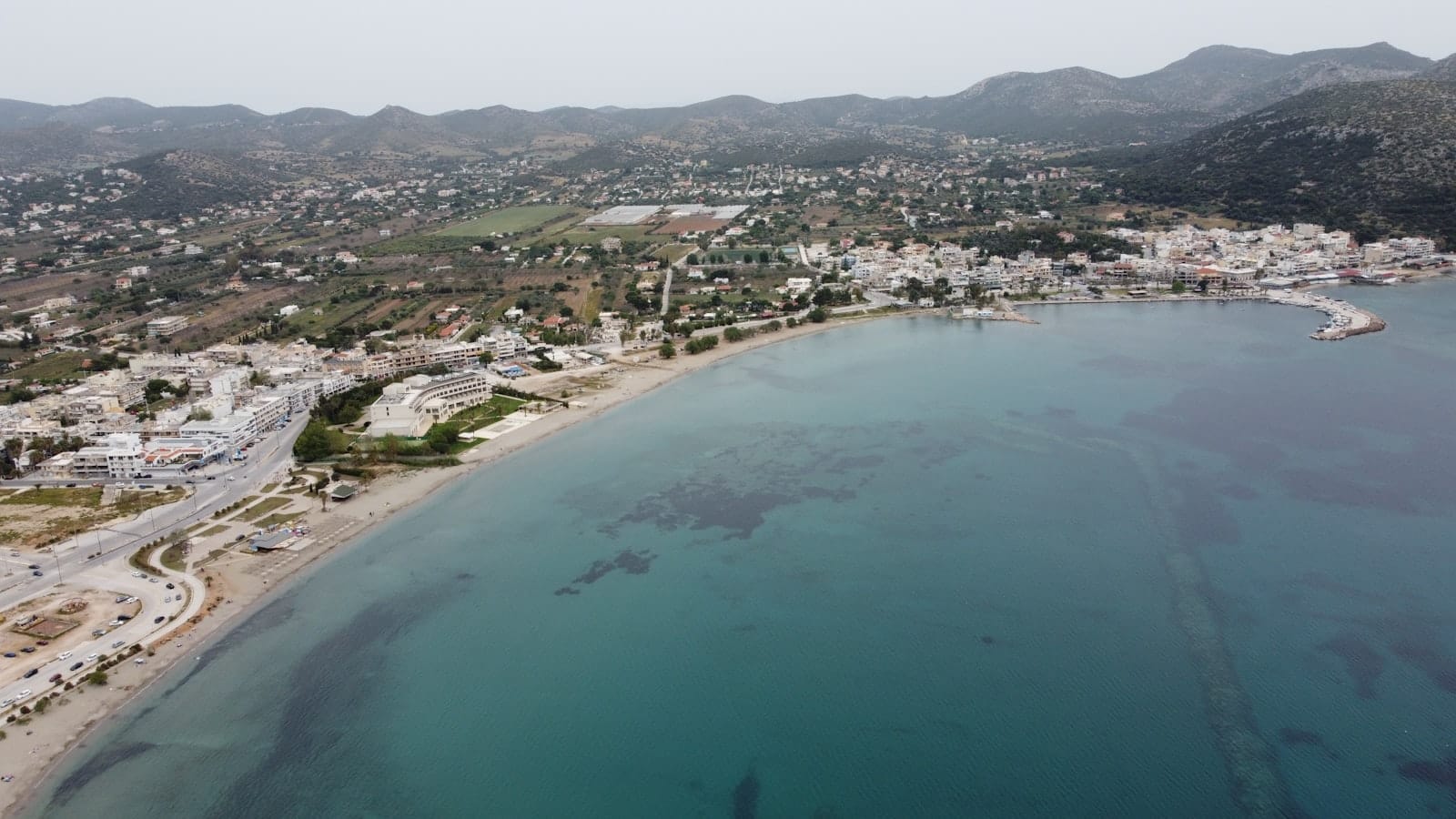
Some of the most rewarding off-the-beaten-path experiences in Athens require getting out of the historic centre entirely. The Athenian Riviera stretches south of the city and is largely unknown to first-time visitors, while the day trip options from Piraeus open up a completely different Athens. For structured ideas, the day trips from Athens guide is the best starting point.
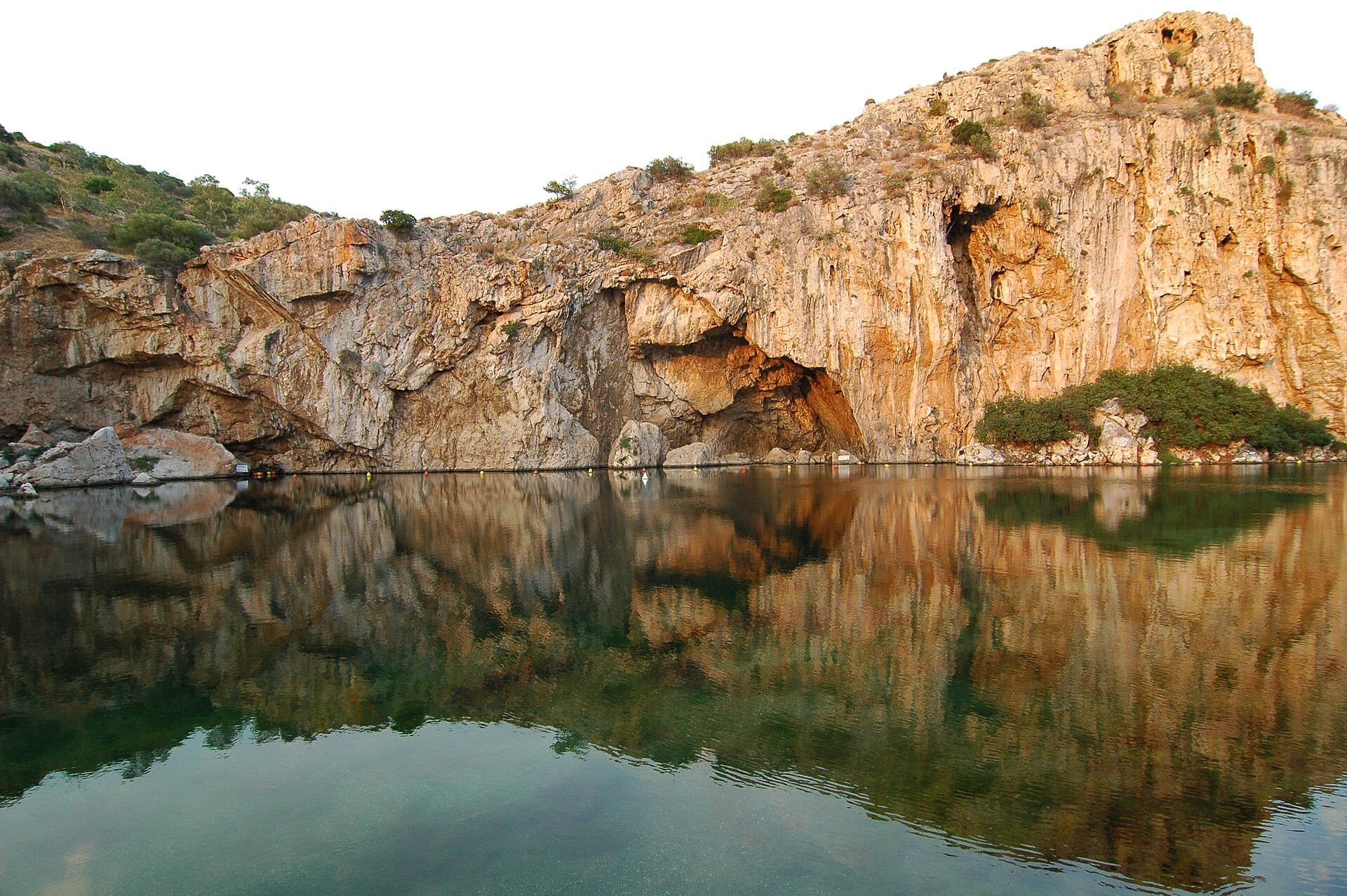
17. Swim in a Thermal Lake 30 Minutes from the City
Lake Vouliagmeni sits in a rocky coastal gorge on the Riviera, fed by underground springs that keep the water at 22-29°C year-round. It's a genuine local institution, not a tourist attraction, and feels nothing like the Athens most visitors experience.
Explore17. Swim in a Thermal Lake 30 Minutes from the City
Lake Vouliagmeni sits in a rocky coastal gorge on the Riviera, fed by underground springs that keep the water at 22-29°C year-round. It's a genuine local institution, not a tourist attraction, and feels nothing like the Athens most visitors experience.
Explore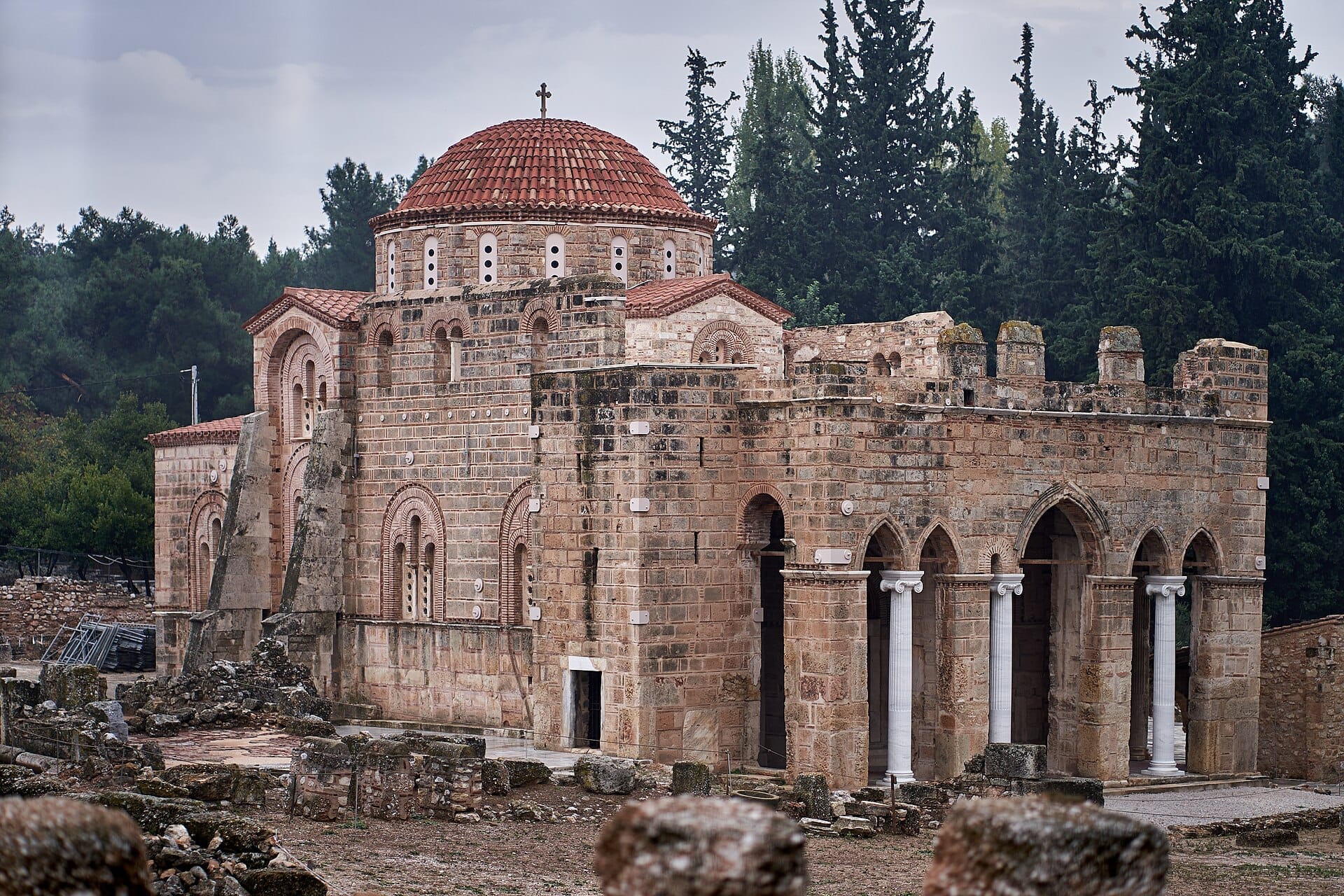
18. Visit a UNESCO Monastery with Extraordinary Byzantine Mosaics
The 11th-century Daphni Monastery on the old Sacred Way contains some of the finest Byzantine mosaics in existence. The golden Christ Pantocrator in the dome is a masterpiece. The site sits just outside Athens and sees almost no international tourist traffic.
Explore18. Visit a UNESCO Monastery with Extraordinary Byzantine Mosaics
The 11th-century Daphni Monastery on the old Sacred Way contains some of the finest Byzantine mosaics in existence. The golden Christ Pantocrator in the dome is a masterpiece. The site sits just outside Athens and sees almost no international tourist traffic.
Explore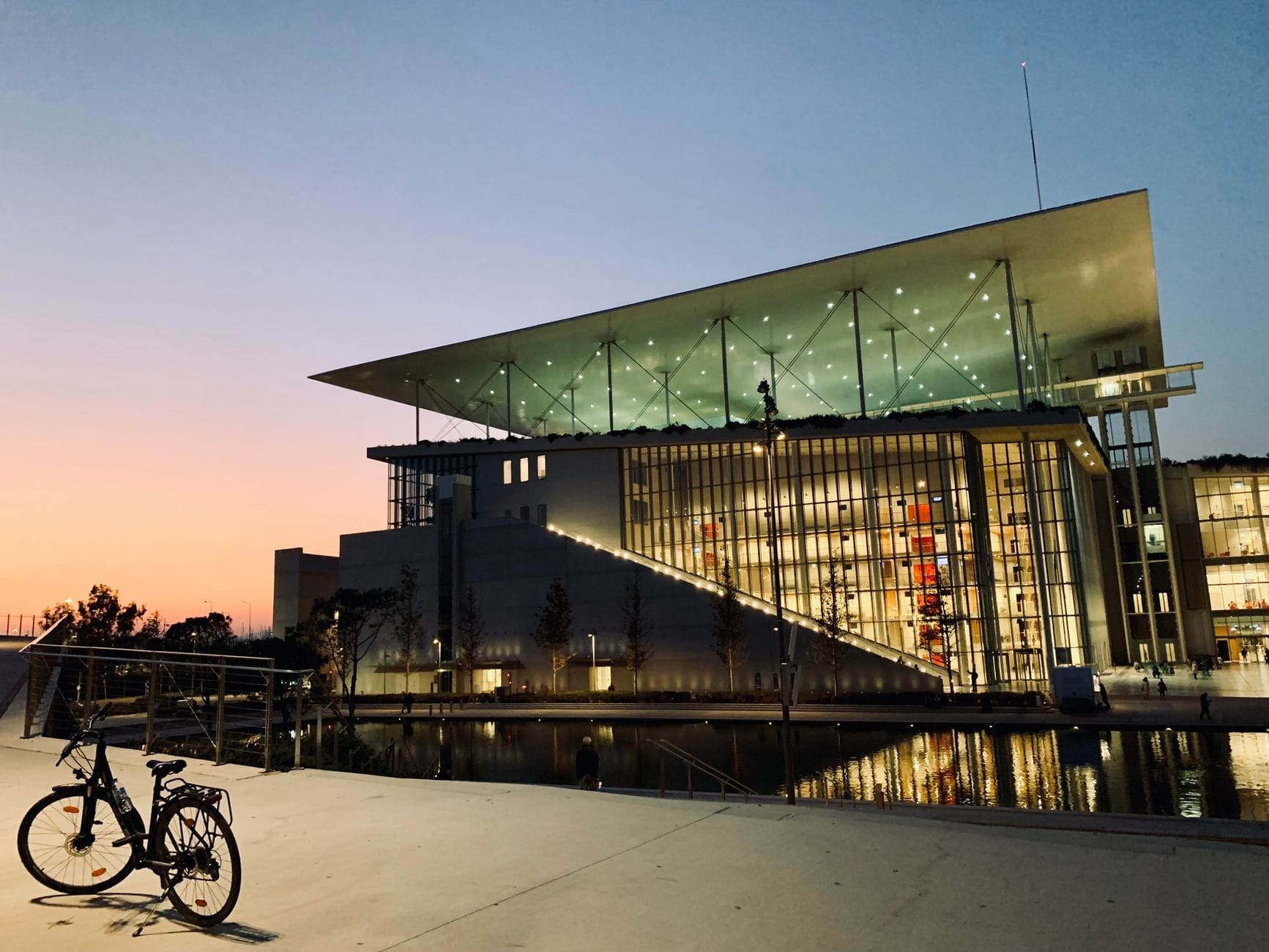
19. Explore the Renzo Piano Cultural Campus at Faliro
This Renzo Piano-designed complex houses the Greek National Opera and National Library on a landscaped park with canal and sea views. It's a genuine architectural landmark that most visitors to Athens never make it to, yet it's just 20 minutes from the centre by tram.
Explore19. Explore the Renzo Piano Cultural Campus at Faliro
This Renzo Piano-designed complex houses the Greek National Opera and National Library on a landscaped park with canal and sea views. It's a genuine architectural landmark that most visitors to Athens never make it to, yet it's just 20 minutes from the centre by tram.
ExploreFAQ
What are the best free hidden gems in Athens?
Several of Athens' best under-the-radar spots cost nothing. Anafiotika, the Cycladic island neighborhood on the Acropolis slope, is free to wander. Areopagus Hill and Philopappos Hill both offer stunning Acropolis views with no entry fee. The Monastiraki Flea Market and Varvakios Central Market are also free to explore.
Which ancient sites in Athens are least crowded?
Kerameikos Archaeological Site, the Roman Agora, and Hadrian's Library all attract far fewer visitors than the Acropolis, yet are genuinely impressive. The Theatre of Dionysus on the Acropolis' south slope is included in the Acropolis & Slopes ticket but is often overlooked. Early morning visits to any site in summer reduce crowds significantly.
Is Athens worth exploring beyond the Acropolis?
Absolutely. The Byzantine and Christian Museum, Museum of Cycladic Art, and Numismatic Museum are world-class institutions that most visitors skip. The neighborhoods of Anafiotika, Psyrri, and Kerameikos each have a distinct character that tells a different part of the city's story.
What is the best time of year to explore Athens off the beaten path?
April to early June and September to October offer the best combination of mild temperatures and thinner crowds. July and August can be very hot for extended walking, though early morning (before 9am) and late afternoon (after 5pm) are manageable even in peak summer. The hills and outdoor sites are best avoided at midday in summer.
How do I get to the Athenian Riviera from central Athens?
The Athens Tram runs from Neo Faliro along the coast to Voula, passing through Faliro and Glyfada, with connections from Syntagma by metro and tram. It's one of the most scenic and affordable ways to reach the Riviera, including the stop for the Stavros Niarchos Foundation Cultural Center. Lake Vouliagmeni is accessible by bus from Glyfada. Always verify current tram schedules before travelling.