Is Athens Safe? The Honest Guide to Scams, Safety & Smart Travel
Athens is generally a safe city for tourists, but petty theft, taxi scams, and a few neighborhood considerations are worth knowing before you arrive. This guide covers the real risks, the overhyped ones, and exactly how to stay out of trouble.
Plan and book this trip
Tools from our partner Travelpayouts help you compare flights and hotels. If you book through them, we may earn a commission at no extra cost to you.
Flights
Hotels map
TL;DR
- Athens is safe for tourists by European standards. Violent crime against visitors is rare.
- Pickpocketing is the main risk, concentrated around the Acropolis, Monastiraki, Plaka, and the metro.
- Taxi scams at the airport and fake 'friendly local' bar invitations are the two most common tourist traps. See getting around Athens for transport advice.
- Omonia Square and Metaxourgeio warrant extra caution at night, but most central tourist districts are fine after dark.
- Emergency numbers: 112 (EU standard), 100 (police), 171 (tourist police, Athens-specific).
The Honest Safety Picture: What the Statistics Actually Show
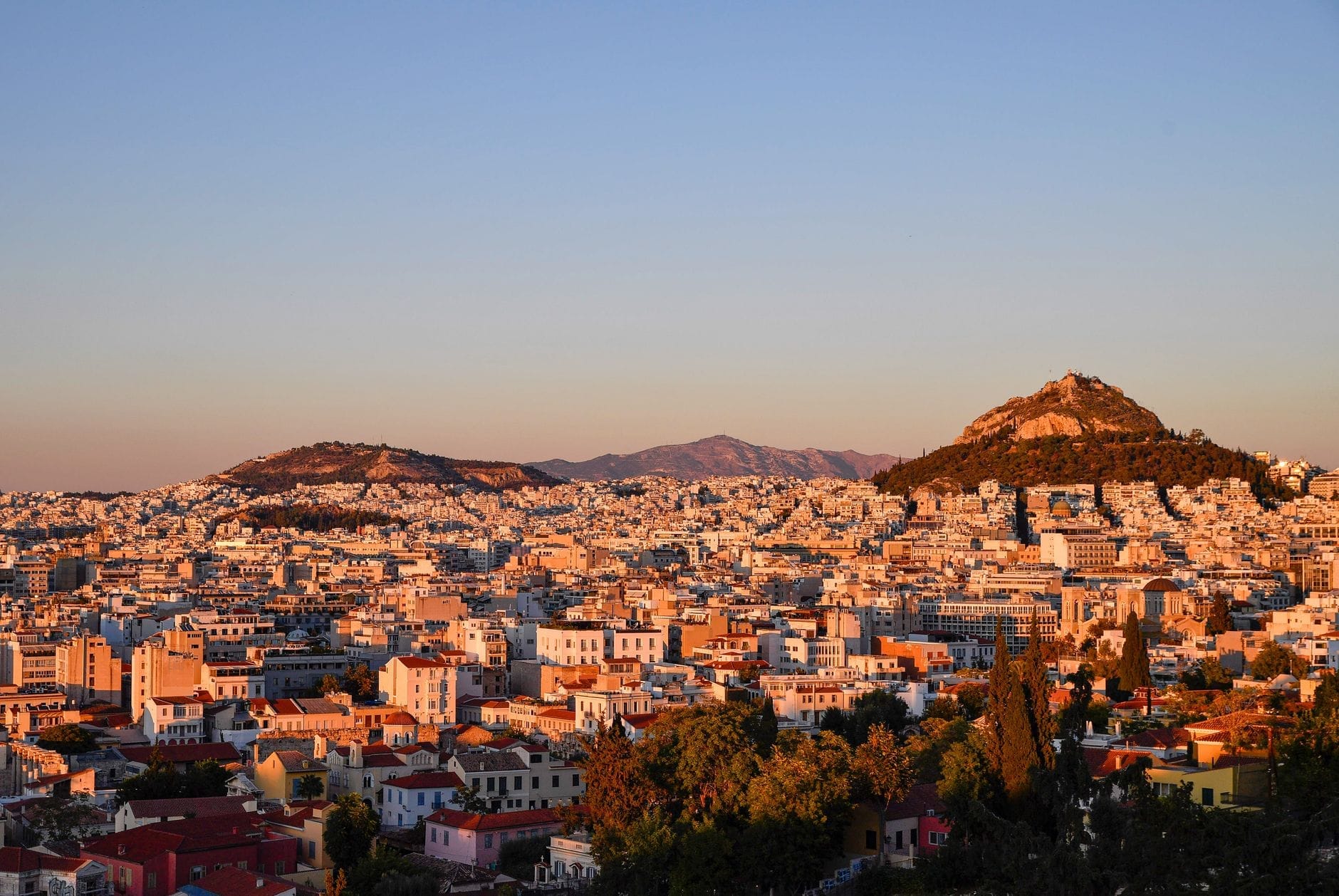
Is Athens safe? The short answer is yes, for most visitors, most of the time. Athens is a major European capital of around 3.6 million people, and its crime profile resembles cities like Rome or Barcelona more than anywhere you'd genuinely worry about. Australia's Smartraveller rates Greece at 'exercise normal safety precautions', and Canada's travel advisory echoes the same tone. The primary risk for tourists is petty theft, not violent crime. That framing matters because it changes how you prepare.
The city's reputation for danger is partly cosmetic. Athens has significant graffiti coverage across many neighborhoods, including upscale ones like Kolonaki and Exarchia. First-time visitors sometimes read the visual noise as a danger signal. It isn't. Graffiti density in Athens has essentially no correlation with tourist safety. What does correlate is crowd density: the higher the tourist concentration, the higher the pickpocketing risk. That's Athens in a nutshell.
ℹ️ Good to know
Emergency numbers in Athens: 112 (EU-wide, works in English), 100 (Greek police), 166 (ambulance), 199 (fire brigade). The general 112 line is particularly useful because operators speak English and are trained to handle visitor-specific issues including scam reports and theft documentation for insurance claims.
Where to Be Careful: Neighborhoods and Situations
The central tourist belt, covering Plaka, Monastiraki, Syntagma, Thisio, and Kolonaki, is broadly safe during the day and evening with normal urban awareness. These areas are well-lit, heavily foot-trafficked, and policed. The risks here are concentrated, not pervasive.
- Monastiraki and Plaka (daytime) High pickpocketing risk in crowd surges around the flea market, the square, and on the pedestrian route toward the Acropolis. Keep bags closed and in front of you.
- Athens Metro (all lines, especially Line 1) Theft on public transport is the single most reported crime against tourists. Be alert at busy stations like Monastiraki, Omonia, and Syntagma, particularly during peak hours.
- Omonia Square and Metaxourgeio These areas have higher visible street activity, including drug use and rough sleeping. Daytime is generally fine for passing through. Avoid lingering here at night, particularly around the side streets north and west of Omonia.
- Exarchia This neighborhood has a reputation shaped by its history of protests and anarchist politics. It's calmer than its notoriety suggests, but political demonstrations do occur, sometimes with police response. Check local news if you're staying nearby.
- Around the Acropolis and major archaeological sites The path up to the Acropolis and the surrounding areas see large crowd concentrations, which is where most bag-snatching incidents occur. Keep phones in pockets, not hands.
⚠️ What to skip
Night-time caution applies most to Omonia and the streets connecting it to Metaxourgeio and Kolonos, which are to the northwest. If you're returning late from a night out in Psyrri or Gazi, take a taxi or ride-hailing app rather than walking through Omonia Square.
Scams Targeting Tourists in Athens: Know Them Before They Find You
Athens has a handful of scams that appear year after year. None of them are particularly sophisticated, but they work because tourists are tired, disoriented, or too polite to disengage quickly. Knowing the playbook in advance removes almost all the risk.
- The 'Friendly Local' Bar Invite A well-dressed stranger (often targeting solo travelers or couples) strikes up conversation and invites you to 'a great local bar nearby.' The venue charges extortionate prices, and your new friend disappears once the bill arrives. The tab can run into hundreds of euros. Decline any unsolicited bar or restaurant invitations from strangers on the street, especially around Monastiraki and Syntagma.
- Unlicensed Taxis at the Airport Athens International Airport (IATA code: ATH) is located in Spata, roughly 30-35 km from central Athens. Licensed taxis are yellow and must use a meter or the official fixed-rate fare for airport routes. Men who approach you inside the arrivals hall offering rides are not licensed taxi drivers. Use the official taxi queue outside arrivals, or book via the Beat app before landing.
- Taxi Meter 'Forgetting' Some drivers start the journey without switching on the meter, then charge an invented fare. Always confirm the meter is running before the car moves. If a driver claims the meter is broken, get out.
- Spiked Drinks from Strangers Canadian and other official travel advisories specifically warn against accepting food, drinks, gum, or cigarettes from people you've just met. Drugging for robbery and assault, while rare, has been reported. This applies most acutely to people approaching you alone at night.
- Overpriced Restaurants Near Major Sites Restaurants immediately adjacent to the Acropolis entrance, the Parthenon viewing areas, and Monastiraki Square charge significantly more and deliver less than places 100-200 meters further away. There's no scam involved legally, but the value gap is real. Walk one or two streets back from any major landmark before sitting down.
- The 'Rose' or 'Bracelet' Gift Someone hands you a flower, bracelet, or small item as a 'gift', then aggressively demands payment. If you don't want it, don't take it. If you've already taken it, hand it back and walk away without engaging further.
Staying Safe on Public Transport
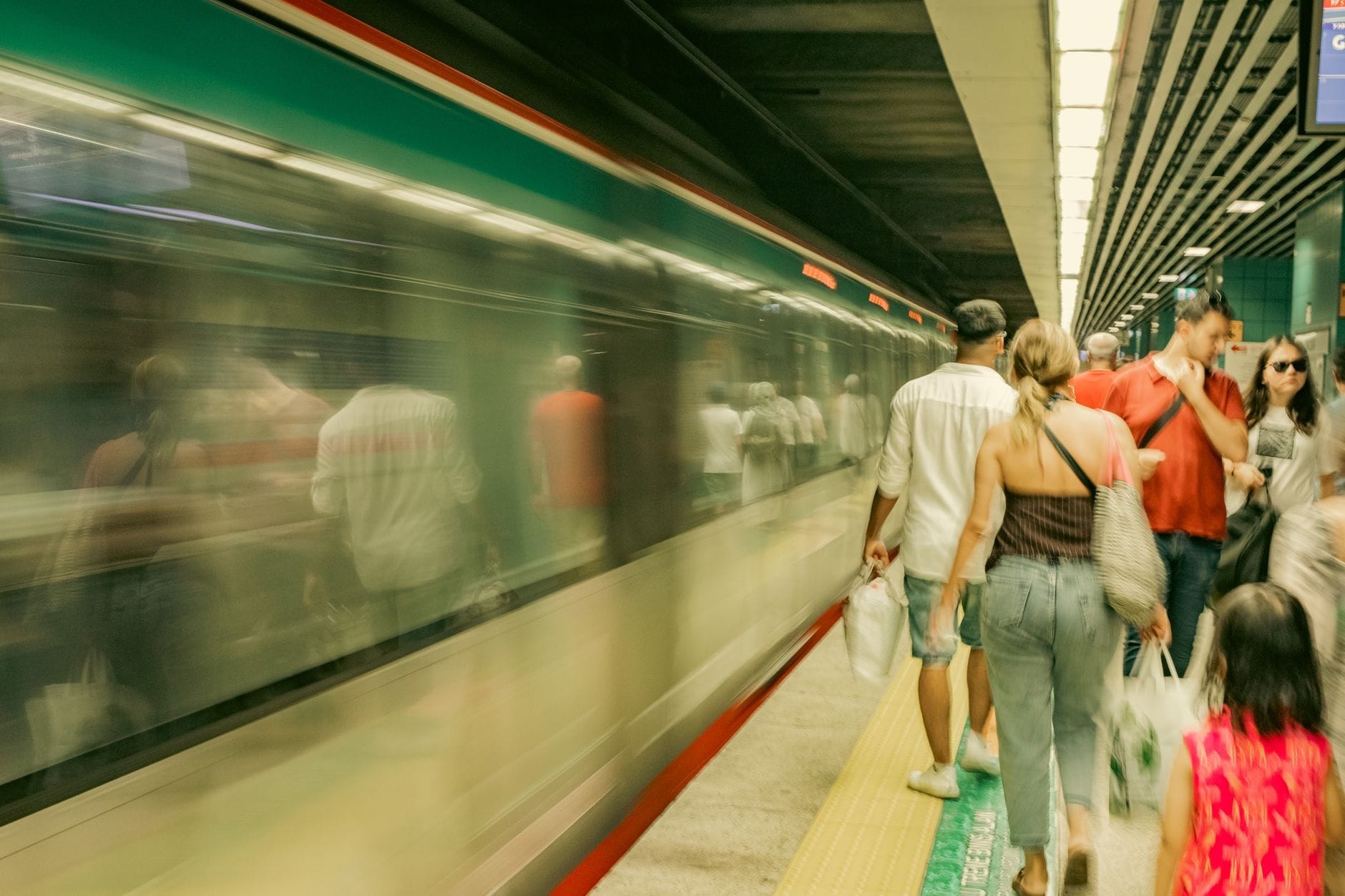
The Athens Metro is efficient and reaches most tourist destinations directly. Line 3 (Blue) connects the Acropolis Museum area and Monastiraki to the airport in about 40 minutes. Line 1 (Green) runs from Piraeus through Omonia to Kifisia and is older and busier. Pickpocketing is documented on all lines but is most concentrated during rush hours and when tourists are carrying luggage.
Practical habits that make a real difference: keep your bag in front of you, not on your back, during metro journeys. Don't use your phone in crowded carriages if you can help it. If someone bumps into you repeatedly or a small group surrounds you, that's the setup. Step back, check your pockets, and move to another section of the carriage.
The X95 express bus runs 24 hours between the airport and Syntagma Square, with an estimated journey time of around 60 minutes depending on traffic. It's considerably cheaper than a taxi and perfectly safe, though luggage security requires the same awareness as any public bus. The X96 links the airport with Piraeus port, useful if you're catching an island ferry.
✨ Pro tip
Use the Beat app for taxis in Athens rather than hailing from the street. The app registers the journey, driver identity, and fare in advance, which eliminates most of the common taxi scam scenarios. It also means you avoid the unlicensed drivers who approach tourists at transport hubs. Download it before you arrive.
Practical Safety Tips for Day-to-Day Visiting
Most of what makes Athens safe to navigate comes down to a few consistent habits. If you're planning a one-day Athens itinerary covering the Acropolis, Ancient Agora, and Monastiraki, you'll be moving through the highest-risk pickpocketing zones. That's not a reason to avoid them, it's just a reason to sort your bag before you leave the hotel.
- Carry only one card at a time. Keep a second card and your passport locked in the hotel safe.
- Use a crossbody bag with a zip closure, worn at the front in crowded areas.
- Photograph your passport and keep a digital copy in cloud storage before you travel.
- Dress modestly when visiting churches, monasteries, and religious sites. Shoulders and knees should be covered.
- In summer (June-September), carry water at all times. Athens heat regularly exceeds 35°C in July and August, and heatwaves above 40°C occur. Dehydration is a genuine risk during outdoor sightseeing.
- Tap water in Athens is officially safe to drink, which reduces both cost and plastic waste compared to buying bottled water constantly.
- When dining, choose restaurants where you can see a printed menu with prices before sitting. This isn't just scam prevention, it's the fastest way to find better food at better prices.
- Tipping is not mandatory in Greece. Rounding up taxi fares and leaving around 5-10% in restaurants is customary but not obligatory.
Dress codes at religious sites apply across the city. The same logic applies if you're doing day trips from Athens to monasteries such as Daphni or to temples further afield. Pack a light scarf or shirt that can cover shoulders quickly.
Athens Safety for Specific Traveler Types
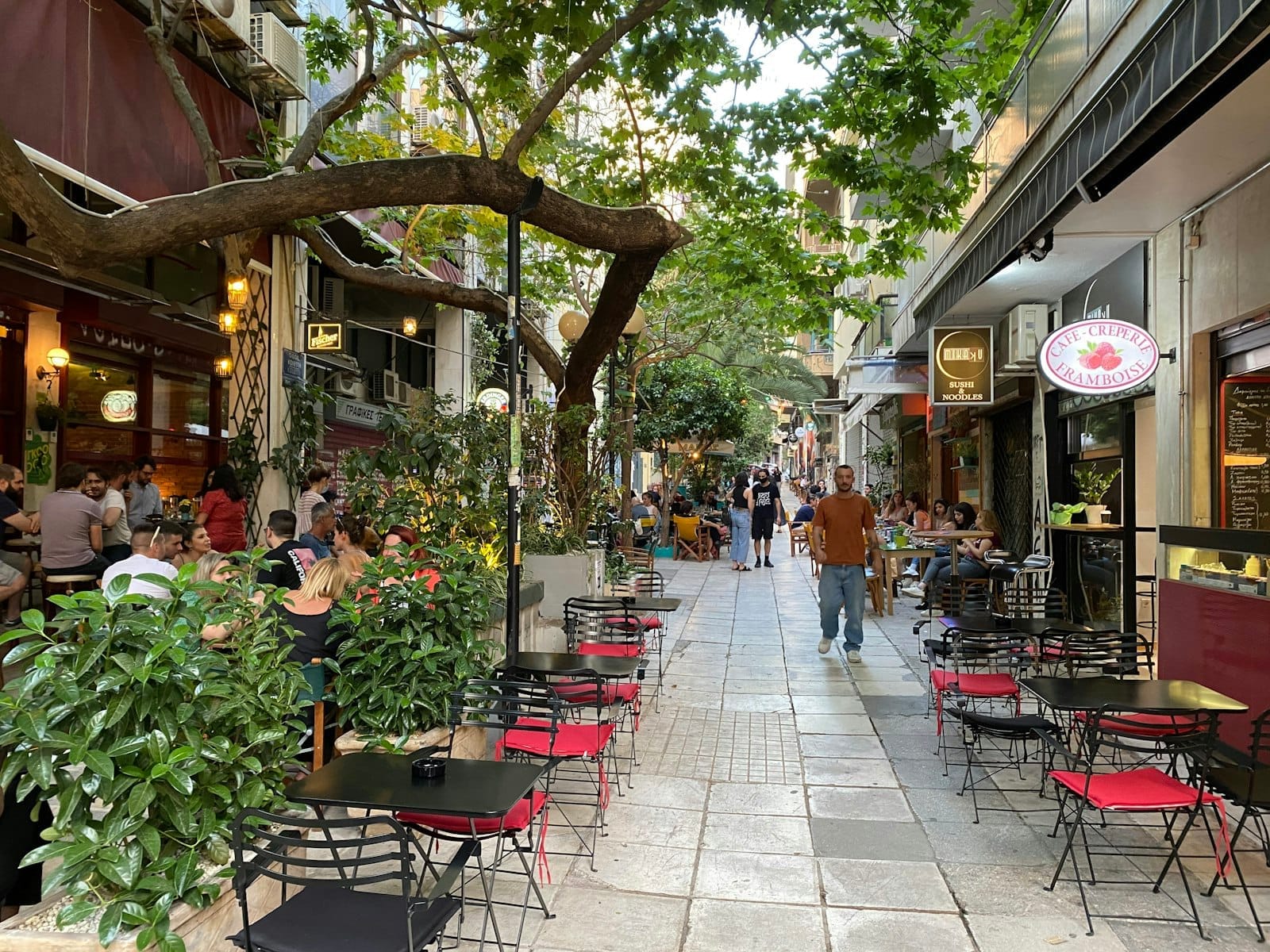
Solo travelers, including solo women, generally find Athens manageable with standard precautions. The central tourist districts have enough foot traffic and visibility that nighttime walking between bars or restaurants in areas like Psyrri or Gazi is not inherently risky. The same rule applies as in any city: trust your read of the situation and take a taxi if you're uncertain.
Families with children will find Athens very manageable. Greeks are culturally warm toward children, and late dining is normal here. If you're planning to visit with kids, check the dedicated Athens with kids guide for practical logistics around major sites. The main child-specific consideration is summer heat at outdoor archaeological sites. Bring sunscreen, hats, and water for any visit to the Acropolis or the ancient sites between 10am and 4pm in peak summer.
LGBTQ+ travelers: Athens has an active and visible LGBTQ+ scene, particularly in Gazi and parts of Monastiraki. Public displays of affection may draw occasional attention outside the most cosmopolitan neighborhoods, but Greece does not criminalize same-sex relationships and Athens hosts a Pride event annually. Exercise the same awareness you would in any southern European city.
FAQ
Is Athens safe at night?
In the main central districts, yes. Areas like Plaka, Monastiraki, Psyrri, Koukaki, Kolonaki, and Gazi remain active and reasonably safe into the early morning. Avoid walking through Omonia Square, Metaxourgeio, and the streets immediately north of Monastiraki late at night. If you're unsure, take a taxi or use the Beat app rather than walking unfamiliar routes after midnight.
What are the most common scams in Athens Greece?
The most reliably reported are: the 'friendly local' bar invitation (leads to an extortionate bill), unlicensed taxis at Athens airport, taxi drivers not using the meter, and strangers offering gifts or drinks. All are avoidable with a small amount of prior knowledge. Use licensed yellow taxis with the meter running, book via app, and decline all unsolicited social invitations from strangers on the street.
Is Athens safe for solo female travelers?
Generally yes, with standard urban precautions. The central tourist areas are well-populated and reasonably well-lit. Verbal harassment (catcalling) exists as in many Mediterranean cities but is not aggressive or systematic. Avoid poorly lit side streets late at night, keep the general emergency number (112) saved in your phone, and use taxis or ride-hailing apps for late-night returns to your accommodation.
How do I get from Athens airport to the city safely?
Three reliable options: the Metro Line 3 (Blue Line) takes about 40 minutes to Syntagma Square and is safe and clearly signed; the X95 express bus runs 24 hours to Syntagma and takes 40-60 minutes; and official licensed yellow taxis from the queue outside arrivals have government-regulated flat fares for the airport route. Never accept rides from men who approach you inside the terminal. Book via the Beat app if you want a pre-confirmed price.
Which areas of Athens should tourists avoid?
No area requires absolute avoidance during the day. At night, exercise extra caution in Omonia Square, Metaxourgeio, and the streets northwest of the central market. These areas have higher visible social problems (drug use, rough sleeping) than the tourist center. The vast majority of visitors never go near them, as they're not on typical sightseeing routes. Exarchia is edgier but not dangerous for a daytime visit.