Shopping in Athens: Markets, Streets & What to Buy
Athens rewards shoppers who know where to look. This guide breaks down the city's best markets, shopping streets, and neighborhoods by type, with practical advice on timing, pricing, and what's actually worth buying versus what to skip.
Plan and book this trip
Tools from our partner Travelpayouts help you compare flights and hotels. If you book through them, we may earn a commission at no extra cost to you.
Flights
Hotels map
TL;DR
- Athens has three distinct shopping layers: ancient-site tourist markets, neighborhood food markets (laiki), and serious local shopping streets worth your time.
- The Monastiraki Flea Market is the most famous but also the most tourist-heavy. Go on Sunday mornings for the best finds.
- Athens has around 195 laiki (weekly neighborhood farmers' markets) in the city. Most run Tuesday through Saturday mornings and are primarily for locals, not tourists. Most run Tuesday through Saturday mornings and are primarily for locals, not tourists.
- For upscale shopping and designer boutiques, Kolonaki is the neighborhood to head to. Ermou Street is pedestrianized and busy but dominated by international chains.
- The best things to buy in Athens: Greek olive oil, saffron from Kozani, honey, ceramics, leather sandals, and natural sponges. Skip the mass-produced marble replicas.
Understanding Athens as a Shopping City
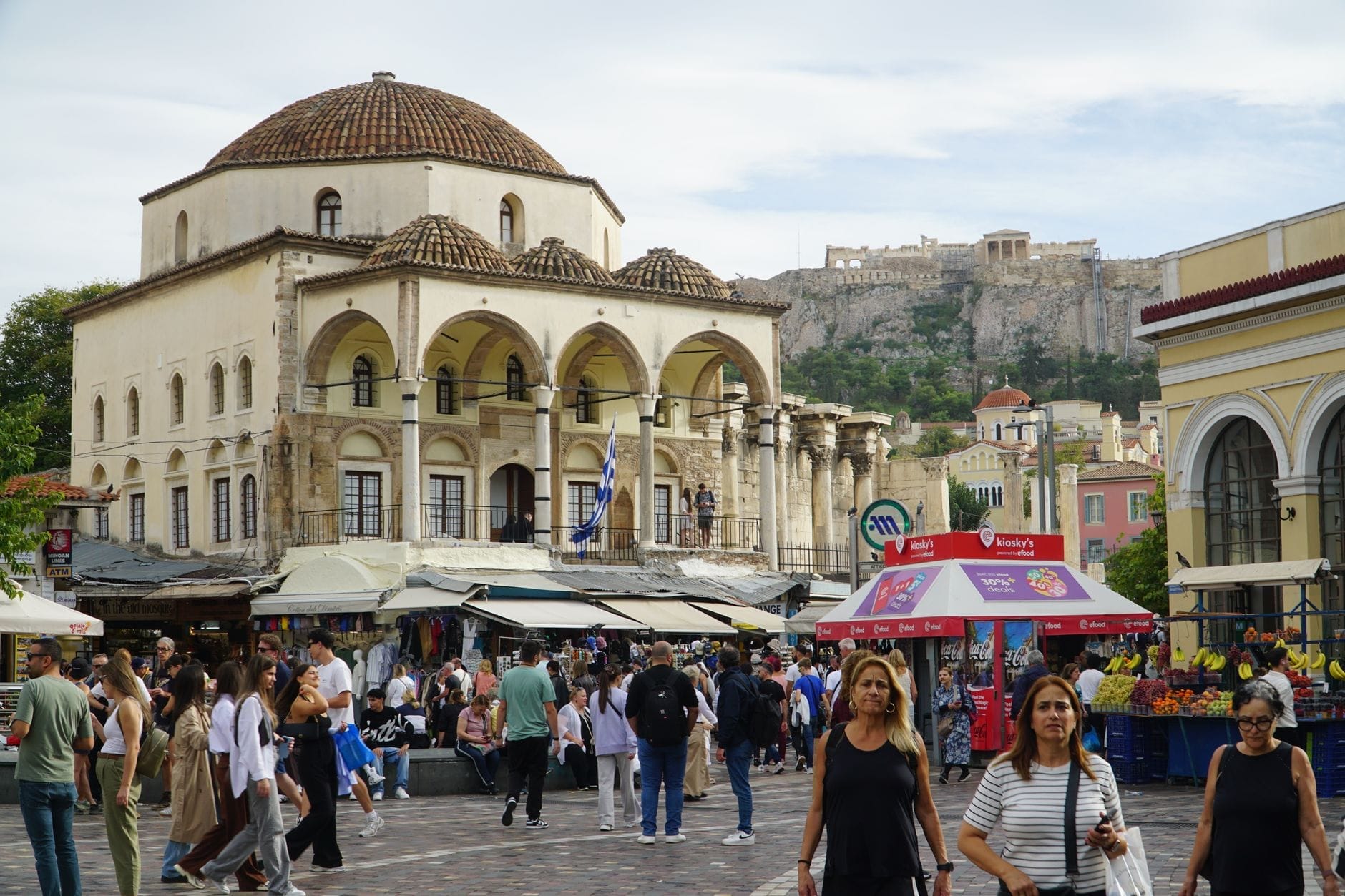
Shopping in Athens, Greece is not a single experience. The city layers ancient-city souvenir culture, serious local retail, specialist food markets, and a genuine craft tradition on top of each other, and knowing which layer you're in changes everything. Most tourists spend all their time in Monastiraki and Plaka, miss the interesting parts entirely, and come home with identical ceramic owls bought from identical vendors.
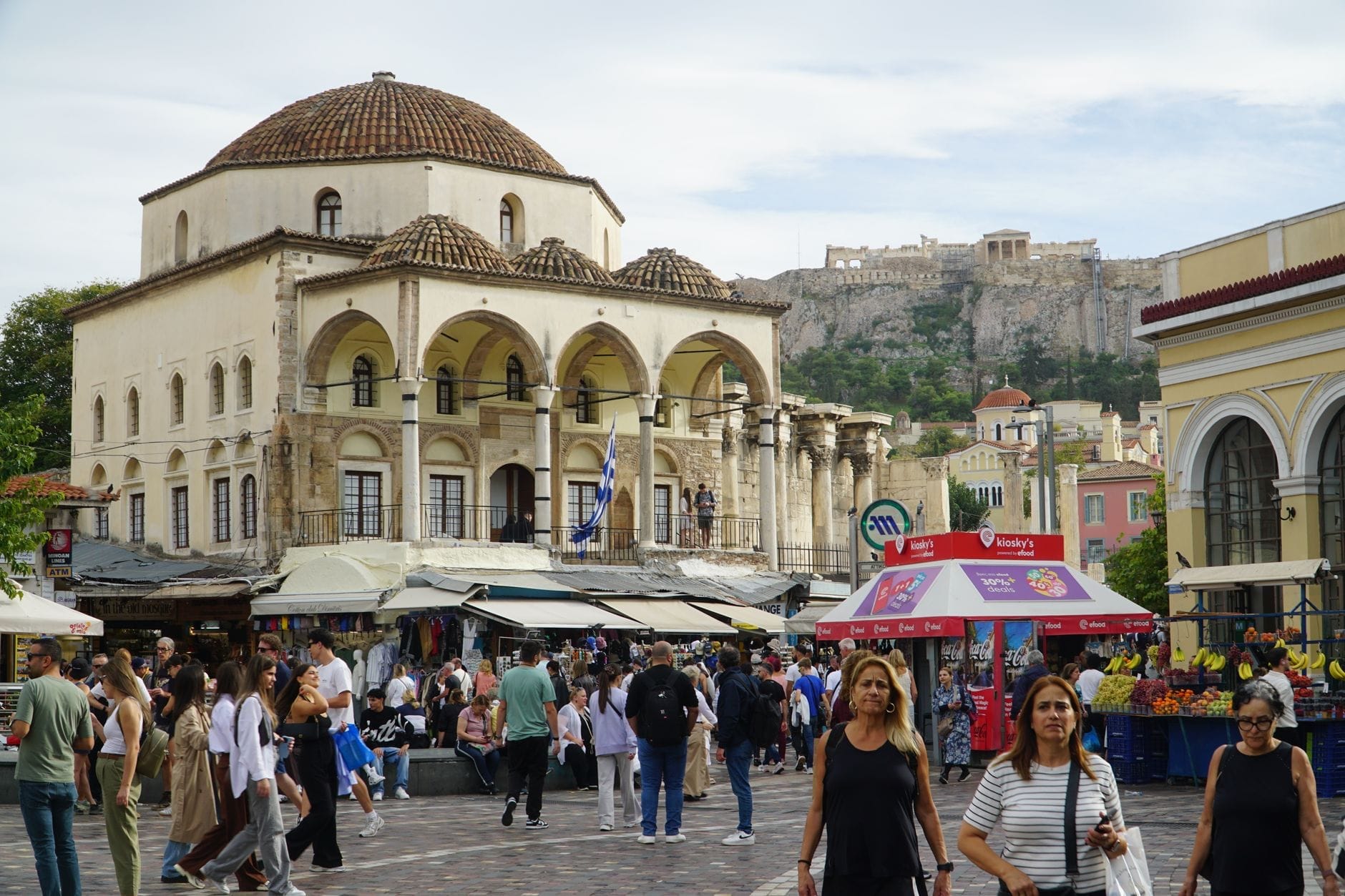
Athens is compact enough that you can cover radically different shopping districts on foot in a single day. The historic center around Monastiraki and Plaka handles tourist souvenirs and antiques. Ermou Street and the surrounding blocks cover mainstream retail. Kolonaki on the slopes of Lycabettus Hill is where Athenians actually shop for quality clothes and homewares. And scattered across every neighborhood, the laiki markets cover daily food shopping the way Greeks have always done it.
ℹ️ Good to know
Most shops in Athens are closed on Sunday. The Monastiraki flea market is the notable exception, and Sunday is actually the best day to visit it. For everyday retail, plan shopping trips from Tuesday through Saturday.
Monastiraki Flea Market and the Antique District
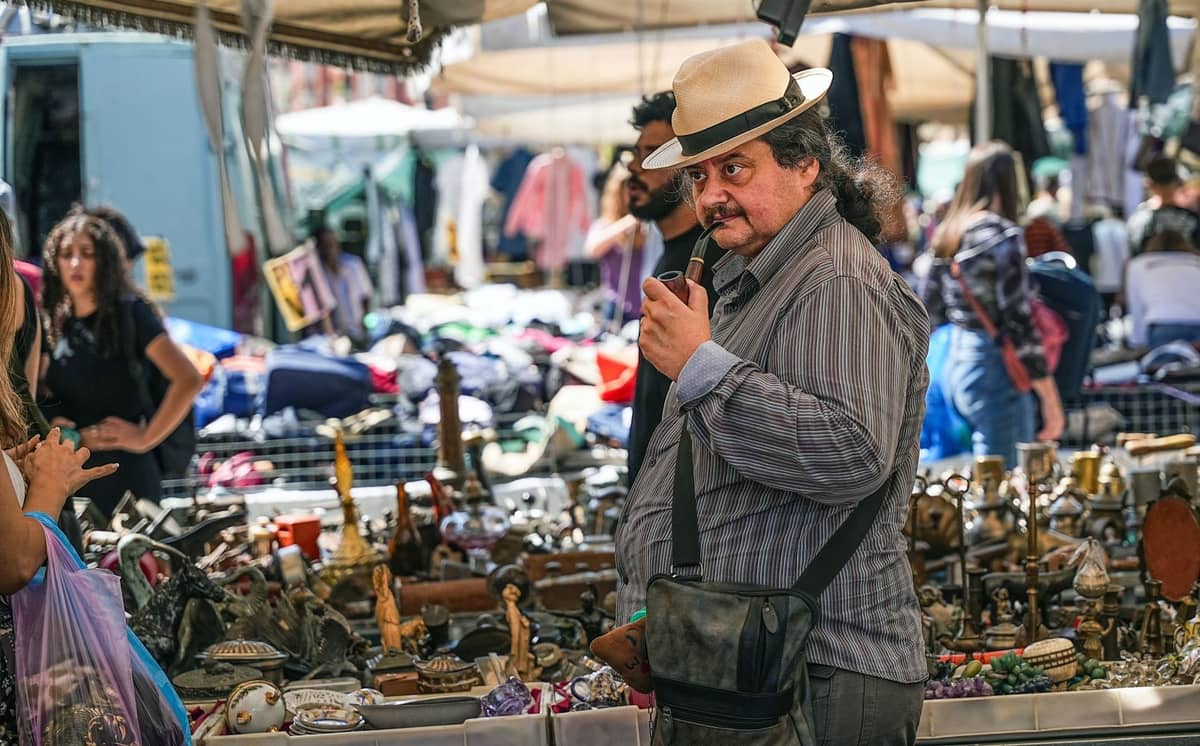
The Monastiraki Flea Market operates year-round, but the character of the market changes significantly depending on the day. On Sunday mornings from late morning until early afternoon, the entire area around Monastiraki Square and Ifestou Street fills with vendors selling genuine secondhand goods: old books, vinyl records, military surplus, coins, vintage jewelry, and actual antiques mixed in with plenty of junk. the entire area around Monastiraki Square and Ifestou Street fills with vendors selling genuine secondhand goods: old books, vinyl records, military surplus, coins, vintage jewelry, and actual antiques mixed in with plenty of junk. This is the Athens that serious flea market visitors come for.
The permanent shops along Ifestou Street and the surrounding alleys operate Monday through Saturday and sell a more curated mix of antiques, silverware, icons, traditional textiles, and vintage items. Prices here are negotiable, especially if you're buying multiple items. Dealers expect some back and forth, but don't expect deep discounts on genuinely old pieces. The sellers know what they have.
One street worth knowing: Pandrossou Street, which runs parallel to Ifestou and connects Monastiraki Square with the Roman Agora area. It's touristy but contains a handful of genuinely good leather goods shops and traditional craft sellers among the souvenir stalls. The trick is slowing down rather than walking through quickly. The nearby Psyrri neighborhood, just north of Monastiraki, has a growing number of independent design shops and studios worth exploring on a weekday afternoon when foot traffic is lower.
⚠️ What to skip
Most of the souvenir shops in Plaka and along the Acropolis approaches sell identical mass-produced items at inflated tourist prices. Painted ceramic plates, small Parthenon replicas, and Evil Eye keyrings are the same across dozens of shops. If you want genuine handmade ceramics or authentic icons, ask specifically whether the item is handmade and locally produced. Reputable sellers will tell you the truth.
Laiki Agoras: Athens' Neighborhood Farmers' Markets
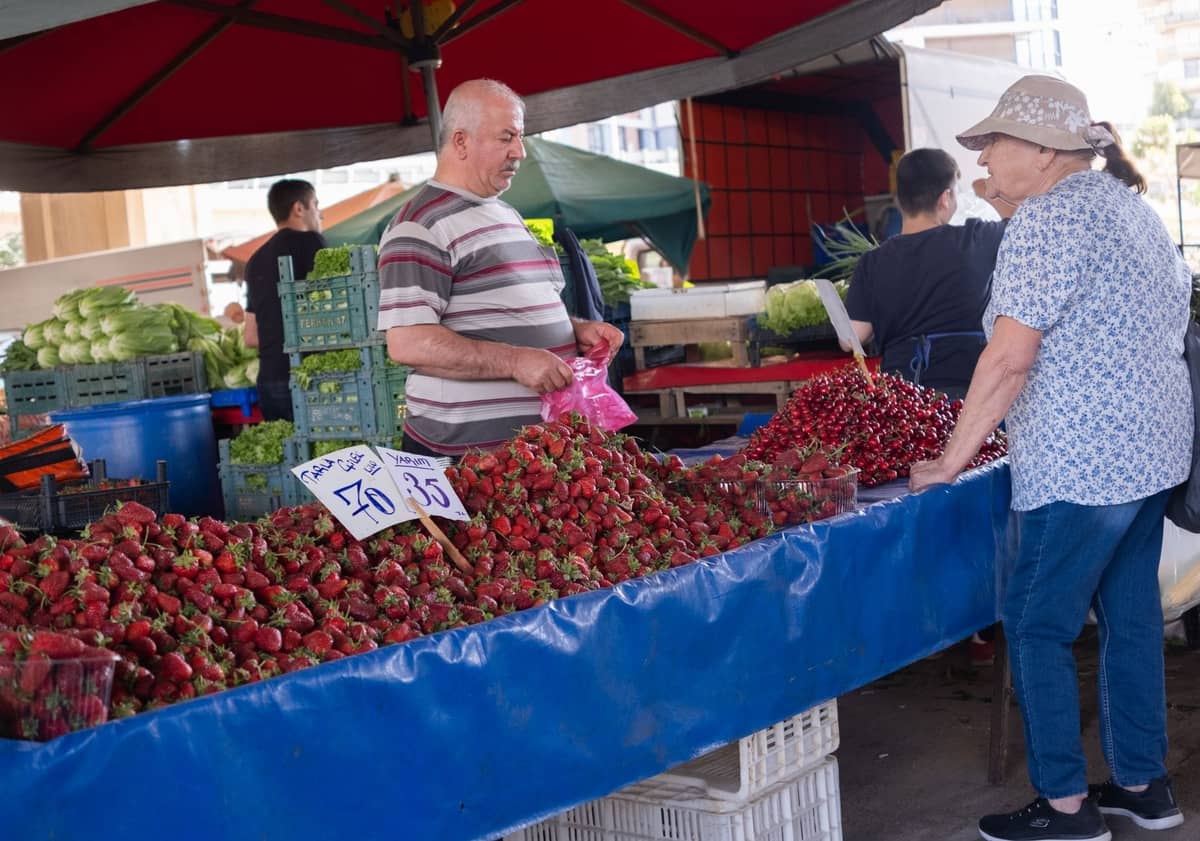
The laiki agora is one of the most practical and misunderstood institutions in Athens. These are not tourist markets and they are not flea markets. They are weekly rotating farmers' markets where producers bring fresh seasonal produce directly into the city, selling from stalls set up on specific streets on assigned weekdays. Athens and Piraeus together host around 195 laiki markets, meaning almost every neighborhood has at least one per week.
Timing matters enormously with laiki. They typically open around 7-8am and close by 2pm, with the best selection available early and vendors beginning to pack up and discount remaining stock from around noon. Each laiki appears only on its designated street and only on its assigned day. If you go to the right street on the wrong day, you'll find nothing. The City of Athens and the This is Athens tourism website publish current schedules, but these can shift around public holidays.
- Monday Kifissia, Kolokynthou, Patisia, and Gouva neighborhoods host their weekly markets.
- Tuesday Kypseli, Keramikos, Pangrati, and Ambelokipi are among the Tuesday laiki locations.
- Wednesday Gkizi, Kato Petralona, central Piraeus, and Nea Smyrni run on Wednesdays.
- Saturday (Kallidromiou, Exarchia) The Saturday laiki on Kallidromiou Street in Exarchia is the one market that regularly attracts international visitors as well as locals, partly because of its central location and the Exarchia neighborhood's character.
Around 25 of the laiki markets are certified organic, reflecting a real shift in buying habits over the past decade. The most noted organic market runs on Kokkinara Street in Kifissia, a northern suburb accessible by Metro Line 1. Seasonal shopping is deeply embedded in how Athenians use these markets: autumn brings fresh pistachios, grapes, and figs; spring means strawberries and artichokes; summer is dominated by tomatoes, watermelons, and stone fruits. For context on what the (Varvakios) offers versus the neighborhood laiki, the central market near Athinas Street operates Monday through Saturday with a broader range including meat, fish, and cheese stalls in a permanent covered building. reflecting a real shift in buying habits over the past decade. The most noted organic market runs on Kokkinara Street in Kifissia, a northern suburb accessible by Metro Line 1. Seasonal shopping is deeply embedded in how Athenians use these markets: autumn brings fresh pistachios, grapes, and figs; spring means strawberries and artichokes; summer is dominated by tomatoes, watermelons, and stone fruits. For context on what the Athens Central Market (Varvakios) offers versus the neighborhood laiki, the central market near Athinas Street operates Monday through Saturday with a broader range including meat, fish, and cheese stalls in a permanent covered building.
💡 Local tip
Bring cash and a reusable bag to any laiki. Vendors rarely accept cards, plastic bags cost extra by law, and having small coins speeds up transactions. Prices are typically lower than supermarkets for produce, and you can often taste before buying.
Shopping Streets by Neighborhood
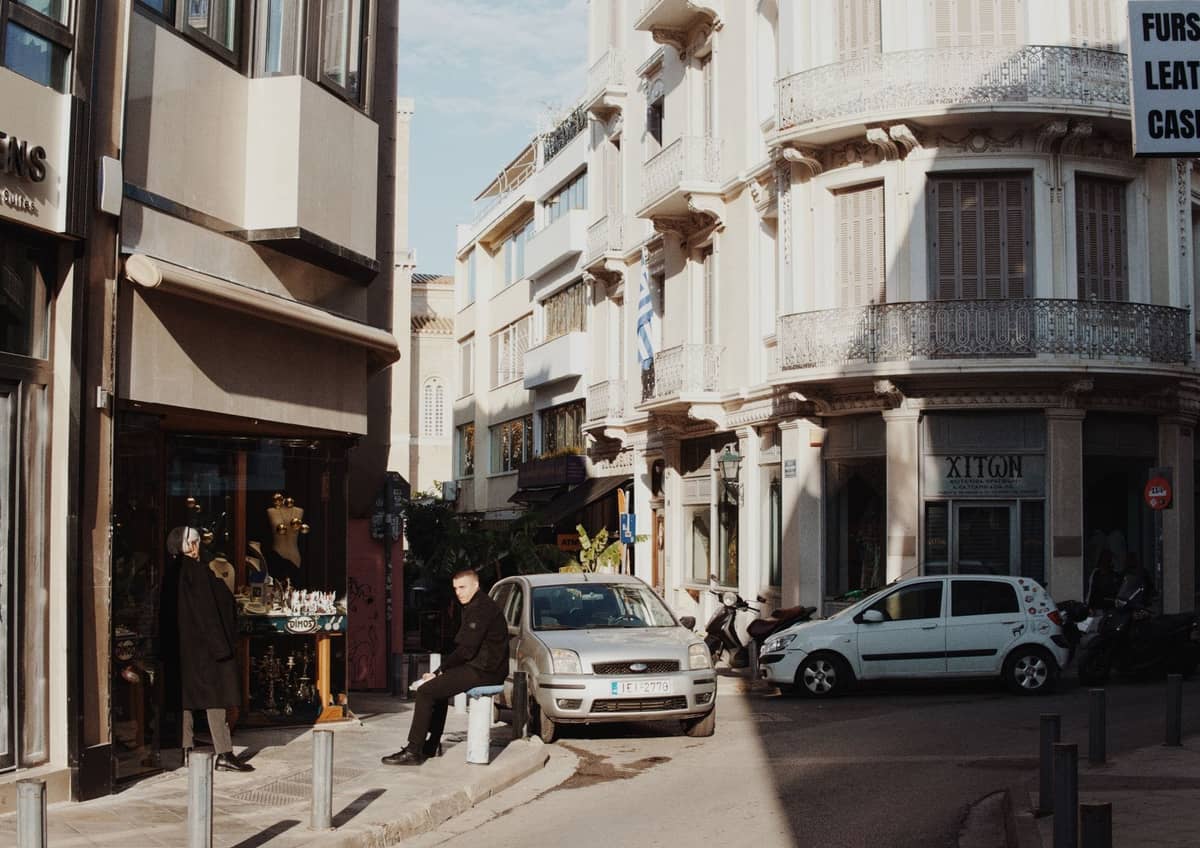
Ermou Street is Athens' main pedestrianized shopping street, running from Syntagma Square to Monastiraki. It's entirely dominated by international chains: Zara, H&M, Mango, Uniqlo, and the usual European high street roster. Locals shop here but it offers nothing specific to Athens. Its value is pure convenience: you can cover a lot of retail ground quickly on foot without traffic.
Kolonaki is the neighborhood that matters for serious shopping. The streets around Tsakalof, Skoufa, Pindarou, and Kanari are where Greek designer boutiques, quality leather goods, international luxury labels, and upscale homewares stores concentrate. Prices here are comparable to similar neighborhoods in Paris or Milan. It's also where you'll find better bookshops and gallery-adjacent design stores. The area is walkable from Syntagma Square in about 15 minutes on foot, or one stop on Metro Line 3 to Evangelismos.
For independent Greek designers, smaller concept stores, and vintage clothing, the streets around Psyrri and Exarchia reward exploration. Neither is set up primarily for tourists, which is part of their appeal. Exarchia in particular has record shops, secondhand bookstores, and small workshops selling locally made goods at non-tourist prices.
- Ermou Street Pedestrianized, convenient, international chains only. Good if you need something fast but nothing unique to Greece.
- Kolonaki (Tsakalof, Skoufa, Pindarou) Greek and international designer boutiques, quality leather, upscale homewares. The neighborhood for serious retail.
- Ifestou Street and Pandrossou (Monastiraki) Antiques, silverware, traditional crafts, leather sandals. Best explored slowly on a weekday.
- Adrianou Street (Plaka) Heavy tourist traffic but contains some legitimate ceramics studios and jewelry workshops among the souvenir stalls.
- Kallidromiou Street (Exarchia) Saturday laiki market plus independent shops. Feels like a neighborhood, not a shopping district.
What to Actually Buy in Athens
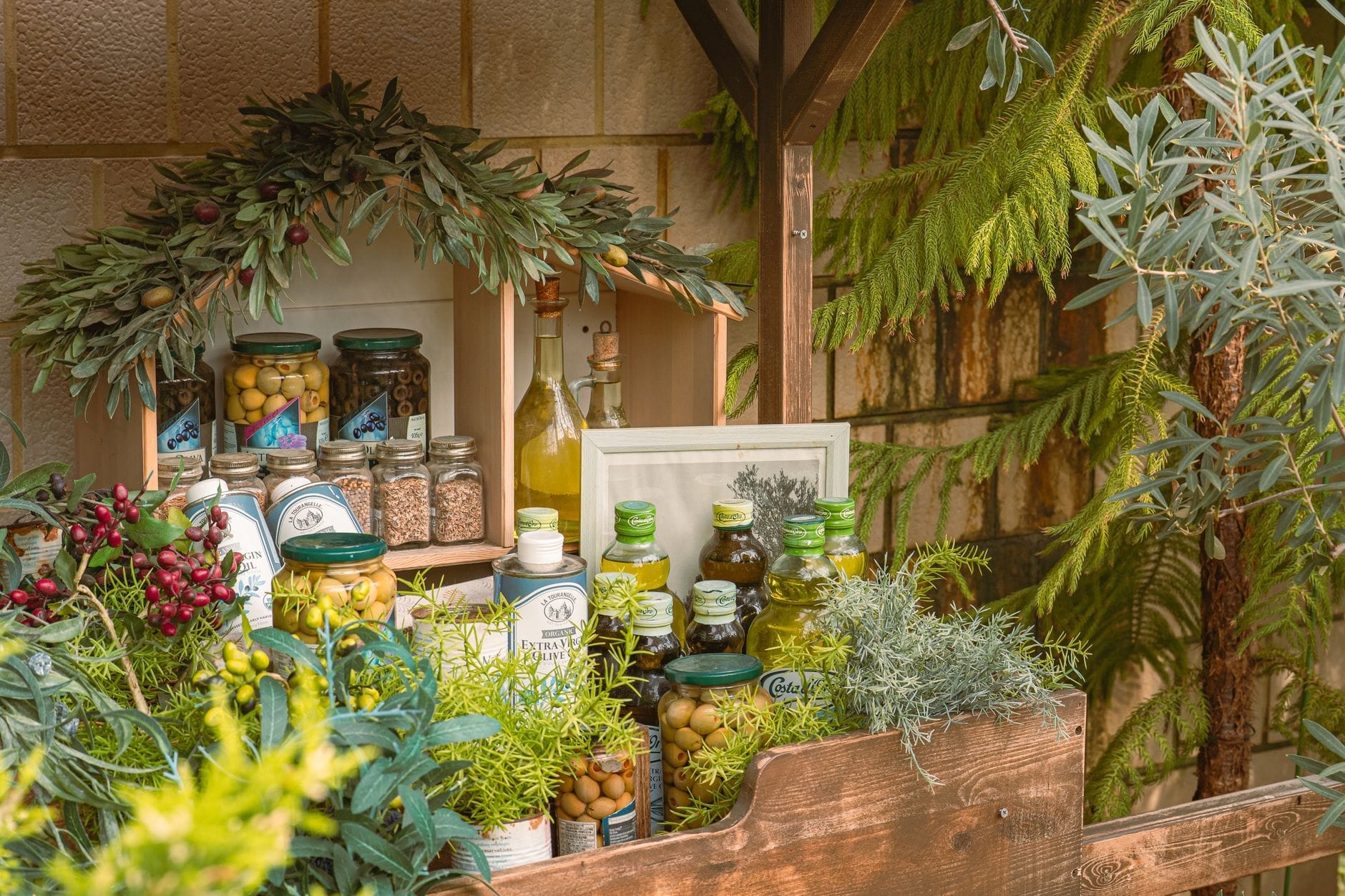
Greece produces specific things extremely well, and these make far better purchases than the decorative items sold in tourist shops. The categories below represent genuine value: products where Athens-sourced versions are meaningfully better than what you'd find at home, or items with enough craft behind them to justify the purchase.
- Greek olive oil Single-estate extra virgin olive oil from Kalamata or Crete is significantly better than most supermarket olive oil sold abroad. Look for bottles with Protected Designation of Origin (PDO) labeling. Specialty food shops in Kolonaki and near the Central Market stock good selections.
- Saffron from Kozani Greek red saffron (Krokos Kozanis) holds a PDO designation and is considered among the highest quality in the world. It's sold in specialist food shops and some pharmacies. A small tin makes a genuinely useful gift that travels well.
- Honey Thyme honey from the Greek islands and pine honey from mountain regions are distinct products. Varieties change by region and season. The Central Market and specialty food shops stock a wide range.
- Leather sandals Hand-stitched leather sandals have been made in Athens for centuries. Several workshops in Monastiraki and Plaka still make them to order. Expect to wait 30-60 minutes for a custom pair. Prices start around €30-50 for basic styles.
- Natural sea sponges Harvested from Greek waters, particularly around Kalymnos, natural sea sponges are sold in pharmacies and specialist shops. Quality varies significantly; ask whether the sponge is from Greek waters.
- Ceramics and pottery Look for hand-painted pieces from specific regional traditions (Sifnos, Rhodes, Skyros) rather than generic tourist pottery. A few workshops in Plaka produce genuine handmade ceramics. Price and weight make these harder to transport, but they're worth it over factory-made equivalents.
- Herbs and mountain tea Greek mountain tea (Sideritis, also called shepherd's tea) and dried oregano, sage, and chamomile are widely available at laiki markets and the Central Market at very reasonable prices.
Practical Tips: Timing, Prices, and Avoiding Tourist Traps
Athens shopping hours follow a pattern that takes some adjustment. Most shops open around 9-10am. On Mondays, Wednesdays, and Saturdays, many close around 3pm. On Tuesdays, Thursdays, and Fridays, they stay open until 8-9pm. Sunday closures are nearly universal outside of tourist zones and the Monastiraki area. Major shopping malls like The Mall Athens in Maroussi keep consistent 10am-9pm hours throughout the week.
Bargaining is acceptable at flea markets and antique stalls, expected on Sunday at Monastiraki's outdoor market, and completely inappropriate in regular shops and boutiques. At the laiki farmers' markets, prices are typically fixed but vendors may offer discounts if you're buying a large quantity. In tourist souvenir shops, prices are often inflated specifically because haggling is expected. Starting at 30-40% below asking price for antiques and flea market finds is reasonable.
Athens in summer (June through August) sees peak tourist traffic in the main shopping areas around Monastiraki and Plaka. This is when souvenir shop prices are highest and patience is most required. Spring (April to May) and autumn (September to October) offer better conditions for unhurried browsing. For a broader sense of how these seasons affect the entire city, the guide on the best time to visit Athens covers the tradeoffs in detail.
VAT refunds (Tax-Free Shopping) are available to non-EU visitors on purchases over €50 from participating retailers. Look for the Tax-Free logo in shop windows. The refund process requires completing paperwork in-store and presenting your purchases at the customs desk at Athens International Airport Eleftherios Venizelos (IATA: ATH) before check-in. The airport is approximately 30-35 km east of central Athens in Spata, served by Metro Line 3 from Monastiraki and Syntagma in about 40 minutes.
✨ Pro tip
The best food shopping combination in Athens: visit the Athens Central Market (Varvakios) on Athinas Street on a weekday morning for cheese, cured meats, spices, and dried goods from permanent stalls, then cross to the laiki in your neighborhood on its assigned day for fresh seasonal produce. Together they cover everything you need and provide a genuinely local experience that most visitors to Athens never find.
FAQ
What is the best market to visit in Athens?
It depends on what you're looking for. For antiques and secondhand goods, the Monastiraki Flea Market on Sunday morning is the right answer. For food, the Athens Central Market (Varvakios) on Athinas Street runs Monday through Saturday and covers meat, fish, cheese, and spices. For the most authentic local food shopping experience, find the laiki (weekly farmers' market) in whichever neighborhood you're staying in and go on its assigned morning.
What should I buy in Athens as a souvenir?
The most practical and genuinely valuable purchases are food products: Greek olive oil (look for PDO-certified single-estate bottles), saffron from Kozani, thyme or pine honey, and dried mountain herbs. For non-food items, hand-stitched leather sandals made to order in Monastiraki workshops, natural sea sponges from Greek waters, and handmade ceramics from specific regional traditions (Sifnos, Skyros) are worth the money. Avoid mass-produced marble replicas and generic Evil Eye items sold outside tourist sites.
Are shops open on Sunday in Athens?
Most regular shops close on Sunday. The main exception is the tourist zone around Monastiraki and Plaka, where many souvenir and antique shops remain open, particularly on Sunday mornings when the flea market is most active. Some shopping malls maintain Sunday hours but typically with reduced opening times. The laiki farmers' markets do not operate on Sundays.
What is a laiki market in Athens?
A laiki agora is a weekly rotating farmers' market where producers sell fresh seasonal produce directly to the public on assigned streets in each neighborhood, one day per week. Athens and Piraeus together host around 195 laiki markets. They are primarily food markets for local residents, not tourist markets. Most run from around 7-8am until 2pm. About 25 of them are certified organic. The Saturday laiki on Kallidromiou Street in Exarchia is the one that most commonly attracts international visitors.
Where do locals shop in Athens?
Athenians use their neighborhood laiki for fresh produce, the Central Market (Varvakios) for specialty foods, and Kolonaki for quality clothing and homewares. Ermou Street is used by locals for the same reason anyone uses a high street: it's convenient for international brands. For independent Greek designers and vintage items, the streets around Psyrri and Exarchia are where you'll find local shoppers rather than tourists.