The Champs-Élysées and Trocadéro form Paris's most ceremonial axis, stretching from the Arc de Triomphe down to the Seine and across to the esplanade facing the Eiffel Tower. This is where the city puts on its best face: wide boulevards, monumental architecture, world-class museums, and the kind of views that still stop you cold even on a grey afternoon.
No corridor in Paris announces itself more boldly than the stretch from the Arc de Triomphe down the Champs-Élysées to the Seine, and across to the Trocadéro esplanade with its unobstructed frame of the Eiffel Tower. This is grand-scale Paris, the city in full ceremonial mode: broad avenues, neoclassical stone, gilded fountains, and an urban scale designed to impress. It is not the most intimate corner of the city, but it remains one of the most powerful.
Orientation
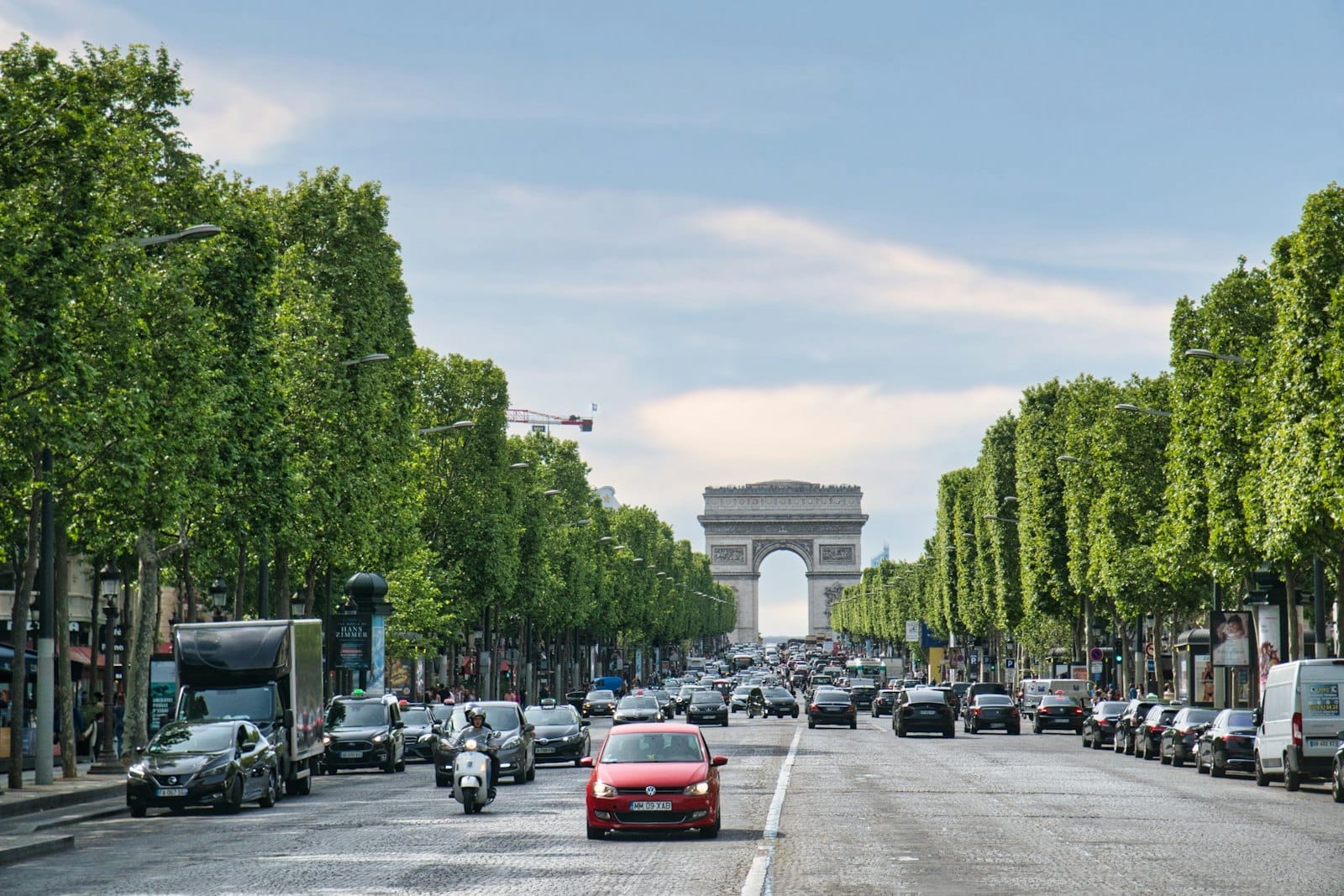
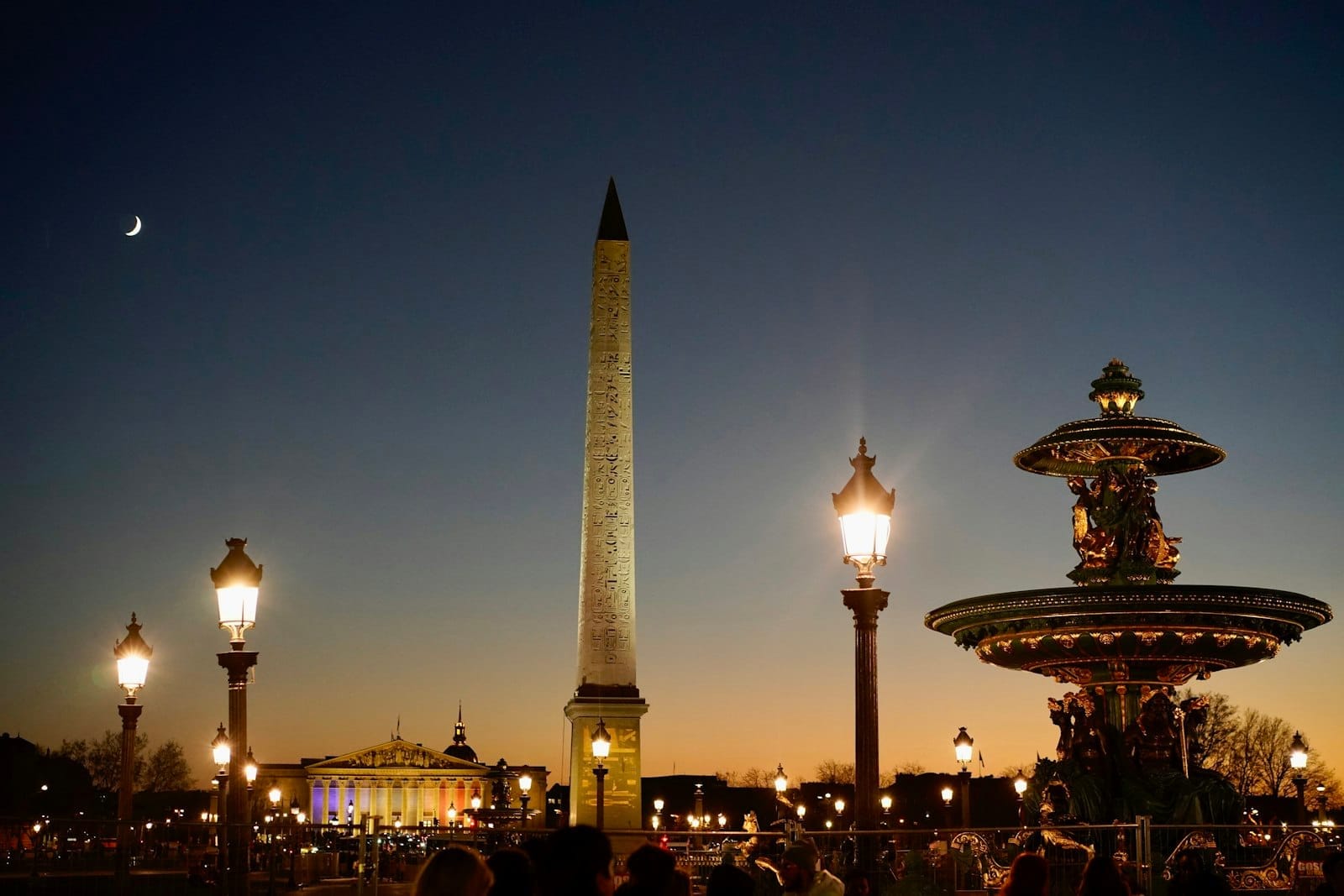
The Champs-Élysées and Trocadéro sit across two of Paris's most prestigious arrondissements. The Champs-Élysées runs through the 8th arrondissement, stretching 2.2 kilometres from the Place de l'Étoile (where the Arc de Triomphe stands at the centre of twelve radiating avenues) down to the Place de la Concorde at the edge of the Tuileries. The Trocadéro belongs to the 16th arrondissement, sitting directly across the Seine from the 7th arrondissement's Eiffel Tower quarter.
Think of the two areas as the northern and southern shoulders of a grand ceremonial district. Walking south from the Arc de Triomphe along the Champs-Élysées, you reach the Place de la Concorde in about 20 minutes on foot. From there, crossing the Pont de l'Alma or continuing along the riverbank brings you to Trocadéro in another 15 minutes. The two zones are also connected by Avenue Kléber, one of the spokes radiating from the Étoile, which runs directly southwest to the Place du Trocadéro.
To the west, the 16th arrondissement dissolves into the residential calm of La Muette and Passy, with the Bois de Boulogne forming a natural western boundary. To the east, the 8th gives way to the Opéra and Grands Boulevards. Understanding this geography matters: Trocadéro feels like a completely different Paris from the Champs-Élysées, even though the two are only about 2 kilometres apart and connected by a single Metro ride.
Character & Atmosphere
The Champs-Élysées is one of those places where the idea and the reality exist in constant tension. The idea is a magnificent Parisian boulevard, and the reality is a wide avenue lined with international chain stores, car showrooms, cinema multiplexes, and restaurants that have optimised for tourist throughput rather than kitchen quality. It is always crowded, reliably loud, and surprisingly impersonal given its grandeur. Parisian locals rarely shop here by choice.
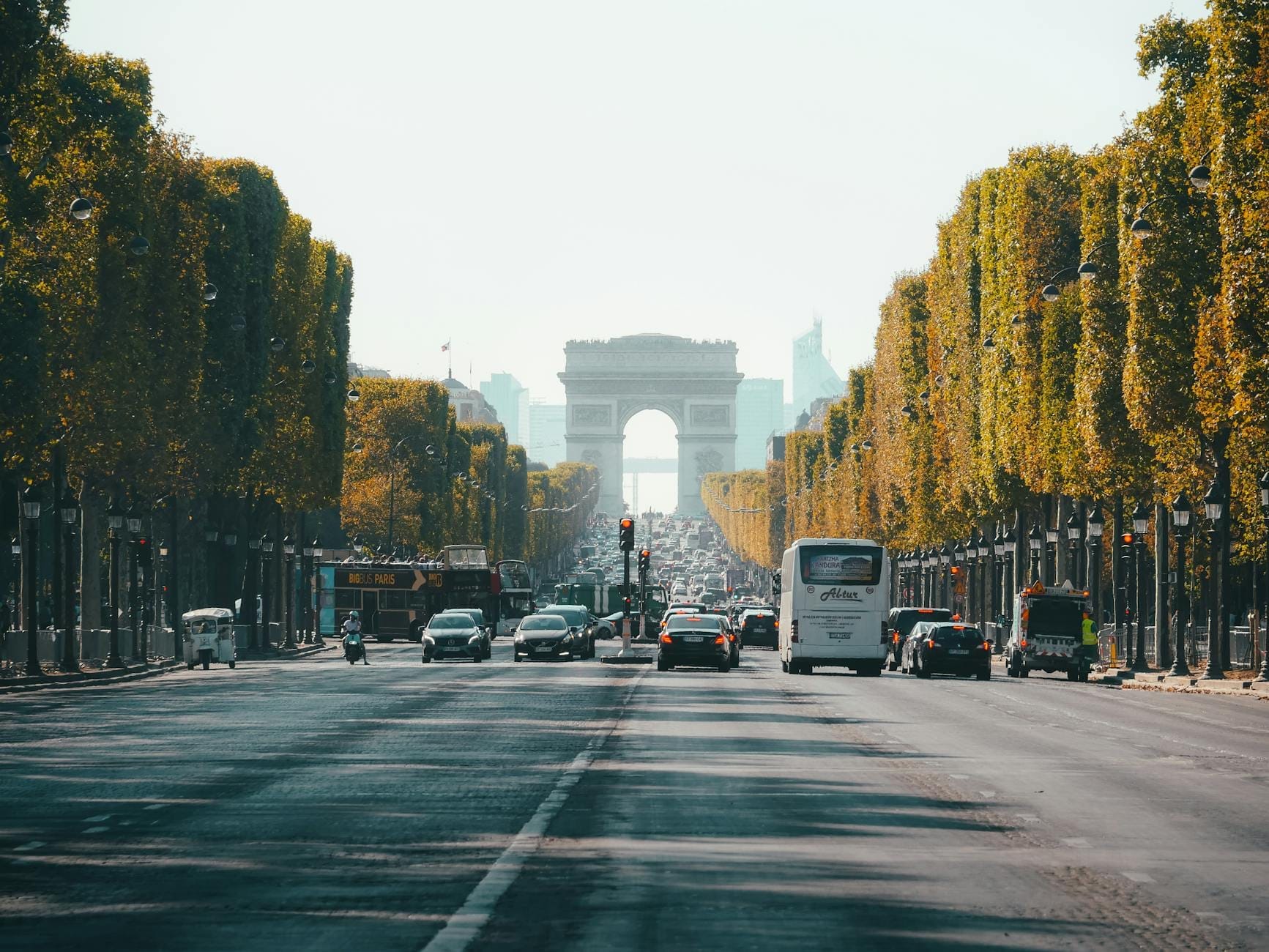
That said, the Champs-Élysées retains genuine power at specific moments. Early on a weekday morning, before the tour groups arrive, the avenue stretches ahead with an almost theatrical emptiness, the stone facades catching the flat northern light, the Arc de Triomphe anchoring the far end. On Bastille Day (14 July), the military parade transforms it into something genuinely moving. At Christmas, the avenue is strung with lights that run the full length and draw even sceptical Parisians back into the crowd.
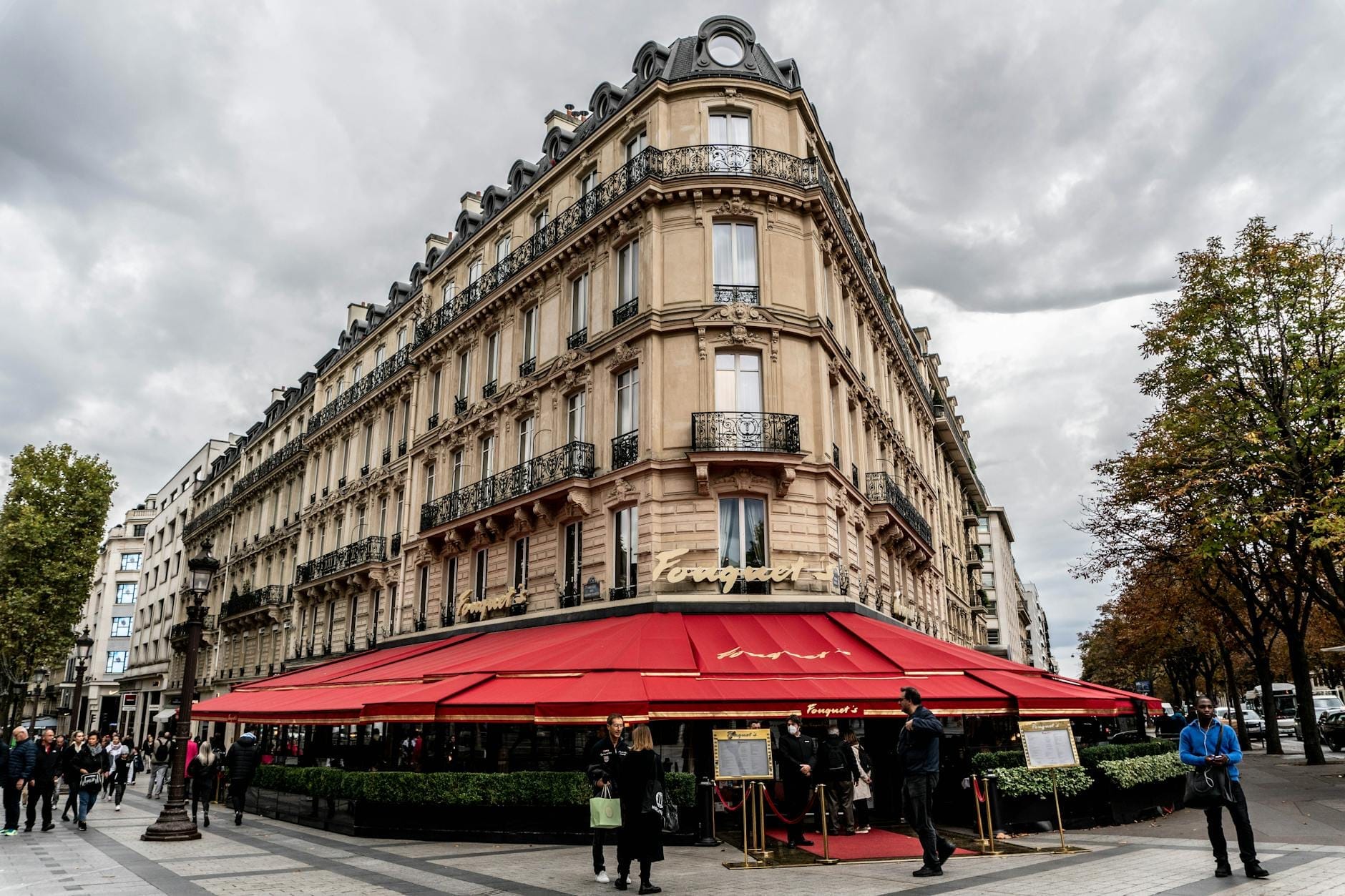
Trocadéro operates at a different register. The 16th arrondissement is old money Paris: quiet, residential, and extremely well-maintained. The streets between Place du Trocadéro and Rue de Passy are lined with Haussmann-era apartment buildings in creamy stone, their ironwork balconies impeccably kept. Boutiques here tend toward the functional and upscale rather than the flashy. The neighbourhood has a conservative, settled quality, the kind of place where people have lived in the same apartment for decades.
The Trocadéro gardens and esplanade, however, are a different story. Day and night, the Parvis des Droits de l'Homme is occupied by skateboarders, tourists photographing the Eiffel Tower, street performers, and tour groups. After dark, the esplanade draws people for the Eiffel Tower's nightly light show, the fountains below the Palais de Chaillot illuminated in gold. It is simultaneously one of the most-visited and most genuinely spectacular urban viewpoints in Europe.
💡 Local tip
For the Trocadéro's iconic Eiffel Tower view without the worst of the crowds, arrive before 8am on a weekday. The esplanade is nearly empty, the light is soft and directional, and you can take your time. By 10am, tour groups dominate the space.
What to See & Do
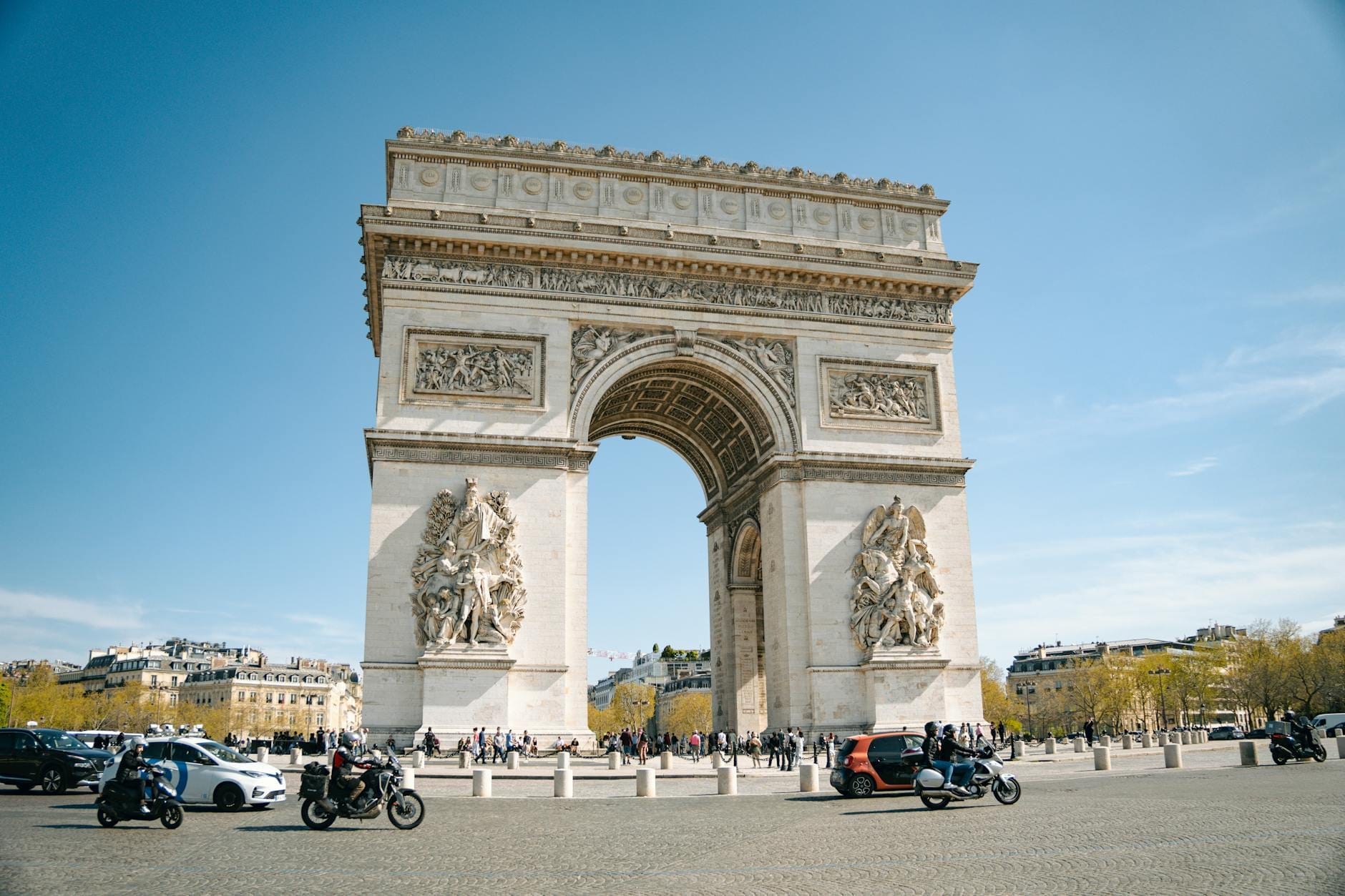
The Arc de Triomphe is the obvious anchor at the northwestern end of the district. Commissioned by Napoleon in 1806, it stands 50 metres tall at the centre of the Place Charles-de-Gaulle, surrounded by twelve radiating avenues. The rooftop observation platform (accessed via a tunnel beneath the roundabout) offers a sweeping view down the full length of the Champs-Élysées and, on clear days, all the way to the Grande Arche de la Défense to the west.
The Palais de Chaillot, the curved neoclassical structure crowning the Trocadéro hill, was built for the 1937 International Exhibition and is now home to four major cultural institutions. The Cité de l'Architecture et du Patrimoine holds a remarkable collection of architectural models and full-scale reproductions of French building details. The Musée de l'Homme covers prehistory and anthropology. The Musée national de la Marine occupies the southern wing. The Théâtre national de Chaillot, dedicated to contemporary dance, is buried beneath the esplanade and hosts ambitious productions throughout the year.
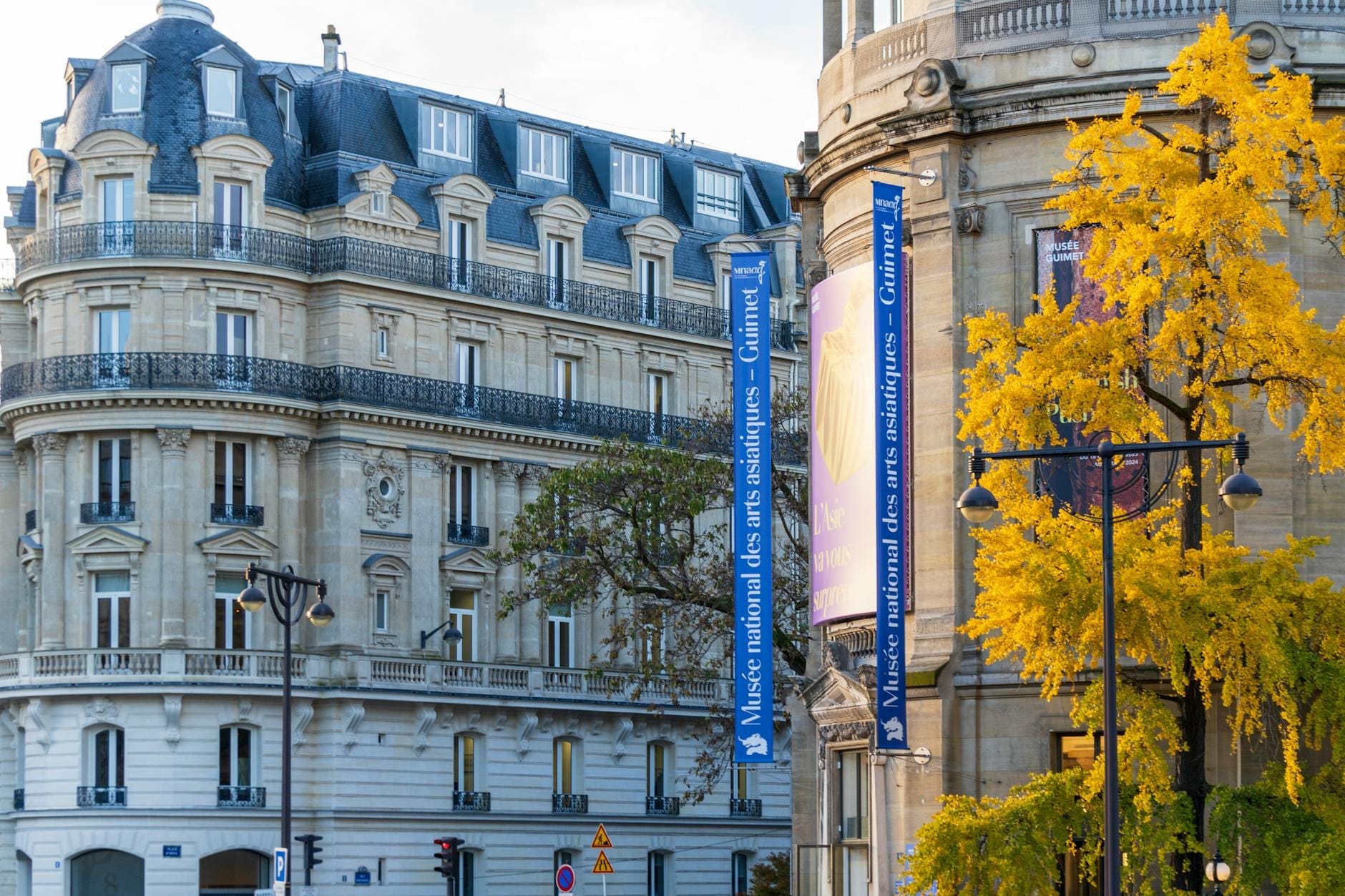
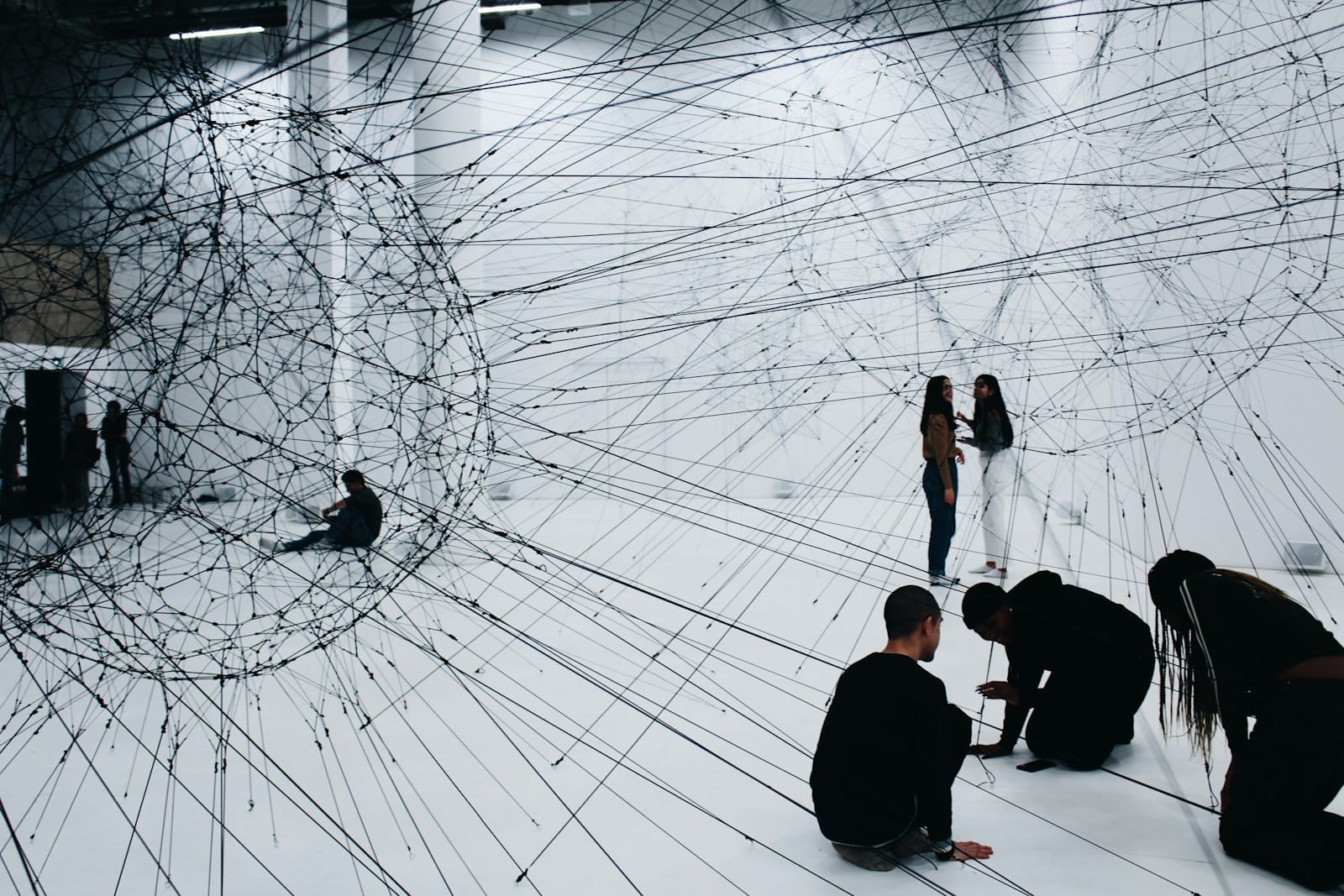
A short walk east along the riverbank brings you to the Palais de Tokyo, one of Europe's largest modern and contemporary art spaces, and the Musée d'Art Moderne de la Ville de Paris, which holds an outstanding permanent collection including Matisse's monumental La Danse murals. Further along, the Musée Guimet on Place d'Iéna houses France's national collection of Asian art, one of the finest outside Asia, set across an elegant 19th-century building with a Buddhist pantheon in a separate annex.
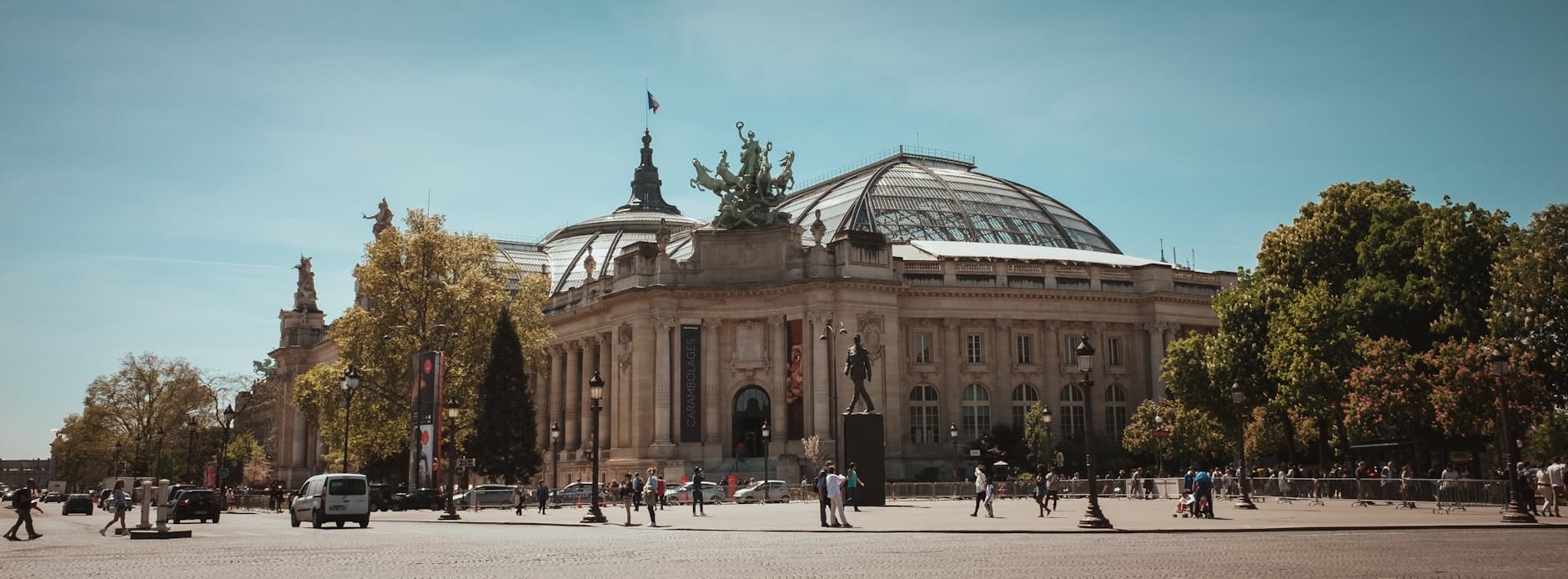
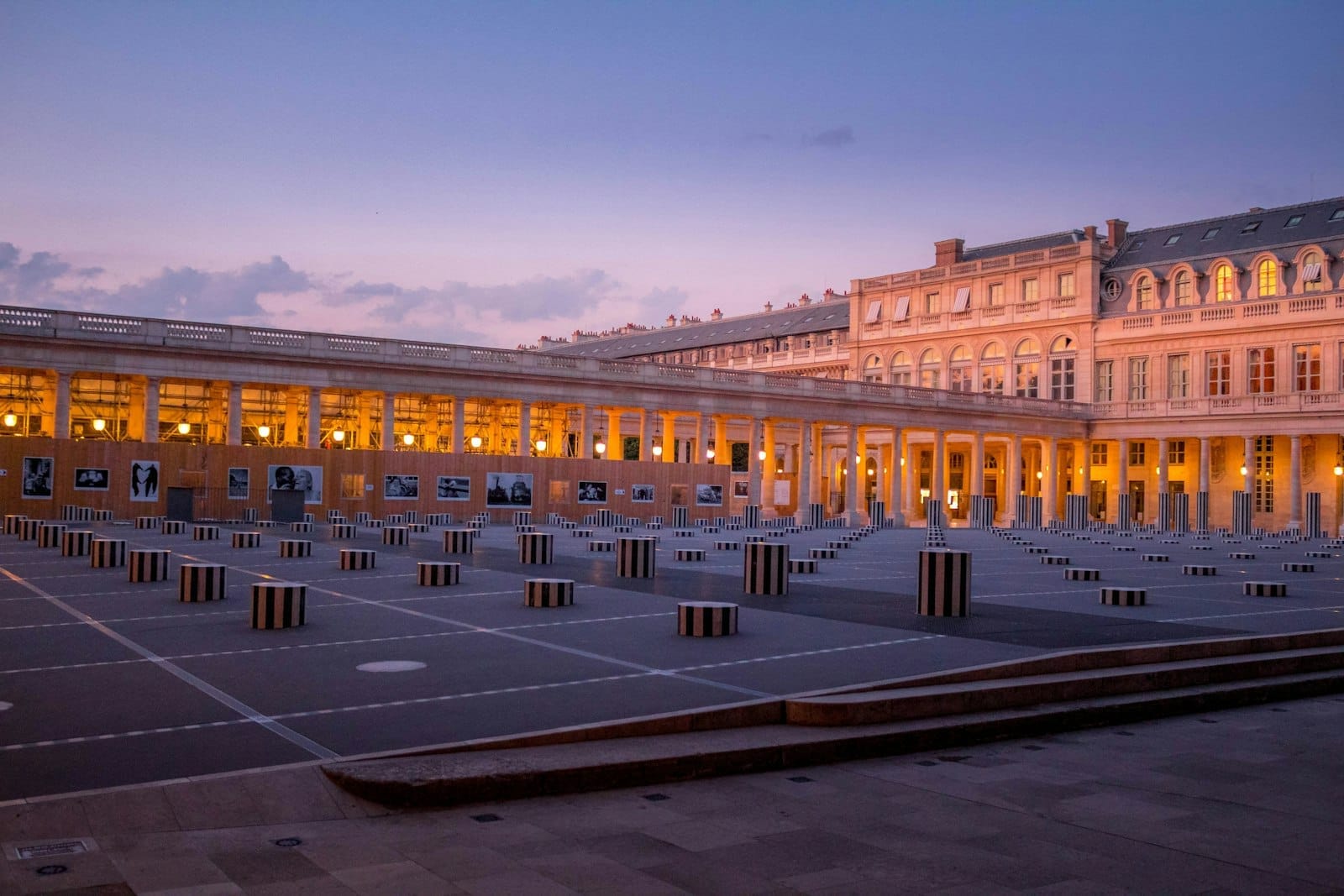
The Champs-Élysées district also rewards visitors who look beyond the main boulevard. The Grand Palais, the great iron-and-glass exhibition hall built for the 1900 World's Fair, sits just off the southern end of the avenue and hosts major travelling exhibitions throughout the year. The Petit Palais alongside it contains the free permanent collection of the Musée des Beaux-Arts de la Ville de Paris. For a broader view of what the area's museums offer, the best museums in Paris guide covers the full picture.
Arc de Triomphe: rooftop views, eternal flame, and Napoleon's triumphal inscription
Palais de Chaillot: architecture museum, Musée de l'Homme, naval museum, national dance theatre
Palais de Tokyo: cutting-edge contemporary art, open late (until midnight most nights)
Musée d'Art Moderne de la Ville de Paris: free permanent collection including the Matisse murals
Musée Guimet: Asian art collection, Buddhist pantheon annex
Grand Palais: major temporary exhibitions in a spectacular Belle Époque hall
Trocadéro esplanade: the definitive Eiffel Tower viewpoint, especially at dusk
Bois de Boulogne: 845 hectares of parkland, lakes, gardens, and cycle paths
ℹ️ Good to know
The Paris Museum Pass covers most major paid sites in this area, including the Arc de Triomphe, Grand Palais, and Cité de l'Architecture. If you plan to visit three or more museums in two days, it is likely worth calculating the cost against individual tickets.
Eating & Drinking
Eating on the Champs-Élysées itself is largely a trap for the uninformed. The restaurants lining the avenue are expensive relative to what they deliver, and most operate at the volume required to serve hundreds of covers a day. There are a few notable exceptions, including Ladurée's original tea salon at number 75, which predates the macaroon craze and remains a genuinely atmospheric stop for pastries and hot chocolate, but they come at a price.
The better strategy is to step one block off the main avenue. The side streets of the 8th, particularly around Avenue George V and Rue du Colisée, contain a range of restaurants serving the area's professional and residential population at more honest prices. The 8th arrondissement overall is home to some of Paris's most celebrated haute cuisine addresses, concentrated around Avenue Montaigne and the Triangle d'Or luxury shopping district.
The Trocadéro side has its own food culture, quieter and more locally oriented. Place du Trocadéro itself has a handful of café terraces where you can sit with a view of the esplanade, though the coffees are priced for location. The real neighbourhood eating happens further along Rue de Passy and its surrounding streets, where you'll find a mix of traditional French bistros, Japanese restaurants (the 16th has a long-established Japanese community), and quality bakeries. Prices generally reflect the wealth of the surrounding postcode.
Marché Président Wilson, held on Wednesday mornings and Saturday mornings along Avenue du Président Wilson between Rue Debrousse and Place d'Iéna, is one of the better open-air markets on the Right Bank: orderly, well-stocked, and serving a neighbourhood that takes food quality seriously. Cheese, charcuterie, seasonal vegetables, and ready-made dishes for picnicking in the Trocadéro gardens.
⚠️ What to skip
Avoid eating at any restaurant on the Champs-Élysées itself that displays a menu in four languages and photos of the dishes. These are almost exclusively tourist-focused operations with inflated prices and unremarkable food. Walk two blocks in any direction for significantly better value.
Getting There & Around
The Champs-Élysées is served by four Metro stations along its length. Charles de Gaulle-Étoile (lines 1, 2, 6, and RER A) sits at the Arc de Triomphe end. George V (line 1) is midway along the avenue. Champs-Élysées-Clemenceau (lines 1 and 13) is near the Grand Palais. Franklin D. Roosevelt (lines 1 and 9) sits between the two. Line 1 is the backbone here, running the full length of the avenue and connecting directly to the Louvre, Châtelet, and the western suburbs.
Trocadéro station (lines 6 and 9) is the main access point for the Palais de Chaillot and esplanade. Line 6, which runs elevated over the Seine near the Bir-Hakeim bridge, offers a memorable aerial view of the Eiffel Tower as it approaches the station. From the Champs-Élysées-Clemenceau station, a single Metro ride on line 9 reaches Trocadéro in approximately two minutes. The walk between the two areas via Avenue Kléber takes around 25 to 30 minutes and is entirely flat and pleasant.
Bus line 30 and bus line 32 cross between the two zones. RER A stops at Charles de Gaulle-Étoile and connects directly to both major airports with a change. For navigating the broader city, the getting around Paris guide covers Metro, RER, bus, and cycling options in full detail.
Cycling is feasible here: the quays along the Seine between Trocadéro and Concorde are now largely car-free and offer a smooth, scenic route connecting the two ends of the district. Vélib' docking stations are concentrated near the main Metro stops and along the avenue itself. Taxis and Uber are plentiful at Charles de Gaulle-Étoile and can be hailed or booked anywhere along the Champs-Élysées with no trouble.
Where to Stay
Staying in this district puts you within walking distance of many of Paris's most iconic sights, but it comes at a cost. The 8th arrondissement in particular is one of the most expensive places to sleep in the city, with the luxury hotels concentrated along Avenue Montaigne, Avenue George V, and near the Champs-Élysées itself. For a broader comparison of where to sleep in Paris relative to your priorities, the where to stay in Paris guide breaks down each arrondissement in detail.
The 8th is best suited to travelers who want five-star comfort, easy access to luxury shopping, and the prestige of an address near the avenue. Mid-range options exist but are limited, and budget accommodation essentially does not exist in this postcode. The 16th arrondissement offers slightly more variety at the mid-range level, particularly around Trocadéro and Passy, with the bonus of a quieter and more residential feel after dark.
For first-time visitors who want to see the major sights without paying 8th arrondissement prices, the neighbouring 7th arrondissement (the Eiffel Tower side of the river) and the 9th arrondissement (a Metro stop from the Champs-Élysées end) offer far better value for money while keeping the key landmarks easily accessible.
Practical Tips & Honest Drawbacks
Pickpocketing is a genuine concern on the Champs-Élysées and around the Trocadéro esplanade. These are among the highest-traffic tourist areas in Europe, and opportunistic theft follows accordingly. Keep bags zipped, phones in front pockets, and be especially alert around the Arc de Triomphe roundabout and at the top of the Trocadéro steps where crowds concentrate. This is not a reason to avoid the area, but it is a reason to take basic precautions.
Noise is another honest consideration for accommodation seekers. The Champs-Élysées itself is never truly quiet: traffic runs through the night, and the avenue is a regular route for police and emergency vehicles. Side streets in the 8th are significantly calmer but not silent. Trocadéro and the 16th are considerably quieter after around 10pm, which is one underappreciated advantage of staying on that side of the district.
The area is not, at street level, where most of Paris's day-to-day creative and social life happens. For neighborhoods with more local character and a livelier café scene, consider exploring Le Marais to the east or Saint-Germain-des-Prés across the river. This district rewards you with monumentality and world-class museums; it is not the place to stumble into a neighbourhood wine bar full of locals.
TL;DR
Best for: first-time visitors to Paris, architecture lovers, museum-goers, luxury travelers, and anyone who wants the iconic Paris panoramas without compromise.
Key sites: Arc de Triomphe, Trocadéro esplanade with Eiffel Tower views, Palais de Chaillot, Palais de Tokyo, Musée Guimet, Grand Palais, and the Champs-Élysées itself.
Honest caveat: the Champs-Élysées is heavily commercialised and overpriced for dining. The grandeur is real; the local character is not. Plan visits for early morning to avoid peak crowds.
Transit: well-connected by Metro lines 1, 2, 6, 9, 13, and RER A. Charles de Gaulle-Étoile is a direct RER link to both CDG and Orly airports.
Who can skip it: travelers on a second or third Paris visit who have already seen the major landmarks may prefer to spend their time in neighborhoods with more local texture, such as Canal Saint-Martin or Montmartre.
Paris has over 130 museums, which makes choosing badly very easy. This guide cuts through the noise with a ranked, honest breakdown of the best museums in Paris, covering art, history, science, and design, with practical details on tickets, timing, and what to skip.
Paris has over 400 parks and gardens, ranging from formal French-style classics to wild woodland escapes. This guide covers the best green spaces across the city, with practical details on what to expect, when to go, and how to get the most out of each one.
Paris is one of the most photographed cities on earth, which means most visitors return home with the same ten images. This guide goes beyond Trocadéro to cover lesser-known vantage points, specific timing advice, and honest assessments of which spots are genuinely worth the effort.
Paris rewards visitors year-round, but the experience shifts dramatically depending on when you go. This guide breaks down each season honestly, covering temperatures, crowd levels, pricing, and the specific events and landscapes that make each period worth considering.
Paris rewards those who look down at it as much as those who walk through it. This guide covers every serious viewpoint in the city, from the famous towers to free terraces most visitors walk past, with honest advice on which are worth the queue and which are overrated.
Paris rewards those who venture beyond the périphérique. Whether you want royal grandeur at Versailles, Monet's living canvases at Giverny, or medieval forests at Fontainebleau, these are the best day trips from Paris — all reachable in under two hours.
Paris has one of the most comprehensive urban transport networks in the world. From the 16-line Métro to river buses and Vélib' bikes, this guide covers every realistic option — with real fares, practical advice, and honest warnings about what to avoid.
Paris rewards the curious traveler. Beyond the Eiffel Tower and Louvre queue, the city holds Roman ruins, forgotten neighborhoods, candlelit sewers, and park temples that most visitors never find. This guide covers 20 genuinely underrated experiences, with practical details on when to go, what to expect, and what to skip.
Planning your first trip to Paris? This guide covers everything you actually need: which arrondissements to stay in, how to get around without overpaying, which passes are worth buying, and how to avoid the most common rookie mistakes. Specific, honest, and built for real travelers.
Three days in Paris is enough to cover the iconic highlights, eat well, and still leave room to wander. This guide breaks down each day by neighborhood, flags what to pre-book, and tells you what to skip so you spend less time in queues and more time in the city.
The Paris Museum Pass covers 50+ museums and monuments, but it's not automatically the right choice for every visitor. This guide breaks down the real costs, savings thresholds, booking rules, and the cases where individual tickets beat the pass.
Paris has a reputation for draining wallets, but the reality is more nuanced. This guide breaks down real 2026 costs across transport, food, accommodation, and attractions, with practical strategies for visiting Paris on a budget without sacrificing the experience.
Paris works brilliantly for families, but only if you plan it right. This guide covers the best kid-friendly attractions, parks, museums, transport logistics, and honest advice on what to skip, so you can enjoy the city without the meltdowns.
Paris rewards visitors who go beyond the obvious itinerary. This guide covers the best things to do in Paris across every interest and budget, from world-class museums and Seine river cruises to neighbourhood markets, immersive art installations, and day trips worth the train fare.
Paris has more restaurants per square kilometer than almost any city on earth, which makes choosing one genuinely hard. This guide cuts through the noise with neighborhood-by-neighborhood recommendations, honest budget breakdowns, booking advice, and the dishes you should actually order.
Choosing where to stay in Paris shapes your entire trip. This guide breaks down the city's key neighborhoods by character, price, metro access, and who they suit best, so you can book with confidence rather than guesswork.