Adelaide's CBD is the city's compact, walkable heart: a grid of streets framed by parklands, where world-class museums sit alongside a legendary food market, and a tram connects the cultural boulevard to the coast. It works as a base for first-time visitors and as a daily destination for anyone exploring the wider region.
Adelaide CBD is the civic and cultural engine of South Australia's capital: a neat, grid-plan city centre ringed by parklands, with one of Australia's great covered markets, a museum-lined boulevard, and a tram network that keeps everything surprisingly easy to navigate. It is the obvious anchor point for any visit to Adelaide, combining genuine urban culture with a pace that never tips into overwhelming.
Orientation
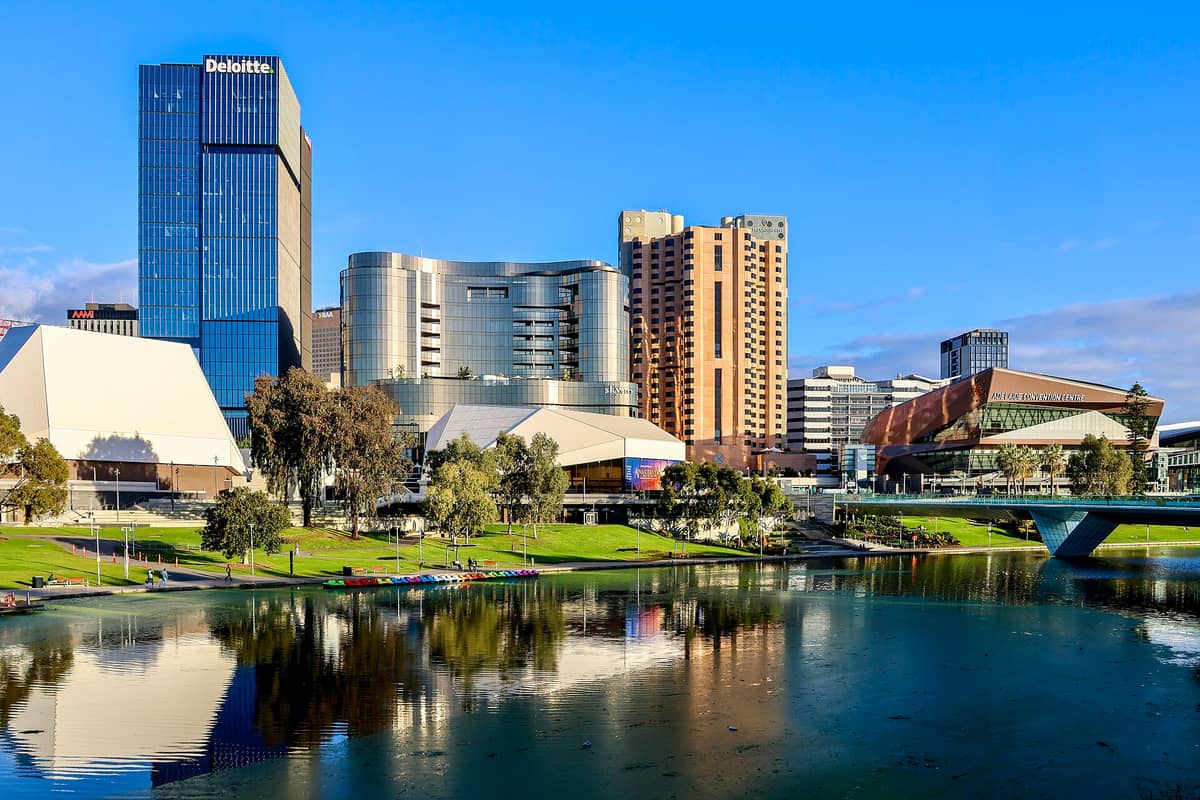
The Adelaide CBD occupies Colonel Light's original square-mile grid — about 1.6 kilometres north to south and a little over 2 kilometres east to west — set at approximately 34.93 degrees south and 138.60 degrees east at an elevation of about 50 metres above sea level. Four main roads define its edges: North Terrace to the north, South Terrace to the south, East Terrace to the east, and West Terrace to the west. Beyond each of these lies the Adelaide Park Lands, a continuous belt of green space that separates the city centre from the surrounding suburbs.
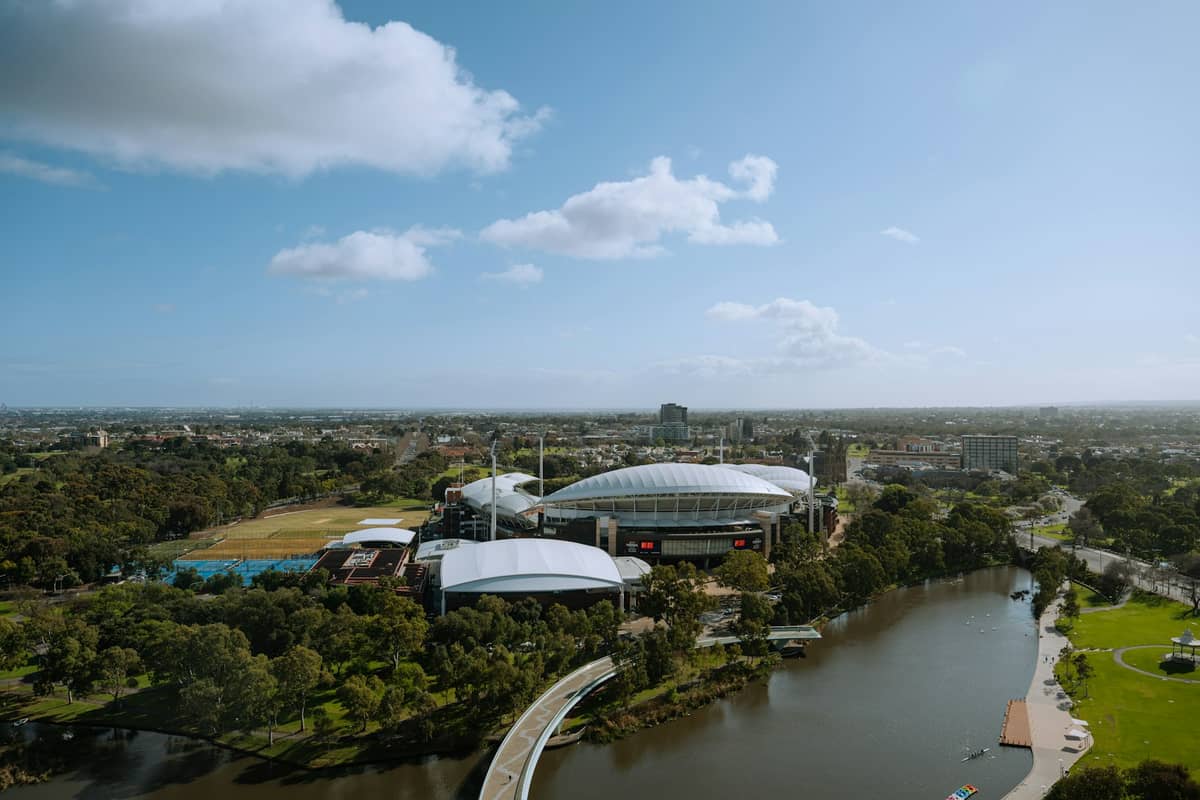
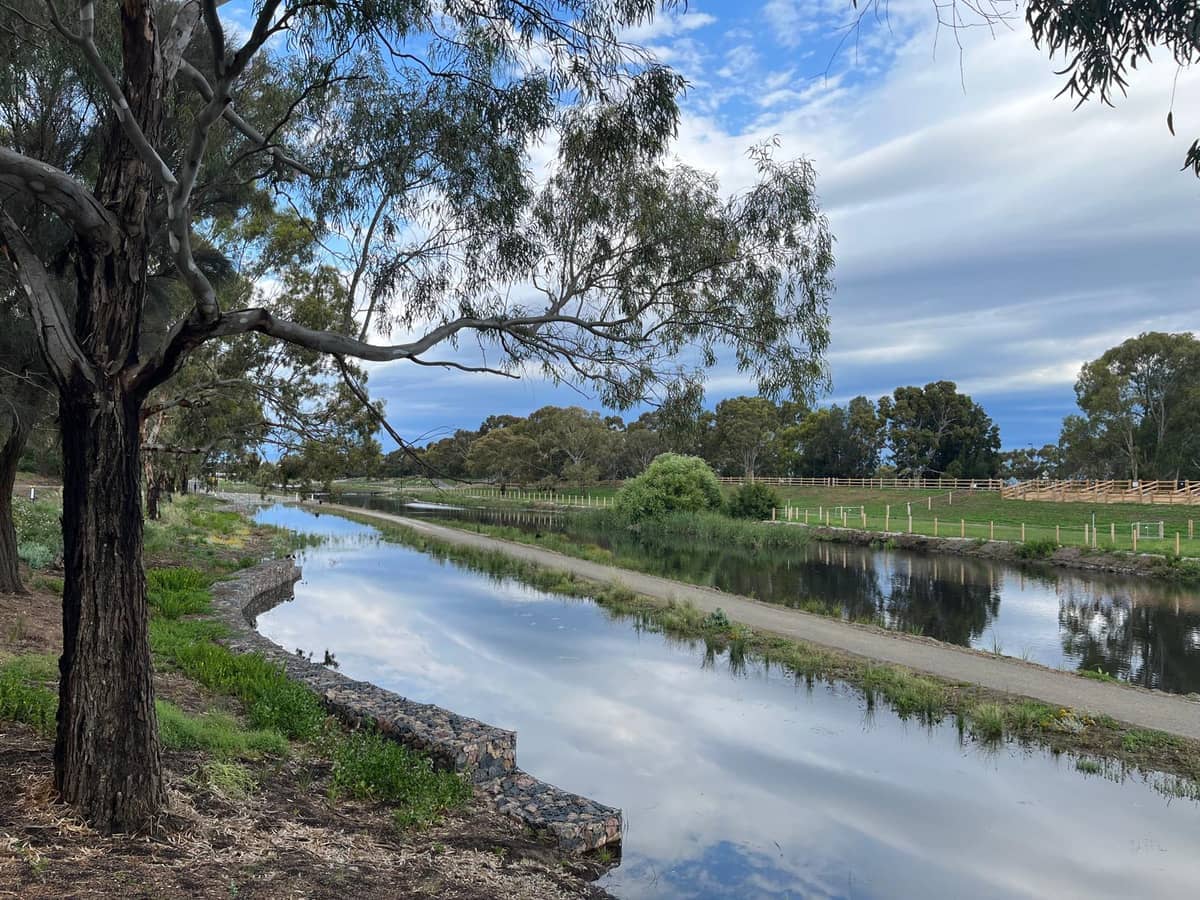
The River Torrens flows just north of North Terrace, forming a natural boundary between the CBD and North Adelaide, the historic inner-city neighbourhood on the far bank. The parklands to the south and east connect pedestrian paths toward Unley and the inner east. Understanding this geography matters: the CBD is not just a cluster of blocks but a deliberately bounded space, and the moment you cross any of the four terraces, you are immediately in open parkland.
Within the grid, the main spine runs east to west: Rundle Mall and its extension Rundle Street dominate the northern half of the retail and dining core, while King William Street cuts the grid north to south, connecting Adelaide Railway Station at the northern end to Victoria Square in the middle and South Terrace at the bottom. North Terrace runs along the northern edge and functions as the city's cultural boulevard. Most visitors find their bearings quickly because the grid is logical and largely flat.
Character & Atmosphere
On a weekday morning, the CBD has a particular rhythm. The streets around Adelaide Central Market fill early, with traders stacking produce and the smell of roasting coffee drifting from the surrounding laneways before 8am. King William Street sees a steady flow of office workers, and the tram running along King William Street already carries a mix of commuters and early tourists heading toward North Terrace. The light at this hour is clean and cool, especially from autumn through spring, when Adelaide's Mediterranean climate keeps mornings mild.
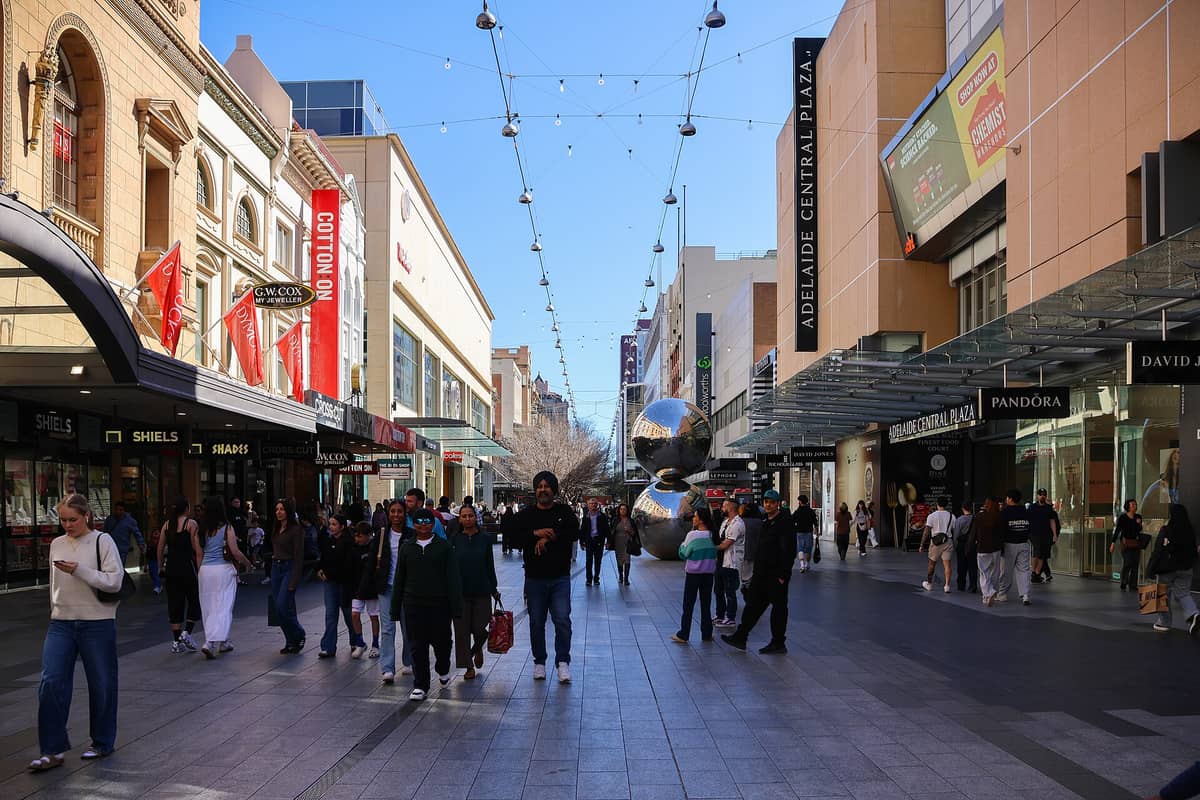
By midday, Rundle Mall draws the bulk of foot traffic. The pedestrian-only strip can feel genuinely crowded on weekdays when lunchtime combines with shoppers, street performers and visitors. The adjacent laneways, including Leigh Street and Peel Street to the west, tend to fill with people eating and drinking at small bar tables. The atmosphere here is more local than tourist: these are neighbourhood venues that happen to sit inside the CBD.
After dark, the CBD fragments into distinct zones. North Terrace is quieter, lit by the glow of the museum facades and the Festival Centre across Elder Park. Rundle Street east of the mall becomes a dining and bar precinct that runs late on weekends. The laneways around Peel Street and Leigh Street form the core of the city's small bar culture. Victoria Square and the southern end of King William Street are largely empty after business hours. The CBD is not a city that pulses uniformly at night; it has pockets of energy and long stretches of quiet.
ℹ️ Good to know
Some city streets and public spaces in Adelaide's CBD are designated dry areas. Check posted signs and current rules, as alcohol restrictions vary by location.
The CBD population is relatively small for a capital city centre: just under 27,000 residents in the City of Adelaide local government area according to the 2021 Census. This keeps the residential streets in the eastern and southern portions of the grid noticeably quieter than the commercial core, which can feel like a relief after a busy morning at the market or an afternoon in the shopping precinct.
What to See & Do
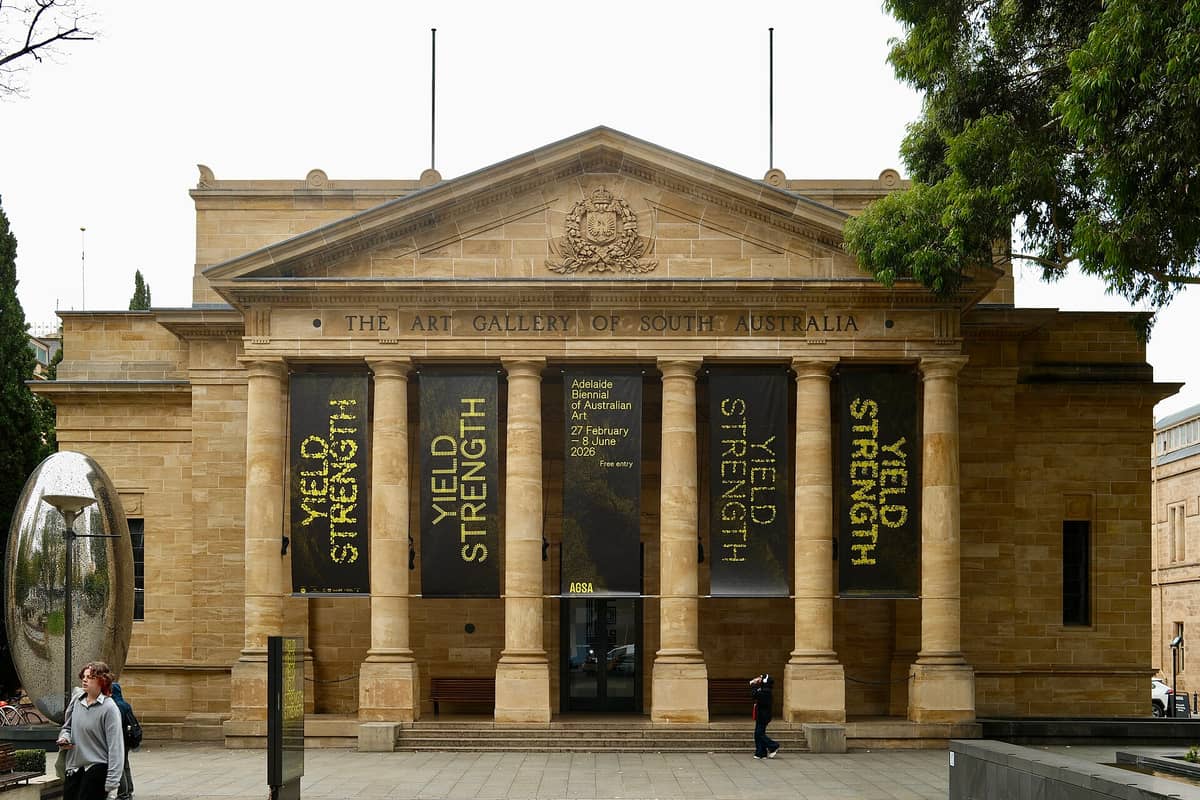
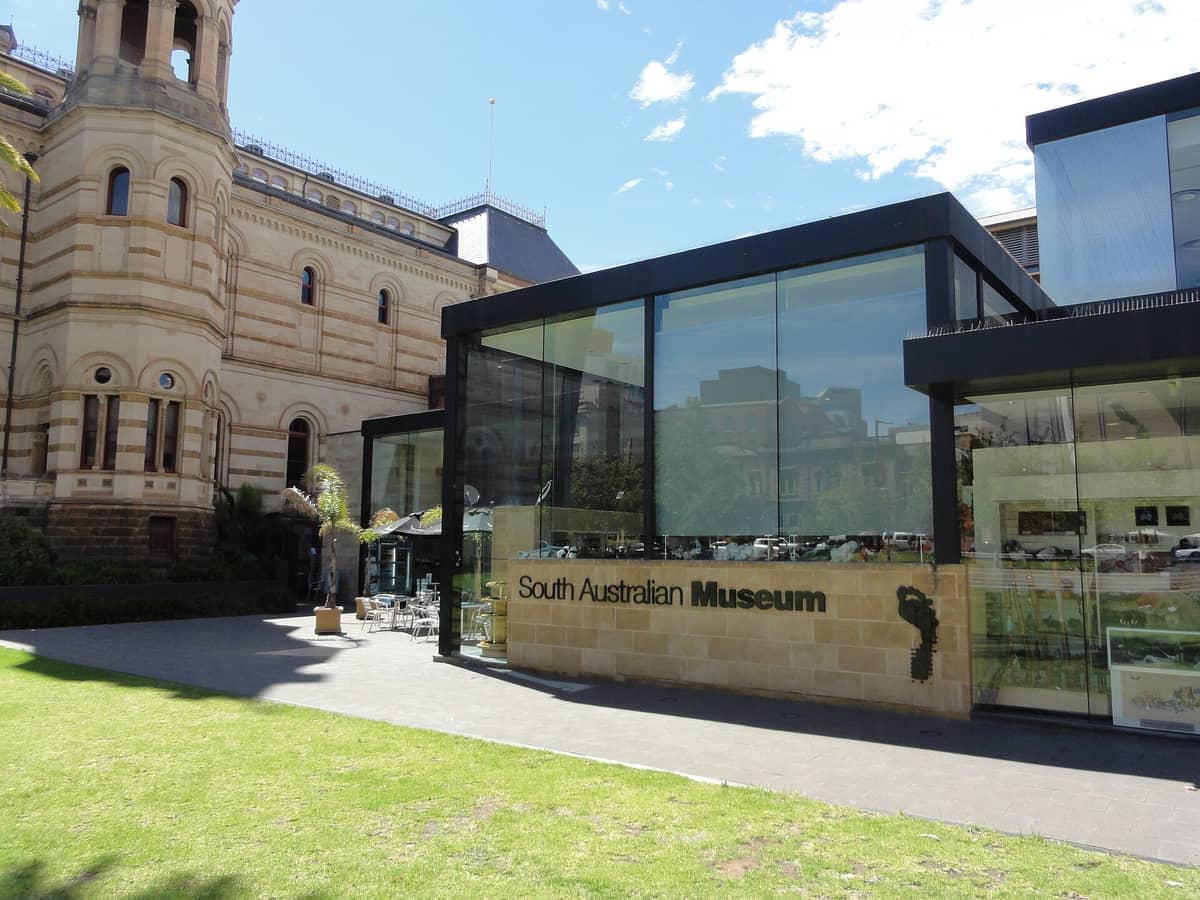
North Terrace is where Adelaide concentrates its major cultural institutions within easy walking distance of each other. Art Gallery of South Australia and the South Australian Museum sit side by side and both offer free general admission. The South Australian Museum holds one of the world's largest collections of Australian Aboriginal cultural heritage, and engaging with it thoughtfully is worthwhile before venturing into any of the state's Indigenous cultural sites.
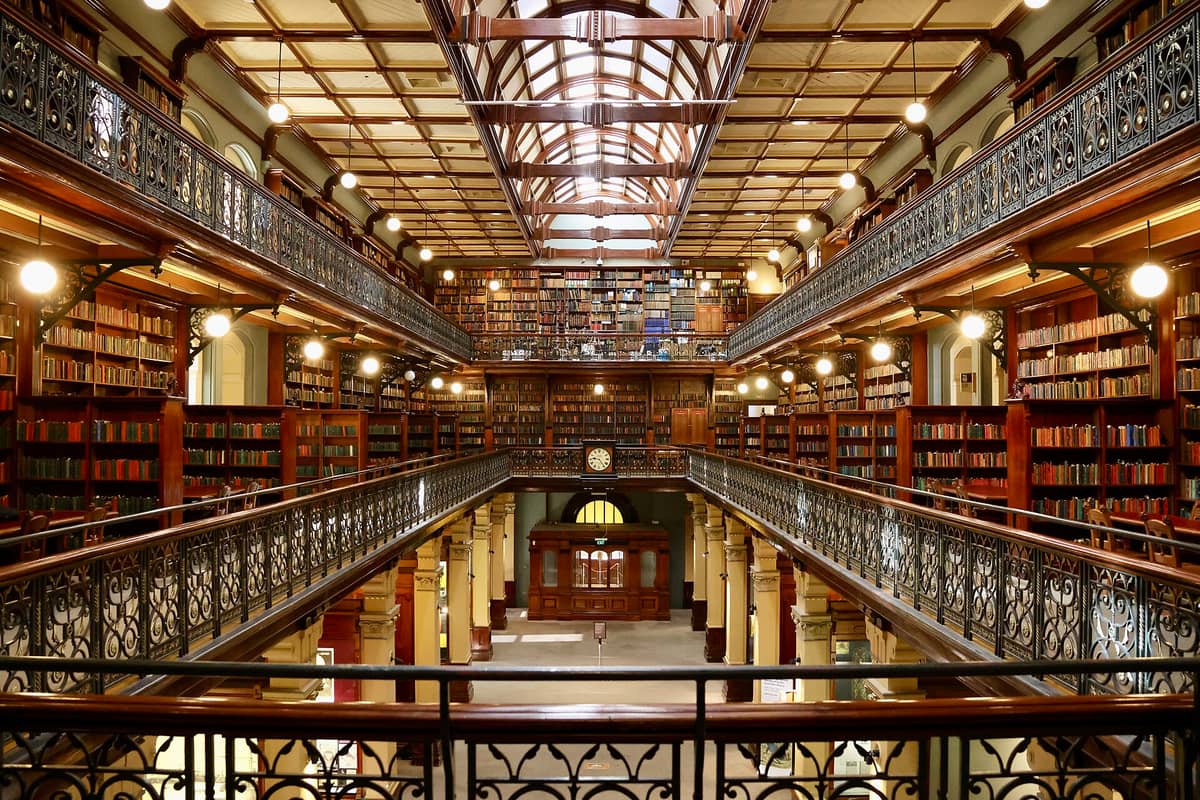
Also on North Terrace, the Mortlock Wing of the State Library of South Australia is one of the most architecturally striking interior spaces in Adelaide: a Victorian-era atrium of iron and glass that most visitors walk past without realising they can simply walk in. The National Wine Centre of Australia sits at the eastern end of North Terrace, adjacent to the Botanic Gardens, and offers a useful introduction to South Australian wine regions before you make the trip out to the Barossa or McLaren Vale.
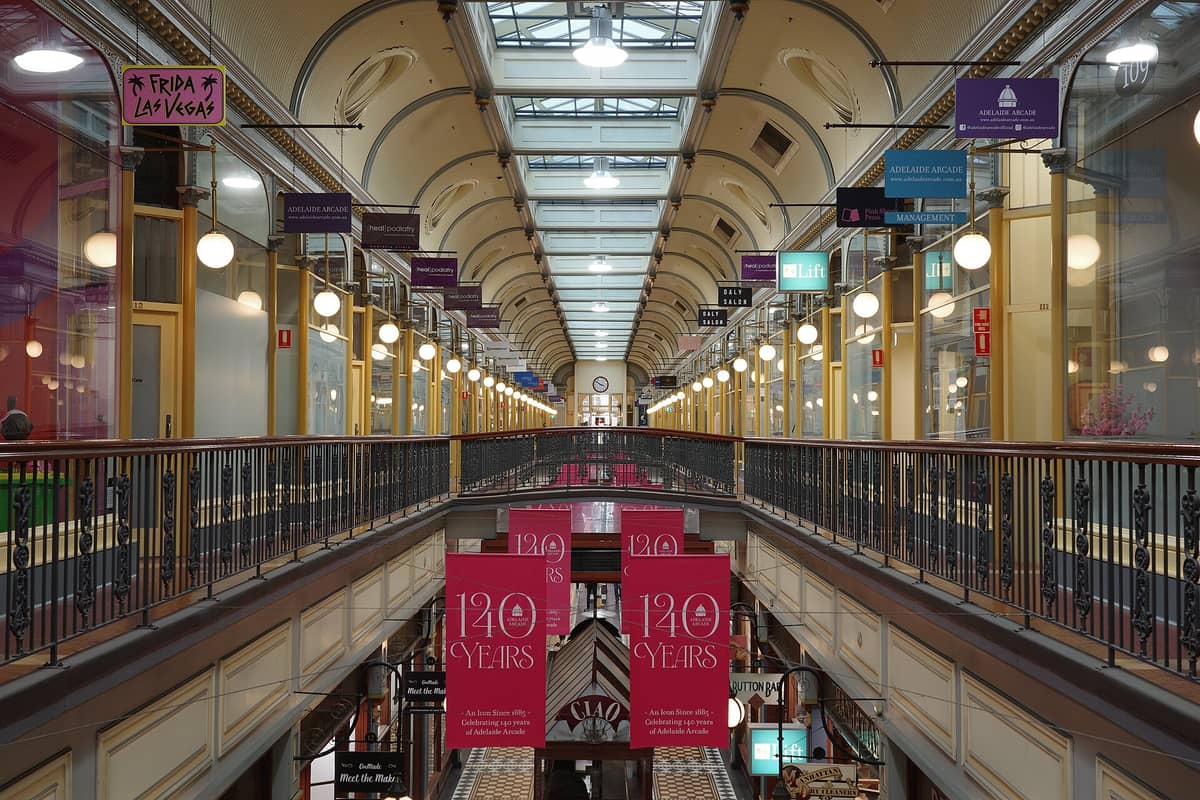
South of North Terrace, Rundle Mall is Adelaide's main retail pedestrian strip. It is not especially architecturally interesting, but it anchors the shopping district and connects to the Adelaide Arcade, a Victorian-era covered arcade worth a brief detour. The eastern extension, Rundle Street, shifts the atmosphere toward independent restaurants, wine bars and small shops and is more rewarding for browsing.
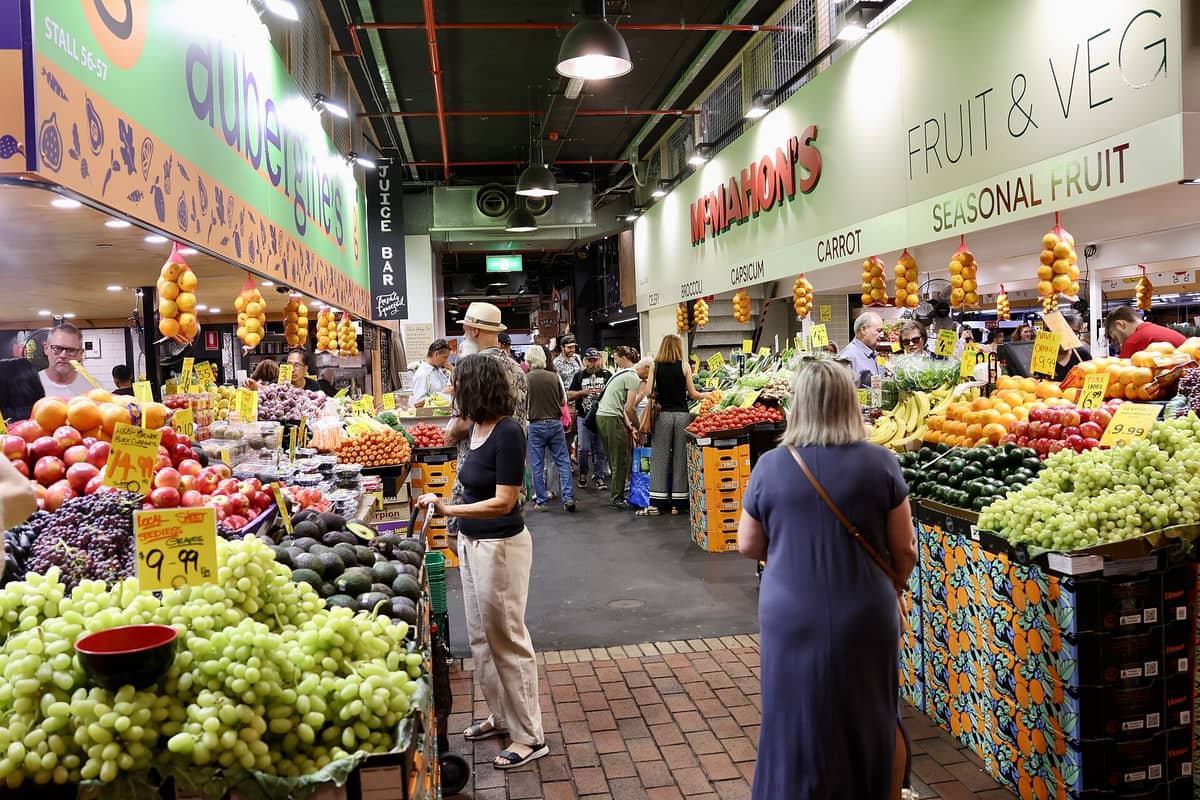
Victoria Square, known by its Kaurna name Tarntanyangga, sits at the geographic centre of the CBD grid and is the ceremonial heart of the city. The Adelaide Central Market lies directly adjacent, occupying a large covered hall between Gouger Street and Grote Street. This is one of the largest undercover fresh produce markets in the Southern Hemisphere, open Tuesday through Saturday, and visiting on a Saturday morning gives the fullest picture of what it is.
Art Gallery of South Australia and South Australian Museum: free entry, allow 1-2 hours each
Mortlock Wing, State Library: free, 10 minutes or an hour depending on your interest in Victorian architecture
Adelaide Central Market: Tuesday to Saturday, best visited mid-morning
Rundle Mall and the Adelaide Arcade: shopping and people-watching
Victoria Square/Tarntanyangga: the geographic centre of the grid
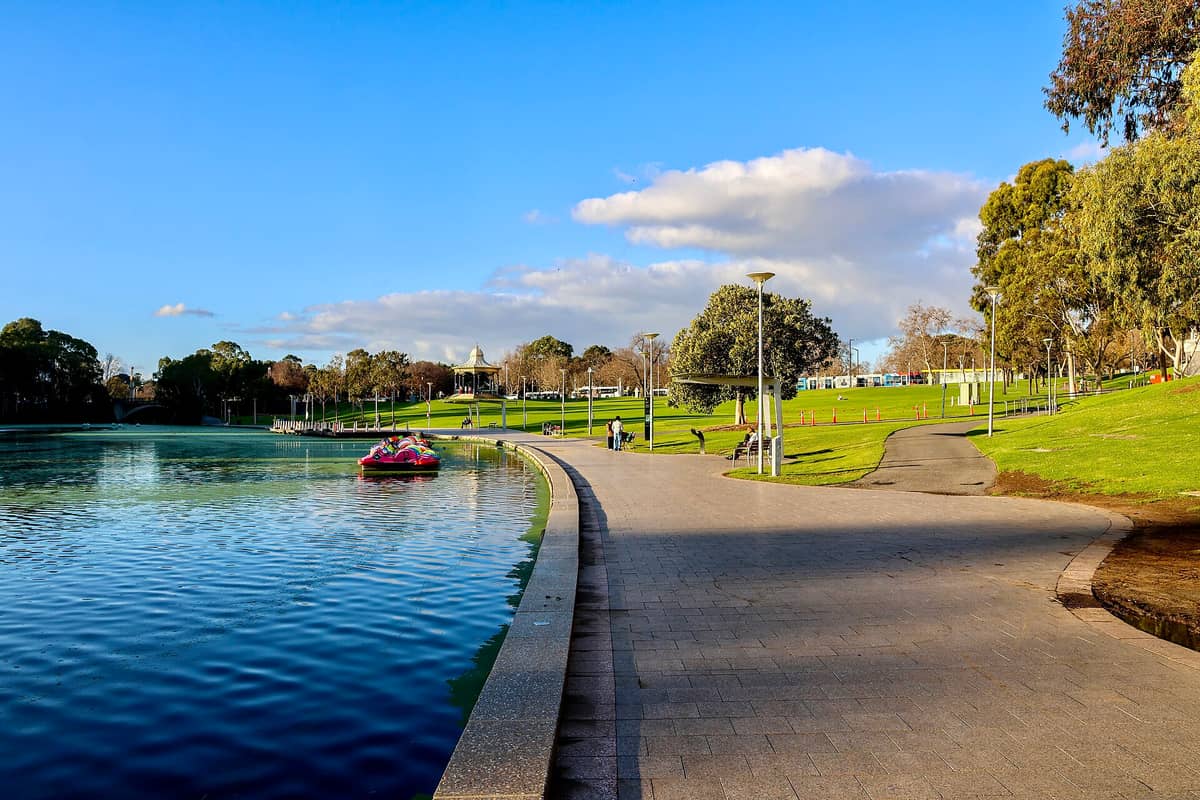
Elder Park and the River Torrens bank: cycling and walking paths toward the Botanic Gardens
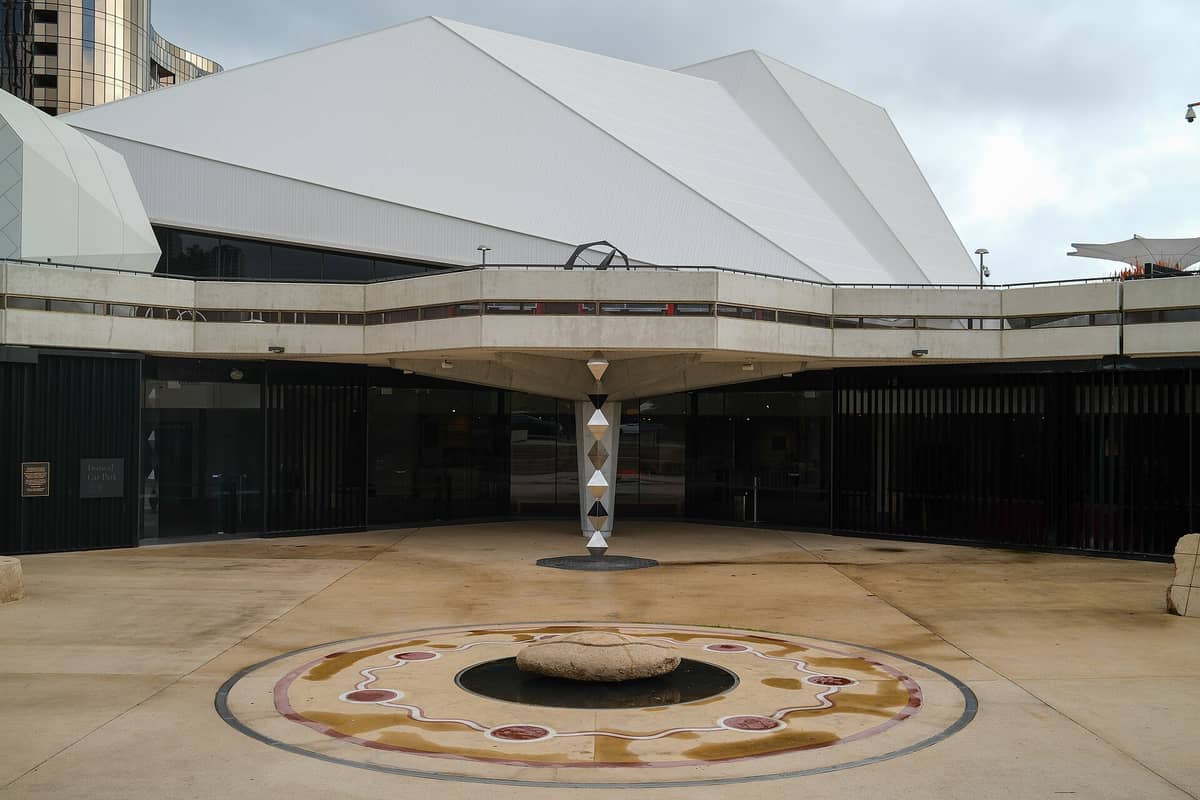
Adelaide Festival Centre: check program for concerts, theatre and exhibitions
💡 Local tip
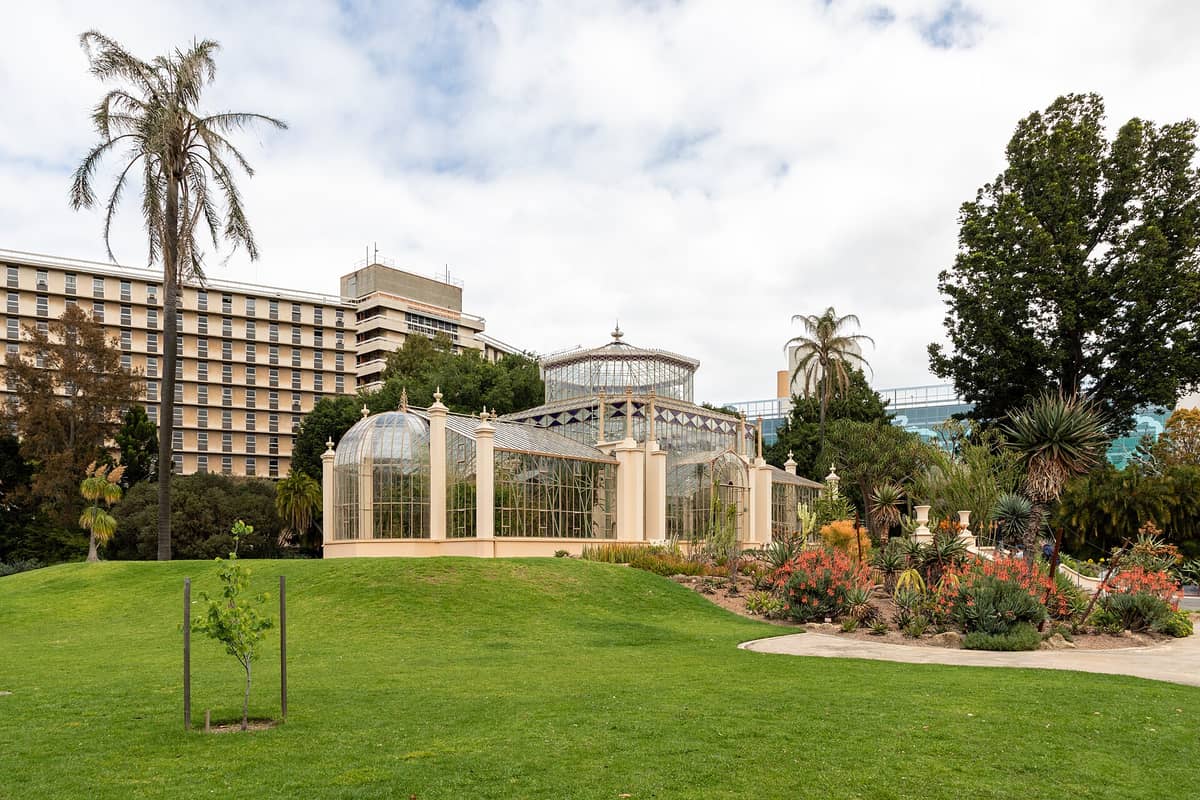
The Adelaide Botanic Garden entrance is a short walk east along North Terrace from the museum precinct and is free to enter. It is an easy addition to a North Terrace morning and considerably quieter than the museums in the middle of the week.
Eating & Drinking
The Adelaide Central Market is the anchor of the CBD food scene and worth understanding on its own terms. It is not a tourist market: it is where Adelaide households buy their cheese, fish, meat, bread and produce. The range of stalls inside and in the surrounding laneways reflects the city's multicultural community, with languages including Mandarin, Vietnamese and Italian reflecting the Census demographics. For a broader guide to Adelaide's market food culture, the Adelaide food market guide covers the full circuit.
Gouger Street, running along the southern edge of the Central Market, has long been Adelaide's most concentrated restaurant strip. It covers a wide range of cuisines and price points, from Chinese restaurants that have operated for decades to newer modern Australian venues. It can feel slightly worn in places, but the density of good food within a short walk is genuine. Grote Street, which runs parallel, is quieter and has some of the better casual lunch options.
The small bar culture that emerged in Adelaide after the state government changed its licensing laws in 2013 reshaped the CBD's drinking scene. Leigh Street and Peel Street, in the west of the grid, host a cluster of small bars at close quarters. Most have short food menus and focus on wine, cocktails and local craft beers. The atmosphere in these streets is noticeably more relaxed than the larger hotel bars on the main arterials. They tend to open from around 4pm on weekdays and from midday on weekends.
For visitors interested in South Australian wine specifically, the Adelaide wine guide explains how the city's bar and restaurant scene relates to the surrounding wine regions. Many CBD venues pour exclusively South Australian producers, which makes exploring by glass an efficient way to understand the landscape before visiting the Barossa Valley or McLaren Vale.
Adelaide Central Market: the essential food destination, Tuesday to Saturday
Gouger Street: dense restaurant strip, Chinese, modern Australian, seafood
Leigh Street and Peel Street: small bar cluster, late afternoon to late night
Rundle Street (east of the mall): independent cafes, wine bars and restaurants
North Terrace environs: cafe options near the museum precinct for daytime visitors
Getting There & Around
Adelaide Airport sits about 8 kilometres west of the CBD. Adelaide Metro buses connect the airport to the city centre, and the journey takes roughly 25 to 30 minutes depending on the route and time of day. Taxis and rideshare services including Uber are available from designated pickup areas at the terminal. Fares vary by time and demand, so check current prices before travelling. The bus uses standard Adelaide Metro fares paid via metroCARD, contactless tap-and-pay, or the Buy & Go app — onboard cash is not accepted.
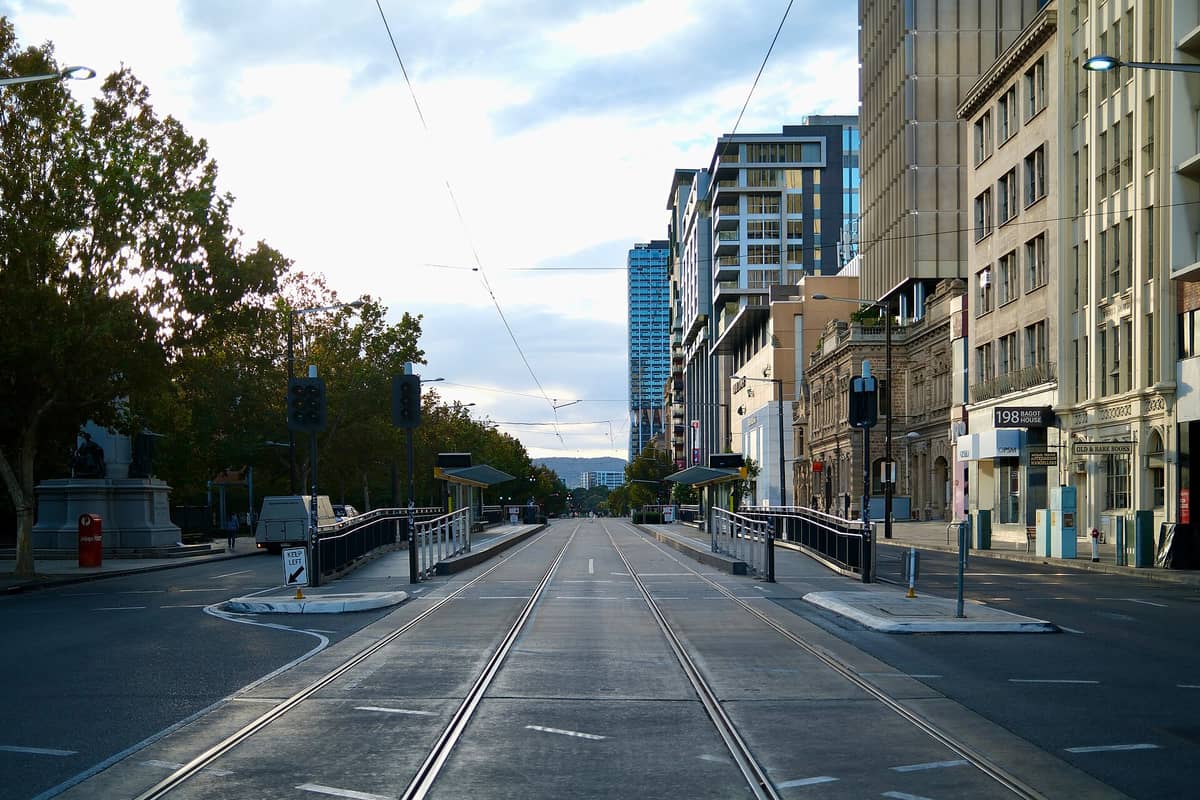
Within the CBD, the free tram zone covers the central corridor and is the most useful transit tool for visitors. The tram runs along King William Street and connects the Adelaide Entertainment Centre to the northwest, through the CBD core, to the Botanic Gardens stop at the eastern end of North Terrace. Travel within this free zone requires no ticket. Outside the free zone, the same tram line extends to Glenelg on the coast, which requires a standard Adelaide Metro fare. The free City Connector buses loop through the CBD and extend to North Adelaide, making it practical to cross the Torrens without walking.
Adelaide Railway Station sits on the northern edge of the CBD, on the corner of North Terrace and King William Street. Suburban rail lines depart from here to the northern and southern suburbs. For a full breakdown of how to navigate Adelaide Metro's bus, train and tram network, the getting around Adelaide guide covers fares, routes and practical tips in detail.
On foot, the CBD is genuinely walkable. From Adelaide Railway Station to Victoria Square takes about 10 minutes at an easy pace. From North Terrace to the southern boundary at South Terrace is approximately 15 minutes walking. Cycling infrastructure exists throughout the CBD and extends into the parklands ring, where dedicated paths allow you to circuit the entire city edge without crossing significant traffic.
⚠️ What to skip
Rundle Mall is pedestrian-only, but the parallel streets on either side carry traffic including buses. When navigating on foot using a map app, check whether your route threads through the mall or around it, as the difference affects how long it actually takes.
Where to Stay
The CBD is the most practical base for first-time visitors to Adelaide and for anyone planning to use public transport to reach surrounding areas. Hotels range from international chains near the casino and Adelaide Railway Station precinct to smaller boutique properties on the quieter southern streets. For a full comparison of accommodation options across the city, the where to stay in Adelaide guide covers the CBD alongside North Adelaide, Glenelg and the inner suburbs.
The northern half of the grid, within walking distance of North Terrace and Rundle Street, is the most convenient location for cultural visitors. Properties in the western portion of the CBD near Hindley Street are well-placed for nightlife but can experience more street noise on weekend nights. The eastern end of the grid, toward East Terrace, tends to be quieter and is a short walk from the Botanic Gardens.
Travellers looking for a quieter, more residential feel with easy CBD access sometimes prefer North Adelaide, just across the River Torrens. The free City Connector bus and a short walk across the Torrens bridge make the connection straightforward. The North Adelaide neighbourhood has its own restaurant strip on O'Connell Street and a notably different, calmer character than the CBD core.
Practical Notes
Adelaide operates on Australian Central Standard Time (ACST, UTC+9:30) and observes daylight saving time as Australian Central Daylight Time (ACDT, UTC+10:30). The currency is the Australian dollar (AUD). Tipping is not expected in Australia; it is discretionary for good service. Tap water from Adelaide's mains supply is treated and safe to drink. Emergency services are reached by dialling 000.
The City of Adelaide operates a CCTV network across the city centre monitored around the clock by South Australia Police. The CBD is generally safe during the day and early evening. As with any city centre, exercising basic awareness late at night around entertainment precincts is sensible. Hindley Street, in the western CBD, is the main late-night entertainment strip and can be noisy and occasionally rowdy after midnight on weekends.
Visitors from countries where Australian visa requirements apply should verify their entry requirements well before travel. Australia requires most visitors to hold a valid visa or electronic travel authority. Climate-wise, the best months to visit are March through May and September through November, when Adelaide's Mediterranean climate delivers mild temperatures without the heat peaks of summer or the wettest winter months. For a fuller picture of when to plan a trip, the best time to visit Adelaide guide covers seasonal conditions across the city and surrounding regions.
TL;DR
The Adelaide CBD is the logical base for any visit: compact, walkable and served by a free tram and bus network that connects the cultural precinct, the shopping district and the food market within minutes of each other.
North Terrace is the cultural spine, housing the Art Gallery of South Australia, the South Australian Museum, the Mortlock Wing and the National Wine Centre all within a single walking corridor.
Adelaide Central Market is one of the country's great undercover food markets and is best experienced on a Tuesday or Saturday morning when trading is at full pace.
The small bar scene on Leigh Street and Peel Street, and the restaurants stretching along Gouger Street and Rundle Street, give the CBD a food and drink culture that goes well beyond the usual city-centre offer.
The CBD suits first-time visitors, cultural travellers, food-focused trips and anyone using Adelaide as a base for day trips to the Barossa Valley, McLaren Vale or the coast; it is less suited to travellers seeking a beach-town feel or a quiet residential neighbourhood experience.
Three days is enough time to get a genuine feel for Adelaide, from its North Terrace cultural corridor and Central Market to coastal beaches and the Adelaide Hills. This itinerary cuts through the noise and gives you a day-by-day plan that locals would actually approve of.
Adelaide sits on the traditional lands of the Kaurna people, one of the oldest continuous cultures on Earth. This guide covers the key places, experiences, and context you need to engage meaningfully with Aboriginal culture and heritage across the city.
Adelaide is one of Australia's busiest festival cities. From one of the world's largest open-access arts festivals to a globally respected world-music event, this guide covers the major dates, ticket prices, crowd warnings, and practical logistics.
Adelaide has a concentrated, high-quality food-market scene. Whether you're after fresh produce, artisan cheeses, or a weekend breakfast ritual, this guide covers the city's top markets, their hours, and how to get the most out of each visit.
Adelaide rewards couples with an extraordinary range of romantic experiences: coastal sunsets, world-class wine country, historic gardens, and intimate cultural corners. This guide covers the best of them, from the Adelaide Hills to the foreshore.
Adelaide Fringe is the world's second-largest arts festival, running across February and March each year. This guide covers dates, ticketing, venues, getting around, what to expect from the heat, and practical tips that turn a good trip into a great one.
Adelaide sits on the doorstep of some of South Australia's finest walking country. These are the best hikes near Adelaide, from a quick gorge walk 10km from the CBD to long-distance trail sections through the Mount Lofty Ranges.
Adelaide offers high-end wine, dining, and tours without east-coast price inflation. This guide covers premium experiences and neighbourhoods — with a clear view of what's worth the spend and what to skip.
Adelaide's nightlife is smaller than the east-coast capitals but easier to navigate. From Hindley Street live music to East End craft-beer bars and late-night clubs, this guide covers the best spots, realistic prices, and practical logistics.
Adelaide is one of Australia's more affordable capitals. From the free city tram zone and produce markets to no-cost museums and parklands, this guide covers how to stretch your AUD further.
Seven days is enough time to experience Adelaide's food and culture, drive through two wine regions, explore the Adelaide Hills, and reach Kangaroo Island. This guide breaks it down day by day with logistics, timing, and no filler.
Adelaide is a stronger shopping destination than many visitors expect. From a Victorian-era arcade and a major fresh market to independent boutique strips and creative food halls, this guide covers where to shop, browse, and buy.
Adelaide's West End is the city's most culturally layered precinct, anchored by a 155-year-old food market and surrounded by a dense concentration of bars, live music venues, theatres, and independent restaurants. This guide covers what to eat, where to drink, what to see, and how to plan your visit.
South Australia is unusually rich in accessible wildlife. From holding a koala in the Adelaide Hills to watching wild sea lions on Kangaroo Island, these are the best animal encounters the region has to offer, ranked so you can plan the trip.
Adelaide sits at the centre of one of the world's great wine landscapes. This guide breaks down the closest regions, what each grows best, how far they are from the city, and what to know before you visit a cellar door.
Adelaide is one of Australia's most family-friendly cities, with free museums, wildlife parks, beaches, and outdoor adventures spread across the city and its surrounding hills. This guide covers the best things to do in Adelaide with kids, from toddlers to teenagers.
The Barossa Valley sits about 70 km northeast of Adelaide and packs world-class Shiraz, historic villages, and serious food into a single day. This guide covers every practical angle: how to get there, what to do, where to eat, and what most visitors get wrong.
Adelaide's coastline stretches along Gulf St Vincent with calm, warm water and a string of distinct beach suburbs, each with its own character. This guide covers the best beaches near Adelaide, from family-friendly foreshores to secluded clifftop bays worth the drive.
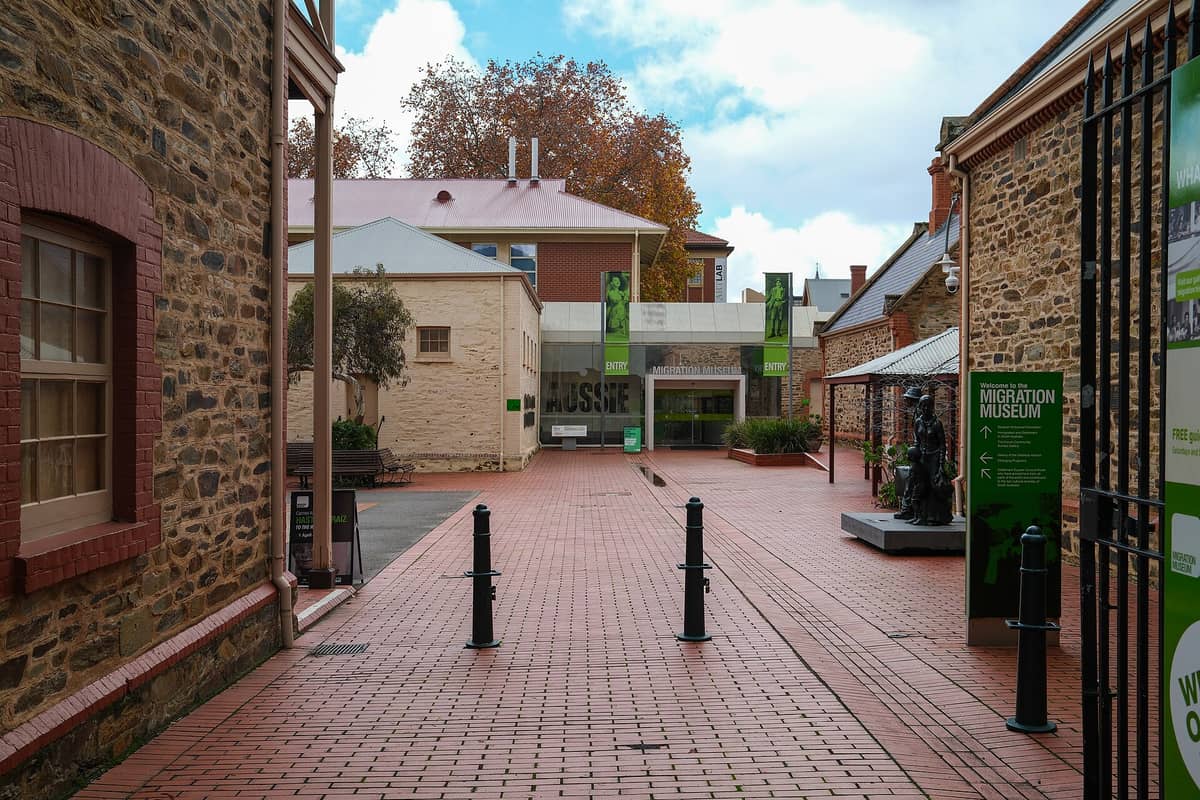
Adelaide has a concentrated museum culture for a city its size. This guide covers art, natural history, migration, railways, aviation, and living history, with practical details to help you plan your visit.
Adelaide's Mediterranean climate makes it approachable year-round, but the experience varies dramatically by season. This guide covers temperatures, rainfall, major events, crowd levels, and practical tips to help you choose the right time for your trip.
Adelaide rewards the curious with sweeping views from multiple angles: the Mount Lofty Ranges to the east, the Gulf St Vincent coast to the west, and a compact city skyline in between. This guide covers the best viewpoints in and around Adelaide, from iconic hilltop lookouts to waterfront vantage points and one genuinely thrilling rooftop climb.
Adelaide sits at the centre of one of Australia's most rewarding day-trip networks. Within two hours you can be walking among sea lions on Kangaroo Island, tasting century-old Tawny Port in the Barossa, or swimming below limestone cliffs on the Fleurieu Peninsula. This guide covers the best day trips from Adelaide, organised by region and type.
Adelaide has an unusually strong set of free attractions. From North Terrace museums to hilltop views, beaches, and one of Australia's finest botanic gardens, this guide covers the best no-cost experiences in the city and its surrounds.
Adelaide is one of Australia's most navigable cities, but knowing which services are free, when to walk versus drive, and how to reach the beaches and hills makes a real difference. This guide covers every transport option in practical detail.
Adelaide divides opinion. Some travellers find it a low-key, surprisingly rich destination. Others leave feeling underwhelmed. This guide breaks down exactly what Adelaide offers, who it suits, and what to realistically expect before you book.
Kangaroo Island is South Australia's most rewarding day trip or short break from Adelaide. This guide covers every way to get there, the best time to go, what to do once you arrive, and the practical details that most travel sites skip.
Adelaide offers more than its size suggests. This guide covers the city's best experiences across culture, food, nature, and day trips — plus a clear view of what's worth your time, what to skip, and how to get around without wasting money.
Adelaide rewards walkers more than almost any other Australian city. From the 19.5km Park Lands loop to a gentle stroll along the River Torrens or a gorge trail ending at a waterfall, these are the best walks in Adelaide for every pace and preference.
Adelaide is a serious food city. With nearby wine regions, a legendary central market, and a dining scene shaped by Greek, Italian, Vietnamese, and Chinese communities, knowing where and what to eat here makes a real difference.
Choosing where to stay in Adelaide shapes your entire trip. This guide breaks down every major neighbourhood by location, transport links, price range, and who it suits best — so you can book with confidence.