One Week in Adelaide & South Australia: The Complete 7-Day Itinerary
Seven days is enough time to experience Adelaide's food and culture, drive through two wine regions, explore the Adelaide Hills, and reach Kangaroo Island. This guide breaks it down day by day with logistics, timing, and no filler.
Tickets & tours
Live prices and dates from our booking partner. If you book, we may earn a commission at no extra cost to you.
TL;DR
- Seven days covers Adelaide city (2 days), a wine region day trip to the Barossa or McLaren Vale, the Adelaide Hills, and a 2-night stay on Kangaroo Island.
- Kangaroo Island is not a short drive from the city: the SeaLink ferry departs from Cape Jervis (about 110 km south of Adelaide), crosses to Penneshaw in roughly 45 minutes, and you should book ahead, especially with a vehicle. See the full breakdown in the Kangaroo Island from Adelaide guide.
- A hire car is strongly recommended from Day 3 onward. Public transport doesn't reach the Barossa, McLaren Vale, or Kangaroo Island effectively.
- The best months to visit are March to May and September to November. Summer (December to February) brings extreme heat that can close trails and make outdoor touring uncomfortable. Check the best time to visit Adelaide before locking in dates.
- All prices are in Australian dollars (AUD). Tipping is not expected in South Australia.
How to Structure Your Week
A one-week itinerary in South Australia works best when you move from the city outward. Spend the first two days in Adelaide itself, where you can walk between most major attractions and get your bearings. Days 3 and 4 are ideal for a wine region day trip and the Adelaide Hills. Reserve Days 5 to 7 for Kangaroo Island, which genuinely warrants two nights minimum to make the travel worthwhile. If you only have six days, cut the Hills day rather than shortchanging the island.
Adelaide operates on Australian Central Standard Time (ACST, UTC+9:30), shifting to UTC+10:30 during daylight saving from October to April. If you're connecting from the east coast, that's 30 minutes behind Sydney and Melbourne, not one hour behind, which catches a lot of travellers off guard when booking transfers or tours.
ℹ️ Good to know
Adelaide Airport (ADL) sits about 8 km west of the city centre. Adelaide Metro buses connect the terminal to the CBD at standard metro fares. Rideshare services (Uber and others) are available from designated pickup areas outside the terminal. Verify current fares before travel, as they vary with demand.
Days 1 and 2: Adelaide City
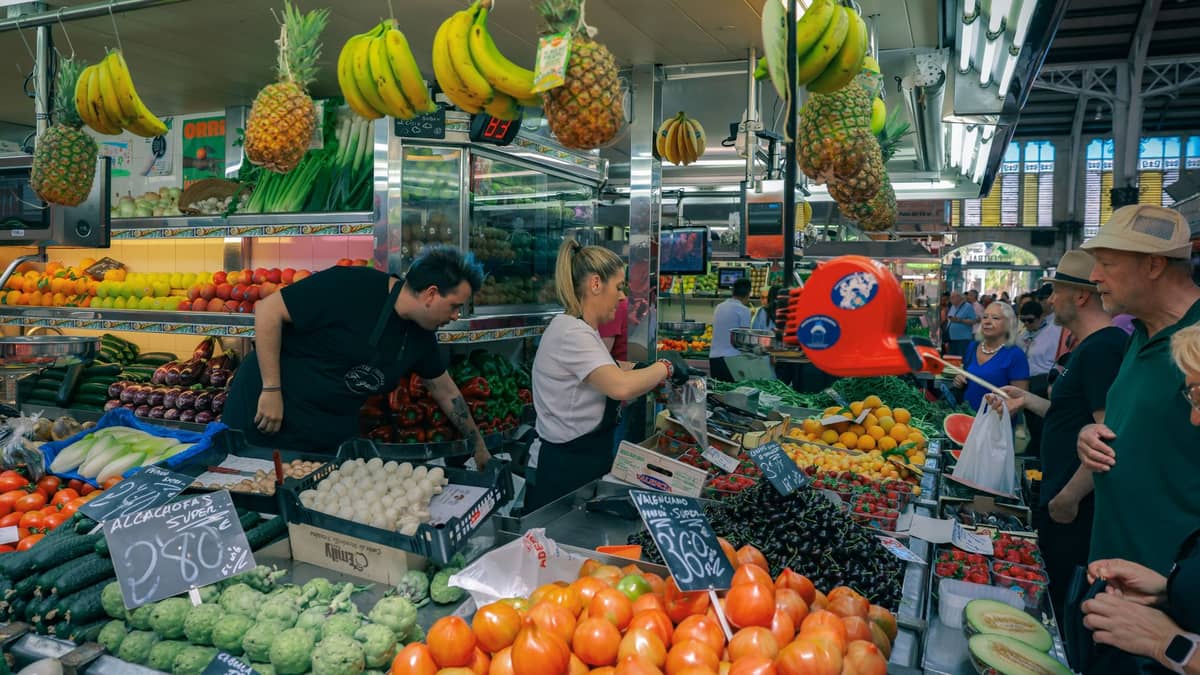
Adelaide's city centre is compact, roughly 15.6 square kilometres, and laid out in a grid surrounded by parklands on all sides. This makes it unusually walkable. On Day 1, anchor your morning at the Adelaide Central Market, one of the largest undercover fresh produce markets in the southern hemisphere, open Tuesday through Saturday (check current hours before visiting). From there, work north along North Terrace, Adelaide's cultural boulevard.
North Terrace packs in the South Australian Museum, the Art Gallery of South Australia, and the Migration Museum within a few hundred metres of each other. The first two are free; the Migration Museum is closed for structural works from 3 July 2026. The Mortlock Wing inside the State Library is worth 20 minutes of your time for the architecture alone. In the afternoon, cross into the Adelaide Botanic Garden and follow the River Torrens west toward Elder Park. On a weekday you'll have most of this to yourself; on weekends it fills with families and market crowds.
Day 2 shifts the focus to food, shopping, and local neighbourhoods. Spend the morning on Rundle Mall and the East End, where you'll find Adelaide's best independent cafes and wine bars. In the afternoon, consider a tram to Glenelg for the beach and jetty, or head to Port Adelaide for its maritime history and the National Railway Museum. Port Adelaide is about 14 km northwest of the CBD and requires a train, but it rewards visitors who want something beyond the typical city circuit.
- Adelaide Central Market Arrive by 9am on a Saturday to see it at full capacity. The market closes early on Saturdays and is shut Sunday and Monday.
- North Terrace Museums The South Australian Museum and Art Gallery are both free. Budget 90 minutes for each if you're genuinely interested in the collections.
- Glenelg Beach The tram from Victoria Square takes around 25-30 minutes and runs frequently. Glenelg works better as an afternoon or evening trip than a morning one.
- Adelaide Oval Roof climb tours run most days; book 24 hours ahead. The oval is one of the best-located sporting venues in Australia, backing onto the Torrens.
- Cleland Wildlife Park Located 16 km from the city in the Adelaide Hills, this is the best place to hold a koala in the Adelaide region. Morning sessions book out quickly during school holidays.
💡 Local tip
Adelaide's dining scene clusters in the East End (Rundle Street area), the West End around Hindley Street, and along O'Connell Street in North Adelaide. For a broader food overview, the Adelaide Food Market Guide covers market traders, providores, and street food worth seeking out during your city days.
Day 3: Barossa Valley or McLaren Vale
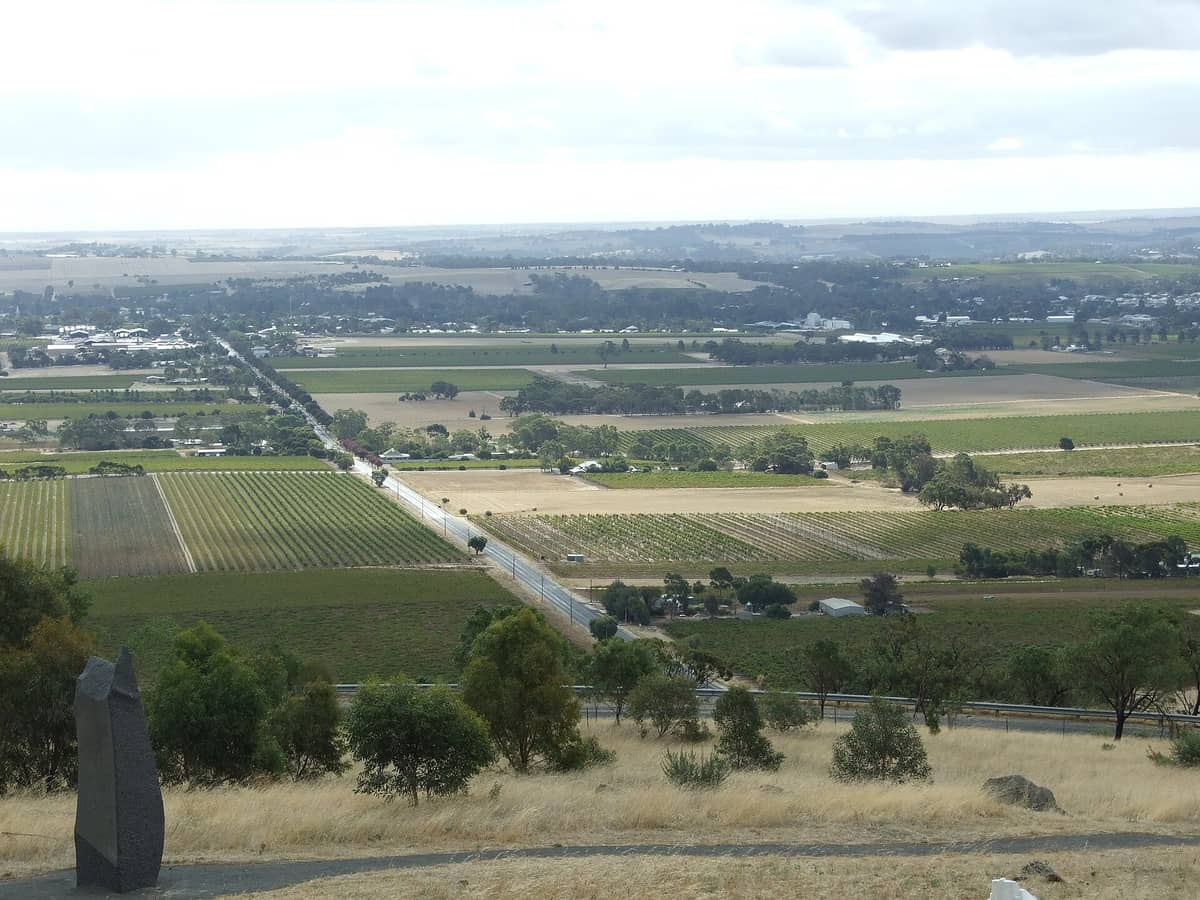
South Australia produces about 50 percent of Australia's wine, and two regions sit within easy day-trip distance of the city. The Barossa Valley is roughly 70 km northeast, about an hour's drive via the Sturt Highway. McLaren Vale is around 40 km south, about 45 minutes down the Southern Expressway. Neither is reachable by public transport in any practical sense, so Day 3 is when you need a hire car.
The Barossa suits visitors who want grand-scale wine estates, shiraz-forward reds, and historic Germanic settlement culture (the valley was colonised largely by Silesian Lutherans in the 1840s). Stop at Seppeltsfield for fortified wines, including the famous 100-year-old tawny poured from the vintage year of your birth. For a detailed Barossa itinerary, see the Barossa Valley from Adelaide guide. McLaren Vale, by contrast, suits those who prefer a smaller, more relaxed circuit with excellent grenache, shiraz-grenache blends, and sea views from the Willunga escarpment. Both regions have cellar doors open from roughly 10am to 5pm, but verify individual hours as these vary by winery and season.
⚠️ What to skip
Drink-driving laws in South Australia are strictly enforced. The legal blood alcohol limit is 0.05 for full licence holders. Most cellar doors offer non-alcoholic options, but if you want to taste seriously across multiple wineries, consider a tour operator who handles driving, or designate a non-drinking driver. Do not rely on rideshare from the Barossa — coverage outside Nuriootpa is patchy.
Day 4: Adelaide Hills
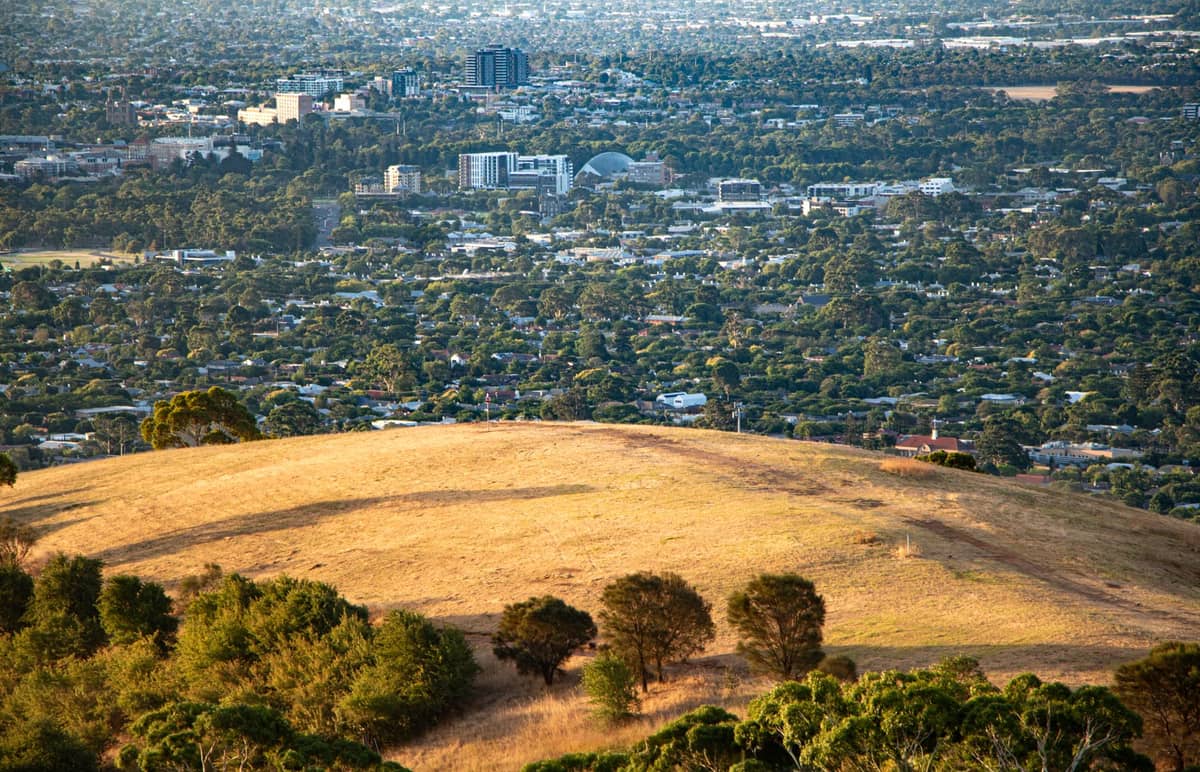
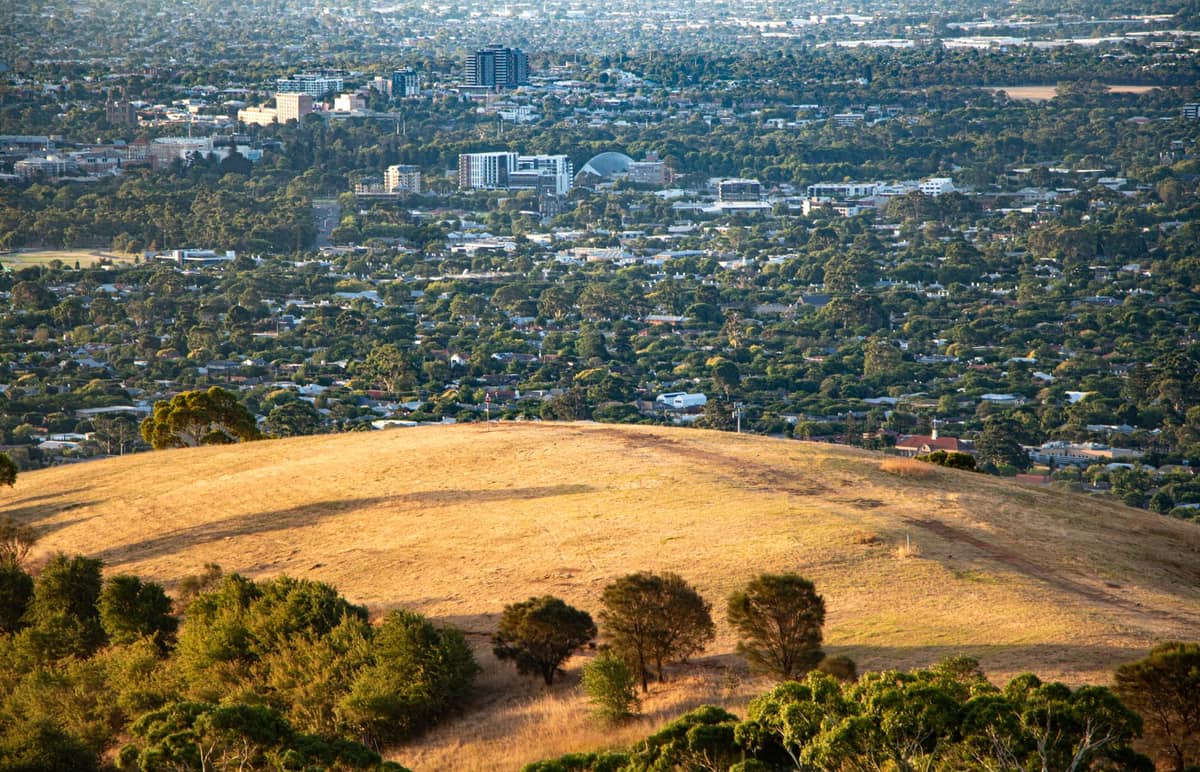
The Adelaide Hills begin just 15 minutes east of the city centre and rise to over 700 metres at Mount Lofty Summit. This is the place to go for cool-climate food, forest walks, and views back over the metropolitan plain. On a clear day, Mount Lofty Summit gives you the entire city and gulf coast below, which is especially useful for orienting yourself after several days of street-level exploration.
From the summit, the short walk down to Waterfall Gully takes about 45 minutes one-way on a well-maintained trail, dropping through eucalyptus forest to a creek and seasonal waterfalls. This is genuinely one of Adelaide's better walks, though it's popular on weekends, when car parking at the Waterfall Gully trailhead fills by 8am. The German settlement of Hahndorf is 30 km southeast and offers craft shops, smoked meats, and a main street that gets extremely crowded on weekends. Visit on a weekday or treat it as an add-on, not the centrepiece of your Hills day.
For travellers with an interest in native wildlife, Cleland Wildlife Park sits within the Mount Lofty Ranges and houses kangaroos, wallabies, wombats, and Tasmanian devils in large naturalistic enclosures. It's a better wildlife experience than most urban zoos, partly because the park occupies real bushland rather than concrete exhibits. Budget 3 to 4 hours to do it properly.
Days 5 to 7: Kangaroo Island
Kangaroo Island is the part of this itinerary that most visitors underplan. The island sits off the southern tip of the Fleurieu Peninsula, and getting there requires driving about 110 km south from Adelaide to Cape Jervis, then taking the SeaLink ferry across the Backstairs Passage to Penneshaw. The crossing takes around 45 minutes, but the total door-to-door time from Adelaide CBD is typically 2.5 to 3 hours. There is a coach connection from Adelaide to Cape Jervis that links with certain ferry departures, but hiring a vehicle on the island is essential unless you're joining a guided tour, since public transport on the island is effectively nonexistent.
SeaLink operates daily sailings with frequency varying by season and date. Vehicle fares can increase significantly during school holidays and long weekends. Book as far in advance as possible if you're taking a car on the ferry. Foot passengers have more flexibility, but a hire car on the island will still be necessary. Verify current timetables and fares directly with SeaLink before finalising your itinerary, as these are subject to change.
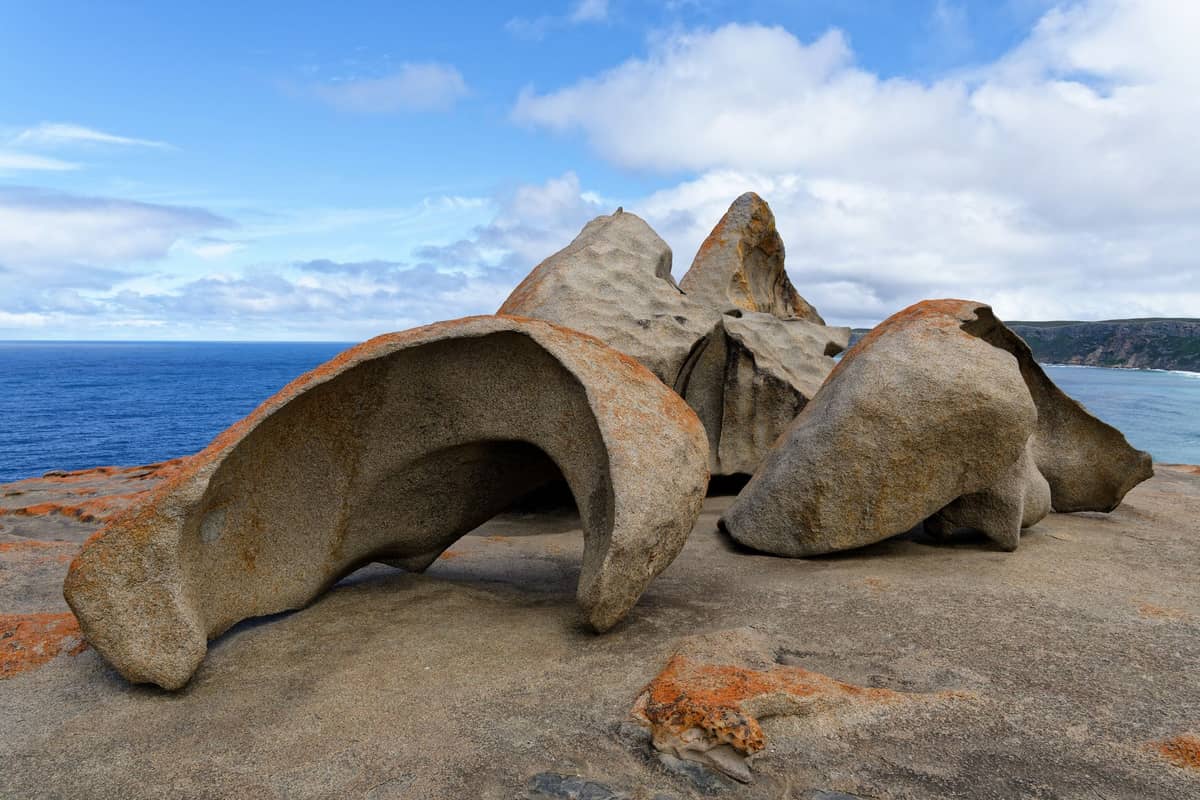
The island's two marquee attractions are Seal Bay Conservation Park, where you can walk among a colony of Australian sea lions on the beach with a ranger guide, and Remarkable Rocks in Flinders Chase National Park at the island's western end. Both require a national park entry fee. The western end of the island also has Admirals Arch, a dramatic coastal rock formation frequented by New Zealand fur seals. Plan a full day for the western circuit alone: Fleurieu Peninsula to Flinders Chase and back to accommodation in Kingscote is a long day on unsealed roads in places.
Night 1 on the island is best spent in or near Kingscote (the main town, with the most dining options). Night 2 suits accommodation further west, near American River or Vivonne Bay, which cuts driving time for the western circuit on Day 7. Allow 3 to 4 hours to drive back to Penneshaw in time for the return ferry on Day 7, factoring in stops and unsealed road speeds.
- Seal Bay Conservation Park Guided beach walks depart regularly throughout the day. The sea lions are wild animals and the colony's composition changes daily, but sightings are extremely reliable. Book tickets through the park or South Australian National Parks.
- Remarkable Rocks These orange-and-grey granite formations at Flinders Chase are most photogenic in early morning or late afternoon light. No entrance fee for the rocks themselves, but Flinders Chase National Park charges a vehicle/entry fee.
- Admirals Arch A short walk from the Flinders Chase Visitor Centre. New Zealand fur seals haul out on the rocks below the arch year-round, but numbers are higher outside peak summer heat.
- Vivonne Bay Regularly cited as one of Australia's best beaches for its clear water and white sand. Few facilities, so bring food and water.
✨ Pro tip
Book Kangaroo Island accommodation at least 6 to 8 weeks ahead during South Australian school holidays (mid-April, late June to mid-July, late September to early October, and mid-December to late January). The island has limited beds, and availability collapses fast around public holidays. If you're visiting in shoulder season (May to August), prices drop noticeably and wildlife activity, particularly around seal and sea lion colonies, is often more consistent.
Practical Logistics for the Full Week
Getting around Adelaide without a car is genuinely feasible for Days 1 and 2. The Adelaide Metro network runs buses, trains, and trams across the metropolitan area, and the city centre tram is free within a defined zone. For regional travel from Day 3 onward, a hire car is the only practical option for most independent travellers. See the full breakdown in the getting around Adelaide guide.
Budget travellers should note that many of Adelaide's best experiences are free or low cost. North Terrace museums charge nothing. The Botanic Garden is free. The Central Market charges only for what you buy. For a full breakdown of no-cost experiences, the free things to do in Adelaide guide is worth reading before you plan your city days. At the higher end, the Adelaide luxury guide covers high-end accommodation, private cellar door experiences, and exclusive wildlife tours.
- Australia requires most visitors to hold a valid visa before arrival. Eligibility for an Electronic Travel Authority (ETA) depends on passport nationality. Check Australian Government visa guidance well before departure.
- Australian electrical outlets use Type I plugs at 230V, 50Hz. Most international travellers need an adaptor.
- Tap water in Adelaide is treated and safe to drink, per SA Water standards.
- Emergency services in Australia are reached by dialling 000 (police, fire, ambulance).
- Tipping is discretionary and not generally expected. Rounding up or leaving small change for good service is appreciated but never obligatory.
- The Adelaide Hills and Kangaroo Island both have sections of unsealed road. A standard hire car handles these in dry conditions, but check your rental agreement for any restrictions on unsealed roads.
Where you stay shapes your experience considerably. North Adelaide offers quieter streets and proximity to both the CBD and the parklands. The East End suits travellers who want to be close to restaurants and nightlife. For honest comparisons of Adelaide's accommodation zones, see the where to stay in Adelaide guide. If this is your first trip and you're unsure whether the city justifies a week, the is Adelaide worth visiting guide addresses that question directly.
FAQ
Is one week enough time to see Adelaide and Kangaroo Island?
Yes, but only if you plan carefully. Two days in Adelaide city, one day in a wine region, one day in the Hills, and two nights on Kangaroo Island is achievable without feeling rushed. Trying to do more risks spending most of your time driving. If you want to go deeper in the city or spend longer on the island, extend to 8 or 9 days.
Do I need a hire car for a week in Adelaide and South Australia?
For the city itself, no. Adelaide Metro's trams, trains, and buses cover most city-day activities. But from Day 3 onward, a hire car is effectively essential. Neither the Barossa Valley nor McLaren Vale is realistically accessible by public transport, and Kangaroo Island has no public transport at all. Pick up your hire car after your two city days to minimise parking costs in the CBD.
How far is Cape Jervis (Kangaroo Island ferry terminal) from Adelaide?
Cape Jervis is approximately 110 km south of Adelaide via the Southern Expressway and Fleurieu Peninsula roads. The drive takes about 90 minutes in normal conditions, though weekend traffic on the Southern Expressway can add time. Add the 45-minute ferry crossing, and the total journey from Adelaide CBD to Penneshaw on Kangaroo Island is typically 2.5 to 3 hours.
What is the best time of year for this one-week South Australia itinerary?
March to May and September to November offer the most comfortable conditions for the full itinerary. Summer (December to February) in South Australia can see extreme heat events above 40°C, which may close trails in the Hills and make the western Kangaroo Island circuit unpleasant or dangerous. Winter (June to August) is the wettest period in Adelaide and the Hills, but Kangaroo Island and the wine regions are quieter and more affordable.
Can I do Kangaroo Island as a day trip from Adelaide?
Technically possible but not recommended. The travel time each way (approximately 2.5 to 3 hours) means you'd arrive on the island around midday and need to leave by early afternoon. Kangaroo Island's main attractions are spread across the island's 145 km length, so a day trip essentially limits you to Penneshaw and surroundings. Two nights is the practical minimum to reach Seal Bay, Remarkable Rocks, and Admirals Arch.
Tickets & tours
Live prices and dates from our booking partner. If you book, we may earn a commission at no extra cost to you.
Planning a trip? Discover personalized activities with the Nomado app.