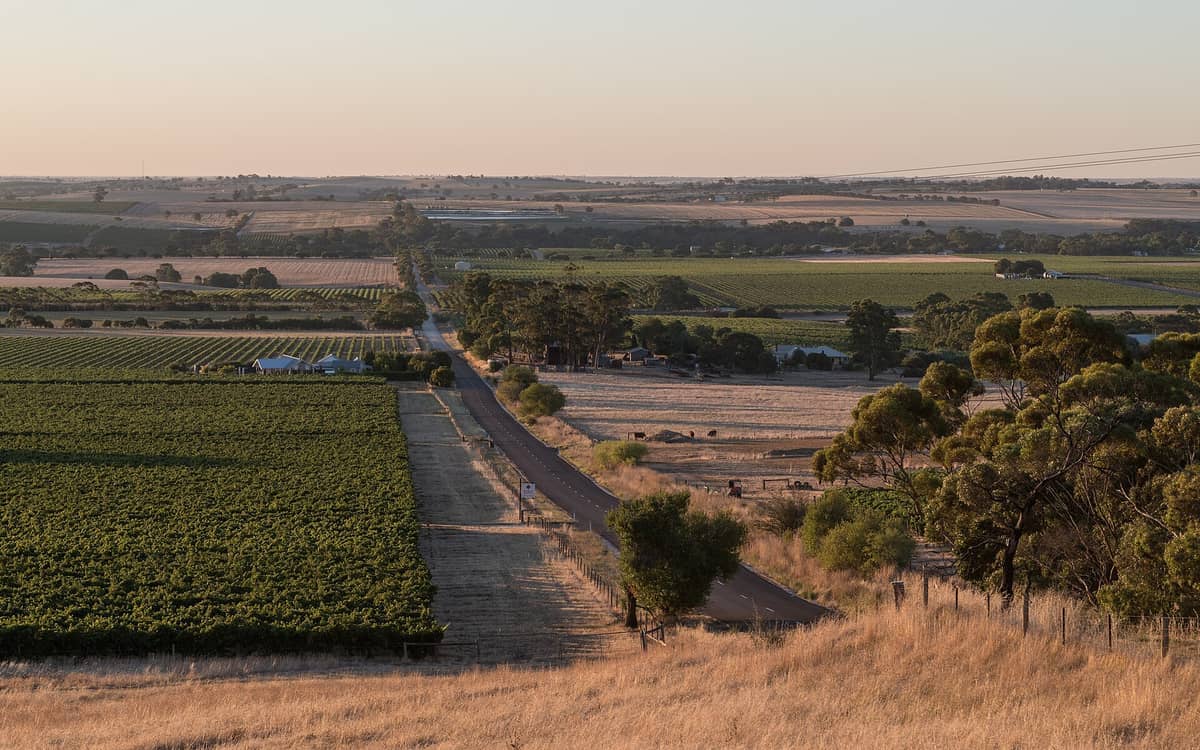
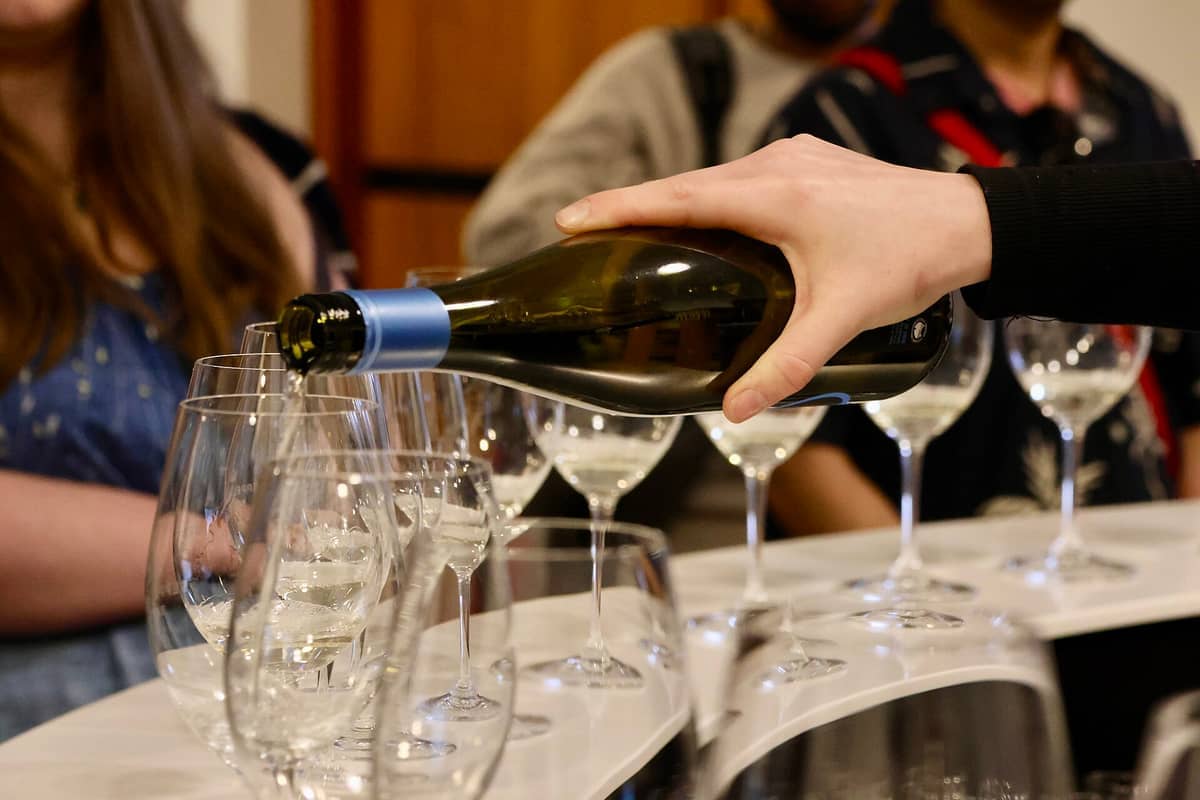
The Barossa Valley is South Australia's most celebrated wine region, sitting about 70 kilometres north-east of Adelaide across a landscape of rolling hills, heritage sandstone villages, and century-old vines. It is less a neighbourhood than a destination in its own right: a collection of distinct townships linked by Barossa Valley Way, each with its own character, cellar doors, and history. Whether you have a single day or a long weekend, the Barossa rewards slow travel at almost any time of year.
The Barossa Valley is Australia's most internationally recognised wine region and one of South Australia's defining day trips. Anchored by towns like Tanunda, Nuriootpa, and Lyndoch, the valley pairs old-world winemaking heritage with a serious food culture that goes well beyond cellar-door platters.
Orientation: Understanding the Barossa
The Barossa Valley is not part of Adelaide's urban fabric. It sits roughly 70 kilometres north-east of the Adelaide CBD, a journey of around an hour by car via the Sturt Highway or the more scenic route through the Adelaide Hills. Administratively, it falls under the Barossa Council and is geographically distinct from the metropolitan area, though Adelaide residents treat it as their own backyard.
The region is best understood as a chain of townships strung along Barossa Valley Way, the main arterial road through the valley floor. Moving roughly north-east from the Adelaide Hills, the first major town is Lyndoch, followed by Rowland Flat, Tanunda, Nuriootpa, and Angaston further east toward the Eden Valley ridge. Tanunda is the region's cultural and visitor heart: it has the highest concentration of cellar doors within walking distance of a main street, the most diverse accommodation options, and a historic streetscape that gives you a clear sense of the German Lutheran heritage that shaped this region in the 1840s and 1850s.
Nuriootpa, a few kilometres further north, functions more as a commercial centre, with supermarkets, a large cooperative winery, and a strong local rather than tourist orientation. Angaston, to the east on higher ground, is quieter still and worth a detour for its English-influenced streetscape and proximity to Seppeltsfield via a different angle. For trip planning context, the Barossa Valley from Adelaide guide covers route options and day-trip logistics in detail.
ℹ️ Good to know
The Barossa Valley and Eden Valley are officially two distinct wine subregions, though they are often grouped together for tourism purposes. If you see 'Eden Valley' on a label or itinerary, expect cooler temperatures, higher elevation, and notably different Riesling and Shiraz styles.
Character & Atmosphere
The Barossa operates at a pace that is conspicuously slower than Adelaide. On a weekday morning in Tanunda, the main street is genuinely quiet: a bakery produces sourdough and German-style pretzels, locals collect coffee, and the cellar doors that line Murray Street and the surrounding roads are just setting out tasting menus on weathered timber benches. The light in autumn, when the vine leaves turn from green to amber and deep red, is the kind that makes even a functional car park look photogenic.
By mid-morning on weekends, visitor numbers climb noticeably. Tour coaches arrive at the larger estates, and the car parks at headline names like Seppeltsfield and Château Tanunda begin to fill. But the Barossa's geography works in your favour: because attractions are spread across the valley rather than concentrated on a single strip, it rarely feels overcrowded. Walk ten minutes from the Tanunda main street toward the back roads and vineyards, and you can find yourself entirely alone with rows of old-vine Grenache and a view of the Barossa Range.
After dark, the valley is genuinely quiet. Most cellar doors close by five, restaurants are typically finished by nine, and the streets of Tanunda are calm by ten. This is not a late-night destination. That stillness is precisely the point for travellers who stay overnight: the morning after a full day of tastings, when mist sits on the valley floor at seven o'clock and the light comes in low and gold, the Barossa feels like somewhere completely removed from urban life.
What to See & Do
Wine is the primary draw, and Seppeltsfield Winery is the single most visited estate in the region for good reason. The grounds include heritage cellars dating to 1851, a gravity-fed winery that operated entirely without pumps, and a remarkable collection of centennial vintage ports. The drive into Seppeltsfield along a palm-lined avenue is one of the most theatrical entrances to any wine estate in Australia. Tours here go deeper than a standard tasting and are worth booking in advance.
Beyond the flagship estates, the Barossa's real character shows in its smaller producers. The back roads between Tanunda and Marananga are lined with boutique cellar doors that pour single-vineyard Shiraz and Grenache from vines that are often 80 to 150 years old. The Barossa has one of the oldest intact vine populations in the world, a consequence of South Australia's freedom from phylloxera, the vine louse that wiped out most of Europe's vineyards in the 19th century.
Mengler Hill Lookout, reached by a short drive east of Tanunda, gives a panoramic view across the valley floor that is useful for building a mental map of the region. The Sculpture Park at the base of the lookout road is an understated addition: a trail through native scrub with large-scale works by South Australian artists. It is free to access and rarely crowded.
Seppeltsfield Winery: centennial vintage tasting, heritage cellar tours, and one of the region's best restaurants
Château Tanunda: one of the largest stone-built wineries in the Barossa, with an impressive Grand Ballroom and accessible tasting room
Mengler Hill Lookout: best panoramic view of the valley, with a free sculpture trail
Tanunda main street: Lutheran church, heritage streetscape, local bakeries, and independent food producers
Barossa Farmers Market (Saturday mornings, Angaston): local produce, meats, cheeses, and seasonal goods
The Barossa Cycle Loop: a 60-kilometre signed route for cyclists, manageable in sections on e-bikes
Visitors with a broader South Australian cultural interest will find that the Barossa connects naturally to Aboriginal cultural experiences through the region's Ngadjuri and Peramangk connections, though dedicated cultural interpretation is more developed closer to Adelaide. The region's German Lutheran heritage is better documented, with several historic churches still in regular use and the Barossa Museum in Tanunda providing local context.
Eating & Drinking
The Barossa's food culture has evolved well beyond a support act for wine. The region now has a genuine farm-to-table food economy, anchored by producers who have been curing meats, making cheese, and baking German-inflected pastries for generations. The Saturday Barossa Farmers Market in Angaston is one of the best regional markets in South Australia. For a broader overview of what to eat while you are in the state, the South Australian food guide gives useful context.
Within the valley, food ranges from casual to seriously ambitious. Seppeltsfield's on-site restaurant, set within the heritage winery buildings, serves dishes built around local proteins, garden vegetables, and estate olive oil, paired directly with winery exclusives you cannot buy elsewhere. At the other end of the scale, Tanunda has bakeries, delis, and casual cafes where a very good pie or sausage roll and a flat white will cost you less than fifteen dollars.
The Barossa is not a budget destination overall, particularly if you commit to proper sit-down tastings and a restaurant lunch at one of the premium estates. Expect to spend between AUD 30 and AUD 80 per person on wine tastings alone across a full day, depending on how many cellar doors you visit and whether you choose premium or reserve flights. Most cellar door tasting fees are waivable or credited against a purchase.
Estate restaurant dining: flagship cellar doors like Seppeltsfield offer seasonal à la carte menus, booking recommended
Tanunda bakeries and delis: German-style smallgoods, sourdough, and pastries reflecting the region's settler heritage
Pub meals: several Barossa pubs offer solid mid-range meals, particularly in Nuriootpa and Tanunda, without the cellar-door price premium
Cheese and charcuterie platters: available at most cellar doors, typically using local producers
💡 Local tip
If you are serious about wine, pace yourself deliberately. The Barossa's Shiraz and Grenache can be high in alcohol, typically 14 to 15.5 percent ABV. Eat before your first tasting, carry water, and if you are driving yourself, nominate a designated driver before you leave Adelaide. Many visitors underestimate how quickly a long tasting day accumulates.
Getting There & Around
The most practical way to reach the Barossa from Adelaide is by car. The drive from the Adelaide CBD takes roughly 60 to 70 minutes via the Sturt Highway through Gawler, or slightly longer via the Williamstown Road route through the Adelaide Hills, which is more scenic but adds time. Driving yourself offers maximum flexibility between spread-out cellar doors, but it comes with an obvious constraint: someone has to stay sober. Adelaide-based tour operators run day tours that include transport, a curated selection of cellar doors, and lunch, which solves the problem neatly.
Public transport is possible but requires planning. Adelaide Metro trains run to Gawler Central, the nearest rail terminus to the valley. From Gawler, LinkSA bus services connect to Barossa townships including Lyndoch, Tanunda, and Angaston, though services are infrequent and timetables should be checked and confirmed before travel on the Adelaide Metro network. The Barossa Council also operates Keoride, a door-to-door demand-responsive service for local transport within the valley, useful for getting between townships once you are there. This is a workable option for travellers who want to visit without driving, but it demands more lead time and less spontaneity than a car or tour.
Within the valley, cycling has become a genuinely viable option, particularly with the growth of e-bike hire in Tanunda. The Barossa Cycle Loop is a signed 60-kilometre circuit, but shorter sections between Tanunda, Seppeltsfield, and Marananga are flat enough to be comfortable on a standard hire bike. Cycling removes the driving concern entirely and puts you in direct contact with the landscape between stops, which is a significant improvement over a car window.
⚠️ What to skip
Public transport between Gawler and the Barossa is limited in frequency and does not run late. If you miss the last bus back to Gawler, you will need to arrange a taxi or rideshare. Confirm all return timetables before you start your day. Rideshare availability within the valley itself can be limited, particularly in the evenings.
Where to Stay
Staying overnight in the Barossa transforms the trip. With accommodation in the valley, you can explore cellar doors without the drinking-and-driving calculation, experience the landscape at dusk and early morning, and visit places that close before day-trippers from Adelaide can reach them after a late start. The South Australia accommodation guide covers Adelaide-based options, but for the Barossa specifically, Tanunda is the best base: central, with the widest range of accommodation types and walking access to the main street.
Accommodation in the Barossa skews toward mid-range and premium. The region has a well-developed luxury offering: private cottage retreats on vineyard properties, boutique guesthouses in restored heritage buildings, and a handful of higher-end small hotels with pools and spa facilities. Budget travellers have fewer options; Nuriootpa has more affordable motel-style accommodation, and some caravan parks in the valley accept both tents and caravans.
A two-night stay is a comfortable minimum for experiencing the valley properly without rushing. This allows a full day of exploration with no time pressure and a relaxed morning before driving back to Adelaide. For travellers combining the Barossa with the Adelaide wine regions more broadly, pairing a night in the Barossa with a night in McLaren Vale or the Adelaide Hills makes a logical circuit from the city.
When to Go
The Barossa is rewarding year-round, but the seasons produce very different experiences. Autumn (March to May) is arguably the most visited period: harvest is underway or recently finished, the vine leaves colour dramatically, and the valley hosts a range of food and wine events. The South Australian festivals calendar includes the Barossa Vintage Festival, held in odd-numbered years in late April, which is one of the largest regional wine festivals in Australia.
Spring (September to November) brings green vines, wildflowers on the valley margins, and comfortable temperatures. Summer (December to February) can be very hot, with temperatures frequently exceeding 35 degrees Celsius in the valley; cellar doors are air-conditioned, but moving between them becomes uncomfortable. Winter (June to August) is the quietest period, with a moody atmospheric quality, lower visitor numbers, and some cellar doors reducing their hours.
💡 Local tip
The Barossa Vintage Festival runs across a week in late April in odd-numbered years and draws large crowds to events across the valley. If you want to visit during this period, book accommodation and any restaurant reservations well in advance. If you prefer the Barossa without the crowds, choose an even-numbered year or visit mid-week.
Practical Information
The Barossa is a rural region, not a city neighbourhood, and that distinction has practical implications. Mobile coverage is generally good in townships but can drop on back roads between vineyards. ATMs are available in Tanunda and Nuriootpa; smaller cellar doors and market stalls may prefer card payments. Petrol is available in the main towns but is typically more expensive than in Adelaide, so fill up before you leave if you are making a full day of it. For more context on planning a broader South Australian trip, a 3-day Adelaide itinerary can help you structure how the Barossa fits alongside city-based activities.
Tipping is not expected in Australia but is appreciated for exceptional service, particularly at fine dining establishments. Most venues are fully accessible for card payment; Australian dollars are the only currency accepted. In an emergency, dial 000 for police, fire, or ambulance. The nearest major hospital to the Barossa is in Gawler or Adelaide, so factor this into any health planning for travellers with medical considerations.
TL;DR
The Barossa Valley is a distinct rural wine region 70 kilometres north-east of Adelaide, not a city neighbourhood: plan for travel time and limited public transport.
A car gives you the most flexibility, but organised day tours from Adelaide and e-bike hire in Tanunda are solid alternatives that remove the drink-driving concern.
Tanunda is the best base for overnight stays, with the widest range of accommodation, dining, and cellar doors within walking or cycling distance.
Autumn (March to May) is the most atmospheric season, with harvest colours and food events; summer can be very hot and winter significantly quieter.
Best suited to travellers interested in wine, regional food, and heritage landscapes. Not recommended for those seeking nightlife, budget backpacker options, or a quick stop between other activities.
Three days is enough time to get a genuine feel for Adelaide, from its North Terrace cultural corridor and Central Market to coastal beaches and the Adelaide Hills. This itinerary cuts through the noise and gives you a day-by-day plan that locals would actually approve of.
Adelaide sits on the traditional lands of the Kaurna people, one of the oldest continuous cultures on Earth. This guide covers the key places, experiences, and context you need to engage meaningfully with Aboriginal culture and heritage across the city.
Adelaide is one of Australia's busiest festival cities. From one of the world's largest open-access arts festivals to a globally respected world-music event, this guide covers the major dates, ticket prices, crowd warnings, and practical logistics.
Adelaide has a concentrated, high-quality food-market scene. Whether you're after fresh produce, artisan cheeses, or a weekend breakfast ritual, this guide covers the city's top markets, their hours, and how to get the most out of each visit.
Adelaide rewards couples with an extraordinary range of romantic experiences: coastal sunsets, world-class wine country, historic gardens, and intimate cultural corners. This guide covers the best of them, from the Adelaide Hills to the foreshore.
Adelaide Fringe is the world's second-largest arts festival, running across February and March each year. This guide covers dates, ticketing, venues, getting around, what to expect from the heat, and practical tips that turn a good trip into a great one.
Adelaide sits on the doorstep of some of South Australia's finest walking country. These are the best hikes near Adelaide, from a quick gorge walk 10km from the CBD to long-distance trail sections through the Mount Lofty Ranges.
Adelaide offers high-end wine, dining, and tours without east-coast price inflation. This guide covers premium experiences and neighbourhoods — with a clear view of what's worth the spend and what to skip.
Adelaide's nightlife is smaller than the east-coast capitals but easier to navigate. From Hindley Street live music to East End craft-beer bars and late-night clubs, this guide covers the best spots, realistic prices, and practical logistics.
Adelaide is one of Australia's more affordable capitals. From the free city tram zone and produce markets to no-cost museums and parklands, this guide covers how to stretch your AUD further.
Seven days is enough time to experience Adelaide's food and culture, drive through two wine regions, explore the Adelaide Hills, and reach Kangaroo Island. This guide breaks it down day by day with logistics, timing, and no filler.
Adelaide is a stronger shopping destination than many visitors expect. From a Victorian-era arcade and a major fresh market to independent boutique strips and creative food halls, this guide covers where to shop, browse, and buy.
Adelaide's West End is the city's most culturally layered precinct, anchored by a 155-year-old food market and surrounded by a dense concentration of bars, live music venues, theatres, and independent restaurants. This guide covers what to eat, where to drink, what to see, and how to plan your visit.
South Australia is unusually rich in accessible wildlife. From holding a koala in the Adelaide Hills to watching wild sea lions on Kangaroo Island, these are the best animal encounters the region has to offer, ranked so you can plan the trip.
Adelaide sits at the centre of one of the world's great wine landscapes. This guide breaks down the closest regions, what each grows best, how far they are from the city, and what to know before you visit a cellar door.
Adelaide is one of Australia's most family-friendly cities, with free museums, wildlife parks, beaches, and outdoor adventures spread across the city and its surrounding hills. This guide covers the best things to do in Adelaide with kids, from toddlers to teenagers.
The Barossa Valley sits about 70 km northeast of Adelaide and packs world-class Shiraz, historic villages, and serious food into a single day. This guide covers every practical angle: how to get there, what to do, where to eat, and what most visitors get wrong.
Adelaide's coastline stretches along Gulf St Vincent with calm, warm water and a string of distinct beach suburbs, each with its own character. This guide covers the best beaches near Adelaide, from family-friendly foreshores to secluded clifftop bays worth the drive.
Adelaide has a concentrated museum culture for a city its size. This guide covers art, natural history, migration, railways, aviation, and living history, with practical details to help you plan your visit.
Adelaide's Mediterranean climate makes it approachable year-round, but the experience varies dramatically by season. This guide covers temperatures, rainfall, major events, crowd levels, and practical tips to help you choose the right time for your trip.
Adelaide rewards the curious with sweeping views from multiple angles: the Mount Lofty Ranges to the east, the Gulf St Vincent coast to the west, and a compact city skyline in between. This guide covers the best viewpoints in and around Adelaide, from iconic hilltop lookouts to waterfront vantage points and one genuinely thrilling rooftop climb.
Adelaide sits at the centre of one of Australia's most rewarding day-trip networks. Within two hours you can be walking among sea lions on Kangaroo Island, tasting century-old Tawny Port in the Barossa, or swimming below limestone cliffs on the Fleurieu Peninsula. This guide covers the best day trips from Adelaide, organised by region and type.
Adelaide has an unusually strong set of free attractions. From North Terrace museums to hilltop views, beaches, and one of Australia's finest botanic gardens, this guide covers the best no-cost experiences in the city and its surrounds.
Adelaide is one of Australia's most navigable cities, but knowing which services are free, when to walk versus drive, and how to reach the beaches and hills makes a real difference. This guide covers every transport option in practical detail.
Adelaide divides opinion. Some travellers find it a low-key, surprisingly rich destination. Others leave feeling underwhelmed. This guide breaks down exactly what Adelaide offers, who it suits, and what to realistically expect before you book.
Kangaroo Island is South Australia's most rewarding day trip or short break from Adelaide. This guide covers every way to get there, the best time to go, what to do once you arrive, and the practical details that most travel sites skip.
Adelaide offers more than its size suggests. This guide covers the city's best experiences across culture, food, nature, and day trips — plus a clear view of what's worth your time, what to skip, and how to get around without wasting money.
Adelaide rewards walkers more than almost any other Australian city. From the 19.5km Park Lands loop to a gentle stroll along the River Torrens or a gorge trail ending at a waterfall, these are the best walks in Adelaide for every pace and preference.
Adelaide is a serious food city. With nearby wine regions, a legendary central market, and a dining scene shaped by Greek, Italian, Vietnamese, and Chinese communities, knowing where and what to eat here makes a real difference.
Choosing where to stay in Adelaide shapes your entire trip. This guide breaks down every major neighbourhood by location, transport links, price range, and who it suits best — so you can book with confidence.