The Adelaide Hills is a sweeping region of forested ridges, heritage villages, cellar doors, and cool-climate produce sitting just beyond Adelaide's eastern edge. It covers the local government areas of Adelaide Hills Council and Mount Barker District Council, making it one of South Australia's most accessible and rewarding day-trip destinations.
The Adelaide Hills rises sharply behind the city, trading the flatlands of the Adelaide Plains for forested ridges, stone-cottage villages, and vineyard-covered slopes within a 30-minute drive of the CBD. This is where Adelaide exhales: a region of slow food, cool-climate wine, serious walking trails, and towns that have changed remarkably little in their broad outlines since the nineteenth century.
Orientation
The Adelaide Hills is not a single suburb or neighbourhood in the conventional sense. It is a broad tourism and geographic region covering the Adelaide Hills Council area and the Mount Barker District Council area, extending southeast from the city across the Mount Lofty Ranges. If you are standing on North Terrace in the Adelaide CBD and looking east, you can see the darkened ridge of the ranges framing the skyline. That ridge, and everything beyond it, is the Hills.
The western escarpment rises steeply from the suburban fringe at suburbs like Stirling, Bridgewater, and Crafers, which sit roughly 400 to 500 metres above sea level. The hills then roll eastward through the Piccadilly Valley, past Uraidla and Lobethal, before dropping into the flatter country around Mount Barker and Hahndorf. The region's main arterial routes are the South Eastern Freeway (the M1) and the older Summit Road, which winds along the crest of the ranges with lookout points and walking-trail access along the way.
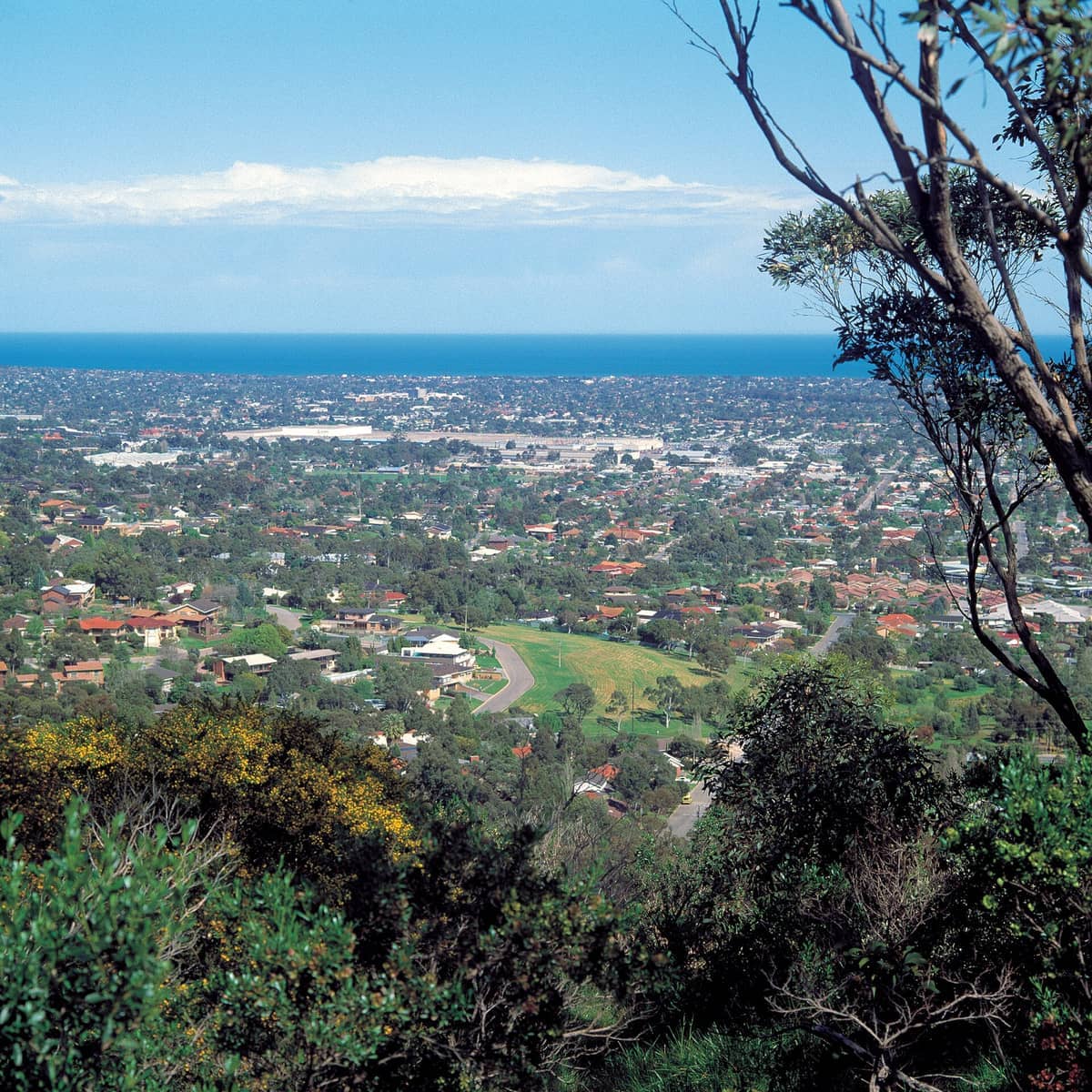
Mount Lofty Summit, at approximately 727 metres, is the most prominent geographic reference point and a useful anchor for orienting yourself within the region. From the summit, you can see across the entire Adelaide metropolitan area to Gulf St Vincent. Towns like Hahndorf sit in the lower hills to the east, while the Piccadilly Valley drops away to the north. Understanding this geography helps enormously when planning a day in the Hills: the western escarpment villages are closer and quicker to reach from the city, while towns like Mount Barker sit further into the ranges and reward a longer half-day or full-day visit. For a broader sense of how this region connects to Adelaide, see the day trips from Adelaide guide.
Character & Atmosphere
The Hills operates on a different clock from the city below. Arrive at a village farmers' market on a Saturday morning and the pace is genuinely unhurried: locals fill hessian bags with heritage vegetables, artisan bakers stack sourdough loaves on trestle tables, and the air carries the specific combination of woodsmoke and cold eucalyptus that defines the region in autumn and winter. This is not a scene constructed for visitors. It is simply how the Hills works.
By midday, especially on weekends, the character shifts. The cellar doors along the main routes fill with Adelaide day-trippers; the main street of Hahndorf becomes genuinely crowded along its central stretch; cafes run waits for tables. This is not a criticism of the region so much as an honest description of its rhythms. The Hills is popular with Adelaideans as a weekend escape, which means it can feel busy at exactly the times most visitors arrive.
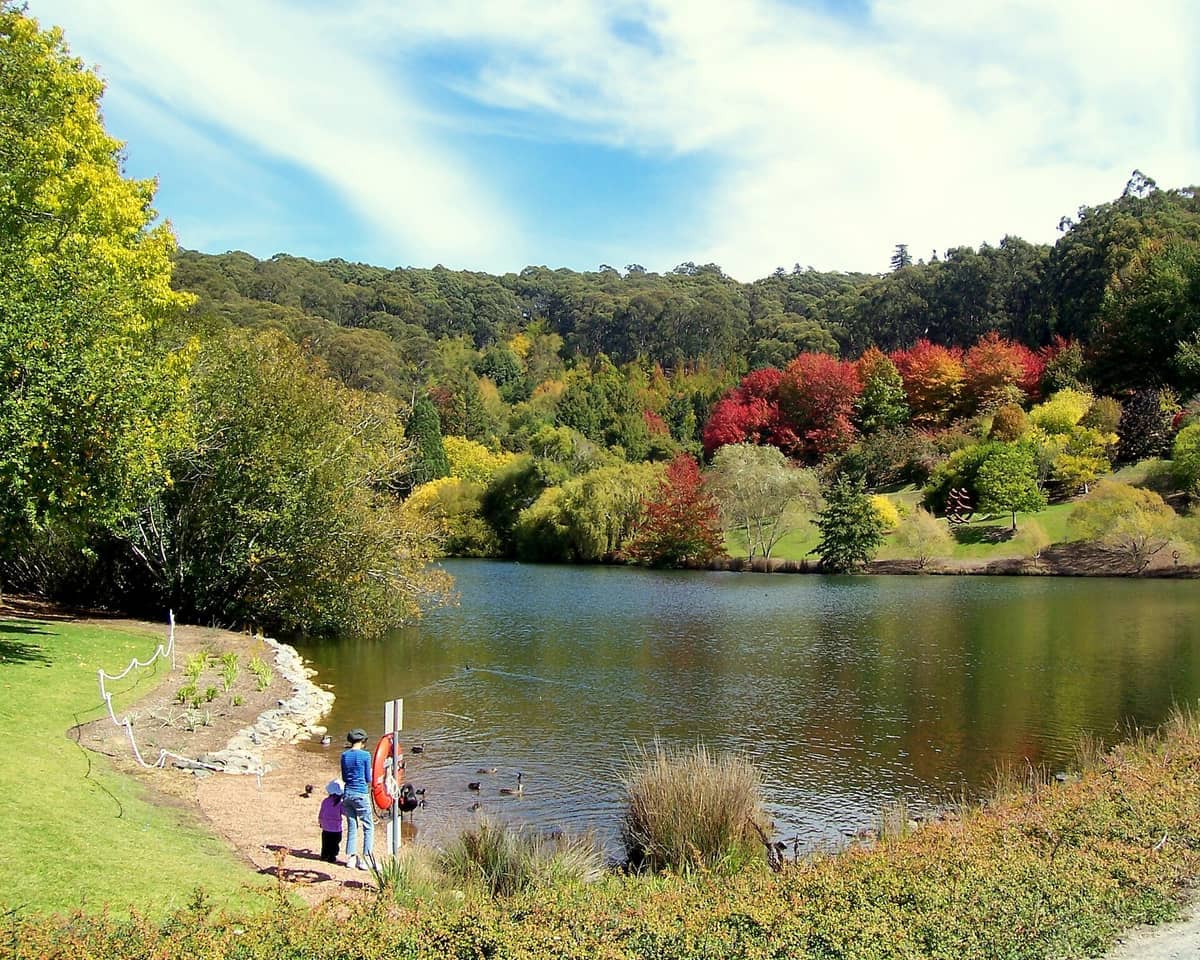
Midweek and early morning visits reveal a different region. Mist often sits in the valleys below the escarpment until mid-morning. Light filters through stringybark eucalypts along the walking trails in long horizontal shafts. The roads are quiet enough that cyclists and hikers have the routes largely to themselves. In summer, the Hills offers genuine relief from Adelaide's heat: temperatures are routinely five to eight degrees cooler at altitude than on the plains below, which is reason enough to head uphill during a January heatwave.
Winter brings a different texture: low cloud, occasional frost in the valleys, bare vines, and a cosy character to the cellar doors and village pubs that the warmer months cannot replicate. The Hills wine region produces cool-climate varieties precisely because the winters are cold and the growing season is long. That climate shows up in the food scene too: the region's growers and producers lean into European traditions, reflecting a settlement history that includes German Lutheran communities dating to the 1840s.
💡 Local tip
If you are visiting on a weekend, aim to arrive before 10am at popular spots like Hahndorf's main street and any cellar doors on your list. Parking becomes competitive from mid-morning, and some smaller producers operate on limited hours.
What to See & Do
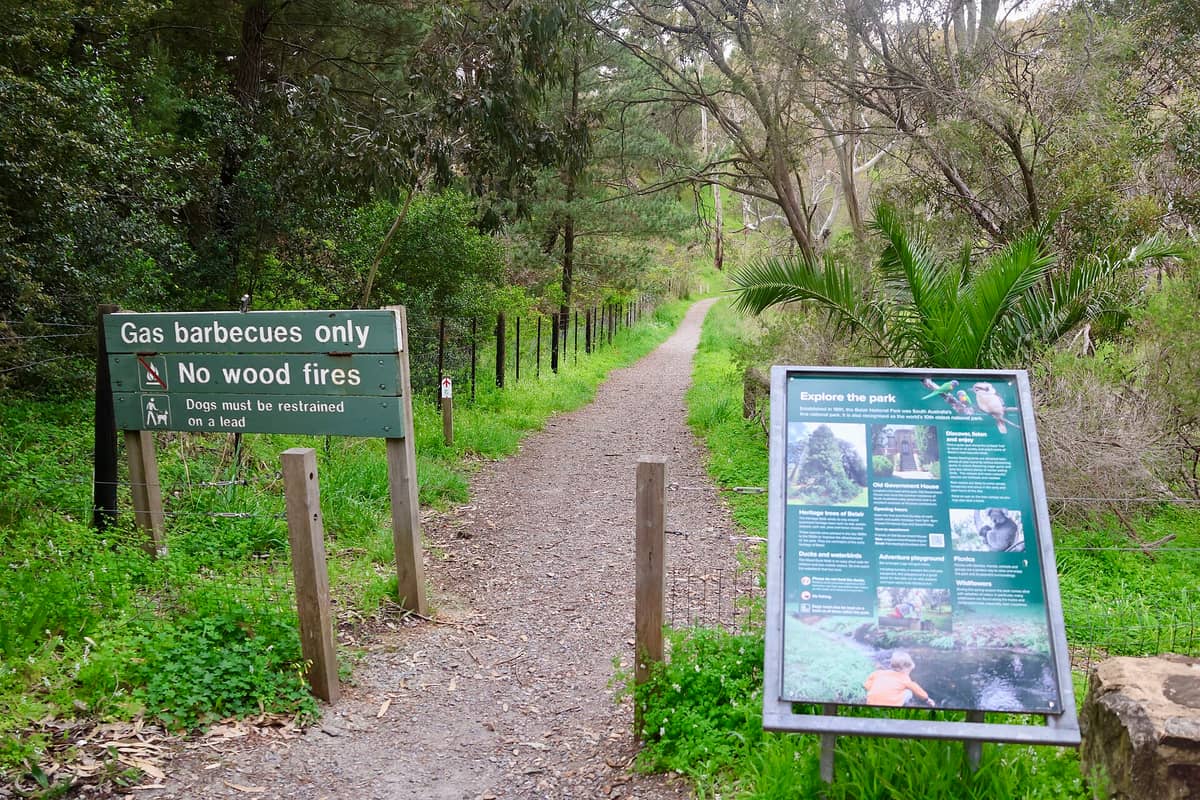
The single most visited landmark in the region is Mount Lofty Summit, which offers panoramic views across Adelaide and Gulf St Vincent on clear days. There is a visitor centre at the summit with walking trail information, a cafe, and toilets. On days when the city is obscured by summer haze or winter cloud, the summit still functions as a trailhead: the Waterfall Gully to Mount Lofty walk, ascending from the suburb of Burnside, is among the most popular and rewarding short hikes in the region.
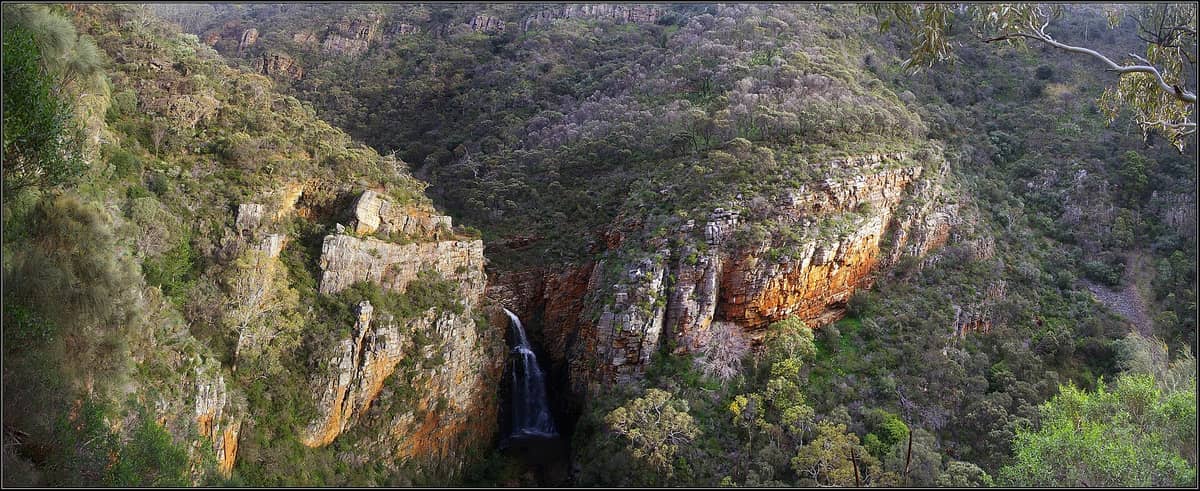
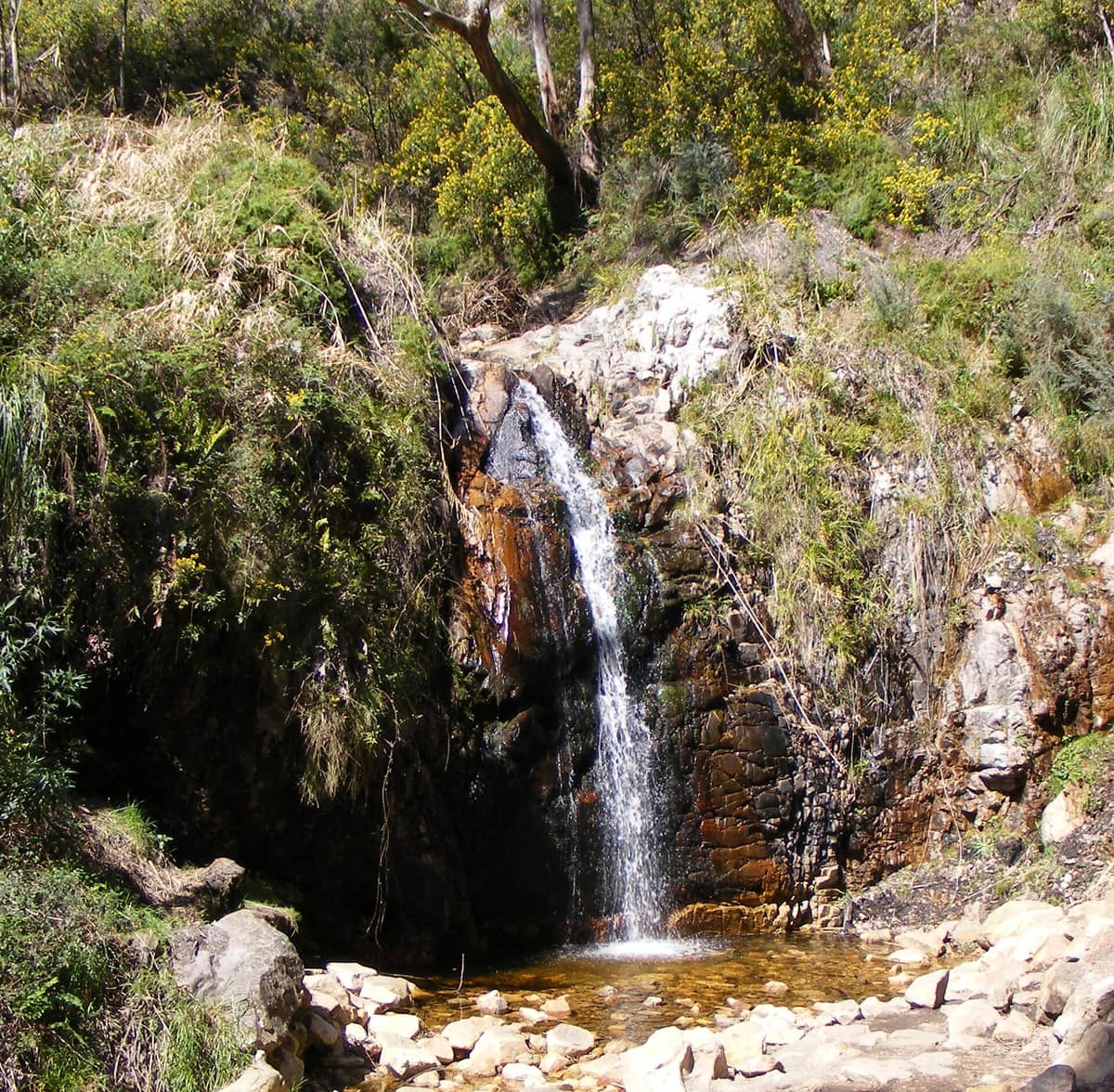
Speaking of which, Waterfall Gully itself deserves time. The lower section of the trail passes through shaded gullies with fern understories, and in winter and spring the waterfall runs strongly. This is one of the few places where you can feel genuinely immersed in native bushland within an easy drive of a major Australian city. The trail is graded and well-maintained, but the final climb to the summit is steep. Allow at least two to three hours return if you plan to go all the way to the top.
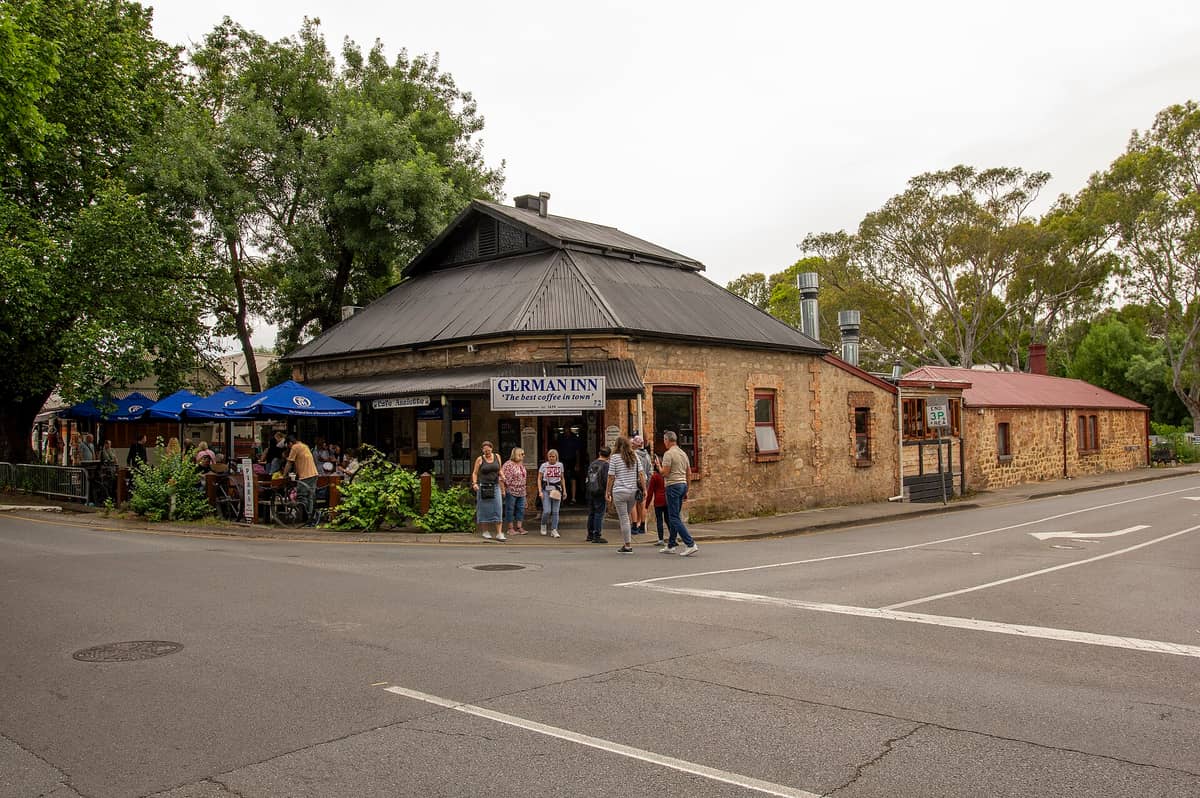
Hahndorf, approximately 28 kilometres from the Adelaide CBD via the South Eastern Freeway, is the Hills' most historically distinctive town. Established in 1839 by German Lutheran settlers, it retains stone buildings along its main street and a character that reflects that heritage, however much tourism has layered over it in the decades since. The Hahndorf Academy functions as the town's cultural and arts centre and provides historical context for the settlement. For a broader picture of the region's walking opportunities, the Heysen Trail passes through the Hills, offering sections suitable for day walks and longer multi-day journeys through the ranges.
The Hills wine region is one of South Australia's most respected cool-climate zones, with the Piccadilly Valley and Adelaide Hills GI (Geographical Indication) producing Chardonnay, Pinot Noir, Sauvignon Blanc, and Riesling that regularly appear on the lists of the country's best restaurants. For guidance on cellar doors and the broader South Australian wine landscape, the Adelaide wine guide covers the region's key producers and how to plan a tasting day.
Walk the Waterfall Gully to Mount Lofty Summit trail (approximately 4.5 kilometres one way, steep final section)
Visit cellar doors in the Piccadilly Valley for Chardonnay and Pinot Noir tastings
Explore Hahndorf's main street, including the Hahndorf Academy and heritage buildings
Drive the Summit Road along the ridge crest for lookout points and forested stretches
Attend a weekend farmers market in one of the Hills villages for local produce
Mountain biking: the region has a growing network of trails, particularly around Cudlee Creek
Visit Cleland Wildlife Park near Crafers to see native animals in a bushland setting
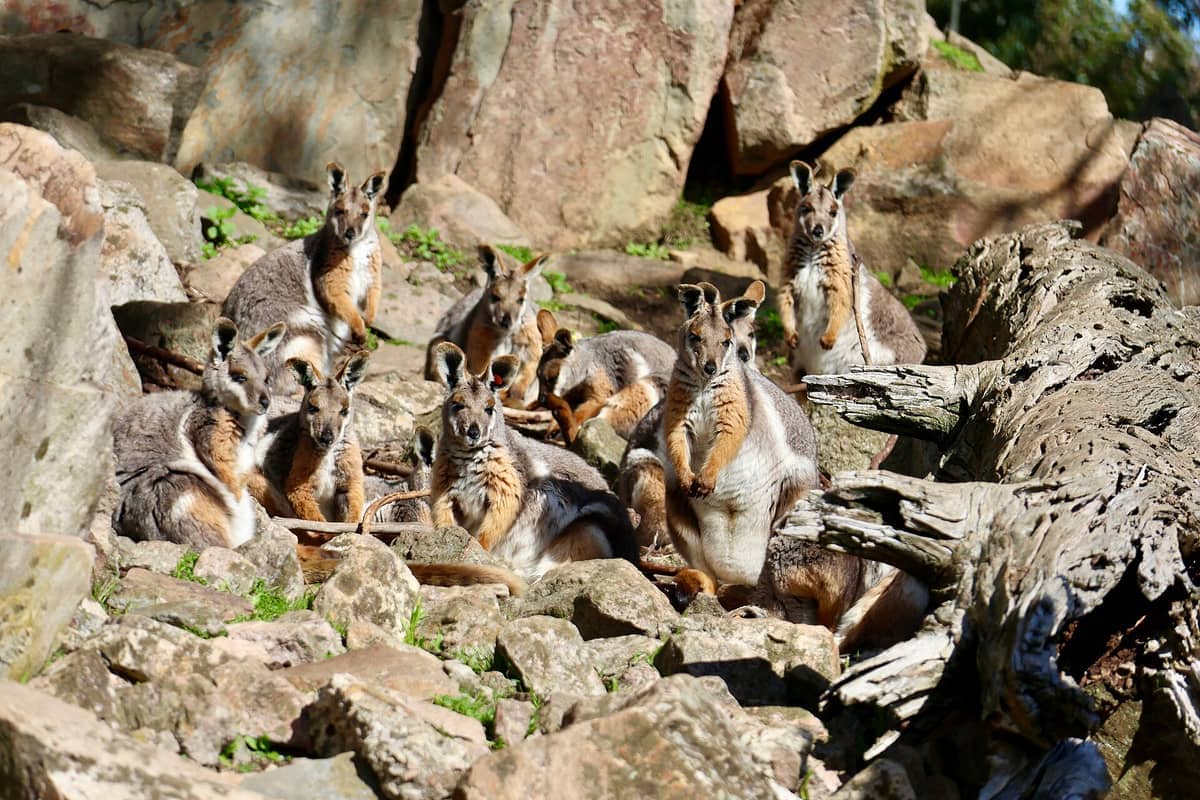
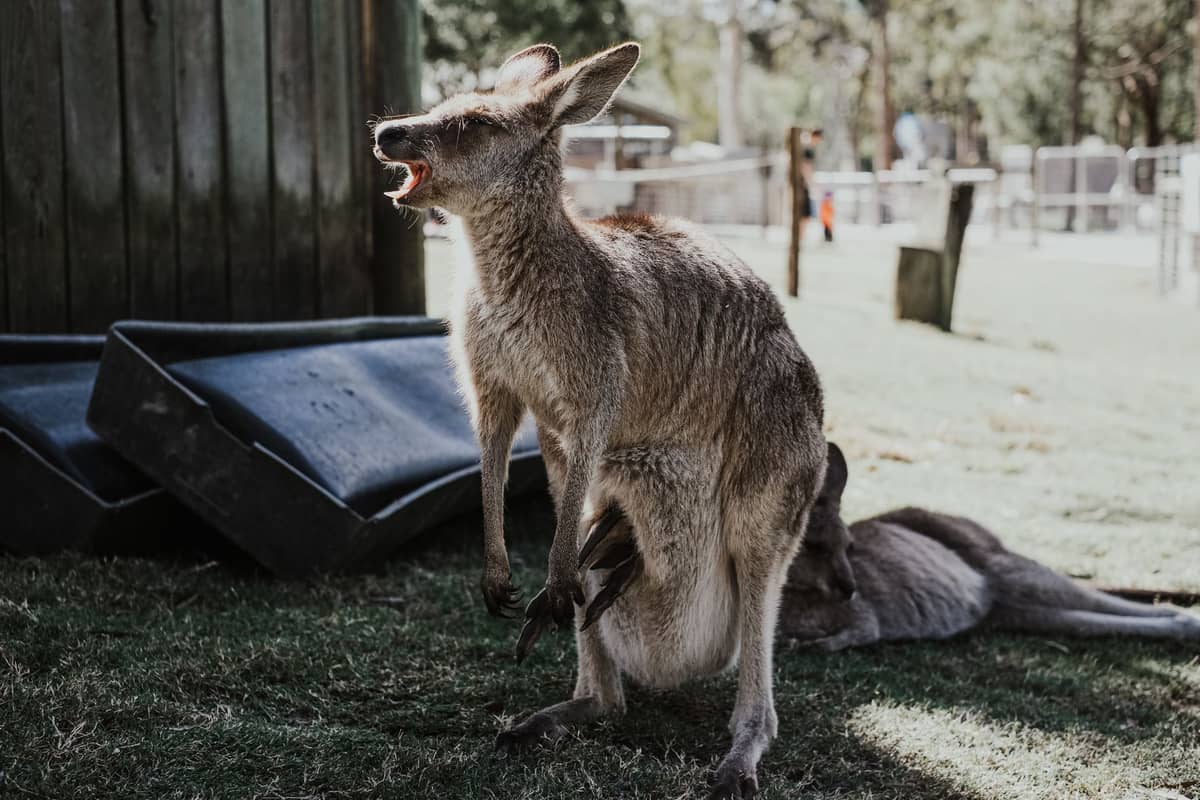
For visitors with children, Cleland Wildlife Park sits within the Mount Lofty Ranges and offers close encounters with kangaroos, koalas, wombats, and other native species in a large bushland setting. It is one of the few places in the Adelaide region where koala encounters are offered. The park is located off Mount Lofty Summit Road, making it easy to combine with a summit visit on the same day.
Eating & Drinking
The Hills food scene reflects the region's agricultural base and European settlement history in ways that feel genuinely distinctive rather than constructed. German-influenced smallgoods, particularly mettwurst and bratwurst, appear in delis and at Hahndorf's butchers alongside more contemporary offerings. Artisan cheesemakers, orchardists, and small-batch producers supply a network of farmgate stores and market stalls that have no real equivalent in the city below.
The cafe and restaurant scene across the Hills ranges from simple village bakeries serving coffee and pies to genuinely accomplished dining rooms that use the local produce as a starting point for serious cooking. Several cellar doors also operate lunch menus or produce platters, allowing visitors to eat and drink on the one property. This is a sensible way to structure a Hills day. For a broader picture of South Australia's food culture and how the Hills fits into it, the Adelaide food guide provides useful context.
Price ranges across the region are wide. Village bakeries and farmgate stalls are inexpensive. Winery restaurants and the better dining rooms in Stirling and Hahndorf operate at mid-range to upmarket price points, where two people can easily spend AUD 120 to 180 for a long lunch with wine. Booking ahead for weekend lunches at popular cellar door restaurants is not optional; it is necessary.
The Saturday and Sunday markets held across different Hills towns throughout the year are worth building a visit around. Fresh stone fruit in summer, apples in autumn, mushrooms and walnuts in winter: the Hills produce calendar is specific and rewarding. The Adelaide food market guide includes details on which markets operate when and what to look for at each.
⚠️ What to skip
Many smaller Hills producers, farmgate stores, and cellar doors keep limited hours, particularly outside summer. Always check current opening times before making a special trip. Some producers open only on weekends, and a number close entirely during July and August.
Getting There & Around
The Adelaide Hills is approximately 30 minutes from the Adelaide CBD by car under normal conditions, taking the South Eastern Freeway (M1) eastbound from the city. The freeway exits lead to Stirling, Crafers, Aldgate, and Hahndorf at progressive points along the route. The Summit Road, which branches off the freeway near Crafers, is slower but more scenic and provides access to trailheads and lookouts along the ridge crest.
Driving is the most practical way to explore the Hills. The region is spread across a large geographic area with multiple towns, cellar doors, and trailheads that no single bus route can efficiently connect. Having your own vehicle, or joining an organised tour, is the realistic way to cover meaningful ground in a day. For visitors who plan to drink at cellar doors, designating a driver or booking a tour with transport included is the sensible approach.
Public transport options into the Hills are limited. The Adelaide Metro network is focused on the metropolitan area; there is no train service directly into the Hills region. Some bus services connect outer Adelaide suburbs to Hills towns, but schedules are infrequent and the service does not cover the broad geographic spread of the region's attractions. The South Australian Tourism Commission's visitor strategy for the region itself identifies transport connectivity as a gap, particularly for those without cars.
Organised day tours departing from the Adelaide CBD are available and worth considering for visitors who prefer not to drive or who want a guided experience. These typically cover Hahndorf, a cellar door or two, and Mount Lofty Summit in a single day. Rideshare services (Uber operates in the broader Adelaide region) can supplement driving for specific journeys, but fares increase significantly for longer Hills routes. For a full picture of getting around the Adelaide region, the getting around Adelaide guide covers transport options in detail.
ℹ️ Good to know
If you are hiring a car in Adelaide, the Hills is one of the strongest arguments for doing so. A hire car opens up not just the Hills but also the Barossa Valley, McLaren Vale, and the Fleurieu Peninsula — all within an hour of the city — transforming a standard city trip into a regional road journey.
Where to Stay
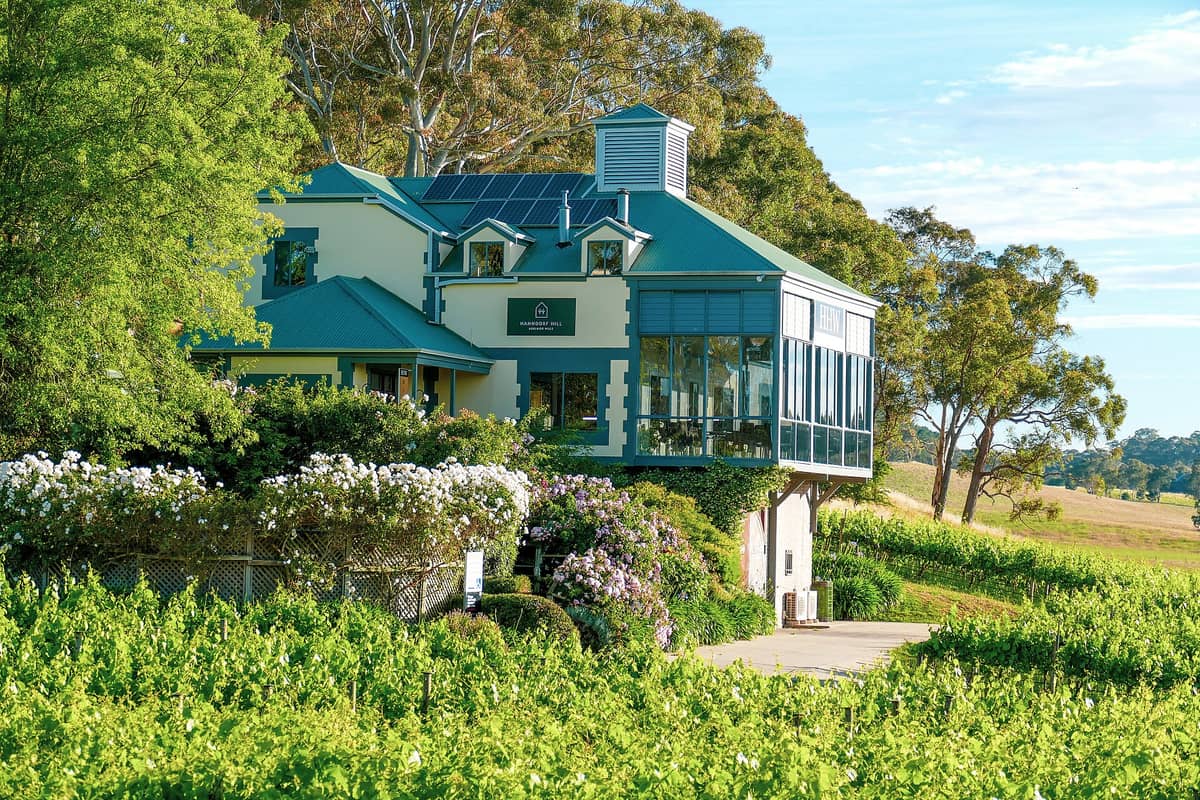
Accommodation in the Adelaide Hills ranges from country pubs with rooms above the bar to boutique guesthouses and self-contained cottages set among vineyards or bushland. The Hills does not have large hotel chains; the scale of accommodation is deliberately intimate, which suits the region's character. Staying overnight transforms the experience significantly: you get the misty mornings in the valleys, the quiet evenings in village pubs, and the early access to trails and markets that day-trippers from the city miss.
Stirling and Aldgate, on the western escarpment, are the closest Hills towns to the city and have a handful of established guesthouses and B&Bs. Hahndorf has a spread of accommodation options suited to different budgets, including larger properties catering to the town's significant visitor numbers. For a more secluded stay, self-contained cottages scattered through the Piccadilly Valley and surrounds offer genuine quiet and proximity to the wine region's better cellar doors.
For visitors weighing up whether to base themselves in the Hills or in the city, the honest answer depends on priorities. If your focus is Adelaide's food, culture, and urban life, stay in the CBD or North Adelaide and visit the Hills as a day trip. If the wine region, walking, and slower pace are the main draw, a two-night Hills stay adds depth that a day visit cannot match. The where to stay in Adelaide guide compares accommodation zones across the wider region.
Practical Tips & Limitations
The Hills is one of South Australia's most genuinely rewarding regional destinations, but it requires some planning to get right. Without a car, the region is difficult to explore independently. Without advance bookings for popular weekend restaurants and cellar doors, you may find yourself locked out of the experiences you came for. And without understanding the region's scale, it is easy to underestimate how long it takes to move between towns and attractions.
Bushfire risk is a genuine seasonal consideration. The Hills region, like much of the Adelaide Hills and South Australian ranges, faces elevated fire risk in summer, particularly during extreme heat events. Before visiting on hot, dry, windy days in summer, check the South Australian Country Fire Service (CFS) fire danger ratings. Some walking trails and parks close on days rated Catastrophic or Extreme. The Adelaide hiking guide covers trail conditions and seasonal considerations in more detail.
Mobile coverage in parts of the Hills is patchy, particularly on more remote trails and on the back roads between towns. Download offline maps before heading out on any walking route, and let someone know your plans if you are attempting longer hikes. The Mount Lofty Summit visitor centre staff can provide current trail condition advice.
Book weekend restaurant and cellar door visits at least a week ahead in peak season
Check fire danger ratings before any summer bushwalking in the Hills
Download offline maps before exploring back roads or remote trails
Allow at least a full day for the region; half-day visits rarely cover more than one or two stops
Carry layers: the Hills is notably cooler than the city, especially in the mornings and evenings
TL;DR
The Adelaide Hills is a broad cool-climate wine and nature region about 30 minutes southeast of the Adelaide CBD, covering the Adelaide Hills Council and Mount Barker District Council areas.
Best suited to visitors with a car: the region's spread and limited public transport make driving the practical baseline for any serious exploration.
Key draws include Mount Lofty Summit, the Waterfall Gully walking trail, Hahndorf's heritage streetscape, the Piccadilly Valley wine region, and a serious artisan food and produce scene.
Weekday and early morning visits reveal the Hills at its least crowded; weekends bring significant day-tripper activity, especially in Hahndorf and at popular cellar doors.
An overnight or two-night stay unlocks the misty mornings, quiet village evenings, and early trail access that day trips miss entirely.
Three days is enough time to get a genuine feel for Adelaide, from its North Terrace cultural corridor and Central Market to coastal beaches and the Adelaide Hills. This itinerary cuts through the noise and gives you a day-by-day plan that locals would actually approve of.
Adelaide sits on the traditional lands of the Kaurna people, one of the oldest continuous cultures on Earth. This guide covers the key places, experiences, and context you need to engage meaningfully with Aboriginal culture and heritage across the city.
Adelaide is one of Australia's busiest festival cities. From one of the world's largest open-access arts festivals to a globally respected world-music event, this guide covers the major dates, ticket prices, crowd warnings, and practical logistics.
Adelaide has a concentrated, high-quality food-market scene. Whether you're after fresh produce, artisan cheeses, or a weekend breakfast ritual, this guide covers the city's top markets, their hours, and how to get the most out of each visit.
Adelaide rewards couples with an extraordinary range of romantic experiences: coastal sunsets, world-class wine country, historic gardens, and intimate cultural corners. This guide covers the best of them, from the Adelaide Hills to the foreshore.
Adelaide Fringe is the world's second-largest arts festival, running across February and March each year. This guide covers dates, ticketing, venues, getting around, what to expect from the heat, and practical tips that turn a good trip into a great one.
Adelaide sits on the doorstep of some of South Australia's finest walking country. These are the best hikes near Adelaide, from a quick gorge walk 10km from the CBD to long-distance trail sections through the Mount Lofty Ranges.
Adelaide offers high-end wine, dining, and tours without east-coast price inflation. This guide covers premium experiences and neighbourhoods — with a clear view of what's worth the spend and what to skip.
Adelaide's nightlife is smaller than the east-coast capitals but easier to navigate. From Hindley Street live music to East End craft-beer bars and late-night clubs, this guide covers the best spots, realistic prices, and practical logistics.
Adelaide is one of Australia's more affordable capitals. From the free city tram zone and produce markets to no-cost museums and parklands, this guide covers how to stretch your AUD further.
Seven days is enough time to experience Adelaide's food and culture, drive through two wine regions, explore the Adelaide Hills, and reach Kangaroo Island. This guide breaks it down day by day with logistics, timing, and no filler.
Adelaide is a stronger shopping destination than many visitors expect. From a Victorian-era arcade and a major fresh market to independent boutique strips and creative food halls, this guide covers where to shop, browse, and buy.
Adelaide's West End is the city's most culturally layered precinct, anchored by a 155-year-old food market and surrounded by a dense concentration of bars, live music venues, theatres, and independent restaurants. This guide covers what to eat, where to drink, what to see, and how to plan your visit.
South Australia is unusually rich in accessible wildlife. From holding a koala in the Adelaide Hills to watching wild sea lions on Kangaroo Island, these are the best animal encounters the region has to offer, ranked so you can plan the trip.
Adelaide sits at the centre of one of the world's great wine landscapes. This guide breaks down the closest regions, what each grows best, how far they are from the city, and what to know before you visit a cellar door.
Adelaide is one of Australia's most family-friendly cities, with free museums, wildlife parks, beaches, and outdoor adventures spread across the city and its surrounding hills. This guide covers the best things to do in Adelaide with kids, from toddlers to teenagers.
The Barossa Valley sits about 70 km northeast of Adelaide and packs world-class Shiraz, historic villages, and serious food into a single day. This guide covers every practical angle: how to get there, what to do, where to eat, and what most visitors get wrong.
Adelaide's coastline stretches along Gulf St Vincent with calm, warm water and a string of distinct beach suburbs, each with its own character. This guide covers the best beaches near Adelaide, from family-friendly foreshores to secluded clifftop bays worth the drive.
Adelaide has a concentrated museum culture for a city its size. This guide covers art, natural history, migration, railways, aviation, and living history, with practical details to help you plan your visit.
Adelaide's Mediterranean climate makes it approachable year-round, but the experience varies dramatically by season. This guide covers temperatures, rainfall, major events, crowd levels, and practical tips to help you choose the right time for your trip.
Adelaide rewards the curious with sweeping views from multiple angles: the Mount Lofty Ranges to the east, the Gulf St Vincent coast to the west, and a compact city skyline in between. This guide covers the best viewpoints in and around Adelaide, from iconic hilltop lookouts to waterfront vantage points and one genuinely thrilling rooftop climb.
Adelaide sits at the centre of one of Australia's most rewarding day-trip networks. Within two hours you can be walking among sea lions on Kangaroo Island, tasting century-old Tawny Port in the Barossa, or swimming below limestone cliffs on the Fleurieu Peninsula. This guide covers the best day trips from Adelaide, organised by region and type.
Adelaide has an unusually strong set of free attractions. From North Terrace museums to hilltop views, beaches, and one of Australia's finest botanic gardens, this guide covers the best no-cost experiences in the city and its surrounds.
Adelaide is one of Australia's most navigable cities, but knowing which services are free, when to walk versus drive, and how to reach the beaches and hills makes a real difference. This guide covers every transport option in practical detail.
Adelaide divides opinion. Some travellers find it a low-key, surprisingly rich destination. Others leave feeling underwhelmed. This guide breaks down exactly what Adelaide offers, who it suits, and what to realistically expect before you book.
Kangaroo Island is South Australia's most rewarding day trip or short break from Adelaide. This guide covers every way to get there, the best time to go, what to do once you arrive, and the practical details that most travel sites skip.
Adelaide offers more than its size suggests. This guide covers the city's best experiences across culture, food, nature, and day trips — plus a clear view of what's worth your time, what to skip, and how to get around without wasting money.
Adelaide rewards walkers more than almost any other Australian city. From the 19.5km Park Lands loop to a gentle stroll along the River Torrens or a gorge trail ending at a waterfall, these are the best walks in Adelaide for every pace and preference.
Adelaide is a serious food city. With nearby wine regions, a legendary central market, and a dining scene shaped by Greek, Italian, Vietnamese, and Chinese communities, knowing where and what to eat here makes a real difference.
Choosing where to stay in Adelaide shapes your entire trip. This guide breaks down every major neighbourhood by location, transport links, price range, and who it suits best — so you can book with confidence.