Adelaide on a Budget: How to Explore South Australia's Capital Without Overspending
Adelaide is one of Australia's more affordable capitals. From the free city tram zone and produce markets to no-cost museums and parklands, this guide covers how to stretch your AUD further.
Tickets & tours
Live prices and dates from our booking partner. If you book, we may earn a commission at no extra cost to you.
TL;DR
- Adelaide's free tram zone covers the CBD and inner city, and free City Connector buses (routes 98A/98C and 99A/99C) eliminate most transport costs within the centre.
- Major attractions including the South Australian Museum, Art Gallery of South Australia, and Botanic Garden charge no entry fee.
- The Adelaide Central Market is the best place in the city for cheap, quality food — plan to arrive for lunch on a market day.
- Tipping is not expected anywhere in Australia, which takes genuine pressure off your daily spending.
- Check our free things to do in Adelaide guide for an extended list of no-cost experiences across the city.
Why Adelaide Works for Budget Travellers
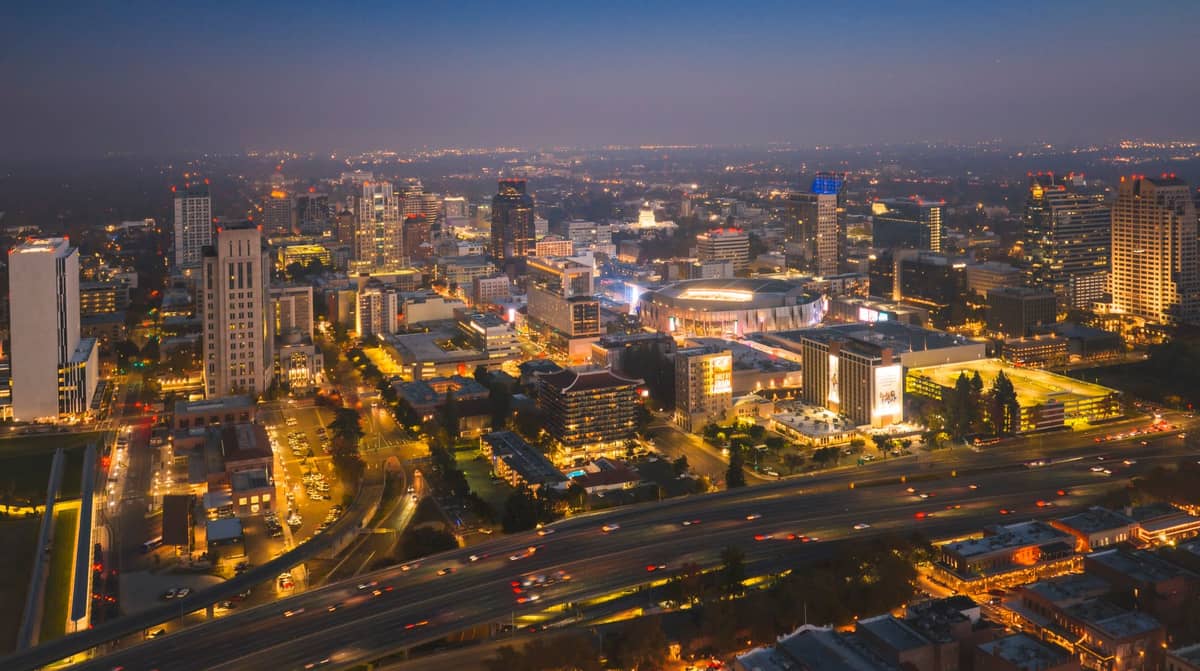
Adelaide has a reputation as the quieter, more affordable alternative to Sydney and Melbourne, and that reputation is largely deserved. Accommodation costs less, restaurant portions are generous, and a significant chunk of the city's best experiences are completely free. The city was designed with public space in mind: the CBD is ringed by the Adelaide Park Lands, green space that costs nothing to enjoy, and the cultural institutions along North Terrace are funded to provide free access.
That said, budget travel in Adelaide requires some planning. The Glenelg tram is free only within the CBD zone — take it to the beach and you will need a valid Adelaide Metro fare. Day trips to the Barossa Valley or Kangaroo Island add up quickly. Knowing exactly where the free zones end and the costs begin is the foundation of a sensible budget strategy here.
ℹ️ Good to know
Australia uses the Australian dollar (AUD). Tipping is discretionary and genuinely not expected in cafes, restaurants, or taxis. Tap water in Adelaide is treated and safe to drink, which saves money compared to buying bottled water daily.
Getting Around for Free (or Close to It)
Transport is where Adelaide's budget credentials are most obvious. The city operates a free tram zone that covers the central section of the tram network between South Terrace, the Entertainment Centre, Festival Plaza, and the Botanic Gardens. Within this zone, you board and ride without paying anything. For most sightseeing within the CBD, this is all you need.
On top of the tram, Adelaide Metro runs two free City Connector bus routes. Routes 98A and 98C serve the CBD and North Adelaide daily. Routes 99A and 99C loop through the CBD on weekdays. Together, these services connect most of the inner city's accommodation strips, cultural precincts, and dining areas without a single fare. Schedules and stop details differ between weekday and weekend services, so check the official Adelaide Metro journey planner before your trip rather than assuming consistent frequency.
⚠️ What to skip
The free tram zone ends at the CBD boundaries. The tram ride to Glenelg Beach is free between Brighton Road and Moseley Square; travel between the CBD free zone and Brighton Road requires a valid Adelaide Metro fare. Always check current fares at adelaidemetro.com.au before travelling, as routes, timetables, and pricing are subject to change.
For trips beyond the city centre, Adelaide Metro's bus, train, and tram network is well-connected. The airport is around 8 kilometres from the CBD, and Adelaide Metro buses provide a low-cost link from the terminal. Rideshare services including Uber also operate in Adelaide, with designated pickup areas at the airport. For a full breakdown of how to move around the city, see our guide to getting around Adelaide.
Free and Low-Cost Attractions
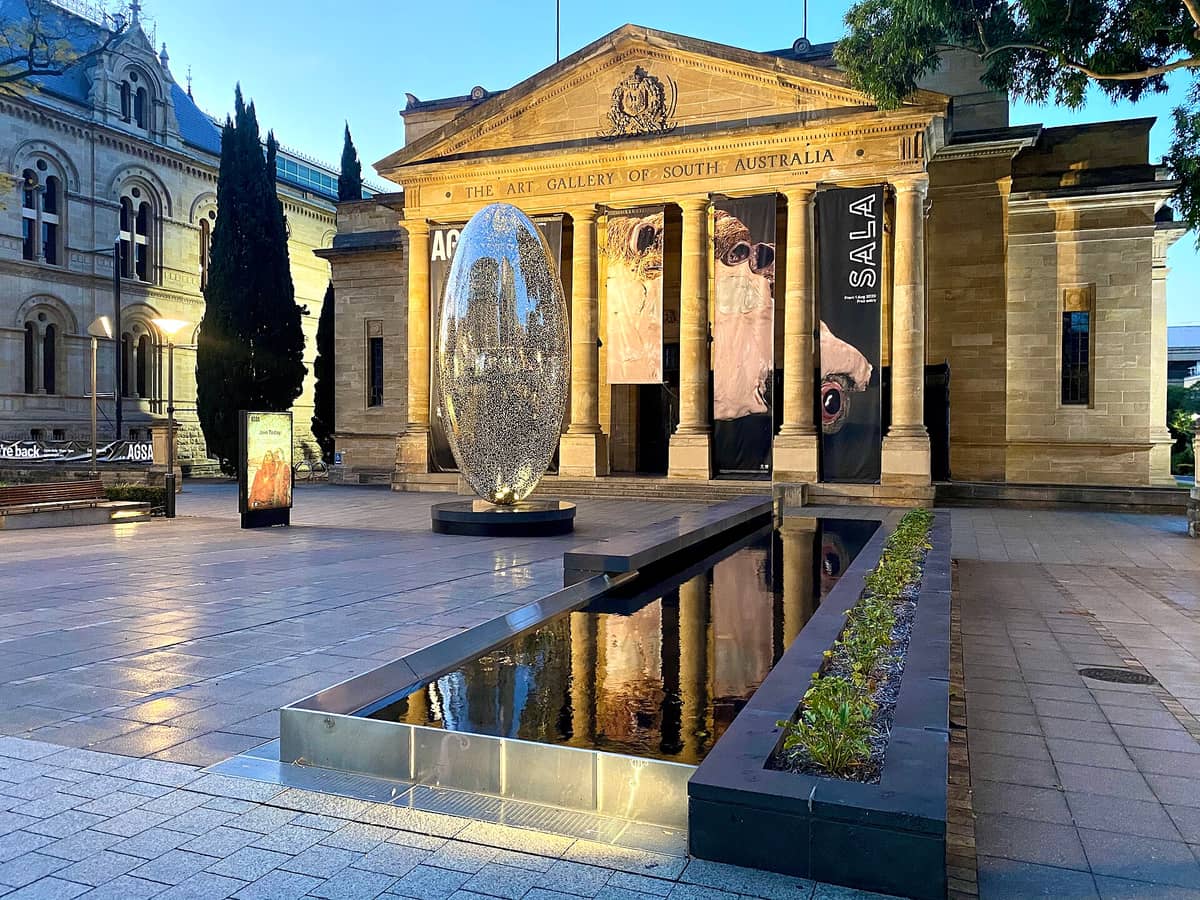
The stretch of North Terrace between the CBD's western and eastern ends is one of the most concentrated cultural corridors in Australia, and it costs nothing to walk. Within a few hundred metres, you have the Art Gallery of South Australia, the South Australian Museum, and the University of Adelaide's historic campus. None charge general admission. The Migration Museum on Kintore Avenue has been closed since 3 July 2026 for structural works. Allow at least half a day to do the strip justice.
The Adelaide Botanic Garden is another free-entry highlight, covering around 51 hectares in the northeast corner of the CBD. The garden includes the Bicentennial Conservatory, a tropical greenhouse that is one of the largest in the Southern Hemisphere. Early mornings on weekdays are the quietest time to visit.
- Art Gallery of South Australia Free general admission on North Terrace; one of the largest public art collections in Australia, with significant Aboriginal and Torres Strait Islander works.
- South Australian Museum Free entry; houses one of the world's largest collections of Aboriginal Australian cultural material, plus natural history exhibits.
- Adelaide Botanic Garden Free entry daily; 51 hectares of gardens including the Bicentennial Conservatory and First Creek Wetland.
- Adelaide Park Lands Free to access; about 930 hectares of green space surrounding the CBD grid, used for walking, cycling, and picnics.
- Migration Museum Closed since 3 July 2026 for structural and conservation works expected to last about two years. The former Destitute Asylum building is on Kintore Avenue, behind the State Library.
- Elder Park and River Torrens Linear Park Free outdoor spaces along the riverbank, suitable for walking and cycling without any admission cost.
For outdoor adventure without a tour cost, Morialta Conservation Park sits about 9 kilometres from the CBD and offers walking trails through gorges and past seasonal waterfalls at no entry fee. The Waterfall Gully trail up to Mount Lofty Summit is another popular free hike that rewards the effort with sweeping views over Adelaide. Both sites are most accessible by car, though buses do serve the general area.
Eating Well Without Overspending
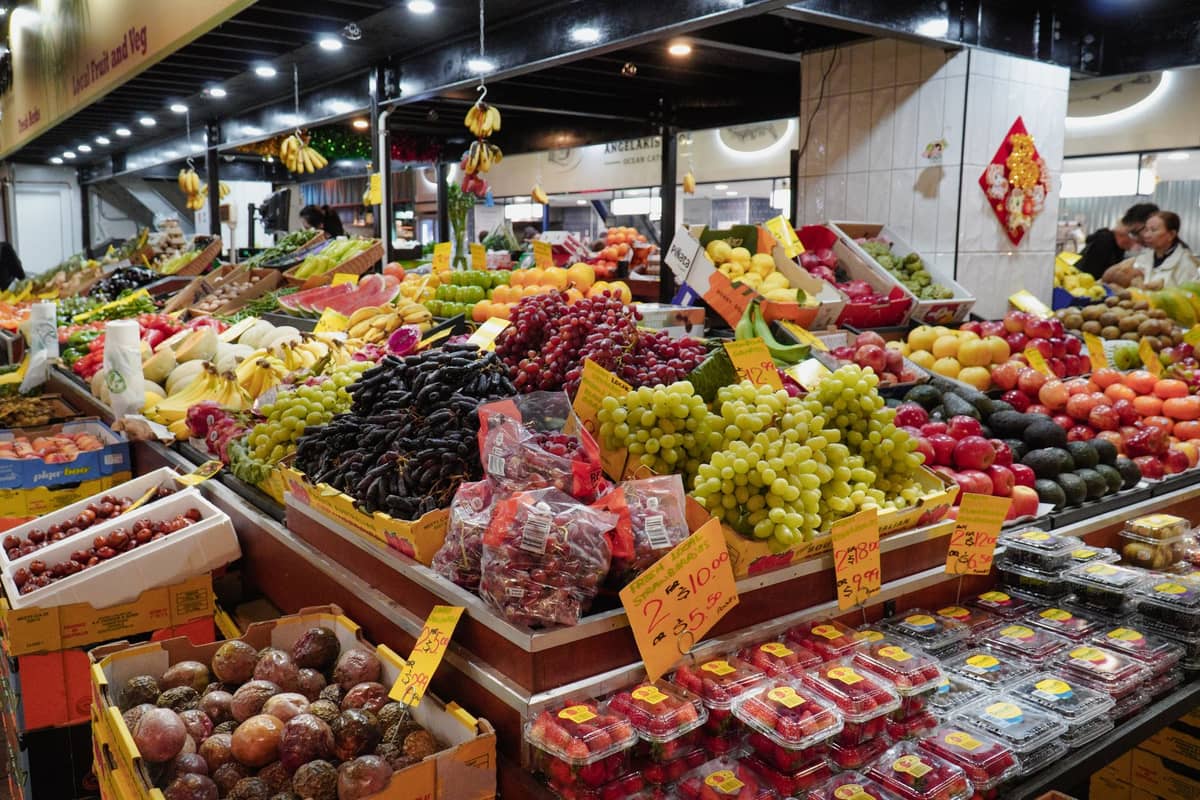
The Adelaide Central Market on Gouger Street is the city's most practical budget food destination. Trading since 1869, it brings together over 70 stallholders selling fresh produce, deli goods, bread, and ready-to-eat food. A substantial lunch from one of the market's food stalls costs significantly less than a restaurant meal of comparable quality. The market closes on Sundays and Mondays, so plan your visit for Tuesday through Saturday. Check the official market website for current trading hours before you go.
Rundle Street in the East End is Adelaide's main dining strip, but prices reflect the foot traffic. For better value, head to Gouger Street or Chinatown, where a bowl of pho, laksa, or dumplings can cost around $12-18 AUD at smaller family-run spots. The suburb of Norwood, accessible by bus from the CBD, has solid cafe and bakery options along The Parade that are priced for locals rather than tourists.
💡 Local tip
Adelaide's supermarkets (Coles, Woolworths, and IGA stores near the CBD) stock quality local produce, South Australian wines, and deli items that can undercut restaurant prices considerably if you have access to a hostel or apartment kitchen. Picking up a bottle of Barossa or McLaren Vale wine at a bottle shop costs a fraction of restaurant wine list prices.
For a broader overview of where and what to eat across price points, the what to eat in Adelaide guide covers everything from fine dining to the city's best cheap eats. The Adelaide food market guide goes deeper on the Central Market and other neighbourhood market options.
Budget Accommodation: What to Expect

Adelaide's hostel scene is compact compared to Sydney or Melbourne, but the city does have options in the CBD and inner suburbs. Dormitory beds at central hostels typically range from around $30-55 AUD per night depending on the season and booking lead time. Budget motel rooms and private rooms at backpacker-style properties generally start from around $80-120 AUD per night. Prices rise noticeably during major events like the Adelaide Fringe (February-March) and the Adelaide Festival.
Staying in the CBD gives you the most access to the free tram zone and City Connector buses, which is a genuine financial advantage. North Adelaide, just across the River Torrens, is slightly quieter and can offer better value for the quality of accommodation. For detailed neighbourhood comparisons and price guidance, the where to stay in Adelaide guide covers the trade-offs clearly.
✨ Pro tip
Book accommodation well ahead if your dates overlap with Adelaide Fringe (late February to mid-March), WOMADelaide (March long weekend), or the AFL season. These events push prices across all categories sharply upward. Visiting outside these windows, particularly in autumn or early spring, generally offers better value with milder weather as a bonus.
Day Trips and Excursions: Spending Wisely
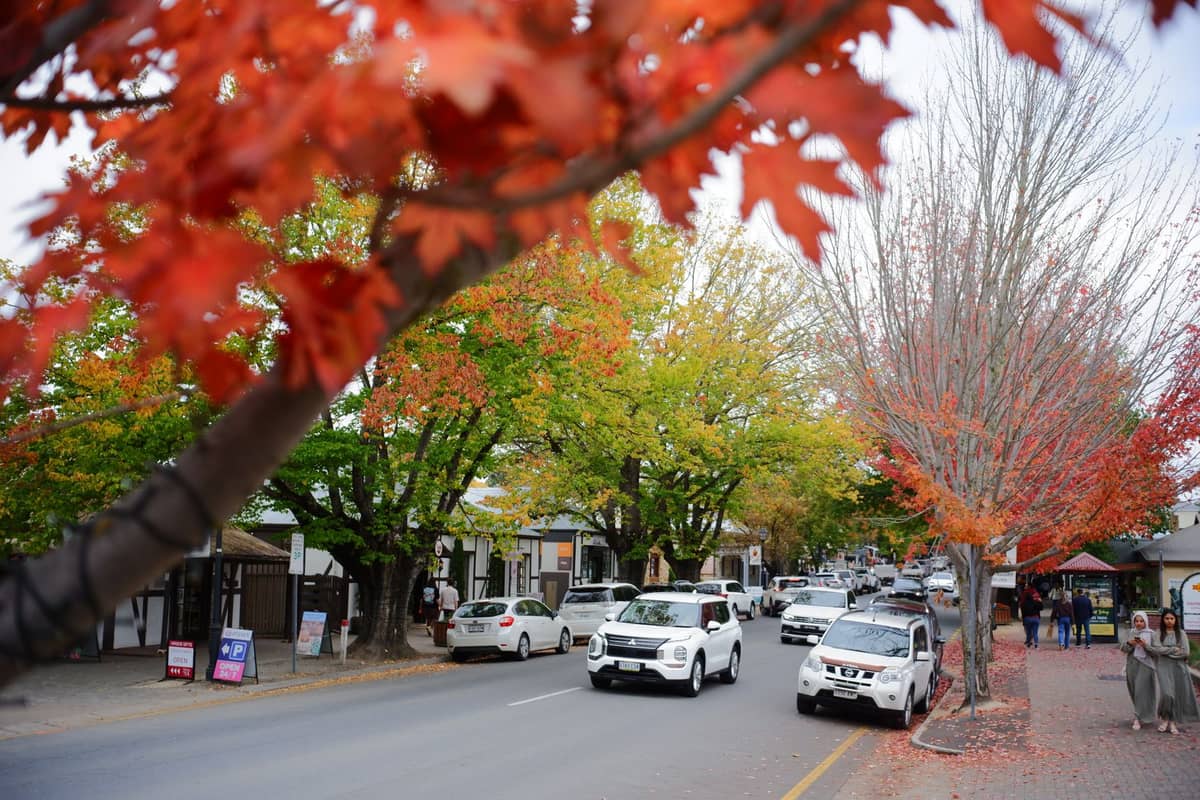
Day trips from Adelaide are one of the city's great draws, but they are also where budget discipline matters most. The Adelaide Hills is the most accessible and affordable excursion: the historic German settlement of Hahndorf sits around 28 kilometres from the city and can be reached by bus. Entry to the main street and most of its historic buildings is free. Wine tastings at Hills cellar doors typically run $5-15 AUD per person and are often refunded with a bottle purchase.
The Barossa Valley (around 70 kilometres north) and McLaren Vale (about 45 kilometres south) both require transport, which means either a hire car, a tour, or a public transport combination that takes considerably more time. Organised day tours to these regions generally cost from around $80-150 AUD per person, with tastings sometimes included. Kangaroo Island involves a ferry or flight plus island transport and adds significantly to costs. For those on tight budgets, a full Kangaroo Island trip is genuinely difficult to do cheaply and is worth saving for a longer visit.
- Hahndorf via bus from the CBD: low cost, walkable main street, free entry to most attractions
- Morialta Conservation Park: free entry, significant natural scenery, accessible by public transport with some walking
- Glenelg Beach by tram: requires a fare beyond the free zone, but beach access is free once you arrive
- Port Adelaide maritime precinct: several museums charge admission, but the waterfront itself is free to explore
- Mount Lofty Summit: free summit access with panoramic views; a cafe at the top is optional spending
For a fuller breakdown of excursion options ranked by cost and effort, the day trips from Adelaide guide includes practical transport details for each destination.
Practical Money Tips for Adelaide
Adelaide operates on Australian dollars. ATMs are easy to find throughout the CBD and most suburbs, though some charge withdrawal fees depending on your home bank's arrangements. Contactless card payment is accepted almost universally, including at small cafes and market stalls. Carrying a small amount of cash for market purchases and street food is still useful, but Adelaide is a largely cashless city in practice.
- Timing matters for festivals The Adelaide Fringe (late February to mid-March) includes hundreds of free and low-cost events alongside ticketed shows. A careful itinerary during Fringe can deliver enormous entertainment value at minimal cost.
- Student and concession discounts Many attractions and public transport fares have concession rates for students, seniors, and healthcare card holders. Carry valid ID and always ask — the saving is often significant.
- Picnic in the Park Lands The Adelaide Park Lands surrounding the CBD are free, well-maintained, and fully equipped with picnic facilities. A Central Market lunch eaten in Elder Park or the Botanic Garden costs a fraction of a restaurant meal.
- Free walking tours Several volunteer and tip-based walking tour operators cover the CBD, North Adelaide, and North Terrace. These provide excellent context for the city's history and layout at minimal cost.
FAQ
Is Adelaide cheap to visit compared to other Australian cities?
Generally yes. Accommodation, dining, and transport costs in Adelaide tend to run lower than in Sydney or Melbourne. The free tram zone and City Connector buses eliminate most inner-city transport costs, and the concentration of free cultural institutions on North Terrace means you can fill several days without significant spending.
Is the Adelaide tram really free?
The tram is free within the designated free zone, which covers the central city section between South Terrace, the Entertainment Centre, Festival Plaza, and the Botanic Gardens. On the Glenelg line, travel between Brighton Road and Moseley Square is also free; the segment between the CBD free zone and Brighton Road requires a valid Adelaide Metro fare. Always check current fare information at adelaidemetro.com.au before travelling. Always check current fare information at adelaidemetro.com.au before travelling.
What is the cheapest way to get from Adelaide Airport to the city?
Adelaide Metro buses connect the airport to the CBD at standard public transport fares, which is the most affordable option. Taxis and rideshare services are faster but cost more. Verify current routes and fares directly with Adelaide Metro, as schedules and pricing can change.
When is the best time to visit Adelaide on a budget?
Autumn (March to May) and spring (September to November) generally offer pleasant weather and lower accommodation prices outside of major event periods. Visiting during the Adelaide Fringe in February and March can stretch an entertainment budget considerably, as the festival includes many free and low-cost events, though accommodation prices peak at this time. Avoiding school holiday periods also helps with hostel and budget motel availability.
Are there free things to do with kids in Adelaide?
Yes. The South Australian Museum, Art Gallery of South Australia, Botanic Garden, and Adelaide Park Lands are all free and suitable for families. The free City Connector buses and tram zone mean kids can experience the city without transport costs within the centre. Cleland Wildlife Park in the Adelaide Hills charges admission but offers close encounters with native Australian animals that many families consider worth the cost.
Tickets & tours
Live prices and dates from our booking partner. If you book, we may earn a commission at no extra cost to you.
Planning a trip? Discover personalized activities with the Nomado app.