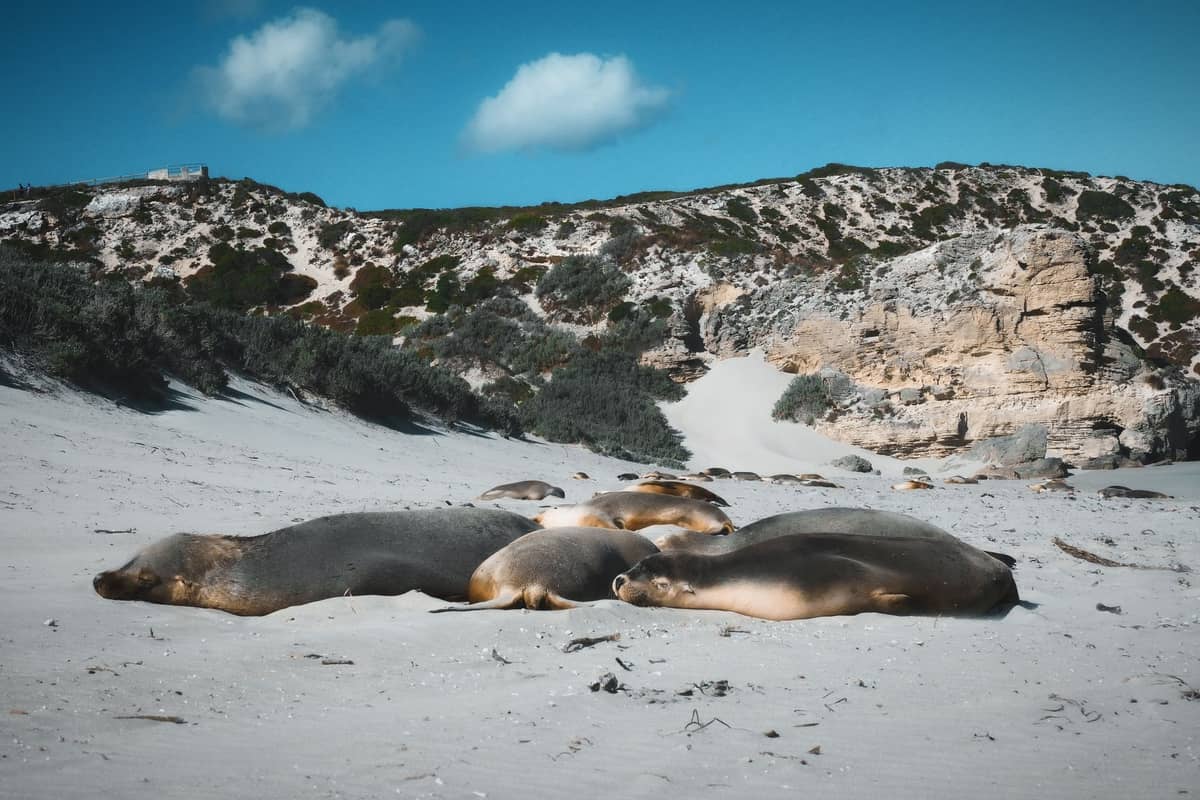
Kangaroo Island is South Australia's largest island, located about 110 kilometres southwest of Adelaide. Reached by ferry or flight, it offers Flinders Chase National Park, Remarkable Rocks, Seal Bay, and some of the most accessible wildlife encounters in Australia. It operates on its own rhythm entirely removed from city life.
Kangaroo Island is not an Adelaide neighbourhood in any conventional sense. It is a 4,400-square-kilometre island off the South Australian coast, closer in character to a remote national park than a city district. For travellers based in Adelaide, it is the most significant nature destination within reach, and it deserves at least two days of your trip.
Orientation: Where Kangaroo Island Sits
Kangaroo Island lies approximately 110 kilometres southwest of Adelaide, separated from the Fleurieu Peninsula by the Backstairs Passage. The island stretches roughly 155 kilometres from east to west and up to 55 kilometres from north to south, making it Australia's third-largest island. Its scale surprises most first-time visitors, who assume they can cover it in a single day. You cannot, at least not properly.
The main entry point by sea is Penneshaw, a small township on the island's northeastern tip, where the ferry from Cape Jervis arrives. Kingscote, the island's largest town and administrative centre, sits about 60 kilometres west of Penneshaw along the north coast. American River, a quiet fishing settlement, lies between the two. The island's southwestern corner is dominated by Flinders Chase National Park, which contains the most dramatic landscapes and is roughly 130 kilometres from Penneshaw by road. That sealed tourist drive still takes well over two hours and tells you everything about why this place works on its own schedule.
If you are approaching from Adelaide, read the Kangaroo Island from Adelaide guide for logistics on getting there by ferry or plane. The island is consistently listed among the top day trips from Adelaide, though a single day is genuinely not enough to do it justice.
Character & Atmosphere
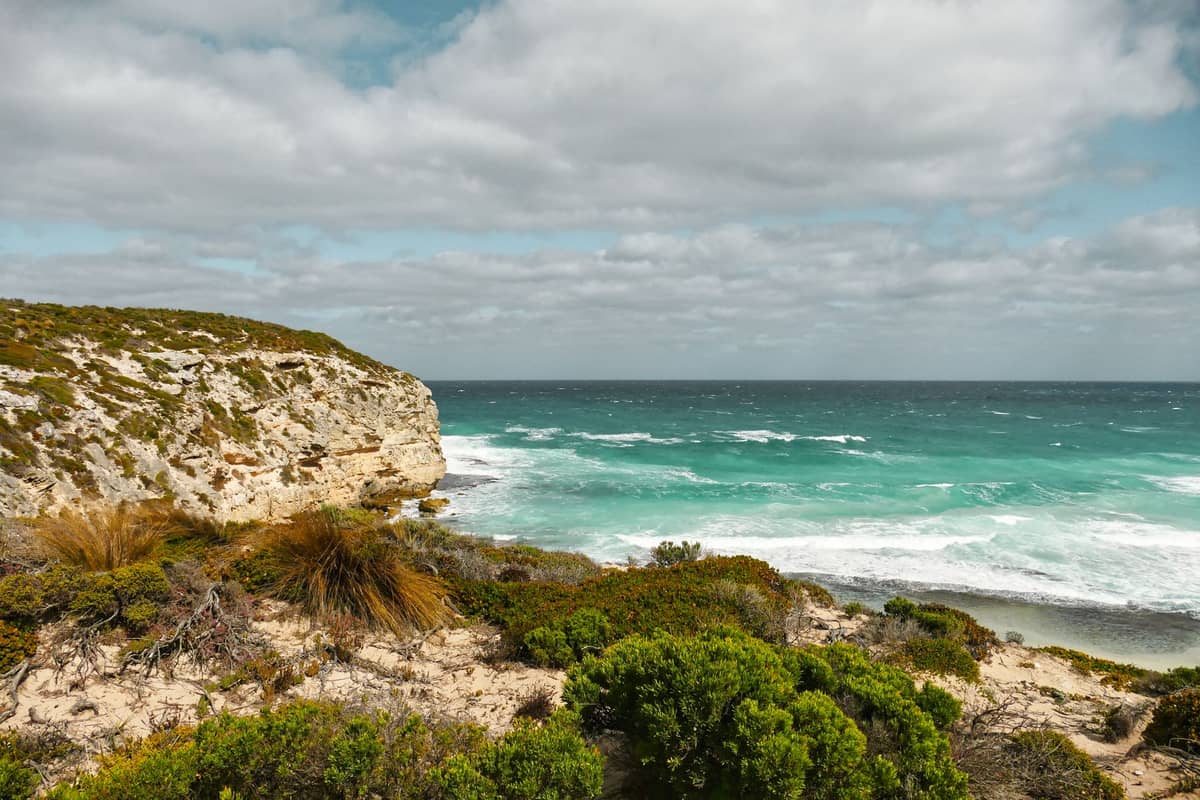
Kangaroo Island moves slowly. That is its greatest quality and, depending on your temperament, its only drawback. There are no traffic lights outside of Kingscote. Mobile coverage drops in and out across the interior. The roads narrow and the bitumen ends without warning. At dawn, kangaroos congregate on the roadsides and in paddocks in numbers that look implausible to anyone arriving from a city. By mid-morning, the light across the Southern Ocean coastline turns sharp and cold, even in summer, and the exposed granite platforms of the south coast take on a quality of real isolation.
Kingscote has the facilities you would expect of a small regional town: supermarkets, fuel, accommodation, a handful of cafes and restaurants. It functions as a practical base rather than a destination in itself. Penneshaw is smaller but convenient if you arrive late by ferry and need to rest before driving further west. Neither township has the kind of polished tourism infrastructure you find at coastal resorts, and that restraint is part of what makes the island feel authentic.
The island was heavily affected by the 2019-20 bushfires, which burnt approximately half its land mass. Recovery has been remarkable in many areas, with regrowth visible across former fire grounds and wildlife populations rebuilding steadily. Some sections of Flinders Chase National Park show a stark duality of charred skeletons and dense new growth that is striking in its own right. Travellers who remember pre-fire visits will notice the difference, but the experience remains genuinely compelling.
ℹ️ Good to know
Kangaroo Island observes Australian Central Standard Time (ACST, UTC+9:30), the same as Adelaide. Daylight saving is also observed. There is no time adjustment needed when crossing from the mainland.
What to See & Do
The island's attractions are almost entirely nature-based. That sounds like a limitation until you see the scale of what is here: a national park occupying the entire western end of the island, coastline ranging from sheltered bays to sheer cliff formations, and wildlife that treats humans with a familiarity built up over decades of protection.
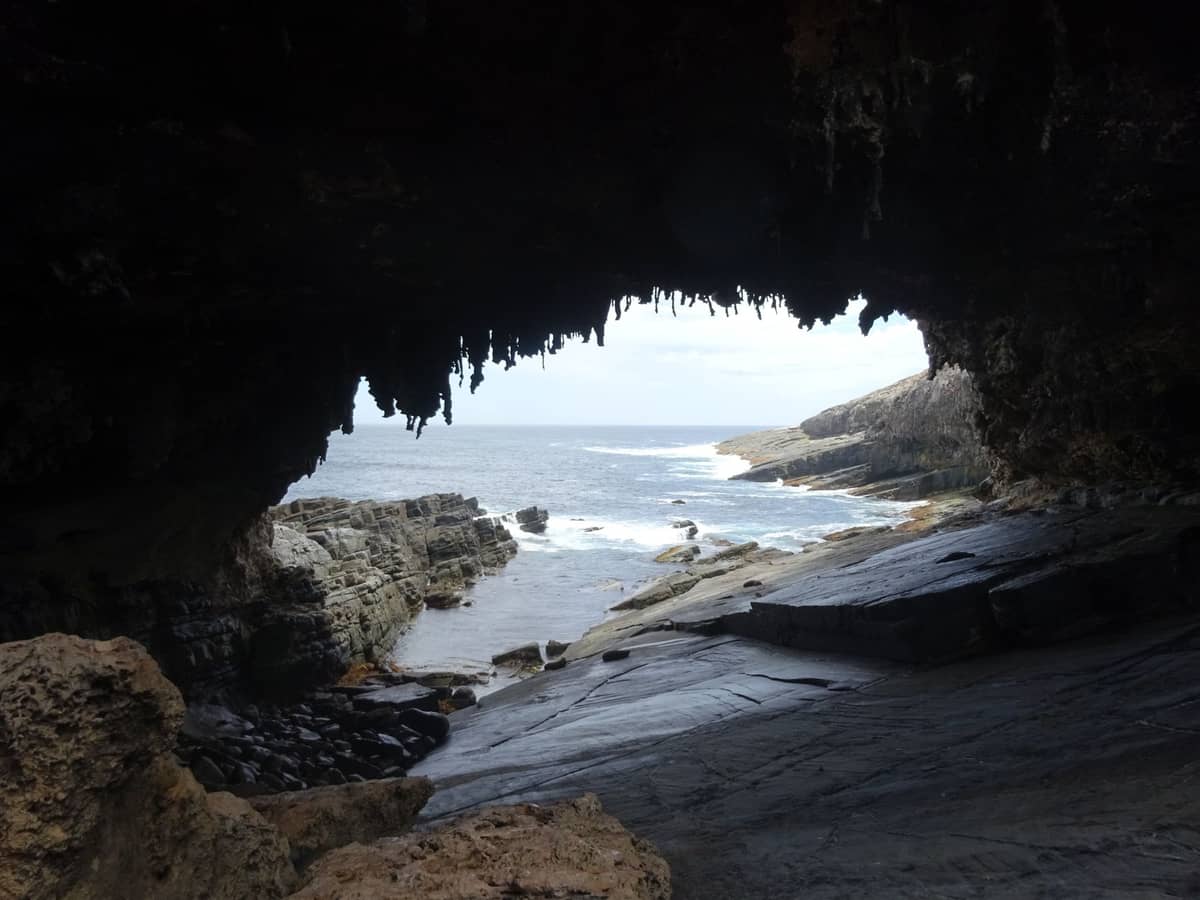
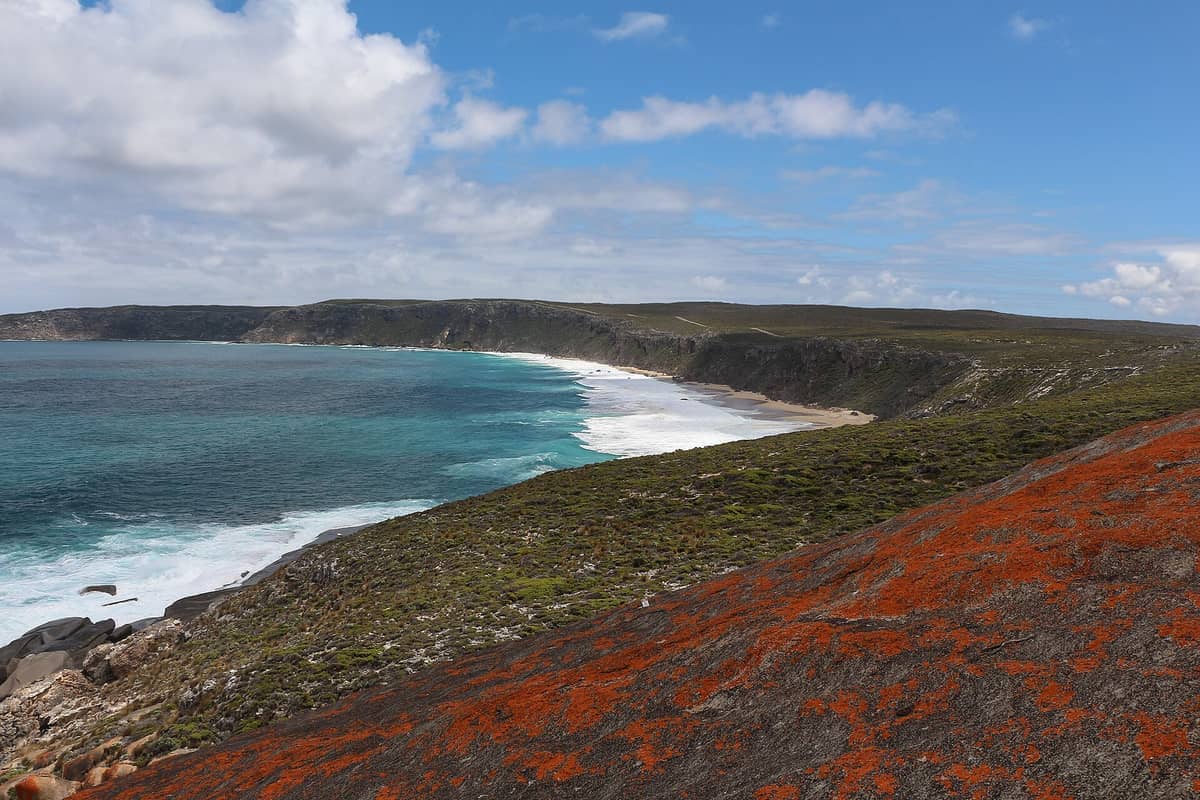
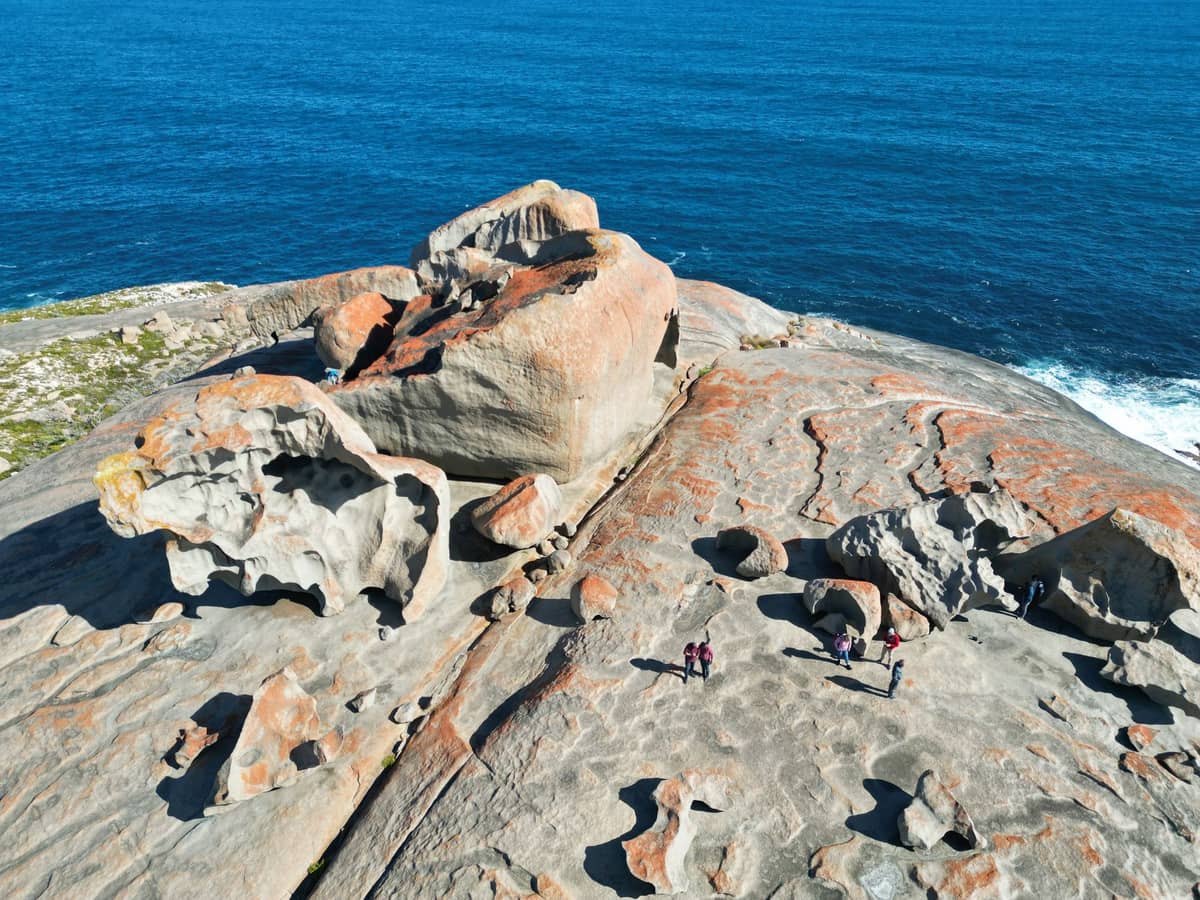
Flinders Chase National Park covers the island's western tip and contains its most photographed landmarks. Remarkable Rocks is a cluster of granite boulders sculpted by wind and ocean spray into shapes that look engineered rather than natural. The colours shift through the day from pale grey to orange-red in late afternoon. About 10 kilometres further along the park road, Admirals Arch is a natural rock formation framing a colony of New Zealand fur seals. The descent from the car park to the arch takes about 20 minutes each way on a sealed boardwalk.
Seal Bay Conservation Park on the island's south coast is the only place in Australia where you can walk among a wild colony of Australian sea lions at close range. Guided tours operate daily and are the only permitted way to access the beach itself. The sea lions are predictably unpredictable: sometimes basking within arm's reach of the boardwalk, sometimes absent in the water for hours. Book tours in advance during school holidays and peak season.
Cape Willoughby Lighthouse: South Australia's oldest operational lighthouse, on the island's eastern tip near Penneshaw
Little Sahara: unexpected sand dunes in the island's south, popular for sandboarding
Hanson Bay Wildlife Sanctuary: private sanctuary with koala walks and nocturnal tours
Stokes Bay: a rock tunnel leads to a sheltered lagoon beach that feels genuinely secluded
Vivonne Bay: rated among Australia's best beaches for its clear water and gentle surf
Lathami Conservation Park: shearwater colony and kangaroo habitat near Kingscote
Wildlife encounters here are not curated theme-park experiences. Kangaroos graze on roadsides at dusk in numbers that require actual attention while driving. Echidnas cross tracks throughout the day. Rosenberg's goannas can be found basking on warm rocks near the coast. For context on the broader South Australian wildlife landscape, the Adelaide wildlife guide covers mainland options if you are short on time.
Eating & Drinking
Kangaroo Island's food scene has grown considerably over the past decade, driven partly by premium local producers. The island is known for Ligurian honey, which comes from a pure strain of bee colony maintained here since the 1880s, as well as locally produced cheeses, fresh seafood particularly marron and abalone, and an increasing number of small wineries and distilleries.
Kingscote has the widest range of dining options, from casual fish-and-chip takeaways near the foreshore to sit-down restaurants focused on local produce. The standard drops sharply the further west you travel: bring food and water for any full day spent in Flinders Chase, as food options are limited within the national park. Penneshaw has a small number of cafes and a bottle shop suitable for stocking up on arrival.
Several artisan producers run cellar-door or farm-gate sales, including local olive oil operations, a sheep dairy, and boutique distilleries producing gin using native botanicals. The island's food economy rewards travellers who plan around visiting producers rather than expecting restaurant-district convenience. If you are self-catering, stock up in Kingscote or, better still, bring supplies from the Adelaide Central Market before boarding the ferry.
For context on what to bring and eat in this region, the what to eat in Adelaide guide covers South Australian produce culture and the kinds of ingredients the island excels at supplying. The Adelaide Central Market is the best place to stock a cooler before the ferry crossing.
💡 Local tip
Stock up on groceries and snacks in Kingscote or before you board the ferry. Food options thin out significantly west of Kingscote, so bring supplies for your visit to Flinders Chase National Park.
Getting There & Around
There are two ways to reach Kangaroo Island from Adelaide. The most common is the SeaLink ferry service from Cape Jervis to Penneshaw. Cape Jervis is approximately 110 kilometres south of Adelaide via the Fleurieu Peninsula, around two hours by car. The ferry crossing itself takes approximately 45 minutes. Total travel time from central Adelaide to Penneshaw runs around three and a half hours including the drive, check-in, and crossing. SeaLink also operates a passenger and vehicle bus service from Adelaide's central bus station to the ferry terminal for travellers without a car, though this limits your flexibility on the island significantly.
The alternative is flying into Kingscote Airport from Adelaide Airport. Flight time is approximately 30 minutes. This makes sense if you are short on time or visiting without a vehicle and planning to join guided tours for all major attractions. Qantas operates this route; check current schedules as service frequency varies seasonally.
On the island, public transport is essentially non-existent. Beyond any pre-booked transfer service, you need a hire car or a guided tour. Hire car operators are based in Kingscote and some offer collection from the ferry terminal in Penneshaw by arrangement. Book hire cars well in advance if visiting during South Australian school holidays or long weekends, as supply is limited.
Roads in the eastern and central parts of the island are generally sealed. The western section, including much of the road network within and around Flinders Chase, includes substantial unsealed sections. A standard 2WD vehicle is adequate for most conditions in dry weather, but check road conditions locally if you are visiting in winter or after heavy rain. Drive conservatively and allow more time than mapping apps suggest, particularly on gravel roads.
⚠️ What to skip
Wildlife is most active on roads around dawn, dusk, and at night. Kangaroos, wallabies, and echidnas cause serious vehicle accidents on the island each year. Avoid driving after dark where possible, reduce speed on unsealed roads, and treat every bend on rural roads as a potential hazard.
Where to Stay
Kingscote is the most practical base for a multi-day visit. It has the widest range of accommodation from basic motels to self-contained holiday apartments, and it is central enough to reach either the east or west of the island in reasonable time. American River suits travellers looking for a quieter, more reflective base, with some well-regarded small lodges overlooking the bay. Penneshaw works for a single night on arrival or departure if the ferry timing makes a late start or early finish unavoidable.
The island has several premium wilderness retreats and eco-lodges that position themselves as destinations in their own right, particularly in and around the south coast and near Flinders Chase. These tend to book out months in advance for peak season. Camping is available within Flinders Chase National Park at designated sites, including Rocky River Campground, which has facilities such as hot showers and flushing toilets.
For travellers deciding how Kangaroo Island fits into a broader South Australian trip, the where to stay in Adelaide guide covers mainland base options, and the Adelaide one-week itinerary maps out how to combine the island with the city and other regional destinations.
Planning Tips & Practical Notes
Two days is the realistic minimum to experience Kangaroo Island without feeling rushed. Three days allows you to explore properly: a day for the eastern side including Seal Bay and Cape Willoughby, a day for Flinders Chase including Remarkable Rocks and Admirals Arch, and a half day for the beaches and townships in between. Travellers who attempt it as a single day from Adelaide typically spend more time in transit than on the island itself.
The best months to visit are generally March to May and September to November, when temperatures are moderate and crowds lighter than the summer peak. Summer brings reliable weather but also school holiday crowds and pressure on accommodation and hire cars. The best time to visit Adelaide guide covers seasonal conditions for the broader region. Winter is quiet and atmospheric, with rough Southern Ocean seas visible from the south coast cliffs, though some tours reduce frequency.
Mobile coverage is limited across large parts of the island. Download offline maps before you go and carry a physical map as backup. The National Parks and Wildlife Service entry fee applies to Flinders Chase and Seal Bay; check current pricing directly with South Australian National Parks before your visit as fees are subject to change. Most guided tours include entry fees in their pricing.
Kangaroo Island sits within a broader sweep of South Australian nature destinations. If wildlife and wild landscapes are your focus, also consider the Adelaide hiking guide for mainland trail options and the Adelaide wildlife guide for parks and sanctuaries closer to the city.
TL;DR
Kangaroo Island is not an Adelaide neighbourhood but Australia's third-largest island, about 110 km southwest of the city, reached by ferry from Cape Jervis or by flight to Kingscote.
Allow a minimum of two days; three is better. A single-day trip leaves most of the island unseen.
Hire a car: without one you are dependent on guided tours for everything beyond the ferry terminal.
Key draws are Flinders Chase National Park, Remarkable Rocks, Admirals Arch, and Seal Bay Conservation Park, plus wildlife that ranges from sea lions to echidnas encountered in genuinely wild settings.
Best suited to nature travellers, wildlife photographers, hikers, and anyone who finds the pace of city tourism exhausting. Not suited to travellers expecting urban infrastructure, nightlife, or resort-style convenience.
Three days is enough time to get a genuine feel for Adelaide, from its North Terrace cultural corridor and Central Market to coastal beaches and the Adelaide Hills. This itinerary cuts through the noise and gives you a day-by-day plan that locals would actually approve of.
Adelaide sits on the traditional lands of the Kaurna people, one of the oldest continuous cultures on Earth. This guide covers the key places, experiences, and context you need to engage meaningfully with Aboriginal culture and heritage across the city.
Adelaide is one of Australia's busiest festival cities. From one of the world's largest open-access arts festivals to a globally respected world-music event, this guide covers the major dates, ticket prices, crowd warnings, and practical logistics.
Adelaide has a concentrated, high-quality food-market scene. Whether you're after fresh produce, artisan cheeses, or a weekend breakfast ritual, this guide covers the city's top markets, their hours, and how to get the most out of each visit.
Adelaide rewards couples with an extraordinary range of romantic experiences: coastal sunsets, world-class wine country, historic gardens, and intimate cultural corners. This guide covers the best of them, from the Adelaide Hills to the foreshore.
Adelaide Fringe is the world's second-largest arts festival, running across February and March each year. This guide covers dates, ticketing, venues, getting around, what to expect from the heat, and practical tips that turn a good trip into a great one.
Adelaide sits on the doorstep of some of South Australia's finest walking country. These are the best hikes near Adelaide, from a quick gorge walk 10km from the CBD to long-distance trail sections through the Mount Lofty Ranges.
Adelaide offers high-end wine, dining, and tours without east-coast price inflation. This guide covers premium experiences and neighbourhoods — with a clear view of what's worth the spend and what to skip.
Adelaide's nightlife is smaller than the east-coast capitals but easier to navigate. From Hindley Street live music to East End craft-beer bars and late-night clubs, this guide covers the best spots, realistic prices, and practical logistics.
Adelaide is one of Australia's more affordable capitals. From the free city tram zone and produce markets to no-cost museums and parklands, this guide covers how to stretch your AUD further.
Seven days is enough time to experience Adelaide's food and culture, drive through two wine regions, explore the Adelaide Hills, and reach Kangaroo Island. This guide breaks it down day by day with logistics, timing, and no filler.
Adelaide is a stronger shopping destination than many visitors expect. From a Victorian-era arcade and a major fresh market to independent boutique strips and creative food halls, this guide covers where to shop, browse, and buy.
Adelaide's West End is the city's most culturally layered precinct, anchored by a 155-year-old food market and surrounded by a dense concentration of bars, live music venues, theatres, and independent restaurants. This guide covers what to eat, where to drink, what to see, and how to plan your visit.
South Australia is unusually rich in accessible wildlife. From holding a koala in the Adelaide Hills to watching wild sea lions on Kangaroo Island, these are the best animal encounters the region has to offer, ranked so you can plan the trip.
Adelaide sits at the centre of one of the world's great wine landscapes. This guide breaks down the closest regions, what each grows best, how far they are from the city, and what to know before you visit a cellar door.
Adelaide is one of Australia's most family-friendly cities, with free museums, wildlife parks, beaches, and outdoor adventures spread across the city and its surrounding hills. This guide covers the best things to do in Adelaide with kids, from toddlers to teenagers.
The Barossa Valley sits about 70 km northeast of Adelaide and packs world-class Shiraz, historic villages, and serious food into a single day. This guide covers every practical angle: how to get there, what to do, where to eat, and what most visitors get wrong.
Adelaide's coastline stretches along Gulf St Vincent with calm, warm water and a string of distinct beach suburbs, each with its own character. This guide covers the best beaches near Adelaide, from family-friendly foreshores to secluded clifftop bays worth the drive.
Adelaide has a concentrated museum culture for a city its size. This guide covers art, natural history, migration, railways, aviation, and living history, with practical details to help you plan your visit.
Adelaide's Mediterranean climate makes it approachable year-round, but the experience varies dramatically by season. This guide covers temperatures, rainfall, major events, crowd levels, and practical tips to help you choose the right time for your trip.
Adelaide rewards the curious with sweeping views from multiple angles: the Mount Lofty Ranges to the east, the Gulf St Vincent coast to the west, and a compact city skyline in between. This guide covers the best viewpoints in and around Adelaide, from iconic hilltop lookouts to waterfront vantage points and one genuinely thrilling rooftop climb.
Adelaide sits at the centre of one of Australia's most rewarding day-trip networks. Within two hours you can be walking among sea lions on Kangaroo Island, tasting century-old Tawny Port in the Barossa, or swimming below limestone cliffs on the Fleurieu Peninsula. This guide covers the best day trips from Adelaide, organised by region and type.
Adelaide has an unusually strong set of free attractions. From North Terrace museums to hilltop views, beaches, and one of Australia's finest botanic gardens, this guide covers the best no-cost experiences in the city and its surrounds.
Adelaide is one of Australia's most navigable cities, but knowing which services are free, when to walk versus drive, and how to reach the beaches and hills makes a real difference. This guide covers every transport option in practical detail.
Adelaide divides opinion. Some travellers find it a low-key, surprisingly rich destination. Others leave feeling underwhelmed. This guide breaks down exactly what Adelaide offers, who it suits, and what to realistically expect before you book.
Kangaroo Island is South Australia's most rewarding day trip or short break from Adelaide. This guide covers every way to get there, the best time to go, what to do once you arrive, and the practical details that most travel sites skip.
Adelaide offers more than its size suggests. This guide covers the city's best experiences across culture, food, nature, and day trips — plus a clear view of what's worth your time, what to skip, and how to get around without wasting money.
Adelaide rewards walkers more than almost any other Australian city. From the 19.5km Park Lands loop to a gentle stroll along the River Torrens or a gorge trail ending at a waterfall, these are the best walks in Adelaide for every pace and preference.
Adelaide is a serious food city. With nearby wine regions, a legendary central market, and a dining scene shaped by Greek, Italian, Vietnamese, and Chinese communities, knowing where and what to eat here makes a real difference.
Choosing where to stay in Adelaide shapes your entire trip. This guide breaks down every major neighbourhood by location, transport links, price range, and who it suits best — so you can book with confidence.