Adelaide Wine Guide: Regions, Varietals & Cellar Doors
Adelaide sits at the centre of one of the world's great wine landscapes. This guide breaks down the closest regions, what each grows best, how far they are from the city, and what to know before you visit a cellar door.
Tickets & tours
Live prices and dates from our booking partner. If you book, we may earn a commission at no extra cost to you.
TL;DR
- South Australia has 18 wine regions; Barossa Valley, McLaren Vale, Adelaide Hills and Clare Valley are the most accessible from Adelaide.
- More than 200 cellar doors are within roughly an hour's drive of the city — check our Barossa Valley day trip guide for route logistics.
- Each region has a signature style: Barossa does Shiraz and Grenache; McLaren Vale also excels at Shiraz; Adelaide Hills leans cool-climate; Clare Valley is Riesling country.
- Distances vary more than people expect: Adelaide Hills is closest, Barossa is around an hour, Clare Valley is close to two hours each way.
- Always book cellar door tastings in advance, especially on weekends. Tasting fees and reservation requirements differ significantly between wineries.
Why Adelaide Is a Wine Traveller's Base Camp
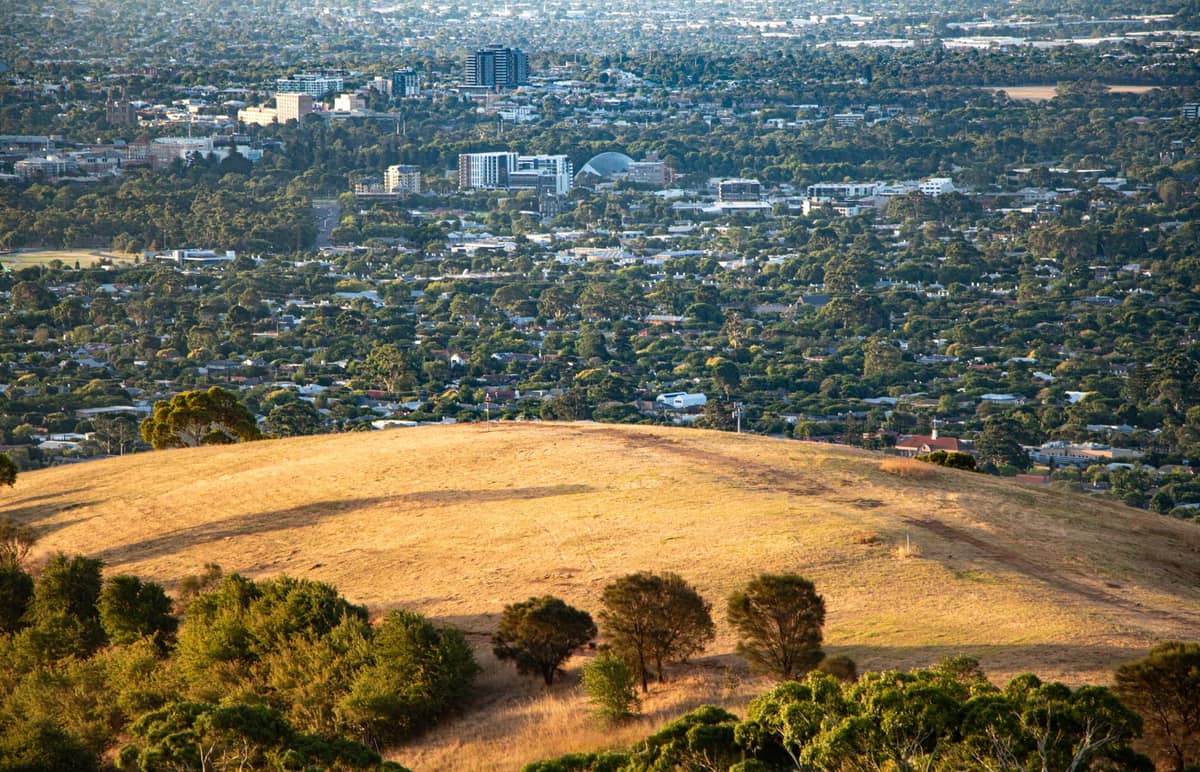
Adelaide is not a wine region itself, but it is surrounded by them. South Australia has 18 officially designated wine regions, and the cluster closest to the city is genuinely world-class. The Barossa Valley, McLaren Vale, Adelaide Hills and Clare Valley all sit within a two-hour drive. That concentration is unusual globally, and it gives visitors real flexibility to visit multiple regions on a single trip without committing to extended rural accommodation.
The South Australian Tourism Commission puts the number of cellar doors within roughly an hour of the city at 200, though that figure covers a wide arc of country and not every winery suits every visitor. Quality varies considerably. The smart approach is to pick one or two regions per day, do your research on which cellar doors suit your budget and tastes, and drive sober or book a tour.
⚠️ What to skip
Australia's drink-driving limits apply in full in wine country. The legal blood alcohol limit for unconditional licence holders is 0.05; learner, provisional and probationary drivers and some professional drivers must have a zero BAC. If you are visiting multiple cellar doors, budget for a driver, a guided tour, or pour out conservatively. Police conduct random breath testing on rural roads throughout South Australia. If you are visiting multiple cellar doors, budget for a driver, a guided tour, or pour out conservatively. Police conduct random breath testing on rural roads throughout South Australia.
The Four Key Regions and What They Grow Best
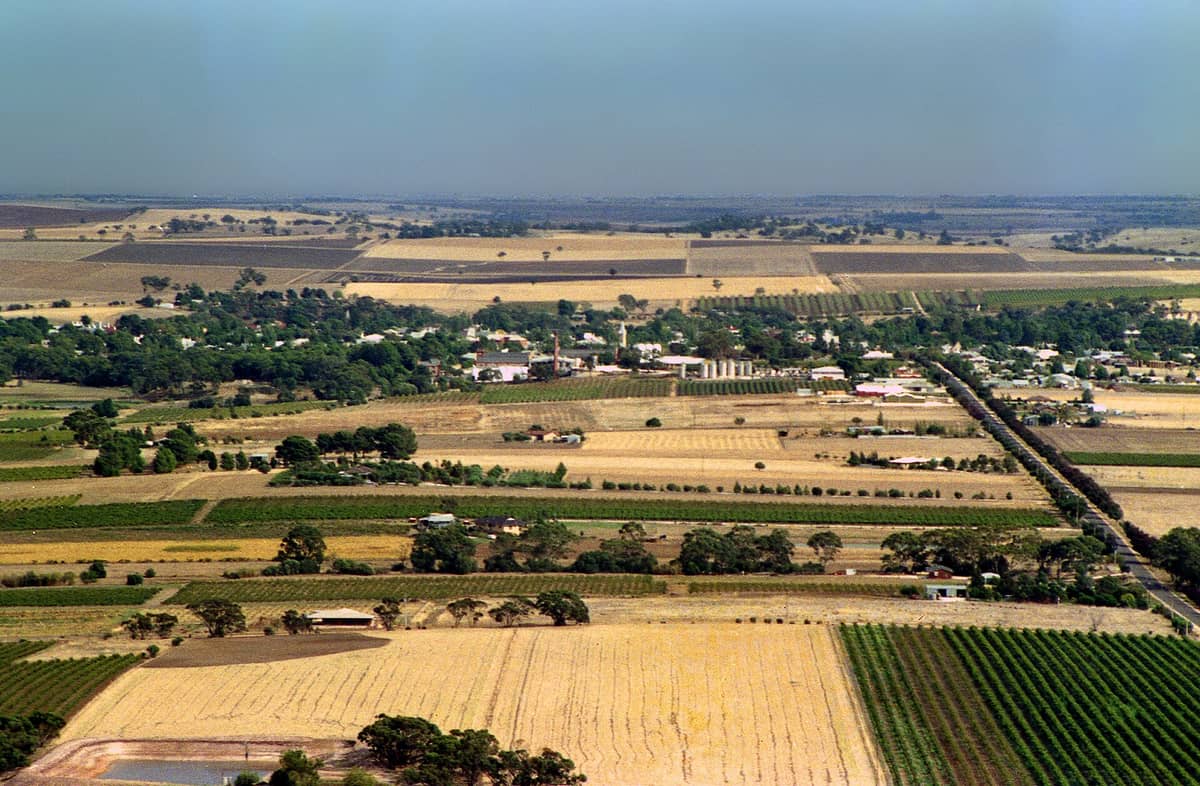
Understanding the regional differences is the first step to choosing where to spend your time. Each area has a distinct climate, soil type and set of varieties it does better than anywhere else.
- Barossa Valley (approx. 70 km north of Adelaide, about 1 hour) Australia's most famous red wine region. Warm, dry continental climate. Old-vine Shiraz and Grenache are the headliners, with some Cabernet Sauvignon and Riesling. A number of Barossa vineyards hold vines over 100 years old — genuinely rare by global standards.
- McLaren Vale (approx. 40 km south, about 40 minutes) Closest of the major red wine regions to the city. Mediterranean climate influenced by Gulf St Vincent. Shiraz is king but Cabernet Sauvignon, Sangiovese and Tempranillo also perform well. The olive groves and almond orchards between vineyards add to the visual appeal.
- Adelaide Hills (approx. 20–40 km east, about 30–40 minutes) The coolest of the four, sitting at elevations of 400–700 metres on the Mount Lofty Ranges. Pinot Noir, Chardonnay and sparkling wines are the strengths. Sauvignon Blanc and Pinot Gris also appear frequently. A sharp contrast in style to the Barossa and McLaren Vale.
- Clare Valley (approx. 130 km north, about 1 hour 45 minutes) The furthest option but worth the drive for Riesling fans. Clare's Rieslings are some of the most age-worthy in Australia, often showing lime, slate and floral notes when young, then developing toast and honey over time. Shiraz and Cabernet Sauvignon also do well here.
ℹ️ Good to know
Travel times listed here are approximate from central Adelaide and assume normal traffic conditions. Actual drive times vary depending on your departure point, roadworks and the specific winery destination within each region. Always allow extra time, especially on weekend mornings when wine country traffic increases.
Navigating Cellar Doors: What to Expect
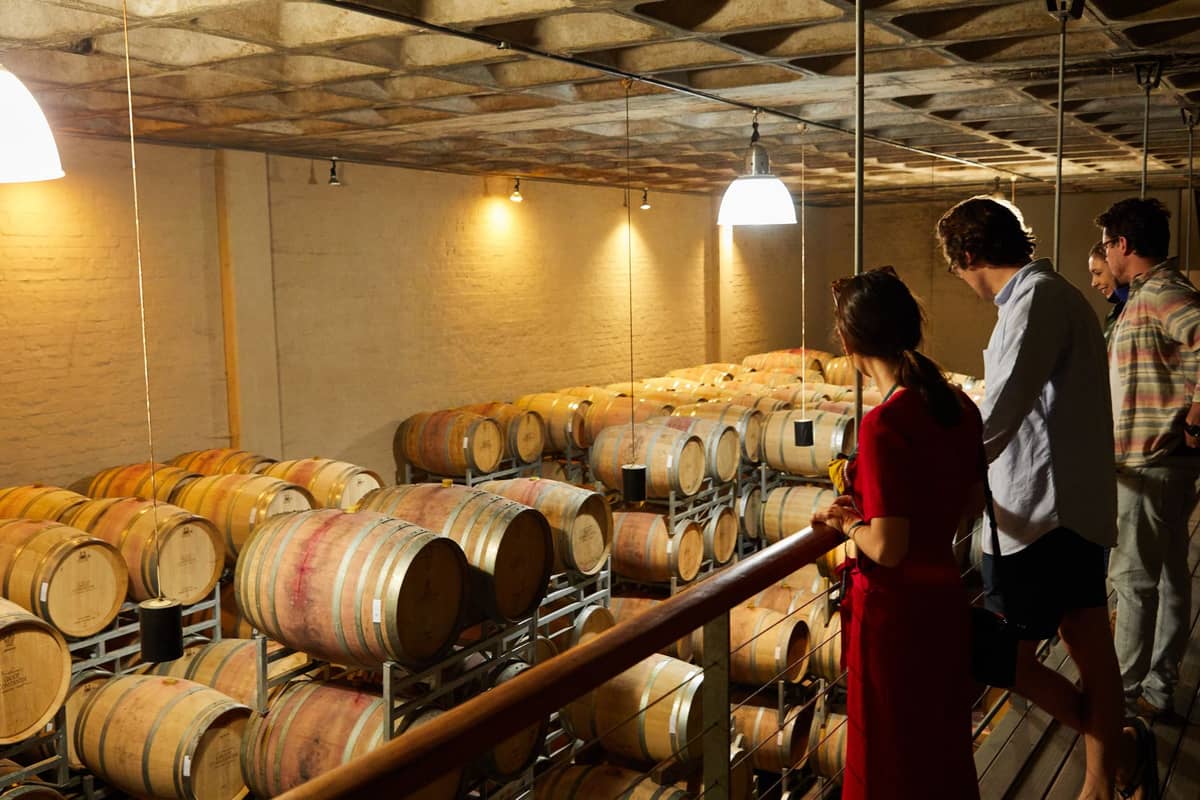
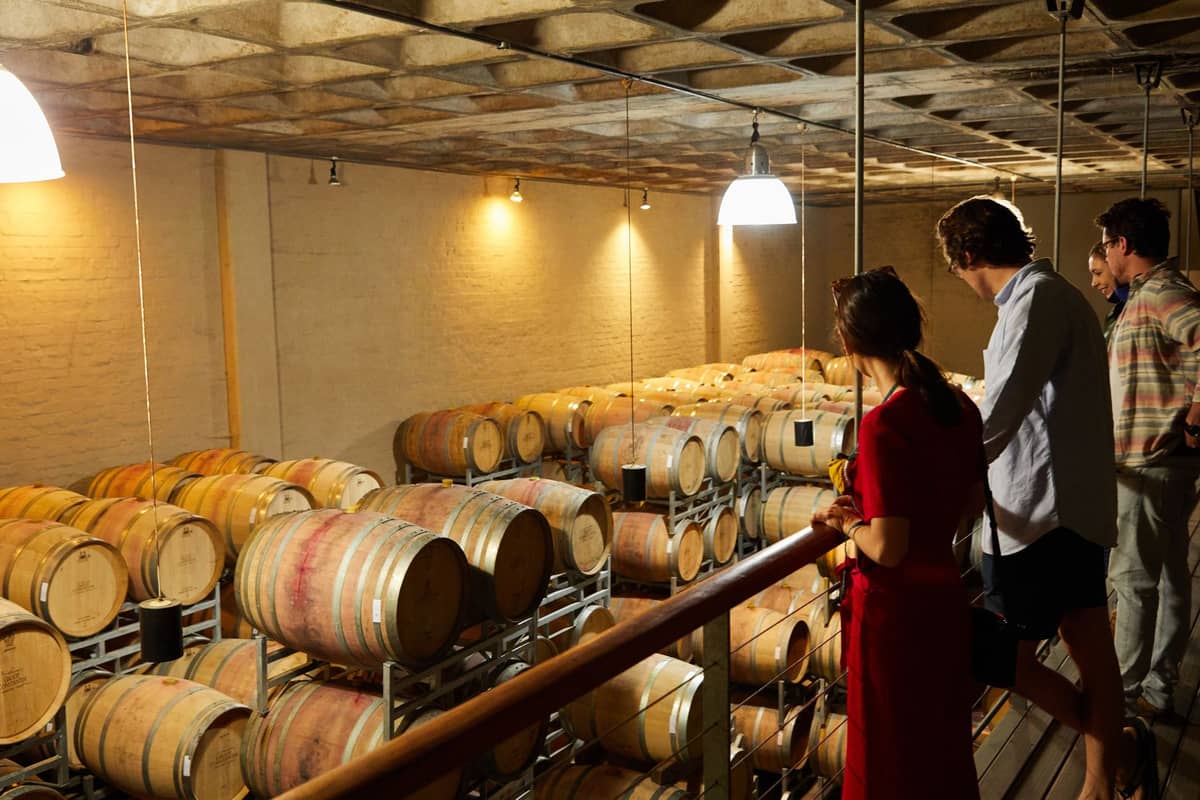
A cellar door visit is not just tasting wine at a counter. Increasingly, South Australian producers use their cellar doors as full hospitality venues, with food matching menus, educational tours, barrel room experiences and seated tasting flights. The gap between a walk-in tasting at a small family producer and a booked experience at a prestige estate can be substantial, both in format and cost.
Tasting fees are not standardised. Some producers, like Kies Family Wines in the Barossa, offer complimentary tastings for most wines, with a fee only for premium selections. Others charge a flat fee per person, which is typically waivable with a purchase. Prestige estates and those with seated degustation experiences charge more, sometimes AUD 30–80 per person for a formal tasting. Always check the winery's website before visiting.
- Book ahead on weekends and public holidays — popular cellar doors in the Barossa and McLaren Vale fill up quickly and some are appointment-only.
- Arrive before the listed closing time. Many cellar doors stop admitting new visitors 30–60 minutes before they close.
- Spitting is normal and accepted at professional tastings — no one will judge you for using the dump bucket.
- Ask questions. Cellar door staff generally have detailed knowledge of the vintage, winemaking techniques and ageing potential of each wine.
- Buying a bottle or two is the polite norm when a tasting fee has been waived, but it is not obligatory.
If you want a broader overview of South Australian wine culture in the city itself before heading out to the regions, the National Wine Centre of Australia on North Terrace has a self-guided interactive exhibition and a tasting room with wines from across the state. It is a practical first stop, particularly for visitors arriving early in a trip who want context before committing to day trips.
Touring Options: Self-Drive, Guided Tours and Public Transport
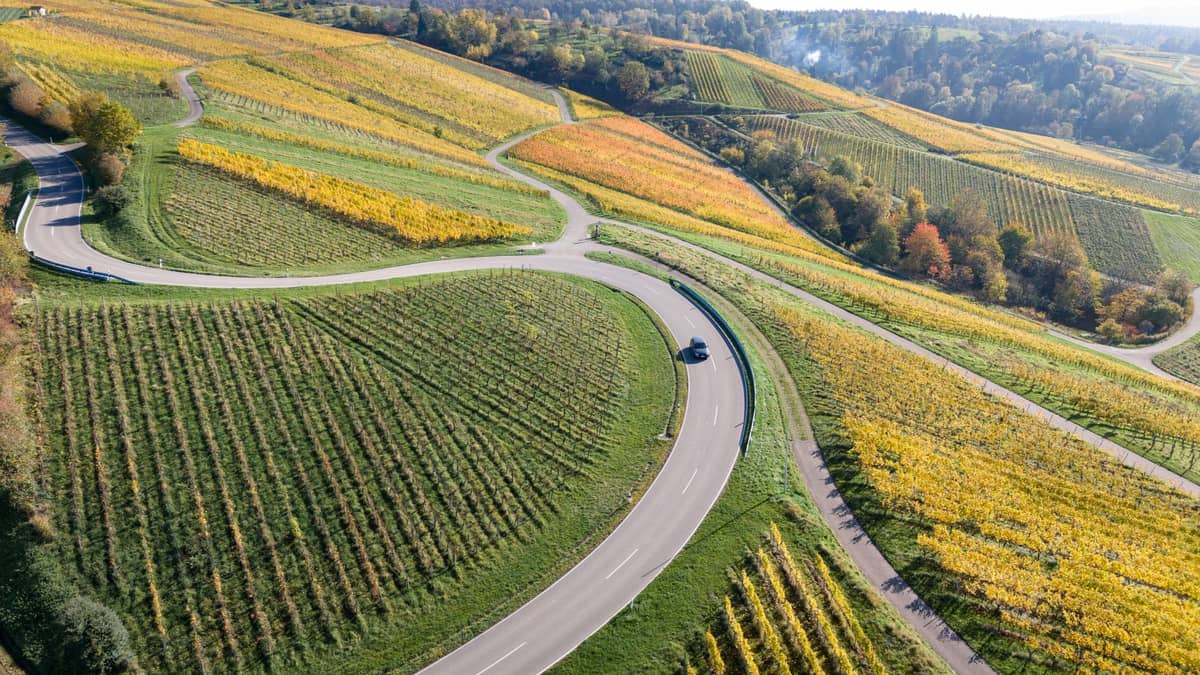
The self-drive option is straightforward if you have a designated driver or are planning to spit consistently. Renting a car from Adelaide Airport or the CBD gives you maximum flexibility over your itinerary. Roads throughout the Barossa, McLaren Vale and Adelaide Hills are well-sealed and clearly signposted. Parking at cellar doors is almost universally free.
Guided wine tours from Adelaide are numerous, ranging from small-group minibus experiences to private chauffeured tours. These typically run full-day, departing around 9–10am and returning to the city by 5–6pm, covering three to five cellar doors. Prices for guided tours vary widely, generally from around AUD 100 to AUD 250 per person depending on what is included. The advantage beyond the driving question is that guides often secure access to producers not open for walk-in tastings.
Public transport to wine regions is limited. The Adelaide Metro network does not reach the Barossa Valley or McLaren Vale cellar doors directly. Some regional bus services exist but are not designed for wine touring itineraries. For those without a car, a guided tour or rideshare arrangement is the practical solution. For more detail on getting around the broader region, see the getting around Adelaide guide.
✨ Pro tip
Midweek visits to Barossa and McLaren Vale cellar doors are noticeably quieter than weekends. Staff have more time to talk through the wines, and you will often taste from bottles opened specifically for you rather than samples poured from a decanter that has been open since morning.
Seasonal Considerations: When to Visit
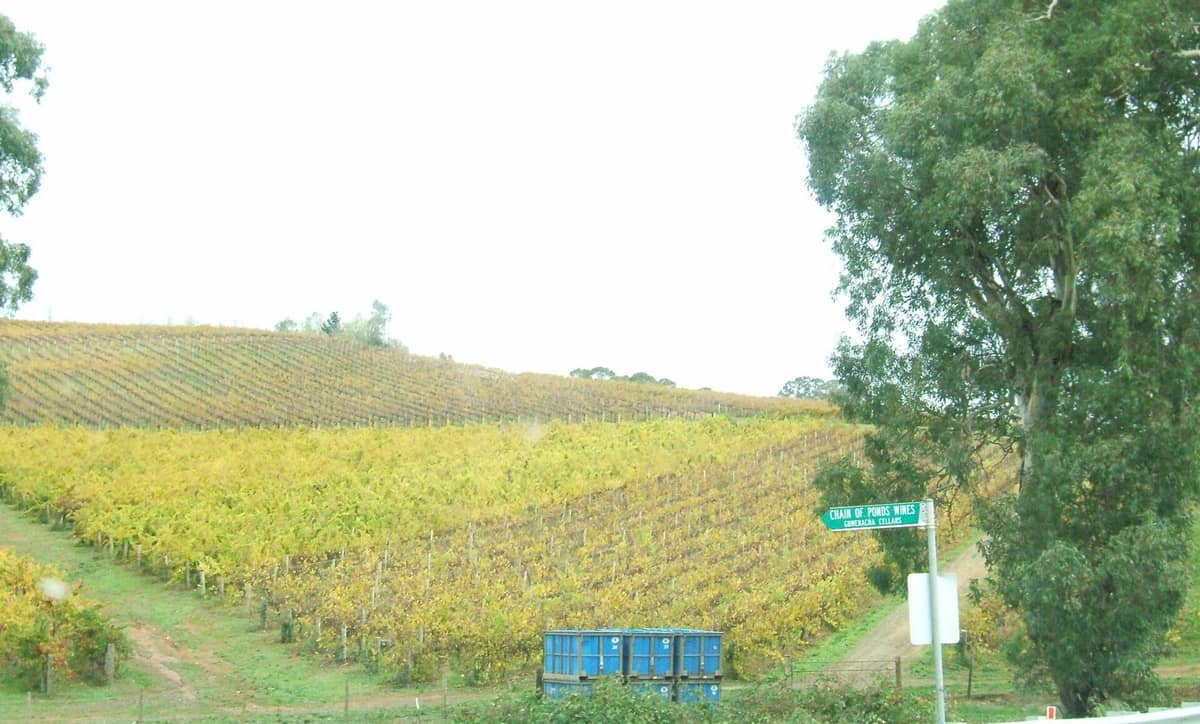
Adelaide has a Mediterranean climate, with hot, dry summers and cooler winters. That pattern shapes the wine tourism calendar in important ways. For general trip planning, the best time to visit Adelaide guide covers seasonal trade-offs in more detail, but the wine-specific notes below are worth understanding on their own.
- Autumn (March to May) Harvest season across most regions. Vineyards are at their most photogenic and cellar doors are busy with activity. This is peak wine tourism season, so book everything in advance. Temperatures are mild after the summer heat eases.
- Winter (June to August) The quietest period for cellar doors. Some smaller producers reduce hours or close entirely. However, those that stay open often offer their most relaxed, unhurried experiences. Rain is more frequent but rarely severe.
- Spring (September to November) Vines are shooting and flowering. Cellar doors reopen fully and the landscape is green before summer dries everything out. A good shoulder-season option with reasonable crowds and comfortable temperatures.
- Summer (December to February) Heat can be extreme in the Barossa and McLaren Vale, sometimes exceeding 40°C. Drive times and tasting room comfort are affected. Adelaide Hills is cooler at elevation. Always check forecast before departing and carry water.
Harvest timing is not the same across all regions or all varieties. In a warm year, Barossa Shiraz harvest might begin in February; in a cool year it can stretch into late April. The Adelaide Hills, being cooler, picks later than the valley floors. Confirm event dates and special seasonal experiences directly with individual wineries before making plans.
Pairing Wine Regions with Other Adelaide Experiences
Wine touring and food go together naturally in South Australia. McLaren Vale sits close enough to the coast that you can combine a cellar door morning with lunch at a beach town or a visit to McLaren Vale village itself, which has a strong food and produce scene. The Barossa Valley has a German settler heritage that still shows in its smallgoods, bakeries and food traditions, making it more than a pure wine destination.
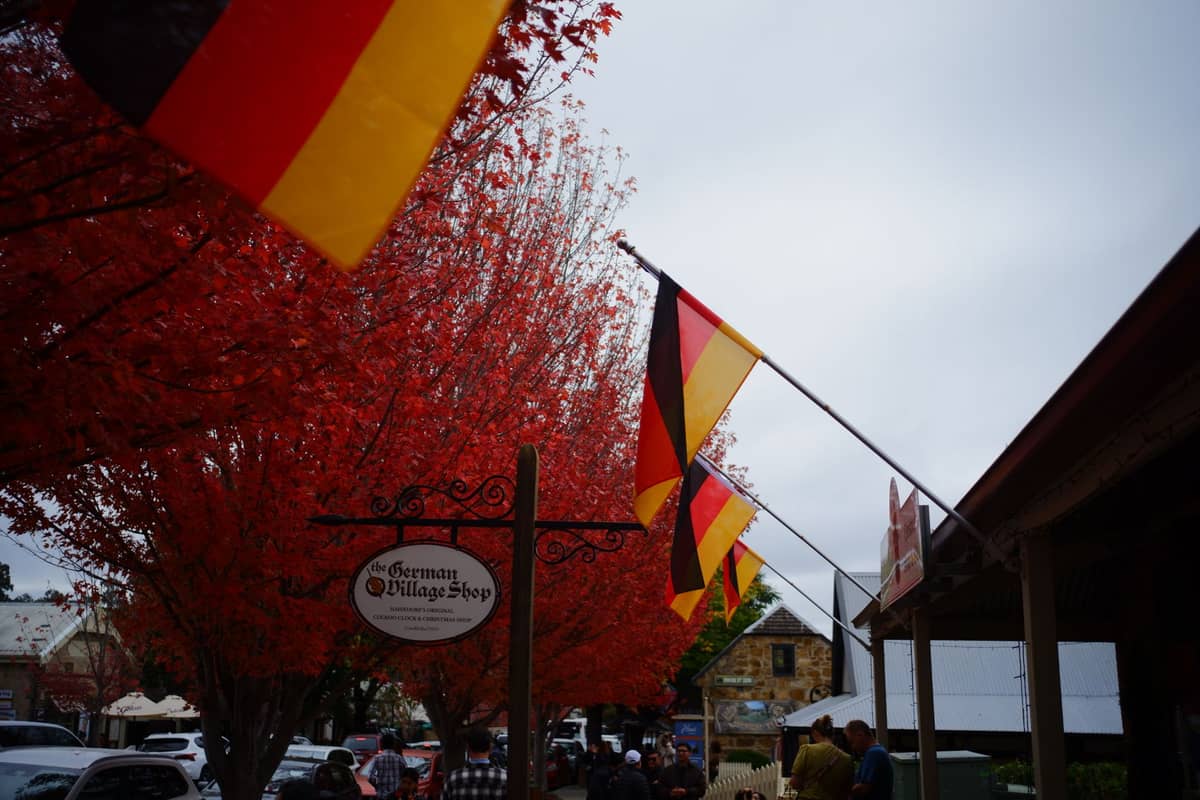
The Adelaide Hills combines well with a stop at Hahndorf, the historic German settlement that sits on the main tourist route into the hills. It is genuinely worth a short stop rather than a rushed drive-past, though the main street can get crowded on long weekends. For walkers, the hills also offer access to trails that connect wine country with conservation areas.
Back in the city, the Adelaide Central Market is an excellent place to stock up on South Australian produce and local wines before or after a regional trip. Many stalls carry bottles from smaller producers that do not have wide retail distribution, and it is one of the better places to get honest, informal recommendations from people who actually sell the wines.
If your trip includes more than a few days and you want to build a fuller itinerary around wine and food, the one-week Adelaide itinerary integrates regional day trips with city-based experiences in a practical sequence.
FAQ
Which wine region is closest to Adelaide?
Adelaide Hills is the closest, sitting around 20 to 40 kilometres east of the city centre and reachable in roughly 30 to 40 minutes by car. McLaren Vale is the next closest at about 40 kilometres south. Both are feasible as half-day trips, though a full day allows more time at cellar doors.
Do I need to book cellar door tastings in advance?
It depends on the winery and the day. On weekends and public holidays, many popular cellar doors in the Barossa and McLaren Vale fill quickly, and some require reservations for all visitors. Weekday visits are generally more flexible. Always check the winery's website for current booking requirements before setting off.
What is the best wine region near Adelaide for first-time visitors?
McLaren Vale is often the most practical starting point: it is the closest major red wine region, has a good range of cellar door experiences at different price points, and the area around the village is pleasant for lunch. The Barossa is Australia's most iconic wine region and worth the extra drive, particularly for Shiraz and Grenache, but it works better as a full day.
Can I visit Adelaide wine regions without a car?
Not easily. Public transport does not reach most cellar doors in the Barossa, McLaren Vale or Clare Valley. Guided wine tours from Adelaide are the most practical car-free option, and they range from group minibus tours to private chauffeured experiences. Some rideshare services extend to regional areas but the cost for a full day would be significant.
What time of year is harvest in South Australian wine regions?
Harvest generally runs from February through April, varying by region, variety and vintage conditions. Warmer valley regions like the Barossa tend to pick earlier; cooler areas like Adelaide Hills pick later. This period is the most active time at wineries but also the busiest for visitors. Confirm specific dates with individual wineries, as no single harvest calendar applies across all 18 South Australian wine regions.
Tickets & tours
Live prices and dates from our booking partner. If you book, we may earn a commission at no extra cost to you.
Planning a trip? Discover personalized activities with the Nomado app.