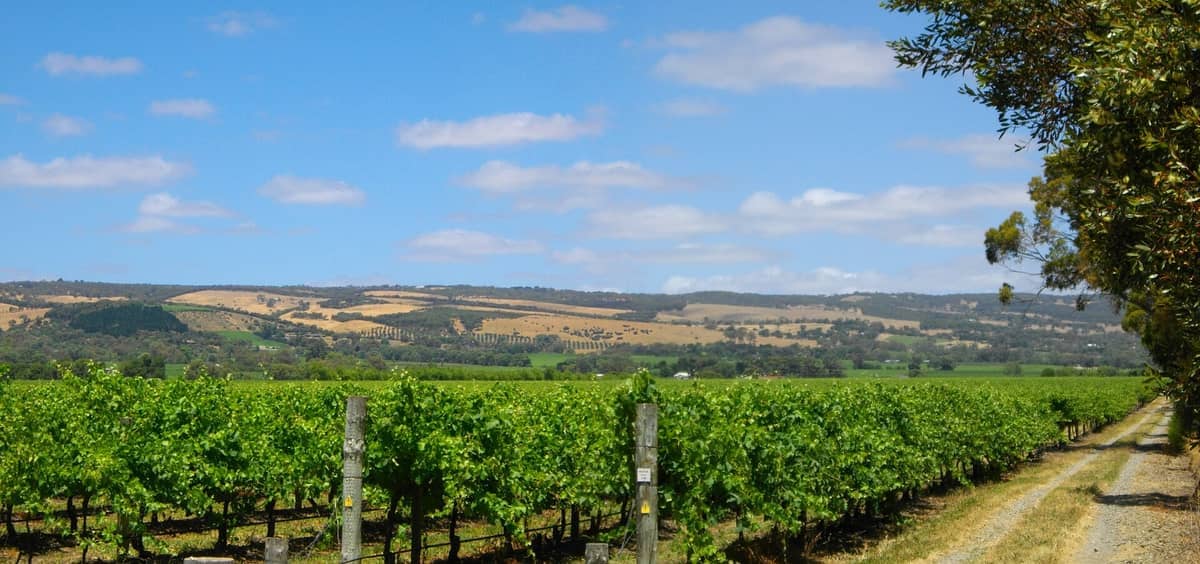
McLaren Vale is South Australia's most accessible wine region, sitting about 40 kilometres south of Adelaide in a landscape of red-soil vineyards, olive groves, and low ridgelines. The town itself is compact and unhurried, but the surrounding region packs in over 80 cellar doors, serious food, and one of Australia's most photographed winery buildings. It rewards a full day at minimum and justifies an overnight stay.
McLaren Vale is where Adelaide's food and wine culture reaches its fullest expression: a working agricultural landscape of Shiraz vines and olive groves that spills down toward the Fleurieu Peninsula, with cellar doors ranging from ramshackle farm sheds to architectural showpieces. It sits close enough to the city for a day trip but has enough depth to keep you there for days.
Orientation
McLaren Vale sits in the City of Onkaparinga local government area, roughly 40 kilometres south of Adelaide's CBD via the Southern Expressway. The town itself is centred on Main Road, a single main street with a visitor centre, cafes, bottle shops, and a handful of restaurants. But the town is almost incidental to the wider region: the vineyards and cellar doors spread across a broad bowl of land bounded by the Onkaparinga River to the north, the Willunga Escarpment to the east, and the Gulf St Vincent coastline a few kilometres to the west.
The regional visitor centre is located at 796 Main Road and functions as a practical first stop if you're navigating the area without a plan. The surrounding locality is bounded by Quarry Road and Old Noarlunga to the north, a series of rural roads including Amery and Foggo to the east, and Victor Harbor Road and Main South Road to the west. Understanding this geography matters because the wineries are spread across several kilometres of rolling countryside, and many visitors underestimate how much ground they need to cover.
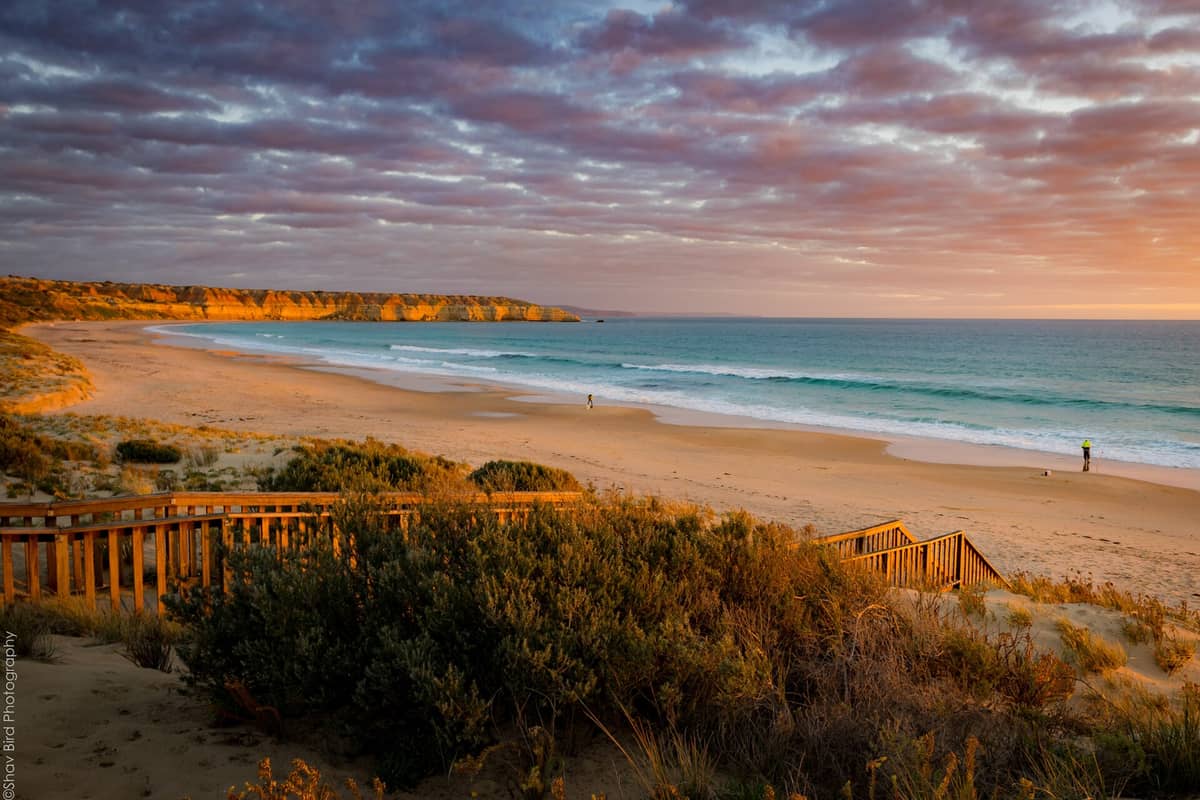
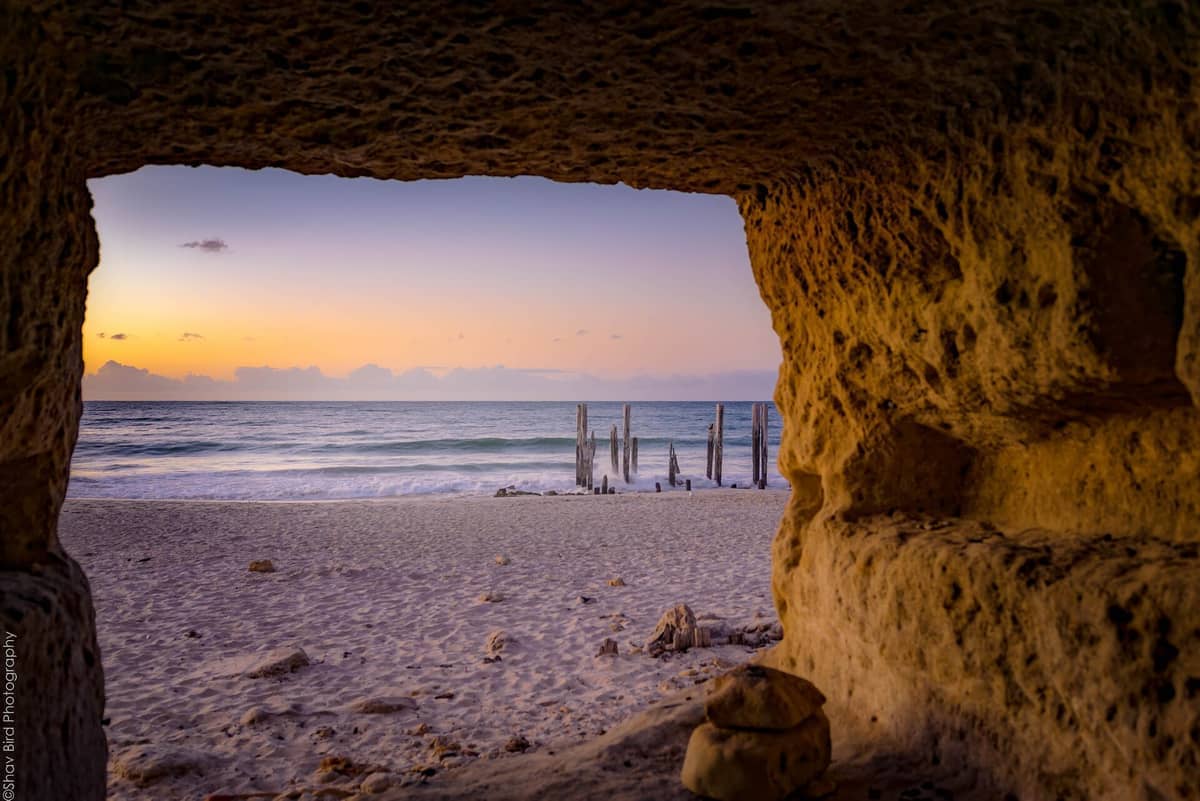
McLaren Vale connects naturally to day trips toward the Fleurieu Peninsula and the coast. The beach at Port Willunga is about 10 minutes west by car, and the town of Willunga is a short drive southeast. For those building a broader South Australian itinerary, the region pairs well with the Onkaparinga River National Park to the north, and fits logically into a route down toward the southern peninsula.
Character & Atmosphere
Early mornings in McLaren Vale have a specific quality: the vineyards catch the low light at an angle that turns the red loam soil almost copper, and the only sounds are birdsong and the occasional farm vehicle moving along a gravel track. The town wakes slowly. Cafes on Main Road begin filling around 8am with a mix of locals, vineyard workers finishing an early shift, and overnight visitors working out their cellar door schedule over coffee.
By mid-morning, the rhythm shifts. Weekends especially draw a steady stream of visitors from Adelaide, many arriving in small groups by car, some on organised wine tours. The cellar doors that are open by 10am begin to fill, and the pace of Main Road picks up noticeably. This is when the region feels most like a tourist destination rather than a working wine country town, and the contrast can be jarring if you were expecting something quieter.
Afternoons settle into a relaxed rhythm driven entirely by food and wine. The light softens across the vines around 3pm, and many cellar doors encourage visitors to linger. By late afternoon, the day-trippers from Adelaide begin filtering back toward the freeway, and the town quiets considerably. Evenings are unhurried and genuinely local in character, especially midweek. There is no nightlife to speak of, which is either a drawback or the whole point, depending on what you're after.
💡 Local tip
Visit on a weekday if possible. Weekend crowds at popular cellar doors can mean long waits and a more commercial atmosphere. Midweek, many wineries operate with smaller staff and offer a more personal tasting experience.
What to See & Do
The d'Arenberg Cube is the region's defining landmark: a five-storey, puzzle-cube-shaped building set among the Chester Osborn vineyard on Osborn Road. It contains tasting rooms, a restaurant, a sensory maze, and a collection of surrealist art. Whatever you think of the aesthetics, it is genuinely unusual and worth visiting even if your interest in wine is limited. Book in advance, particularly for the restaurant, and allow at least two hours.
Beyond the Cube, the region has over 80 cellar doors, ranging from large commercial operations to tiny family-run vineyards where the winemaker pours your glass personally. The grape varieties that define McLaren Vale are Shiraz and Grenache, though Cabernet Sauvignon, Sangiovese, and white varieties including Fiano and Vermentino are increasingly prominent. The soils here, a mix of ironstone and ancient sea floor, produce wines with a distinctive dark-fruit character that wine professionals often describe as a regional fingerprint.
The region also has strong connections to cycling. The Shiraz Trail is a dedicated cycling path that runs approximately 7 kilometres between McLaren Vale and Willunga through vineyard country. Bikes can be hired from the town. For those interested in the wider natural landscape, the Onkaparinga River National Park is accessible from the northern boundary of the region and offers gorge walks and birdwatching with almost no crowds on weekdays.
d'Arenberg Cube: book ahead for restaurant and tasting experiences
Shiraz Trail cycling route: approximately 7 km between McLaren Vale and Willunga
Regional cellar doors: from boutique family vineyards to estate wineries
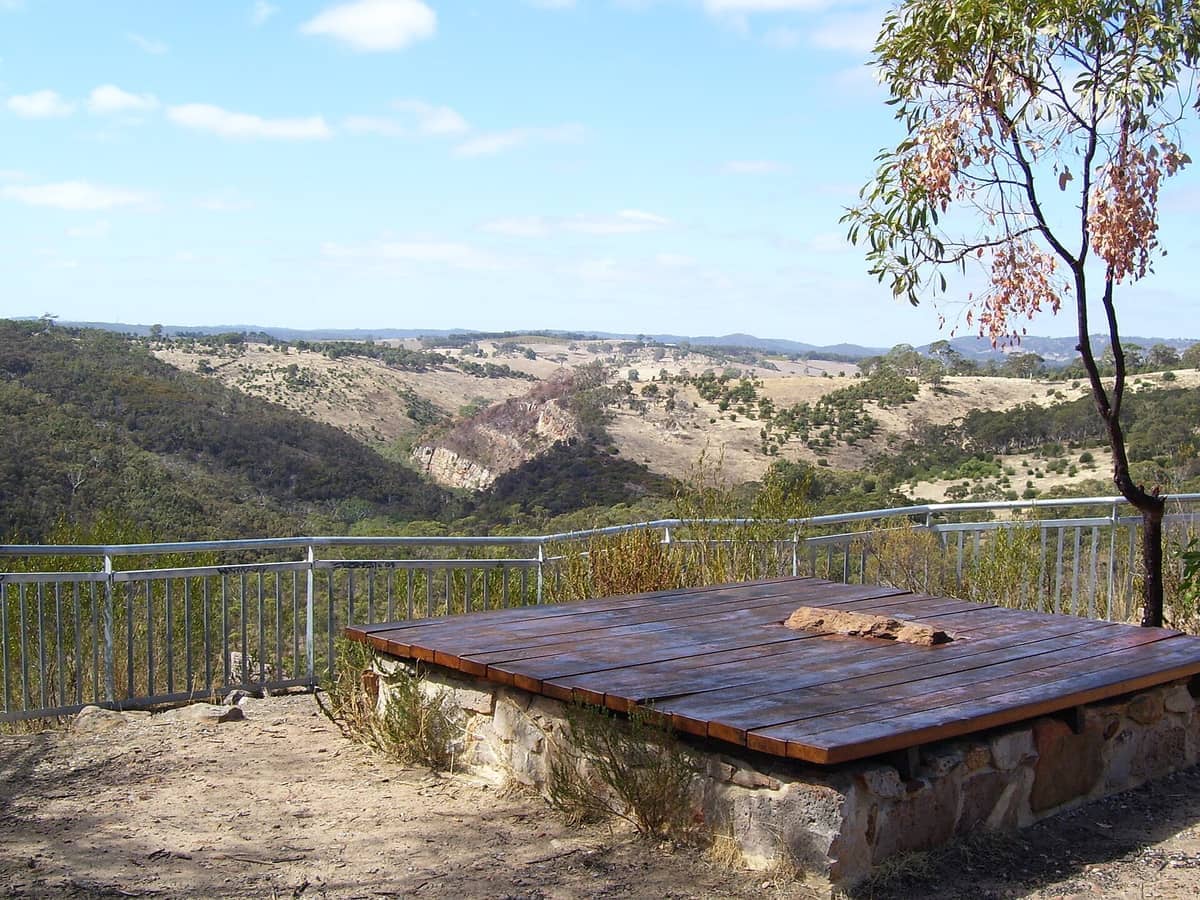
Onkaparinga River National Park: gorge walks on the northern boundary
Port Willunga Beach: 10 minutes west for swimming and clifftop views
McLaren Vale & Fleurieu Coast Visitor Centre: free maps and itinerary help at 796 Main Road
If you want to understand how McLaren Vale fits into South Australia's wider wine culture, the National Wine Centre of Australia in Adelaide's CBD provides useful context before or after your visit. And for a comparison with the state's other flagship wine region, a side trip to the Barossa Valley makes for a compelling contrast in landscape, grape variety, and winery style.
Eating & Drinking
Food in McLaren Vale punches significantly above what you'd expect from a small regional town. The combination of wine tourism dollars, proximity to fresh produce from the surrounding Fleurieu Peninsula, and a community of chefs who have chosen to leave city kitchens has produced a food scene that is genuinely worth travelling for.
Main Road in the town centre has a good range of cafes for breakfast and lunch, most of them relaxed and family-friendly. The style leans toward contemporary Australian: seasonal produce, local suppliers named on the menu, wood-fired options alongside more straightforward cafe food. Prices are moderate to slightly elevated by regional standards, reflecting the tourism premium.
Winery restaurants are where the serious eating happens. Several cellar doors operate full kitchen services, with menus that prioritise matching food to their estate wines. Bookings are strongly recommended for winery lunches on weekends, particularly from October through April when the weather draws the largest crowds. The d'Arenberg Cube restaurant is the most prominent, but several smaller estate dining rooms offer quieter, equally serious meals.
For context on what South Australian produce and food culture looks like at the market level, it's worth reading the Adelaide food market guide before your trip. And if wine is the primary focus, the Adelaide wine guide covers the regional distinctions between McLaren Vale, the Barossa, and Clare Valley in more detail.
ℹ️ Good to know
McLaren Vale produces some of Australia's most acclaimed Shiraz and Grenache. When tasting, ask cellar door staff about the specific sub-region or soil type of each wine. The variation across even a small area can be significant and instructive.
Getting There & Around
The Southern Expressway makes driving from Adelaide straightforward: allow around 40 minutes from the CBD in light traffic. A car is by far the most practical way to explore McLaren Vale because the cellar doors are spread across several kilometres of rural roads, and walking between them is not realistic. If you plan to drink, a designated driver or an organised tour is essential.
Public transport exists but requires patience. The Adelaide Metro rail network runs to Seaford station, from which bus 751 connects to McLaren Vale township. The train journey to Seaford takes around 45 minutes from Adelaide CBD, and the bus adds further time, so allow up to 90 minutes total. Buses run at limited frequency, and the last service back to Seaford may be earlier than you expect, so check the current Adelaide Metro timetable carefully before relying on this route.
Once in the town, the Shiraz Trail cycling path is a practical option for reaching wineries between McLaren Vale and Willunga. Bike hire is available locally. For wineries further afield across the region, taxis and rideshare services operate but can have variable wait times, particularly on weekends. Several Adelaide-based tour operators run day trips to McLaren Vale with wine tasting included and transport to multiple cellar doors, which removes both the logistics and the designated-driver problem.
⚠️ What to skip
Take care on McLaren Vale's rural roads. Some four-way intersections have historically had crash risks, and the City of Onkaparinga has noted ongoing road safety work in the area. Drive to the conditions, observe posted speed limits, and allow extra time on unfamiliar gravel tracks between wineries.
For full guidance on navigating Adelaide and surrounding regions by public transport, car, and rideshare, the getting around Adelaide guide covers practical options in detail.
Where to Stay
Staying overnight in McLaren Vale rather than day-tripping from Adelaide transforms the experience. The evening light across the vineyards, the stillness after 5pm when most day visitors have left, and the ability to visit cellar doors without a return deadline make an overnight stay well worth the additional cost.
Accommodation options range from vineyard cottages and self-contained farmhouses to boutique guesthouses on the edge of the township. The best options tend to be booked well in advance, particularly during harvest season (February to April) and the annual Sea and Vines Festival in June. Willunga, a short drive southeast, offers additional accommodation in a quieter setting.
If you prefer to base yourself in Adelaide and day-trip to McLaren Vale, the where to stay in Adelaide guide covers the city's neighbourhoods in detail and can help you choose a base with easy freeway access for the drive south.
Practical Tips & Timing
McLaren Vale follows South Australia's Mediterranean climate pattern: hot, dry summers and cool, wetter winters. The most comfortable visiting period is March to May, when the harvest brings activity to the vineyards, temperatures ease from the summer peaks, and the vines turn amber and red. Spring, from September to November, is also excellent. Summers can reach and exceed 35°C, which makes extended cellar door crawls uncomfortable and means some wineries limit their outdoor offerings.
The Feast! Food and Wine Festival and the Sea and Vines Festival (Fleurieu Peninsula in June) are the region's flagship events and draw significant visitor numbers. If you want a quieter experience, avoid long weekends throughout the year. Midweek visits in shoulder season offer the best balance of open cellar doors and relaxed atmosphere.
For broader South Australian festival context, including events that overlap with wine region visits, the Adelaide festivals guide is a useful planning reference. And if this is part of a longer South Australian trip, day trips from Adelaide covers how McLaren Vale fits alongside other regional options including the Barossa Valley, Adelaide Hills, and Kangaroo Island.
TL;DR
McLaren Vale is a working wine region about 40 km south of Adelaide, best explored by car over at least a full day.
Shiraz and Grenache are the regional specialties; the d'Arenberg Cube is the most distinctive single attraction, but boutique cellar doors offer the most personal experiences.
Food quality is high, particularly at winery restaurants; book ahead for weekend lunches between October and April.
Public transport to the area is possible via train to Seaford and bus 751, but frequency is limited and the wineries are too spread out to explore without a car or bike.
Best suited to wine lovers, food-focused travellers, and couples looking for a relaxed but high-quality day trip or short stay from Adelaide.
Three days is enough time to get a genuine feel for Adelaide, from its North Terrace cultural corridor and Central Market to coastal beaches and the Adelaide Hills. This itinerary cuts through the noise and gives you a day-by-day plan that locals would actually approve of.
Adelaide sits on the traditional lands of the Kaurna people, one of the oldest continuous cultures on Earth. This guide covers the key places, experiences, and context you need to engage meaningfully with Aboriginal culture and heritage across the city.
Adelaide is one of Australia's busiest festival cities. From one of the world's largest open-access arts festivals to a globally respected world-music event, this guide covers the major dates, ticket prices, crowd warnings, and practical logistics.
Adelaide has a concentrated, high-quality food-market scene. Whether you're after fresh produce, artisan cheeses, or a weekend breakfast ritual, this guide covers the city's top markets, their hours, and how to get the most out of each visit.
Adelaide rewards couples with an extraordinary range of romantic experiences: coastal sunsets, world-class wine country, historic gardens, and intimate cultural corners. This guide covers the best of them, from the Adelaide Hills to the foreshore.
Adelaide Fringe is the world's second-largest arts festival, running across February and March each year. This guide covers dates, ticketing, venues, getting around, what to expect from the heat, and practical tips that turn a good trip into a great one.
Adelaide sits on the doorstep of some of South Australia's finest walking country. These are the best hikes near Adelaide, from a quick gorge walk 10km from the CBD to long-distance trail sections through the Mount Lofty Ranges.
Adelaide offers high-end wine, dining, and tours without east-coast price inflation. This guide covers premium experiences and neighbourhoods — with a clear view of what's worth the spend and what to skip.
Adelaide's nightlife is smaller than the east-coast capitals but easier to navigate. From Hindley Street live music to East End craft-beer bars and late-night clubs, this guide covers the best spots, realistic prices, and practical logistics.
Adelaide is one of Australia's more affordable capitals. From the free city tram zone and produce markets to no-cost museums and parklands, this guide covers how to stretch your AUD further.
Seven days is enough time to experience Adelaide's food and culture, drive through two wine regions, explore the Adelaide Hills, and reach Kangaroo Island. This guide breaks it down day by day with logistics, timing, and no filler.
Adelaide is a stronger shopping destination than many visitors expect. From a Victorian-era arcade and a major fresh market to independent boutique strips and creative food halls, this guide covers where to shop, browse, and buy.
Adelaide's West End is the city's most culturally layered precinct, anchored by a 155-year-old food market and surrounded by a dense concentration of bars, live music venues, theatres, and independent restaurants. This guide covers what to eat, where to drink, what to see, and how to plan your visit.
South Australia is unusually rich in accessible wildlife. From holding a koala in the Adelaide Hills to watching wild sea lions on Kangaroo Island, these are the best animal encounters the region has to offer, ranked so you can plan the trip.
Adelaide sits at the centre of one of the world's great wine landscapes. This guide breaks down the closest regions, what each grows best, how far they are from the city, and what to know before you visit a cellar door.
Adelaide is one of Australia's most family-friendly cities, with free museums, wildlife parks, beaches, and outdoor adventures spread across the city and its surrounding hills. This guide covers the best things to do in Adelaide with kids, from toddlers to teenagers.
The Barossa Valley sits about 70 km northeast of Adelaide and packs world-class Shiraz, historic villages, and serious food into a single day. This guide covers every practical angle: how to get there, what to do, where to eat, and what most visitors get wrong.
Adelaide's coastline stretches along Gulf St Vincent with calm, warm water and a string of distinct beach suburbs, each with its own character. This guide covers the best beaches near Adelaide, from family-friendly foreshores to secluded clifftop bays worth the drive.
Adelaide has a concentrated museum culture for a city its size. This guide covers art, natural history, migration, railways, aviation, and living history, with practical details to help you plan your visit.
Adelaide's Mediterranean climate makes it approachable year-round, but the experience varies dramatically by season. This guide covers temperatures, rainfall, major events, crowd levels, and practical tips to help you choose the right time for your trip.
Adelaide rewards the curious with sweeping views from multiple angles: the Mount Lofty Ranges to the east, the Gulf St Vincent coast to the west, and a compact city skyline in between. This guide covers the best viewpoints in and around Adelaide, from iconic hilltop lookouts to waterfront vantage points and one genuinely thrilling rooftop climb.
Adelaide sits at the centre of one of Australia's most rewarding day-trip networks. Within two hours you can be walking among sea lions on Kangaroo Island, tasting century-old Tawny Port in the Barossa, or swimming below limestone cliffs on the Fleurieu Peninsula. This guide covers the best day trips from Adelaide, organised by region and type.
Adelaide has an unusually strong set of free attractions. From North Terrace museums to hilltop views, beaches, and one of Australia's finest botanic gardens, this guide covers the best no-cost experiences in the city and its surrounds.
Adelaide is one of Australia's most navigable cities, but knowing which services are free, when to walk versus drive, and how to reach the beaches and hills makes a real difference. This guide covers every transport option in practical detail.
Adelaide divides opinion. Some travellers find it a low-key, surprisingly rich destination. Others leave feeling underwhelmed. This guide breaks down exactly what Adelaide offers, who it suits, and what to realistically expect before you book.
Kangaroo Island is South Australia's most rewarding day trip or short break from Adelaide. This guide covers every way to get there, the best time to go, what to do once you arrive, and the practical details that most travel sites skip.
Adelaide offers more than its size suggests. This guide covers the city's best experiences across culture, food, nature, and day trips — plus a clear view of what's worth your time, what to skip, and how to get around without wasting money.
Adelaide rewards walkers more than almost any other Australian city. From the 19.5km Park Lands loop to a gentle stroll along the River Torrens or a gorge trail ending at a waterfall, these are the best walks in Adelaide for every pace and preference.
Adelaide is a serious food city. With nearby wine regions, a legendary central market, and a dining scene shaped by Greek, Italian, Vietnamese, and Chinese communities, knowing where and what to eat here makes a real difference.
Choosing where to stay in Adelaide shapes your entire trip. This guide breaks down every major neighbourhood by location, transport links, price range, and who it suits best — so you can book with confidence.