Where to Stay in Adelaide: The Complete Neighbourhood Guide
Choosing where to stay in Adelaide shapes your entire trip. This guide breaks down every major neighbourhood by location, transport links, price range, and who it suits best — so you can book with confidence.
Tickets & tours
Live prices and dates from our booking partner. If you book, we may earn a commission at no extra cost to you.
TL;DR
- The CBD is the most practical base: central, walkable, and well-connected to Adelaide Metro buses, trains, and trams.
- Glenelg suits beach lovers — a 25-minute tram ride from the city; read more in our Glenelg neighbourhood guide.
- North Adelaide offers a quieter, heritage-rich alternative to the CBD with walkable dining and the parklands on your doorstep.
- Budget travellers will find hostels and budget hotels mostly in the CBD and inner suburbs; beach options cost more.
- Book early during the Adelaide Fringe (February-March) and other major festivals — see our Adelaide festivals guide for key dates.
How Adelaide's Neighbourhoods Are Laid Out

Adelaide is a compact, flat city covering roughly 15.6 square kilometres in its central local government area. The CBD sits in a precise grid, surrounded on all sides by the Adelaide Park Lands, which act as a green buffer between the city centre and inner suburbs. The River Torrens bisects the city from east to west, separating the CBD from North Adelaide. This layout matters for accommodation decisions: the parklands create a physical gap between the CBD and inner suburbs, so distances that look short on a map can feel longer on foot at 35°C in January.
Adelaide Airport sits about 8 kilometres west of the city centre, making it one of Australia's closer city-airport combinations. Adelaide Metro buses connect the airport to the CBD, Glenelg, West Lakes, and Marion. The same contactless fare system applies across buses, trains, and trams — pay with a metroCARD, a contactless bank card, or the Buy & Go app. Rideshare (Uber operates here) and taxis are also available from the airport, with pickup zones clearly signposted at the terminal.
ℹ️ Good to know
Adelaide observes Australian Central Standard Time (ACST, UTC+9:30) and shifts to ACDT (UTC+10:30) during daylight saving time. Factor this in when coordinating check-in times with international flights.
The CBD: Best for First-Timers and Business Travellers
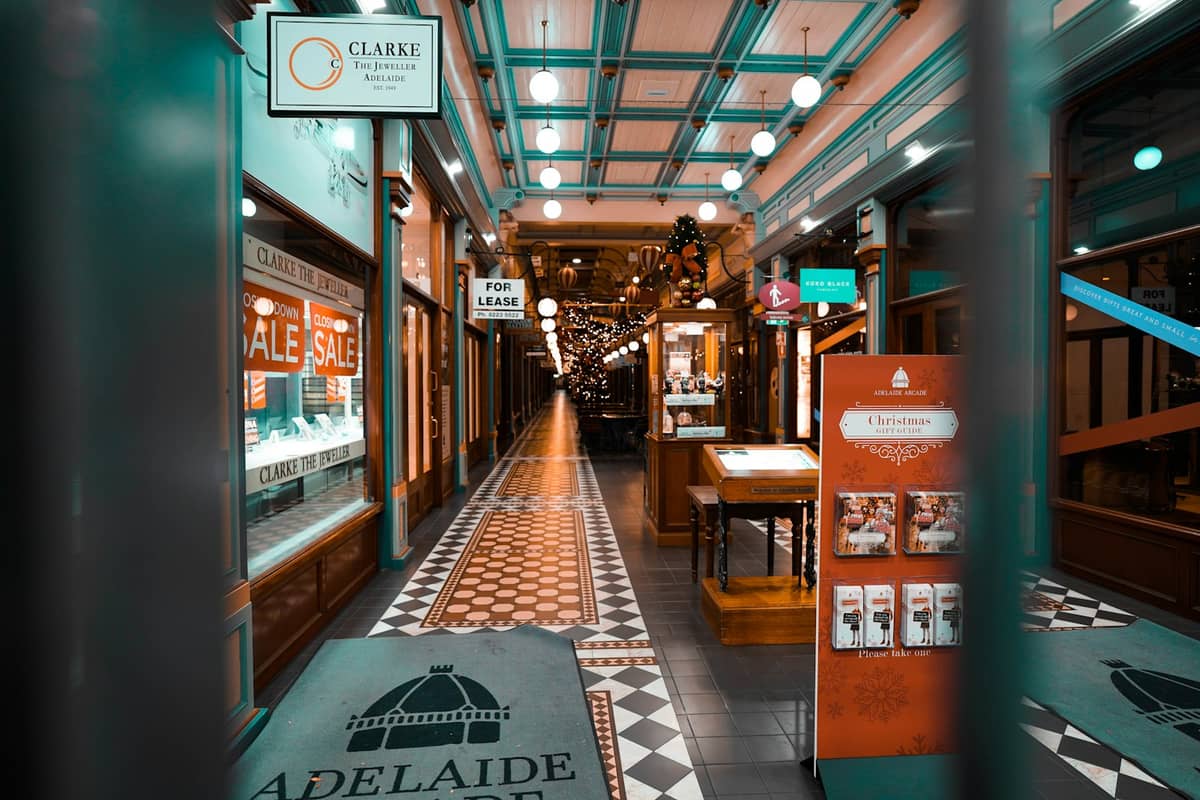
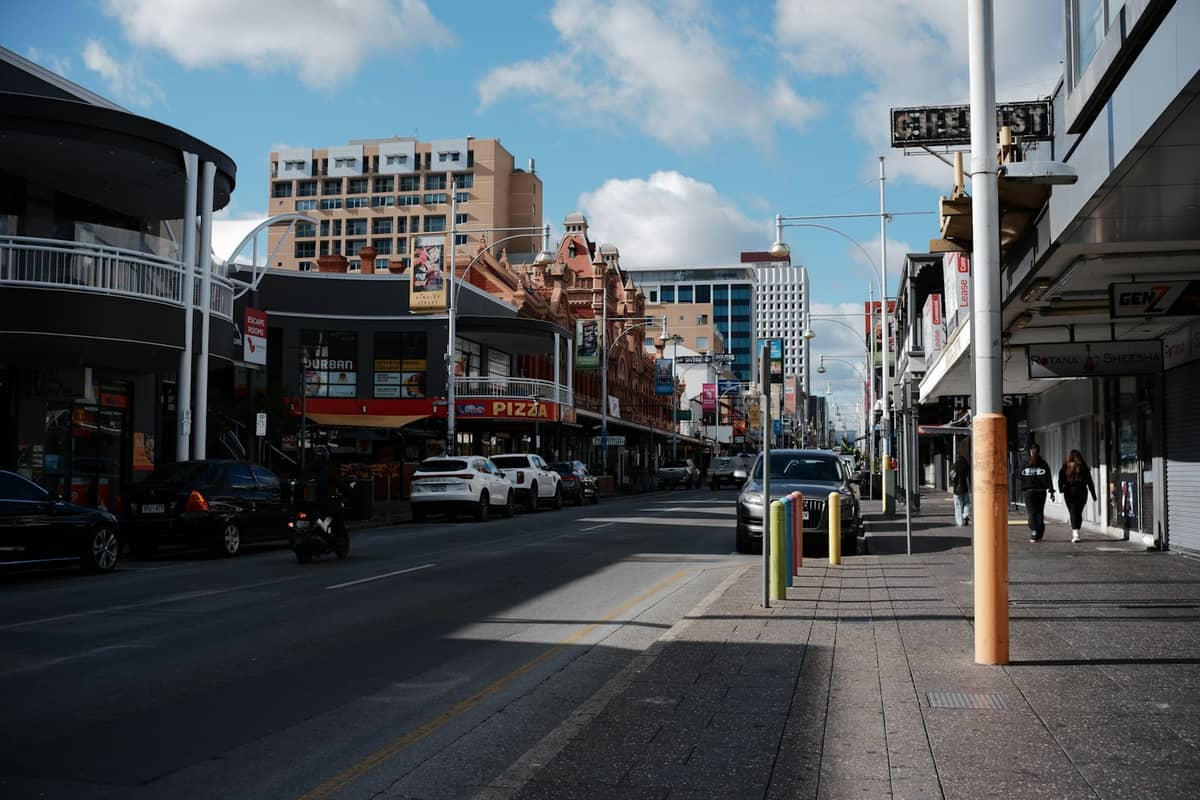
The Adelaide CBD is the default choice for most visitors, and for good reason. Staying here puts you within walking distance of Rundle Mall, the Adelaide Central Market, and the cultural strip along North Terrace. Every Adelaide Metro train and tram line passes through or near the CBD, making day trips to the hills, beaches, and wine regions straightforward.
The accommodation range in the CBD is broad: international hotel chains, boutique properties, serviced apartments, and backpacker hostels all compete for space here. That competition keeps prices relatively honest compared to Sydney or Melbourne equivalents. Mid-range hotels in the CBD typically run around $150-280 AUD per night for a standard room, though rates spike sharply during festival season, major sporting events at Adelaide Oval, and school holidays. Budget beds in shared dorms start around $30-45 AUD per night.
One honest drawback: the CBD quiets down significantly after business hours on weekdays. If you want atmosphere in the evenings without walking far, look for hotels on the eastern edge of the CBD near Rundle Street or Hutt Street, which have the strongest after-dark dining and bar scene. The western end of the CBD, while fine, is more commercial and less interesting to walk around at night.
⚠️ What to skip
Adelaide Fringe (late February to mid-March) and WOMADelaide (March long weekend) fill the city's hotels fast. Expect rates 40-80% above normal and limited availability within 6-8 weeks of the event. Book well ahead or look at Glenelg and North Adelaide as overflow options.
North Adelaide: The Understated Alternative
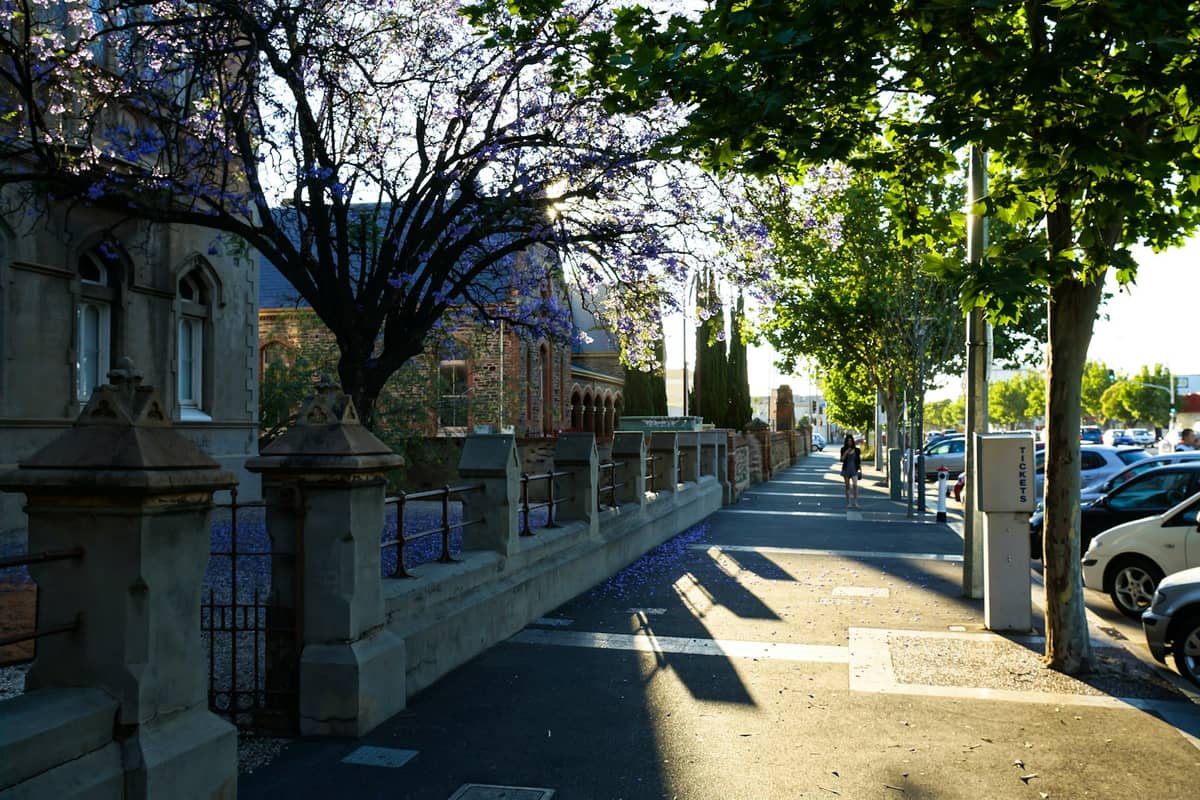
North Adelaide sits just across the River Torrens from the CBD, separated by parklands and a short walk or free City Connector bus ride. It has a distinctly residential character with wide tree-lined streets, bluestone heritage buildings, and a strong local dining scene concentrated on O'Connell Street and Melbourne Street. The St Peter's Cathedral anchors the area visually, and Adelaide Oval is a 10-minute walk.
Accommodation in North Adelaide skews toward boutique hotels, heritage B&Bs, and apartment-style stays. It suits couples or solo travellers who prefer a neighbourhood feel over a hotel district. Prices are broadly similar to the CBD mid-range, sometimes slightly less. The main trade-off is transport: North Adelaide is not on the main tram or train network, so you rely on buses or a 15-20 minute walk to reach Central Station for suburban rail connections.
Glenelg: For Beach Access and a Laid-Back Pace
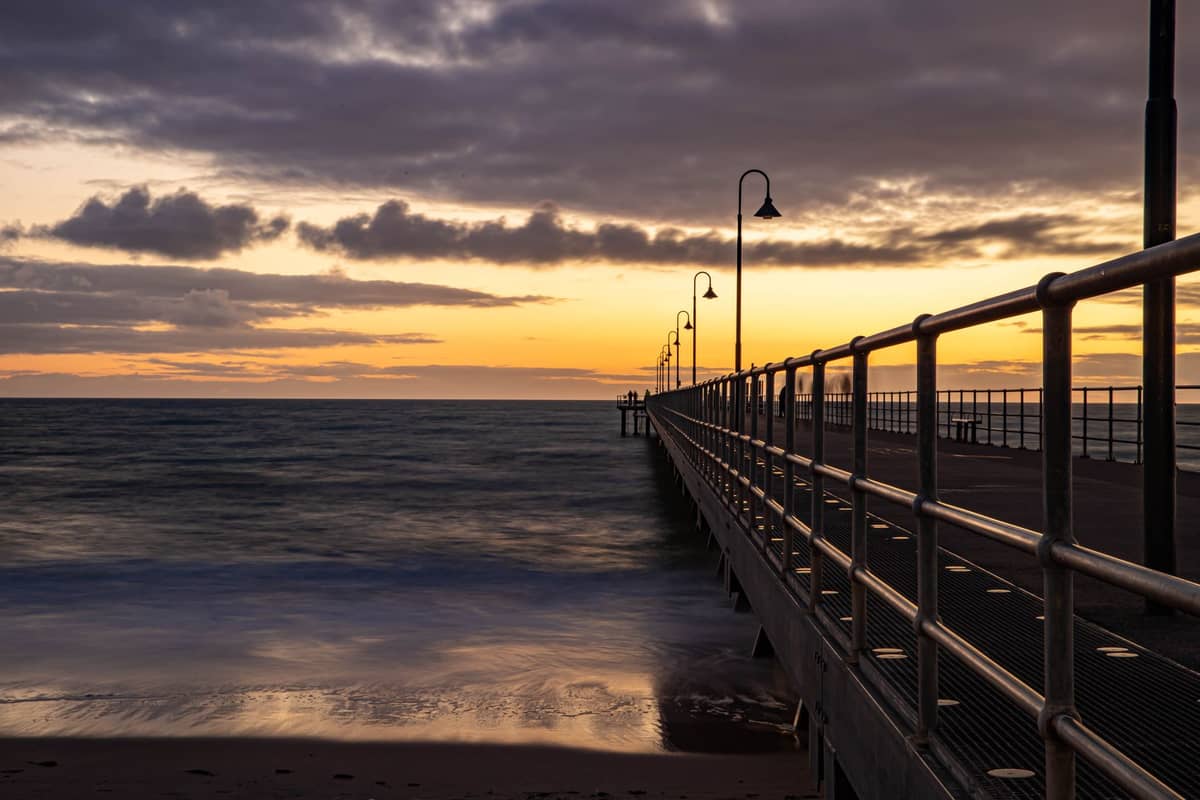
Glenelg is Adelaide's most popular beachside suburb and the only one with a direct tram link to the CBD. The journey takes around 25-30 minutes on the Glenelg tram from Victoria Square. The main strip along Jetty Road has cafes, restaurants, and shops, and the beach itself is wide and clean. Our guide to Adelaide's best beaches covers Glenelg alongside Henley, Semaphore, and the other options worth knowing.
Hotels and holiday apartments in Glenelg command a premium for the beachfront position. Expect to pay $200-350+ AUD for a decent hotel room with any kind of sea view. Budget accommodation is limited here; it is primarily a mid-range to upper-mid market. The suburb is excellent for families and anyone who wants beach time without renting a car, but it is not ideal if your main focus is central city attractions or the wine regions — every excursion requires factoring in the tram commute.
💡 Local tip
If you want beach proximity but lower prices, consider Henley Beach or Semaphore as alternatives to Glenelg. Both have good café strips and a more local, less tourist-oriented feel. Bus connections to the CBD exist but are slower than the Glenelg tram.
Port Adelaide and the Inner Suburbs: Character Over Convenience
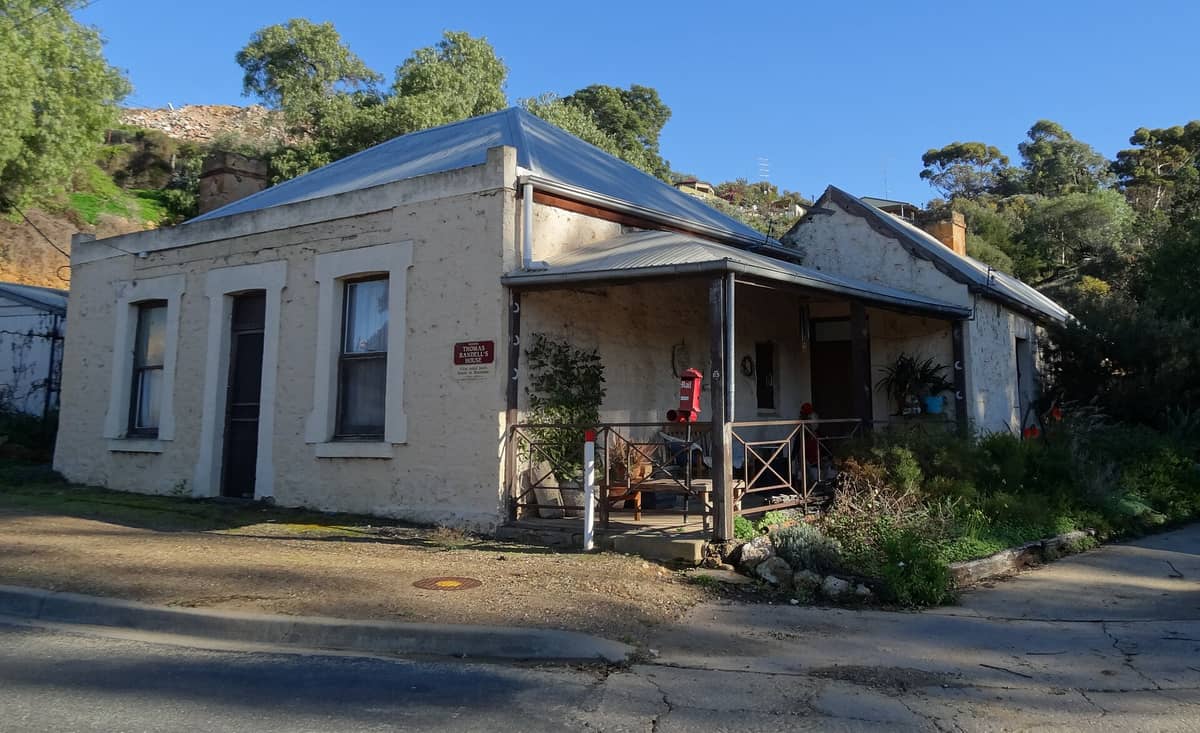
Port Adelaide sits about 15 kilometres northwest of the CBD and is undergoing significant regeneration. Its maritime heritage is well-preserved — the Port Adelaide Maritime Museum and National Railway Museum are genuine highlights. Accommodation here is sparse and mostly in the budget-to-mid category; it suits travellers specifically interested in the area's industrial history rather than those using it as a general base.
Inner suburbs like Norwood and Unley are residential areas with strong café and dining cultures but limited dedicated visitor accommodation. They suit longer-stay travellers renting apartments through short-term platforms. Norwood's The Parade and Unley Road offer some of the best everyday eating in Adelaide, away from the more tourist-oriented options in the CBD. If you find a well-located apartment at a good price in these suburbs, they are comfortable bases — just budget time for the bus or a 20-25 minute drive into the city.
What to Know Before You Book
- Festival pricing is real Adelaide Fringe, WOMADelaide, Adelaide Festival, and major AFL and cricket events at Adelaide Oval all cause significant rate increases and low availability. Check event dates against your travel window before assuming normal pricing applies.
- Summer heat affects your stay Adelaide summers (December-February) regularly hit 35-40°C. Confirm air conditioning in any room you book, not just 'climate control' listed in the property description. Some older heritage properties have unreliable cooling.
- Transport from the airport is genuinely easy Adelaide Metro buses run between the airport and CBD with standard network fares — this is a common misconception among first-time visitors who assume a taxi or rideshare is the only option.
- Serviced apartments suit longer stays Adelaide has a strong serviced apartment market in the CBD and inner suburbs. For stays of 4+ nights, they often work out cheaper than hotels and include kitchen facilities — useful in a city where eating out adds up.
- The CBD is small enough to walk Most CBD hotels are within 15-20 minutes on foot of the Central Market, Rundle Mall, and North Terrace. Car hire is worth considering only if you plan significant regional day trips to the Barossa Valley, McLaren Vale, or the Adelaide Hills.
For planning regional excursions from your Adelaide base, the day trips from Adelaide guide covers distances, driving times, and which areas suit public transport versus self-drive. If wine country is a priority, staying central rather than committing to a rural property gives you more flexibility.
- Best for walkability and transit: Adelaide CBD
- Best for couples and heritage feel: North Adelaide
- Best for beach access: Glenelg (tram-connected) or Henley Beach (quieter)
- Best for budget travellers: CBD hostels and inner suburb apartments
- Best for families with kids: Glenelg (beach, tram, and family hotel stock)
- Best for wine region access: CBD or Adelaide Hills (for Barossa/McLaren Vale trips)
Adelaide is a genuinely easy city to navigate once you understand the layout. The getting around Adelaide guide covers the Adelaide Metro network, free city loop buses, and tram routes in detail — worth reading before you decide which neighbourhood makes the most sense for your itinerary. For budget-specific accommodation strategies, the Adelaide on a budget guide has practical advice on keeping costs down without sacrificing location.
✨ Pro tip
Adelaide's tap water is safe to drink and treated to potable standards by SA Water. Carrying a reusable bottle saves money and reduces plastic waste — hotel minibar water bottles in Australian hotels are almost never worth what they charge.
FAQ
What is the best area to stay in Adelaide for first-time visitors?
The CBD is the most practical choice for first-timers. It puts you within walking distance of the main attractions, on every Adelaide Metro bus and tram route, and gives you the widest range of accommodation options from hostels to 5-star hotels. The eastern edge near Rundle Street has the best evening atmosphere.
Is it worth staying in Glenelg instead of the Adelaide CBD?
Glenelg makes sense if beach time is your priority or you are travelling with children who want beach access every day. The tram to the CBD runs regularly and takes 25-30 minutes, so it is manageable as a base. The trade-off is higher prices for beach proximity and a slower journey to suburban rail for regional day trips.
How far is Adelaide Airport from the main hotel areas?
Adelaide Airport is approximately 8 kilometres west of the CBD. Adelaide Metro buses connect the airport to the city, Glenelg, West Lakes, and Marion using standard network fares. Rideshare and taxis are also available. Journey time to the CBD by bus or rideshare is typically 20-35 minutes depending on traffic.
When are Adelaide hotel prices highest?
Rates peak during the Adelaide Fringe (late February to mid-March), WOMADelaide (March long weekend), the Adelaide Festival, and major cricket or AFL matches at Adelaide Oval. Summer school holidays (late December to late January) also push prices up. The shoulder seasons of March-May and September-November generally offer the best combination of good weather and reasonable rates.
Are there good budget accommodation options in Adelaide?
Yes. The CBD has multiple hostels with dorm beds starting around $30-45 AUD per night. Budget hotels and serviced apartments can be found across the inner suburbs. For longer stays, short-term apartment rentals in Norwood or Unley can work out well per night. Avoid booking budget options in Glenelg — the beachside location keeps prices elevated even at the lower end of the market.
Tickets & tours
Live prices and dates from our booking partner. If you book, we may earn a commission at no extra cost to you.
Planning a trip? Discover personalized activities with the Nomado app.