Adelaide Park Lands: Colonel Light's Living Legacy Around the City
The Adelaide Park Lands are 932 hectares of continuous green space that entirely encircle Adelaide's city centre and North Adelaide. Free to enter at any hour, this National Heritage-listed belt of 29 parks and six city squares is where locals jog, picnic, play sport, and breathe. For visitors, it is also a surprisingly useful framework for understanding how the city works.
Quick Facts
- Location
- Surrounding Adelaide CBD and North Adelaide, South Australia
- Getting There
- The Park Lands are accessible on foot from most CBD tram and bus stops; the free City Connector bus circles near park edges
- Time Needed
- 30 minutes for a single park; half a day for a meaningful loop on foot or by bike
- Cost
- Free; no admission fee for general public access
- Best for
- Morning walkers, cyclists, families, history-curious visitors, picnickers
- Official website
- www.cityofadelaide.com.au/about-adelaide/the-adelaide-park-lands
What the Adelaide Park Lands Actually Are
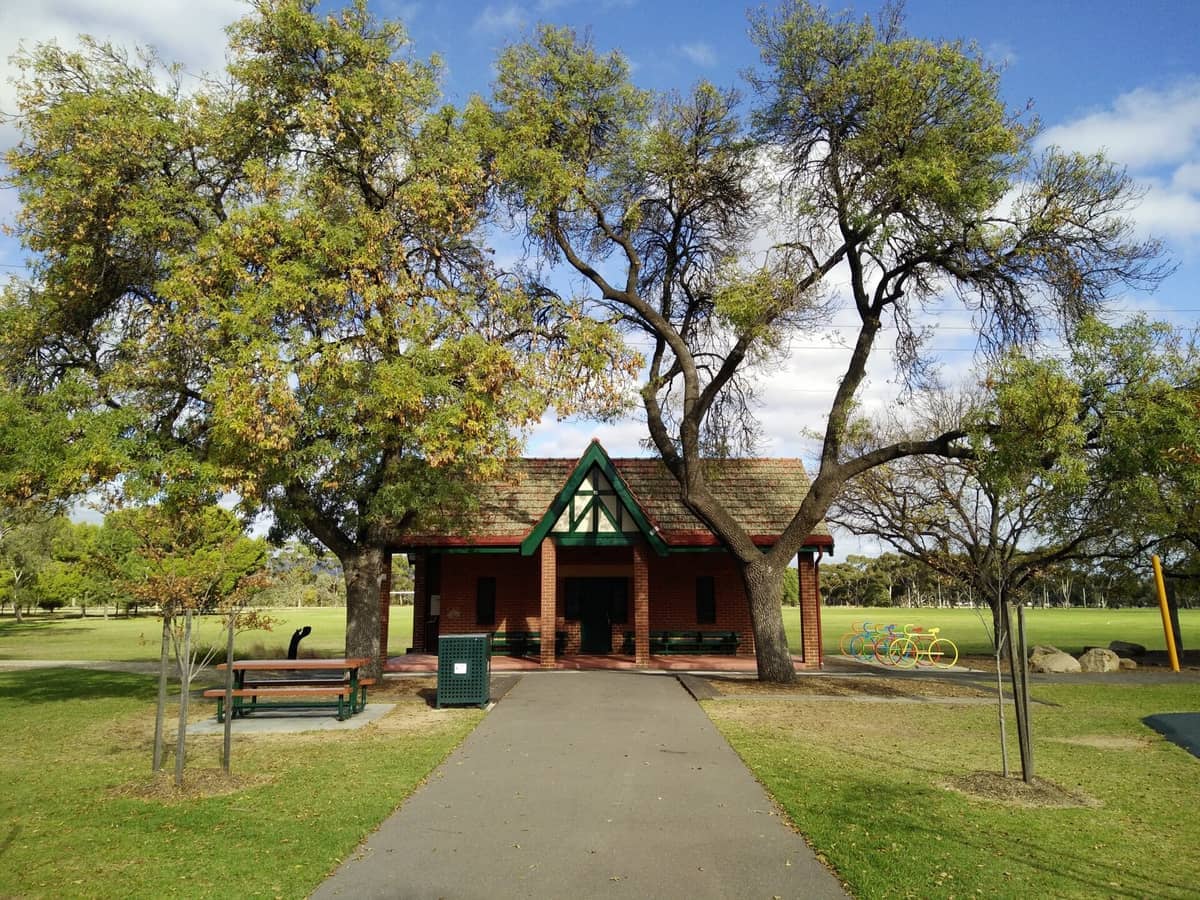
The Adelaide Park Lands are not a single park with a gate and a map board. They are a continuous collar of green space, 932 hectares in total, wrapping all the way around both the Adelaide city centre and the suburb of North Adelaide. The belt is made up of 29 named parks and six city squares, each with its own character, facilities, and uses. Some sections are manicured ovals packed with cricket or football on weekends. Others are rougher scrub corridors alive with bird calls. A few contain major cultural institutions built at their edges.
The concept was laid out by Surveyor-General Colonel William Light in his 1837 city plan, one of the most deliberately designed colonial city layouts in Australian history. Light's intention was that the Park Lands would remain permanently unbuilt, separating the city from its surrounding suburbs and providing open space for residents. That intention has largely held. The Adelaide Park Lands and City Layout was added to Australia's National Heritage List in 2008, recognising both the planning vision and the extraordinary fact that the land was never subdivided and sold off, as happened with comparable reserves in other Australian cities.
ℹ️ Good to know
The Park Lands have no single entrance or central hub. Pick a park closest to where you are staying and walk into it from the nearest street. Most sections of the inner belt are within a 10-minute walk of Adelaide's CBD tram corridor.
The Lay of the Land: Sections Worth Knowing
The southern and eastern edges of the Park Lands, running from South Terrace around to East Terrace, tend to be quieter and more residential in feel. The grass here is often longer, the foot traffic lighter, and the atmosphere genuinely peaceful on a weekday morning. These are good corridors if you want to walk without navigating the city grid.
The northern section, flanking the River Torrens, is probably the most visited. Elder Park sits at the western end of this stretch, directly behind the Adelaide Festival Centre, and connects to the Torrens Linear Park path that runs east toward the zoo and the botanic garden. This is where you will find the most activity at almost any hour: rowers on the water, joggers on the path, families renting paddle boats, and the smell of cut grass mixing with eucalyptus from the planted gums.
The western edge along West Terrace is more functional than scenic, used largely for sport and dog walking. The southern parks bordering South Terrace are among the calmest. If you are curious about the Torrens corridor specifically, the River Torrens Linear Park is one of the most accessible linear walks in central Adelaide and connects many of these northern sections into a coherent route.
Tickets & tours
Live prices and dates from our booking partner. If you book, we may earn a commission at no extra cost to you.
Ultimate Adelaide and Hahndorf full-day tour
From 94 €Instant confirmationFree cancellationAdelaide kayak tour with expert instructors
From 51 €Instant confirmationFree cancellationTrue Crime Tour in Adelaide
From 21 €Instant confirmationFree cancellationAdelaide city guided tour
From 37 €Instant confirmationFree cancellation
How the Park Lands Change Through the Day
Before 8am on a weekday, the Park Lands belong to commuters and regulars. Cyclists move fast along the shared paths. Dog walkers cluster near the oval edges where off-leash areas are marked. The light in early morning, particularly in autumn, is low and golden across the grass, and the ibis that forage near the Torrens are still moving slowly. This is the most atmospheric time to visit if you are not in a hurry.
Midday in summer is a different proposition. Temperatures in Adelaide can reach well above 30 degrees Celsius from December through February, and the open grass sections offer almost no shade. The established trees along the Torrens path and within some of the older parks provide relief, but if you are visiting during summer, mornings before 10am or evenings after 6pm are far more comfortable. In spring and autumn, midday is genuinely pleasant — a warm sun, light crowds, and enough breeze off the parklands to make walking easy.
Weekend afternoons transform parts of the Park Lands into Adelaide's most active sporting precinct. The grass ovals fill with football, cricket, soccer, and touch rugby depending on the season. Families set up at the barbecue areas. The sound shifts: fewer birds, more crowds, and the clunk of cricket bats across the oval. For some visitors this energy is appealing; if you came for quiet, head to the southern or eastern edges.
💡 Local tip
Photography tip: The stretch along the northern bank of the Torrens, looking south toward the CBD skyline in late afternoon, gives a clean wide-angle view of the city rising behind the tree canopy. This perspective is difficult to get from street level inside the city itself.
Cultural and Heritage Context
The Adelaide Plains, including the land where the Park Lands now sit, are the traditional Country of the Kaurna people. Their connection to this land predates Colonel Light's plan by thousands of years, and it is worth holding that context alongside the European planning story. The City of Adelaide acknowledges this, and visitors interested in learning more about Kaurna history and culture in the city should seek out dedicated resources rather than treating the Park Lands as purely a colonial planning achievement.
The 1837 plan itself was progressive by the standards of colonial city design. Light drew a compact grid for the commercial city, then surrounded it entirely with parkland before allowing further development. The result is that Adelaide has never been able to sprawl outward from its centre without crossing the green belt. This structural decision shapes daily life here in ways that are hard to appreciate until you look at an aerial map. For a deeper dive into the Kaurna cultural dimension of the city, the Living Kaurna Cultural Centre in the southern Park Lands offers a grounded starting point.
The National Heritage listing in 2008 protects not just the green space but the overall city layout as a unified design concept. This means that the relationship between the park belt, the street grid, and the surrounding suburbs is itself considered a heritage asset — an unusual and significant distinction for an urban area.
What to Do Inside the Park Lands
The Park Lands are designed for use rather than passive admiration. Walking and cycling trails run through most sections, and hire bikes are available in the city if you want to cover more ground. Picnic areas and public barbecue facilities are scattered across the parks — bring your own food and you can set up with a view of the city skyline for nothing. Fitness stations appear along several of the more popular paths.
Several of Adelaide's major cultural attractions sit directly on the Park Lands edge or inside them. The Adelaide Botanic Garden opens off North Terrace at the northeastern corner. The Adelaide Zoo is a short walk north through Botanic Park. Elder Park on the Torrens is regularly used for large public events and free outdoor concerts, particularly during Adelaide's major festival periods.
Playspaces are distributed across several parks, making sections of the belt practical for families with young children who need to break up a walking day. Courts for tennis and basketball appear in some sections. The facilities vary considerably from park to park, so checking the City of Adelaide's Park Lands map before setting out will save you walking to the wrong section for what you need.
Practical Walkthrough: Getting Around the Belt
The most common approach is to enter the Park Lands from whatever street you are already on at the city edge, then walk or cycle along the path system. There is no single recommended route for first-time visitors because the experience depends on which part of the city you are based in and what you are looking for. That said, the northern loop — entering near the Festival Centre, following the Torrens east past the zoo entrance, following the Torrens east past the zoo entrance, and continuing through the Botanic Garden — covers a substantial and varied section in two to three hours at a relaxed pace.
Keen walkers and cyclists looking for a longer day can connect the Park Lands to extended trails. The Adelaide hiking guide covers routes that begin at the Park Lands edge and head into the Adelaide Hills. For those planning a full day structured around the parks, cycling is genuinely the most efficient way to experience the breadth of the belt without exhaustion.
Accessibility across the Park Lands is variable. Sealed paths in the heavily used northern sections near the Torrens are generally flat and wide. Other sections have unpaved grass or gravel tracks that may not suit wheelchairs or prams. The City of Adelaide's website provides a Park Lands map that can help identify better-surfaced routes, and it is worth consulting this before planning a visit with limited mobility.
⚠️ What to skip
In summer, sections of the Park Lands have little tree cover and can become uncomfortably hot by mid-morning. Bring water, apply sunscreen, and check the Bureau of Meteorology forecast for extreme heat days (above 38°C), when the open grassed areas are best avoided entirely.
Who Should Probably Spend Their Time Elsewhere
The Adelaide Park Lands reward visitors who enjoy open-ended, self-directed exploration. If you are looking for a single concentrated experience — a museum, a show, a specific viewpoint — the Park Lands will frustrate you because there is no focal point to reach and photograph. They are context as much as attraction. Visitors with very limited time in Adelaide might reasonably pass through a section on the way somewhere else rather than treating them as a destination in their own right.
Visitors arriving in midsummer with no tolerance for heat will find much of the Park Lands uncomfortable during peak daylight hours. The tree canopy in the most established sections is improving, but it is still thin relative to the amount of open grassed oval space.
Insider Tips
- The Park Lands parks all have individual names, but almost no signage from inside the parks tells you which one you are in. Download the City of Adelaide's Park Lands map to your phone before you arrive — it is the single most useful navigational tool for making sense of the belt.
- The grass ovals are heavily used on Saturday mornings during winter (football season, approximately April to August) and summer (cricket, November to March). If you want peaceful open space on a Saturday, the parks between South Terrace and West Terrace are quieter than the northern sections.
- Hire bikes from the CBD let you ride the Adelaide Park Lands Trail, a 19.5 km loop, far more satisfyingly than trying to walk the entire belt, which would take most of a day.
- The Park Lands host major event installations during the Adelaide Fringe and other festivals. If your visit coincides with a festival period, check the event map — some sections are transformed with temporary venues, food stalls, and lighting installations that are genuinely worth seeing after dark.
- Early autumn (March to April) is the most underrated time for the Park Lands. The summer heat has eased, the grass has often been recently watered after dry months, and the morning light through the eucalypts is at its best. Crowds are thinner than in spring.
Who Is Adelaide Park Lands For?
- Morning joggers and cyclists wanting a car-free circuit close to the CBD
- Families needing outdoor space with barbecue facilities and playgrounds at no cost
- Architecture and planning enthusiasts interested in Colonel Light's 1837 city design
- Festival-goers during Adelaide Fringe or other major events, when park sections host outdoor venues
- Visitors connecting cultural attractions like the botanic garden, zoo, and Elder Park into a single walking day
Nearby Attractions
Other things to see while in Adelaide CBD:
- Adelaide Arcade
Opened in December 1885, Adelaide Arcade is one of Australia's oldest and best-preserved Victorian-era shopping arcades. Free to enter and located opposite Rundle Mall's fountain, it offers a rare combination of architectural beauty, specialty retailers, and a genuine sense of Adelaide's commercial history.
- Adelaide Botanic Garden
Open daily and completely free, Adelaide Botanic Garden covers 50 hectares on the northern edge of the CBD. From a 19th-century palm house to a full-scale tropical rainforest glasshouse, it rewards a slow morning or a purposeful afternoon walk.
- Adelaide Central Market
Adelaide Central Market has operated continuously since 1869, making it one of the largest undercover fresh produce markets in the Southern Hemisphere. Spread across 5,720 square metres in the heart of the CBD, it draws locals, chefs, and curious visitors to its mix of produce stalls, specialty food traders, and casual eateries. This guide covers everything you need to plan a worthwhile visit.
- Adelaide Festival Centre
Opened in 1973, Adelaide Festival Centre is South Australia's flagship performing arts complex, anchoring the northern edge of the CBD along King William Road. From major theatre productions to intimate performances, it draws both locals and visitors year-round — and its riverside location makes it as much a place to linger as to attend a show.
Planning a trip? Discover personalized activities with the Nomado app.