Living Kaurna Cultural Centre: Adelaide's Window into Kaurna Country
Situated at Warriparinga in Bedford Park, the Living Kaurna Cultural Centre offers access to the history, stories, and living culture of the Kaurna people, the original custodians of the Adelaide Plains. It is a place that rewards slow, attentive visitors far more than those simply ticking boxes.
Quick Facts
- Location
- Warriparinga Way, Bedford Park SA 5042 (entrance off Sturt Road, near the corner of Sturt and Marion roads)
- Getting There
- Accessible by Adelaide Metro bus services toward Bedford Park; check Adelaide Metro route planner for current options
- Time Needed
- 1.5 to 2.5 hours, longer if you walk the wetlands
- Cost
- Confirm admission details directly with the City of Marion before visiting
- Best for
- Cultural learners, families, those interested in Aboriginal history and the natural landscape
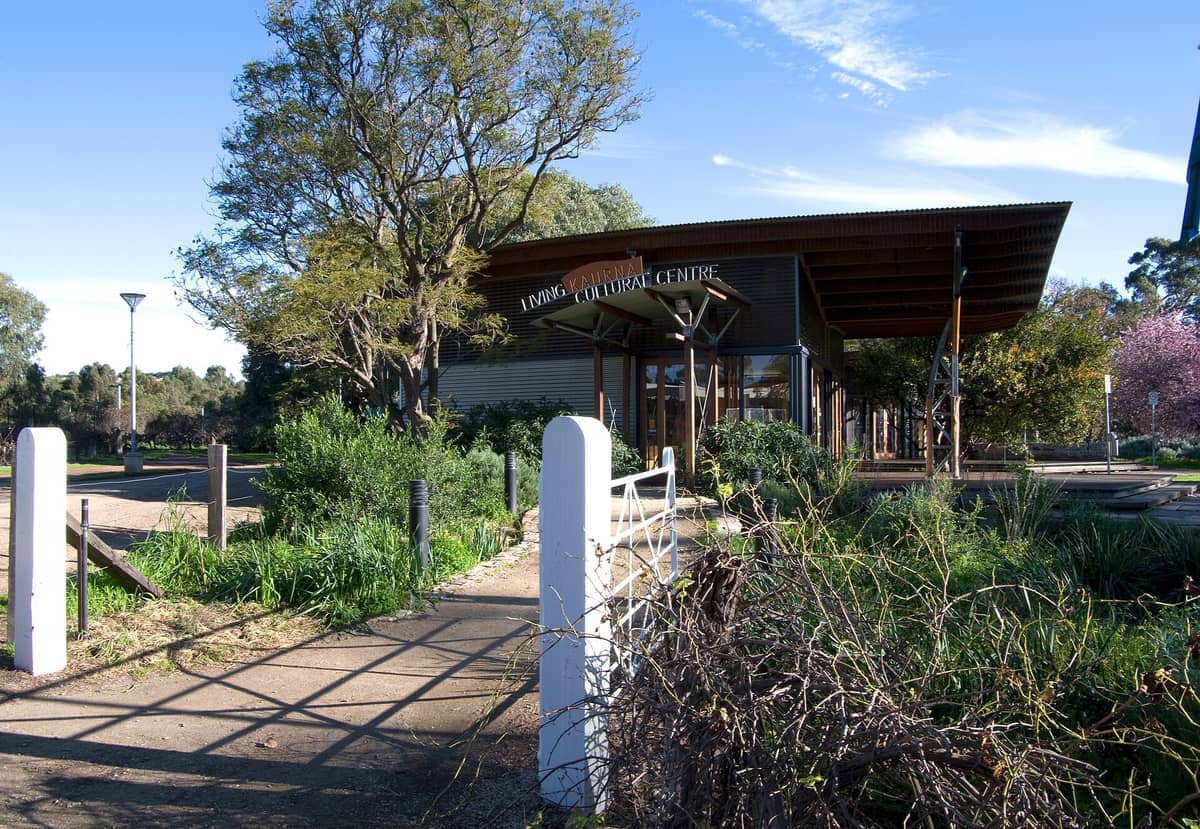
What Is the Living Kaurna Cultural Centre?
The Living Kaurna Cultural Centre sits within the Warriparinga wetlands, a place the Kaurna people have recognized as a ceremonial meeting ground and a site of deep spiritual significance for far longer than European settlement has existed in South Australia. The centre was established in 2001 through a sustained collaboration between the Kaurna community and the City of Marion, making it one of Adelaide's earliest dedicated spaces for sharing First Nations culture in a community-led, place-based way.
Warriparinga itself is tied to the Tjilbruke Dreaming, a foundational story in Kaurna oral tradition that traces the journey of the ancestor Tjilbruke down the coast of the Fleurieu Peninsula. This connection means the land around the centre is not simply a backdrop. It is part of the cultural content. The wetlands, the river corridor, the birdlife — all of it carries meaning that the centre helps visitors begin to understand.
For those interested in going deeper into this context, the Adelaide Aboriginal culture guide provides broader orientation on Kaurna history and the ways visitors can engage respectfully across the city.
ℹ️ Good to know
The centre is open Monday to Friday, 10 am to 4 pm, and is closed on public holidays. Confirm admission details directly with the City of Marion before your visit, as hours and programs can change.
The Site: Warriparinga and the Wetlands
The name Warriparinga is a Kaurna word understood to refer to the windy place by the river. Standing near the wetlands on a cool morning, with reeds moving in the breeze off the Sturt River and corellas calling overhead, the name makes immediate, physical sense. The centre is not a sealed, air-conditioned museum disconnected from the outdoors. The landscape is the exhibit, and the building serves as an introduction to it.
Warriparinga is a place for birdwatching, and the City of Marion notes that more than 30 bird species live at the wetlands. The reserve also offers walking paths, so visitors can explore the landscape at their own pace.
The surrounding landscape has been substantially revegetated with local indigenous plants over recent decades, a project the centre is part of. What visitors see today is a deliberate effort to restore ecological and cultural continuity. The plants are not decorative. Many have documented uses in Kaurna tradition, and interpretive materials at the centre help make that connection legible.
💡 Local tip
Wear comfortable walking shoes if you plan to explore the wetland paths. The ground can be uneven and sometimes damp near the water's edge, especially in winter and spring.
Tickets & tours
Live prices and dates from our booking partner. If you book, we may earn a commission at no extra cost to you.
Warriparinga cultural and historical tour
From 31 €Instant confirmationFree cancellationSouthern cultural bus tour
From 171 €Instant confirmationFree cancellationUltimate Adelaide and Hahndorf full-day tour
From 94 €Instant confirmationFree cancellationHalf-day Lofty Descents tour by bike
From 89 €Instant confirmationFree cancellation
Inside the Centre: Exhibitions and Cultural Programs
The interior of the Living Kaurna Cultural Centre is modest in scale but carefully considered in content. Displays cover Kaurna language, traditional tools and materials, seasonal knowledge, and the history of contact and dispossession following European settlement in 1836. The tone throughout is straightforward rather than performative. There is no attempt to produce a theme-park version of Kaurna culture. What you get is considered, community-endorsed information.
Educational programs for school groups are a significant part of what the centre does, and guided cultural experiences can be arranged through the City of Marion. If your visit happens to coincide with a school group, the centre can feel compact. On quieter weekday mornings, particularly Tuesday through Thursday, the space is more relaxed and allows for longer engagement with the displays.
The Warriparinga Cultural Education Program, run through the centre, covers topics including Dreaming stories, plant knowledge, and the history of the Kaurna people across the Adelaide Plains. These structured programs are particularly useful for visitors who want more than self-guided reading. Booking ahead through the City of Marion is necessary for facilitated sessions.
💡 Local tip
If you are visiting with children, the combination of indoor displays and outdoor wetland walks makes this a practical half-day outing. Confirm admission details with the City of Marion, and the interpretive content is accessible to younger visitors without being reductive. and the interpretive content is accessible to younger visitors without being reductive.
Historical Context: Kaurna Country and Adelaide
The Adelaide Plains have been Kaurna Country for tens of thousands of years. When British colonists established the settlement of Adelaide in 1836, they did so on land that the Kaurna people had managed, mapped through language and story, and moved across according to seasonal patterns for generations. The disruption was swift and severe, involving dispossession of land, suppression of language, and forced displacement of communities.
The Living Kaurna Cultural Centre exists, in part, as an act of cultural recovery. Kaurna language revitalization efforts, which began in earnest in the 1990s, are directly connected to the community engagement that shaped the centre. Today, Kaurna language appears on street signage across Adelaide, in place names, and in the Acknowledgement of Country spoken at public events. The centre provides the historical and linguistic context that helps visitors understand why these efforts matter.
The South Australian Museum on North Terrace holds one of the world's largest collections of Aboriginal and Torres Strait Islander material culture and offers a complementary, broader perspective on First Nations history across the continent.
Getting There and Getting Around
The centre is located at Warriparinga Way, Bedford Park, with the entrance off Sturt Road between Sturt Police Station and Marion Holiday Park, near the corner of Sturt and Marion roads. Adelaide Metro buses serve the broader area, and checking the Adelaide Metro route planner for current services toward Bedford Park is the most reliable approach before your visit.Adelaide Metro buses serve the broader area, and checking the Adelaide Metro route planner for current services toward Bedford Park is the most reliable approach before your visit.
Driving is the most straightforward option for most visitors. Accessible parking is available on site. Rideshare services also reach the location without difficulty, though return pickups from this quiet suburban site can take a few minutes longer than in central areas.
If you are planning to combine this visit with other southern Adelaide or Hills destinations, the guide to getting around Adelaide covers transport options clearly, including when a car is genuinely worth the cost.
⚠️ What to skip
The centre is closed on weekends and public holidays. This limits access for visitors on short trips who can only explore on Saturdays. Plan accordingly if your Adelaide stay is brief. This limits access for visitors on short trips who can only explore on Saturdays. Plan accordingly if your Adelaide stay is brief.
Photography, Respect, and Visitor Etiquette
The wetlands and exterior of the site photograph well, particularly in the softer light of early morning or late afternoon. The mix of open water, native reeds, and surrounding eucalypts gives the landscape a texture that differs noticeably from the manicured parks of central Adelaide. For bird photography, a longer lens is useful; the birds are present but not habituated to close human approach.
Inside the centre, standard museum etiquette applies: ask before photographing specific exhibits or materials if signage does not address it. The centre represents a living community and an active cultural tradition, not a historical archive frozen in the past. Visitors who approach the site with that understanding typically find the experience more meaningful.
For a broader picture of Adelaide's cultural and outdoor offerings, the things to do in Adelaide guide is a useful starting point for building a full itinerary around visits like this one.
Who Should Skip This Attraction
Visitors looking for spectacle will not find it here. The Living Kaurna Cultural Centre is not a large, dramatically designed institution with high-production exhibits. Its value is in depth and authenticity, not scale. Visitors with only one or two days in Adelaide who are prioritizing the major downtown attractions may find this site's location in Bedford Park logistically difficult to include.
Similarly, visitors with very limited mobility should confirm accessible access details directly with the City of Marion before arriving, as the available information on specific access features beyond parking is limited.
Insider Tips
- Visit on a Tuesday, Wednesday, or Thursday morning for the quietest experience. Monday mornings can see administrative activity, and Fridays sometimes have school group bookings.
- The wetland paths are a pleasant way to explore the reserve. Bring binoculars if you have them.
- If you are visiting with a school-age group or want a structured cultural education session, contact the City of Marion well in advance. These programs book up and cannot be arranged on the day.
- The surrounding Warriparinga wetlands are part of a broader network of reserves along the Sturt River corridor. Arriving 20 minutes early to walk the perimeter before the centre opens is a good use of time.
- Check the City of Marion website before your visit. Hours and program availability are subject to change, particularly around South Australian public holidays, which differ in timing from other states.
Who Is Living Kaurna Cultural Centre For?
- Travellers with a genuine interest in Aboriginal history and the cultural landscape of the Adelaide Plains
- Families seeking a half-day outing that combines indoor learning with outdoor exploration
- Educators and school groups looking for structured, community-led cultural education programs
- Birdwatchers and those interested in restored wetland ecosystems in an urban context
- Visitors who want to understand the deeper history of the land before exploring the rest of Adelaide
Nearby Attractions
Combine your visit with:
- Brighton Beach & Jetty
Brighton Jetty stretches over the calm Gulf St Vincent waters south of Adelaide, offering free access, easy train connections, and reliably good sunsets. Whether you're after a morning swim, a fish from the pier, or a slow walk above the water, Brighton delivers without the tourist crowds that gather at Glenelg.
- Hallett Cove Conservation Park
Hallett Cove Conservation Park preserves one of Australia's most accessible records of ancient glaciation, with striated rock pavements, dramatic coastal cliffs, and walking trails just 22 kilometres south of Adelaide. Entry is free, and two train stations put the park within reach without a car.
- Henley Beach
Henley Beach sits about 11 kilometres west of the Adelaide CBD, offering a long sandy shoreline, a beloved timber jetty, and a strip of cafes and restaurants that fill up on weekend mornings. It draws a local crowd rather than a tourist one, which is precisely what makes it worth the trip.
- Monarto Safari Park
Located about an hour east of Adelaide, Monarto Safari Park is one of Australia's largest open-range zoos. Visitors ride through wide-open enclosures beside rhinos, giraffes, cheetahs, and African wild dogs — an experience that feels less like a zoo visit and more like a genuine safari. If you have children, a passion for wildlife, or simply want a day unlike any other in the Adelaide region, this is worth the drive.
Planning a trip? Discover personalized activities with the Nomado app.