Monarto Safari Park: Where Adelaide Gets Closest to the Wild
Located about an hour east of Adelaide, Monarto Safari Park is one of Australia's largest open-range zoos. Visitors ride through wide-open enclosures beside rhinos, giraffes, cheetahs, and African wild dogs — an experience that feels less like a zoo visit and more like a genuine safari. If you have children, a passion for wildlife, or simply want a day unlike any other in the Adelaide region, this is worth the drive.
Quick Facts
- Location
- 63 Monarto Road, Monarto SA 5254 — approx. 70 km east of Adelaide CBD
- Getting There
- Car recommended; no confirmed public transport to the park. Free on-site parking available.
- Time Needed
- 3–5 hours; allow a full day if you plan multiple Zuloop bus rides or a guided experience
- Cost
- Adults A$57, Children A$32 (prices verified October 2026; check monartosafari.com.au for current rates)
- Best for
- Families, wildlife enthusiasts, photographers, day-trippers from Adelaide
- Official website
- www.monartosafari.com.au
What Monarto Safari Park Actually Is
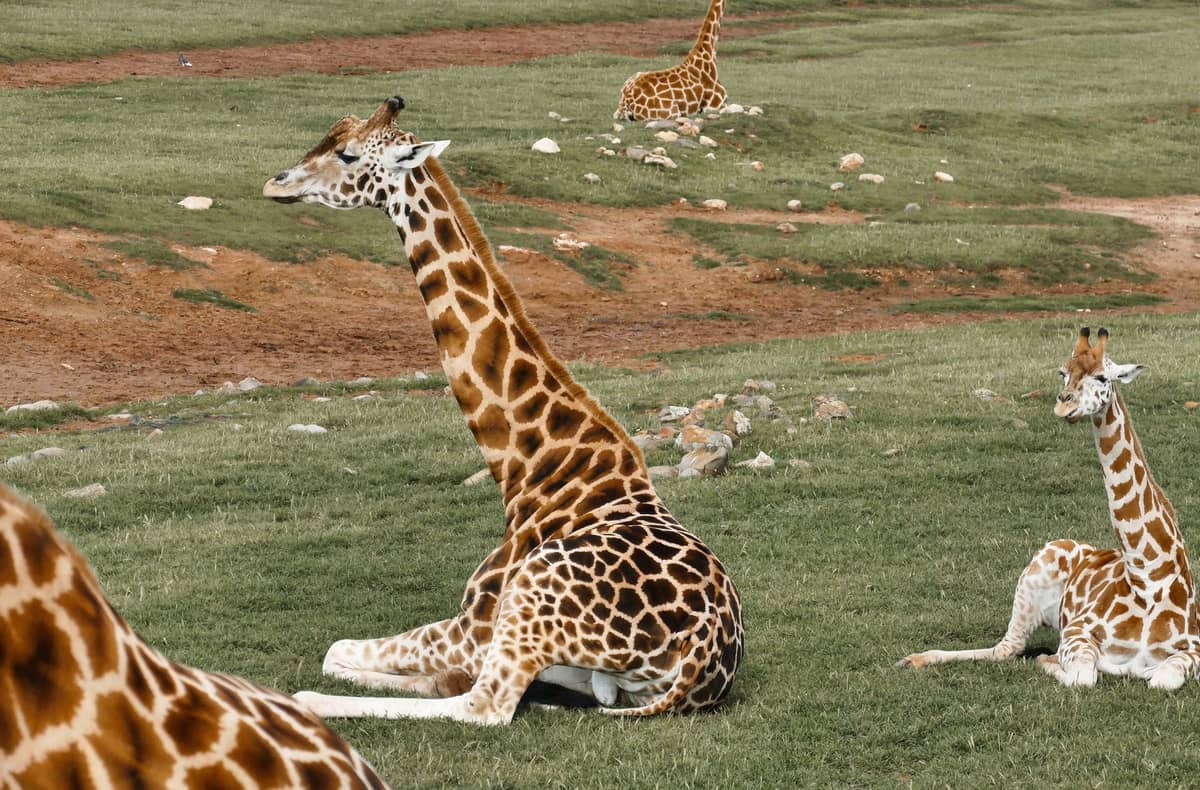
Monarto Safari Park is not a conventional zoo with cages and paved walkways. It is an open-range park on a vast stretch of South Australian bushland where the animals, not the visitors, have the run of the place. You explore the park primarily aboard the Zuloop, a guided Zu-loop bus that moves through the enclosures while animals graze, pace, or lounge within metres of your seat. The scale of the place is the first thing that surprises people: the horizon is genuinely open, and the animals you encounter, including white rhinos, giraffes, zebras, and cheetahs, exist in spaces large enough that some days they are simply far away. That unpredictability is part of the point.
The park is operated by Zoos SA, the same organisation that runs Adelaide Zoo in the city. Monarto is positioned as the wilder, larger counterpart: fewer manicured lawns, more red dirt and native scrub, and an atmosphere that sits somewhere between conservation reserve and safari destination. For families driving out from Adelaide on a weekend, it consistently ranks as one of the most memorable wildlife experiences in South Australia.
ℹ️ Good to know
The final Zuloop bus departs at 3:00 pm, even though the park stays open until 5:00 pm. Arriving by 10:00 am gives you the best chance to complete multiple bus circuits and still visit walk-through areas at your own pace.
Getting There: The Drive Is Part of the Experience
Monarto Safari Park sits roughly 70 kilometres east of Adelaide, a drive of around 50–60 minutes via the South Eastern Freeway. The road climbs through the Adelaide Hills before descending onto the flat, drier plains of the Murray Mallee. By the time you reach the turnoff at Monarto Road, the landscape has already shifted: the eucalyptus forests of the hills give way to open paddocks and scrubby bush that feel appropriately wild as a backdrop for an African animal park.
Public transport connections to the park are limited; check current options before travelling. The practical reality is that you need a car. Free parking is available at the site, and the Visitor Centre is a short walk from the main lot. If you are visiting from the city without a vehicle, renting a car for the day is the standard approach; ride-share services do operate in Adelaide, but the cost and logistics of a return trip to Monarto make rideshare impractical for most visitors.
For context on planning your wider time in the region, the day trips from Adelaide guide covers Monarto alongside other destinations worth combining into a longer itinerary if you have access to a car.
Tickets & tours
Live prices and dates from our booking partner. If you book, we may earn a commission at no extra cost to you.
The Zuloop: How You Actually See the Animals
The Zu-loop bus is the backbone of the Monarto experience. The guided bus takes visitors through the large open-range exhibits, with viewing platforms along the way. Rides are included in general admission. Seats are open-air, which means in summer you will feel the heat, and in winter you will feel the wind. Bringing a light layer regardless of forecast is practical advice.
The animal encounters on the bus vary significantly depending on the time of day. In the early morning hours, after opening at 9:30 am, animals tend to be more active. Giraffes move more openly, predators are alert rather than sleeping, and the light is better for photography. By early afternoon, particularly on warm days, many animals retreat to shade or simply become less active. This is consistent with how wildlife behaves in genuinely hot environments, and it is worth understanding before you plan your timing.
Photography from the bus is rewarding, but the open-sided design and movement of the vehicle means that telephoto lenses with image stabilisation produce better results than wide-angle shooting. Photography from the bus is rewarding, but the vehicle’s movement means that telephoto lenses with image stabilisation can produce better results than wide-angle shooting. Morning light, which falls at a low angle and illuminates the animals' faces, produces noticeably stronger images than the flat midday sun.
💡 Local tip
Sit on the left side of the Zuloop when heading outbound from the Visitor Centre for the best early sightlines toward the rhino and giraffe areas, based on the standard route configuration. Confirm with staff on the day, as routes can vary.
The Animals: What You Are Likely to See
The park holds one of Australia's largest collections of African mammals. White rhinos are among the most striking encounters: large, prehistoric-looking animals that often appear unbothered by the buses passing within a short distance. Giraffes can be fed by hand at certain feeding stations, which is the moment most children will remember for years. Cheetahs, meerkats, baboons, African wild dogs, and various antelope species are among the other residents, with the specific animals visible on any given day depending on their movement within the enclosures.
The park also maintains a population of lions. Lion encounters are typically viewed from the bus rather than up close, and sightings depend on where the pride is positioned within their territory. The park is transparent about the fact that, as in a real wildlife reserve, some animals may be less visible on some days than others. This is not a controlled performance: it is a characteristic worth accepting before you go.
If you are building a broader wildlife itinerary, Adelaide's wildlife guide covers Monarto alongside experiences like Cleland Wildlife Park in the Hills and marine wildlife further afield.
Walk-Through Areas and Visitor Centre
Not all of Monarto is experienced from the bus. There are walk-through sections near the Visitor Centre where visitors can explore on foot. These areas include smaller or more approachable animals and provide a change of pace from the bus circuits. The Visitor Centre has a café and food and drink options, as well as ticketing and merchandise. The food options are functional rather than exceptional: if you are particular about what you eat, packing your own lunch is reasonable.
On accessibility: the park makes it clear that its bush trails are gravel or dirt and may not be suitable for wheelchairs. Some buses accommodate wheelchairs, and accessible parking is available near the Visitor Centre. However, the open-range nature of the park means that full accessibility across all areas is limited. Guide dogs and assistance animals are not permitted on site, which is standard practice at open-range wildlife facilities due to animal welfare considerations.
⚠️ What to skip
Guide dogs and assistance animals cannot enter Monarto Safari Park. Verify accessibility requirements directly with the park before your visit if mobility or assistance animal access is a consideration.
Practical Planning: Timing, Weather, and What to Bring
Adelaide's climate is Mediterranean, with summers that can push well above 35°C. Monarto, sitting on the drier eastern plains beyond the Hills, often runs hotter than the city. Visiting in December through February means heat exposure on open-air buses, so sun protection, water, and a hat are non-negotiable. The autumn months of March through May and the spring window of September through November offer the most comfortable conditions for an outdoor experience of this kind. Winter visits are cooler and quieter, and animals can actually be more active in mild winter temperatures.
The park opens daily at 9:30 am, including Christmas and public holidays. The final Zu-loop bus departs at 3:00 pm, so arriving late in the afternoon means you will be limited to walk-through areas only. Admission is A$57 for adults and A$32 for children; prices should be verified on the official website before booking, as these can change. Booking online in advance is recommended, particularly on school holidays and long weekends when the park draws significant crowds from Adelaide.
For broader advice on timing your Adelaide visit, the best time to visit Adelaide page covers seasonal conditions across the region.
Who Should Reconsider This Trip
Monarto Safari Park is a genuine day-trip investment in terms of both time and cost. Visitors who have limited days in Adelaide and are weighing up how to allocate them should understand that this is a roughly 2-hour round trip by car plus 3–5 hours in the park. If you are without a car, the logistics become significantly harder. Those who prefer the efficiency and guaranteed close-up viewing of a conventional zoo may find the open-range format frustrating on days when animals are resting in the distance. And visitors requiring full wheelchair accessibility or who travel with assistance animals will face limitations that the park itself acknowledges.
None of this is a reason not to go. It is a reason to go knowing what you are choosing: a sprawling, imperfect, genuinely wild experience that occasionally delivers moments of astonishing closeness with some of the world's most impressive animals. The unscripted nature of it is precisely what makes it worthwhile for the right visitor.
Insider Tips
- Arrive at opening (9:30 am) and do your first Zuloop circuit immediately. Animal activity is highest in the first two hours, before the heat of the day settles in.
- Book tickets online before you arrive, especially during South Australian school holidays. Book tickets online before you arrive, especially during South Australian school holidays, to plan your visit in advance.
- The giraffe feeding experience is one of the highlights for families and sells out quickly on busy days. Ask about availability at the Visitor Centre when you arrive and register as soon as possible.
- Bring a long lens if you are a keen photographer, at least 200mm equivalent. The animals can be close or far depending on the day, and a longer reach gives you flexibility without disturbing their behaviour.
- The on-site café offers food and drink; the nearest town with additional services is Murray Bridge, about 15 minutes further east on the freeway. Pack a cooler with drinks and snacks for a more comfortable day, particularly in summer. the nearest town with additional services is Murray Bridge, about 15 minutes further east on the freeway. Pack a cooler with drinks and snacks for a more comfortable day, particularly in summer.
Who Is Monarto Safari Park For?
- Families with children who want a wildlife experience that goes beyond a conventional zoo
- Wildlife photographers looking for open-range shooting conditions in an Australian setting
- Adelaide visitors with a hire car and at least one free day
- Travellers interested in conservation who want to see large African mammals in genuinely spacious enclosures
- Couples or groups planning a scenic drive through the Adelaide Hills combined with a full-day wildlife experience
Nearby Attractions
Combine your visit with:
- Brighton Beach & Jetty
Brighton Jetty stretches over the calm Gulf St Vincent waters south of Adelaide, offering free access, easy train connections, and reliably good sunsets. Whether you're after a morning swim, a fish from the pier, or a slow walk above the water, Brighton delivers without the tourist crowds that gather at Glenelg.
- Hallett Cove Conservation Park
Hallett Cove Conservation Park preserves one of Australia's most accessible records of ancient glaciation, with striated rock pavements, dramatic coastal cliffs, and walking trails just 22 kilometres south of Adelaide. Entry is free, and two train stations put the park within reach without a car.
- Henley Beach
Henley Beach sits about 11 kilometres west of the Adelaide CBD, offering a long sandy shoreline, a beloved timber jetty, and a strip of cafes and restaurants that fill up on weekend mornings. It draws a local crowd rather than a tourist one, which is precisely what makes it worth the trip.
- Living Kaurna Cultural Centre
Situated at Warriparinga in Bedford Park, the Living Kaurna Cultural Centre offers access to the history, stories, and living culture of the Kaurna people, the original custodians of the Adelaide Plains. It is a place that rewards slow, attentive visitors far more than those simply ticking boxes.
Planning a trip? Discover personalized activities with the Nomado app.