Best Time to Visit Adelaide: A Season-by-Season Guide
Adelaide's Mediterranean climate makes it approachable year-round, but the experience varies dramatically by season. This guide covers temperatures, rainfall, major events, crowd levels, and practical tips to help you choose the right time for your trip.
Tickets & tours
Live prices and dates from our booking partner. If you book, we may earn a commission at no extra cost to you.
TL;DR
- Spring (September to November) and autumn (March to May) are the most comfortable seasons, with mild temperatures averaging 11–25°C and low rainfall.
- Summer (December to February) is hot and dry, with maximums regularly exceeding 35°C, but it coincides with major events including the Adelaide Fringe and Adelaide Festival.
- Winter (June to August) is Adelaide's wettest period, with around 80 mm of rain in June, but it is the quietest time for crowds and the best window for the Barossa Valley wine country and budget travel.
- Adelaide is not uniformly warm and sunny year-round — winter evenings can drop to 7–8°C and pack genuine rain, so plan accordingly.
- For first-time visitors who want the best balance of weather, events, and manageable crowds, late March to May is the strongest choice.
Understanding Adelaide's Climate
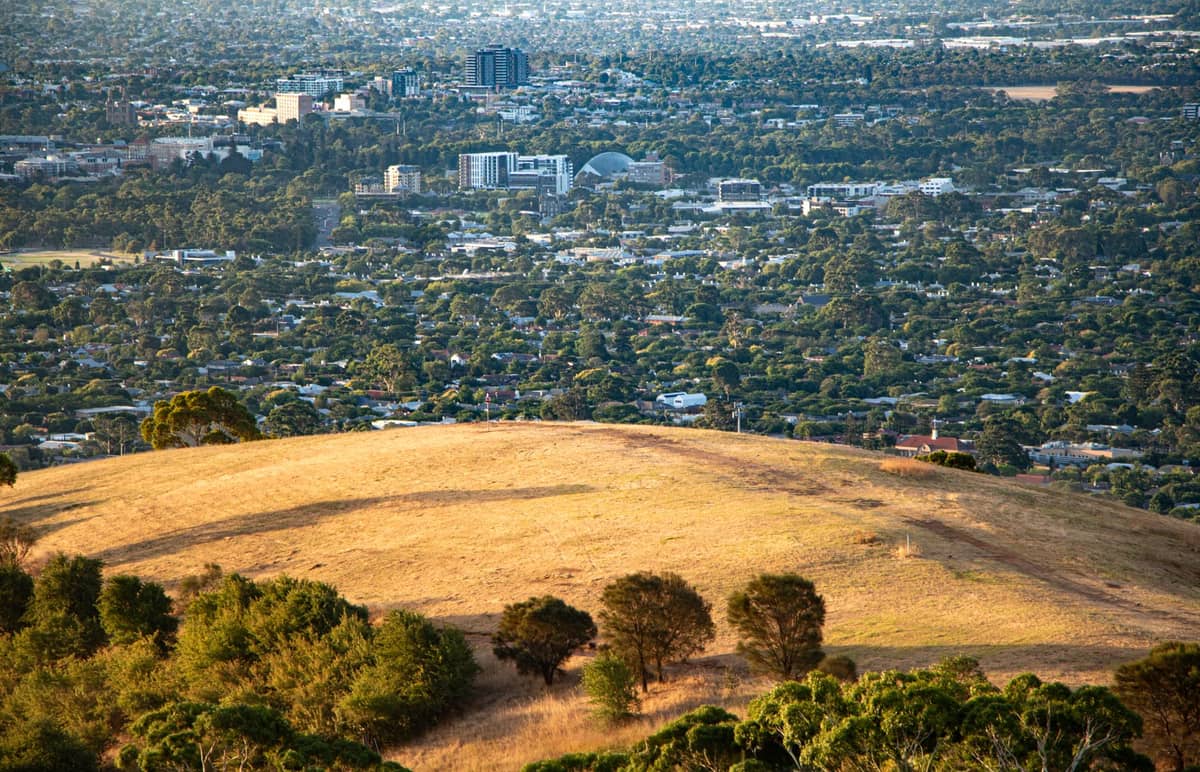
Adelaide sits at roughly 35° south on Australia's southern coastline, giving it a classic Mediterranean climate: hot, dry summers and cool, wetter winters. According to Bureau of Meteorology long-term averages, the city's maximum temperature climbs to 29.5°C in February and drops to 15.3°C in July. Overnight minimums follow the same arc, from 17.2°C in February down to 7.5°C in July. That is a significant spread, and it shapes what you can realistically do and enjoy in each season.
Rainfall is concentrated in the cooler months. June averages around 80 mm and July around 76 mm, while February sits at just 13 mm. That said, Adelaide is one of Australia's drier capitals — annual rainfall averages roughly 550 mm, well below Sydney or Melbourne. In practical terms, this means summer days are consistently clear but can be genuinely extreme, while winter rain tends to arrive in bursts rather than persistent drizzle. A light waterproof layer works better than an umbrella for most winter days.
⚠️ What to skip
Do not assume Adelaide is warm and sunny year-round. July maximums average 15.3°C and winter evenings regularly feel much colder with wind chill. Pack a warm layer and waterproof jacket if you're visiting between June and August.
Summer (December to February): Heat, Events, and Crowds
Summer is Adelaide's boldest season. Temperatures regularly exceed 35°C during heatwaves, and several days per summer push past 40°C. That makes outdoor sightseeing in the middle of the day genuinely uncomfortable. The sensible approach is to front-load activities before 11am and again after 4pm, treating the midday hours as a chance to explore air-conditioned spaces like the South Australian Museum or the Art Gallery of South Australia on North Terrace.
The flip side of the heat is that summer is Adelaide's cultural peak. The Adelaide Fringe, one of the world's largest arts festivals, typically runs from mid-February into March. The Adelaide Festival of arts overlaps with it in late February and early March. If these events are your reason for visiting, summer-shoulder timing — arriving in mid-February — gives you the full program without the worst of the Christmas holiday crowds that pack Glenelg Beach from late December through January.
- Adelaide Fringe Typically mid-February to mid-March. One of the world's largest open-access arts festivals, with hundreds of shows across the city. Book accommodation well ahead — prices spike during this period.
- Adelaide Festival Usually late February to mid-March. A curated program of theatre, music, dance, and visual arts. Program and exact dates change annually; check the official festival website before planning flights.
- Adelaide 500 / motorsport events Motorsport events have historically run in summer; verify current scheduling with event organisers as formats and dates have changed in recent years.
- WOMADelaide The world music and arts festival typically runs over the Adelaide Cup long weekend in March in Botanic Park. Extremely popular — one of Australia's most beloved festival weekends. South Australia's Labour Day is in October.
💡 Local tip
If you're visiting for the Adelaide Fringe or WOMADelaide, book accommodation three to four months ahead. The city fills quickly and prices for central hotels can double compared to off-peak periods.
Autumn (March to May): The Sweet Spot
Autumn is widely considered the best time to visit Adelaide for most travellers, and the reasoning is straightforward. Temperatures settle into the 12–25°C range — warm enough for beach visits and outdoor dining, cool enough for long walks and active sightseeing. Rainfall is still low in March and April before picking up in May. The long summer light begins to soften, and the city's trees put on colour across the parklands and garden suburbs.
The wine regions are particularly rewarding in autumn. Harvest season in the Barossa Valley and McLaren Vale typically runs from late February through April, meaning cellar doors are active, events are on, and the vineyards are at their most photogenic. This is not a quiet period in the wine regions — harvest brings its own crowds — but it is a genuinely special time to visit if wine tourism is a priority.
By May, festival season has wound down, accommodation prices drop, and the city returns to a more local pace. This is a strong time to explore neighbourhood areas like the West End and the East End without competing for reservations at popular restaurants.
Winter (June to August): Quiet, Cool, and Underrated

Adelaide's winter does not get the credit it deserves. Yes, it is the wettest season, and yes, the temperatures feel sharp when the wind comes off the Mount Lofty Ranges. But visitor numbers drop significantly, accommodation rates ease, and the city's indoor culture — its restaurant scene, galleries, and markets — comes into its own. The Adelaide Central Market is especially rewarding in winter, when seasonal produce shifts and long weekday mornings feel relaxed compared to the weekend crush.
Winter is also the best time for wildlife. Whale watching off the Kangaroo Island and the southern coast peaks from June to September as southern right whales migrate through the Great Australian Bight. The Adelaide Hills are moody and atmospheric in winter — Waterfall Gully runs fuller after winter rain, and the walking tracks through Morialta Conservation Park are far less crowded than they are in spring.
✨ Pro tip
If budget is a priority, June and July offer some of the lowest accommodation rates of the year in Adelaide. Midweek stays in central hotels can be significantly cheaper than peak season rates. Just pack for rain and cold evenings.
Spring (September to November): Reliable and Popular
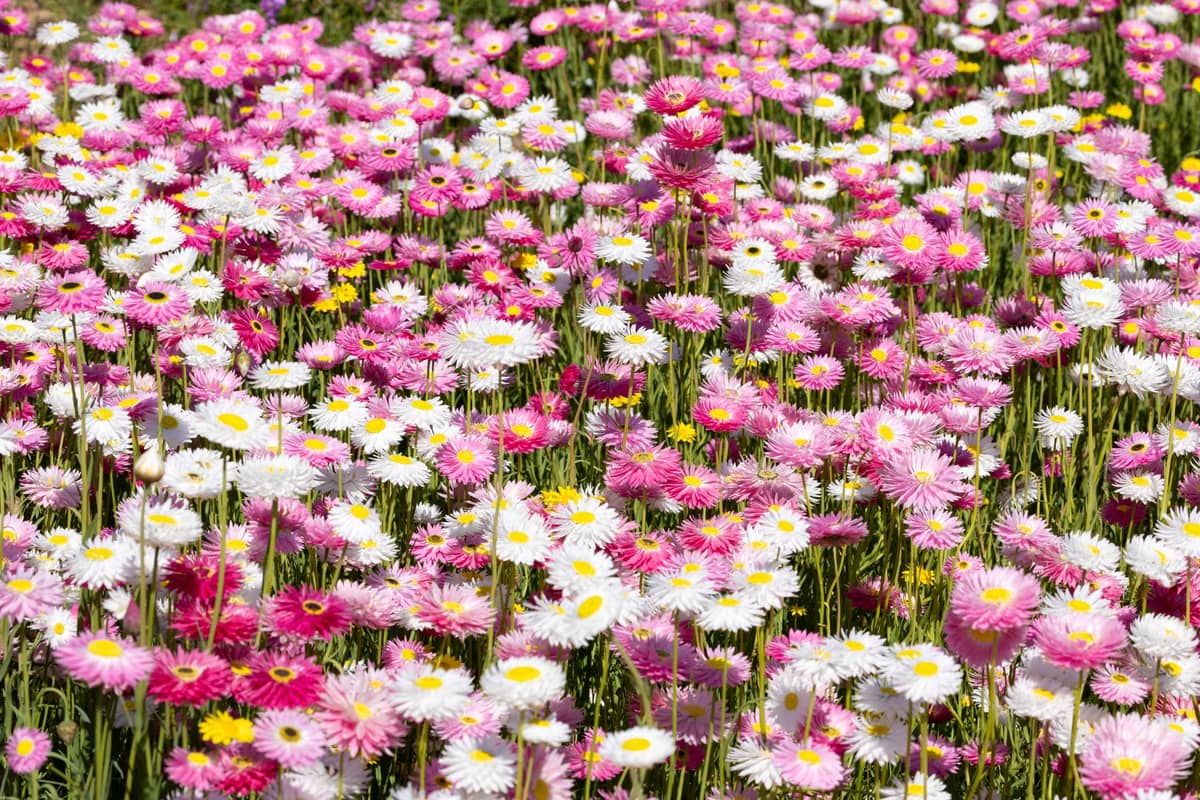
Spring in Adelaide is predictable in the best possible way. Rain eases from September onward, temperatures climb from an average maximum of around 18°C in September to 24°C by November, and the city's parklands and botanic gardens reach peak colour. The Mount Lofty Botanic Garden is particularly spectacular in spring, with its collection of flowering trees and cool-climate plants coming into bloom from late September.
Spring is when Adelaide fills with domestic visitors. School holiday periods in late September and early October bring families into the city, so Cleland Wildlife Park and the Adelaide Zoo get busy. If you are travelling without children, late October and early November are preferable — school holidays have ended, the weather is still mild, and the city has not yet tipped into the heat of summer.
The Adelaide beaches come back to life in spring without the summer peak crowds. Henley Beach and Brighton Beach are particularly good in October for swimming and cycling, with water temperatures warming from around 15°C to 18°C through the season. It is not tropical warmth, but on a sunny 22°C afternoon it feels more than adequate.
Practical Considerations: Crowds, Costs, and Timing
- Peak pricing periods Late February to mid-March (Fringe and Festival season) and December to January (summer holidays) see the highest accommodation prices. Central hotels can charge significantly more than shoulder-season rates.
- Lowest prices June and July are typically the quietest and cheapest months. Midweek stays in winter can offer the best value across the city's accommodation options.
- Best for families October and November offer mild weather, manageable crowds, and open school-holiday-friendly attractions without the peak January surge.
- Best for wine tourism March to May, covering harvest in both the Barossa Valley and McLaren Vale. Cellar door events are concentrated in this period.
- Best for events and festivals February to March, when the Fringe, Adelaide Festival, and WOMADelaide all converge. Requires advance planning for accommodation and tickets.
One timing factor many visitors overlook is the long weekend effect. South Australia observes several public holidays that are not shared with other states, including Adelaide Cup Day in March and Proclamation Day in December. Long weekends draw domestic visitors from interstate and push up accommodation prices in the city and surrounding regions. Check the South Australian public holiday calendar when finalising dates. For a fuller sense of what is on during your visit, the Adelaide festivals guide covers the annual events calendar in detail.
ℹ️ Good to know
Adelaide observes Australian Central Standard Time (UTC+9:30) and switches to Australian Central Daylight Time (UTC+10:30) during daylight saving, which runs from October through April. Factor this in when scheduling international connections through Adelaide Airport (ADL), located around 8 km from the city centre.
For visitors who want structured guidance on how to distribute their time once they arrive, the getting around Adelaide guide covers Adelaide Metro's buses, trains, and trams in detail. The free city tram that runs through the CBD and down to Glenelg is particularly useful for visitors staying centrally.
FAQ
What is the best month to visit Adelaide?
October and April are consistently strong choices. October sits in the middle of spring: school holidays have ended, temperatures average around 22°C, and rainfall is low. April falls in the middle of autumn with similar conditions and the added bonus of harvest season in the nearby wine regions. Both months avoid the heat extremes of summer and the wet chill of winter.
Is Adelaide hot in December?
Yes. December is early summer in Adelaide, and maximum temperatures average around 27–28°C, with regular spikes above 35°C possible during heatwaves. It is also the start of the school holiday rush, so beaches and popular attractions are busy. If you are visiting in December, plan outdoor activities for early morning or late afternoon.
Does Adelaide get cold in winter?
Adelaide winters are genuinely cool rather than extreme. July average maximum temperatures sit around 15°C, and overnight minimums can drop to 7–8°C with wind chill. Rain arrives in bursts — June averages around 80 mm — and evenings feel cold. It is not the frozen winter of Melbourne or a highland city, but visitors expecting warm sunshine will be caught out.
When is Adelaide Festival?
The Adelaide Festival of Arts typically runs in late February and into March, overlapping with the Adelaide Fringe. Exact dates change each year, so check the official Adelaide Festival website before making bookings. Both events drive up accommodation demand significantly across the city.
Is Adelaide good to visit in winter?
Yes, with appropriate expectations. Winter is the quietest period for tourism, with lower accommodation prices and shorter queues at popular attractions. The wine regions, indoor food markets, galleries, and Adelaide Hills walks are all rewarding in cooler weather. It is not the season for beach visits or extended outdoor sightseeing, but it suits travellers who prefer slower pace and lower costs.
Tickets & tours
Live prices and dates from our booking partner. If you book, we may earn a commission at no extra cost to you.
Planning a trip? Discover personalized activities with the Nomado app.