Barossa Valley from Adelaide: The Complete Day Trip Guide
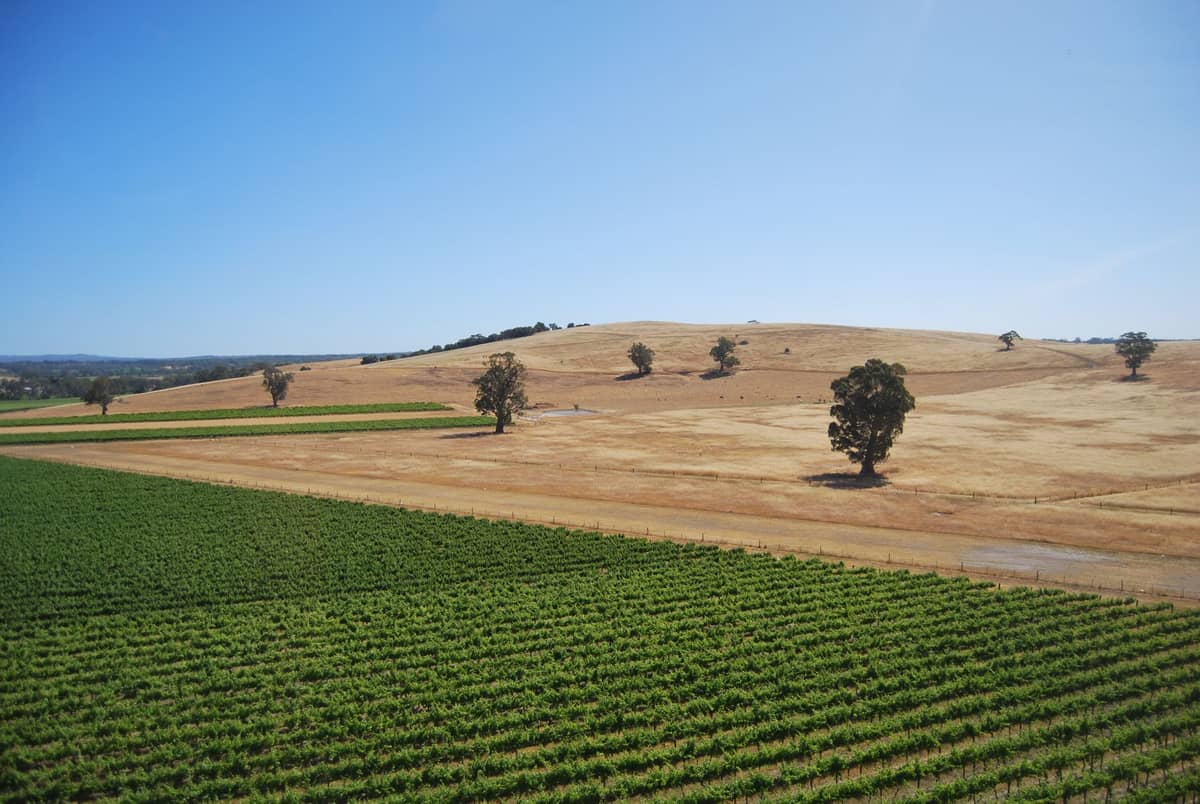
The Barossa Valley sits about 70 km northeast of Adelaide and packs world-class Shiraz, historic villages, and serious food into a single day. This guide covers every practical angle: how to get there, what to do, where to eat, and what most visitors get wrong.
Tickets & tours
Live prices and dates from our booking partner. If you book, we may earn a commission at no extra cost to you.
TL;DR
- The Barossa Valley is roughly 70 km northeast of Adelaide, about one hour by car via the Northern Expressway.
- Self-driving gives you the most flexibility for winery-hopping; public transport gets you to the region but navigating between wineries without a car is genuinely difficult. See our guide to getting around Adelaide for broader transport context.
- Book cellar-door tastings and restaurant lunches in advance, especially on weekends and during harvest season (February to April).
- Spring (September to November) and autumn (March to May) offer the best combination of weather and vineyard scenery.
- The Barossa pairs well with an overnight stay or a structured itinerary; check our Adelaide one-week itinerary if you want to build it into a longer trip.
How Far Is the Barossa Valley from Adelaide?
The Barossa Valley sits approximately 70 km northeast of Adelaide's city centre. Driving to Tanunda, the region's main town, takes around one hour on the Northern Expressway under normal traffic conditions. A scenic route through the Adelaide Hills adds roughly 30 minutes but rewards you with better countryside before you even reach the valley floor.
That distance makes a day trip genuinely achievable, but it also means you are looking at two hours of driving before you factor in stops. Leave Adelaide by 8:30 a.m. at the latest if you want a full day in the valley and plan to return before dinner. Traffic heading out of the city is usually light in the morning; the return leg on a Sunday afternoon can be slower.
💡 Local tip
If you plan to drink at cellar doors, designate a driver or book a tour. South Australian road rules apply, and random breath testing is common on regional highways. Winery hopping without a sober driver is a plan that falls apart quickly.
Getting to the Barossa: Car, Tour, or Public Transport?
Driving is the clear winner for flexibility. The Northern Expressway from Adelaide is fast, well-signposted, and free. Once in the valley, the main winery corridor runs between Lyndoch in the south and Angaston in the north, covering about 25 km. Without a car, moving between these points is the real challenge.
- Self-drive Maximum flexibility. Rent a car in Adelaide, designate a driver, and plan 3-5 cellar door stops. The drive is straightforward with no tolls on the Northern Expressway route.
- Organised day tour Shared or private tours depart Adelaide daily, with some operators offering hotel and airport pickup. Itineraries typically include 3-4 winery visits and lunch. Confirm inclusions, group size, and pickup logistics directly with the operator before booking.
- Public transport Adelaide Metro trains run to Gawler Central, where LinkSA buses connect to Barossa towns including Lyndoch, Tanunda, and Angaston. The train-plus-bus combination works for reaching the region, but there is no local shuttle between wineries. Verify current timetables directly with Adelaide Metro before travel, as schedules vary.
The public transport option is worth understanding clearly: the train terminates at Gawler, not inside the Barossa. Buses from Gawler serve selected towns, but most individual wineries are not on bus routes. Unless you plan to stay close to Tanunda or Angaston's town centres and walk or cycle, you will find the logistics frustrating. This is not a reason to skip the Barossa without a car, but it is a reason to plan carefully or choose a guided tour.
⚠️ What to skip
Do not assume public transport makes winery-hopping simple. The train reaches Gawler, not the valley itself. Confirm every connection, including bus frequency and last return services, before you leave Adelaide.
What to Do in the Barossa on a Day Trip
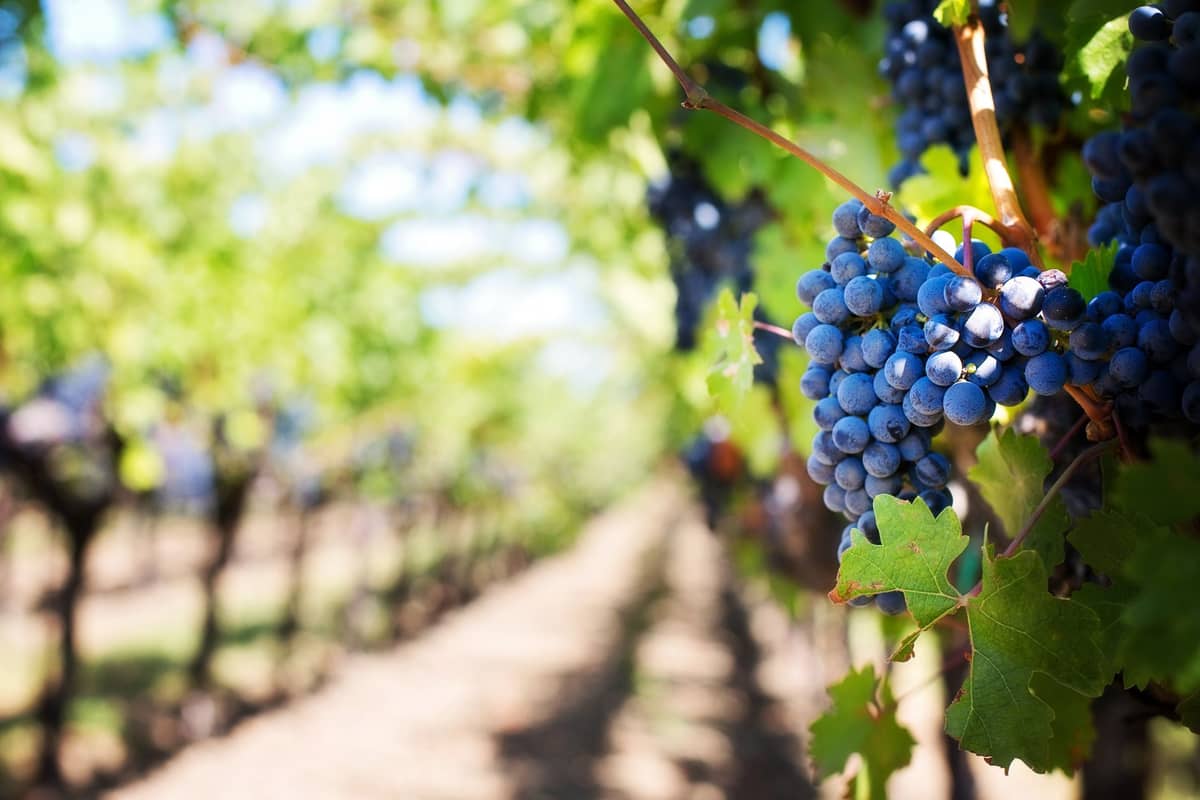
The Barossa's core appeal is its cellar doors, and the range is wider than most visitors expect. The region produces some of Australia's most celebrated Shiraz, along with Riesling, Grenache, and Cabernet Sauvignon. The Adelaide wine guide gives broader context on South Australian wine regions, but the Barossa stands alone for old-vine Shiraz. Some vines here predate the 1900s, which is genuinely rare on a global scale.
On a single day, aim for three to four cellar doors at most. Trying to squeeze in more than five tends to dilute the experience and, if you are tasting rather than spitting, impairs judgement by mid-afternoon. Mix at least one large, well-known producer with one smaller, appointment-only operation to get a sense of the range.
- Seppeltsfield Winery One of the Barossa's most iconic estates, known for its 100-year-old Para Vintage Tawny. The heritage grounds, palm-lined driveway, and historic cellars make it worth visiting even if you are not a wine enthusiast. Cellar door open daily; check current hours before visiting.
- Tanunda town centre A compact main street with good coffee, bakeries, and an accessible base if you are relying on public transport. The town's Lutheran heritage is reflected in its architecture and some of its food traditions.
- Barossa Valley Estate Lists daily hours of 10:30 a.m. to 4:30 p.m. with closures on Good Friday, Christmas Day, Boxing Day, and New Year's Day. Booking some experiences in advance is advised.
- Hahndorf (en route via the Hills) If you take the scenic Adelaide Hills route, the historic German settlement of Hahndorf makes a logical stop. It can feel busy with day-trippers on weekends, but the main street heritage buildings and smoked meats are worth 45 minutes.
Beyond wine, the Barossa has a serious food culture built on European settler traditions. Smoked meats, artisan cheesemakers, and sourdough bakers operate alongside the cellar doors. The Adelaide food guide covers the city's dining scene, but the Barossa adds a distinctly regional, produce-driven layer that is worth planning a proper lunch around.
Best Time to Visit the Barossa from Adelaide
The Barossa is accessible year-round, but the experience shifts considerably with the season. For the full picture on timing, the best time to visit Adelaide guide covers the broader South Australian calendar, including festival periods that can affect accommodation and road traffic.
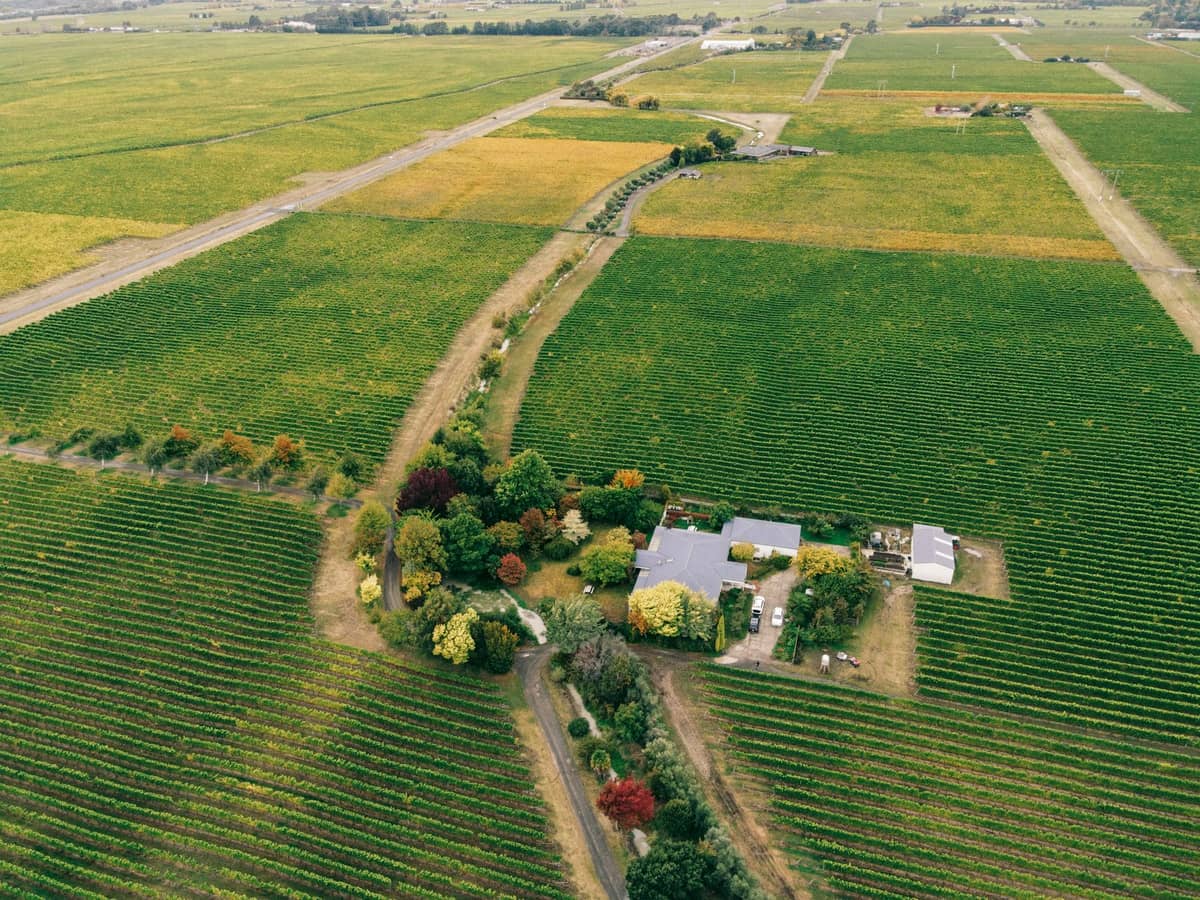
Autumn (March to May) is harvest season, when the vineyards are at their most photogenic and the valley is busiest. This is the best time if you want to see the winemaking process up close, but book everything well ahead. Spring (September to November) brings wildflowers and mild temperatures around 18 to 22 degrees Celsius, with fewer crowds than autumn. Summer (December to February) can push above 40 degrees Celsius on extreme days, and some cellar doors adjust their hours or close early in heatwaves. Winter (June to August) is quieter and cooler, around 8 to 14 degrees Celsius in the valley, with the benefit that some wineries offer more relaxed, unhurried tastings.
ℹ️ Good to know
The Barossa Vintage Festival runs in odd-numbered years around Easter and draws significant crowds to the valley. If your trip coincides with this event, expect higher accommodation prices and busier cellar doors. Book at least two to three months ahead.
Planning Your Day: Practical Logistics
A realistic Barossa day trip itinerary from Adelaide looks like this: depart by 8:30 a.m. arrive in the valley by 9:30 to 10:00 a.m. visit two cellar doors before lunch, take a proper sit-down lunch at a winery restaurant or in Tanunda, visit one or two more cellar doors in the afternoon, and leave the valley by 4:30 to 5:00 p.m. to return to Adelaide by 6:00 p.m. or earlier.
Cellar door opening hours vary significantly. Most open around 10:00 to 10:30 a.m. and close between 4:30 and 5:00 p.m. Some smaller producers operate by appointment only. Check individual winery websites before building your itinerary, as hours can shift seasonally or for private events. Arriving at 4:00 p.m. hoping to taste at three wineries is a plan that frequently fails.
If you are combining the Barossa with other South Australian day trips, note that the valley pairs logistically with the Adelaide Hills rather than with the Fleurieu Peninsula or McLaren Vale, which sit in the opposite direction from the city. Trying to cover both the Barossa and McLaren Vale in a single day is a choice that usually sacrifices quality at both destinations.
- Book winery lunches and seated tasting experiences at least a week ahead, and several weeks ahead during harvest season or long weekends.
- Carry Australian dollars (AUD) in cash as a backup. Some smaller producers and food stalls at markets may not have reliable card facilities in the region.
- Download offline maps before leaving Adelaide. Mobile coverage can be patchy in parts of the valley.
- If you are driving through the Adelaide Hills on the way back, allow extra time. The road through Birdwood and onto the South Eastern Freeway is scenic but slower than the Northern Expressway.
- The Barossa Visitor Centre in Tanunda is a reliable first stop for maps, local recommendations, and current dining information.
Is the Barossa Worth It as a Day Trip?
For most visitors, yes. The Barossa is one of the more rewarding day trips from Adelaide because the concentration of quality within a small geographic area is high. You do not need to drive enormous distances between stops, the valley has its own distinct character rather than feeling like a generic tourist zone, and the food and wine quality justifies the effort.
That said, the Barossa is not for everyone in day-trip format. If you do not drink wine and are not particularly interested in food culture or heritage architecture, a half-day here may feel like enough and you might get more value from other day trips from Adelaide that focus on landscapes, wildlife, or coastline. If you do drink wine and want to genuinely explore the region rather than tick it off, a single day always feels slightly rushed. Staying overnight in Tanunda or Angaston allows an evening at a restaurant that does not turn tables quickly and a calmer second morning before the drive back.
For those building a longer South Australia itinerary, the 3 days in Adelaide guide outlines how to sequence the Barossa alongside the city's key attractions without feeling rushed.
FAQ
How long is the drive from Adelaide to the Barossa Valley?
Driving from Adelaide to Tanunda in the Barossa Valley takes approximately one hour via the Northern Expressway, covering around 70 km. A scenic route through the Adelaide Hills or via Hahndorf adds 30 to 45 minutes but offers better countryside views.
Can you do the Barossa Valley without a car?
You can reach the region by taking an Adelaide Metro train to Gawler Central and then a LinkSA bus to Barossa towns including Tanunda, Lyndoch, and Angaston. However, there is no local shuttle between individual wineries, so moving between cellar doors without a car is genuinely difficult. A guided tour from Adelaide is a practical alternative if you want to drink at multiple wineries.
What is the best time of year to visit the Barossa Valley?
Autumn (March to May) during harvest season offers the most dramatic vineyard scenery and access to winemaking experiences, but it is the busiest period. Spring (September to November) is a strong alternative with mild temperatures, fewer crowds, and wildflowers. Summer can exceed 40 degrees Celsius on extreme days, which affects some cellar door hours.
How many wineries can you realistically visit in a Barossa day trip?
Three to four cellar doors is a realistic and enjoyable number for a day trip. Most open around 10:00 to 10:30 a.m. and close by 4:30 to 5:00 p.m. and a proper lunch will take an hour or more. Trying to visit more than five wineries in a day usually means rushing, and the experience suffers.
Do you need to book cellar doors in advance?
Larger producers generally accept walk-ins, but seated tastings, winery lunches, and experiences at smaller producers often require a reservation. During harvest season (February to April), long weekends, and the Barossa Vintage Festival, advance booking for restaurants and premium tastings is strongly recommended.
Tickets & tours
Live prices and dates from our booking partner. If you book, we may earn a commission at no extra cost to you.
Planning a trip? Discover personalized activities with the Nomado app.