What to Eat in Adelaide: A Food Lover's Guide
Adelaide is a serious food city. With nearby wine regions, a legendary central market, and a dining scene shaped by Greek, Italian, Vietnamese, and Chinese communities, knowing where and what to eat here makes a real difference.
Tickets & tours
Live prices and dates from our booking partner. If you book, we may earn a commission at no extra cost to you.
TL;DR
- The Adelaide Central Market is the single best place to start eating your way through Adelaide: open Tuesday to Saturday, with over 70 traders selling everything from local cheeses to fresh seafood.
- Adelaide's food identity is built on its proximity to the Barossa Valley and McLaren Vale wine regions, fresh Gulf St Vincent seafood, and a multicultural migrant community that has shaped the restaurant scene for generations.
- The East End and North Adelaide have the highest concentration of reliable sit-down restaurants; the West End is stronger for late-night eating and bars with food.
- Tipping is not expected in Australia, including Adelaide. Service charges are rarely added automatically.
- For broader context on what Adelaide offers visitors, see our guide on things to do in Adelaide.
Why Adelaide Is a Serious Food City
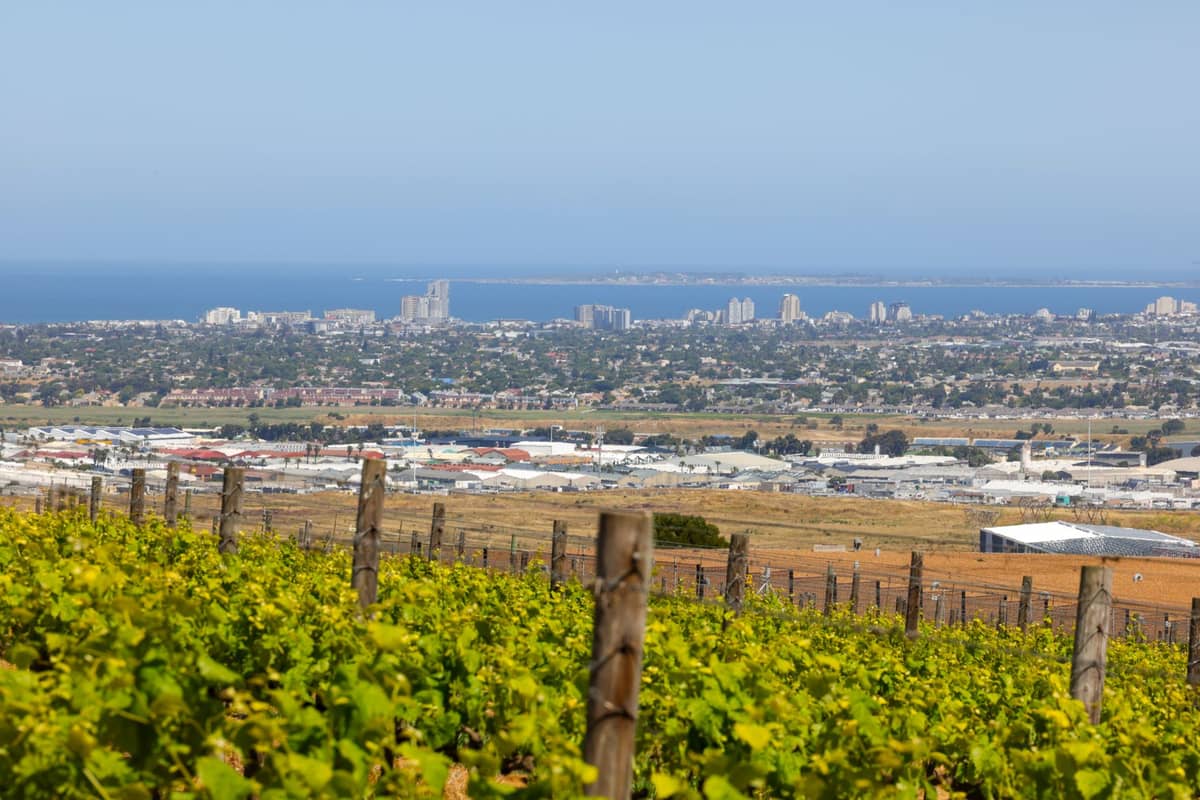
Adelaide's reputation as a food destination has grown steadily, and it is not hard to understand why. The city sits at the intersection of two internationally recognised wine regions, the Barossa Valley and McLaren Vale, both within an hour's drive. Gulf St Vincent and Spencer Gulf supply king prawns, blue swimmer crabs, oysters, and southern bluefin tuna. The Adelaide Hills add cool-climate produce: stone fruit, berries, artisan cheeses, and cider. That geography alone would be enough, but the city's food story is also deeply human.
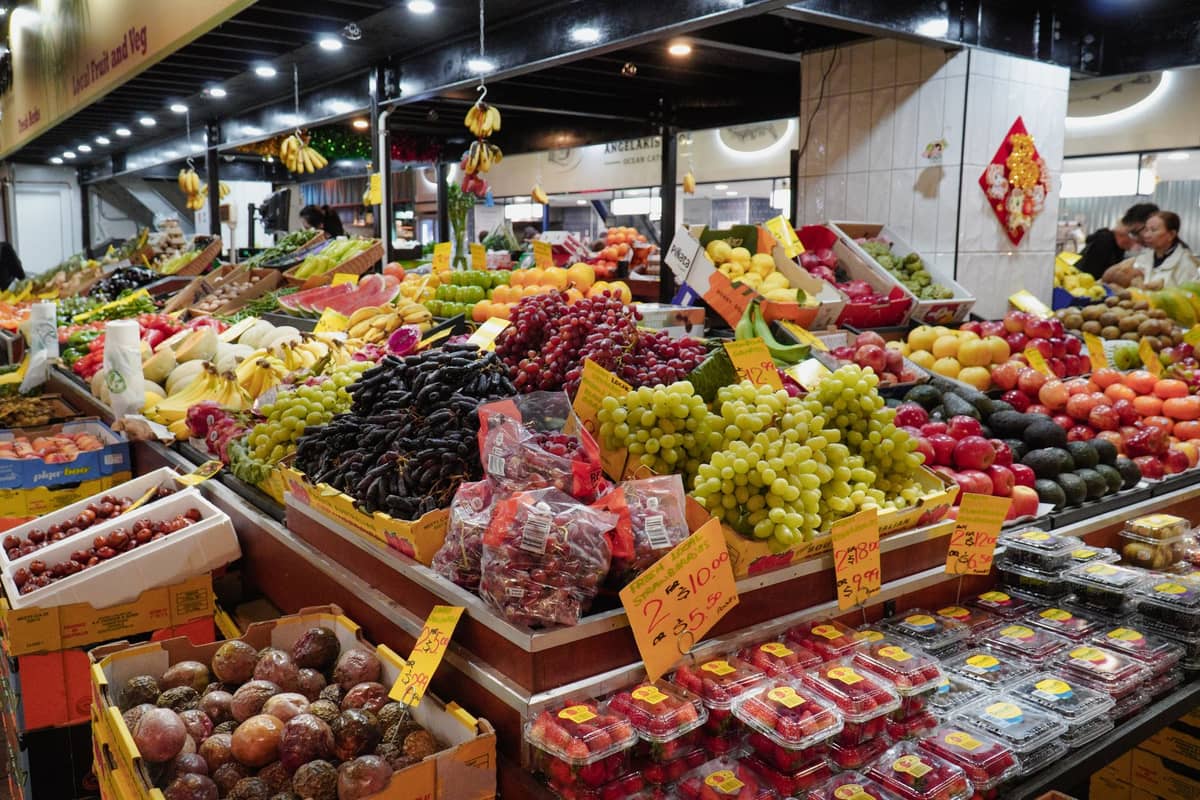
Waves of Italian, Greek, Vietnamese, and Chinese migrants have shaped what Adelaideans eat at home and out. Walk through the Adelaide Central Market on a Friday morning and you'll see that history playing out in real time: pasta makers next to Vietnamese banh mi counters, Greek cheese importers beside South Australian olive oil producers. The market has been trading in this form for more than 150 years and remains a working food hub, not a tourist set piece.
ℹ️ Good to know
Adelaide has no legislated official language, but English dominates. Menu translations are rarely needed, though many restaurants in Chinatown and along Gouger Street have menus in both English and Mandarin or Vietnamese.
Adelaide Central Market: The Essential First Stop
If you do only one food-specific activity in Adelaide, make it the Central Market. With more than 70 traders spread across a large indoor hall, it is one of the largest fresh produce markets in the Southern Hemisphere. The range is serious: raw produce, baked goods, smallgoods, seafood, specialty groceries, and a rotating selection of ready-to-eat food. Arriving hungry is the right strategy.
- Opening hours Tuesday 7am–5:30pm, Wednesday 9am–5:30pm (optional trading day), Thursday 9am–5:30pm, Friday 7am–9pm, Saturday 7am–3pm. Closed Sunday and Monday. Check the official website before public holidays, as hours can change.
- Best day to visit Friday is the peak day: the market trades late, more stalls are at full operation, and the atmosphere is at its most intense. Saturday mornings are also strong but close early at 3pm.
- Wednesday caution Wednesday is an optional trading day. Not all 70-plus traders participate, so don't plan a serious shopping run mid-week without checking the trader directory first.
- What to buy Local cheeses from the Adelaide Hills, fresh seafood, South Australian olives and oils, artisan bread, and charcuterie. For ready-to-eat, the banh mi, Polish pierogi, and fresh pasta stalls have loyal regulars.
⚠️ What to skip
The Adelaide Central Market is closed on Sundays and Mondays. This surprises a lot of visitors who assume a major market operates seven days. Plan accordingly, especially if your stay is short. Verify hours for public holidays on the official Adelaide Central Market website before you go.
The Neighbourhoods Worth Eating In
Adelaide is compact enough that eating in multiple neighbourhoods on the same day is realistic, but each area has a distinct character worth understanding before you plan your meals.
Gouger Street in the CBD is the city's most concentrated restaurant strip. It skews toward Chinese, Malaysian, Korean, and Japanese dining, with a handful of steakhouses and seafood spots mixed in. It is reliable but not always the most exciting. The East End around Rundle Street and Ebenezer Place is where independent cafes, wine bars, and more considered modern Australian restaurants cluster. It tends to be busier on weekend evenings and calmer during weekday lunches.
North Adelaide, particularly O'Connell Street, has a neighbourhood restaurant feel: fewer chains, more owner-operated venues, and a loyal local clientele. Norwood's The Parade, just east of the CBD, is worth the short trip for its mix of Italian and Greek-influenced cafes and independent restaurants. For a more relaxed coastal meal, Glenelg has beachside dining options, though quality is less consistent than the inner suburbs.
💡 Local tip
The Adelaide West End, around Hindley Street and its surrounds, is better suited to late-night eating and bar snacks than destination dining. It improves after midnight when other options close, but it is not where you go for a considered meal. For a fuller picture, read our guide to the Adelaide West End.
What to Order: Dishes and Produce That Define Adelaide
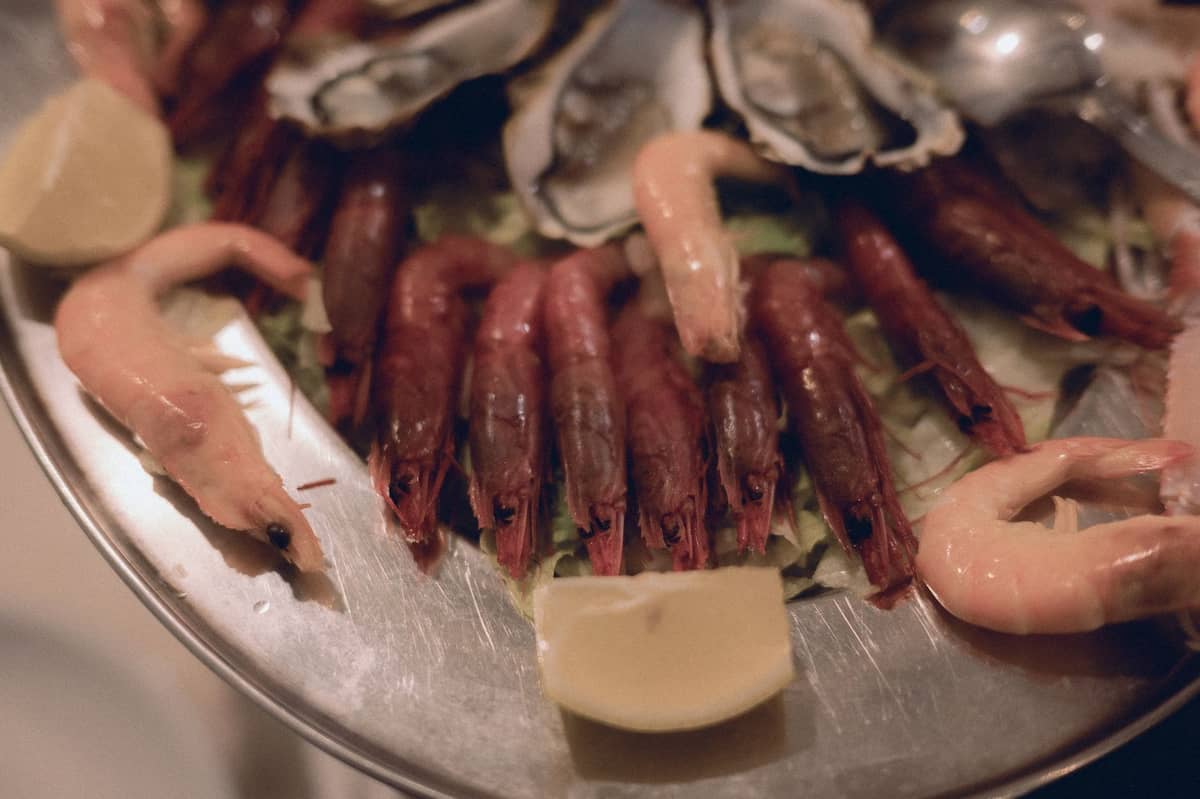
Understanding what Adelaide does well, specifically, helps you make better choices on a short visit. This is not a city known for a single signature dish, but it has clear strengths.
- Seafood from Gulf St Vincent King prawns, blue swimmer crabs, and Coffin Bay oysters appear on menus across the city. Fresh fish and chips near the waterfront suburbs are better value than in the CBD, though quality varies. Southern bluefin tuna from Port Lincoln, about 650km northwest, is available in season at better restaurants.
- Adelaide Hills produce Local cheeses, including washed rinds and blues from small producers, appear on most serious cheese boards. The Hills also supply cool-climate wines, stone fruit in summer, and berries in spring and early summer.
- Pie floater A meat pie served upside down in a bowl of thick pea soup, topped with tomato sauce. Considered a South Australian tradition, though it has become harder to find at traditional street-food vendors. A few CBD spots still serve it, and it polarises people, but it is genuinely local.
- Banh mi and Vietnamese food Adelaide has a strong Vietnamese community, and the city's banh mi are consistently good. The Central Market and Gouger Street are reliable starting points.
- South Australian wine by the glass Restaurants across the city pour local wines heavily. If you are unfamiliar with South Australian regions, asking for a wine list that highlights Barossa or McLaren Vale labels is a reasonable orientation point.
Pairing food with wine from the source regions is worth doing properly. The Barossa Valley is under an hour from the city and many producers offer cellar-door lunches. For the wine-and-food pairing experience, a day trip to Barossa or McLaren Vale beats eating in the city. But if time is short, the National Wine Centre of Australia on the edge of the Botanic Garden gives a concentrated introduction to South Australian wine varieties without leaving the city.
Budgeting for Food in Adelaide
Adelaide is generally more affordable than Sydney or Melbourne for eating out, but the gap has narrowed in recent years. Expect to pay around AUD 18-28 for a main course at a mid-range sit-down restaurant, AUD 5-12 for café breakfast dishes, and AUD 8-15 for street-food style meals from the Central Market or food courts. A banh mi from the market typically costs around AUD 7-10. A proper seafood meal at a mid-range restaurant will run AUD 35-60 per person before wine.
Tipping is discretionary in Australia and not expected as a cultural norm. Rounding up or leaving a few dollars for attentive service is appreciated but never obligatory. No service charge is added automatically at most venues. For visitors on a tighter budget, our Adelaide on a budget guide covers free and low-cost food options in detail. The Central Market's prepared food stalls are consistently the best value-to-quality ratio in the city.
✨ Pro tip
Friday evening at the Adelaide Central Market is when the city's food culture feels most alive. The market trades until 9pm, many stalls put out end-of-week specials, and the energy is noticeably different from the quieter mid-week sessions. If you can only visit once, make it Friday.
Day Trips That Are Really About the Food
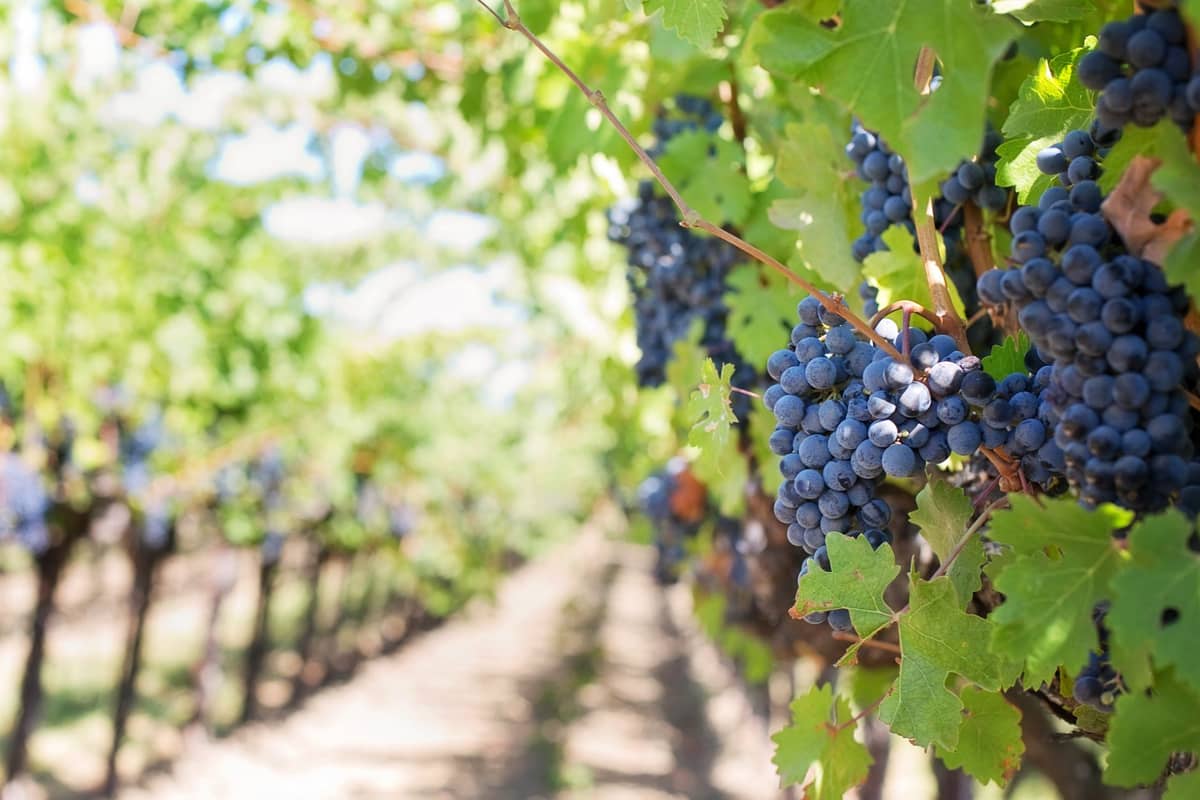
Some of the best eating near Adelaide happens outside the city limits. The Barossa Valley from Adelaide is the obvious choice: cellar-door lunches at producers like Seppeltsfield, with local smallgoods and bread, are a full experience in themselves. McLaren Vale, around 40km south, has a cluster of winery restaurants that take local produce seriously. Hahndorf in the Adelaide Hills is worth visiting for its German-heritage bakeries and smoked meats, though it gets crowded on weekends and the tourist-facing shops can be heavy-handed.
For seafood specifically, a drive to the Fleurieu Peninsula or the Yorke Peninsula opens up direct access to oyster farms and fish-and-chip shacks that source from the water they are sitting next to. These are harder to plan around without a car, but if you are driving, they are worth building into the itinerary. See our day trips from Adelaide guide for logistics on reaching these areas by public transport or rental car.
Practical Details Before You Eat
- Currency: All prices are in Australian dollars (AUD). Card payment is accepted almost universally, including at market stalls. Cash is still useful for smaller vendors.
- Dietary needs: Most Adelaide restaurants handle vegetarian and gluten-free requests without difficulty. Vegan options are standard at cafes and most mid-range restaurants. Call ahead for complex allergies at fine-dining venues.
- Reservations: Required at busy restaurants on Friday and Saturday evenings. Many venues use online booking through third-party platforms. Walk-ins work better Tuesday to Thursday.
- Tap water: Adelaide's tap water is treated and safe to drink. Restaurants will supply tap water on request. Sparkling water is typically charged for.
- Alcohol: South Australia's licensing laws allow most restaurants to serve alcohol with a meal. BYO (bring your own wine) is permitted at some venues, often with a corkage fee of around AUD 5-15 per bottle. Check before you arrive.
FAQ
What is Adelaide's most famous food?
Adelaide doesn't have one iconic dish in the way some cities do, but the pie floater, a meat pie served in pea soup, is the most distinctively South Australian street food. Beyond that, Adelaide is better known for the quality and range of its produce: Coffin Bay oysters, Gulf St Vincent prawns, Adelaide Hills cheeses, and wines from the Barossa Valley and McLaren Vale.
Is Adelaide Central Market worth visiting?
Yes, without qualification. It is one of Australia's best food markets and genuinely functions as a working market rather than a tourist attraction. Over 70 traders cover fresh produce, specialty groceries, and ready-to-eat food. The best days to visit are Friday (open until 9pm) and Saturday morning. Avoid assuming it's open on Sunday or Monday: it isn't.
Where should I eat in Adelaide on a budget?
The Adelaide Central Market's prepared food stalls offer the best value in the city. Gouger Street is reliable for affordable Asian food. The East End has good-value lunch spots during the week. Avoid the most tourist-facing areas near Rundle Mall for sit-down meals, where quality rarely matches price.
Do I need to tip at Adelaide restaurants?
No. Tipping is not expected in Australia and no cultural obligation exists around it. Leaving a few dollars for genuinely good service is appreciated, but rounding up or tipping 10-15% as a standard practice is not the norm here.
What Adelaide food experiences are worth doing outside the city?
A cellar-door lunch in the Barossa Valley or McLaren Vale is the top recommendation, combining wine and food from the same region. Hahndorf in the Adelaide Hills is worth a visit for German-heritage baked goods and smallgoods. For seafood, coastal spots on the Fleurieu or Yorke Peninsulas offer fresher and cheaper options than most city restaurants.
Tickets & tours
Live prices and dates from our booking partner. If you book, we may earn a commission at no extra cost to you.
Planning a trip? Discover personalized activities with the Nomado app.