Things to Do in Adelaide: A Definitive Guide to South Australia's Capital
Adelaide offers more than its size suggests. This guide covers the city's best experiences across culture, food, nature, and day trips — plus a clear view of what's worth your time, what to skip, and how to get around without wasting money.
Tickets & tours
Live prices and dates from our booking partner. If you book, we may earn a commission at no extra cost to you.
TL;DR
- Adelaide's free tram zone connects South Terrace to the Botanic Gardens and Festival Plaza — use it to reach key attractions at no cost. The tram is not free to Glenelg, despite what many visitors assume.
- Spring (September–November) and autumn (March–May) are the best seasons for outdoor exploring; February–March is festival season with Adelaide Fringe and Adelaide Festival running simultaneously.
- The Adelaide Central Market is one of the largest fresh produce markets in the Southern Hemisphere and a genuine daily institution, not a tourist trap.
- Day trips to the Barossa Valley, McLaren Vale, and Kangaroo Island are all feasible from the city and rank among the best things to do in Adelaide Australia for first-timers.
- Tipping is discretionary, tap water is safe to drink, and emergency services are reached on 000.
Getting Your Bearings: Adelaide's Layout and How to Move Around
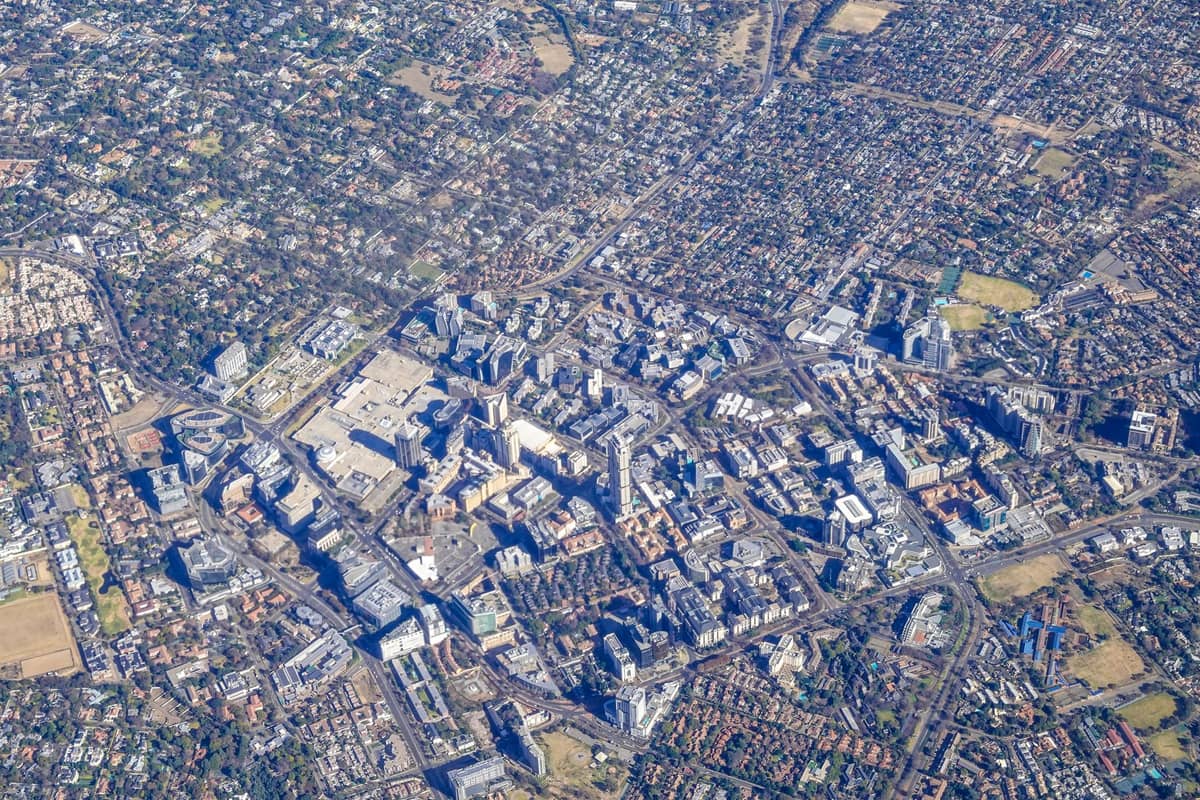
Adelaide's city centre sits on a flat grid of streets, ringed entirely by Adelaide Park Lands, a continuous green belt that separates the CBD from surrounding suburbs. This design, laid out by Colonel William Light in 1836, makes the city unusually walkable and easy to navigate. North Adelaide sits just across the River Torrens, connected by footbridges and the free City Connector bus.
Adelaide Metro operates buses, trains, and trams. The free tram zone is genuinely useful: it covers travel between South Terrace in the south and the Botanic Gardens and Festival Plaza in the north, which puts the Central Market, North Terrace cultural precinct, and Rundle Mall all within the free zone. Beyond the city boundary, standard fares apply. A metered taxi or rideshare from Adelaide Airport (ADL, about 8 km from the CBD) typically takes 15-25 minutes depending on traffic. The airport bus uses standard Adelaide Metro fares; confirm the current route and timetable with Adelaide Metro before travelling, as services can change.
⚠️ What to skip
The tram to Glenelg is NOT free beyond the city zone. Many visitors board expecting a free ride all the way to the beach and get caught without a valid fare. Load an Adelaide Metro Metrocard before heading south of the free zone boundary.
Culture and History: North Terrace and Beyond
North Terrace is Adelaide's cultural spine. Within a short walk, you can move between the Art Gallery of South Australia, the South Australian Museum, and the historic Mortlock Wing of the State Library — one of the most photographed interiors in the country, and free to enter. The Museum holds a significant collection of Indigenous Australian cultural materials and natural history specimens, including one of the world's largest meteorite collections.
Adelaide sits on Kaurna Country, the traditional lands of the Kaurna people. The Living Kaurna Cultural Centre at Warriparinga offers a grounded introduction to this history, with guided walks and cultural programs led by Kaurna community members. This is a more meaningful experience than the cursory acknowledgement offered by most city itineraries. For deeper context, the Adelaide Aboriginal culture guide covers the key sites and how to engage respectfully.
Note that the Migration Museum on Kintore Avenue is currently closed for major structural, conservation, and accessibility works. Check the official South Australian Museum website for reopening updates before planning a visit. The Adelaide Gaol is a worthwhile alternative for history-focused visitors: Australia's oldest surviving colonial-era prison, with self-guided and ghost tour options available on weekends.
💡 Local tip
The Art Gallery of South Australia and South Australian Museum are both free to enter and open daily. Budget at least 90 minutes each if you want to move through them properly rather than rushing.
Food and Markets: Where Adelaide Things to Do Begin and End
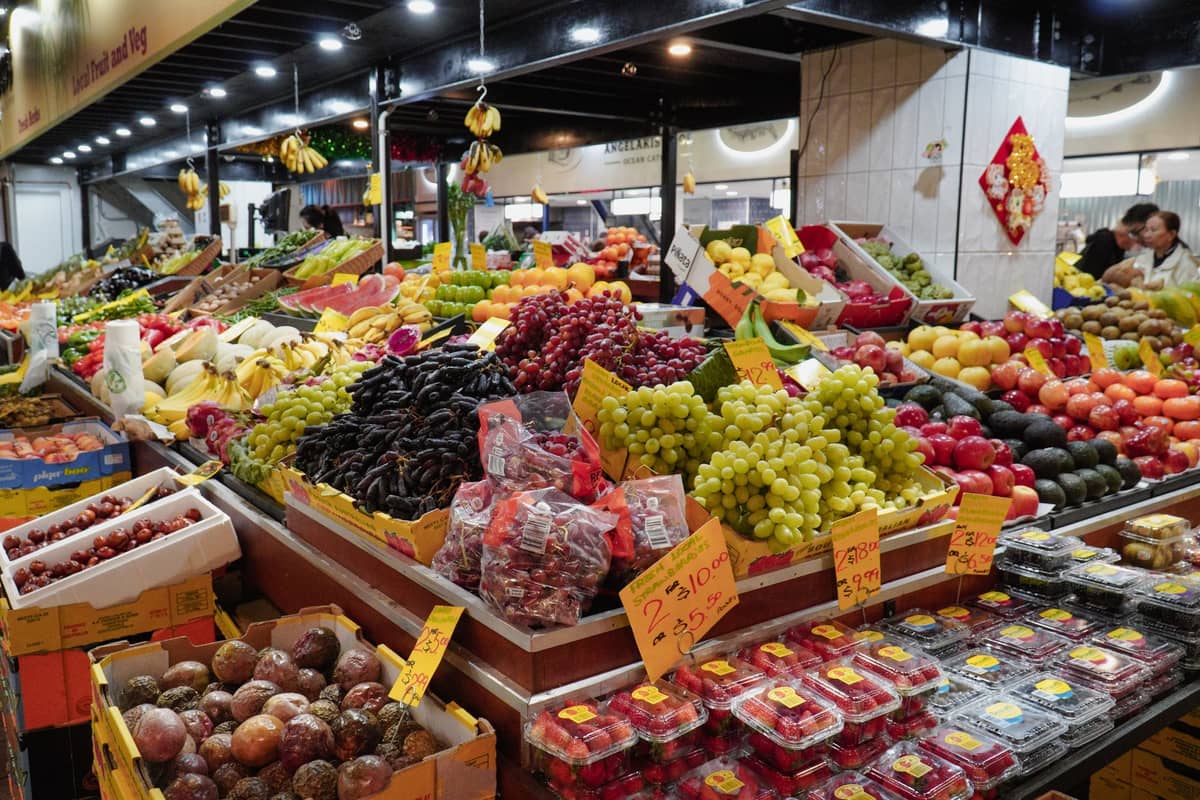
For many visitors, Adelaide Central Market is the single best thing to do in the city. Operating since 1869, it's one of the largest undercover fresh produce markets in the Southern Hemisphere, with around 70 stalls selling everything from South Australian cheeses and smallgoods to fresh seafood, Asian groceries, and specialty coffee. Go Tuesday to Thursday for a relaxed experience; Saturday mornings are packed but have the best energy. The market is closed Sunday and Monday.
The surrounding Adelaide Central Market precinct bleeds into Chinatown on Moonta Street and connects to the West End, where you'll find a concentration of independent restaurants, wine bars, and cocktail lounges. For a structured overview of the city's food scene, the what to eat in Adelaide guide breaks it down by cuisine and neighbourhood.
- Adelaide Central Market Tuesday to Saturday; get there before 11am on Saturdays to avoid peak crowds and find the best produce.
- Gouger Street A five-minute walk from the Market; the densest strip of restaurants in the city, strong on Chinese and Korean options.
- Rundle Street East End Cafes, wine bars, and restaurants catering to Adelaide's university crowd; liveliest Thursday to Saturday evenings.
- Plant 4 Bowden A converted factory hosting a weekend food and artisan market in the inner north; smaller and more curated than the Central Market, with local producers and street food operators.
Outdoor Adelaide: Parks, Beaches, and the Hills
The River Torrens Linear Park runs 30 km from the Adelaide Hills to the coast, with the central section through the city offering flat, paved walking and cycling paths between the Botanic Garden and Elder Park. This is the easiest way to move between the CBD and Adelaide Oval on foot, and the riverside setting makes it consistently pleasant.
Adelaide has multiple accessible beaches within 30 minutes of the city. Glenelg Beach is the most popular and the easiest to reach via tram, though it's also the most crowded on weekends. Henley Beach and Brighton Beach are calmer alternatives with a more local feel. For a beach with no development and far fewer people, Maslin Beach south of the city is worth the extra 40-minute drive, particularly in the shoulder seasons.
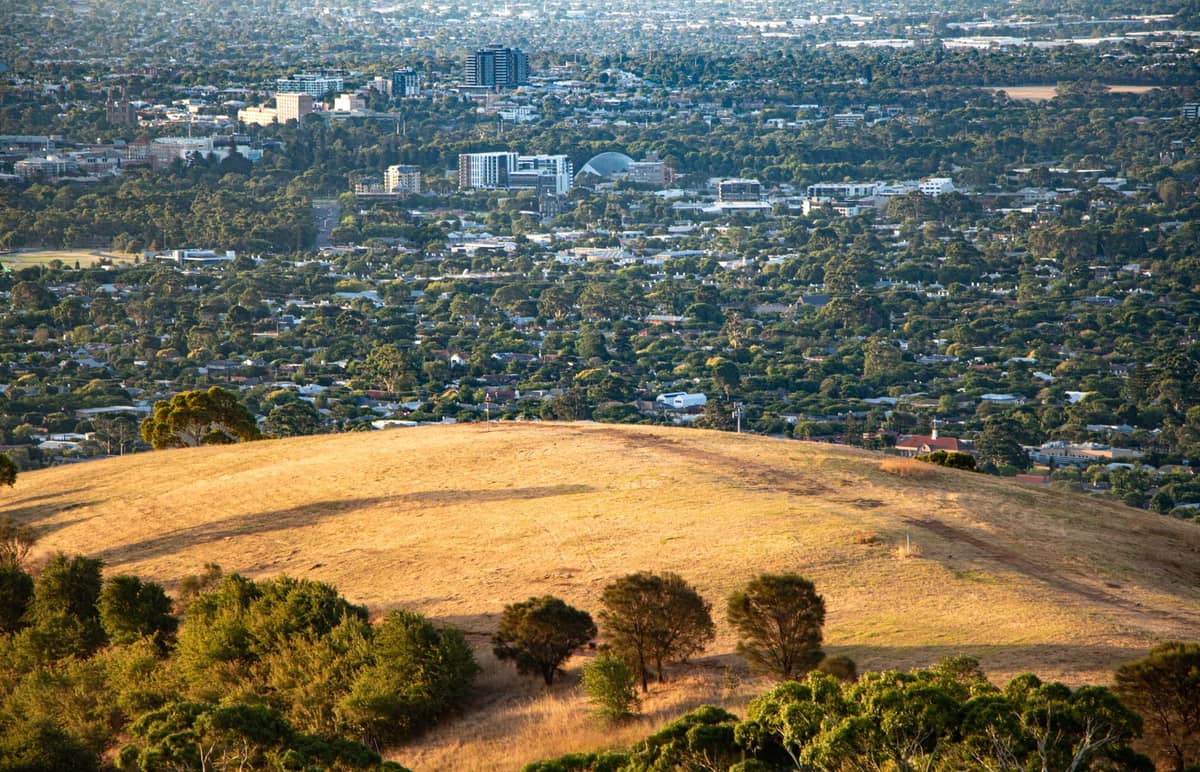
The Adelaide Hills rise sharply to the east of the city and take under 30 minutes to reach by car. Waterfall Gully is the most popular entry point to the Hills, with a trail leading up to Mount Lofty Summit (727 m above sea level). The full return hike is about 4.5 km each way (roughly 8–9 km return) and typically takes 2.5–4 hours at a moderate pace; the summit also has a cafe and car park if you'd rather drive up. Views across the metropolitan area are best in the morning before haze builds.
✨ Pro tip
Adelaide summers regularly hit 35-40°C, and bushfire risk is real in the Hills during December to February. Check the SA Country Fire Service (CFS) fire danger ratings before any Hills hike in summer, and carry at least 2 litres of water per person on the Mount Lofty trail.
Festivals and Events: When to Time Your Visit
Adelaide is known internationally as a festival city. The biggest event is the Adelaide Fringe, which runs across February and March and is the largest open-access arts festival in the Southern Hemisphere, second in size globally only to Edinburgh. Hundreds of shows spread across dozens of venues, from the Adelaide Festival Centre to pop-up spaces in laneways and gardens. Many shows are free or under $30. The simultaneous Adelaide Festival programs curated international theatre, music, and dance at a higher price point.
Winter brings Illuminate Adelaide, a festival of light and sound installations across the city. It's worth planning around if you're visiting June through August, when the city is cooler and quieter. For a full calendar of what's on and when, the Adelaide festivals guide covers the annual lineup with practical booking advice. The best time to visit Adelaide depends heavily on whether you want festival energy or a quieter city experience.
- January: Santos Tour Down Under (cycling)
- February–March: Adelaide Fringe, Adelaide Festival, WOMADelaide (world music in Botanic Park)
- May: Tasting Australia (food and wine events across the state)
- July: Illuminate Adelaide (winter light festival)
- November: Adelaide 500 / bp Adelaide Grand Final (motorsport)
Day Trips and Wine Regions: The Real Scope of Adelaide Things to Do
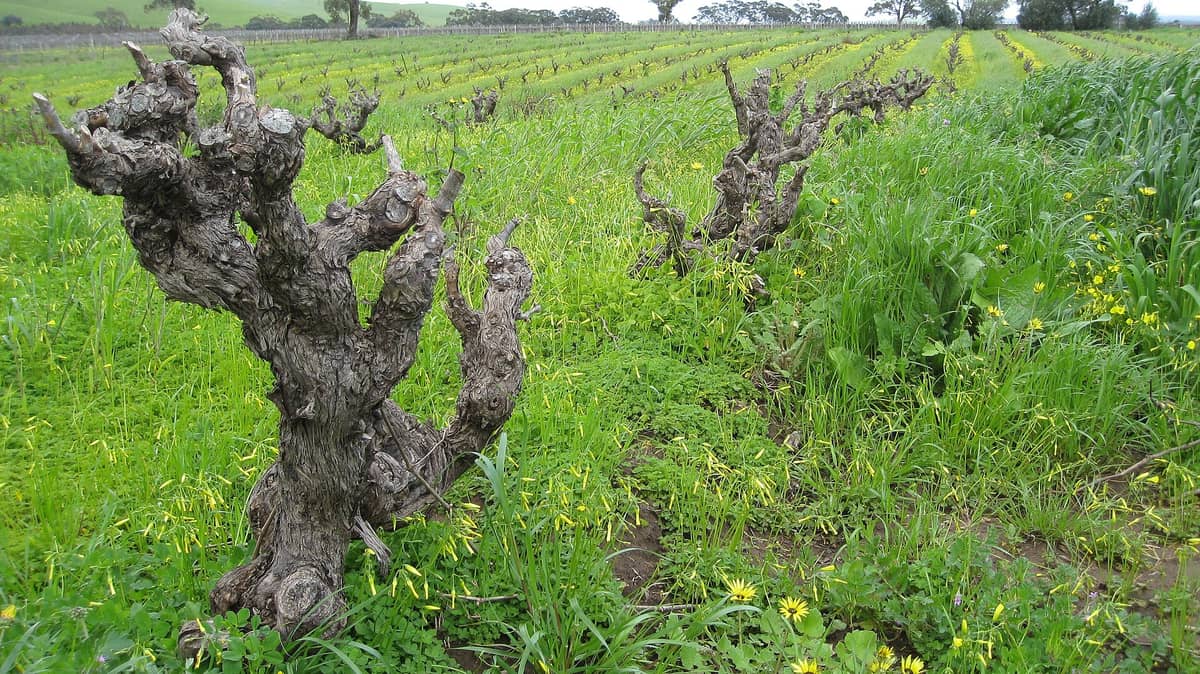
Adelaide's greatest asset may be its proximity to world-class wine regions and natural landscapes. The Barossa Valley is about 70 km north of the city, roughly an hour's drive. It produces some of Australia's most respected Shiraz and has a concentration of heritage estates, cellar doors, and quality restaurants that could fill two full days. The Barossa Valley day trip guide covers the route and key stops including Seppeltsfield Winery, which offers the unique experience of tasting your birth year wine from the barrel.
McLaren Vale is a 40-minute drive south through rolling hills and olive groves. It suits visitors who want wine paired with coastal access: the Vale is close to Port Willunga Beach and the Onkaparinga River National Park. For the most dramatic experience, Kangaroo Island requires either a 45-minute flight or a ferry from Cape Jervis (about 90 minutes south of Adelaide), but delivers genuinely wild landscapes, sea lions on the beach at Seal Bay, and Remarkable Rocks in Flinders Chase National Park. It's realistically a two-night trip rather than a day trip.
Practical Information for Visiting Adelaide
Australia requires all visitors to hold a valid visa before arrival. Nationals of some countries are eligible for an Electronic Travel Authority (ETA) or eVisitor, both of which can be applied for online. Check the Australian Department of Home Affairs website for your specific nationality before booking flights. Currency is the Australian dollar (AUD); ATMs are widely available in the CBD and accept international cards.
Tipping is not expected in Adelaide. Restaurant staff are paid a regulated minimum wage, and leaving a tip is a genuine gesture of appreciation rather than an obligation. Tap water across the metropolitan area is treated and safe to drink. Power outlets use the Type I plug (angled flat prongs) at 230V/50Hz; bring a universal adapter if travelling from North America, Europe, or the UK. The emergency number for police, fire, and ambulance is 000.
- Adelaide time zone: ACST (UTC+9:30), with daylight saving as ACDT (UTC+10:30) from October to April
- Country dialing code: +61; drop the leading 0 from local numbers when calling from overseas
- Adelaide Airport (ADL) is 8 km from the CBD; no tram service to the airport
- Free tram zone: South Terrace to Botanic Gardens and Festival Plaza (city centre only)
- Budget travel: free museums, free tram zone, and free City Connector buses make central Adelaide genuinely accessible without a big daily spend
ℹ️ Good to know
Adelaide consistently ranks as one of Australia's most affordable major cities for visitors. Accommodation, dining, and transport costs run noticeably lower than Sydney or Melbourne, which makes it a strong option for travellers extending a longer Australia itinerary.
FAQ
How many days do you need in Adelaide?
Three to four days is enough to cover the central city comfortably — the cultural precinct, Central Market, beaches, and one Hills outing. Add another two to three days if you want to do a wine region properly (Barossa or McLaren Vale) or spend time at Kangaroo Island, which is a trip in itself.
Is the tram free in Adelaide?
Partially. The free tram zone covers the city centre between South Terrace, the Botanic Gardens, and Festival Plaza, plus the Adelaide Entertainment Centre stop. Beyond those boundaries — including the popular route to Glenelg — standard Adelaide Metro fares apply. Load a Metrocard or pay at the tram stop machine before boarding outside the free zone.
What is Adelaide most famous for?
Adelaide is best known for its festival calendar (particularly the Adelaide Fringe), its proximity to wine regions (Barossa Valley, McLaren Vale, Clare Valley), its food culture anchored by the Central Market, and its liveable, uncrowded city environment. It's also the gateway to Kangaroo Island and the Flinders Ranges.
What are the best free things to do in Adelaide?
The Art Gallery of South Australia, South Australian Museum, and Mortlock Wing of the State Library are all free. Adelaide Botanic Garden is free and covers 51 hectares. The River Torrens Linear Park is free for walking and cycling. Many Adelaide Fringe events are free or pay-what-you-can. The free tram and City Connector buses reduce transport costs significantly.
Is Adelaide worth visiting compared to Sydney or Melbourne?
Yes, for different reasons. Adelaide is less crowded, more affordable, and has faster access to genuinely world-class food and wine experiences. It lacks the scale and density of Sydney or Melbourne, but that's often the point: visitors regularly find it a more relaxed and satisfying experience precisely because it isn't trying to compete at that scale. The festival season in February and March is a specific draw that neither Sydney nor Melbourne can match for sheer volume of arts programming.
Tickets & tours
Live prices and dates from our booking partner. If you book, we may earn a commission at no extra cost to you.
Planning a trip? Discover personalized activities with the Nomado app.