Aboriginal Culture & Heritage in Adelaide: A Practical Guide to Kaurna Country
Adelaide sits on the traditional lands of the Kaurna people, one of the oldest continuous cultures on Earth. This guide covers the key places, experiences, and context you need to engage meaningfully with Aboriginal culture and heritage across the city.
Tickets & tours
Live prices and dates from our booking partner. If you book, we may earn a commission at no extra cost to you.
TL;DR
- Adelaide is on Kaurna Country. The South Australian Museum on North Terrace has one of Australia's most significant Aboriginal Cultures galleries, open daily 10am–5pm and free to enter.
- Aboriginal cultures are not a single, uniform tradition. The museum's gallery covers communities from across the continent, not only the Kaurna people of the Adelaide Plains.
- For guided experiences, Southern Cultural Immersion offers Aboriginal-led tours at the Adelaide Botanic Garden. Always check directly with operators for current availability and prices.
- The Adelaide Festival (February) regularly includes First Nations performances. Programming changes annually, so check the official schedule each year.
- The Living Kaurna Cultural Centre at Warriparinga is the most focused site for Kaurna-specific heritage in Adelaide.
Understanding Kaurna Country: The Foundation
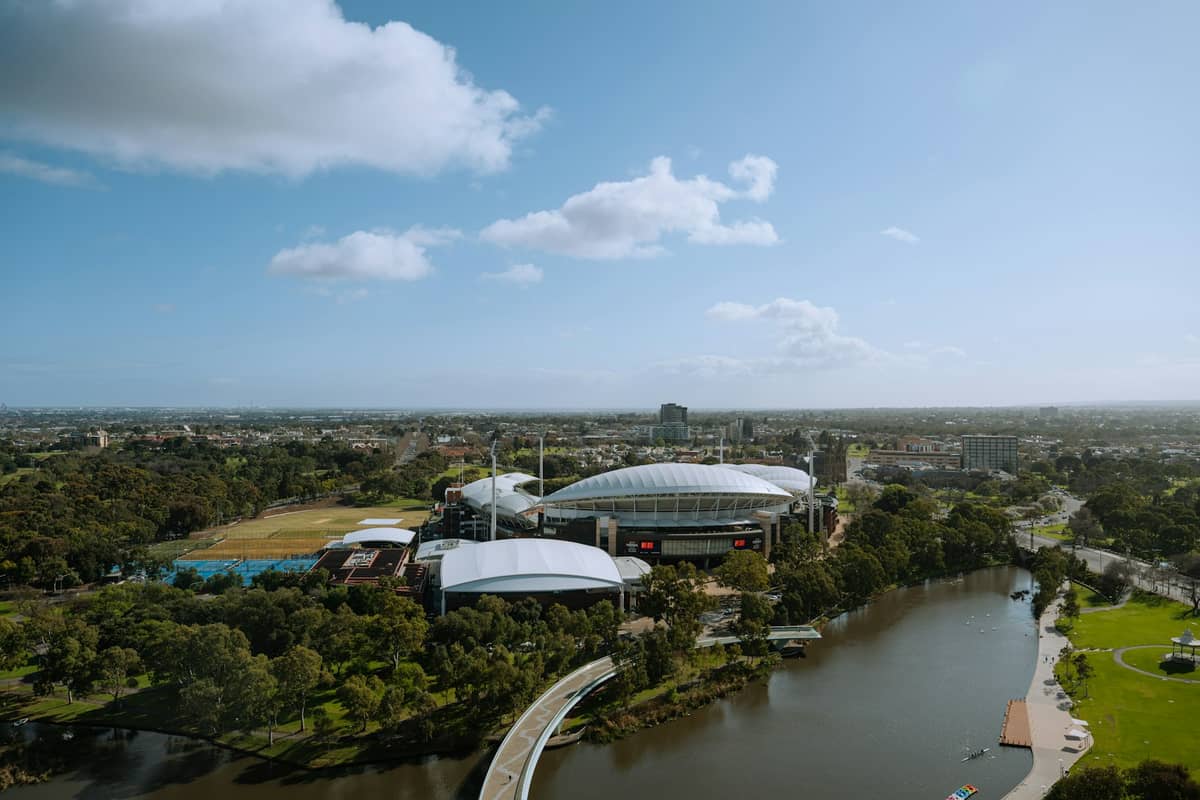
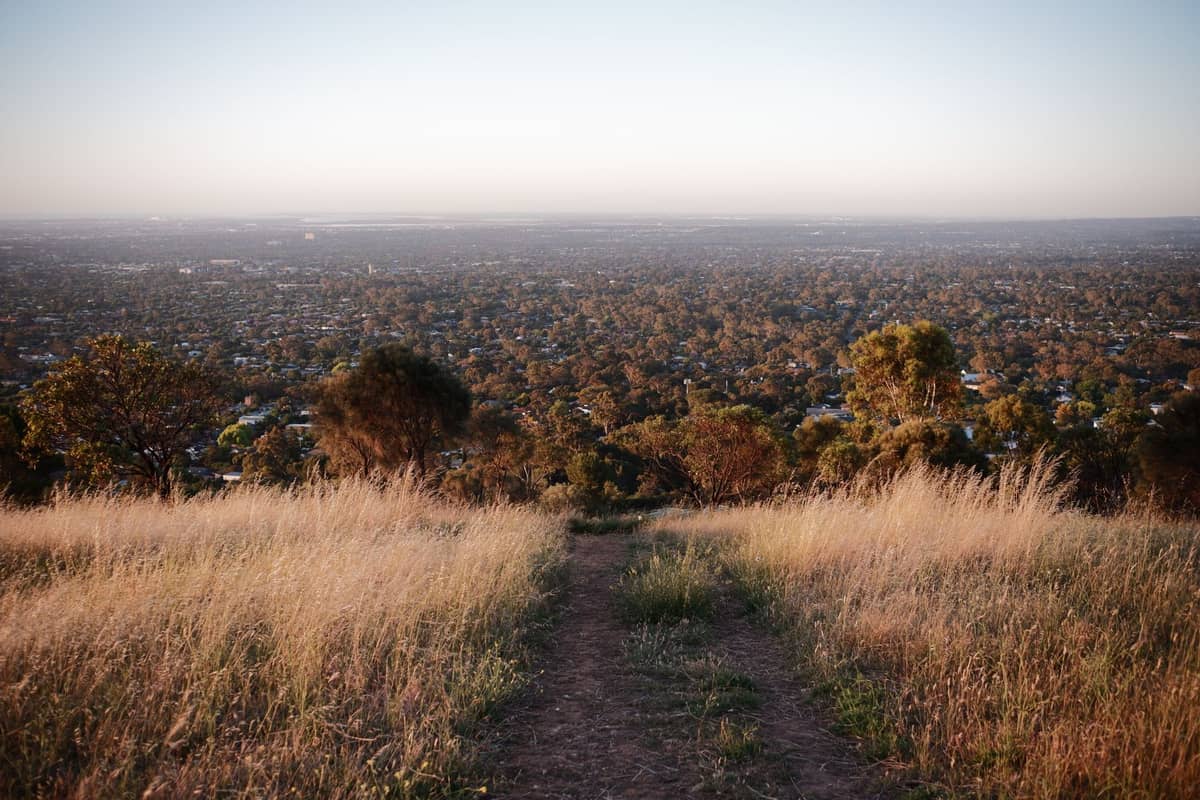
The Adelaide Plains are the traditional Country of the Kaurna people, whose connection to this land extends tens of thousands of years before European settlement in 1836. When you stand in the city centre, the parklands, or on the banks of the Torrens River (Karrawirra Pari in Kaurna language), you are on Kaurna Country. This is not ceremonial language. It is a factual acknowledgement of the longest continuous cultural tradition associated with this particular landscape.
One of the most important things to understand before visiting any Aboriginal cultural site or experience in Adelaide is that 'Aboriginal culture' is not one thing. Australia is home to hundreds of distinct language groups and cultural traditions. The Kaurna people are specific to the Adelaide Plains region. A museum gallery presenting artefacts from communities across the continent is not presenting Kaurna culture alone. Keeping this distinction clear shows genuine respect and avoids the flattening that Aboriginal communities themselves consistently push back against.
ℹ️ Good to know
Most public events, council meetings, and cultural institutions in Adelaide begin with an Acknowledgement of Country recognising the Kaurna people. The City of Adelaide's official website publishes a Welcome to Country statement. This practice is standard and expected in South Australian public life.
South Australian Museum: The Essential First Stop
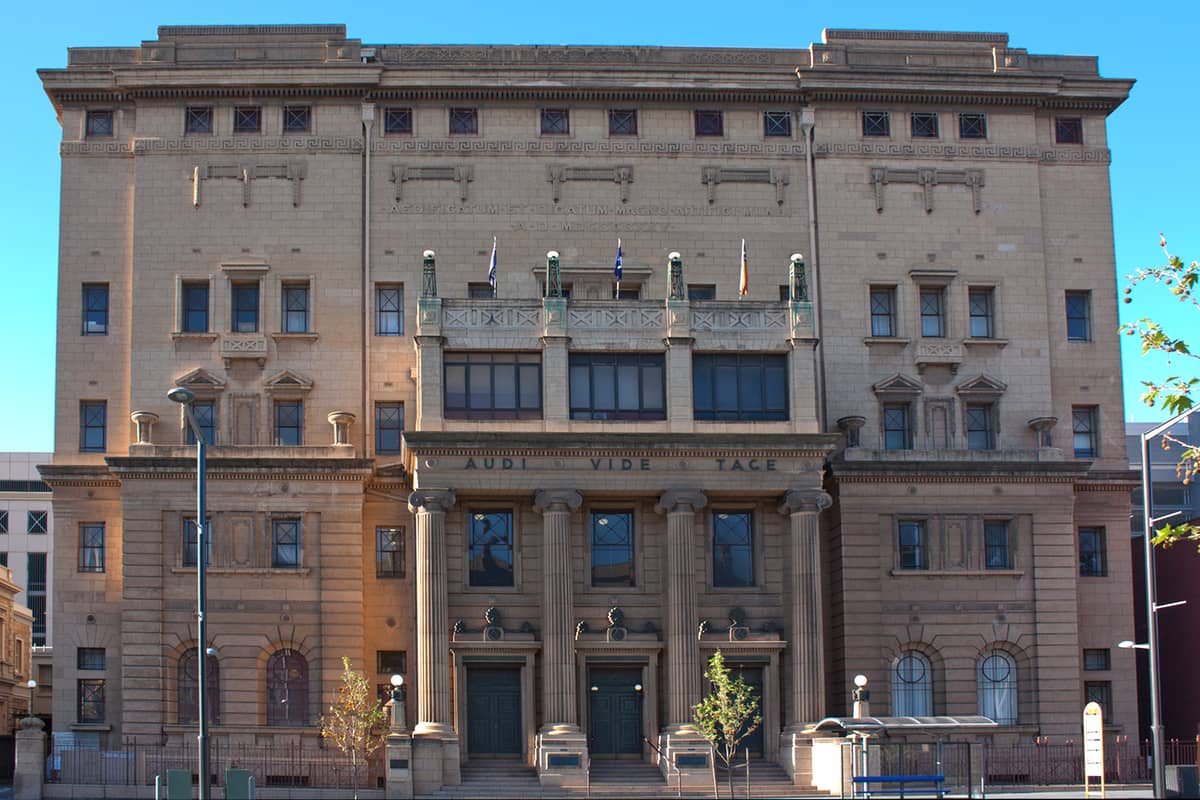
The South Australian Museum on North Terrace holds one of the world's largest collections of Aboriginal material culture, with more than 30,000 objects. The Aboriginal Cultures Gallery on the ground floor is permanent, free, and substantial enough to occupy two to three hours if you engage seriously with it.
The gallery draws from communities across the continent, including the Western Desert, Arnhem Land, Queensland, and the South Australian south coast, alongside material connected to the Adelaide region. The range is deliberately broad. You will find ceremonial objects, everyday tools, fibre works, and extensive interpretive text. The framing of the collection has evolved significantly in recent decades toward greater community involvement in how objects are presented and explained.
- Opening hours Daily 10am–5pm. Closed Christmas Day and Good Friday. Opens at noon on ANZAC Day (25 April).
- Entry General admission to the museum is free. Special exhibitions may carry a separate charge.
- Location North Terrace, Adelaide CBD, directly accessible by tram and bus.
- Guided tours The museum's current visitor information indicates group and guided tours are not available at this time. Check the official visit page before planning a group visit.
- Self-guided Printed gallery guides are usually available at the information desk. Allow at least 90 minutes for the Aboriginal Cultures Gallery alone.
⚠️ What to skip
Some objects in the Aboriginal Cultures Gallery are sacred or secret-sacred items. The museum follows protocols around display and photography. Follow all posted signage regarding photography restrictions, and be aware that some materials shown in publications or online may be subject to cultural sensitivities around deceased individuals.
Living Kaurna Cultural Centre at Warriparinga
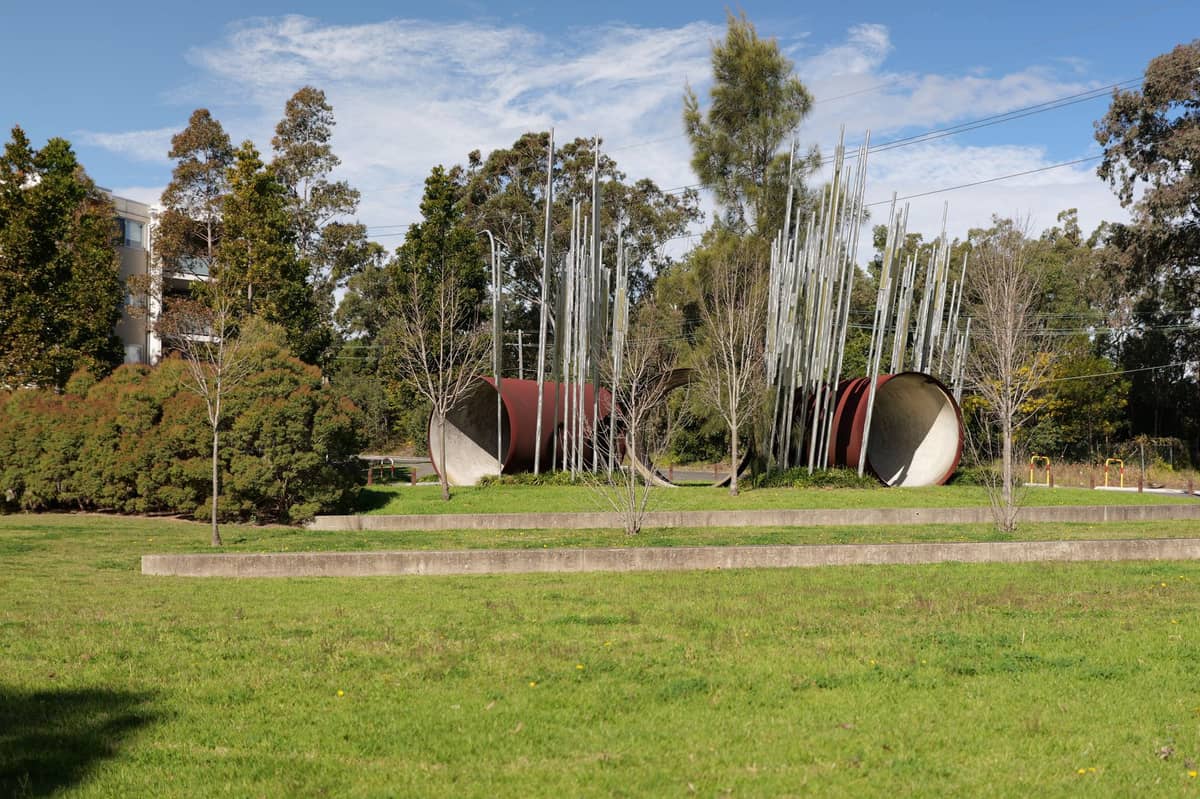
For experiences focused specifically on Kaurna culture rather than a pan-Australian collection, the Living Kaurna Cultural Centre at Warriparinga in the southern suburb of Bedford Park is the most relevant site in the Adelaide metropolitan area. Warriparinga (meaning 'windy place near the river' in Kaurna) is a significant Kaurna cultural landscape along the Sturt River.
The centre operates in partnership with Kaurna people and offers cultural education programs, guided walks, and events tied to the Kaurna seasonal calendar. Programming is not always open to general drop-in visitors, so it is worth contacting the centre directly or checking its current schedule before making the trip. This is genuinely one of the more meaningful experiences available in Adelaide for those who want context specific to the land they are actually standing on, rather than a broader national survey.
Guided Experiences and Walking Tours
Several operators offer Aboriginal-guided experiences across Adelaide. Southern Cultural Immersion runs tours of the Adelaide Botanic Garden that focus on the traditional uses of plants by Aboriginal peoples, guided by Aboriginal educators. These tours connect the garden's extensive plant collections to cultural knowledge systems that are thousands of years old, which reframes what might otherwise be a pleasant but generic botanical walk.
Always book directly with operators and verify availability, pricing, and departure times before your visit. Tourism Australia lists Aboriginal-guided experiences as part of its recommended itineraries for South Australia, but individual operators set their own schedules. For a broader overview of how these experiences fit into your time in the city, the things to do in Adelaide guide covers the wider cultural landscape.
- Book guided tours at least a week in advance. Small-group Aboriginal-led experiences often have limited places and do not run daily.
- Ask operators directly whether guides are Aboriginal community members. Some tours are Aboriginal-owned and guided; others are not.
- Wear comfortable shoes for walking tours. The Botanic Garden tour covers significant ground.
- Arrive early at the South Australian Museum on weekends. The North Terrace precinct draws large numbers, and the gallery is quieter on weekday mornings.
- Check operator websites for seasonal closures. Some programs pause during the hottest summer months (December to February) or operate reduced schedules.
Cultural Events and Festivals
The Adelaide Festival, held each February, regularly programs First Nations performing arts, theatre, and music alongside its broader international program. The range and prominence of First Nations work varies from year to year, so check the specific program for the year you are visiting rather than assuming a fixed lineup. The Adelaide festivals guide covers the full calendar of major events.
NAIDOC Week (held nationally in early July each year) sees events across Adelaide including community celebrations, art exhibitions, and public programs at the South Australian Museum and other cultural institutions. This is one of the best times to attend community-led events that are not specifically designed for tourist audiences. The best time to visit Adelaide guide provides broader seasonal context, but July specifically offers this cultural window that many visitors overlook.
✨ Pro tip
NAIDOC Week runs in the first week of July each year, from Sunday to Sunday. Adelaide's programming typically includes free public events, outdoor gatherings in the Park Lands, and special museum programs. This is an opportunity to attend events organised by and for Aboriginal communities, rather than experiences designed primarily for tourists. Check the City of Adelaide's events calendar and the NAIDOC Week national website for the local program each year.
Art, Language, and Broader Cultural Engagement
The Art Gallery of South Australia on North Terrace holds a collection of Aboriginal and Torres Strait Islander art that spans traditional and contemporary work. The gallery has invested significantly in this collection over recent decades and it is integrated into the permanent display rather than siloed into a separate room. The Art Gallery of South Australia is free to enter for the permanent collection and sits directly next to the South Australian Museum, making both sites a natural pairing for a single morning or afternoon.
Kaurna language has experienced significant revitalisation efforts over the past three decades. Kaurna place names are used on signs throughout Adelaide, including at the Adelaide Botanic Garden and various City of Adelaide installations. Learning a few Kaurna words, or simply paying attention to bilingual signage, is a low-effort way to engage with the depth of history present in everyday Adelaide geography. The Torrens River is Karrawirra Pari. The Adelaide Plains are Kaurna Yerta. These are not historical footnotes. They are living language.
For those with more time, day trips beyond the city reveal further layers of Aboriginal heritage across South Australia. Kangaroo Island, reached by ferry from Cape Jervis south of Adelaide, has its own deep pre-European history. The Kangaroo Island from Adelaide guide covers logistics for that trip. Closer to the city, the Adelaide Hills contain Peramangk Country, distinct from Kaurna Country, which is another reminder that the cultural geography of this region is layered and specific rather than uniform.
💡 Local tip
Purchasing Aboriginal art directly from Aboriginal-owned galleries or community art centres ensures artists receive fair payment and that works are authentic. In Adelaide, ask gallery staff directly about provenance and ownership before buying. The Australian Government's Indigenous Art Code provides a framework for ethical trade in Aboriginal art; look for galleries that are signatories.
FAQ
Whose Country is Adelaide on?
Adelaide is on the traditional Country of the Kaurna people, the Aboriginal group of the Adelaide Plains. The Kaurna have lived in this region for tens of thousands of years. Formal Acknowledgements of Country at public events in Adelaide recognise the Kaurna people as the traditional custodians of the land.
Is the South Australian Museum Aboriginal gallery free to visit?
Yes. The South Australian Museum on North Terrace is free to enter for its permanent galleries, including the Aboriginal Cultures Gallery. The museum is open daily 10am to 5pm, except Christmas Day and Good Friday, and opens at noon on ANZAC Day. Some temporary special exhibitions carry a separate admission charge.
Are there Aboriginal-guided tours in Adelaide?
Yes. Southern Cultural Immersion offers Aboriginal-guided experiences at the Adelaide Botanic Garden, focusing on traditional plant knowledge. The Living Kaurna Cultural Centre at Warriparinga also offers cultural programs, though these are not always open for drop-in visits. Always book in advance and verify availability directly with the operator.
What is the best time of year to engage with Aboriginal cultural events in Adelaide?
NAIDOC Week in early July is the most concentrated period for community-led Aboriginal cultural events across Adelaide, including public celebrations, exhibitions, and museum programs. The Adelaide Festival in February also regularly includes First Nations performing arts. Programming for both varies year to year, so check current schedules.
Is Kaurna culture the same as Aboriginal culture broadly across Australia?
No. Kaurna culture is specific to the Aboriginal people of the Adelaide Plains. Australia has hundreds of distinct Aboriginal language groups and cultural traditions. The South Australian Museum's Aboriginal Cultures Gallery presents material from communities across the continent, not only Kaurna culture. Treating them as interchangeable misrepresents the diversity and specificity of Aboriginal Australia.
Tickets & tours
Live prices and dates from our booking partner. If you book, we may earn a commission at no extra cost to you.
Planning a trip? Discover personalized activities with the Nomado app.