North Terrace, Adelaide: Walking the City's Cultural Boulevard
North Terrace is the grand cultural corridor running along the northern edge of Adelaide's CBD, lined with museums, galleries, the university campus, and heritage landmarks. Free to explore at any hour, it is the single best introduction to the city's intellectual and architectural identity.
Quick Facts
- Location
- North Terrace, Adelaide CBD, South Australia 5000
- Getting There
- Adelaide Metro tram: City West or Adelaide Railway Station stops. Glenelg tram line runs along North Terrace.
- Time Needed
- 1–2 hours for the boulevard itself; a full day if entering the major venues
- Cost
- Free to walk; SA Museum, AGSA, Mortlock Wing and Botanic Garden are free (special exhibitions excepted). The Migration Museum has been closed since 3 July 2026.
- Best for
- Culture seekers, architecture lovers, first-time visitors, families
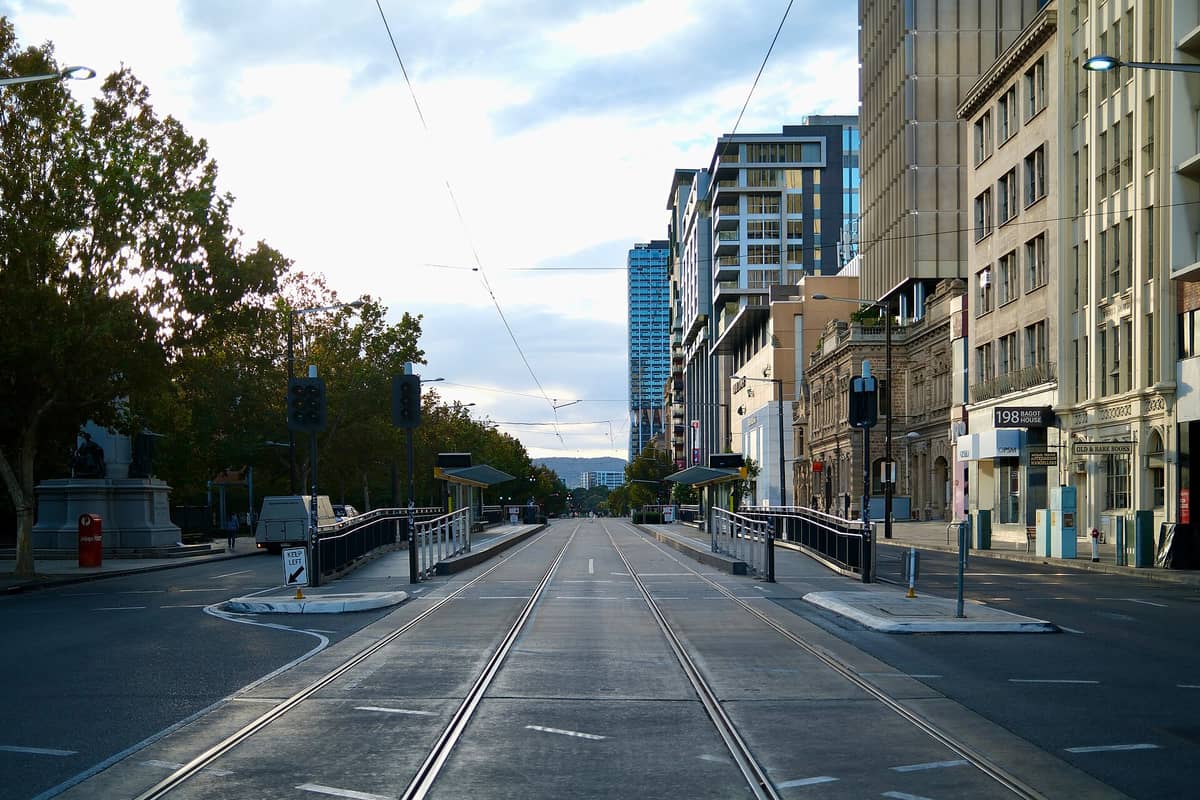
What North Terrace Actually Is
North Terrace is one of four boundary terraces that frame Adelaide's central grid, running east to west along the top of the city centre. Unlike the others, it has accumulated almost every major civic institution the city possesses. Within roughly a kilometre and a half of walkable footpath, you pass the Art Gallery of South Australia, the South Australian Museum, the Migration Museum, the State Library, the University of Adelaide, the University of South Australia's city campus, Parliament House, the Adelaide Casino (occupying the former railway station building), and the Adelaide Botanic Garden. you pass the Art Gallery of South Australia, the South Australian Museum, the Migration Museum, the State Library, the University of Adelaide, the University of South Australia's city campus, Parliament House, the Adelaide Casino (occupying the former railway station building), and the Adelaide Botanic Garden. No other street in Adelaide concentrates this much of the city's public life in one line.
That density is not an accident. When Colonel William Light surveyed Adelaide in 1836, the terraces were conceived as generous public buffers separating the city core from its surrounding parklands. North Terrace sat between the business grid and the River Torrens, and colonial administrators quickly chose it as the address for institutions that would signal Adelaide's cultural ambition. The result is a streetscape that reads almost like a 19th-century European boulevard, though with a distinctive South Australian sandstone palette and a climate very different from its European inspirations.
💡 Local tip
If you only have an hour in Adelaide, walk North Terrace from the Adelaide Railway Station tram stop eastward toward the Botanic Garden. It costs nothing and passes the city's most impressive facades.
How the Street Changes Through the Day
Early mornings on North Terrace belong to joggers and dog walkers using the footpath as a route between the CBD and the Botanic Garden, which opens at 7:15 am on weekdays. The broad sandstone facades catch the low eastern light cleanly, and the foot traffic is thin enough that you can photograph the museum and gallery exteriors without crowds cluttering the frame. This is the quietest window for anyone interested in the architecture.
By mid-morning the museum and gallery crowds build steadily, particularly on weekends and during school holidays. University students flow in and out of the campus gates throughout the working week, giving the middle section of the terrace an animated, collegiate atmosphere. The pavement cafes and the outdoor seating on the university lawns fill up around lunchtime. By contrast, weekday afternoons in summer can feel almost deserted, because Adelaide's heat pushes people indoors. On days when temperatures climb above 38°C, the shaded paths under the canopy trees make the western end of the terrace noticeably cooler than the open footpath near Parliament House.
After dark, North Terrace shifts character again. The Adelaide Casino draws a steady stream of visitors through the evening. On festival nights, the lawn in front of the State Library and the forecourts of the cultural institutions often host outdoor events as part of the Adelaide Festival or Adelaide Fringe. The street lighting is adequate but not bright, so the architectural details soften into silhouette, which has its own appeal.
Tickets & tours
Live prices and dates from our booking partner. If you book, we may earn a commission at no extra cost to you.
Ultimate Adelaide and Hahndorf full-day tour
From 94 €Instant confirmationFree cancellationHalf-day Lofty Descents tour by bike
From 89 €Instant confirmationFree cancellationAdelaide kayak tour with expert instructors
From 51 €Instant confirmationFree cancellationTrue Crime Tour in Adelaide
From 21 €Instant confirmationFree cancellation
The Institutions Worth Your Time
The South Australian Museum is the anchor of the precinct for most visitors. Its natural history collection is one of the largest in the Southern Hemisphere, and the Pacific Cultures and Ancient Egypt galleries are genuinely impressive in scale. Entry to the permanent collection is free. Next door, the Art Gallery of South Australia holds a strong colonial and contemporary Australian art collection, and again the permanent galleries are free. Both institutions share a rear courtyard that connects them, which most visitors miss entirely.
The Mortlock Wing of the State Library sits just to the west of the museum and is one of Adelaide's most photographed interior spaces: a three-storey atrium with ornate cast-iron balconies and a barrel-vaulted skylight. It is open to the public during library hours and requires no ticket. Many visitors walk past the State Library's plain exterior without realising what is inside. This is the single most overlooked stop on the terrace.
Toward the western end, the Migration Museum occupies a former destitute asylum and addresses South Australia's immigration history with unusual frankness. It is smaller and quieter than the South Australian Museum, and often skipped by first-time visitors, but it offers a more nuanced picture of the city's social history. Entry is free.
At the eastern end, the Adelaide Botanic Garden begins where the institutional precinct ends. The transition is immediate: the hard sandstone and iron give way to fig-tree canopy and the smell of damp earth from the irrigation systems. The garden is free to enter and significantly reduces the concrete-and-facade intensity of the terrace walk.
The Architecture: What to Look For
The dominant building material along North Terrace is Precambrian bluestone and Kapunda sandstone, which weather to a warm amber-grey. The South Australian Museum's facade, completed in stages between 1894 and 1967, demonstrates the tension between Victorian confidence and 20th-century functionalism. The Art Gallery next door is more cohesive, with a Greek Revival portico from 1900 that still reads as appropriately grand without tipping into pomposity.
Parliament House is worth a pause even if you do not intend to enter. The building was constructed in two stages: the western wing opened in 1889, while the matching eastern wing and the colonnade connecting them were not completed until 1939. If you look at the columns, you can see the slight variation in stone tone between the two construction phases. The dome that was originally planned was never built, a visible sign of how budget and politics shaped even Adelaide's most formal building.
The Adelaide Railway Station building, now the casino, is the westernmost architectural set piece. The station opened in 1929 in a Neoclassical style that was already slightly dated by the time it was finished, which gives it an air of resolved certainty rather than fashionable ambition. The forecourt retains its original scale and provides one of the better vantage points along the whole terrace.
Getting There and Getting Around
The Glenelg tram line runs directly along North Terrace. The Adelaide Railway Station tram stop sits at the western end of the cultural precinct, and the City West stop is a short walk further west. If you are arriving by train, the Adelaide Railway Station delivers you directly onto North Terrace. The tram is free along this North Terrace cultural stretch (inside the CBD free zone); paid fares apply only if you continue beyond South Terrace toward Glenelg or past the Entertainment Centre. For a broader orientation to the city's transport network, the getting around Adelaide guide covers fare zones, tram routes, and the free city connector bus.
The terrace is entirely walkable, and the flat terrain makes it accessible for most mobility levels. The City of Adelaide has identified pedestrian connectivity and tram access as planning priorities for this area, though visitors with specific accessibility requirements should confirm individual venue access before visiting, as the older heritage buildings vary considerably.
ℹ️ Good to know
North Terrace has no single entry gate, closing time, or admission booth. It is a public street. The institutions along it set their own hours, and most close on Christmas Day and Good Friday.
When to Visit and What to Expect from the Weather
Adelaide has a Mediterranean climate: hot, dry summers and cool, wetter winters. For walking North Terrace, spring (September to November) and autumn (March to May) are the most comfortable seasons. Summer temperatures regularly exceed 35°C and occasionally push past 40°C, which makes prolonged outdoor time genuinely unpleasant. The museums and galleries provide air-conditioned relief, so a summer visit is still workable if you plan around the indoor venues. The best time to visit Adelaide depends on your priorities, but March is particularly good for the terrace: the heat has eased, and the Adelaide Festival and Adelaide Fringe bring the street to life with events centred precisely in this precinct.
Winter mornings can be grey and damp, which strips some warmth from the sandstone facades but also thins the tourist crowds significantly. The museums are at their quietest in June and July. Bring a light jacket for evening walks year-round; Adelaide's nights cool quickly even after warm days.
⚠️ What to skip
On Code Red heat days in summer, surface temperatures on the exposed footpath sections near Parliament House can be severe. Carry water and plan indoor stops. The museums and the State Library are the most accessible cool refuges.
Who Should and Should Not Prioritise North Terrace
Travellers interested in Australian art, natural history, or colonial architecture will find the terrace genuinely rewarding. It is also a strong choice for first-time visitors to Adelaide who want a reliable orientation to the city before ranging further. Families will find it manageable: the South Australian Museum's child-friendly dinosaur and whale exhibits are a reliable hit, and the Botanic Garden at the eastern end has open lawn space. For visitors interested in Adelaide's deeper cultural history, pairing the terrace with a visit to the Living Kaurna Cultural Centre adds important context about the Kaurna people, on whose country all of this was built.
Travellers who dislike the pace of museums and prefer active or outdoor experiences may find the terrace itself pleasant for a single stroll but not a destination worth extended time. The street is also not particularly interesting after the major institutions close in the evening; the strip does not have a dining or nightlife scene to match its daytime cultural weight. For evening atmosphere, the East End or the West End serve that purpose better.
Insider Tips
- The rear courtyard connecting the South Australian Museum and the Art Gallery of South Australia is almost never crowded. It offers a quieter alternative route between the two buildings and has seating that most visitors never find.
- The Mortlock Wing of the State Library is open to the public at no cost and is one of Adelaide's most extraordinary interior spaces. Many visitors walk past the plain main entrance without entering. Ask staff at the front desk if the wing is accessible on your visit, as it occasionally closes for events.
- Photography of North Terrace's facades is cleanest in the first two hours after sunrise when the light hits the sandstone directly and foot traffic is minimal. By 10 am on weekends, the pavement in front of the museum is often crowded.
- During the Adelaide Fringe, which runs from 20 February to 22 March in 2026, free outdoor performances and pop-up venues appear along the terrace precinct. free outdoor performances and pop-up venues appear along the terrace precinct. Check the official Fringe program in advance: some of the best free events are concentrated exactly here.
- If the summer heat is excessive, you can walk the entire cultural precinct almost entirely indoors by moving through the museum, gallery, and library in sequence. The connecting paths and lobbies are air-conditioned, and the route adds up to a surprisingly long interior walk.
Who Is North Terrace For?
- First-time visitors to Adelaide seeking a single-street orientation to the city
- Museum and gallery enthusiasts who want free access to major permanent collections
- Architecture and heritage photography
- Families with children interested in natural history
- Festival-goers during the Adelaide Festival and Adelaide Fringe in February and March
Nearby Attractions
Other things to see while in Adelaide CBD:
- Adelaide Arcade
Opened in December 1885, Adelaide Arcade is one of Australia's oldest and best-preserved Victorian-era shopping arcades. Free to enter and located opposite Rundle Mall's fountain, it offers a rare combination of architectural beauty, specialty retailers, and a genuine sense of Adelaide's commercial history.
- Adelaide Botanic Garden
Open daily and completely free, Adelaide Botanic Garden covers 50 hectares on the northern edge of the CBD. From a 19th-century palm house to a full-scale tropical rainforest glasshouse, it rewards a slow morning or a purposeful afternoon walk.
- Adelaide Central Market
Adelaide Central Market has operated continuously since 1869, making it one of the largest undercover fresh produce markets in the Southern Hemisphere. Spread across 5,720 square metres in the heart of the CBD, it draws locals, chefs, and curious visitors to its mix of produce stalls, specialty food traders, and casual eateries. This guide covers everything you need to plan a worthwhile visit.
- Adelaide Festival Centre
Opened in 1973, Adelaide Festival Centre is South Australia's flagship performing arts complex, anchoring the northern edge of the CBD along King William Road. From major theatre productions to intimate performances, it draws both locals and visitors year-round — and its riverside location makes it as much a place to linger as to attend a show.
Planning a trip? Discover personalized activities with the Nomado app.