3 Days in Adelaide: The Perfect Itinerary
Three days is enough time to get a genuine feel for Adelaide, from its North Terrace cultural corridor and Central Market to coastal beaches and the Adelaide Hills. This itinerary cuts through the noise and gives you a day-by-day plan that locals would actually approve of.
Tickets & tours
Live prices and dates from our booking partner. If you book, we may earn a commission at no extra cost to you.
TL;DR
- Three days covers the CBD cultural strip, Adelaide Central Market, a beach, and at least one notable day trip without feeling rushed.
- Spring (September to November) and autumn (March to May) offer the most comfortable sightseeing conditions; check our best time to visit Adelaide guide before locking in dates.
- Adelaide Metro buses, trains, and trams cover most attractions; a metroCARD or contactless payment keeps costs low.
- Adelaide Airport is 8 km from the city centre, so factor in transfer time on arrival and departure days.
- For a deeper dive into logistics, accommodation, and neighbourhood choices, see the full Adelaide travel guide.
Before You Arrive: Practical Basics
Adelaide sits at roughly 34.93°S, 138.60°E on the traditional lands of the Kaurna people. The city centre occupies a compact 15.6 square kilometres, laid out in a deliberate grid by Colonel William Light in 1836 and ringed on all sides by parklands. That design still works in your favour today: almost everything in the CBD is walkable, and the outer neighbourhoods are well connected by public transport.
The currency is the Australian dollar (AUD). Tipping is discretionary, not expected. Australia uses Type I plugs at 230V/50Hz, so bring an adapter if you're coming from North America or Europe. Tap water is safe to drink. For visa requirements, check the Australian Government's current guidance before departure, as eligibility varies by passport nationality. Getting around Adelaide is straightforward on Adelaide Metro, which operates buses, trains, and trams on a flat-fare system. Pay with a metroCARD, contactless bank card, or the Adelaide Metro Buy & Go app.
⚠️ What to skip
Adelaide Airport (ADL) is about 8 km from the city centre, not walking distance. Allow at least 30 minutes for the transfer by bus or rideshare. Uber and other rideshare services operate here; pickup areas are signposted at the terminal. Factor this into your Day 1 and Day 3 timing.
Adelaide has a Mediterranean climate: hot, dry summers (December to February, averaging 16-29°C) and cool, wetter winters (June to August, averaging 8-16°C). Summer days occasionally spike above 40°C, which makes outdoor sightseeing genuinely uncomfortable and is a real consideration for first-time visitors. Spring and autumn are the sweet spots for a city break of this length.
Day 1: The Cultural Corridor and Central Market
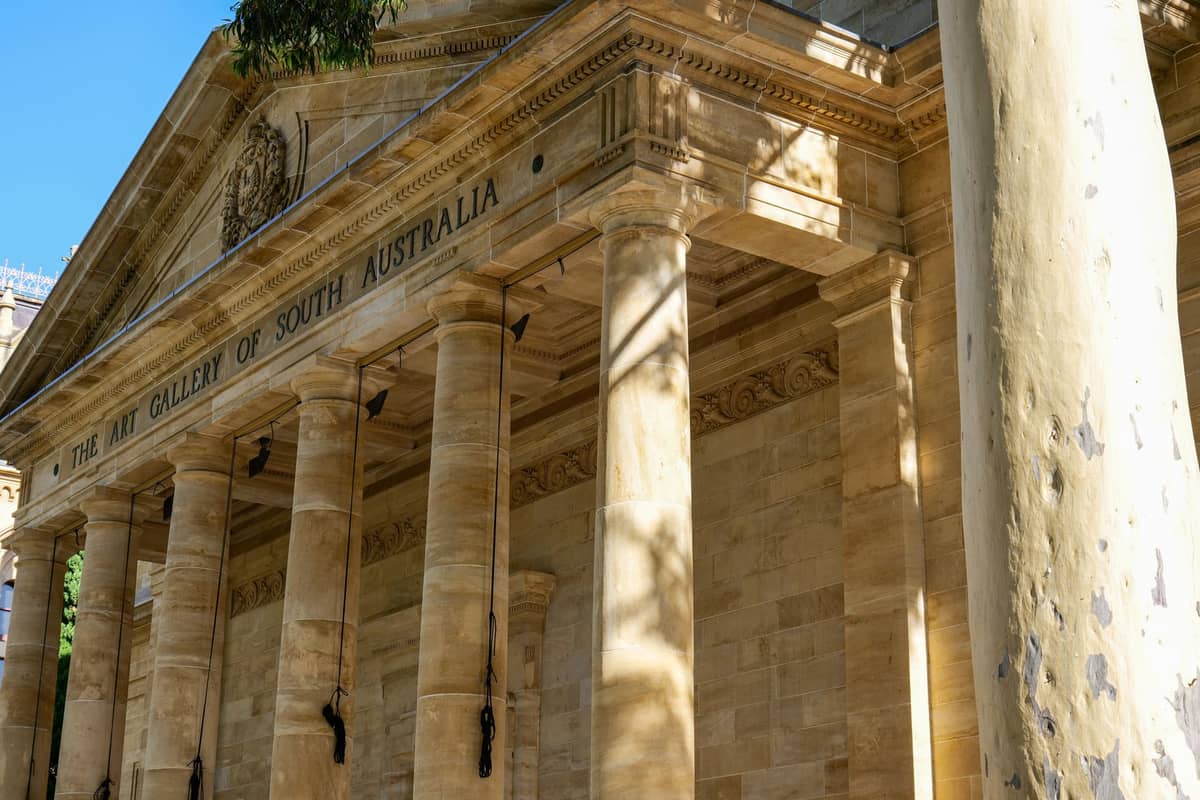
Start on North Terrace, Adelaide's cultural spine. Within a few hundred metres you have the Art Gallery of South Australia, the South Australian Museum, the State Library (including the extraordinary Mortlock Wing), and the University of Adelaide's sandstone campus. None of this requires heavy planning: all four institutions are free to enter, and the strip is walkable end to end in under 20 minutes.
Give the South Australian Museum at least 90 minutes. Its Pacific and natural history collections are genuinely significant, and the Aboriginal Cultures gallery contains one of the largest collections of Anangu material culture in the world. Next door, the Art Gallery of South Australia holds over 45,000 works and is particularly strong in Australian and Aboriginal art. Budget another hour here.
After lunch, walk south through the grid to the Adelaide Central Market. Operating since 1869, this is one of the largest undercover fresh produce markets in the Southern Hemisphere. It runs Tuesday to Saturday (closed Sunday and Monday; check current hours as trading days can vary). Go in the afternoon when stallholders are more likely to deal on prices and less frantic than the morning rush. Pick up South Australian cheeses, smallgoods, and fresh fruit; there are also several good coffee roasters and ready-to-eat food stalls worth stopping at.
💡 Local tip
The Adelaide Central Market typically closes at 5:30pm on Tuesdays and Thursdays, 9pm on Fridays, and 3pm on Saturdays. Check the current trading hours on the official market website before building your afternoon around it.
End Day 1 in the East End around Rundle Street, which has the highest concentration of independent restaurants and bars in the city. This is not a tourist strip; it is where Adelaide actually eats. Bookings are advisable for dinner on Friday and Saturday nights.
Day 2: Parks, the Oval, and Glenelg Beach
Morning on Day 2 belongs to Adelaide Botanic Garden, which opens at 7:15am and is free. The 50-hectare garden sits at the eastern end of the CBD and includes the Amazon Waterlily Pavilion, the Bicentennial Conservatory (usually free; some exhibitions charge), and the First Creek Wetlands. It is genuinely peaceful before 9am. Allow 60 to 90 minutes.
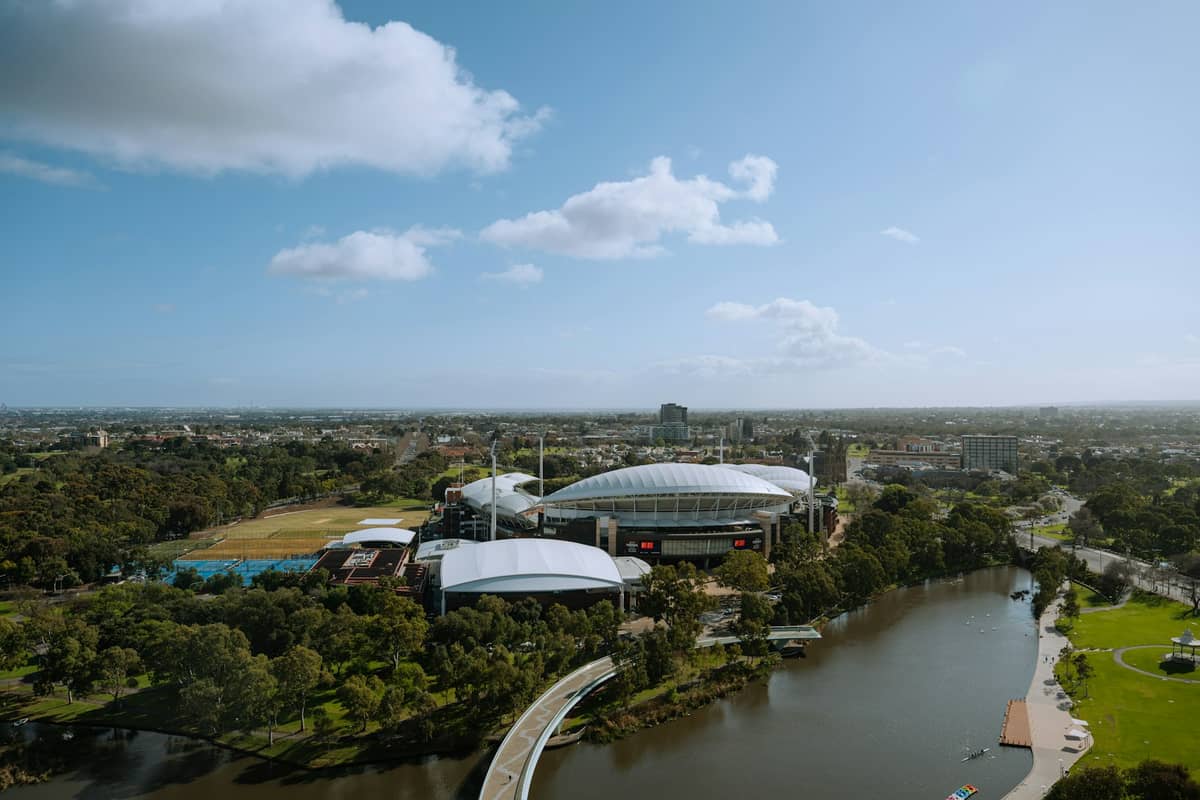
From the Botanic Garden, walk west along the River Torrens Linear Park to Adelaide Oval. Even on non-match days, the Oval is worth seeing up close. The RoofClimb experience (ticketed, around $79-$99 AUD depending on timing) gives you the best elevated view of the CBD and parklands in the city. If that's not your thing, the Oval's ground-level surrounds along Elder Park are free and pleasant.
After lunch, take the tram from the city centre to Glenelg. The tram ride itself takes around 30 minutes and costs a standard Adelaide Metro fare. Glenelg Beach is a real working beach suburb, not a theme park, and it works best as an afternoon destination when the light is better for swimming and walking. The Glenelg Jetty extends about 200 metres into Gulf St Vincent and is a good spot at sunset. Stay for dinner on Jetty Road, which has solid options at most price points.
✨ Pro tip
If you are visiting between November and April, Glenelg is also the departure point for dolphin-watching cruises in Gulf St Vincent. Book a day in advance. Outside those months, the same operators run wildlife cruises worth checking.
Day 3: Adelaide Hills or Barossa Valley Day Trip
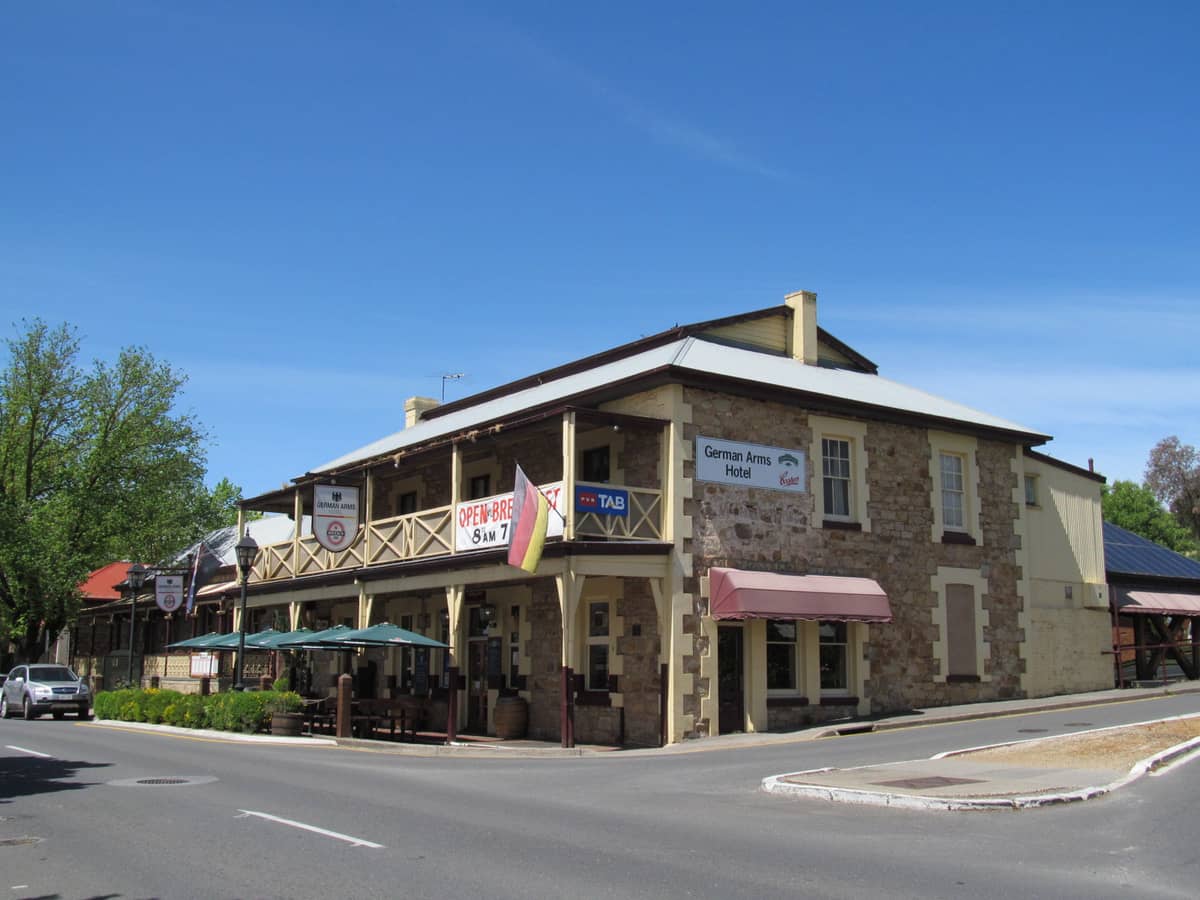
Day 3 is your day trip day, and the choice depends on your interests. The Adelaide Hills are 30 to 40 minutes east of the CBD by car and offer a completely different landscape: cool-climate vineyards, the German heritage town of Hahndorf, and the native wildlife of Cleland Wildlife Park. Hahndorf is South Australia's oldest surviving German settlement, settled in 1839, and the main street has genuinely good smallgoods shops and bakeries alongside the predictable souvenir traps.
The alternative is the Barossa Valley, about 70 km northeast of Adelaide (roughly an hour by car). This is one of Australia's most significant wine regions, producing Shiraz, Grenache, and Riesling at a serious level. A day here works best if you pick two or three cellar doors rather than rushing through six. Seppeltsfield is the standout for its historic grounds and the unique Centennial Cellar experience, where you can taste wine from your birth year. Check the Barossa Valley from Adelaide guide for logistics if you plan to drive.
- Adelaide Hills (best for) Nature, wildlife, walking trails, cool-climate wine, and the Hahndorf heritage experience. More accessible without a car via public transport, though it is limited.
- Barossa Valley (best for) World-class Shiraz and Grenache, historic wineries, and a slower-paced food and wine lunch. A car or organised tour is nearly essential.
- McLaren Vale (best for) Coastal-meets-wine-country scenery, artisan producers, and beaches like Port Willunga. About 45 minutes south of the CBD. Good if you want wine without driving as far as the Barossa.
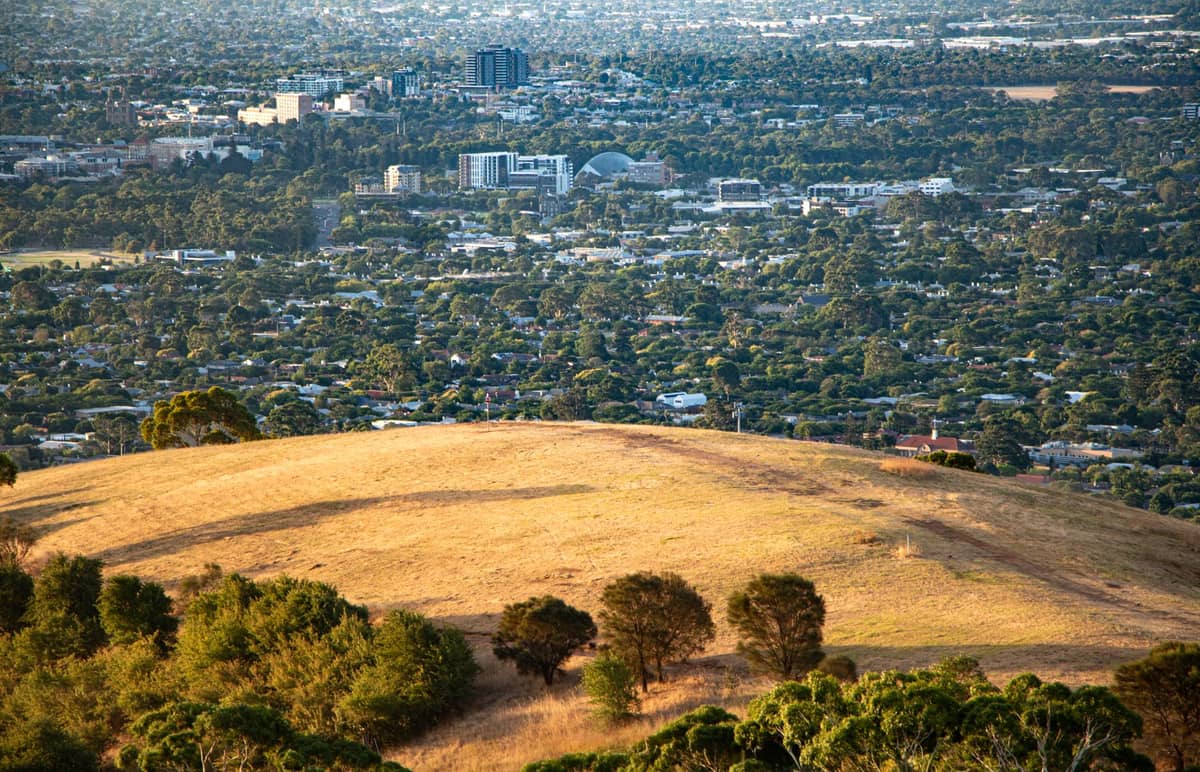
If you prefer to stay in the city on Day 3, Mount Lofty Summit is 16 km from the CBD and accessible by car or bus. At more than 710 metres, it provides the best panoramic view of Adelaide and the Gulf St Vincent, particularly clear on cooler mornings. Pair it with a walk down to Waterfall Gully for a proper half-day in nature without leaving Greater Adelaide.
Where to Stay for This Itinerary
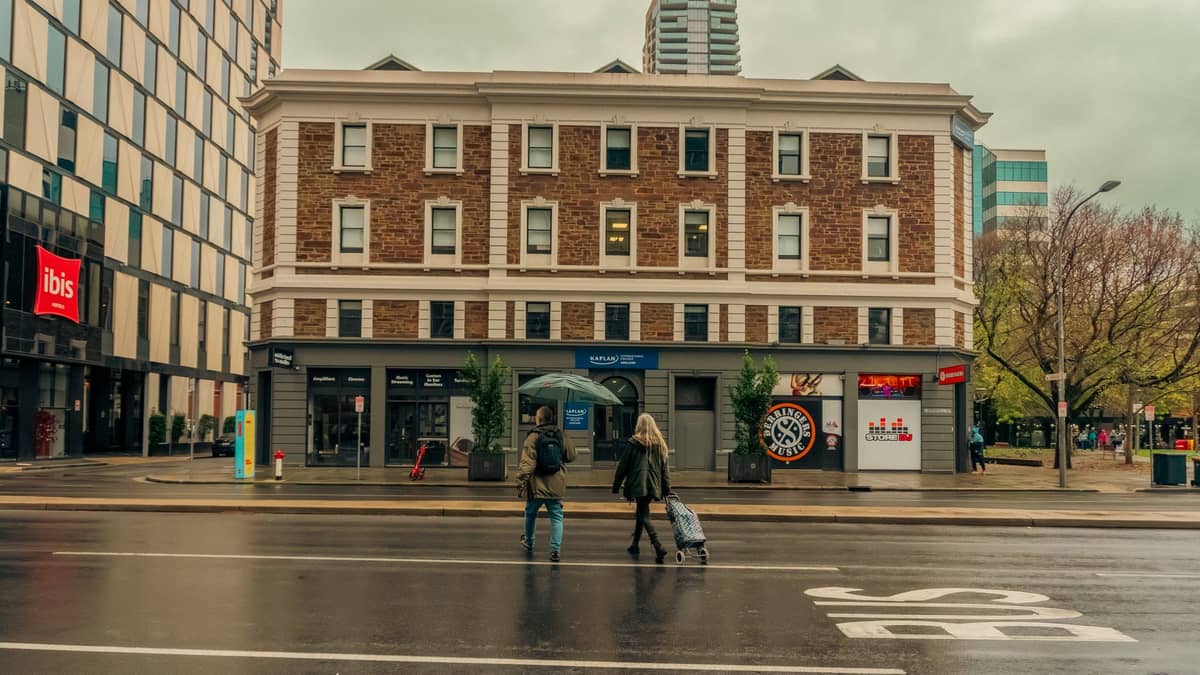
For a 3-day itinerary structured this way, staying in the CBD is the smartest choice. You can walk to Day 1's attractions, catch the tram to Glenelg on Day 2, and access transport hubs for Day 3's day trip. North Adelaide is a strong alternative if you prefer quieter streets and more residential character, though you will need a bus or short taxi to reach the tram line.
Budget travellers have several hostel options in the CBD, with dorms typically running $30-$50 AUD per night. Mid-range hotels cluster around Hindley Street and the East End, generally $150-$250 AUD per night for a decent standard. The where to stay in Adelaide guide breaks down neighbourhoods and price tiers in detail.
Practical Tips for 3 Days in Adelaide
- Book Barossa or Hills day trips or tours at least 48 hours ahead, especially in peak season (March festival period, school holidays).
- Friday is the best day to visit Adelaide Central Market: trading runs until 9pm and the atmosphere is livelier than any other day.
- The free City Connector bus loops through the CBD every 15 minutes and stops near most Day 1 attractions; it costs nothing and saves leg work.
- Carry sunscreen year-round. The UV index in Adelaide is high even in autumn and spring, and it catches visitors off guard.
- Emergency services: dial 000. Country code for calls home: +61.
ℹ️ Good to know
Adelaide observes Australian Central Standard Time (UTC+9:30) and Australian Central Daylight Time (UTC+10:30) during daylight saving. South Australia stays 30 minutes behind New South Wales and Victoria year-round, which regularly confuses interstate connections and flight times.
For visitors who want to extend beyond three days, the obvious additions are Kangaroo Island (requires at least two nights) and the Fleurieu Peninsula. Both are covered in the day trips from Adelaide guide, which includes transport options and realistic time budgets for each destination.
FAQ
Is 3 days enough time to see Adelaide?
Three days is enough to cover the main city attractions, one beach visit, and one regional day trip without feeling rushed. You will not cover everything, but you will get a genuine picture of what the city offers. A fifth or sixth day would let you explore Port Adelaide's maritime precinct or a second wine region.
Do I need a car for 3 days in Adelaide?
Not necessarily. Days 1 and 2 work well on public transport and on foot. Day 3 is where a car helps significantly, particularly for the Barossa Valley. Organised tours departing from the CBD are a solid alternative if you prefer not to drive or rent a vehicle.
What is the best time of year for this 3-day itinerary?
March to May (autumn) and September to November (spring) give the most comfortable outdoor conditions, with temperatures roughly in the 15-25°C range. Summer works if you prioritise beach time, but temperatures can exceed 40°C, which rules out long walks and makes day trips uncomfortable. Winter is the wettest period but the Adelaide Hills and Barossa are still enjoyable.
How do I get from Adelaide Airport to the city centre?
Adelaide Airport is about 8 km from the CBD. The Adelaide Metro bus connects the airport to the city on a standard flat fare. Rideshare (Uber and others) and taxis are also available from signposted pickup zones at the terminal. The bus is cheapest; rideshare is faster and more convenient if you have luggage.
What should I eat in Adelaide in 3 days?
Adelaide's food scene is stronger than the city's size suggests. Priorities include a proper market breakfast or lunch at Adelaide Central Market, South Australian Shiraz or Grenache at a cellar door, fresh seafood (the Gulf St Vincent and nearby waters produce excellent whiting, prawns, and blue swimmer crabs), and something from the city's strong cafe culture. The East End on Rundle Street is the best single street for dinner variety.
Tickets & tours
Live prices and dates from our booking partner. If you book, we may earn a commission at no extra cost to you.
Planning a trip? Discover personalized activities with the Nomado app.