Best Wildlife Experiences in Adelaide & South Australia
South Australia is unusually rich in accessible wildlife. From holding a koala in the Adelaide Hills to watching wild sea lions on Kangaroo Island, these are the best animal encounters the region has to offer, ranked so you can plan the trip.
Tickets & tours
Live prices and dates from our booking partner. If you book, we may earn a commission at no extra cost to you.
South Australia is one of Australia's most rewarding wildlife destinations, and you don't need to travel far from the city to prove it. Within 30 minutes of the CBD, the Adelaide Hills offer genuine bushland encounters with kangaroos, koalas, and wombats. Venture further to Kangaroo Island and the wildlife stakes rise dramatically: wild sea lions, echidnas, and fur seals in habitats largely free from foxes and rabbits. This guide covers the very best wildlife experiences across the region, from easy family outings to full-day island expeditions.
ℹ️ Good to know
Cleland Wildlife Park is open daily 9:30 am–5 pm (closed Christmas Day and days of catastrophic fire danger). Always check current conditions on the official website before visiting, especially in summer.
Adelaide Hills Wildlife Parks
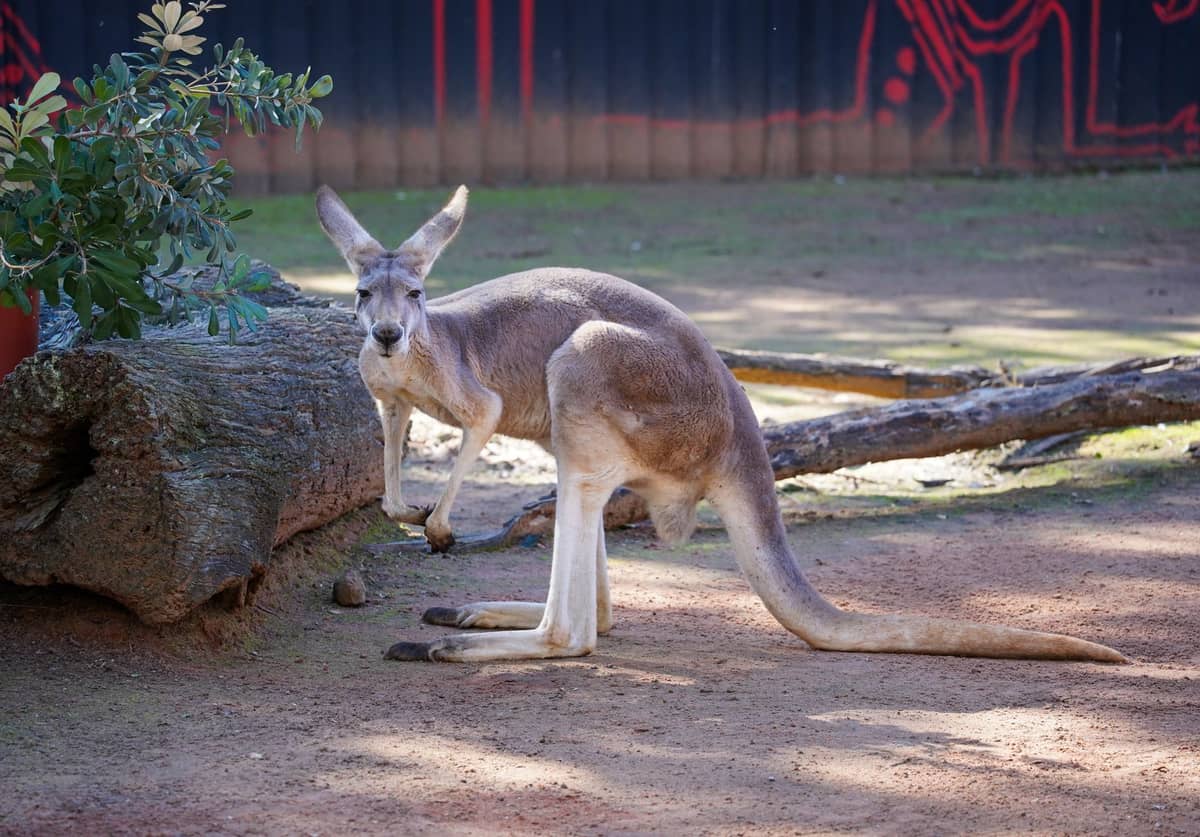
The Adelaide Hills are the easiest place to start. Both Cleland and Gorge Wildlife Parks sit within a short drive of the CBD and offer genuinely close encounters with native animals in natural bushland settings. If you're planning a broader Hills day, pair wildlife with a walk at Morialta or Waterfall Gully for a full morning in the outdoors.
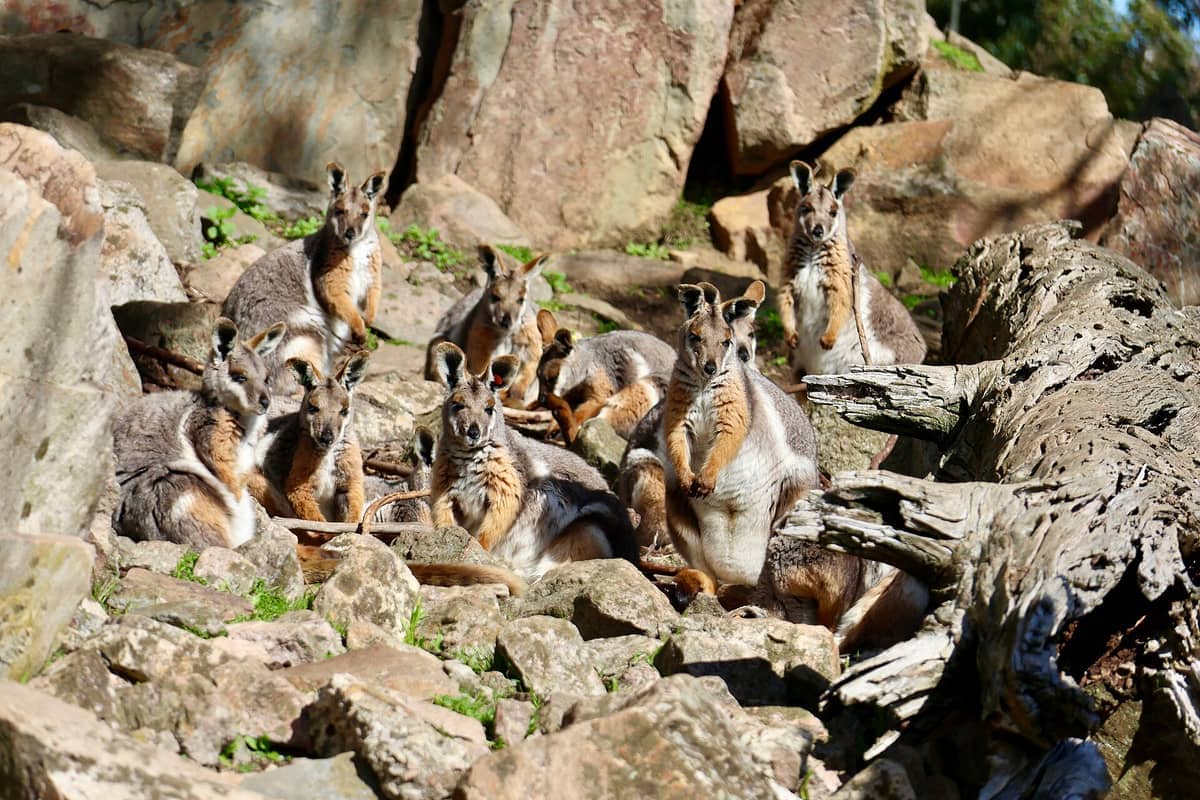
1. Hold a Koala and Walk with Kangaroos at Cleland Wildlife Park
Set in native bushland 20 minutes from the city, Cleland is the top wildlife park near Adelaide. Free-roaming kangaroos graze around visitors, koala holds are available daily, and Tasmanian devils and wombats round out the lineup.
Explore1. Hold a Koala and Walk with Kangaroos at Cleland Wildlife Park
Set in native bushland 20 minutes from the city, Cleland is the top wildlife park near Adelaide. Free-roaming kangaroos graze around visitors, koala holds are available daily, and Tasmanian devils and wombats round out the lineup.
Explore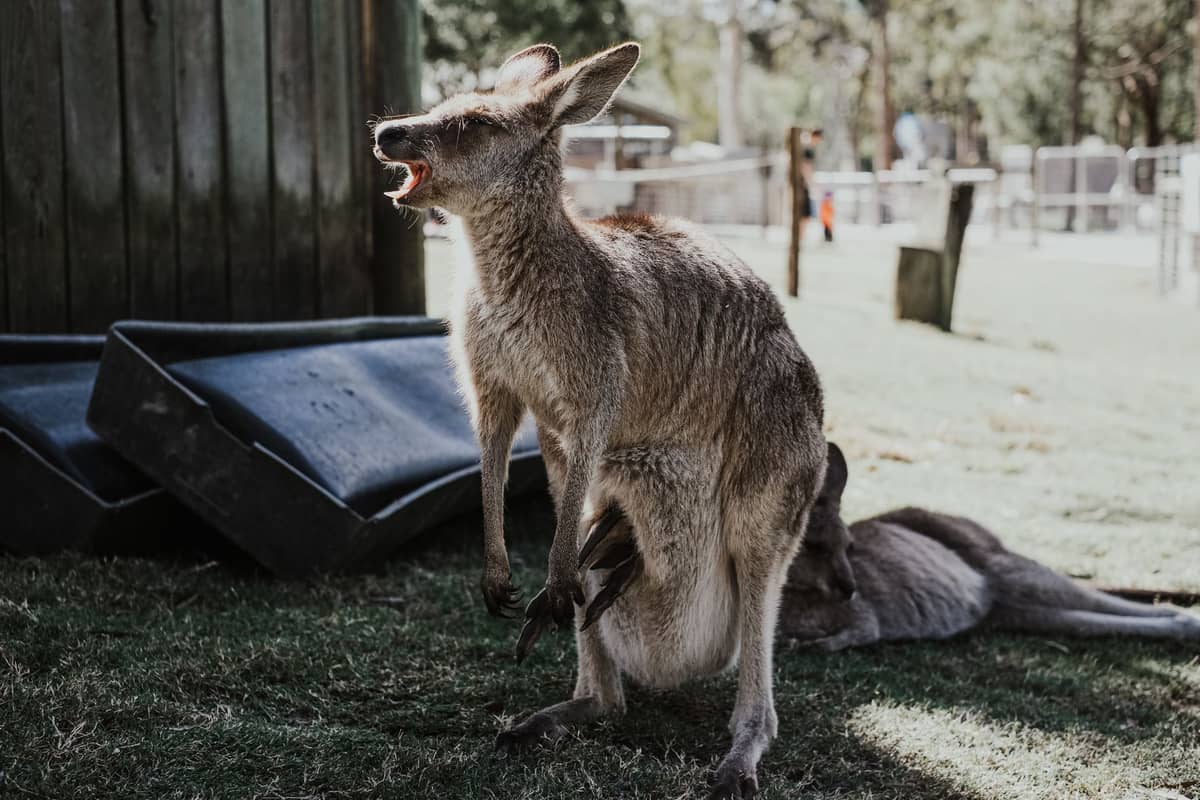
2. Get Up Close at a Quieter Family-Run Wildlife Park
Gorge Wildlife Park offers hands-on encounters with kangaroos, koalas, reptiles, and birds in a relaxed, crowd-free setting. It's a good alternative to Cleland for families who prefer a slower pace and shorter queues on busy weekends.
Explore2. Get Up Close at a Quieter Family-Run Wildlife Park
Gorge Wildlife Park offers hands-on encounters with kangaroos, koalas, reptiles, and birds in a relaxed, crowd-free setting. It's a good alternative to Cleland for families who prefer a slower pace and shorter queues on busy weekends.
ExploreKangaroo Island: Wild Encounters
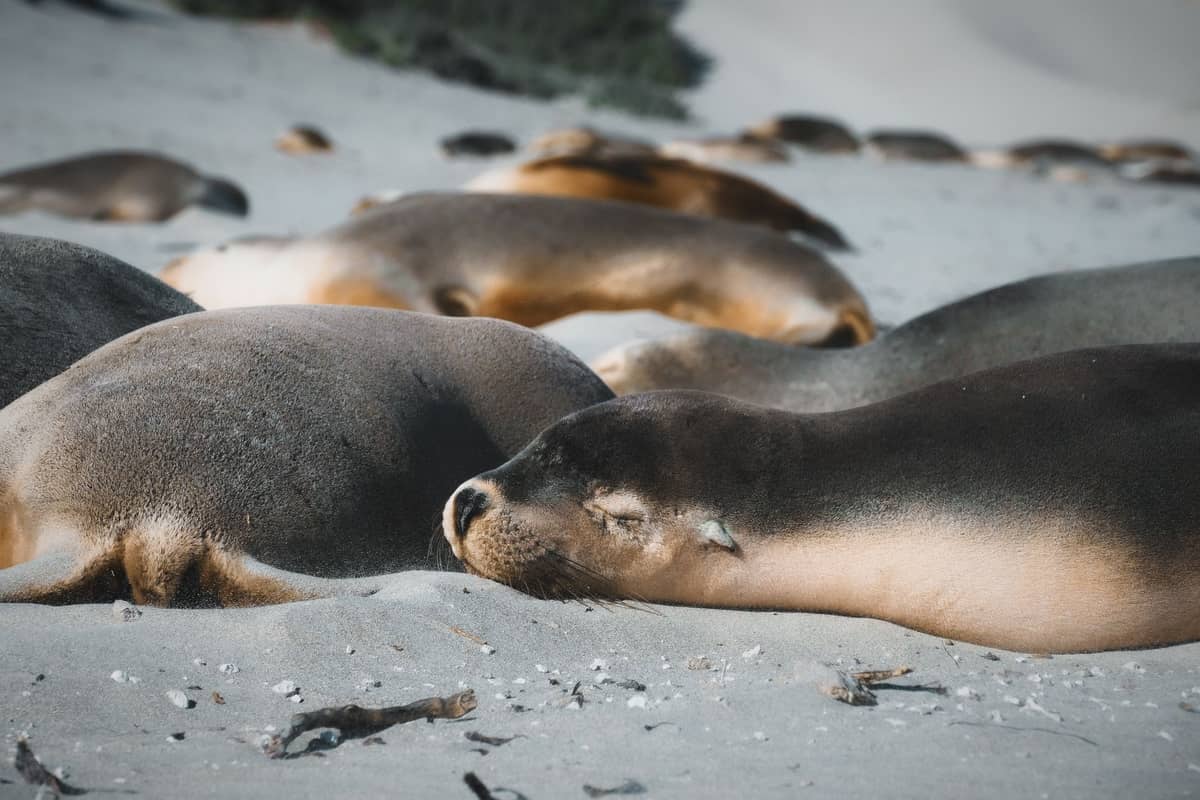
Kangaroo Island is South Australia's wildlife centrepiece. Because the island has no foxes and few rabbits, native animal populations are dense and unusually confident around humans. The crossing takes about 45 minutes on the SeaLink ferry from Cape Jervis, roughly two hours' drive south of Adelaide. For a full overview of planning, see the Kangaroo Island from Adelaide guide. The wildlife experiences here are not captive-animal encounters: The wildlife experiences here are not captive-animal encounters: Seal Bay’s boardwalk and viewing platforms overlook a wild sea lion colony, and the animals at Flinders Chase roam freely. and the animals at Flinders Chase roam freely.
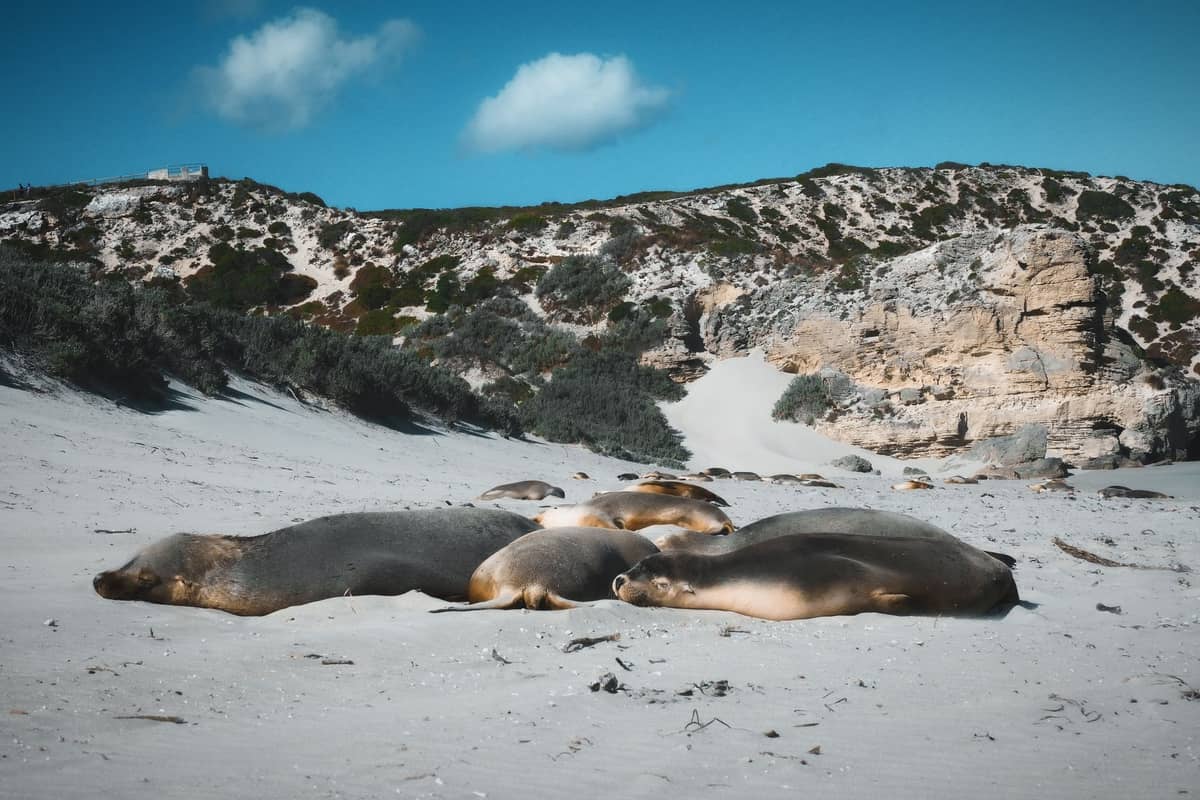
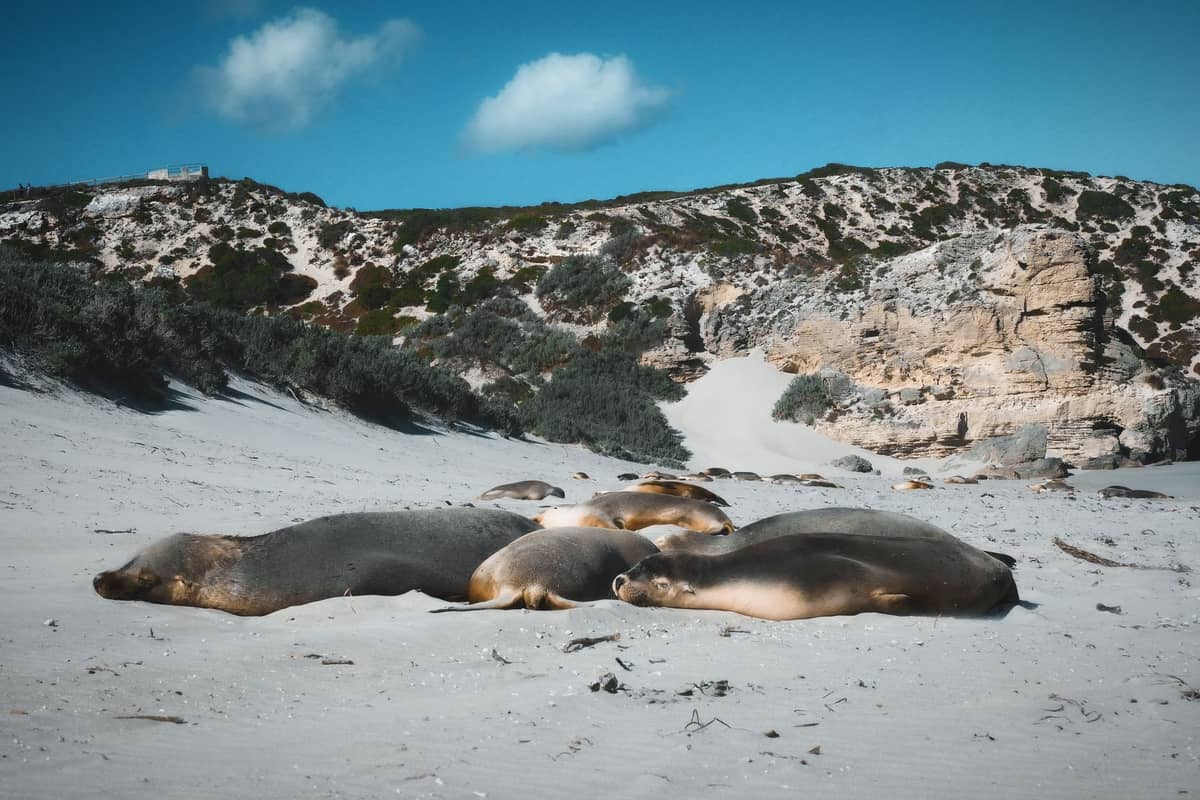
3. Walk Among Wild Sea Lions at Seal Bay Conservation Park
Seal Bay is one of Australia's most extraordinary wildlife encounters. Guided walks take small groups onto the beach among a resting colony of wild Australian sea lions, just metres away. No zoo, no fence, just wild animals on their own beach.
Explore3. Walk Among Wild Sea Lions at Seal Bay Conservation Park
Seal Bay is one of Australia's most extraordinary wildlife encounters. Guided walks take small groups onto the beach among a resting colony of wild Australian sea lions, just metres away. No zoo, no fence, just wild animals on their own beach.
Explore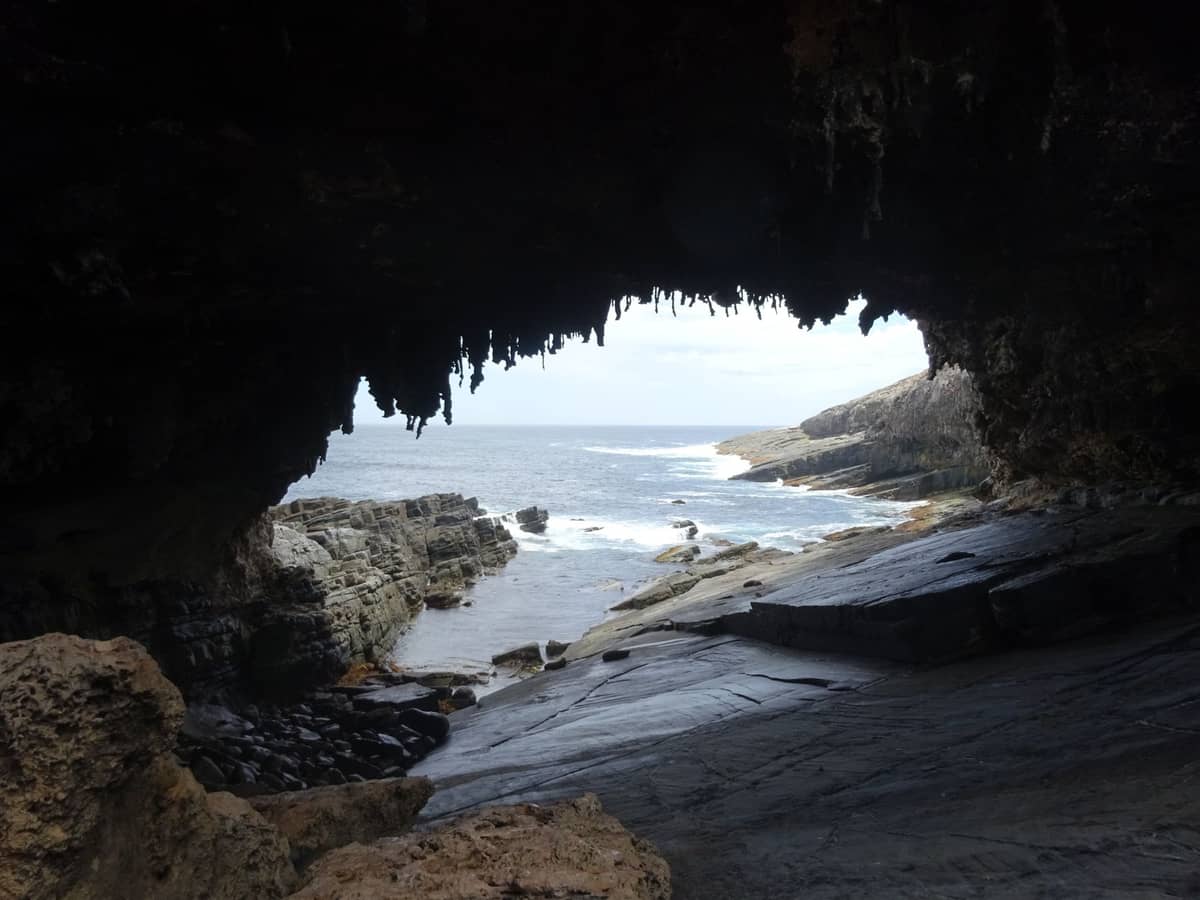
4. Spot New Zealand Fur Seals at Admirals Arch
At Kangaroo Island's southwestern tip, Admirals Arch frames a colony of New Zealand fur seals resting on the rocks below. The short walk from the car park gives you elevated views over the seals and dramatic Southern Ocean scenery.
Explore4. Spot New Zealand Fur Seals at Admirals Arch
At Kangaroo Island's southwestern tip, Admirals Arch frames a colony of New Zealand fur seals resting on the rocks below. The short walk from the car park gives you elevated views over the seals and dramatic Southern Ocean scenery.
Explore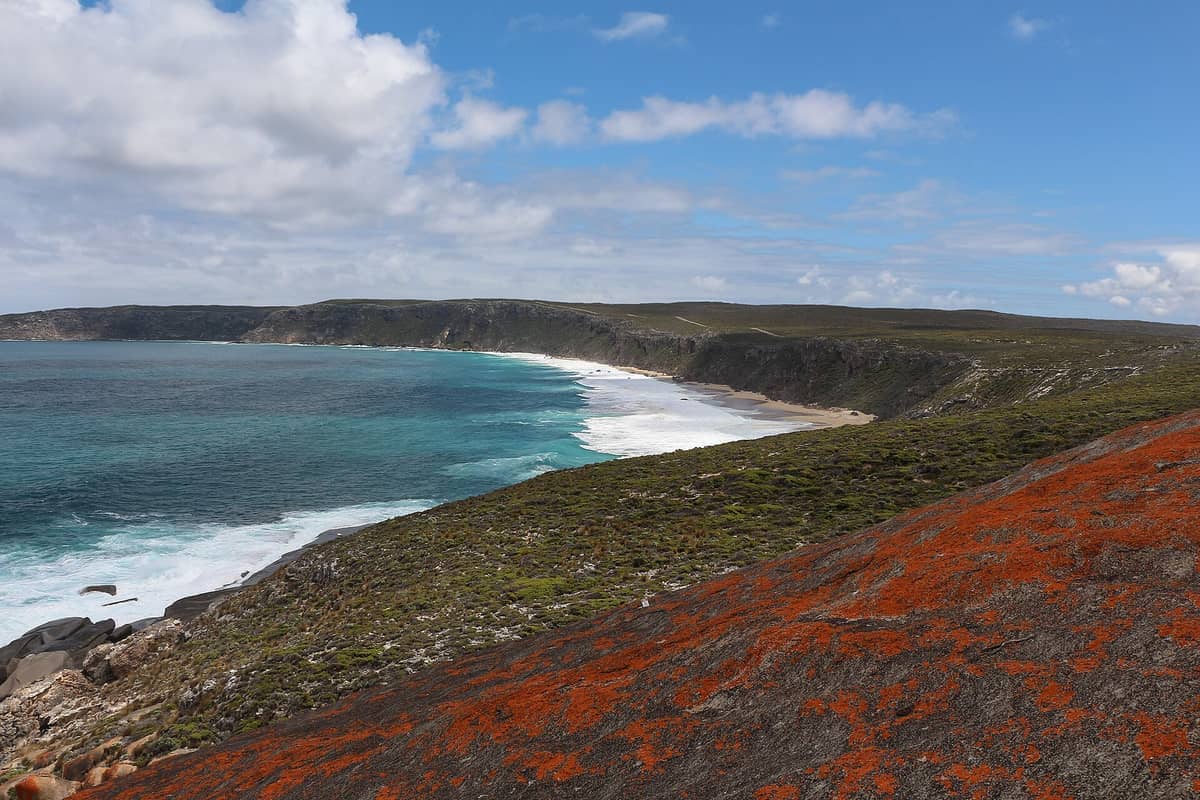
5. Spot Echidnas and Kangaroos in Flinders Chase National Park
Covering Kangaroo Island's western end, Flinders Chase has dense populations of kangaroos, wallabies, echidnas, and platypus. Walk the trails at dusk for the best sightings, and check the roadsides carefully as you drive through the park.
Explore5. Spot Echidnas and Kangaroos in Flinders Chase National Park
Covering Kangaroo Island's western end, Flinders Chase has dense populations of kangaroos, wallabies, echidnas, and platypus. Walk the trails at dusk for the best sightings, and check the roadsides carefully as you drive through the park.
Explore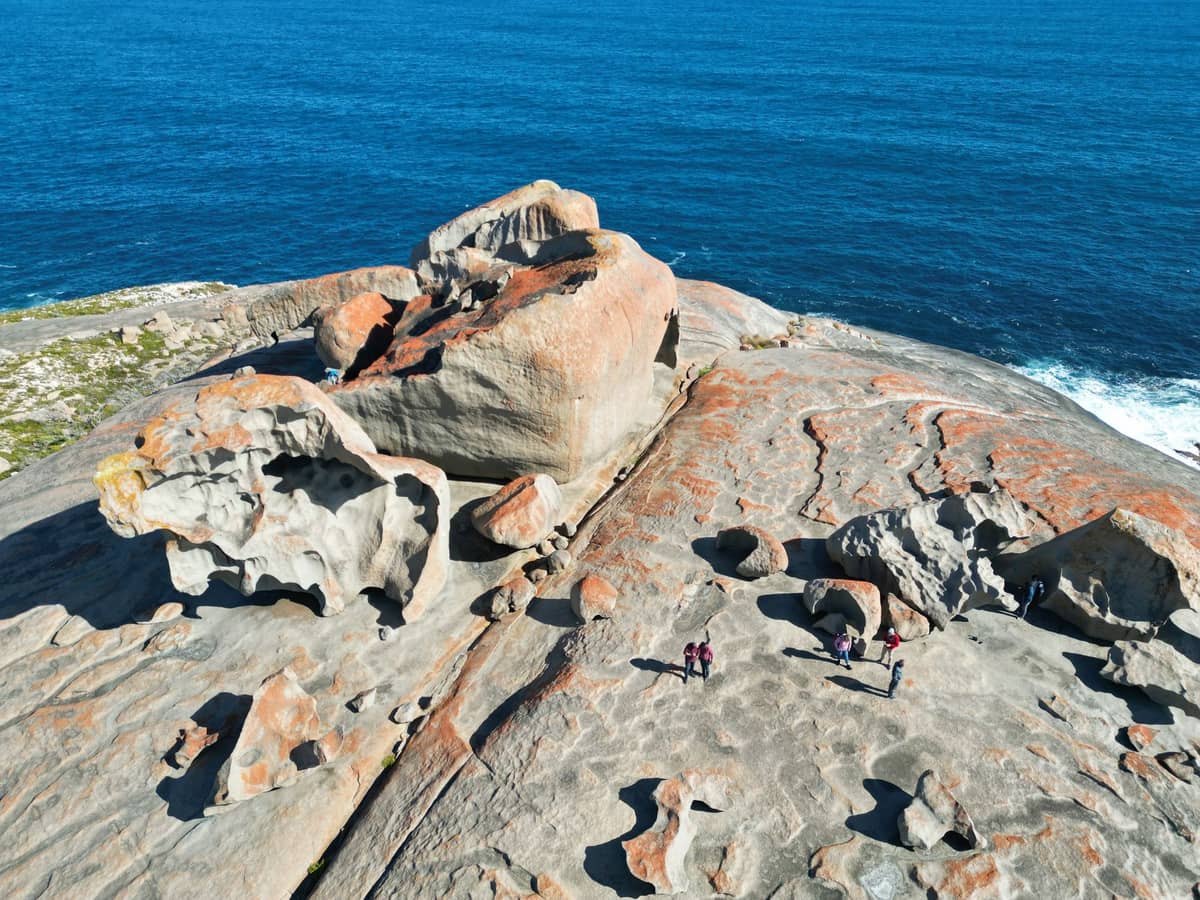
6. Watch Wildlife Around the Remarkable Rocks at Sunrise
The sculptural granite boulders of Remarkable Rocks sit at the edge of a cape where Cape Barren geese and fur seals are regularly spotted. Arrive at sunrise for the best light and the quietest conditions before tour groups arrive.
Explore6. Watch Wildlife Around the Remarkable Rocks at Sunrise
The sculptural granite boulders of Remarkable Rocks sit at the edge of a cape where Cape Barren geese and fur seals are regularly spotted. Arrive at sunrise for the best light and the quietest conditions before tour groups arrive.
Explore✨ Pro tip
Ferry schedules and fares for Kangaroo Island change seasonally. Confirm your crossing with SeaLink before booking accommodation or tours on the island.
Open-Range & Safari Experiences
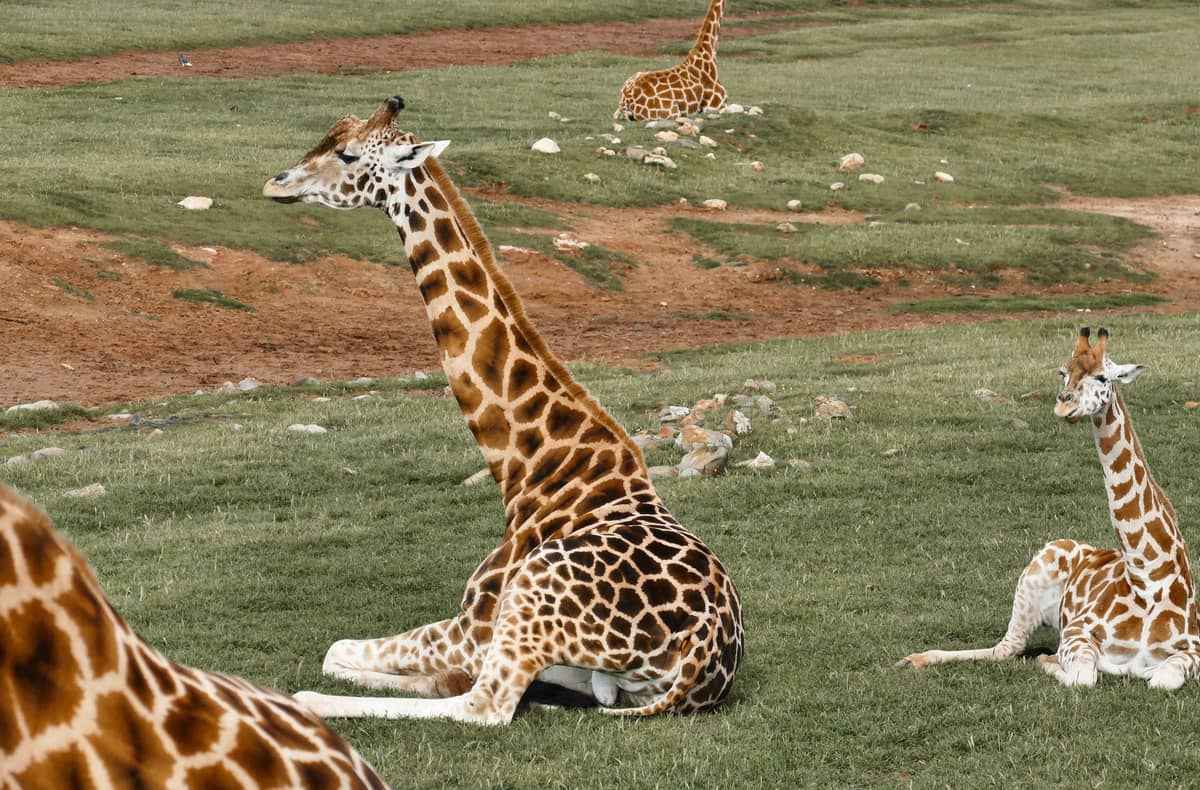
For something genuinely different, South Australia's open-range wildlife experiences go well beyond the typical zoo format. Monarto Safari Park, east of the city near Murray Bridge, is one of the largest open-range zoos in the world and offers an African safari experience in Australian bushland. It pairs well with a day trip from Adelaide if you want to combine wildlife with the Murray region.
7. Go on Safari with Cheetahs and Giraffes at Monarto Safari Park
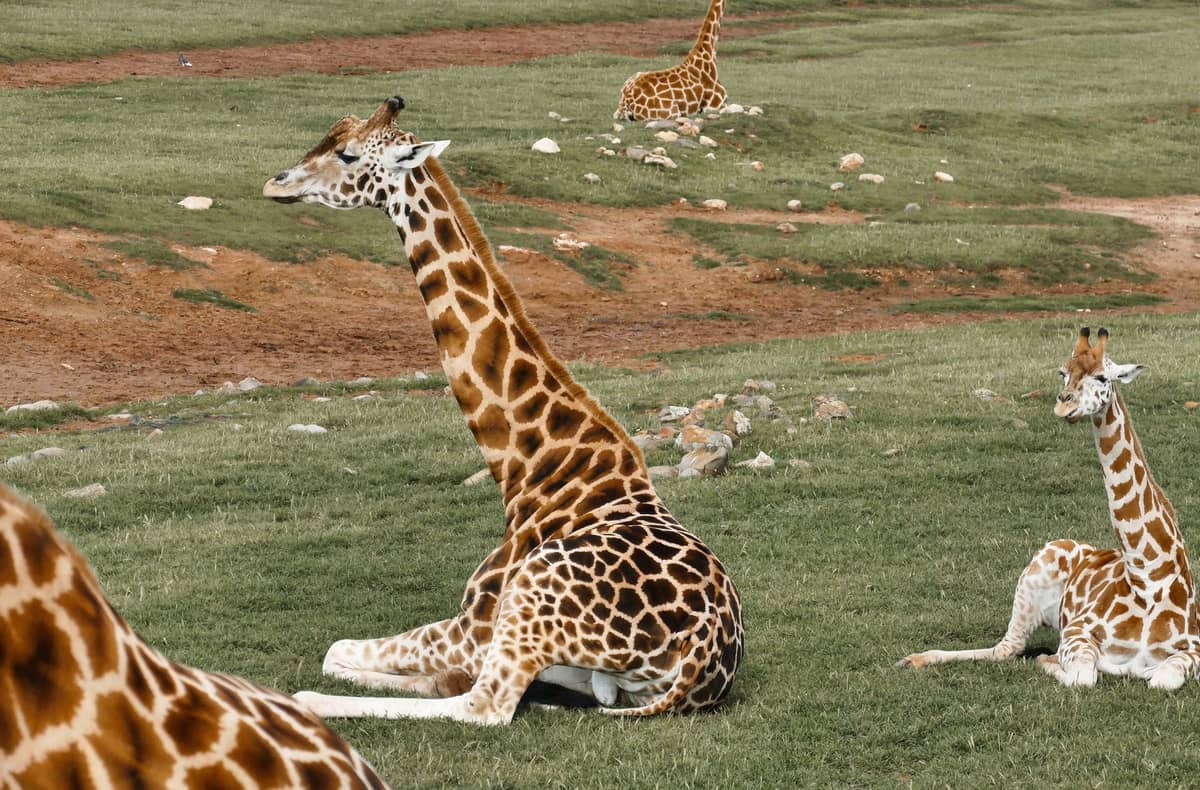
Monarto is one of the world's largest open-range zoos, spread across 1,500 hectares near Murray Bridge. Cheetahs, lions, giraffes, white rhinos, and African wild dogs roam vast enclosures, and guided safari buses put you among them.
Explore7. Go on Safari with Cheetahs and Giraffes at Monarto Safari Park
Monarto is one of the world's largest open-range zoos, spread across 1,500 hectares near Murray Bridge. Cheetahs, lions, giraffes, white rhinos, and African wild dogs roam vast enclosures, and guided safari buses put you among them.
Explore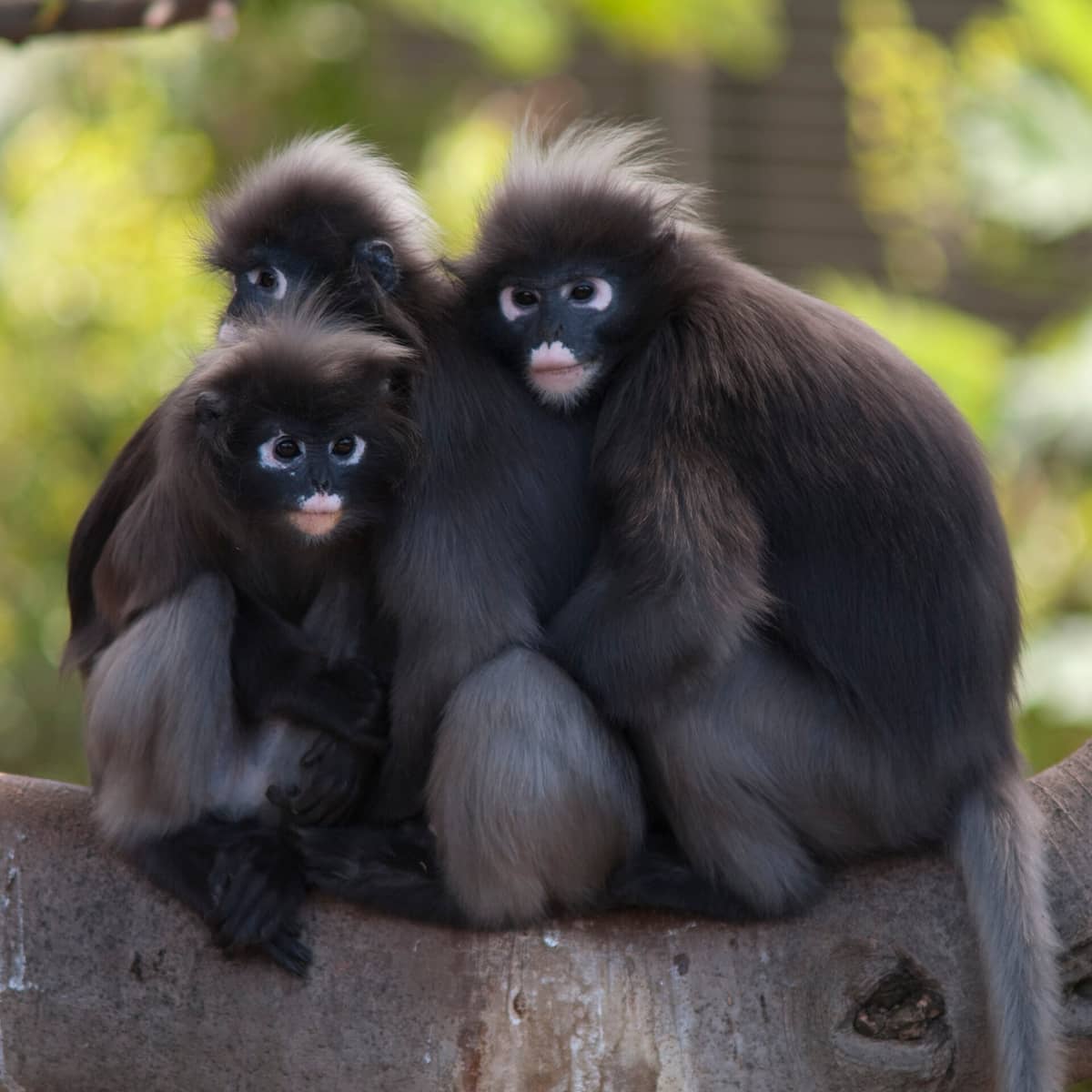
8. Meet Giant Pandas and Australian Wildlife at Adelaide Zoo
Adelaide Zoo is Australia's only zoo housing giant pandas, and its beautifully landscaped heritage grounds also include Sumatran tigers, Australian wildlife, and bird exhibits. Located in the parklands north of the CBD, it's easily reached on foot.
Explore8. Meet Giant Pandas and Australian Wildlife at Adelaide Zoo
Adelaide Zoo is Australia's only zoo housing giant pandas, and its beautifully landscaped heritage grounds also include Sumatran tigers, Australian wildlife, and bird exhibits. Located in the parklands north of the CBD, it's easily reached on foot.
ExploreWildlife in the Wild: Parks and Coastal Reserves
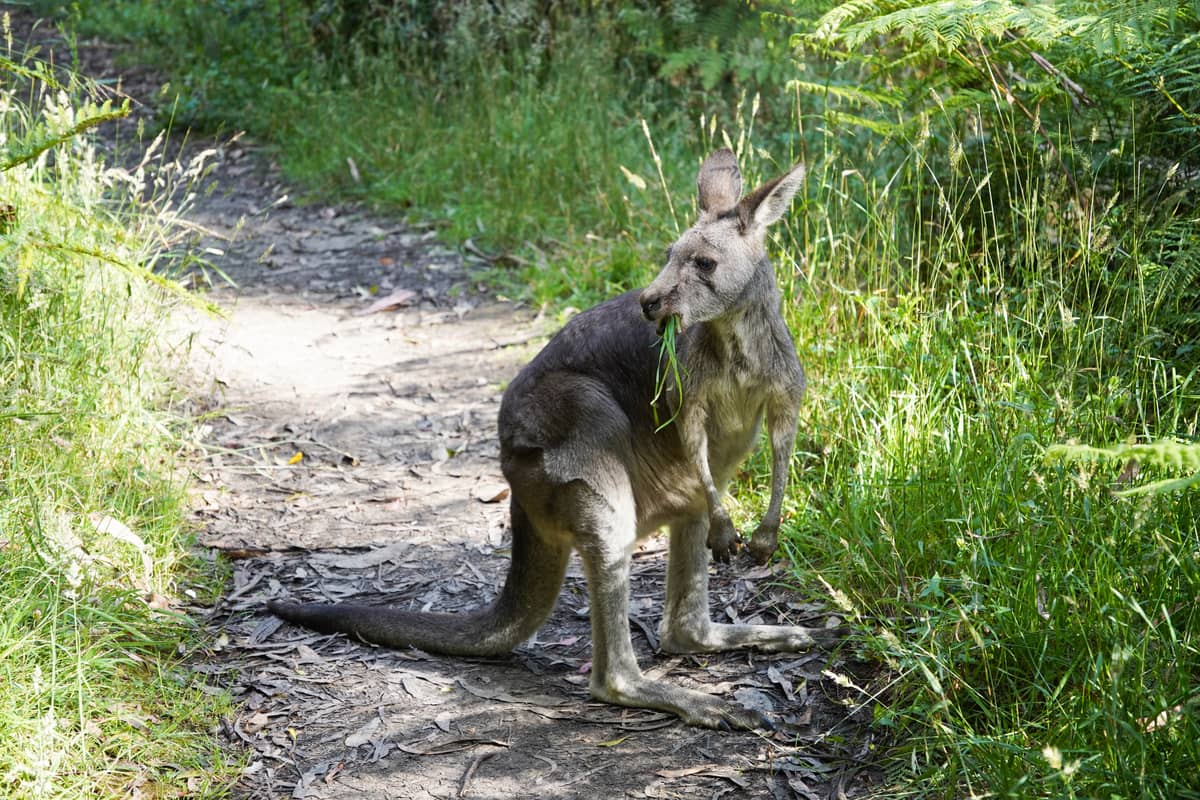
Some of the best wildlife in South Australia requires no entry fee and no guided tour. The national parks and conservation areas around Adelaide reward patient walkers with birdlife, reptiles, kangaroos, and seasonal wildflowers. The Adelaide hiking guide covers the best trails in detail, many of which pass through prime wildlife habitat.
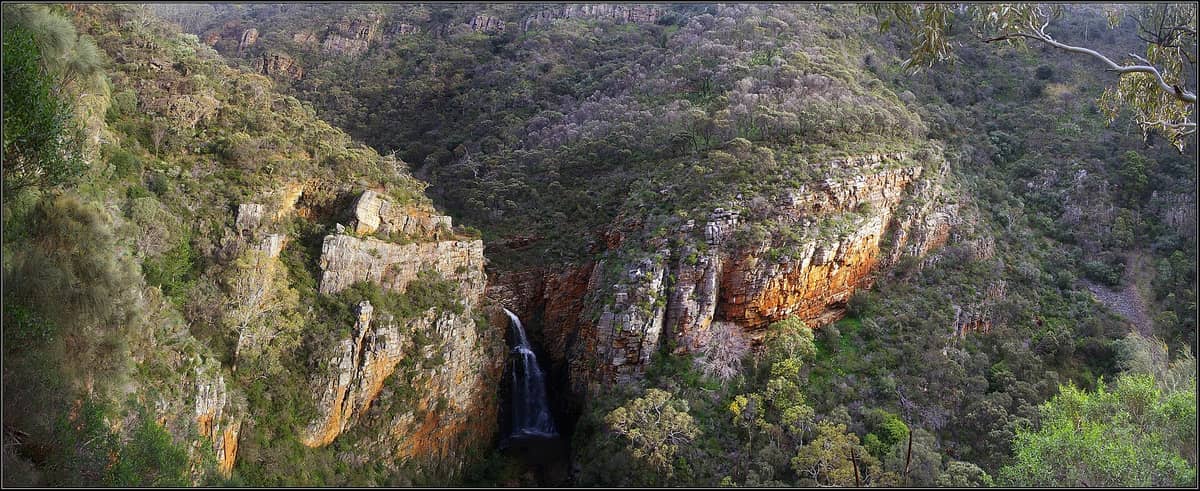
9. Watch Kangaroos and Birdlife in Morialta Conservation Park
Morialta is one of Adelaide's best free wildlife spots. Eastern grey kangaroos graze the gorge slopes at dawn and dusk, and the native scrub supports abundant birdlife year-round. The waterfall trails add scenic payoff to the wildlife watching.
Explore9. Watch Kangaroos and Birdlife in Morialta Conservation Park
Morialta is one of Adelaide's best free wildlife spots. Eastern grey kangaroos graze the gorge slopes at dawn and dusk, and the native scrub supports abundant birdlife year-round. The waterfall trails add scenic payoff to the wildlife watching.
Explore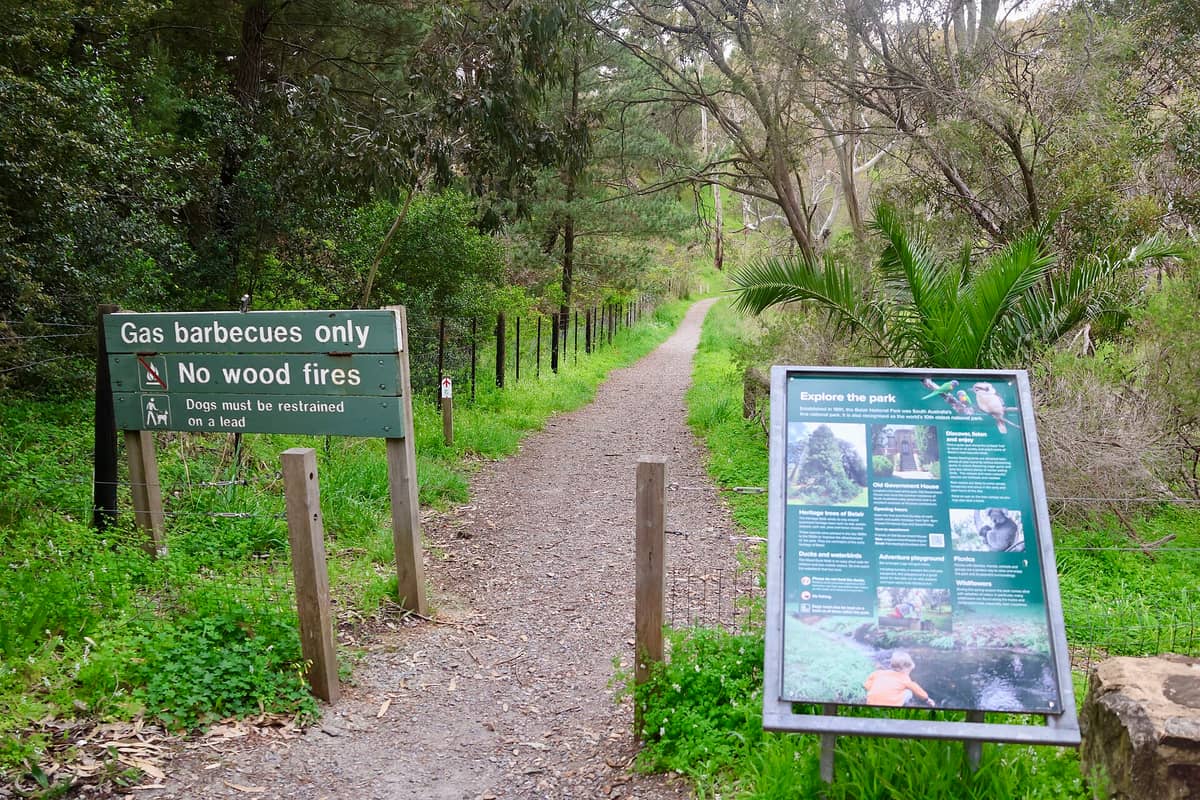
10. Explore Wildlife and Bushland at Belair National Park
Australia's second-oldest national park, just 13km from the CBD, has resident kangaroos, echidnas, and a rich variety of birdlife in native scrub and open woodland. The Old Government House grounds and easy walking trails make it great for families.
Explore10. Explore Wildlife and Bushland at Belair National Park
Australia's second-oldest national park, just 13km from the CBD, has resident kangaroos, echidnas, and a rich variety of birdlife in native scrub and open woodland. The Old Government House grounds and easy walking trails make it great for families.
Explore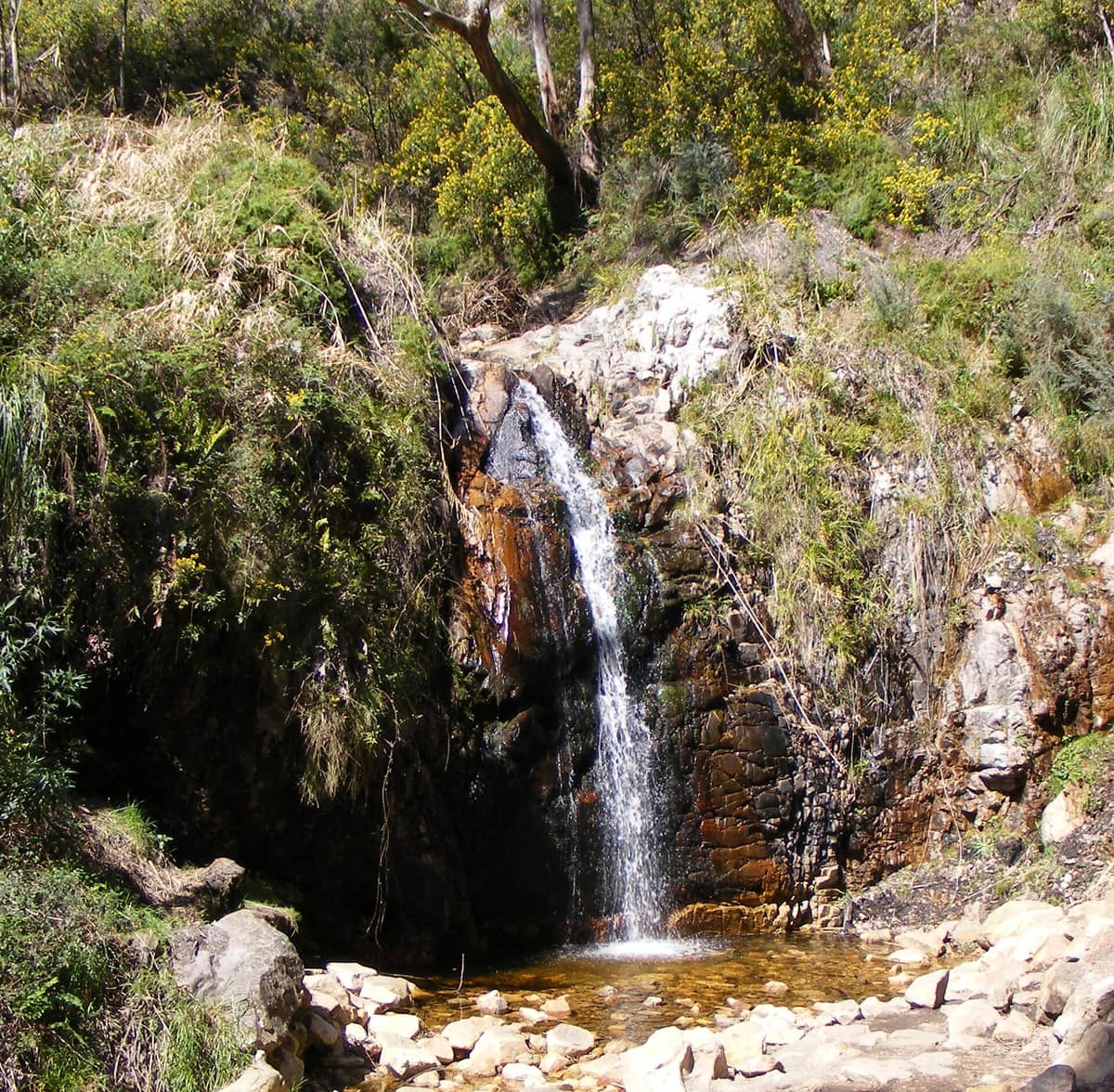
11. Walk Through Native Bushland at Waterfall Gully
The trail from Waterfall Gully to First Falls passes through dense native bush just 7km from the city centre, where wallabies, echidnas, and a huge range of native birds can be spotted year-round. Early mornings offer the best wildlife activity.
Explore11. Walk Through Native Bushland at Waterfall Gully
The trail from Waterfall Gully to First Falls passes through dense native bush just 7km from the city centre, where wallabies, echidnas, and a huge range of native birds can be spotted year-round. Early mornings offer the best wildlife activity.
Explore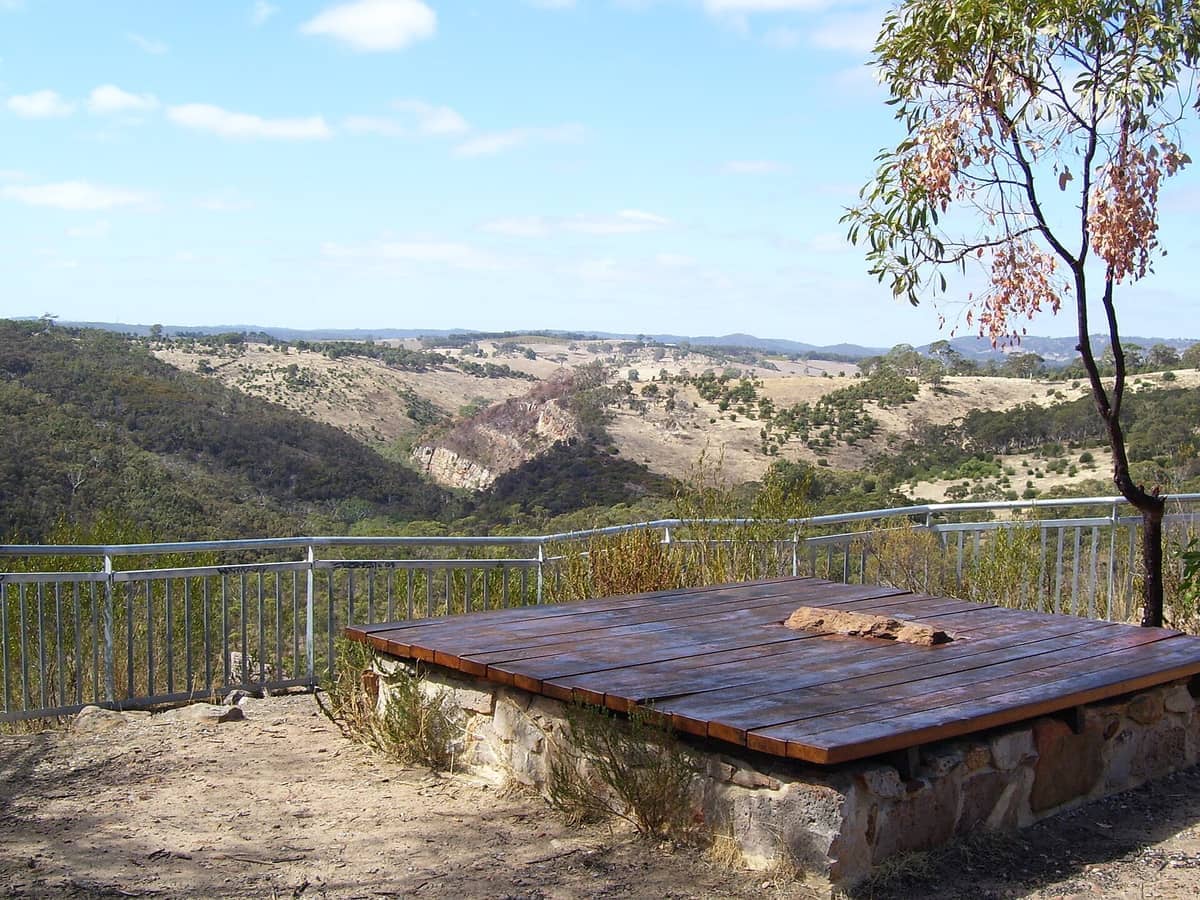
12. Birdwatch in Onkaparinga River National Park
This deep gorge park on Adelaide's southern fringe is exceptional for birdwatching, with raptors, parrots, and waterbirds along the river. Spring brings wildflower displays that attract native honeyeaters, and the trails are quiet on weekday mornings.
Explore12. Birdwatch in Onkaparinga River National Park
This deep gorge park on Adelaide's southern fringe is exceptional for birdwatching, with raptors, parrots, and waterbirds along the river. Spring brings wildflower displays that attract native honeyeaters, and the trails are quiet on weekday mornings.
Explore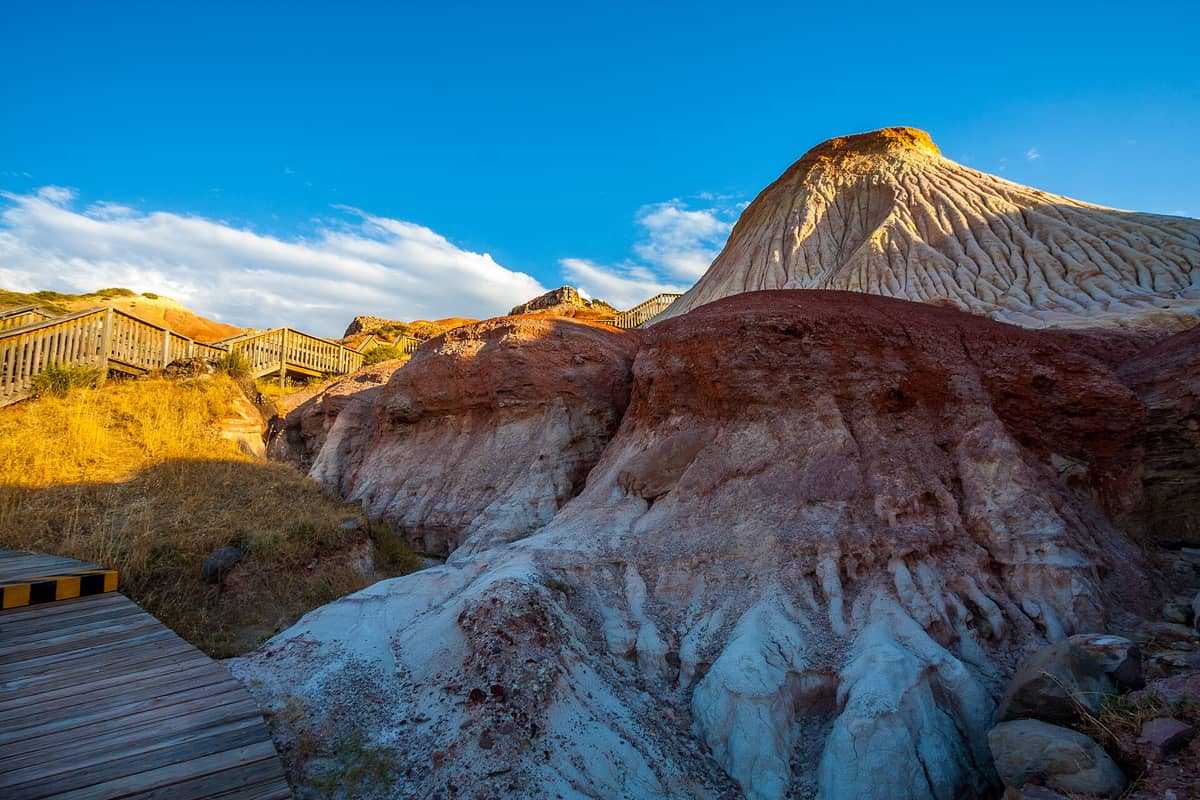
13. Spot Coastal Birdlife at Hallett Cove Conservation Park
This coastal park south of Adelaide is geologically unique, but it's also a reliable spot for shorebirds, raptors, and marine life from the clifftop boardwalk. The 280-million-year-old glacial formations give the landscape an otherworldly backdrop.
Explore13. Spot Coastal Birdlife at Hallett Cove Conservation Park
This coastal park south of Adelaide is geologically unique, but it's also a reliable spot for shorebirds, raptors, and marine life from the clifftop boardwalk. The 280-million-year-old glacial formations give the landscape an otherworldly backdrop.
ExploreCoastal Wildlife and Whale Watching
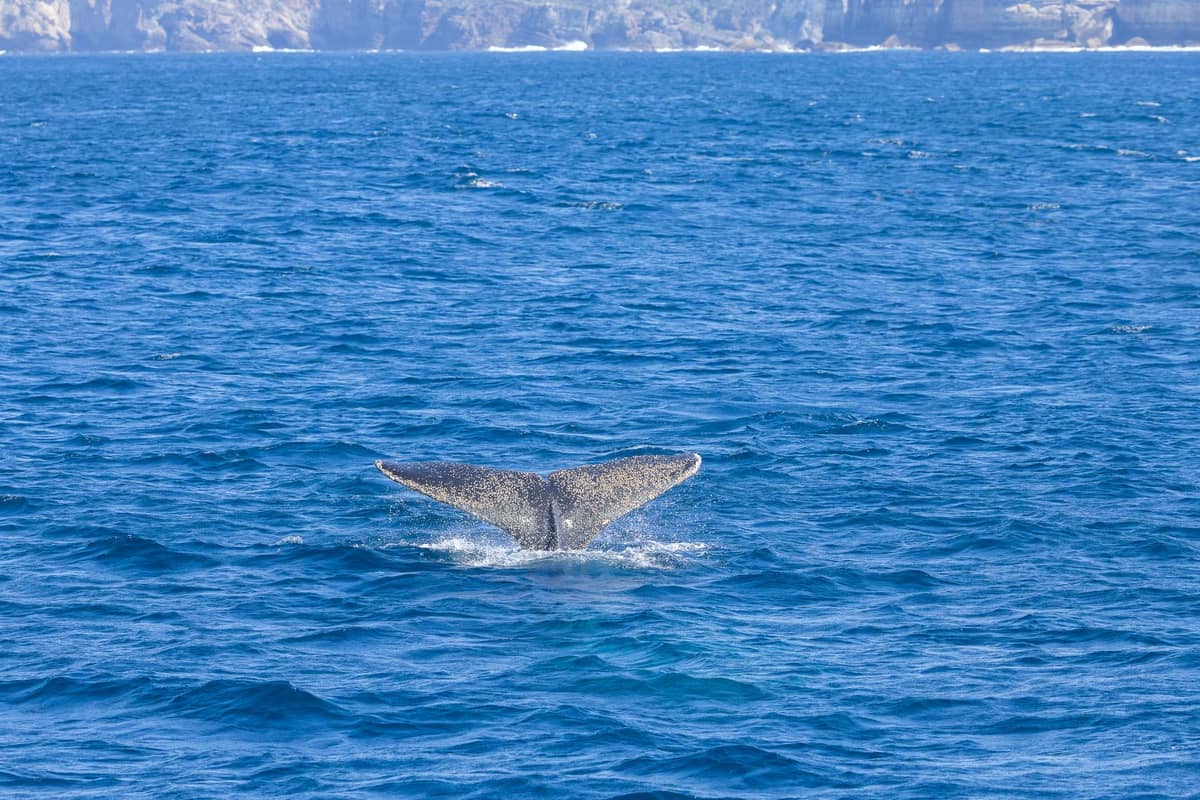
South Australia's coastline is rich in marine wildlife, from dolphin pods year-round to southern right whales that visit Encounter Bay between June and October. Always observe the state's wildlife-viewing distances: stay at least 100 metres from whales and 50 metres from dolphins, with 300 metres required in designated nursery protection areas. For coastal day trips with wildlife potential, the best beaches guide covers the full range of options along the Adelaide coastline.
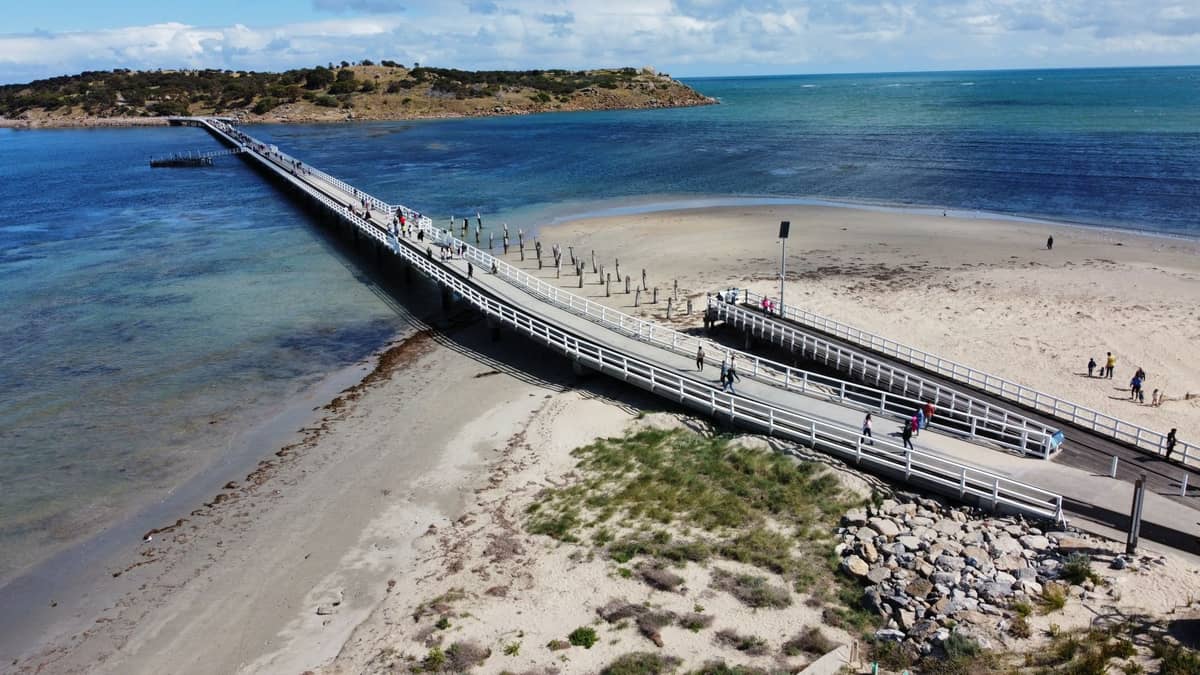
14. Watch Southern Right Whales from Victor Harbor
Victor Harbor on the Fleurieu Peninsula is South Australia's best-known whale-watching spot. Southern right whales and their calves visit Encounter Bay from June to October, visible from the causeway to Granite Island or from clifftop lookouts along the bay.
Explore14. Watch Southern Right Whales from Victor Harbor
Victor Harbor on the Fleurieu Peninsula is South Australia's best-known whale-watching spot. Southern right whales and their calves visit Encounter Bay from June to October, visible from the causeway to Granite Island or from clifftop lookouts along the bay.
Explore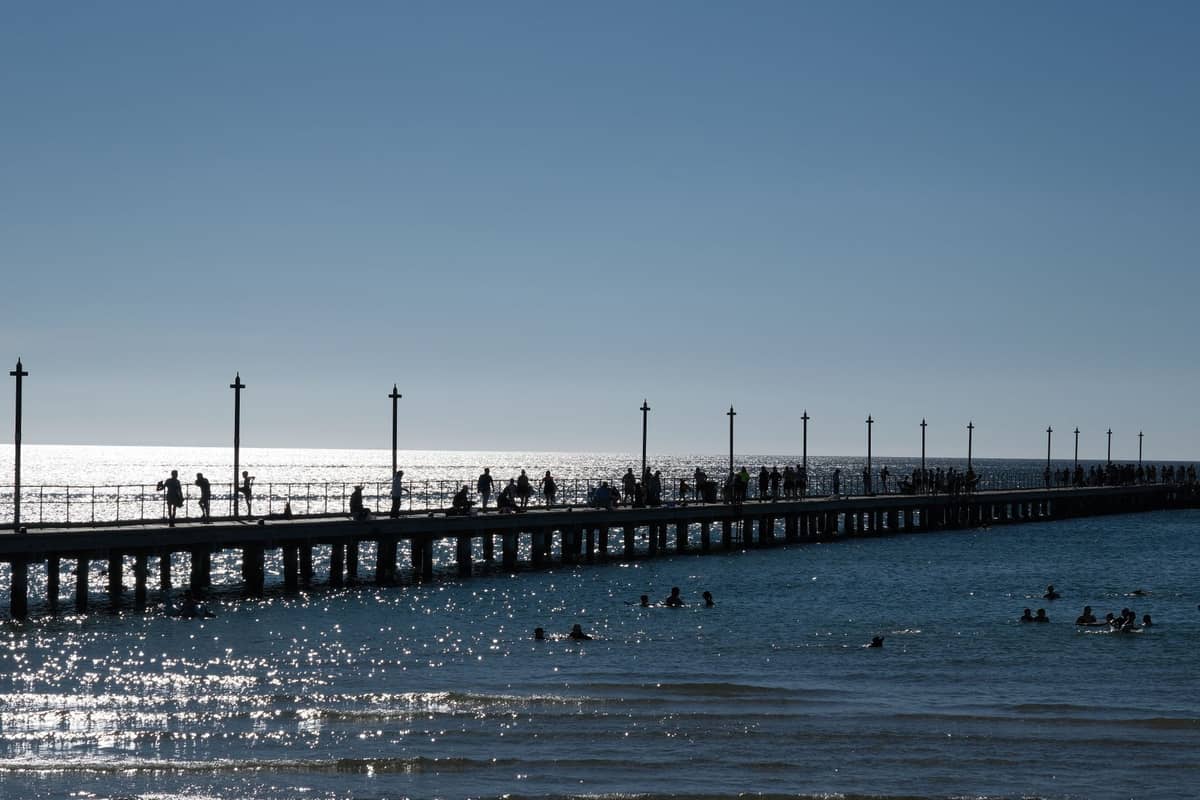
15. Join a Dolphin Cruise from Glenelg Jetty
Glenelg Jetty is the departure point for dolphin-watching cruises into Gulf St Vincent, where pods of bottlenose dolphins are regularly encountered year-round. Some operators also offer the chance to swim with dolphins in the open water.
Explore15. Join a Dolphin Cruise from Glenelg Jetty
Glenelg Jetty is the departure point for dolphin-watching cruises into Gulf St Vincent, where pods of bottlenose dolphins are regularly encountered year-round. Some operators also offer the chance to swim with dolphins in the open water.
Explore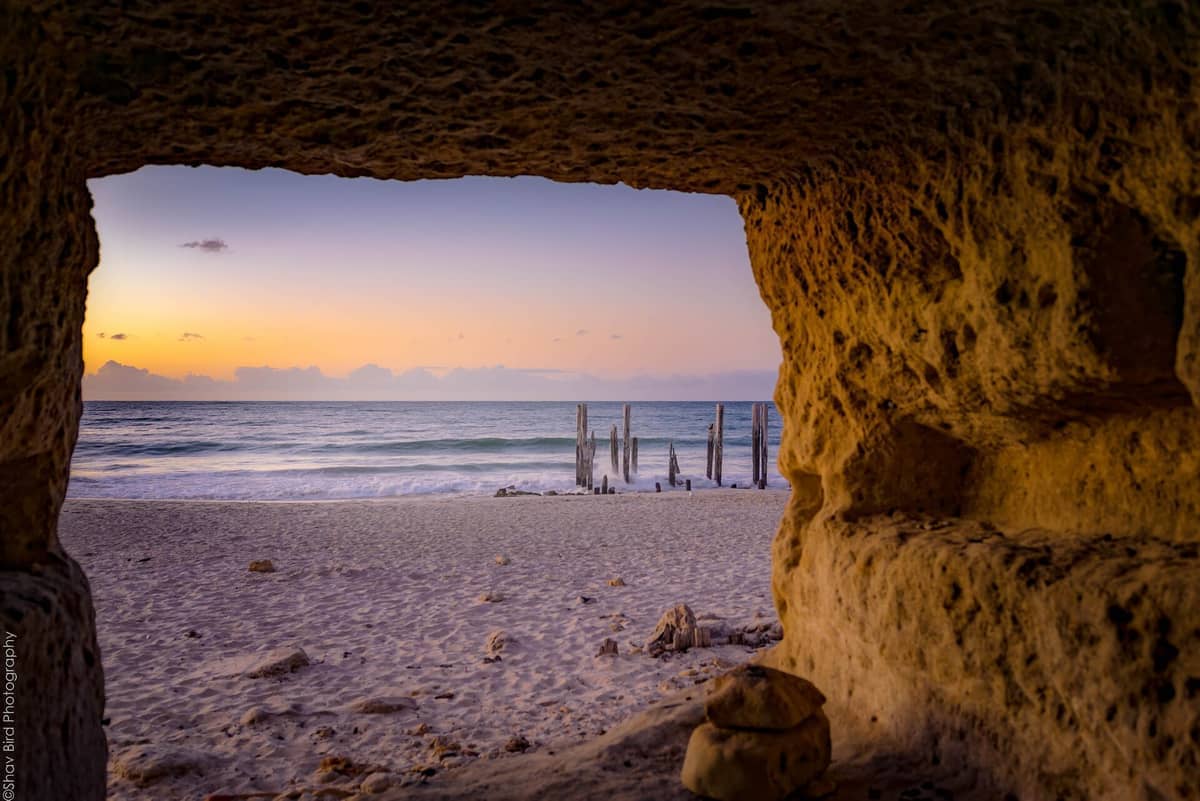
16. Snorkel with Marine Life at Port Willunga Beach
Port Willunga's clear, calm waters around the historic jetty ruins are home to fish, rays, and occasional octopus, making it one of the most accessible snorkelling spots near Adelaide. The dramatic ochre cliffs also shelter nesting birds above the beach.
Explore16. Snorkel with Marine Life at Port Willunga Beach
Port Willunga's clear, calm waters around the historic jetty ruins are home to fish, rays, and occasional octopus, making it one of the most accessible snorkelling spots near Adelaide. The dramatic ochre cliffs also shelter nesting birds above the beach.
Explore💡 Local tip
Whale watching from shore is free and requires no booking. Head to the Granite Island causeway in Victor Harbor between June and October for the best chance of spotting southern right whales with calves.
FAQ
Where can I hold a koala near Adelaide?
Cleland Wildlife Park in the Adelaide Hills is the most accessible place to hold a koala near Adelaide. Koala hold experiences must be pre-booked online through the official Parks SA booking system. Gorge Wildlife Park also offers koala encounters in a quieter setting.
Is Seal Bay on Kangaroo Island a zoo or a wild experience?
Seal Bay is a wild experience. Visitors can view a genuine colony of wild Australian sea lions from the boardwalk and viewing platforms. The animals are not kept in cages or enclosures. Check Parks SA for current access arrangements before visiting.
When is the best time of year to see wildlife in South Australia?
Wildlife is present year-round, but spring (September to November) is particularly active: joeys emerge from pouches, birdlife is abundant, and wildflowers attract honeyeaters. Winter (June to October) is the season for southern right whale watching along the Fleurieu Peninsula coast.
How do I get to Monarto Safari Park from Adelaide?
Monarto Safari Park is about 65 kilometres east of Adelaide near Murray Bridge, roughly a 50-minute drive via the South Eastern Freeway. There is no public transport directly to the park, so a car or organised tour is required. Check opening hours and book safari bus tickets in advance on the Zoos SA website.
Are there free wildlife experiences near Adelaide?
Yes. Morialta Conservation Park, Belair National Park, and Waterfall Gully all offer free access with excellent chances of seeing kangaroos, echidnas, and native birds. Hallett Cove Conservation Park is free and good for coastal birdlife. National park entry fees may apply to some sites, so check the Parks SA website before visiting.
Tickets & tours
Live prices and dates from our booking partner. If you book, we may earn a commission at no extra cost to you.
Planning a trip? Discover personalized activities with the Nomado app.