Port Willunga Beach & Jetty Ruins: Red Cliffs, Heritage Pylons, and Quiet Southern Seas
Port Willunga Beach sits at the base of dramatic red-ochre cliffs about 45 minutes south of Adelaide, where the stumps of a heritage-listed nineteenth-century jetty rise from the shallows at low tide. The beach is free, publicly accessible, and consistently quieter than Adelaide's metro beaches, making it one of the Fleurieu Peninsula's most photogenic and unhurried coastal stops.
Quick Facts
- Location
- The Esplanade, Port Willunga SA 5173, Fleurieu Peninsula
- Getting There
- Car is the practical option: ~45 min south of Adelaide via Southern Expressway and Main South Road. Public transport to the beach is very limited — plan to drive or join a tour.
- Time Needed
- 1–2 hours for a beach visit; half a day if combining with McLaren Vale wineries
- Cost
- Free entry. Cliff-top parking available.
- Best for
- Photography, swimming, snorkelling, coastal walks, and heritage interest
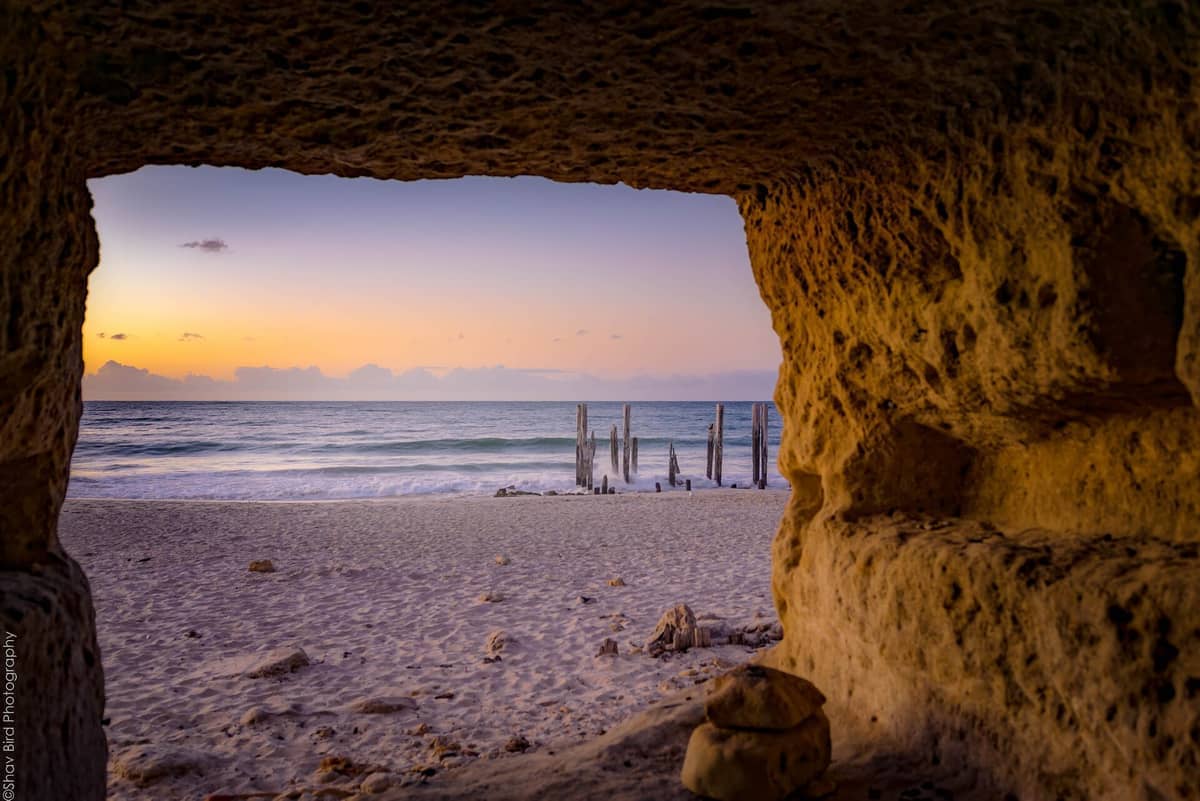
What Port Willunga Beach Actually Is
Port Willunga Beach is a crescent of pale sand tucked beneath a line of eroding red-ochre bluffs on the Fleurieu Peninsula, roughly 45 kilometres south of Adelaide. It is part of the City of Onkaparinga local government area, and its most distinctive feature is not the sand itself but the heritage-listed Port Willunga Jetty pylons: a cluster of weathered timber and concrete stumps that poke above the waterline at low tide, the last evidence of a nineteenth-century commercial jetty that once extended into Gulf St Vincent.
This is not a surf beach. The Gulf St Vincent waters are generally calm and relatively shallow close to shore, which makes Port Willunga better suited to swimming, snorkelling around the pylons, and paddling than to wave-riding. The trade-off is that when conditions are right — glassy water, low sun, the orange cliffs behind — the beach photographs like somewhere considerably more remote than it is.
ℹ️ Good to know
The beach has no set opening hours and no entry fee. The City of Onkaparinga's heritage page for the Port Willunga Jetty pylons is the most reliable official source for heritage information. Verify current road and parking conditions locally before visiting, as cliff erosion occasionally affects access.
The History Behind the Pylons
The jetty's origins date to around 1868, when a stone embankment and ramp were constructed to facilitate cargo loading along this stretch of the Fleurieu coast. The area was an active commercial node, and the jetty allowed goods, including grain and produce from the surrounding agricultural land, to be transferred to waiting vessels in the gulf. Storms repeatedly damaged the structure over the following decades, and a boardwalk extension followed the destruction caused by a 1915 storm.
The City of Onkaparinga is explicit on one point worth noting for history enthusiasts: no original fabric from the circa-1868 jetty construction is believed to survive. What remains represents later reconstruction and repair phases rather than the founding structure. The pylons are nonetheless heritage-listed under the council's Built Heritage register, recognised for their historic association with the port's commercial past rather than for material authenticity. That distinction matters if you are coming specifically for nineteenth-century fabric — but it does not diminish the visual or atmospheric effect of standing in the shallows with the stumps rising around you.
Tickets & tours
Live prices and dates from our booking partner. If you book, we may earn a commission at no extra cost to you.
Ultimate Adelaide and Hahndorf full-day tour
From 94 €Instant confirmationFree cancellationHalf-day Lofty Descents tour by bike
From 89 €Instant confirmationFree cancellationAdelaide kayak tour with expert instructors
From 51 €Instant confirmationFree cancellationTrue Crime Tour in Adelaide
From 21 €Instant confirmationFree cancellation
How the Beach Changes Through the Day
The cliff face at Port Willunga runs roughly north-south, so the beach receives morning light from the east and warm evening light from the west that catches the ochre bluffs directly. Sunrise visits are quiet to the point of solitude on most days outside summer holidays; the parking area at the top of the cliff is often empty before 8 am, and the only sounds tend to be seabirds and the low percussion of small waves meeting the pylons.
Midday in summer (December through February) is the least comfortable time to visit. The sand reflects heat, shade is scarce at the base of the cliffs, and the water temperature is at its most inviting but the beach at its most crowded, particularly on weekends when families drive down from Adelaide and McLaren Vale day-trippers extend their itineraries to the coast. If you are visiting in summer, aim for before 10 am or after 4 pm.
In autumn and spring, the beach settles into its most reliable rhythm: mild air, softer light, and visitor numbers low enough that you can walk the full length of the sand without stepping around anyone. Winter mornings can be cold with an onshore wind, but storm light against the red cliffs is striking, and low tides in winter often expose more of the pylon bases than summer visits allow.
💡 Local tip
For photography, plan around a low tide combined with either early morning or late afternoon light. At low tide the full pylon field is visible from the water's edge without needing to wade; at high tide many stumps are partially or fully submerged. Check the Bureau of Meteorology's tide predictions for a nearby reference point before you go.
Getting Down to the Sand
The cliff-top parking area sits on The Esplanade. From there, a staircase descends to the beach. The stairs are the standard access route, and they are not steep by cliff-stair standards, but they are stairs, and there is no confirmed step-free alternative route to the sand. Visitors requiring level or ramp access should contact the City of Onkaparinga directly to confirm current arrangements before making the trip.
Driving is the practical way to reach Port Willunga from Adelaide. The Southern Expressway runs south from the city, connecting to Main South Road, and the turn to Port Willunga is well-signposted. The drive takes around 45 minutes in normal traffic. Public transport options are very limited; there is no direct bus service to the beach from central Adelaide, and this is not a site that rewards planning around public transit unless you are already staying in the McLaren Vale area.
Port Willunga sits within comfortable range of the McLaren Vale wine region, which means a beach visit pairs naturally with a morning at the wineries followed by an afternoon on the sand, or vice versa. The Adelaide wine guide covers the McLaren Vale cellar doors worth including on the same day trip.
Swimming, Snorkelling, and What to Bring
The water at Port Willunga is generally calm and clear enough for snorkelling, and the pylon bases attract small fish and marine growth that make for more interesting underwater viewing than bare sand. A basic mask and fins are worth bringing if you have them; the pylons are accessible from shore without a boat. Water shoes are useful because the sand transitions to rocky patches near the pylon field.
There are no permanent lifeguard patrols at Port Willunga in the way that metro beaches such as Glenelg operate, so swimming is at your own discretion. Check for any posted signs at the beach regarding current conditions, particularly after heavy rainfall when runoff from the cliffs can affect water quality. The beach is not patrolled by surf lifesavers as a matter of routine, so take standard open-water precautions.
Pack sunscreen, water, and more food than you think you need. There are no kiosks or cafes directly on the beach itself. The Star of Greece restaurant sits at the top of the cliff and is well-regarded in the region, but it operates on its own hours and should not be relied upon as a backup snack stop. For broader dining context, the Adelaide food guide covers regional eating options including the Fleurieu Peninsula.
Photography at Port Willunga
The combination of elements at Port Willunga is unusually photogenic: saturated red-orange cliffs, pale sand, blue-green water, and the dark silhouettes of the pylons creates strong colour contrast in almost any light. The pylons read best from the water's edge or from knee-deep in the shallows, looking back toward the cliffs. A wide-angle lens captures the full extent of the cliff face; a longer focal length isolates individual pylons against the cliff backdrop.
Drone operators should be aware that this is a coastal public area subject to standard Civil Aviation Safety Authority rules; check current CASA regulations and local restrictions before flying. The cliff itself creates some wind variation at low altitude that affects stability.
If the coast interests you beyond this single beach, the best beaches near Adelaide guide covers the Fleurieu and metro coastline in full, including which beaches suit specific activities.
What to Know: Is It Worth the Drive?
Port Willunga is not a destination for people who want beach infrastructure. There is no cafe strip, no surf school, no hire chairs. The jetty ruins are atmospheric rather than grand; up close, what you are looking at is a field of weathered stumps. The heritage significance requires some context to appreciate, and a visitor who arrives without knowing what they are looking at might find the site underwhelming.
What the beach does well is difficult to manufacture: a sense of space and quiet, a landscape that feels genuinely coastal rather than suburban, and a visual distinctiveness that separates it from the sandy but unremarkable beaches closer to Adelaide. For travellers with a car and a half-day to spend south of the city, particularly those combining it with McLaren Vale, it earns its place in the itinerary. For someone relying on public transport, the logistics make it hard to justify.
Travellers interested in South Australia's Aboriginal history and the broader Fleurieu cultural landscape may want to pair this trip with a visit to the Living Kaurna Cultural Centre, which provides context for the traditional custodians of the lands along this coastline.
Insider Tips
- Check tide times before you go, not after. The pylons look entirely different at low versus high tide, and the best photographs require a low tide combined with directional light. Bureau of Meteorology tide predictions for a nearby reference point are the most relevant guide for this stretch.
- The cliff-top parking area fills quickly on warm weekend mornings from October through March. Arriving before 9 am almost guarantees a space; arriving after 11 am in summer means a potential wait or a walk from a street park on The Esplanade.
- Water shoes make a meaningful difference around the pylons. The sand near the pylon field is interrupted by rock and shell growth on the submerged pylon bases, and bare feet on an incoming tide can find uneven surfaces.
- The Star of Greece restaurant at the cliff top has a strong local reputation and books out weeks ahead for weekend lunch. If you want to eat there on a Saturday, book well in advance and do not treat it as a casual drop-in.
- Combining Port Willunga with Maslin Beach, which sits a few kilometres further north, gives you a full coastal afternoon: Port Willunga for the heritage pylons and cliffs in the morning, Maslin for a longer stretch of walking beach in the afternoon.
Who Is Port Willunga Beach & Jetty Ruins For?
- Photographers looking for a photogenic coastal subject within day-trip range of Adelaide
- Families with older children who want calm, clear water for swimming and snorkelling
- Wine-region visitors pairing a McLaren Vale cellar door day with an afternoon on the coast
- History-minded travellers interested in South Australia's coastal commercial heritage
- Travellers wanting a quieter beach alternative to Adelaide's more developed metro coastline
Nearby Attractions
Other things to see while in McLaren Vale:
- Maslin Beach
Stretching nearly 3 kilometres along the Fleurieu Peninsula coast, Maslin Beach combines dramatic ochre cliffs, calm Gulf St Vincent waters, and a relaxed coastal character that sets it apart from Adelaide's busier suburban beaches. The southern section has carried Australia's first legal nude bathing designation since 1975, though the broader beach is used by all kinds of visitors.
- Onkaparinga River National Park
Onkaparinga River National Park protects a striking river gorge just 35 kilometres south of Adelaide, on the edge of McLaren Vale wine country. Walking tracks wind past native scrub, sheer sandstone walls, and sweeping lookouts, making it one of South Australia's most accessible natural escapes.
Planning a trip? Discover personalized activities with the Nomado app.