Is Adelaide Worth Visiting? An Honest Assessment
Adelaide divides opinion. Some travellers find it a low-key, surprisingly rich destination. Others leave feeling underwhelmed. This guide breaks down exactly what Adelaide offers, who it suits, and what to realistically expect before you book.
Tickets & tours
Live prices and dates from our booking partner. If you book, we may earn a commission at no extra cost to you.
TL;DR
- Adelaide is genuinely worth visiting for food, wine, beaches, and outdoor culture — but it rewards travellers who do their research rather than those expecting a metropolis.
- Spring (September–November) and autumn (March–May) are the best times to go; summer can push above 40°C. See our best time to visit Adelaide guide for a full seasonal breakdown.
- The city is compact and walkable, with world-class wine regions (Barossa Valley, McLaren Vale) and Kangaroo Island within easy reach as day or overnight trips.
- Budget travellers fare well here: public transport is affordable, many top attractions are free, and food market culture means excellent cheap eating.
- Adelaide is not Sydney or Melbourne in terms of pace, nightlife density, or international profile — if that's what you're after, manage expectations accordingly.
What Kind of City Is Adelaide, Really?
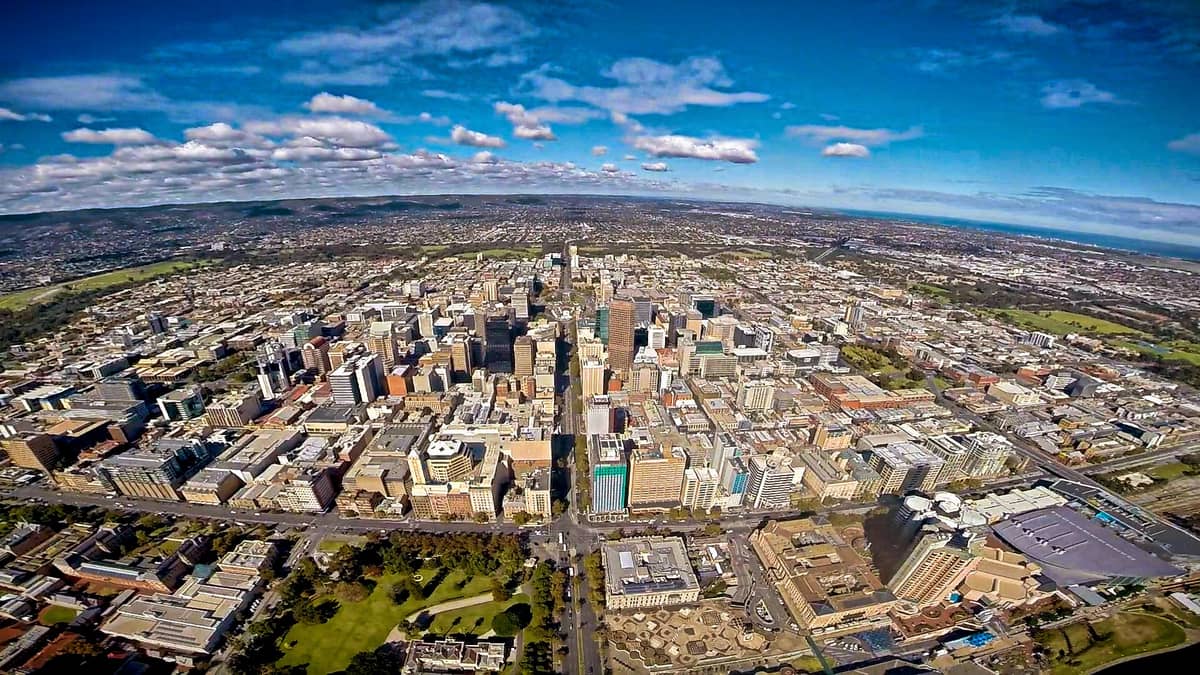
Adelaide is the capital of South Australia and sits on Kaurna Country, the traditional lands of the Kaurna people. The city centre covers roughly 15.6 square kilometres, laid out in a precise grid and wrapped entirely by Adelaide Park Lands, a continuous belt of green space that gives the city an unusually open, uncluttered feel. With a resident population of around 26,900 in the central local government area, and a broader metropolitan region of over 1.4 million, it functions somewhere between a big regional city and a small capital.
The reputation that follows Adelaide — that it's boring, sleepy, a stepping stone to better places — is outdated and largely unfair. Over the past decade, a serious food and bar culture has taken hold, the festival calendar has expanded considerably, and the city's proximity to exceptional natural landscapes and wine country has become a genuine competitive advantage over its larger eastern counterparts. That said, Adelaide is not going to overwhelm you with options the way Sydney or Melbourne might. If you need a city that never stops moving, this isn't it.
The Real Reasons to Come to Adelaide
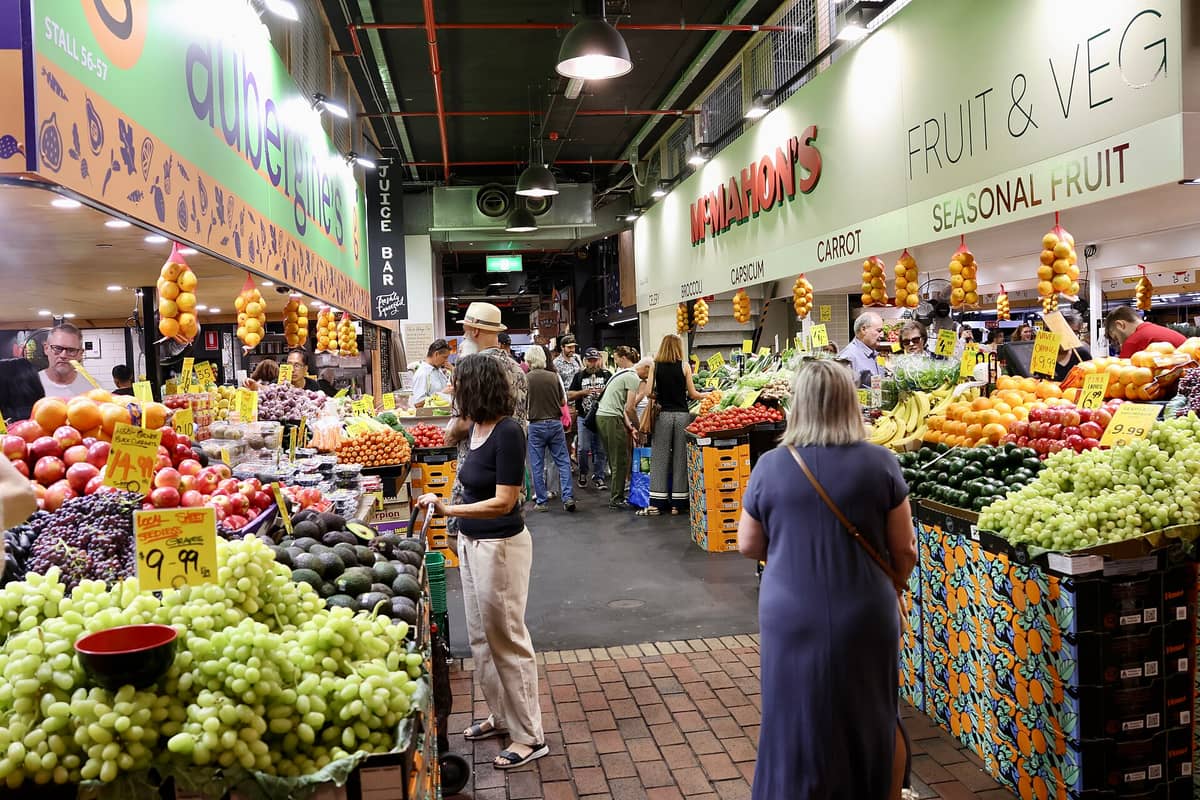
Food is the strongest argument. The Adelaide Central Market is one of the largest undercover fresh produce markets in the Southern Hemisphere and has operated continuously since 1869. It's not a tourist trap dressed up as a market — it's a genuine, functioning food hub where locals shop weekly. Stall holders sell South Australian cheeses, charcuterie, fresh seafood, Asian groceries, and excellent coffee. Budget around $10–20 for a satisfying market breakfast or brunch.
Wine is the other standout reason. Adelaide is the only major city in Australia where you can be in a world-class wine region within 30–60 minutes of the CBD. The Barossa Valley is about 70 kilometres northeast, known globally for its Shiraz. McLaren Vale is roughly 40 kilometres south and produces excellent Grenache and Shiraz alongside some of the best winery restaurant experiences in the country. You don't need a guide or a tour group to access either region — a hire car and half a day is enough.
Beyond wine and food, Adelaide's beach access is underrated. The coast sits 10–30 minutes from the city centre by tram or car, and stretches of sand from Glenelg south to Maslin Beach (Australia's first legal nude beach) offer genuine variety without the crowds you'd find at iconic Sydney or Gold Coast beaches on a summer weekend. The Adelaide Hills, meanwhile, provide hiking, wildlife encounters, and the German-heritage village of Hahndorf within 30 minutes of the CBD.
✨ Pro tip
Adelaide's festival season peaks around February–March with the Adelaide Fringe (the world's second-largest arts fringe festival) and WOMADelaide, a world music event held in Botanic Park. If you can align your visit with either event, the city takes on a completely different energy. Book accommodation early — it sells out fast.
What Adelaide Does Less Well
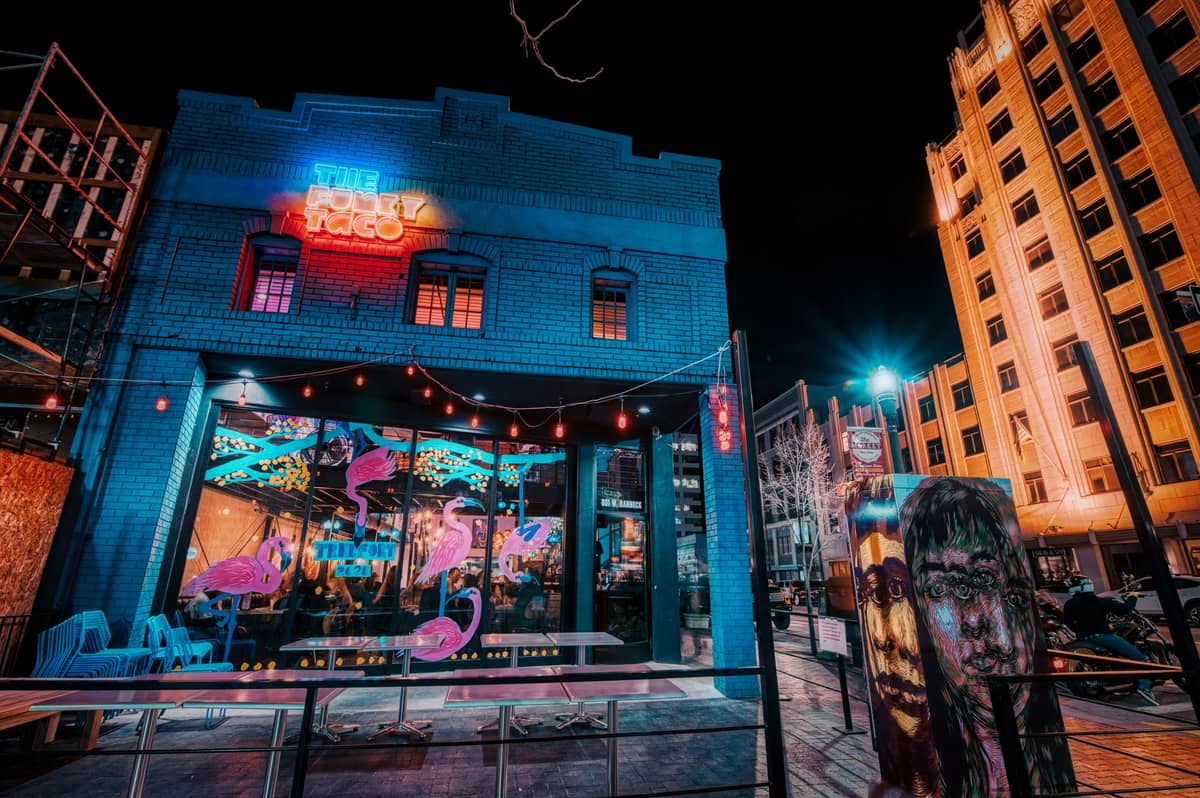
Honesty matters here. Adelaide's nightlife, while it has improved significantly, remains modest by capital city standards. The West End and Hindley Street areas have bars, live music venues, and clubs, but the scene closes earlier and spreads thinner than equivalent districts in Melbourne or Brisbane. If late-night bar-hopping across dozens of venues is central to your trip, Adelaide will feel limited.
Public transport is functional but infrequent outside peak hours, particularly on weekends. The tram network is limited to a single line running between the city and Glenelg. Suburban rail lines serve major corridors but are not comprehensive. For anything beyond the CBD and inner suburbs, a hire car or rideshare significantly expands your options. Uber operates in Adelaide and airport rideshare pickup zones are clearly marked at Adelaide Airport (ADL), which sits about 8 kilometres from the city centre.
Summers can be brutal. Adelaide has a Mediterranean climate — hot, dry summers and cool, wetter winters. But 'hot' in summer means daytime averages around 29°C with regular heatwaves pushing above 40°C. January in particular can string together multiple 38–42°C days. If you're visiting between December and February, plan outdoor activities for early mornings, have air-conditioned retreats lined up, and stay properly hydrated. The parks and beaches that look idyllic in brochures become uncomfortable in extreme heat.
⚠️ What to skip
Do not underestimate Adelaide's summer heat. Temperatures above 40°C are not rare — they're a regular feature of January and February. If you're visiting in summer, check the Bureau of Meteorology forecast daily and avoid extended outdoor exposure during heatwaves. The Adelaide Hills can be slightly cooler, but bushfire risk is also elevated in extreme heat.
Adelaide's Best Neighbourhoods and What They Offer
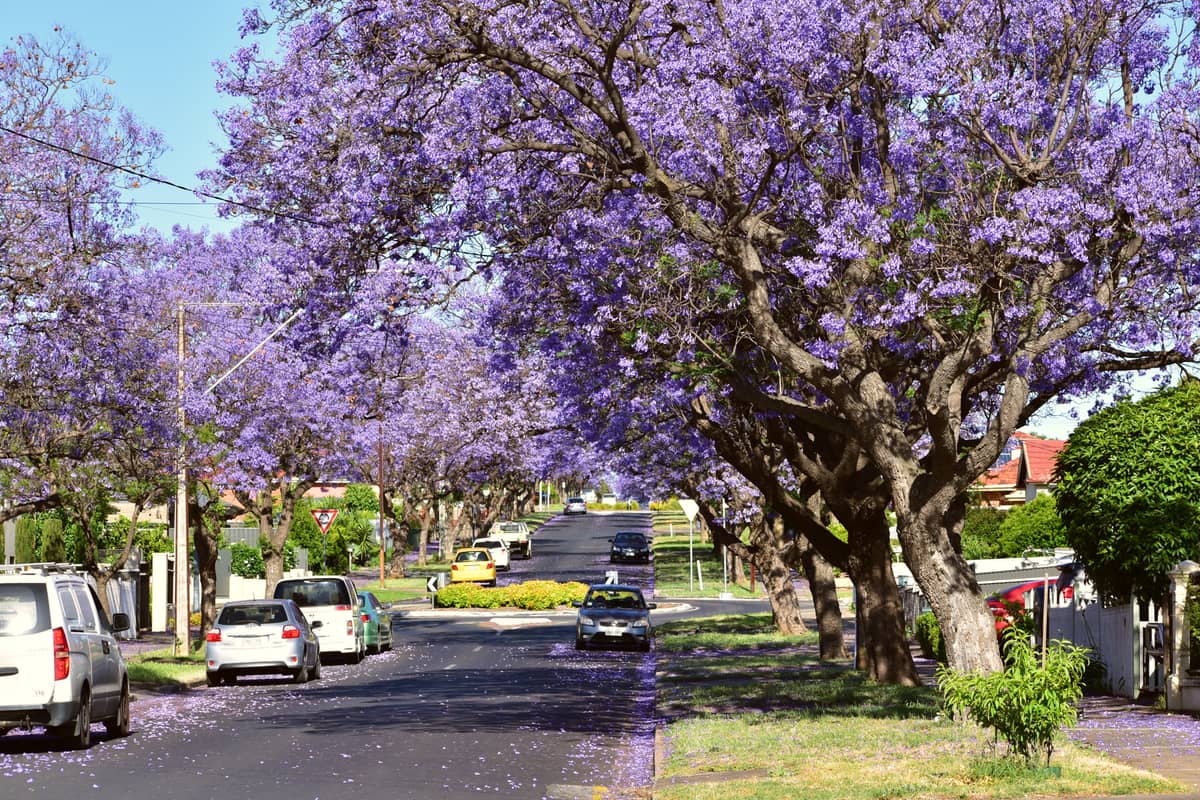
- Adelaide CBD The central grid is walkable, clean, and full of cafes, restaurants, and cultural institutions along North Terrace. Good as a base, though it goes quiet on weekend nights.
- North Adelaide A distinct inner suburb north of the River Torrens with excellent restaurants along O'Connell Street and Melbourne Street. Quieter and more residential, with heritage architecture.
- Glenelg The classic beach suburb, reachable by tram in about 25 minutes from the CBD. Best for families and beach days. Can feel slightly tourist-oriented in peak summer.
- Port Adelaide The most interesting neighbourhood for history. Maritime museums, lighthouse precinct, and a genuinely working-class, unsanitised feel that distinguishes it from the polished inner city.
- East End and Norwood Rundle Street's East End bleeds into Norwood's The Parade — together these form Adelaide's most consistently good dining and drinking corridor. Worth a dedicated evening.
Day Trips That Dramatically Upgrade Your Adelaide Visit
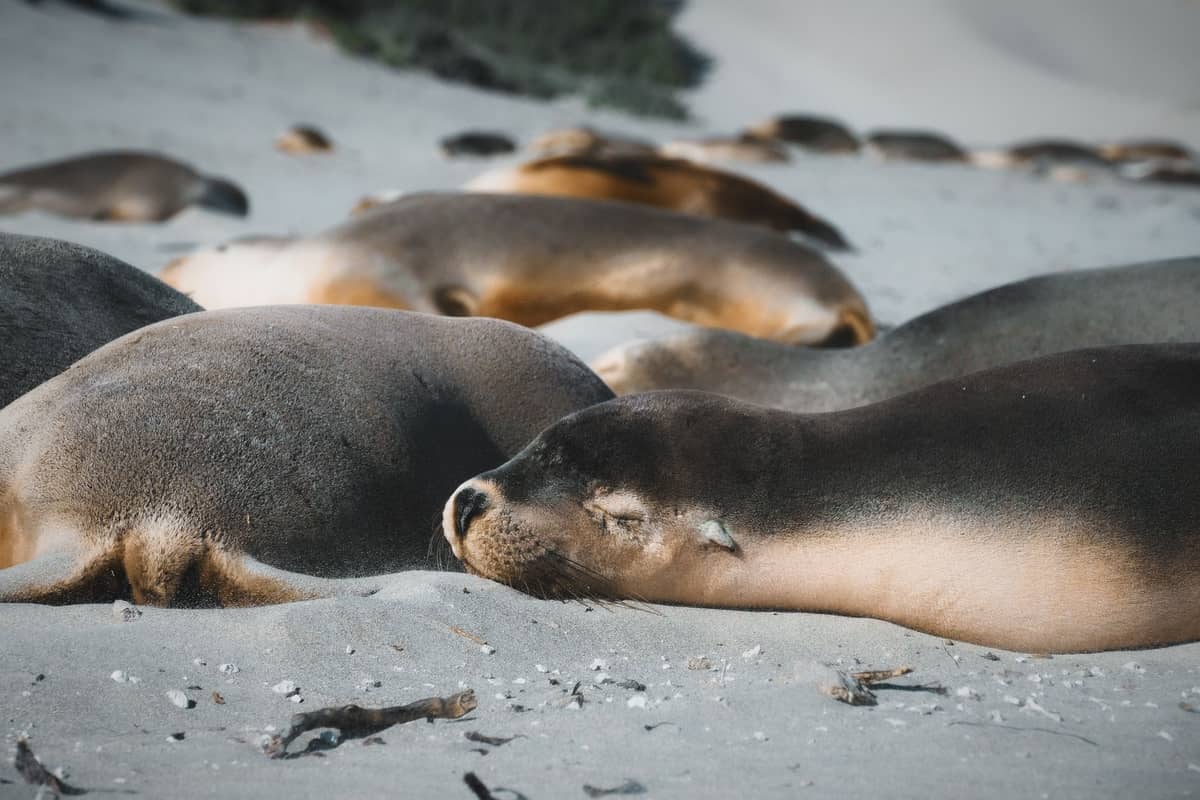
One reason Adelaide works so well as a destination is what surrounds it. Kangaroo Island is accessible by ferry from Cape Jervis (about 90 minutes south of Adelaide) or by a short flight from Adelaide Airport. It's one of the most ecologically rich islands in Australia, home to sea lions, koalas, and the extraordinary Remarkable Rocks in Flinders Chase National Park. A two-night stay is ideal, though a long day trip is feasible.
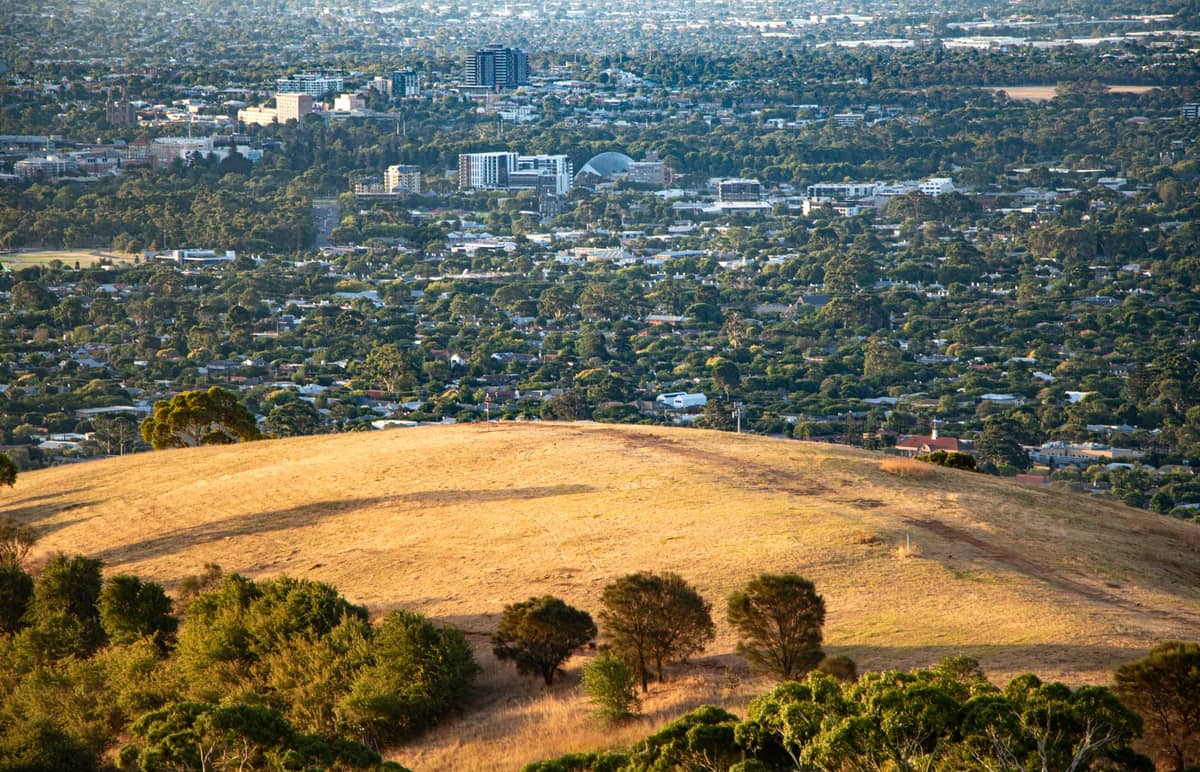
Closer to the city, the Adelaide Hills offer hiking trails, wildlife parks, and the charming historic township of Hahndorf — settled by German Lutherans in 1839 and still retaining its distinctive streetscape and food culture. On a clear day, the views from Mount Lofty Summit extend across the entire metropolitan area to the coast. It's about 45 minutes from the CBD by car.
💡 Local tip
If you have three days or more in Adelaide, build at least one full day around a regional escape. The Barossa Valley and McLaren Vale both work well as self-drive day trips. A rental car for a single day costs around $50–90 AUD depending on the vehicle and booking timing — far cheaper than a guided tour, and giving you full flexibility over wineries and pacing.
Practical Facts: Getting There, Getting Around, and Costs
Adelaide Airport (IATA: ADL) handles domestic flights from all major Australian cities and a growing number of international routes. The airport sits 8 kilometres west of the city centre. Adelaide Metro buses connect the airport to the city; the journey takes around 20–30 minutes depending on the service. Taxis and rideshare (Uber) are available at designated pickup zones outside the terminal. Rideshare to the CBD typically costs $25–40 AUD depending on time and demand.
Adelaide Metro operates buses, trains, and trams across the metropolitan area. Fares are distance-independent — you pay a flat rate regardless of how far you travel on a single trip — and payment can be made via metroCARD, contactless card or device, or the Buy & Go app. The single tram line runs from the Entertainment Centre in the west through the CBD and down to Glenelg. For comprehensive transport options and getting the most from the network, our getting around Adelaide guide covers routes, ticketing, and practical tips.
Adelaide is one of the more affordable Australian capital cities for travellers. A good cafe breakfast runs $15–25 AUD, a pub lunch $18–28 AUD, and a quality dinner at a mid-range restaurant $35–60 AUD per person before drinks. Budget travellers can do very well by leaning into the Central Market, food trucks around the East End, and the city's strong cafe culture. For a detailed breakdown, see our Adelaide on a budget guide.
- Tap water is safe to drink throughout Adelaide — SA Water treats and tests mains water to drinking standard.
- Australia uses Type I plugs at 230V/50Hz. Bring an adapter if your devices use a different standard.
- Tipping is not expected; it is genuinely discretionary and not leaving a tip causes no offence.
- Emergency services: dial 000 for police, fire, or ambulance anywhere in Australia.
- Australia requires a valid visa for all visitors. Eligibility for an Electronic Travel Authority (ETA) or eVisitor depends on passport nationality — check the Australian Government's official visa guidance before booking travel.
Who Should Visit Adelaide, and Who Might Not
Adelaide works best for travellers who want depth over density. If your idea of a great trip involves excellent food and wine, outdoor activities within easy reach, genuine cultural institutions, and a pace that lets you actually absorb a place rather than rush between landmarks, Adelaide delivers clearly and consistently.
Families do well here, particularly with the beach access, the Cleland Wildlife Park in the Adelaide Hills, and the Adelaide Zoo on the edge of the Botanic Garden. Couples looking for a relaxed, food-focused trip will find the wine region day trips particularly rewarding. Solo travellers benefit from the compact CBD and the city's generally safe, walkable character.
Travellers who primarily seek non-stop entertainment, a dense bar and club scene, or the buzz of a globally prominent city may find Adelaide underwhelming. It is not the place to come if you're counting on stumbling into excitement every evening. The city rewards intentional planning more than spontaneous discovery.
FAQ
Is Adelaide worth visiting compared to Sydney or Melbourne?
It depends entirely on what you want. Sydney and Melbourne offer more in terms of density, nightlife, and international recognition. Adelaide offers better food-to-cost ratio, far easier access to wine regions, less crowded beaches, and a more relaxed atmosphere. Many experienced Australian travellers rate Adelaide among their favourite cities precisely because it isn't trying to compete with Sydney or Melbourne.
How many days do you need in Adelaide?
Three to five days is the sweet spot. Two full days covers the CBD highlights — Central Market, North Terrace cultural precinct, Glenelg beach. Days three to five allow for at least one regional day trip to the Barossa Valley, McLaren Vale, or the Adelaide Hills, which is where the visit really opens up.
Is Adelaide safe for tourists?
Yes, Adelaide is generally considered one of the safer Australian capital cities. Standard city precautions apply — be aware of your surroundings in the Hindley Street area late at night, don't leave valuables visible in hire cars, and keep standard travel sense active. Emergency services are reached by dialling 000.
Is Adelaide expensive to visit?
Relative to Sydney and Melbourne, Adelaide is moderately priced. Accommodation, dining, and activities tend to cost slightly less than in the larger eastern capitals. There are also strong free and low-cost options — many of the best parks, beaches, museums, and the Central Market itself can fill a full day without significant spend.
What is Adelaide most famous for?
Adelaide is best known for its food and wine culture (particularly proximity to the Barossa Valley and McLaren Vale), its festivals (the Adelaide Fringe is the world's second-largest arts fringe), its park-encircled city design, and as a gateway to Kangaroo Island and the Flinders Ranges. Internationally, it's less prominent than Sydney or Melbourne, which means less tourist saturation and a more authentic local experience.
Tickets & tours
Live prices and dates from our booking partner. If you book, we may earn a commission at no extra cost to you.
Planning a trip? Discover personalized activities with the Nomado app.