Adelaide's Best Food Markets: A Complete Guide
Adelaide has a concentrated, high-quality food-market scene. Whether you're after fresh produce, artisan cheeses, or a weekend breakfast ritual, this guide covers the city's top markets, their hours, and how to get the most out of each visit.
Tickets & tours
Live prices and dates from our booking partner. If you book, we may earn a commission at no extra cost to you.
TL;DR
- Adelaide Central Market is the anchor of the city's food scene, with 70+ traders across Gouger Street — open Tuesday to Saturday, closed Sunday and Monday.
- The Adelaide Showground Farmers' Market runs every Sunday, 8:30 am to 12:30 pm, and is free to enter — the best option for a relaxed weekend browse.
- Wednesday trading at the Central Market is partial — not all stalls open. Always verify before making a special trip.
- Seasonal produce drives what's worth buying; late summer and autumn are the richest periods for South Australian fruit and vegetables.
- For context on eating beyond markets, see what to eat in Adelaide and Adelaide on a budget.
Why Adelaide's Food Market Scene Is Worth Your Time
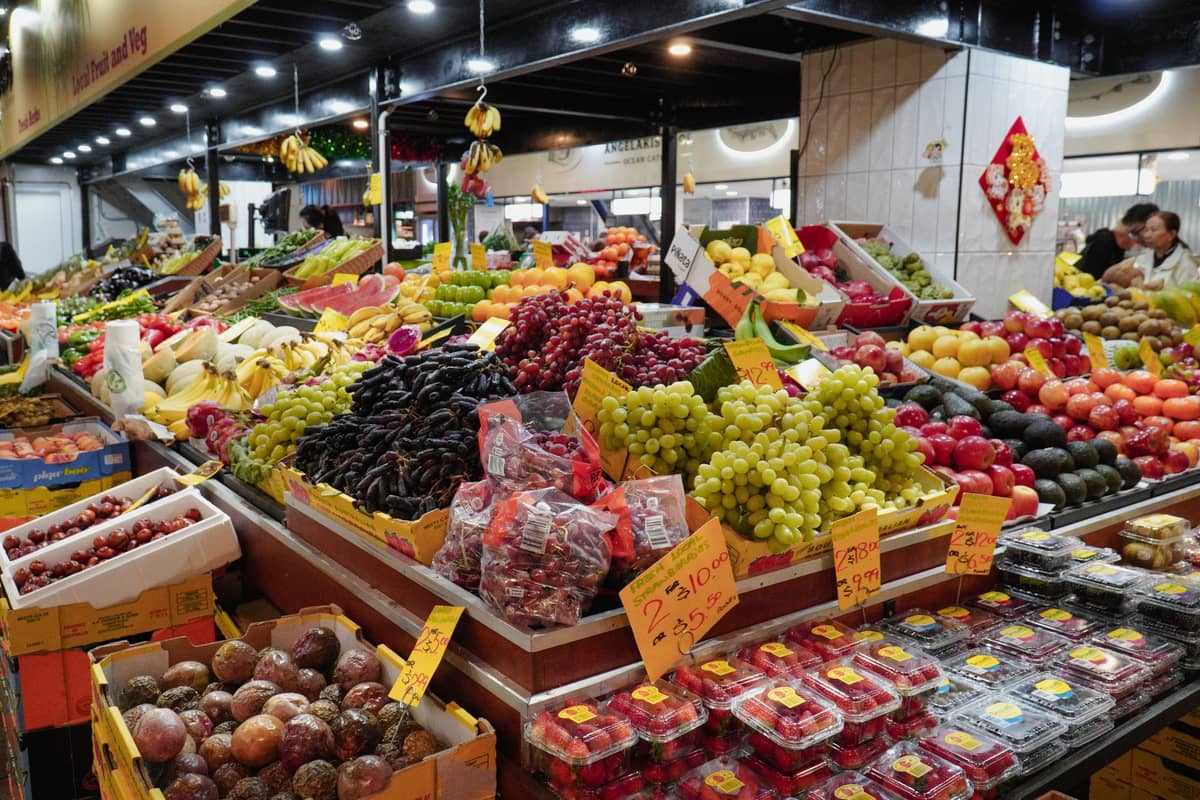
Adelaide's food culture is rooted in its proximity to some of Australia's most productive agricultural regions. The Barossa Valley, McLaren Vale, the Adelaide Hills, and the Fleurieu Peninsula all sit within an hour or two of the city, which means the food that ends up in Adelaide's markets is genuinely fresh and often grown by the people selling it. This isn't a city where 'farmers' market' is purely a marketing term.
The concentration of quality is what separates Adelaide from larger Australian cities. Sydney and Melbourne have more markets, but Adelaide's are more consistent. The Adelaide Central Market has been operating for over 150 years, and its reputation is backed by traders who have held stalls for decades. Combined with a handful of well-run weekend markets, Adelaide gives food-focused visitors a genuine circuit worth building a visit around.
ℹ️ Good to know
Adelaide sits on the traditional lands of the Kaurna people. Many of the food traditions and ingredients found in South Australian markets — including native bush foods like saltbush, wattleseed, and quandong — have deep roots in Kaurna and broader First Nations culture. Look for stalls that stock these ingredients and, where possible, source them from Indigenous-owned producers.
Adelaide Central Market: The Definitive Guide
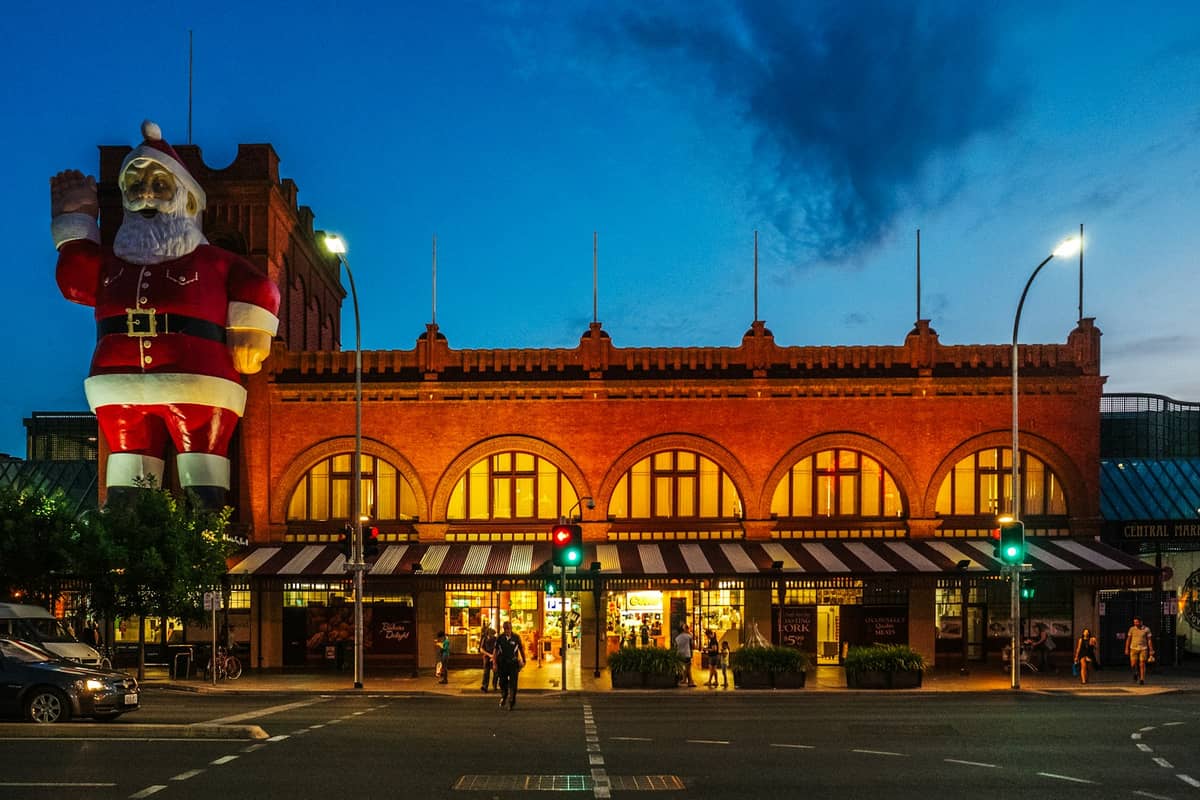
No food market guide to Adelaide starts anywhere other than the Central Market at 44-60 Gouger Street. With more than 70 traders operating under one roof, it is one of the largest fresh produce markets in the Southern Hemisphere — and it functions as a working market, not a tourist attraction dressed up as one. Locals shop here for their weekly groceries, and that dynamic keeps prices competitive and quality high.
- Trading Hours Tuesday 7:00 am – 5:30 pm, Wednesday 9:00 am – 5:30 pm, Thursday 9:00 am – 5:30 pm, Friday 7:00 am – 9:00 pm, Saturday 7:00 am – 3:00 pm. Closed Sunday and Monday.
- Wednesday Caveat Wednesday is an optional trading day. Not every stall operates on this day — check with individual traders before making a special trip for a specific product.
- Best Day to Visit Friday is the standout: extended hours until 9:00 pm, the widest range of stalls, and a genuinely lively atmosphere. Saturday mornings are busiest overall but close earlier at 3:00 pm.
- Public Holidays The market closes on Good Friday, Easter Monday, Christmas Day, and Proclamation Day, among others. Check the official trading hours page at adelaidecentralmarket.com.au for the current public holiday schedule before planning a visit.
In terms of what to buy, the Central Market does everything well: fresh fruit and vegetables, smallgoods and cured meats, cheese and dairy, seafood, bread, olives, coffee, and prepared foods for eating on the spot. Several traders have operated for multiple generations, and the depth of product knowledge you'll encounter here is genuinely useful — ask a cheesemonger about South Australian varieties, or quiz a fishmonger about what's in season and where it was caught.
💡 Local tip
Arrive before 9:00 am on a Saturday to avoid the peak crowds and get first pick of the freshest produce. By 11:00 am on a Saturday, the main aisles around the fruit and vegetable stalls are genuinely difficult to navigate with a bag. The market gets quieter again after 1:00 pm, but stock is reduced by then.
The Central Market sits in the southern part of the Adelaide CBD, close to Chinatown on Moonta Street and a short walk from the tram on King William Street. Getting there by public transport is straightforward. If you're driving, note that street parking on Gouger Street fills quickly on Friday evenings and Saturday mornings — the nearby car parks on Grote Street and beneath the Central Market itself are the practical option.
⚠️ What to skip
A common mistake: the Central Market is NOT open every day. Many visitors arriving on a Sunday or Monday find the doors closed. Plan specifically around the Tuesday-to-Saturday trading schedule, and double-check public holiday closures on the official website before visiting during long weekends.
Adelaide Showground Farmers' Market: The Sunday Option
For anyone visiting over a weekend, the Adelaide Showground Farmers' Market fills the Sunday gap left by the Central Market's closure. Held every Sunday from 8:30 am to 12:30 pm at the Adelaide Showground in Wayville, it's free to enter and draws a strong mix of regional producers, small-batch food makers, and genuine farmers selling direct.
The atmosphere is more relaxed and more community-oriented than the Central Market. You'll find families with dogs, people doing their weekly shop, and stalls that skew toward artisan and specialty products: sourdough bread, small-batch preserves, heritage-breed meats, organic vegetables, and specialty coffee. It's not as large or comprehensive as the Central Market, but the quality ceiling is high and the producer relationships feel more direct.
Wayville is easy to reach from the city. The Showground is also a practical starting point if you're combining a market visit with a trip to the Adelaide ShowgroundAdelaide Botanic Garden or a walk through the Park Lands. The Sunday market wraps up at 12:30 pm sharp, so don't arrive late expecting a full spread.
Other Markets Worth Knowing About
Adelaide's market scene extends beyond these two anchors. The city's inner suburbs support a rotating set of weekend markets with strong food components. While the specifics of smaller markets can change seasonally, a few consistent options are worth noting.
- Prospect Farmers Market Held in the inner-northern suburb of Prospect, this smaller market has a loyal local following and tends to feature specialty food producers alongside fresh produce. Check locally for current dates and times.
- Plant 4 Bowden Not a traditional market, but this food hall in the Bowden development functions similarly on weekends: multiple vendors, casual seating, a mix of fresh and prepared food. It operates more like a permanent food precinct than a pop-up market.
- Port Adelaide Markets The Port Adelaide area hosts periodic markets with food stalls, often alongside vintage and craft vendors. Check the Port Adelaide Enfield Council's events calendar for current scheduling.
- Glenelg and Coastal Markets The beachside suburb of Glenelg sees seasonal pop-up markets along the foreshore, particularly during summer. These tend to be more craft and lifestyle focused, with food trucks and snack vendors rather than fresh produce stalls.
If you're staying near the coast, it's worth checking what's running near Glenelg or Semaphore during your visit — both suburbs have active community event calendars. For market visits further afield, day trips from Adelaide can be combined with regional produce markets in the Barossa or Adelaide Hills.
What to Buy and When: Seasonal Produce Guide
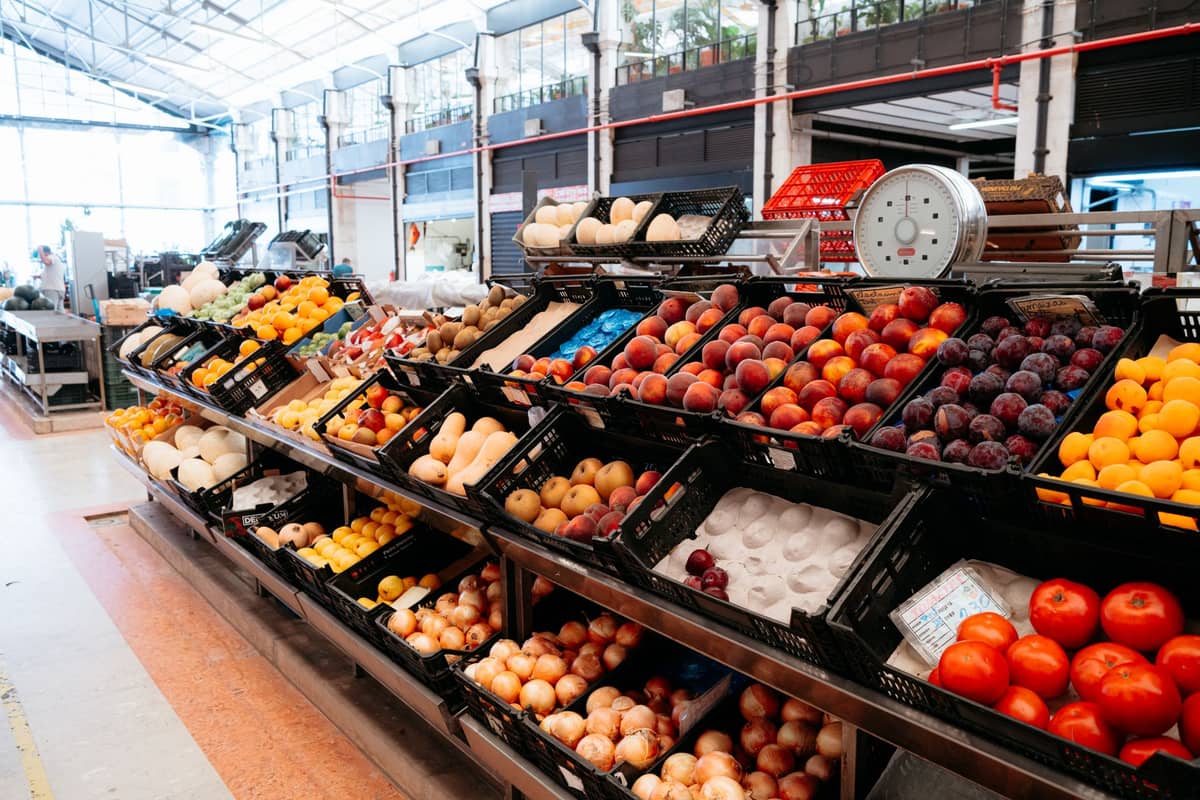
Adelaide's Mediterranean climate means the seasonal produce calendar moves fast. Knowing what's in season makes a significant difference to what's worth buying at market. The Central Market publishes in-season information, but here's a practical breakdown by season.
- Summer (December – February) Stone fruits dominate: cherries, peaches, nectarines, apricots, and plums from the Adelaide Hills and Barossa. Tomatoes, zucchini, and eggplant are also excellent. Heat can make market visits uncomfortable by mid-morning — go early.
- Autumn (March – May) The richest season for variety. Apples and pears from the Hills, grapes from wine regions, pumpkins, and root vegetables all appear. This is when the Central Market is at its most compelling for produce shopping.
- Winter (June – August) Citrus season is strong: navels, mandarins, lemons, and blood oranges from South Australian growers. Brassicas, leafy greens, and root vegetables peak. The market is less crowded mid-week, and this is a good time to explore the smallgoods and cheese stalls without pressure.
- Spring (September – November) Asparagus, new season strawberries, broad beans, and peas appear alongside late citrus. Spring is also when the Showground Farmers' Market tends to have its most interesting variety of smaller producers returning from quieter winter schedules.
If wine and food pairing is part of your visit, the proximity of the Central Market to South Australia's wine regions makes for a natural combination. Pick up local cheeses and smallgoods at the market, then pair them on a visit to the National Wine Centre of Australia or plan a full day in the Barossa Valley or McLaren Vale.
Practical Tips for Market Visits in Adelaide
A few logistics make a noticeable difference to the quality of a market visit in Adelaide. None of these are complicated, but getting them wrong wastes time and money.
- Bring a reusable bag or a wheeled trolley for the Central Market — paper bags from traders are fine for small purchases but won't hold a full week's groceries, and plastic bag availability varies by stall.
- Cash is still widely accepted at most market stalls, but card payment (including tap-to-pay) is now available at the majority of Central Market traders. Some smaller Showground vendors are cash-preferred.
- Prices at the Central Market are generally competitive with or below supermarket pricing for equivalent quality. At the Showground market, specialty and organic products carry a premium — expect to pay more than supermarket prices for artisan goods, which is fair given what they are.
- Tipping is not expected or customary at market stalls in Adelaide, or anywhere in Australia. Good service is the norm, not something that requires a financial signal.
- If you're visiting during a heatwave — which is a real possibility from December through February, when Adelaide can reach 40°C or above — stick to early morning visits. The Central Market building provides shade, but arriving after 10:00 am in summer heat is uncomfortable.
- The Central Market has a dedicated food court area and several eat-in options. Grab a coffee and a pastry before working through the stalls — it makes the experience more enjoyable and means you're shopping with actual hunger calibration rather than buying everything in sight.
✨ Pro tip
Friday evenings at the Central Market (open until 9:00 pm) are consistently underrated. The crowds are lighter than Saturday morning, the atmosphere is relaxed, and many traders discount perishables toward closing time. If you're flexible on timing, Friday evening is often the best practical visit of the week.
For a broader picture of eating well in Adelaide without spending a lot, the free things to do in Adelaide guide has context on cost-free food experiences around the city. And if the market visit sparks an appetite for a proper restaurant meal, what to eat in Adelaide covers the broader dining landscape including the best Adelaide restaurant districts by cuisine type.
FAQ
Is Adelaide Central Market open on Sundays?
No. Adelaide Central Market is closed on Sundays and Mondays. It trades Tuesday through Saturday only, with Friday being the latest it's open (until 9:00 pm) and Saturday closing at 3:00 pm. For a Sunday market visit, the Adelaide Showground Farmers' Market in Wayville runs every Sunday from 8:30 am to 12:30 pm and is free to enter.
Is there an entry fee for Adelaide's food markets?
No. Both the Adelaide Central Market and the Adelaide Showground Farmers' Market are free to enter. You only spend money when you buy something from individual traders.
What is the best day to visit Adelaide Central Market?
Friday evening (open until 9:00 pm) and Saturday morning (from 7:00 am) are the best options. Friday is underrated: lighter crowds, good selection, and traders sometimes discount perishables toward closing. Saturday morning has the widest range but gets very busy between 9:00 am and 12:00 pm. Avoid Wednesday if you have a specific stall in mind, as it's an optional trading day and not all vendors will be open.
What's the difference between the Central Market and the Showground Farmers' Market?
The Central Market is a permanent, year-round indoor market with 70+ traders covering everything from fresh produce to seafood, cheese, bread, and prepared food. It's a working market where locals do their grocery shopping. The Showground Farmers' Market is a smaller, outdoor Sunday market with a stronger emphasis on artisan and specialty producers selling direct. The two complement each other rather than compete.
What South Australian products should I look for at Adelaide's food markets?
Look for Adelaide Hills cheese and dairy, Barossa Valley smallgoods and smoked meats, South Australian seafood (especially King George whiting and fresh prawns when in season), stone fruits in summer, and apples and pears in autumn. Native bush food ingredients like wattleseed, quandong, and saltbush appear at select stalls and make excellent gifts. Local olive oil and honey are also consistently good value.
Tickets & tours
Live prices and dates from our booking partner. If you book, we may earn a commission at no extra cost to you.
Planning a trip? Discover personalized activities with the Nomado app.