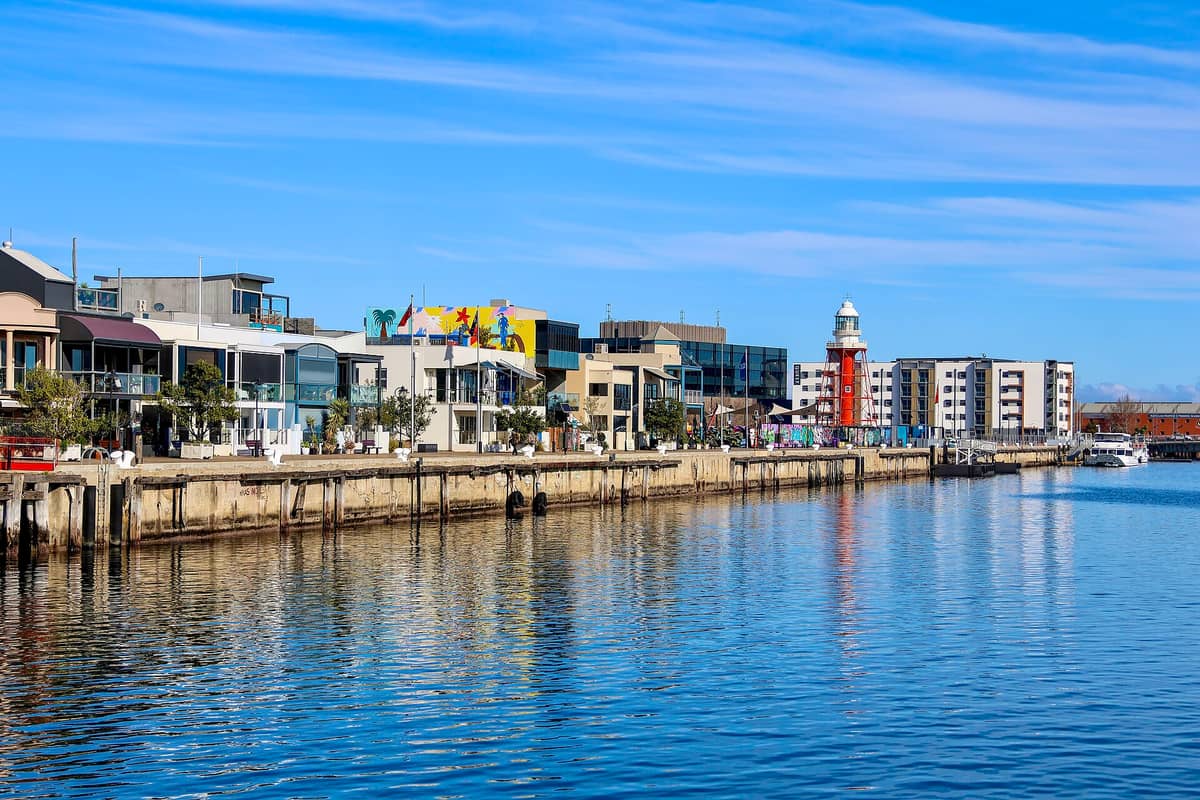
Port Adelaide sits about 14 kilometres northwest of the Adelaide CBD, occupying the original colonial port that once made South Australia's economy run. Today it draws visitors with maritime museums, well-preserved 19th-century streetscapes, and a creative energy that has taken root without washing away the neighborhood's working-class salt.
Port Adelaide is the city's old port district: rough-hewn, historically layered, and genuinely unlike any other part of Adelaide. Where the CBD is planned and polished, Port Adelaide is weathered stone, corrugated iron, and a waterfront that still carries the memory of the ships that built a colony.
Orientation
Port Adelaide sits roughly 14 kilometres northwest of the Adelaide city centre, connected to the CBD by the Port Dock train service. The suburb occupies a peninsula-like position between the Port River and a network of tidal creeks, which gave it strategic value as a deep-water port from the earliest days of European settlement in South Australia. That geography also kept it physically separate from the spreading suburbs of Adelaide's west, giving it a distinctly self-contained character that persists today.
The commercial and heritage heart of the area runs along St Vincent Street and around Semaphore Road in the precinct sometimes called Port Centre. Walking west from Port Adelaide railway station, you pass through several blocks of Victorian-era shopfronts, former hotels, and warehouses before reaching the waterfront and the inner harbour. The area bounded by McLaren Parade, Commercial Road, and the Port River gives you the densest concentration of landmarks, museums, and eating options.
To the south, Port Adelaide blends into Birkenhead and Ethelton. To the north, Semaphore Road leads out to Semaphore, a quieter beachside suburb with its own strip of cafes and a long sandy beach. Understanding this axis — train station to waterfront to Semaphore Road — is the quickest way to get your bearings.
Character & Atmosphere
Port Adelaide does not perform heritage the way some districts do. The sandstone buildings and cast-iron verandahs along St Vincent Street are genuinely old, and they carry genuine wear. On a weekday morning, the light hits the pale stone facades at a low angle, and the streets are quiet enough that you can hear the creak of boats in the inner harbour. The smell of salt and mudflat is always faintly present, especially at low tide, and it anchors the neighborhood in its geography in a way that no amount of signage could.
By midday on weekends, the precinct picks up considerably. Families head to the maritime and railway museums. Cyclists come off the linear trail along the Port River. The waterfront cafes fill up. But the crowds here never reach the density of the CBD or Glenelg; Port Adelaide has a smaller, more purposeful visitor flow. The people who come here generally know why they have come.
After dark, the picture shifts. Pubs that have been trading for over a century do serious business on Friday and Saturday nights, and the neighborhood has a rougher, more unfiltered energy once the museums close. This is not a place that has been smoothed into a tourist-friendly simulacrum of itself, and at night that authenticity has sharper edges. Solo travelers and couples should feel comfortable on the main streets; it is worth being more attentive in the quieter industrial blocks closer to the water.
ℹ️ Good to know
Port Adelaide is on Kaurna Country. The Kaurna people are the traditional custodians of the Adelaide Plains, and the Port River and surrounding wetlands hold cultural significance. The Living Kaurna Cultural Centre at Warriparinga in Bedford Park, in Adelaide's southern suburbs, offers context and programming on Kaurna history and culture.
There is a creative undercurrent here that has grown steadily over the past decade. Artists and makers have moved into former industrial buildings, and the precinct hosts regular street art installations alongside its more conventional heritage assets. This mix of raw history and emerging arts culture is Port Adelaide's most interesting quality, and it makes the neighborhood rewarding to wander without a fixed itinerary.
What to See & Do
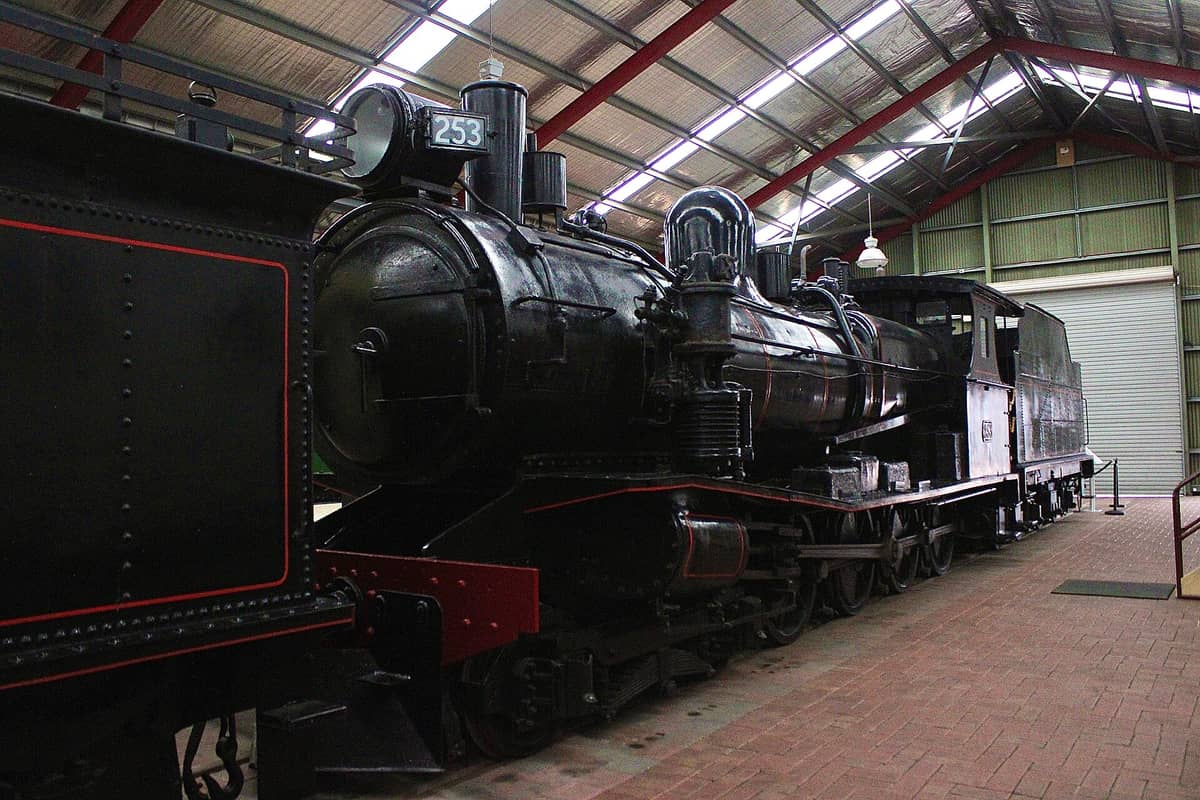
The National Railway Museum is the anchor attraction for many visitors. The National Railway Museum is a short walk from Port Dock railway station, it holds one of Australia's most significant collections of locomotives and rolling stock, including some of the largest steam engines ever to operate on Australian tracks. Children and railway enthusiasts will spend two to three hours here easily; even those without a particular interest in trains tend to find the scale of the collection striking.
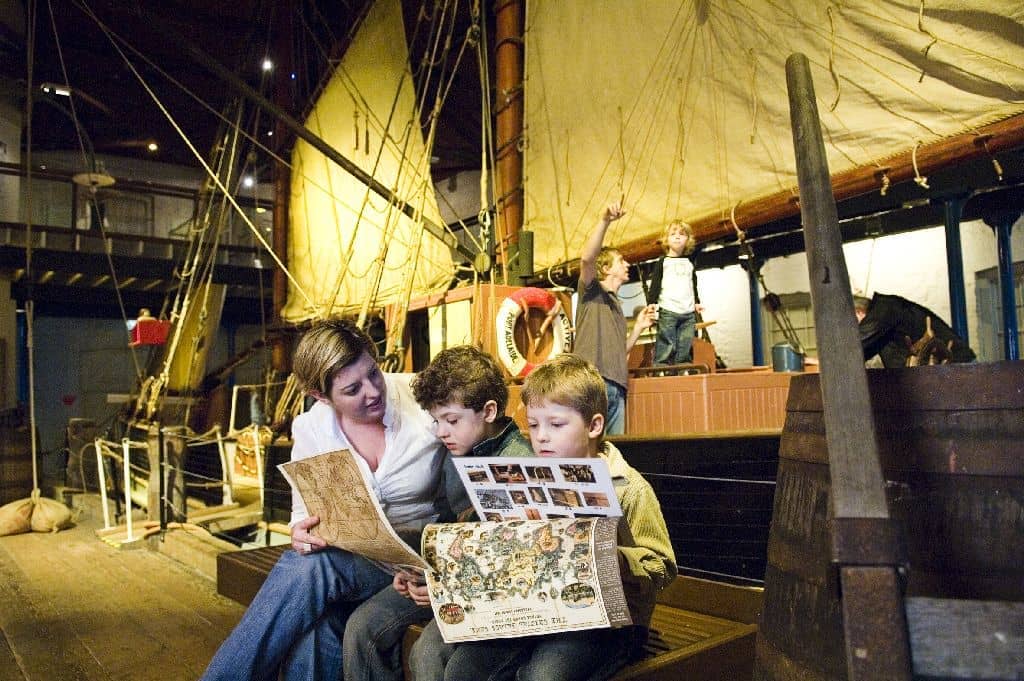
The Port Adelaide Maritime Museum occupies a cluster of heritage buildings near the inner harbour and tells the story of South Australia's relationship with the sea from the first colonial ships to the working port of the 20th century. The collection includes actual vessels you can board, historical artifacts, and detailed accounts of the maritime trade that once moved through here. It pairs well with a walk along the waterfront to get a sense of the physical context.
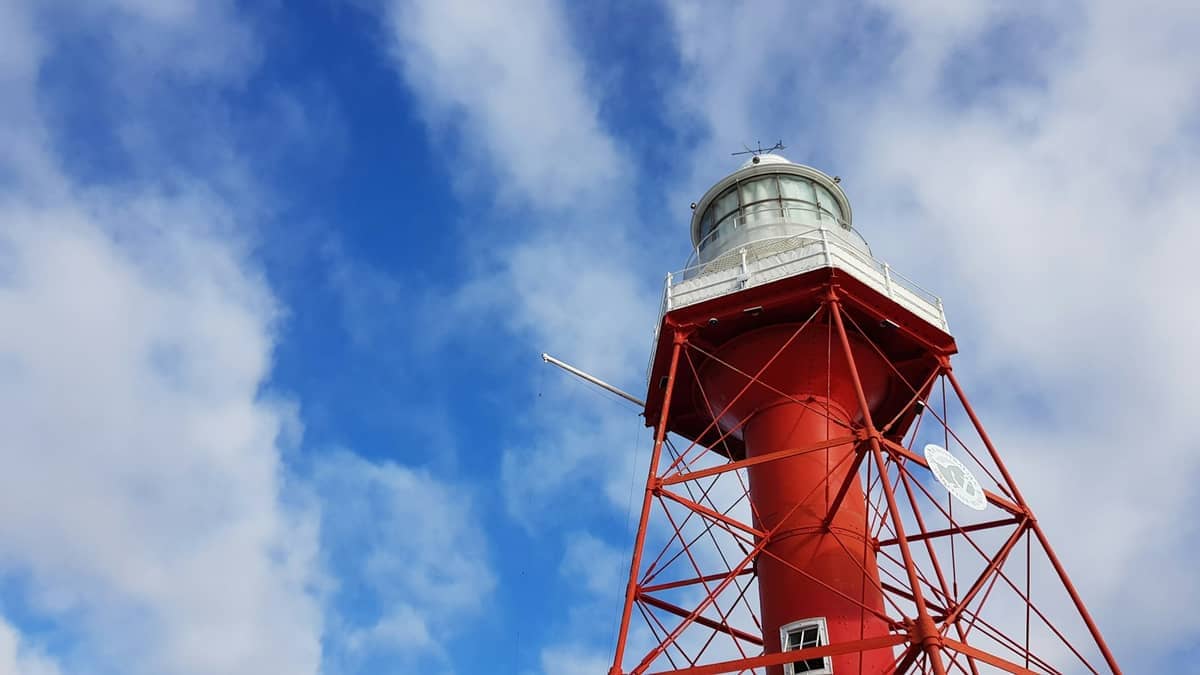
The Port Adelaide Lighthouse is one of the oldest in South Australia and stands near the inner harbour as a compact but photogenic landmark. Access and opening hours vary seasonally, so check before visiting.
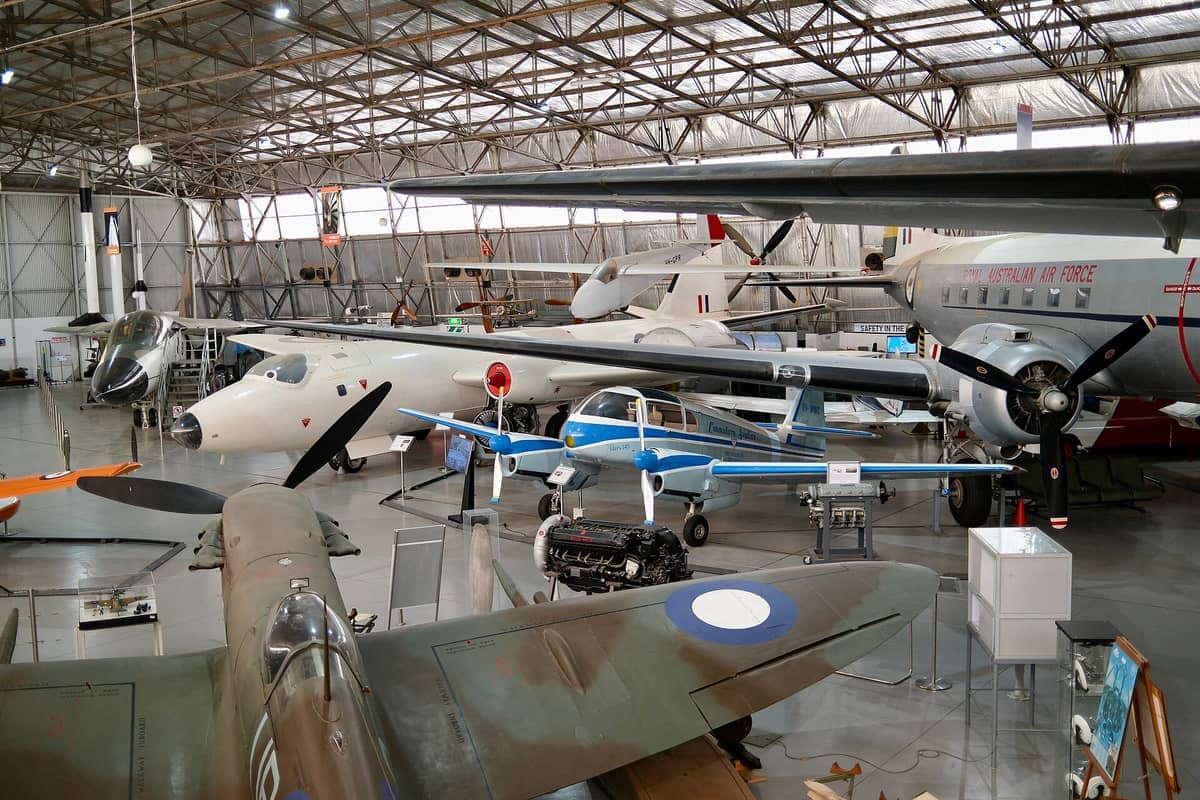
South Australian Aviation Museum: an extensive collection of aircraft and aviation history, located on Thomas Street and well worth the detour for aviation enthusiasts
Port River dolphin cruises: the Port River estuary is home to a resident pod of bottlenose dolphins, and cruise operators run regular trips from the inner harbour
Street art trails: the precinct has developed a significant collection of large-scale murals across its industrial and commercial buildings
Hart's Mill precinct: a converted flour mill complex on the waterfront used for events, markets, and creative programming throughout the year
Heritage pub walks: St Vincent Street and nearby blocks preserve several of Adelaide's oldest licensed hotels, many dating to the 1860s and 1870s
For those interested in Adelaide's deeper history, the Living Kaurna Cultural Centre provides an important counterpoint to the colonial narrative that dominates most Port Adelaide heritage interpretation. It is worth incorporating into any visit to the area.
💡 Local tip
Museum opening hours in Port Adelaide can vary significantly between weekdays and weekends, and some attractions have reduced winter hours. Check current schedules directly before building your itinerary, especially if you are visiting on a weekday.
Eating & Drinking
Port Adelaide's food scene is modest in size but has improved markedly in recent years. The waterfront area around the inner harbour has attracted cafes and casual dining spots that draw on the weekend visitor trade. Expect good coffee, brunch-oriented menus, and seafood that reflects the maritime location. Prices are generally lower than equivalent spots in the CBD or East End, which is a genuine advantage.
St Vincent Street and the blocks around it carry a mix of casual options, takeaways, and a handful of more considered dining spots. The neighborhood has not yet developed the density of the inner suburbs, so it is worth eating when you find somewhere you like rather than assuming there will be a dozen alternatives around the corner.
Pubs are a core part of Port Adelaide's drinking culture, and several of the historic hotels along St Vincent Street serve food alongside their bars. These are straightforward, no-nonsense venues: counter meals, cold beer, and enough history in the walls to make up for any lack of polish. If you are expecting craft cocktail bars and wine lists, you are in the wrong part of Adelaide. If you want a genuinely old pub with character, this is one of the better places in the city to find one.
For a broader overview of what Adelaide's food culture looks like across the city, the guide to what to eat in Adelaide provides useful context. Port Adelaide is not the city's food destination, but it is a genuine one, and that distinction matters.
Getting There & Around
The Outer Harbor train line connects Port Adelaide railway station directly to the Adelaide CBD. The journey takes approximately 30 to 35 minutes from Adelaide railway station on North Terrace. Trains run at regular intervals during the day on weekdays and weekends, though services reduce in the evening and on Sundays. Adelaide Metro fares apply; current fares and timetables are available on the Adelaide Metro website and should be verified before travel as they are subject to change.
Port Dock Interchange, close to the National Railway Museum, is the key bus and rail junction within the precinct. Several Adelaide Metro bus routes connect Port Adelaide with the western suburbs and with destinations along the coast toward Semaphore. If you plan to continue from Port Adelaide to Semaphore Beach, bus services on Semaphore Road provide that connection, or take a bus to Semaphore, as the Outer Harbor line does not serve Semaphore station.
Rideshare services including Uber operate in Port Adelaide and provide a practical alternative if you are carrying luggage or visiting in the evening when train services are less frequent. The drive from the CBD takes around 20 to 25 minutes depending on traffic. For general advice on moving around Adelaide, the getting around Adelaide guide covers all transport modes in detail.
Within the precinct, walking is the most practical way to get between attractions. The cluster of museums, the waterfront, and the main commercial strip on St Vincent Street can all be reached on foot from Port Adelaide railway station within 10 to 15 minutes. Cycling is feasible along the Port River trail, and bike hire options exist, though availability can vary.
⚠️ What to skip
Evening train services on the Outer Harbor line become infrequent after around 9pm, particularly on weekdays. If you plan to stay in the area for dinner or a pub visit, check the last departure time before you go or arrange a rideshare return.
Where to Stay
Port Adelaide is not a primary accommodation hub, and travelers staying here should choose it deliberately rather than by default. The neighborhood suits visitors who want an immersive heritage experience away from the polished inner city, or those specifically visiting the area's museums and attractions over multiple days.
Accommodation options in Port Adelaide itself are limited. There are small guesthouses and serviced apartments in the precinct, and some of the historic buildings have been converted to short-stay accommodation. For a broader range of hotels at different price points, staying in the CBD and making a day trip to Port Adelaide is the more practical approach for most visitors.
If you are weighing up which part of Adelaide to use as a base, the where to stay in Adelaide guide gives a full comparison of neighborhoods by traveler type and budget. Port Adelaide is best positioned as a day trip destination from central accommodation rather than a base in itself, unless the neighborhood's particular character is the specific draw.
Day Trip Potential and Surrounding Areas
Port Adelaide works well as a standalone day trip from the Adelaide CBD. A full day gives you time to explore the National Railway Museum and Maritime Museum, walk the waterfront, have lunch near the inner harbour, and still continue north to Semaphore for a late afternoon walk along the beach. The train line makes this sequence simple and car-free.
Those combining Port Adelaide with broader Adelaide explorations might pair it with the South Australian Museum and other Adelaide museums for a history-focused itinerary across the city. The Maritime Museum and the Migration Museum in the CBD complement each other thematically and make a coherent pairing.
If you are planning a wider South Australian itinerary, Port Adelaide sits usefully on the way to the broader day trips from Adelaide circuit, particularly for those heading to the Yorke Peninsula or exploring the northern coastline. The South Australian Aviation Museum is in this part of the city and frequently overlooked by visitors who don't make it out from the CBD.
TL;DR
Port Adelaide is a genuine maritime heritage precinct, not a reconstructed one: the streets, pubs, and warehouses are the real thing from the 1860s onward
Best suited to visitors interested in history, museums, and street art, or those who want to see a side of Adelaide that looks nothing like the CBD
The National Railway Museum and Port Adelaide Maritime Museum are the headline attractions; allow at least four to five hours for both
Getting there is straightforward on the Outer Harbor train line from Adelaide station, but check evening timetables carefully if you plan to stay past 8pm
Not the right base for most visitors: treat it as a rewarding full-day excursion from central accommodation rather than a neighborhood to stay in
Three days is enough time to get a genuine feel for Adelaide, from its North Terrace cultural corridor and Central Market to coastal beaches and the Adelaide Hills. This itinerary cuts through the noise and gives you a day-by-day plan that locals would actually approve of.
Adelaide sits on the traditional lands of the Kaurna people, one of the oldest continuous cultures on Earth. This guide covers the key places, experiences, and context you need to engage meaningfully with Aboriginal culture and heritage across the city.
Adelaide is one of Australia's busiest festival cities. From one of the world's largest open-access arts festivals to a globally respected world-music event, this guide covers the major dates, ticket prices, crowd warnings, and practical logistics.
Adelaide has a concentrated, high-quality food-market scene. Whether you're after fresh produce, artisan cheeses, or a weekend breakfast ritual, this guide covers the city's top markets, their hours, and how to get the most out of each visit.
Adelaide rewards couples with an extraordinary range of romantic experiences: coastal sunsets, world-class wine country, historic gardens, and intimate cultural corners. This guide covers the best of them, from the Adelaide Hills to the foreshore.
Adelaide Fringe is the world's second-largest arts festival, running across February and March each year. This guide covers dates, ticketing, venues, getting around, what to expect from the heat, and practical tips that turn a good trip into a great one.
Adelaide sits on the doorstep of some of South Australia's finest walking country. These are the best hikes near Adelaide, from a quick gorge walk 10km from the CBD to long-distance trail sections through the Mount Lofty Ranges.
Adelaide offers high-end wine, dining, and tours without east-coast price inflation. This guide covers premium experiences and neighbourhoods — with a clear view of what's worth the spend and what to skip.
Adelaide's nightlife is smaller than the east-coast capitals but easier to navigate. From Hindley Street live music to East End craft-beer bars and late-night clubs, this guide covers the best spots, realistic prices, and practical logistics.
Adelaide is one of Australia's more affordable capitals. From the free city tram zone and produce markets to no-cost museums and parklands, this guide covers how to stretch your AUD further.
Seven days is enough time to experience Adelaide's food and culture, drive through two wine regions, explore the Adelaide Hills, and reach Kangaroo Island. This guide breaks it down day by day with logistics, timing, and no filler.
Adelaide is a stronger shopping destination than many visitors expect. From a Victorian-era arcade and a major fresh market to independent boutique strips and creative food halls, this guide covers where to shop, browse, and buy.
Adelaide's West End is the city's most culturally layered precinct, anchored by a 155-year-old food market and surrounded by a dense concentration of bars, live music venues, theatres, and independent restaurants. This guide covers what to eat, where to drink, what to see, and how to plan your visit.
South Australia is unusually rich in accessible wildlife. From holding a koala in the Adelaide Hills to watching wild sea lions on Kangaroo Island, these are the best animal encounters the region has to offer, ranked so you can plan the trip.
Adelaide sits at the centre of one of the world's great wine landscapes. This guide breaks down the closest regions, what each grows best, how far they are from the city, and what to know before you visit a cellar door.
Adelaide is one of Australia's most family-friendly cities, with free museums, wildlife parks, beaches, and outdoor adventures spread across the city and its surrounding hills. This guide covers the best things to do in Adelaide with kids, from toddlers to teenagers.
The Barossa Valley sits about 70 km northeast of Adelaide and packs world-class Shiraz, historic villages, and serious food into a single day. This guide covers every practical angle: how to get there, what to do, where to eat, and what most visitors get wrong.
Adelaide's coastline stretches along Gulf St Vincent with calm, warm water and a string of distinct beach suburbs, each with its own character. This guide covers the best beaches near Adelaide, from family-friendly foreshores to secluded clifftop bays worth the drive.
Adelaide has a concentrated museum culture for a city its size. This guide covers art, natural history, migration, railways, aviation, and living history, with practical details to help you plan your visit.
Adelaide's Mediterranean climate makes it approachable year-round, but the experience varies dramatically by season. This guide covers temperatures, rainfall, major events, crowd levels, and practical tips to help you choose the right time for your trip.
Adelaide rewards the curious with sweeping views from multiple angles: the Mount Lofty Ranges to the east, the Gulf St Vincent coast to the west, and a compact city skyline in between. This guide covers the best viewpoints in and around Adelaide, from iconic hilltop lookouts to waterfront vantage points and one genuinely thrilling rooftop climb.
Adelaide sits at the centre of one of Australia's most rewarding day-trip networks. Within two hours you can be walking among sea lions on Kangaroo Island, tasting century-old Tawny Port in the Barossa, or swimming below limestone cliffs on the Fleurieu Peninsula. This guide covers the best day trips from Adelaide, organised by region and type.
Adelaide has an unusually strong set of free attractions. From North Terrace museums to hilltop views, beaches, and one of Australia's finest botanic gardens, this guide covers the best no-cost experiences in the city and its surrounds.
Adelaide is one of Australia's most navigable cities, but knowing which services are free, when to walk versus drive, and how to reach the beaches and hills makes a real difference. This guide covers every transport option in practical detail.
Adelaide divides opinion. Some travellers find it a low-key, surprisingly rich destination. Others leave feeling underwhelmed. This guide breaks down exactly what Adelaide offers, who it suits, and what to realistically expect before you book.
Kangaroo Island is South Australia's most rewarding day trip or short break from Adelaide. This guide covers every way to get there, the best time to go, what to do once you arrive, and the practical details that most travel sites skip.
Adelaide offers more than its size suggests. This guide covers the city's best experiences across culture, food, nature, and day trips — plus a clear view of what's worth your time, what to skip, and how to get around without wasting money.
Adelaide rewards walkers more than almost any other Australian city. From the 19.5km Park Lands loop to a gentle stroll along the River Torrens or a gorge trail ending at a waterfall, these are the best walks in Adelaide for every pace and preference.
Adelaide is a serious food city. With nearby wine regions, a legendary central market, and a dining scene shaped by Greek, Italian, Vietnamese, and Chinese communities, knowing where and what to eat here makes a real difference.
Choosing where to stay in Adelaide shapes your entire trip. This guide breaks down every major neighbourhood by location, transport links, price range, and who it suits best — so you can book with confidence.