Port Adelaide Lighthouse: A Climb Through Maritime History
The Port Adelaide Lighthouse is a 21-metre cast-iron tower with a history spanning three locations and over 150 years. Operated through guided tours by the South Australian Maritime Museum, it offers one of Adelaide's most intimate encounters with colonial-era engineering and the story of a working port.
Quick Facts
- Location
- 1 McLaren Parade, Port Adelaide SA 5015 (end of Commercial Road)
- Getting There
- Adelaide Metro train to Port Adelaide station; the lighthouse is a short walk from the historic precinct
- Time Needed
- 45–90 minutes including the guided tour and surroundings
- Cost
- Guided tour fee applies; verify current pricing with the South Australian Maritime Museum before visiting
- Best for
- History enthusiasts, architecture lovers, and families with older children
- Official website
- maritime.history.sa.gov.au/events/port-adelaide-lighthouse
What Is the Port Adelaide Lighthouse?
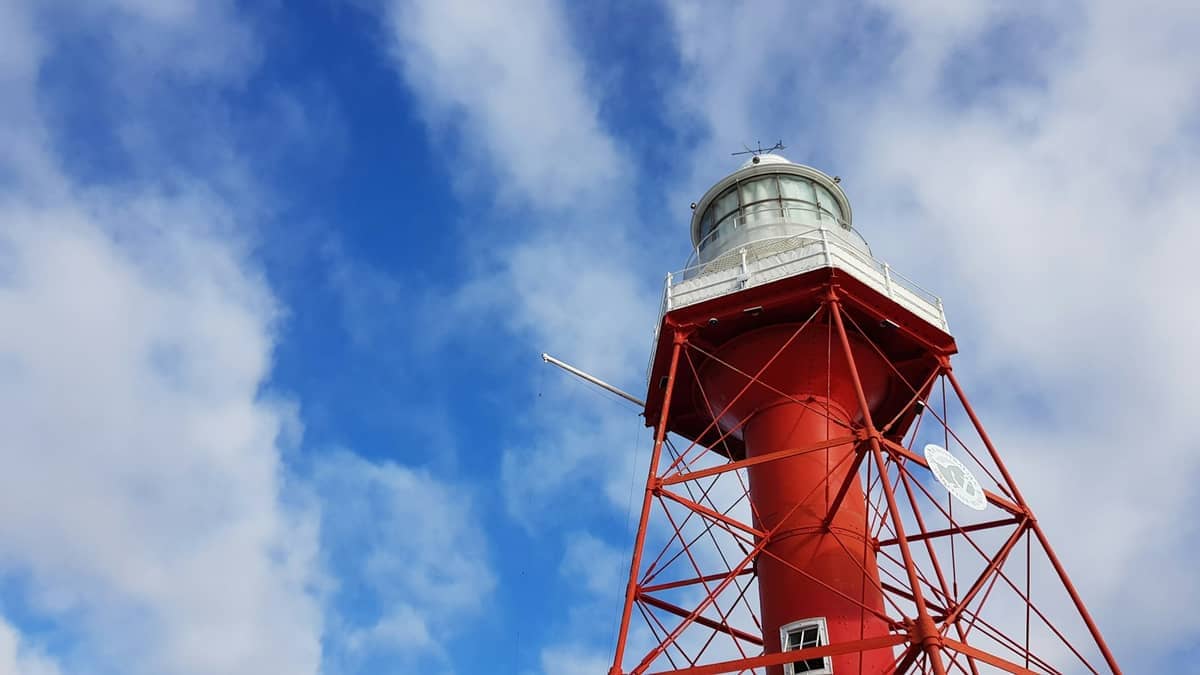
The Port Adelaide Lighthouse is a 21-metre cast-iron tower first lit in 1869, making it one of the older surviving lighthouse structures in South Australia. Unlike most heritage lighthouses that stay fixed to a single site, this one has genuinely travelled: it was dismantled around 1900, its iron tower re-erected on South Neptune Island in 1901, then restored and re-erected at its current position in Port Adelaide in 1986. That journey gives it a layered history that goes well beyond a simple 'old building on a waterfront.'
Today the lighthouse sits at the end of Commercial Road in the historic Port Adelaide precinct, operated as part of the South Australian Maritime Museum. Access to the interior and viewing deck is through guided tours when they are scheduled; tour availability is seasonal, so check the museum's website for upcoming dates before you travel.
⚠️ What to skip
Tour dates are not daily. The lighthouse is only accessible on scheduled guided tours, not as a standalone walk-in attraction. Confirm dates and times via the South Australian Maritime Museum website before making the trip.
The History Behind the Structure
When the lighthouse was first lit in 1869, Port Adelaide was the beating commercial heart of the colony of South Australia. Ships carrying wool, copper, and wheat moved through these waters constantly, and a reliable light was as economically critical as it was safety-driven. The tower's cast-iron construction was typical of the period — prefabricated sections that could be assembled on site with relative speed and precision, a practical choice for a colony still building its infrastructure.
Its transfer to South Neptune Island in 1901 reflected the shifting priorities of maritime navigation as the port and shipping lanes evolved. The tower remained in service there until 1985, before preservation efforts brought it back to Port Adelaide, where it now stands as a direct physical link to the port's founding era. The restoration in 1986 coincided with broader efforts to revive Port Adelaide's heritage precinct, which had fallen into industrial decline through the mid-twentieth century.
The lighthouse sits within one of South Australia's most concentrated maritime heritage zones. For a fuller sense of the port's history, the Port Adelaide Maritime Museum is immediately adjacent and provides context on the vessels and people who worked these waters.
Tickets & tours
Live prices and dates from our booking partner. If you book, we may earn a commission at no extra cost to you.
Ultimate Adelaide and Hahndorf full-day tour
From 94 €Instant confirmationFree cancellationAdelaide kayak tour with expert instructors
From 51 €Instant confirmationFree cancellationTrue Crime Tour in Adelaide
From 21 €Instant confirmationFree cancellationAdelaide city guided tour
From 37 €Instant confirmationFree cancellation
The Guided Tour Experience
The guided tour is where the visit earns its weight. Rather than reading a placard about a lighthouse you can only see from outside, you enter the tower and climb its internal staircase to the viewing deck and lantern mechanism. The staircase is narrow and the steps are steep — this is Victorian engineering with no concessions to modern comfort. The handrail is solid, but visitors who are uncomfortable on tight, spiralling stairs should factor that in before booking.
At the top, the reward is a 360-degree view across the Port River, the working wharves, and the surrounding suburb. On a clear morning, the light catches the water and the old industrial buildings along the riverbank in a way that makes the port's layered history feel genuinely tangible. The guide typically covers the lighthouse's construction, its working mechanism, and the broader story of Port Adelaide's maritime trade — the quality and depth of this commentary is what separates the experience from simply climbing a tower.
Because tours are infrequent and group sizes are limited, the experience tends to be personal rather than crowded. This is one of those occasions where the logistical effort of confirming a tour date pays off in a less commercial, more considered encounter with the site.
💡 Local tip
Bring a light jacket even in summer. The open viewing deck at 21 metres catches wind off the Port River, and it is noticeably cooler than ground level, particularly in the morning.
Getting There and Timing Your Visit
Port Adelaide is served by the Adelaide Metro train network, and the Port Dock station puts you within comfortable walking distance of the historic precinct and the lighthouse at 1 McLaren Parade. Driving is straightforward, with street parking on Lipson Street, McLaren Parade, and North Parade nearby, though availability can vary on weekends when the precinct draws more visitors.
For a practical overview of public transport options across Adelaide, the getting around Adelaide guide covers train, bus, and tram routes in detail.
The South Australian Maritime Museum is open daily from 10 am to 5 pm, excluding Christmas Day. The lighthouse tour operates seasonally on scheduled dates, so treat a visit to the museum as the anchor of your trip and the lighthouse tour as the centrepiece event if the timing aligns. Morning tour slots tend to offer better photographic light over the river, and crowds in Port Adelaide are generally lighter on weekday mornings.
Adelaide's Mediterranean climate means summer days (December through February) can push past 29°C, and an enclosed staircase in a metal tower heats up accordingly. Autumn and spring, when temperatures sit in the comfortable range of 12–25°C, make for a more pleasant climb. Winter tours are less crowded and the low light over the river has its own photographic quality, though you will want a proper layer at the top.
Photography and Practical Details
The lighthouse's white-painted exterior photographs best in the first two hours after sunrise or in the late afternoon, when the light hits it obliquely rather than washing it out. From the ground level, the tower frames well against the Port River and the surrounding heritage buildings. The view from the top is wide rather than dramatic — this is a working port neighbourhood, not a scenic headland — but the combination of water, wharves, and sky makes for honest, atmospheric images.
Inside the lantern room, the lens and mechanism are tight spaces. A wide-angle lens or a phone camera works better than a long zoom. Natural light through the lantern glass is usually sufficient; flash tends to bounce badly in the confined space.
ℹ️ Good to know
Accessibility: The lighthouse tour involves steep stairs, tight spaces, and heights, and is not suitable for visitors with mobility issues. The South Australian Maritime Museum itself has lift access to all floors, ambulant toilets, and sensory bags available on request. Guide and assistance dogs are welcome.
The Wider Port Adelaide Precinct
The lighthouse is most rewarding as part of a half-day or full-day itinerary in Port Adelaide rather than as a standalone stop. The historic precinct along Commercial Road and the waterfront holds a cluster of heritage attractions within easy walking distance. The Port Adelaide Maritime Museum is the natural companion visit, with vessels you can board and exhibits covering the full arc of South Australian maritime life.
Port Adelaide also has a working-class industrial character that rewards unhurried exploration. The streets away from the tourist precinct still carry the grain elevators, old warehouses, and pub facades of a port town that functioned hard for over a century. If you have a particular interest in Adelaide's broader history, pairing the lighthouse visit with a trip to the South Australian Museum in the city centre, or reading through the best museums in Adelaide guide, helps place the maritime story in wider context.
The port suburb itself is undergoing gradual renewal, and the stretch of waterfront near the lighthouse has cafes and food options, though it is not densely serviced. Bring water and do not rely on finding a meal immediately on arrival, particularly on quieter weekday mornings.
Who Should Skip This
If your travel time in Adelaide is short and your interests skew toward natural landscapes, beaches, or contemporary dining, Port Adelaide Lighthouse is unlikely to rank highly against the competition. The tour format requires advance planning, the precinct is a committed trip from the CBD rather than a passing detour, and the view from the top, while pleasant, is not the kind of panorama that replaces the effort of the journey on its own terms. Visitors who are not physically comfortable on steep, enclosed staircases should also give this one a pass, as there is no alternative access to the upper level.
Insider Tips
- Check the museum's events page, not just the main visit page, to find upcoming lighthouse tour dates. The tours are listed under 'Events' and are not always prominently advertised on the homepage.
- Combine the lighthouse tour with the South Australian Maritime Museum on the same day. Entry to the museum is separate, and spending an hour with the museum's collections before or after the climb significantly deepens what you see at the top.
- Early morning light in autumn and spring is particularly good for photographing the exterior from the McLaren Parade waterfront, with the tower reflected in the still surface of the Port River.
- Sturdy, flat-soled shoes with grip are strongly advisable on the internal stairs. The steps are steep and can feel slippery in smooth-soled footwear.
- Port Adelaide's heritage streetscape is worth a slow walk after the tour. The blocks around Commercial Road contain buildings from the 1860s through the early twentieth century that rarely appear in Adelaide tourist itineraries.
Who Is Port Adelaide Lighthouse For?
- History and heritage enthusiasts who want more than a placard experience
- Architecture and engineering fans interested in Victorian-era construction
- Photographers looking for an honest industrial waterfront perspective
- Families with older children or teenagers who can manage the stair climb
- Visitors pairing the trip with a broader Port Adelaide precinct half-day
Nearby Attractions
Other things to see while in Port Adelaide:
- National Railway Museum
The National Railway Museum in Port Adelaide is Australia's largest undercover railway museum, spread across a 3.5-hectare working site. From hulking steam engines to ornate colonial-era carriages, it rewards anyone curious about how railways shaped the Australian continent.
- South Australian Maritime Museum
Housed in historic bond stores dating to 1854 and 1857 on the Port Adelaide waterfront, the South Australian Maritime Museum tells the story of how the sea shaped a colony and a state. From navigational instruments to full-scale vessels, it rewards both history enthusiasts and curious families.
- South Australian Aviation Museum
The South Australian Aviation Museum in Port Adelaide houses The South Australian Aviation Museum in Port Adelaide houses a substantial collection of historic aircraft, from propeller-era warbirds to early jet age hardware. from propeller-era warbirds to early jet age hardware. It is a genuinely rewarding destination for aviation enthusiasts and curious families alike, set in a working-class port district that adds its own layer of industrial character to the visit.
Planning a trip? Discover personalized activities with the Nomado app.