Santorini History & Ancient Ruins: A Complete Guide to the Island's Archaeological Sites, Museums & Medieval Villages
Santorini's history stretches back more than 3,600 years, from a sophisticated Bronze Age city buried by volcanic ash to Hellenistic temples, Venetian fortresses, and Byzantine monasteries. This guide covers every significant historical site on the island, with practical advice on when to visit and what to expect.
Plan and book this trip
Tools from our partner Travelpayouts help you compare flights and hotels. If you book through them, we may earn a commission at no extra cost to you.
Flights
Hotels map
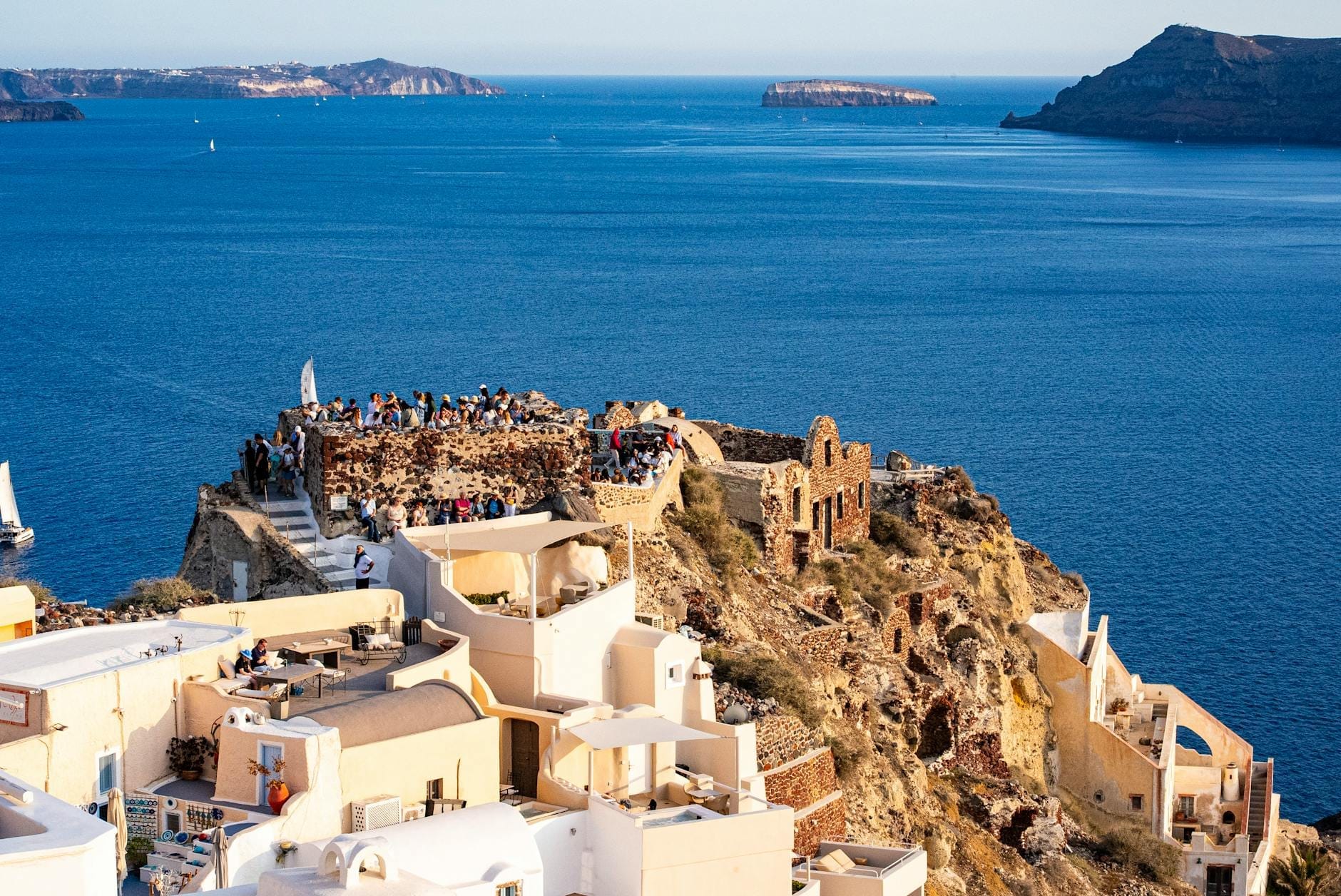
Most visitors come to Santorini for the sunsets and the blue-domed churches, but the island's historical depth is genuinely extraordinary. The same volcanic eruption that created the caldera also preserved one of the ancient world's most remarkable cities. To understand what you're looking at when you stand on that caldera rim, start with the Akrotiri excavations, then work your way chronologically through the island's layered past. For context on the landscape that shapes all of this history, the Santorini volcano and hot springs guide explains the geological forces behind the island's formation. History enthusiasts should plan at least two full days dedicated to sites, and ideally visit in April, May, September, or October, when temperatures are manageable for outdoor exploration.
💡 Local tip
Combine the Akrotiri Archaeological Site with the Museum of Prehistoric Thera and the Archaeological Museum of Thera in a single day. These three sites tell one continuous story and are best understood together.
Bronze Age & Prehistoric Sites
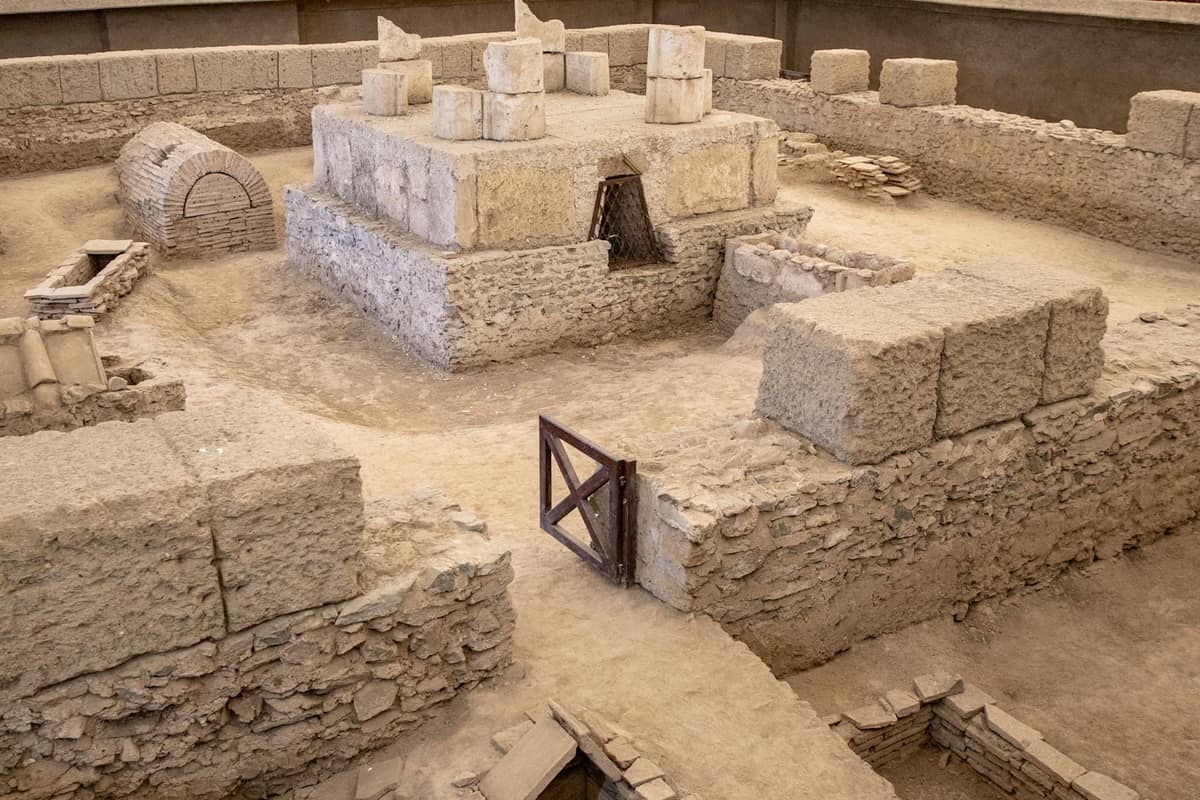
Santorini's prehistoric layer is dominated by the Minoan eruption, one of the largest volcanic events in human history. The two essential sites for understanding this period are the excavation at Akrotiri and the museum in Fira that houses its finest artifacts. Together they paint a vivid picture of a sophisticated urban civilization that vanished in a matter of hours.
1. Walk Through the 'Minoan Pompeii' at Akrotiri
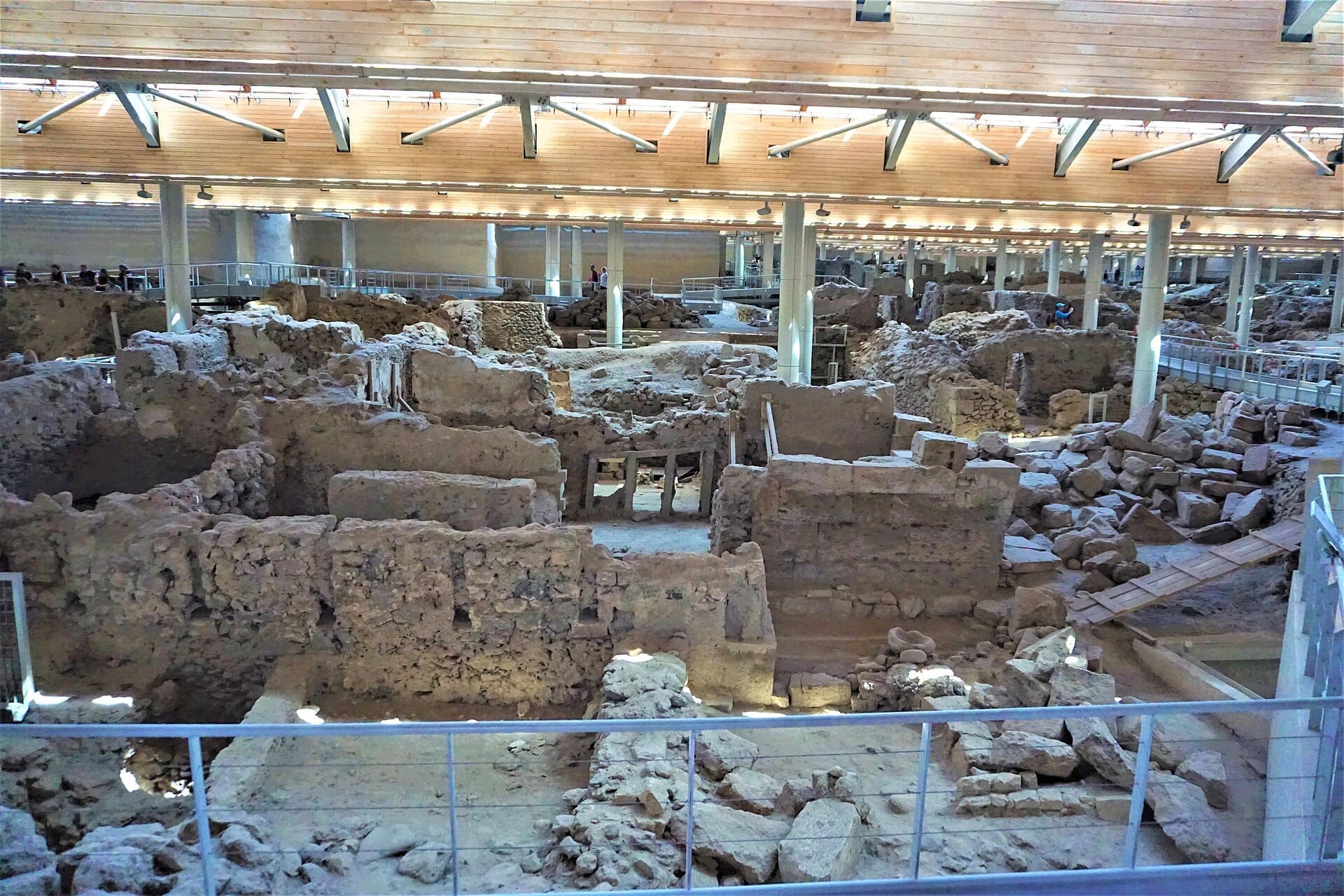
Buried by volcanic ash around 1600 BCE and excavated from 1967 onward, Akrotiri preserves multi-story buildings, advanced drainage systems, and frescoed walls under a climate-controlled shelter. Allow 1.5 to 2 hours to do it justice.
Explore1. Walk Through the 'Minoan Pompeii' at Akrotiri
Buried by volcanic ash around 1600 BCE and excavated from 1967 onward, Akrotiri preserves multi-story buildings, advanced drainage systems, and frescoed walls under a climate-controlled shelter. Allow 1.5 to 2 hours to do it justice.
Explore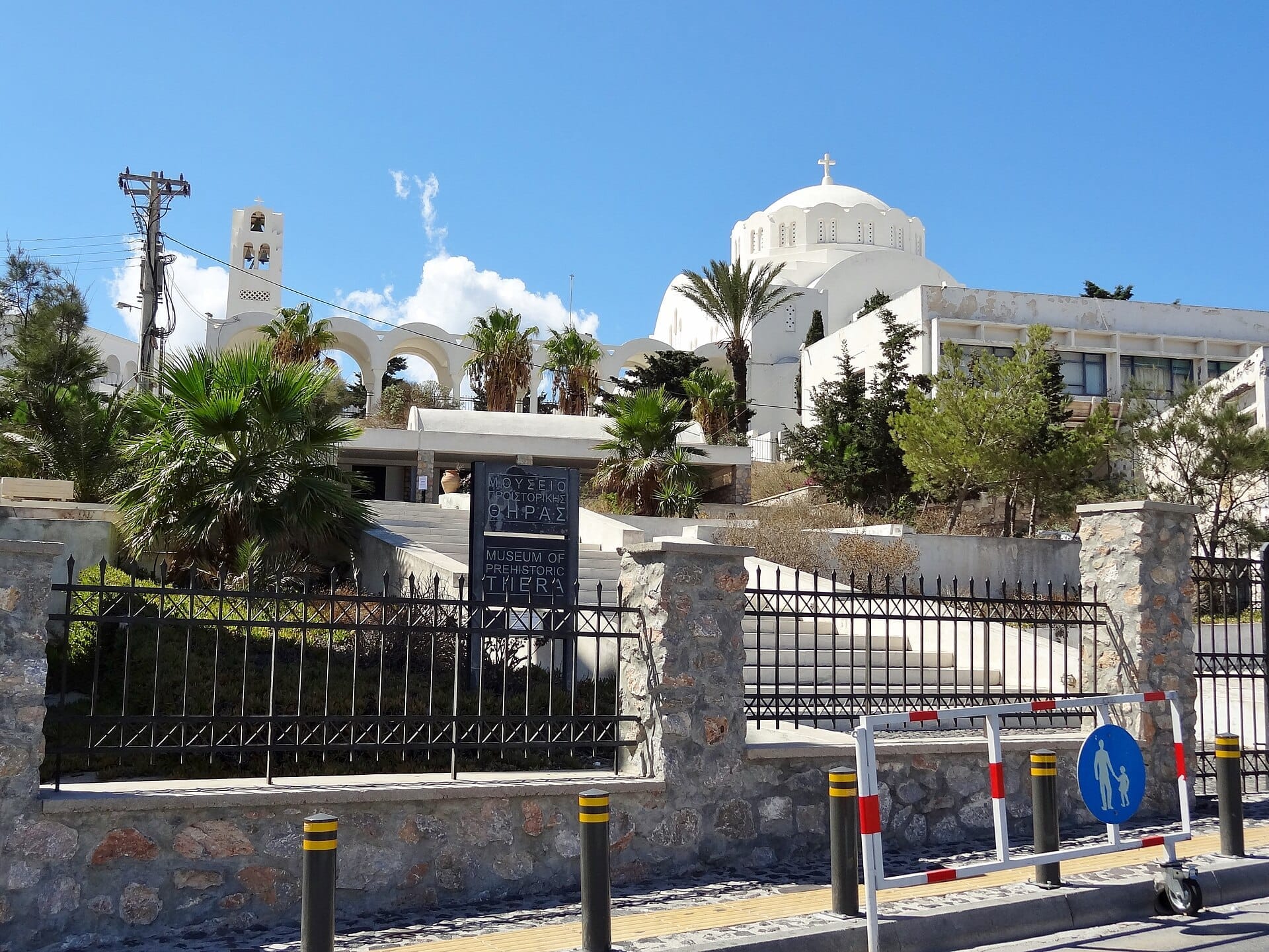
2. See the Gold Ibex and Minoan Frescoes at the Museum of Prehistoric Thera
Fira's finest museum displays the best objects recovered from Akrotiri, including the famous gold ibex figurine, vivid wall frescoes, and everyday Bronze Age objects. It's among Greece's most important archaeological collections and takes about an hour.
Explore2. See the Gold Ibex and Minoan Frescoes at the Museum of Prehistoric Thera
Fira's finest museum displays the best objects recovered from Akrotiri, including the famous gold ibex figurine, vivid wall frescoes, and everyday Bronze Age objects. It's among Greece's most important archaeological collections and takes about an hour.
Explore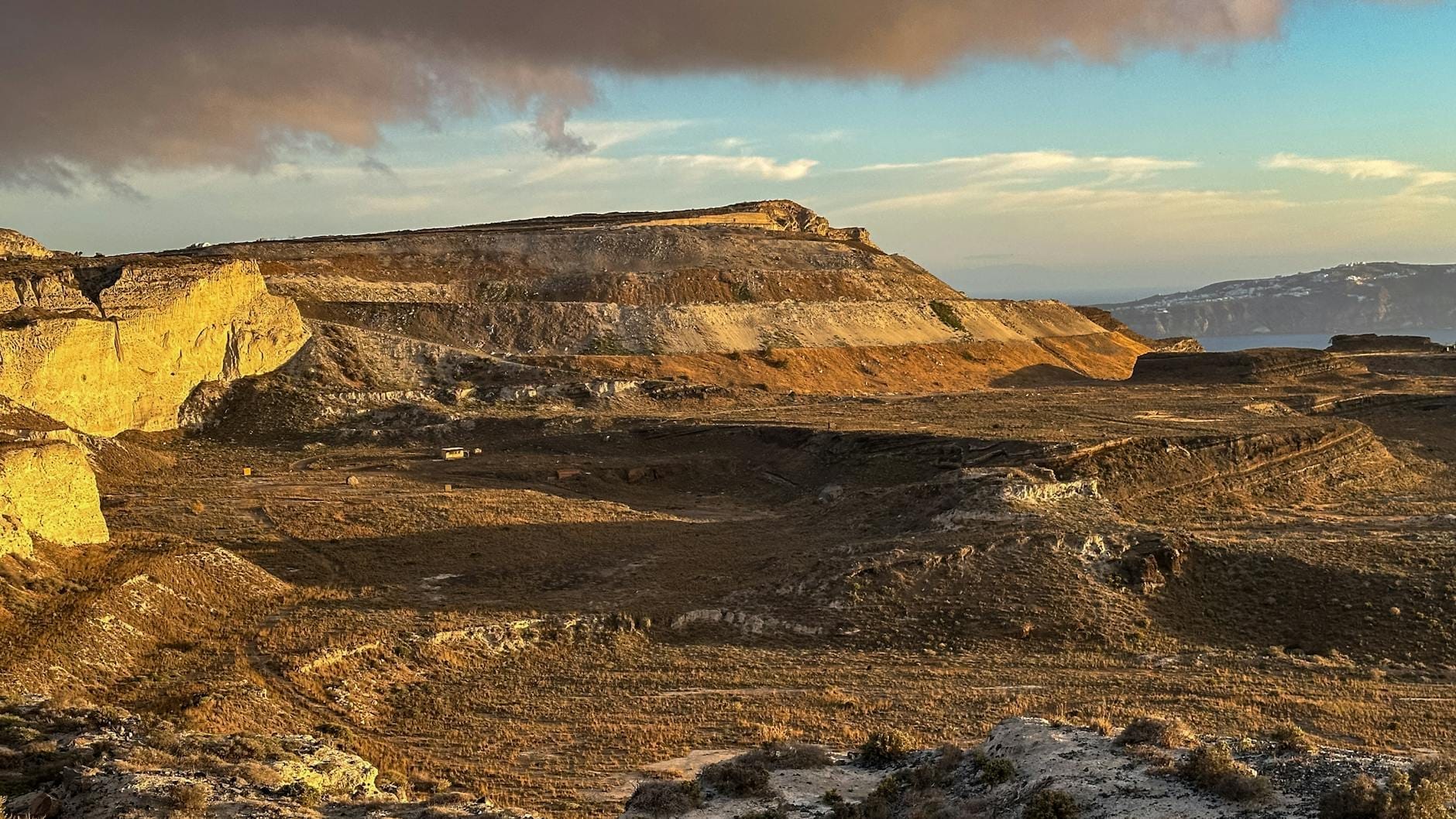
3. Explore the Atlantis-Thera Connection at the Lost Atlantis Experience
This multimedia exhibition in Fira examines the persistent theory that Santorini's Minoan eruption inspired Plato's Atlantis myth. The 3D projections and augmented reality make it an accessible introduction to the island's prehistory, especially on rainy days.
Explore3. Explore the Atlantis-Thera Connection at the Lost Atlantis Experience
This multimedia exhibition in Fira examines the persistent theory that Santorini's Minoan eruption inspired Plato's Atlantis myth. The 3D projections and augmented reality make it an accessible introduction to the island's prehistory, especially on rainy days.
ExploreHellenistic, Roman & Ancient Greek Sites
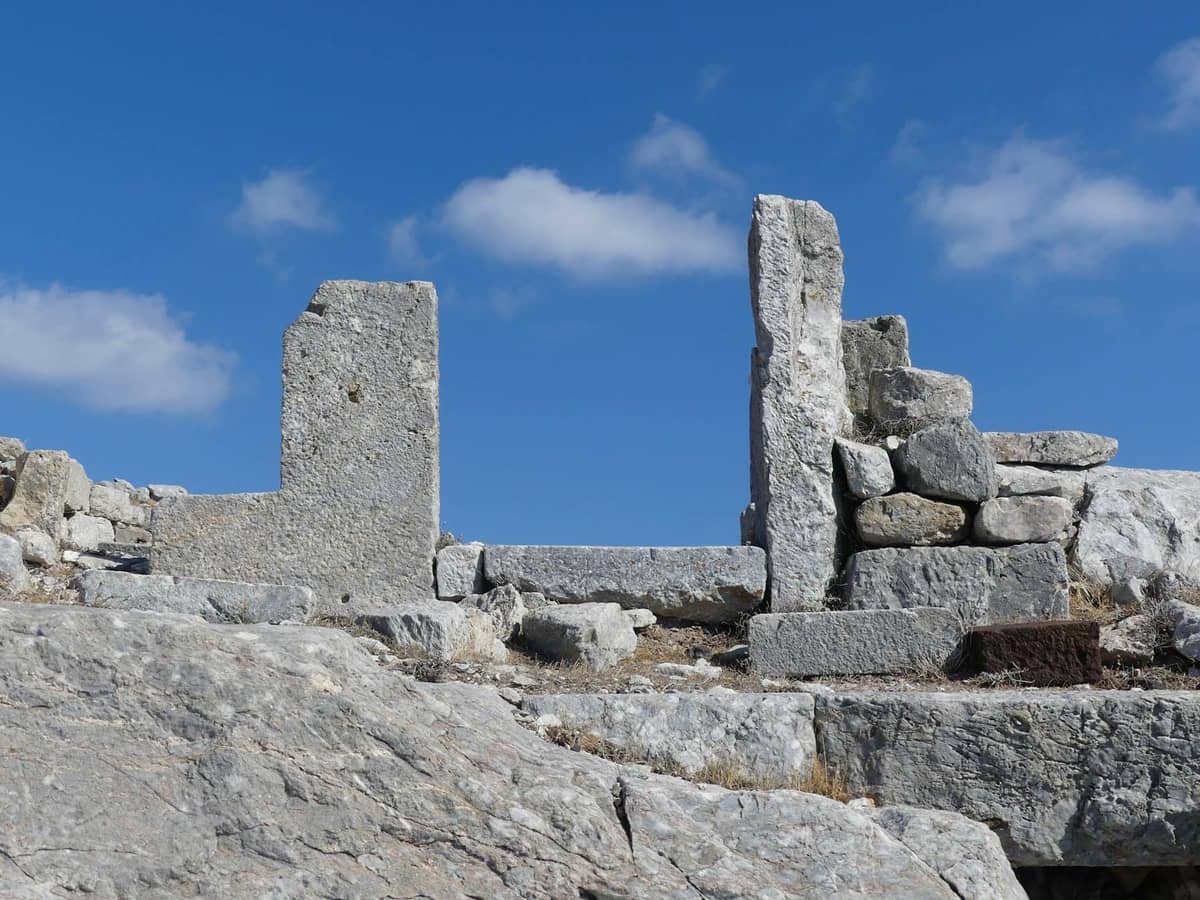
After the Bronze Age eruption, the island was eventually resettled and became part of the broader ancient Greek world. The most complete surviving evidence of this period sits dramatically on the ridge of Mesa Vouno between Kamari and Perissa, while the finds from this era are housed in Fira's Archaeological Museum.
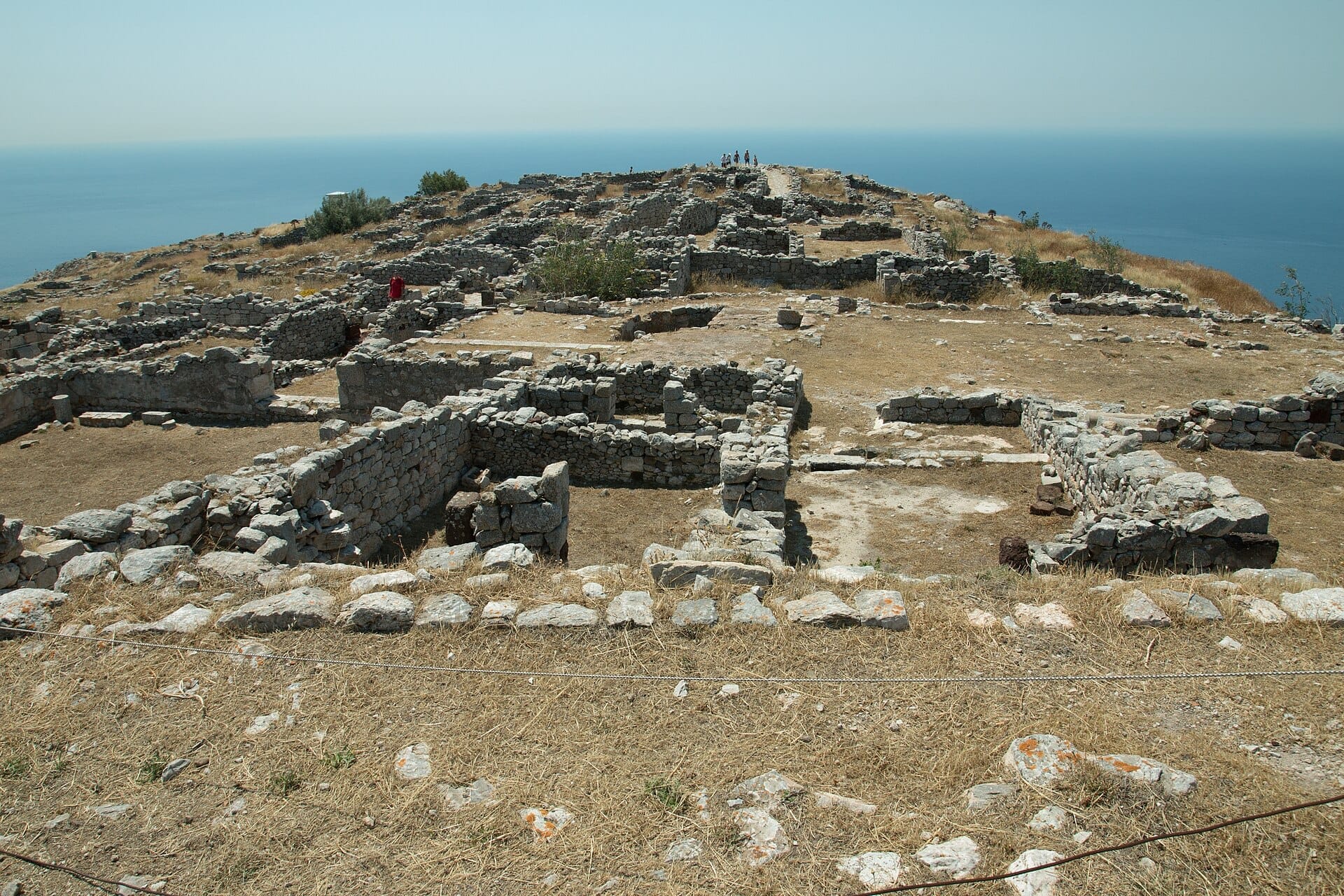
4. Explore the Hilltop City of Ancient Thera on Mesa Vouno
This Hellenistic and Roman city on the Mesa Vouno ridge includes temples, an agora, a theater, and inscriptions dating to the 9th century BCE. Reached by road or steep hike, it offers sweeping views of both the east and west coasts. Allow 2 hours minimum.
Explore4. Explore the Hilltop City of Ancient Thera on Mesa Vouno
This Hellenistic and Roman city on the Mesa Vouno ridge includes temples, an agora, a theater, and inscriptions dating to the 9th century BCE. Reached by road or steep hike, it offers sweeping views of both the east and west coasts. Allow 2 hours minimum.
Explore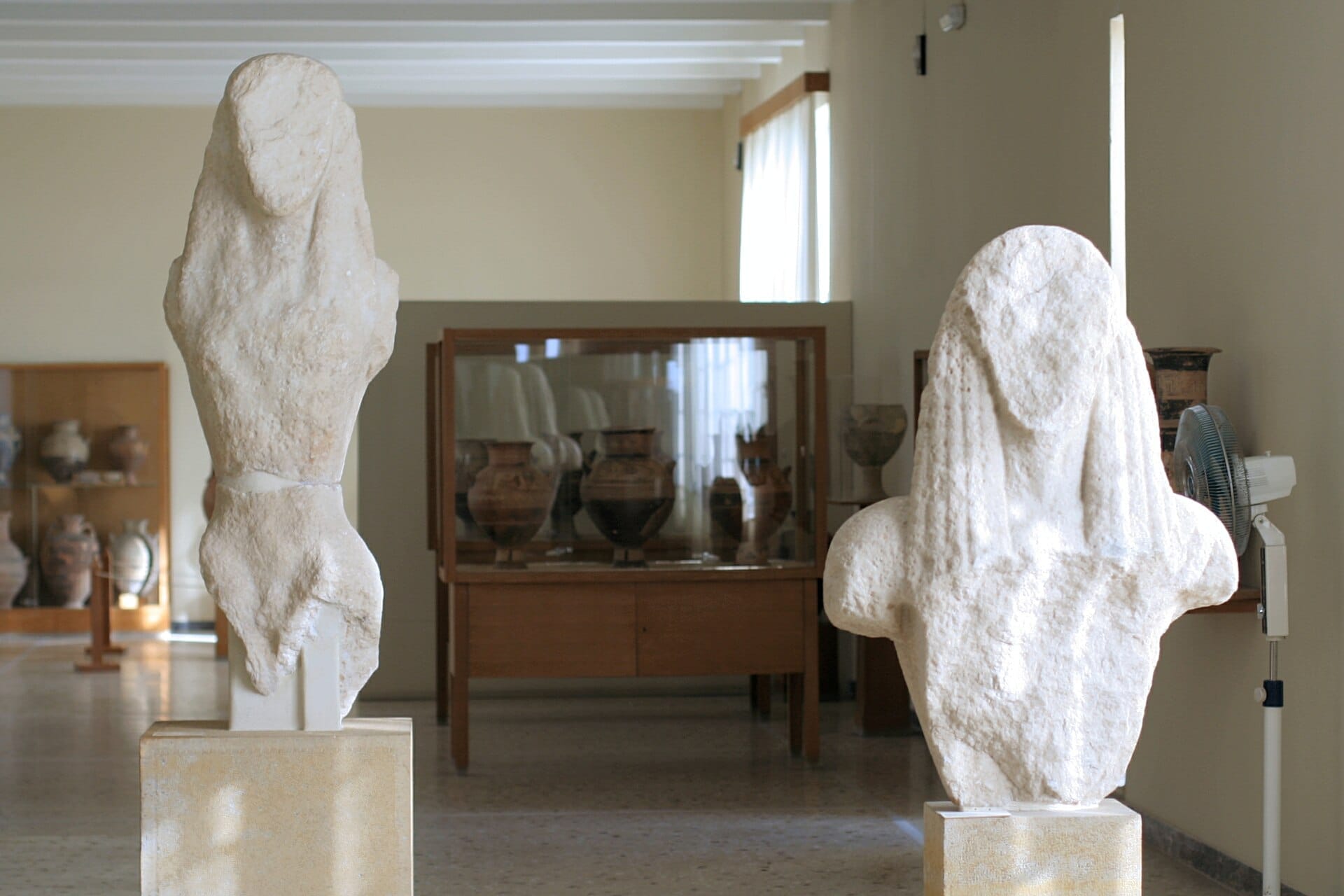
5. Trace Post-Minoan History at the Archaeological Museum of Thera
Located near Fira's cable car, this museum covers Santorini's Archaic, Classical, Hellenistic, and Roman periods with pottery, sculptures, and grave goods from Ancient Thera. It's the essential companion to any visit to the Mesa Vouno site.
Explore5. Trace Post-Minoan History at the Archaeological Museum of Thera
Located near Fira's cable car, this museum covers Santorini's Archaic, Classical, Hellenistic, and Roman periods with pottery, sculptures, and grave goods from Ancient Thera. It's the essential companion to any visit to the Mesa Vouno site.
Explore✨ Pro tip
Ancient Thera is a fully open-air site with limited shade and no water facilities. In July and August, visit at opening time (typically 8am) or in the late afternoon. Bring water, sunscreen, and sturdy shoes for the uneven stone paths.
Medieval Villages & Venetian Fortifications
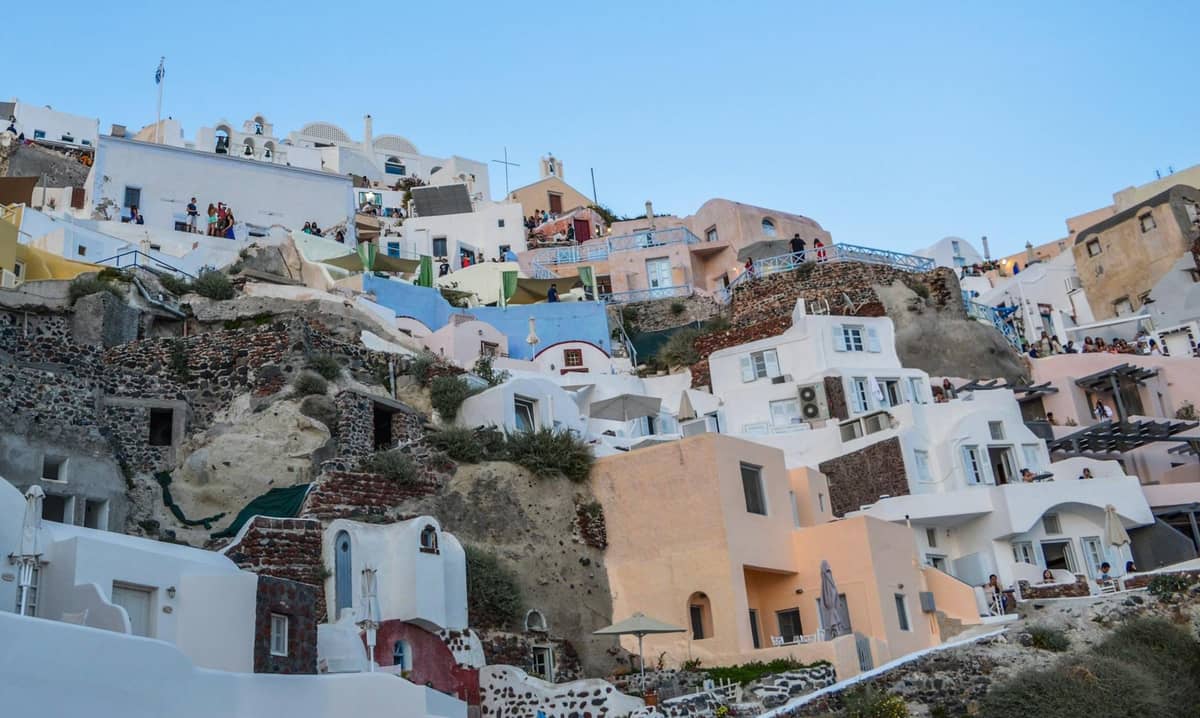
Between the ancient world and the modern tourist era, Santorini was shaped by Byzantine, Venetian, and Ottoman rule. This history is written into the island's inland villages, particularly around Pyrgos, where the best-preserved medieval architecture survives. The Santorini hidden gems guide covers several of these lesser-visited villages in more detail for travelers who want to go deeper.
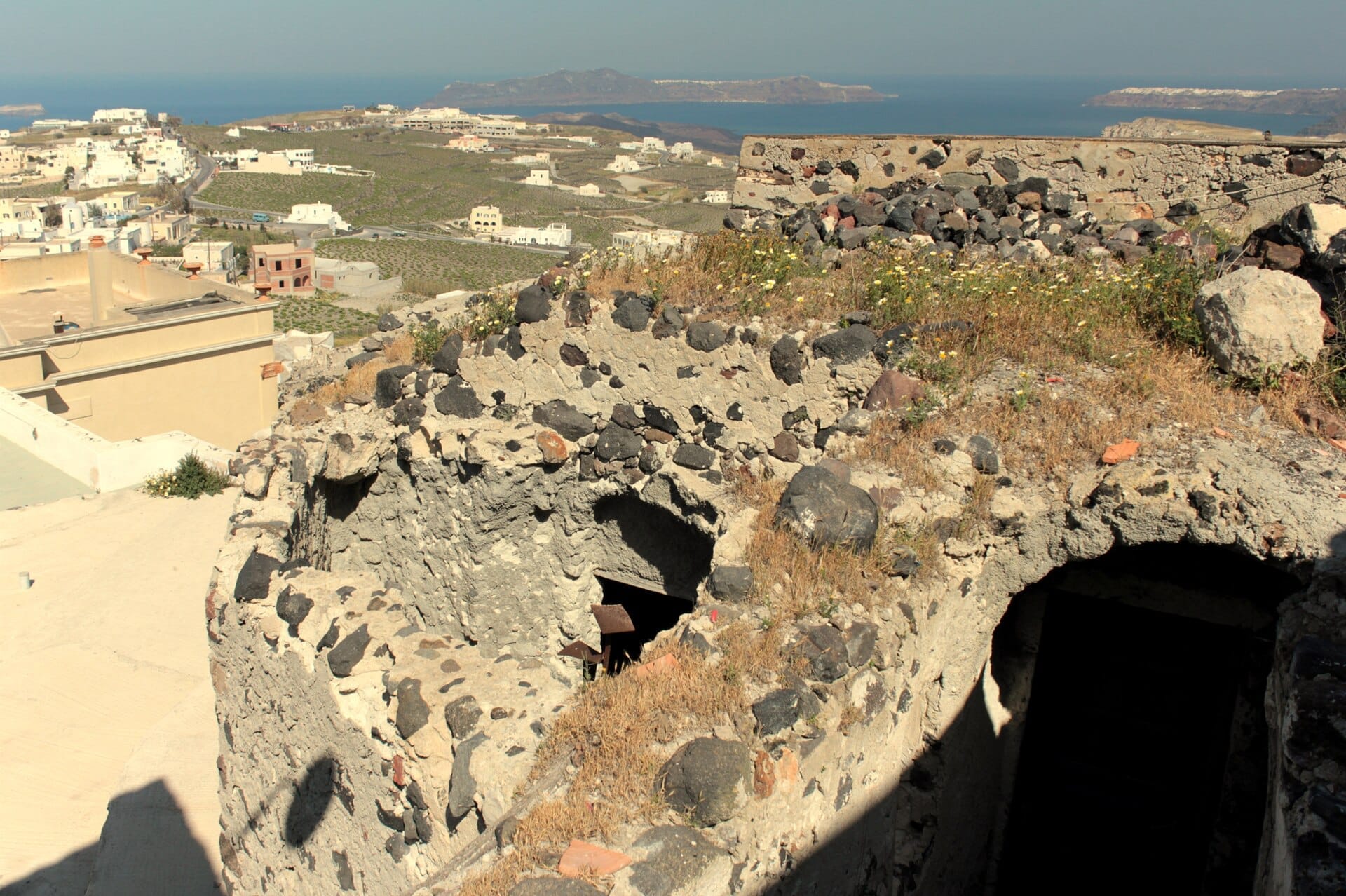
6. Climb Inside the Venetian Castle of Pyrgos
The best-preserved medieval fortification on Santorini, this Venetian kasteli has concentric rings of houses built into its walls, a design that reveals exactly how islanders lived under centuries of foreign rule. The summit gives a 360-degree panorama of the entire island.
Explore6. Climb Inside the Venetian Castle of Pyrgos
The best-preserved medieval fortification on Santorini, this Venetian kasteli has concentric rings of houses built into its walls, a design that reveals exactly how islanders lived under centuries of foreign rule. The summit gives a 360-degree panorama of the entire island.
Explore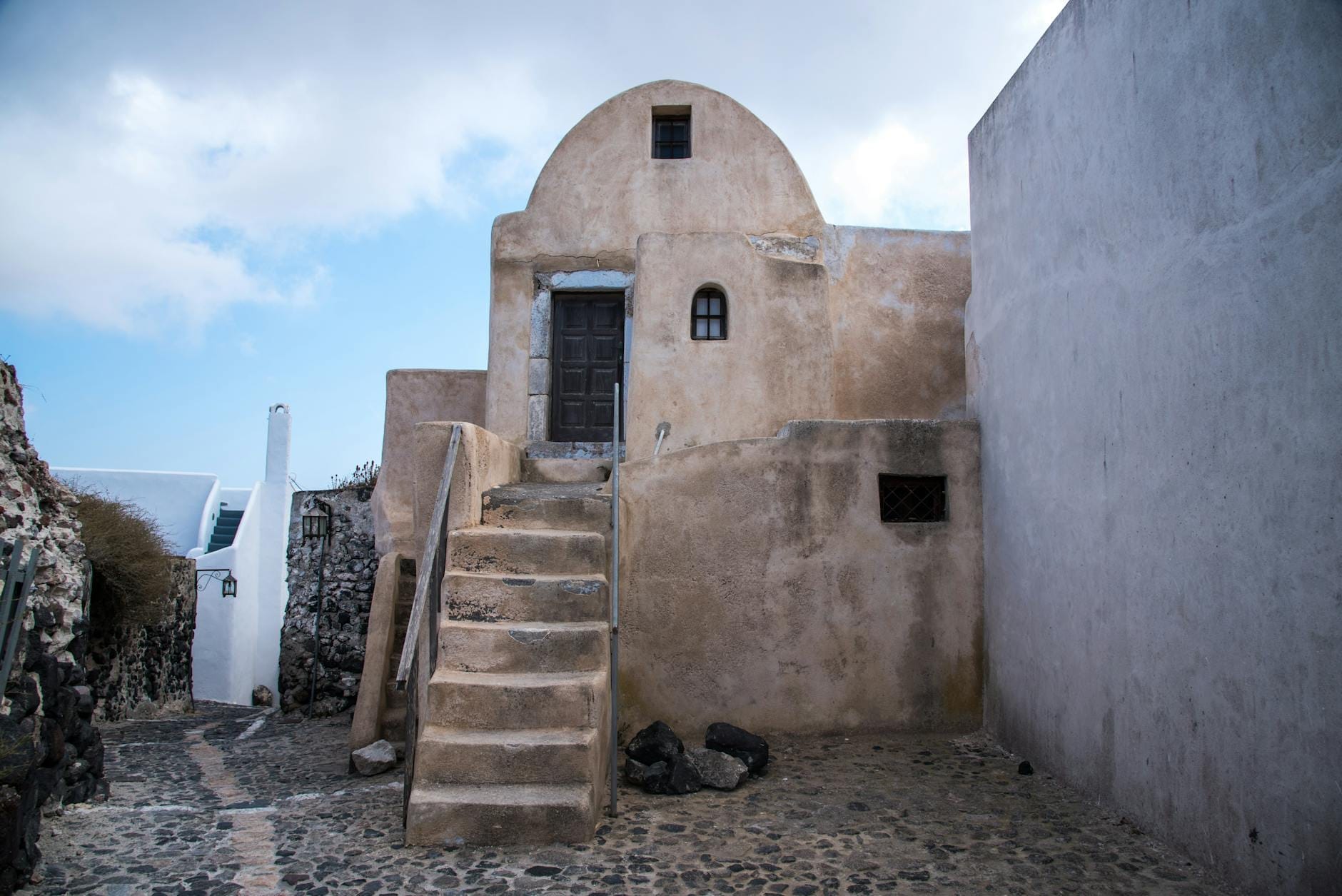
7. Wander the Labyrinth of Emporio, Santorini's Most Intact Medieval Village
The largest of Santorini's fortified inland villages, Emporio has a Venetian castle, vaulted passageways, and a traditional square that sees almost no tourists. It's the most complete example of the island's medieval urban form and deserves at least an hour.
Explore7. Wander the Labyrinth of Emporio, Santorini's Most Intact Medieval Village
The largest of Santorini's fortified inland villages, Emporio has a Venetian castle, vaulted passageways, and a traditional square that sees almost no tourists. It's the most complete example of the island's medieval urban form and deserves at least an hour.
Explore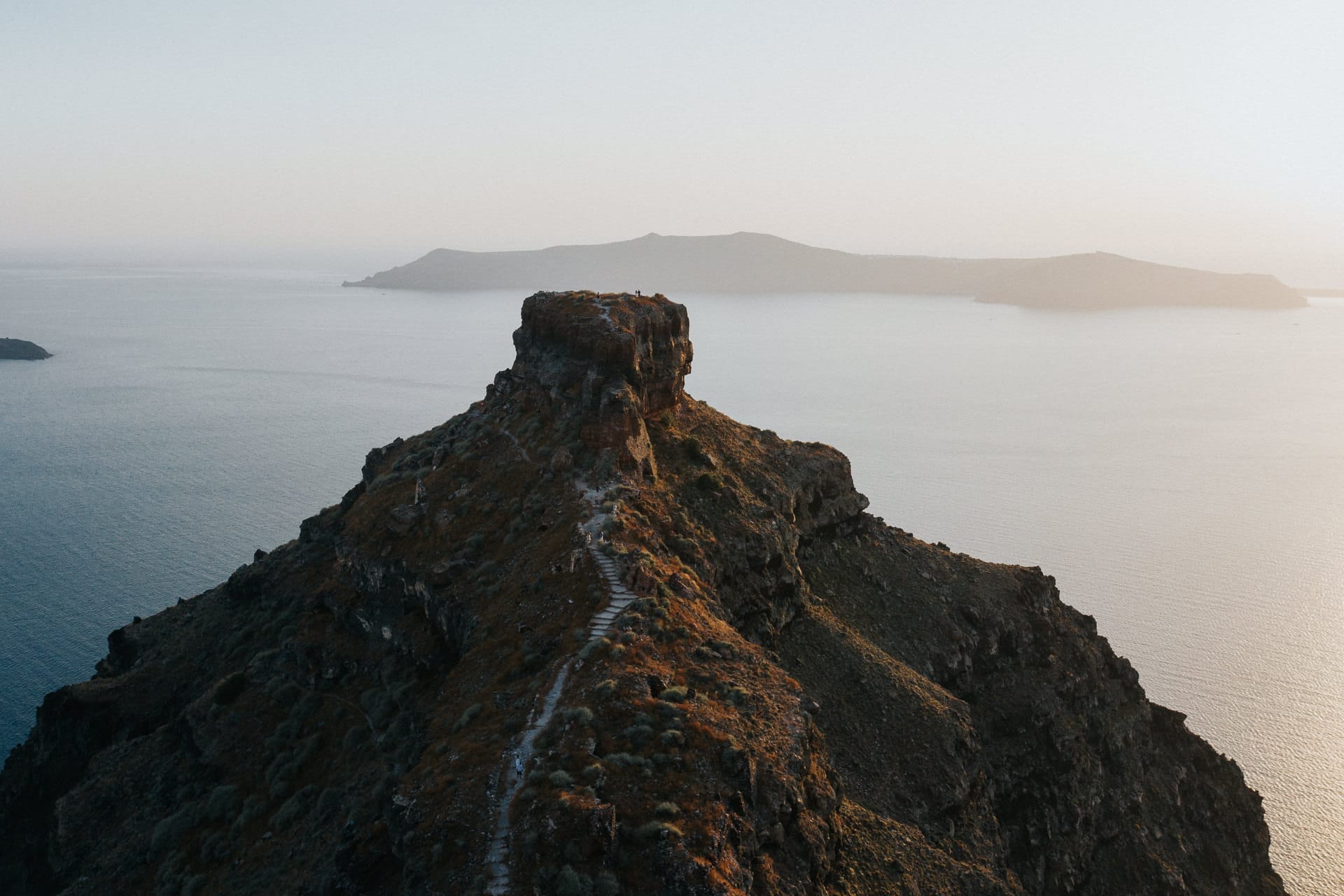
8. Hike to the Ruins of Imerovigli's Medieval Fortress on Skaros Rock
This dramatic volcanic promontory from Imerovigli was once the island's most important medieval fortress. A short hike around its base and up to the summit ruins rewards you with some of the caldera's best panoramas and a palpable sense of the island's defensive history.
Explore8. Hike to the Ruins of Imerovigli's Medieval Fortress on Skaros Rock
This dramatic volcanic promontory from Imerovigli was once the island's most important medieval fortress. A short hike around its base and up to the summit ruins rewards you with some of the caldera's best panoramas and a palpable sense of the island's defensive history.
Explore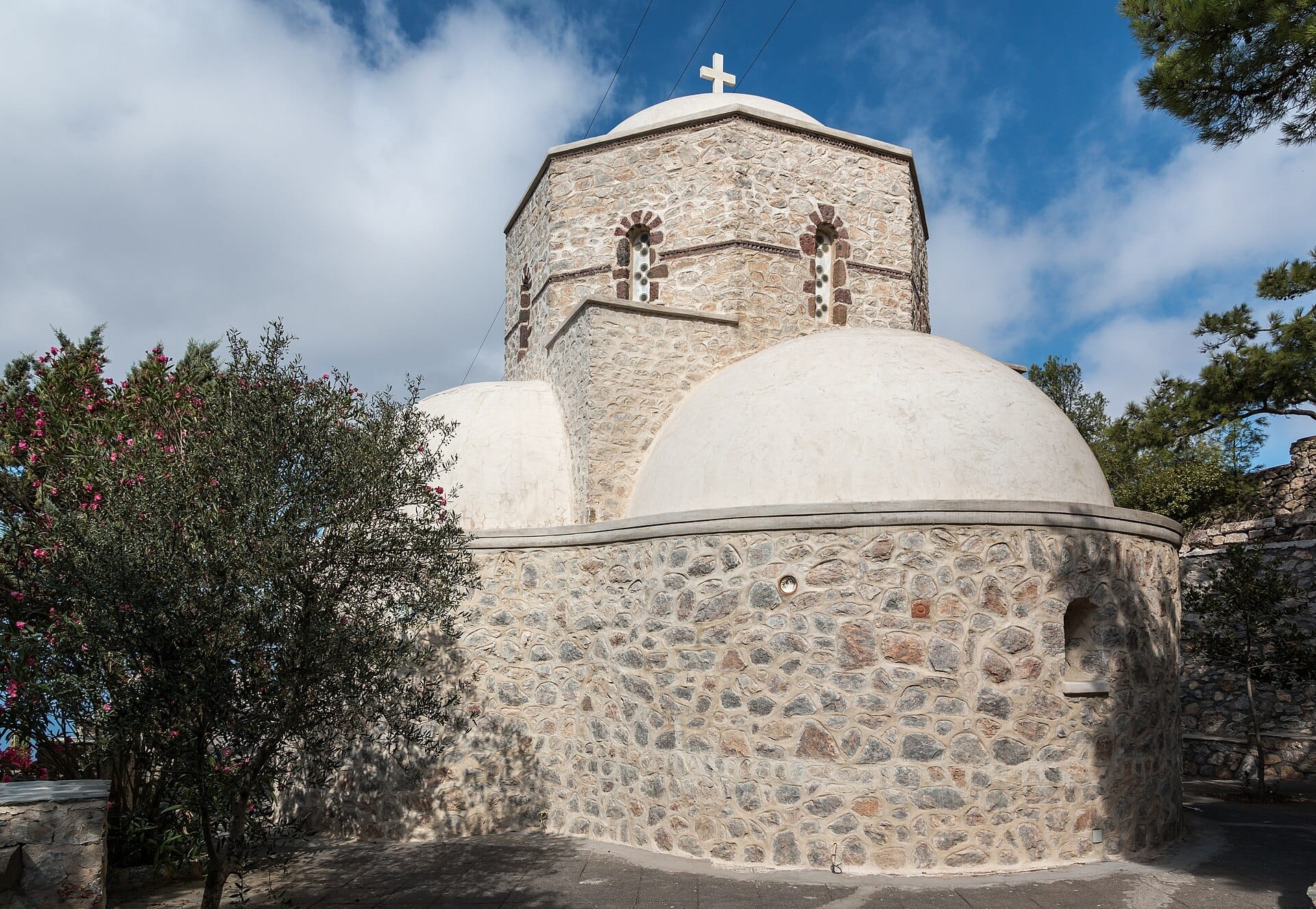
9. Visit the 18th-Century Monastery at Santorini's Summit
The working Orthodox monastery at Profitis Ilias crowns the island's 567-meter peak with a small museum of icons, religious manuscripts, and ecclesiastical treasures. The drive or hike to the top offers the most expansive views on the island.
Explore9. Visit the 18th-Century Monastery at Santorini's Summit
The working Orthodox monastery at Profitis Ilias crowns the island's 567-meter peak with a small museum of icons, religious manuscripts, and ecclesiastical treasures. The drive or hike to the top offers the most expansive views on the island.
Explore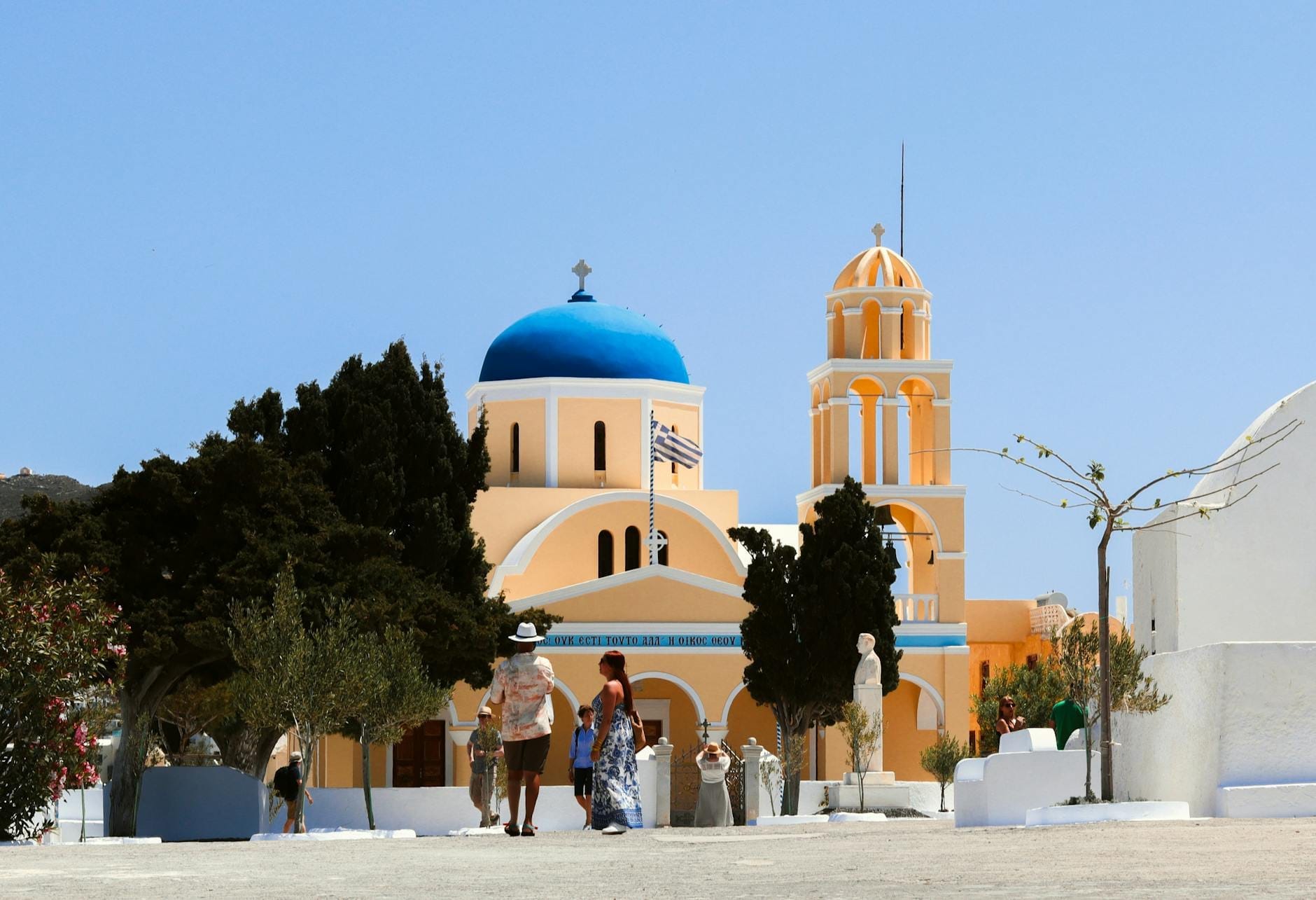
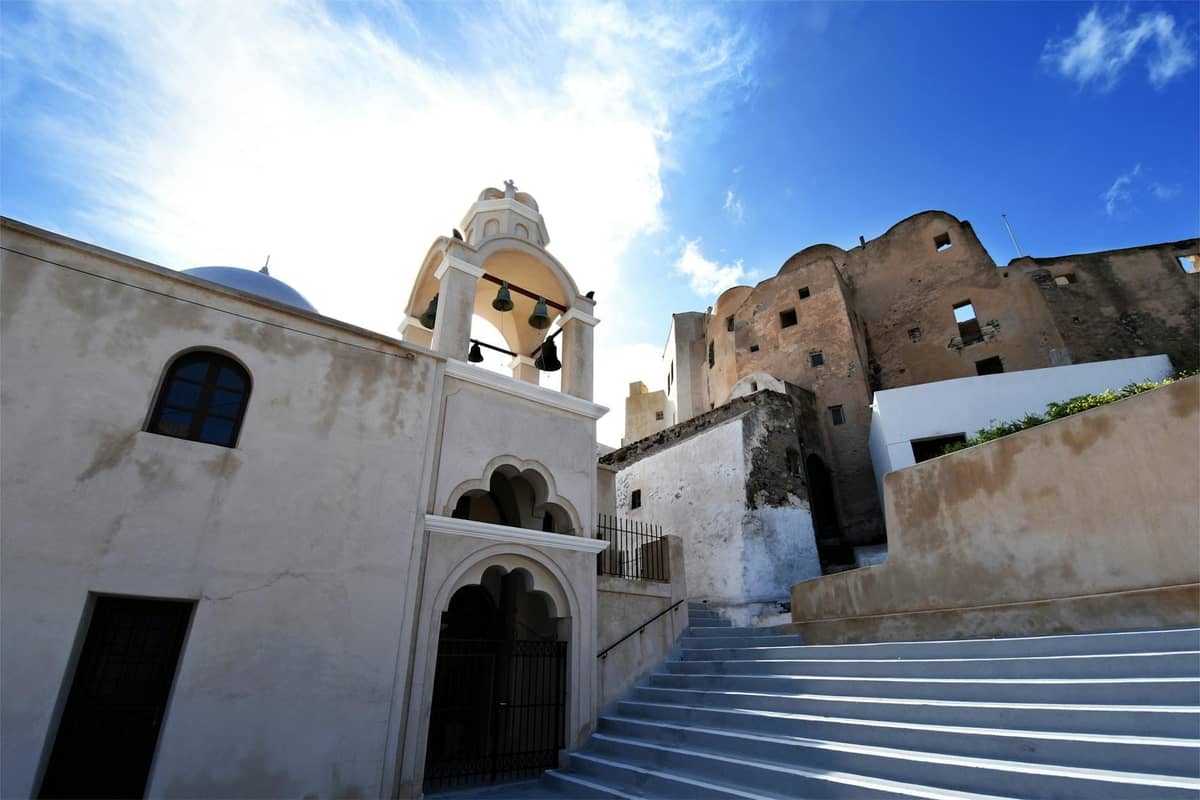
10. Discover Preserved Bell Towers and Wine Caves in Megalochori
This traditional inland village is known for its elegant bell towers, old wine caves, and a central square ringed with bougainvillea. Far less visited than the caldera villages, Megalochori preserves the architectural language of pre-tourism Santorini.
Explore10. Discover Preserved Bell Towers and Wine Caves in Megalochori
This traditional inland village is known for its elegant bell towers, old wine caves, and a central square ringed with bougainvillea. Far less visited than the caldera villages, Megalochori preserves the architectural language of pre-tourism Santorini.
ExploreHistory Museums & Cultural Collections
Beyond the archaeological sites, several smaller museums fill in the chapters of Santorini's history that ruins alone cannot tell: the island's seafaring era, its recent agricultural past, and its Byzantine and post-Byzantine cultural heritage. Most are concentrated in Fira and Oia and can each be visited in under an hour.
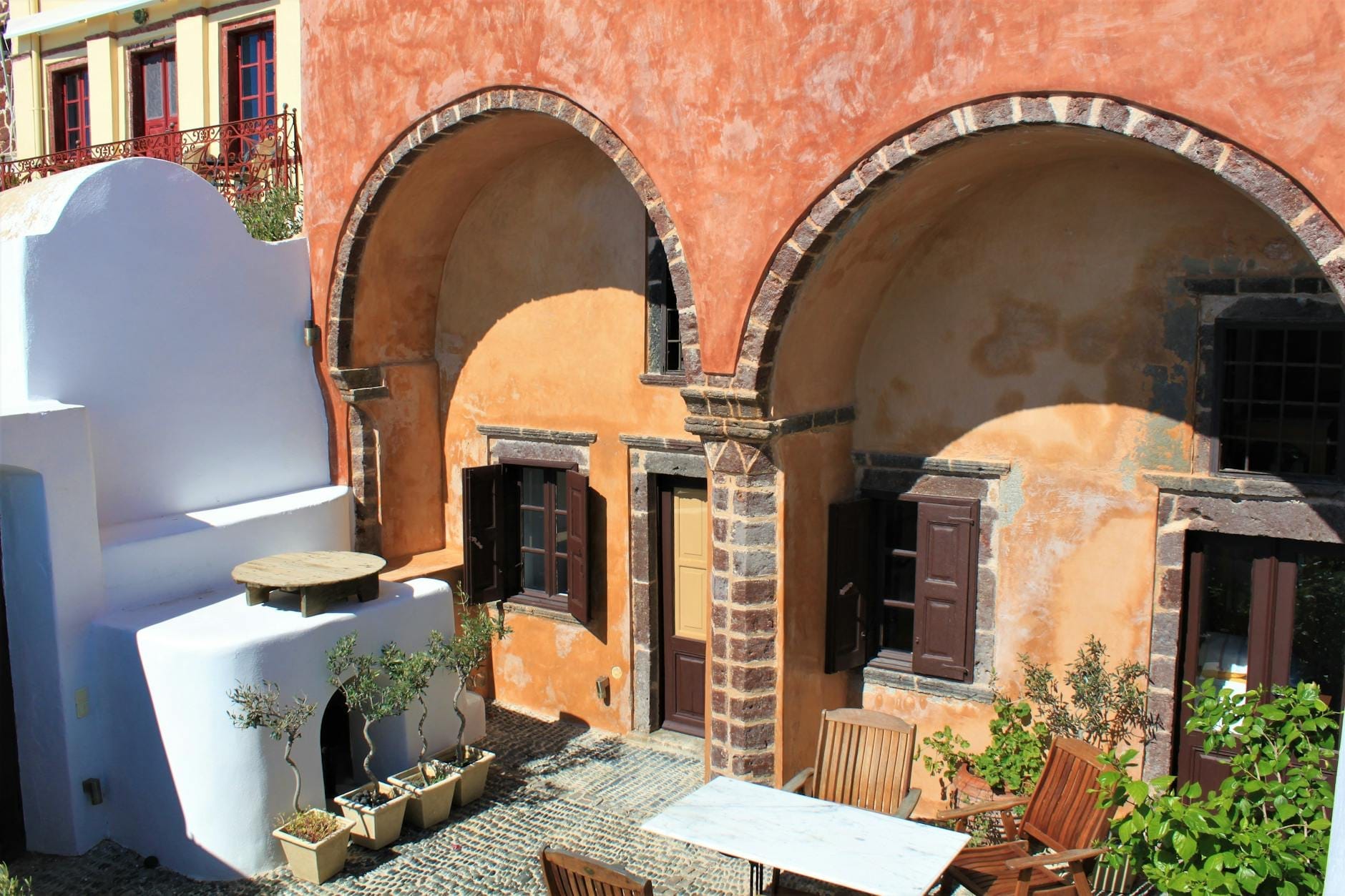
11. Step Inside a 17th-Century Mansion at the Megaro Gyzi Museum
Housed in a restored baroque mansion in Fira, this cultural museum holds historical maps, engravings, and rare photographs documenting Santorini from the Byzantine era through the 20th century, including images of the island before the 1956 earthquake and modern tourism.
Explore11. Step Inside a 17th-Century Mansion at the Megaro Gyzi Museum
Housed in a restored baroque mansion in Fira, this cultural museum holds historical maps, engravings, and rare photographs documenting Santorini from the Byzantine era through the 20th century, including images of the island before the 1956 earthquake and modern tourism.
Explore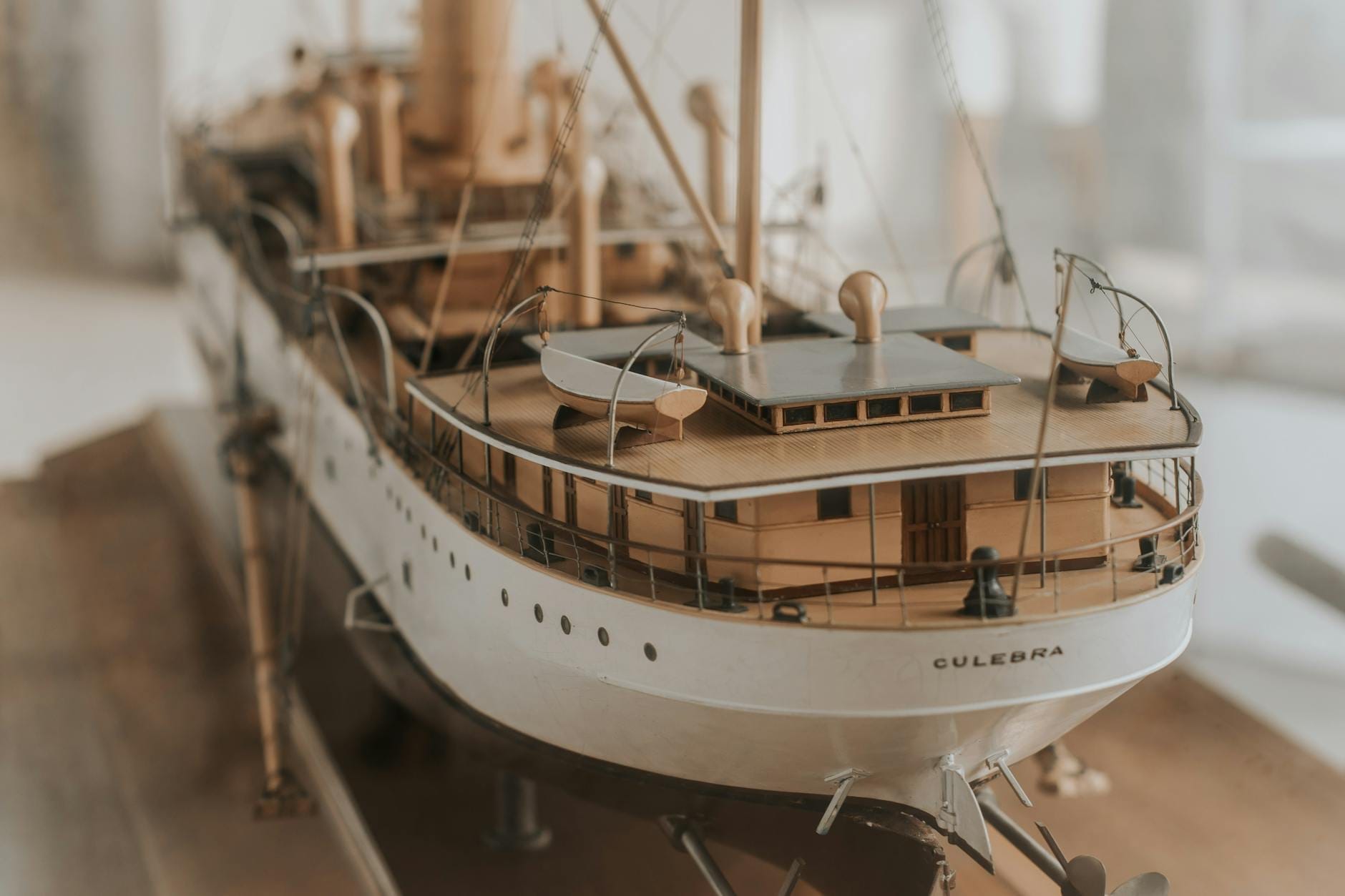
12. Explore Santorini's Seafaring Past at the Naval Maritime Museum in Oia
Set in a restored neoclassical mansion in Oia, this museum covers the island's 19th-century maritime era through ship models, navigational instruments, figureheads, and historical photographs. Santorini was once a significant merchant fleet center, and this museum explains why.
Explore12. Explore Santorini's Seafaring Past at the Naval Maritime Museum in Oia
Set in a restored neoclassical mansion in Oia, this museum covers the island's 19th-century maritime era through ship models, navigational instruments, figureheads, and historical photographs. Santorini was once a significant merchant fleet center, and this museum explains why.
Explore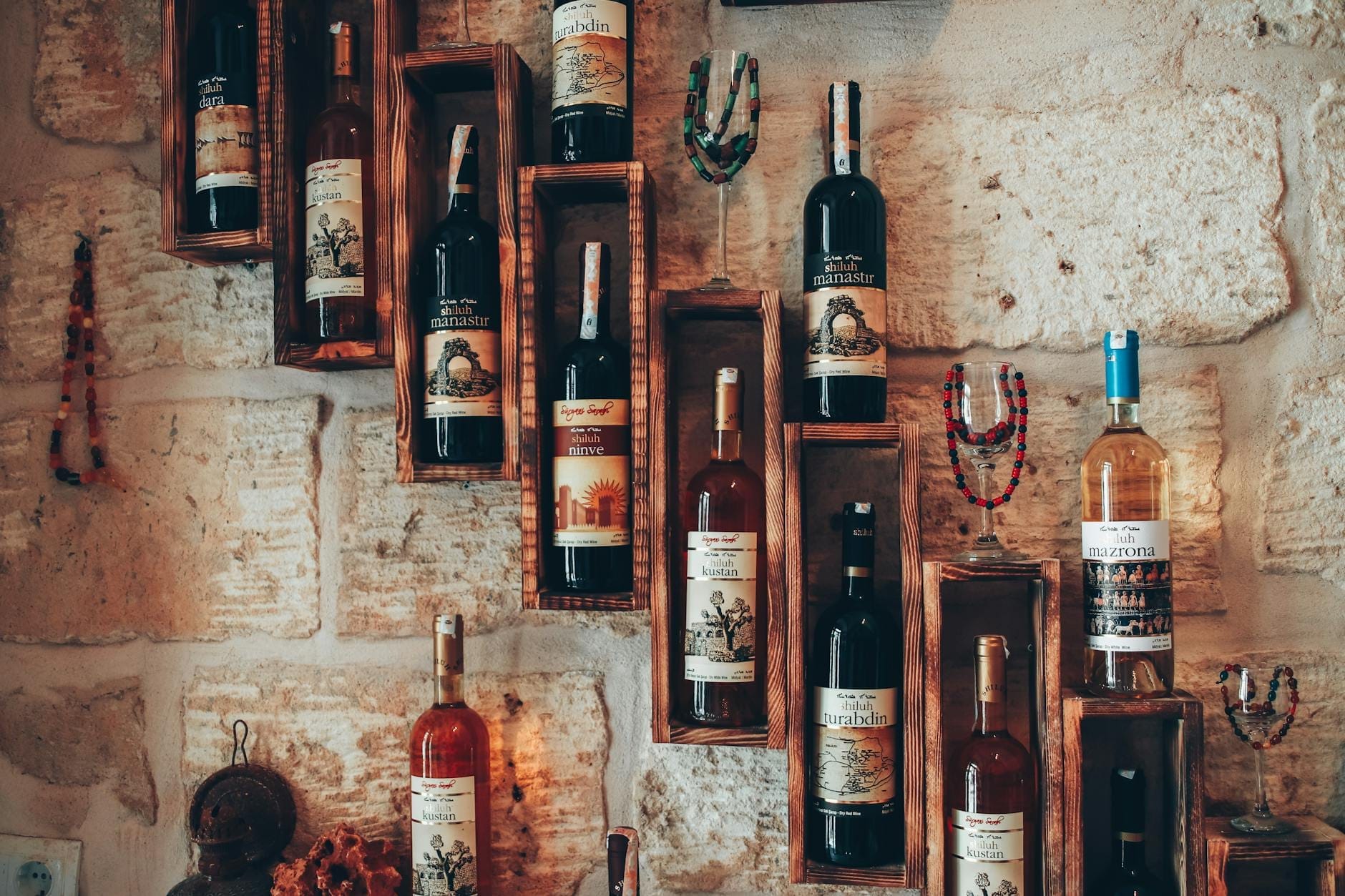
13. Go Underground for 500 Years of Wine History at the Koutsoyannopoulos Museum
Carved into volcanic rock beneath Vothonas village, this underground museum traces Santorinian wine history through life-size dioramas and antique equipment in a naturally cool tunnel system. It's genuinely educational about a craft that has shaped the island's economy for centuries.
Explore13. Go Underground for 500 Years of Wine History at the Koutsoyannopoulos Museum
Carved into volcanic rock beneath Vothonas village, this underground museum traces Santorinian wine history through life-size dioramas and antique equipment in a naturally cool tunnel system. It's genuinely educational about a craft that has shaped the island's economy for centuries.
Explore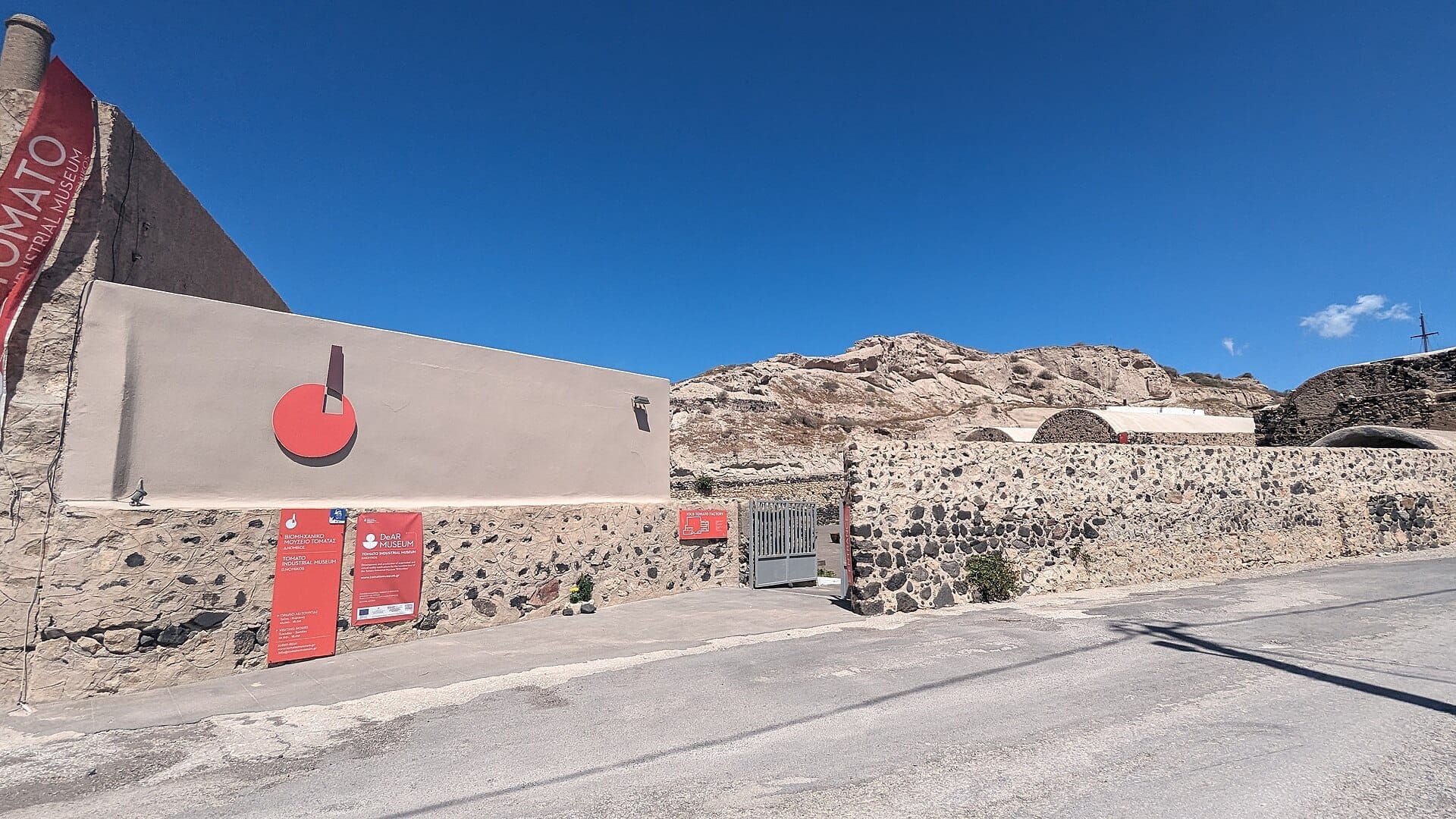
14. Discover Santorini's Forgotten Tomato Industry at Vlychada
This restored tomato-processing factory near Vlychada tells the story of the island's once-major tomato industry through original machinery and exhibits on the famous Santorini cherry tomato. A concise, well-presented museum that reveals a completely different side of the island's economic history.
Explore14. Discover Santorini's Forgotten Tomato Industry at Vlychada
This restored tomato-processing factory near Vlychada tells the story of the island's once-major tomato industry through original machinery and exhibits on the famous Santorini cherry tomato. A concise, well-presented museum that reveals a completely different side of the island's economic history.
Explore
15. Experience Contemporary Art in an Ancient Wine Cave at Art Space
Near Exo Gonia, Art Space holds rotating exhibitions of serious contemporary art inside vaulted wine caves carved centuries ago into the volcanic rock. Combining art and wine tasting in a historic setting, it bridges the island's layered past with its contemporary cultural life.
Explore15. Experience Contemporary Art in an Ancient Wine Cave at Art Space
Near Exo Gonia, Art Space holds rotating exhibitions of serious contemporary art inside vaulted wine caves carved centuries ago into the volcanic rock. Combining art and wine tasting in a historic setting, it bridges the island's layered past with its contemporary cultural life.
ExploreHistoric Architecture & Sacred Landmarks
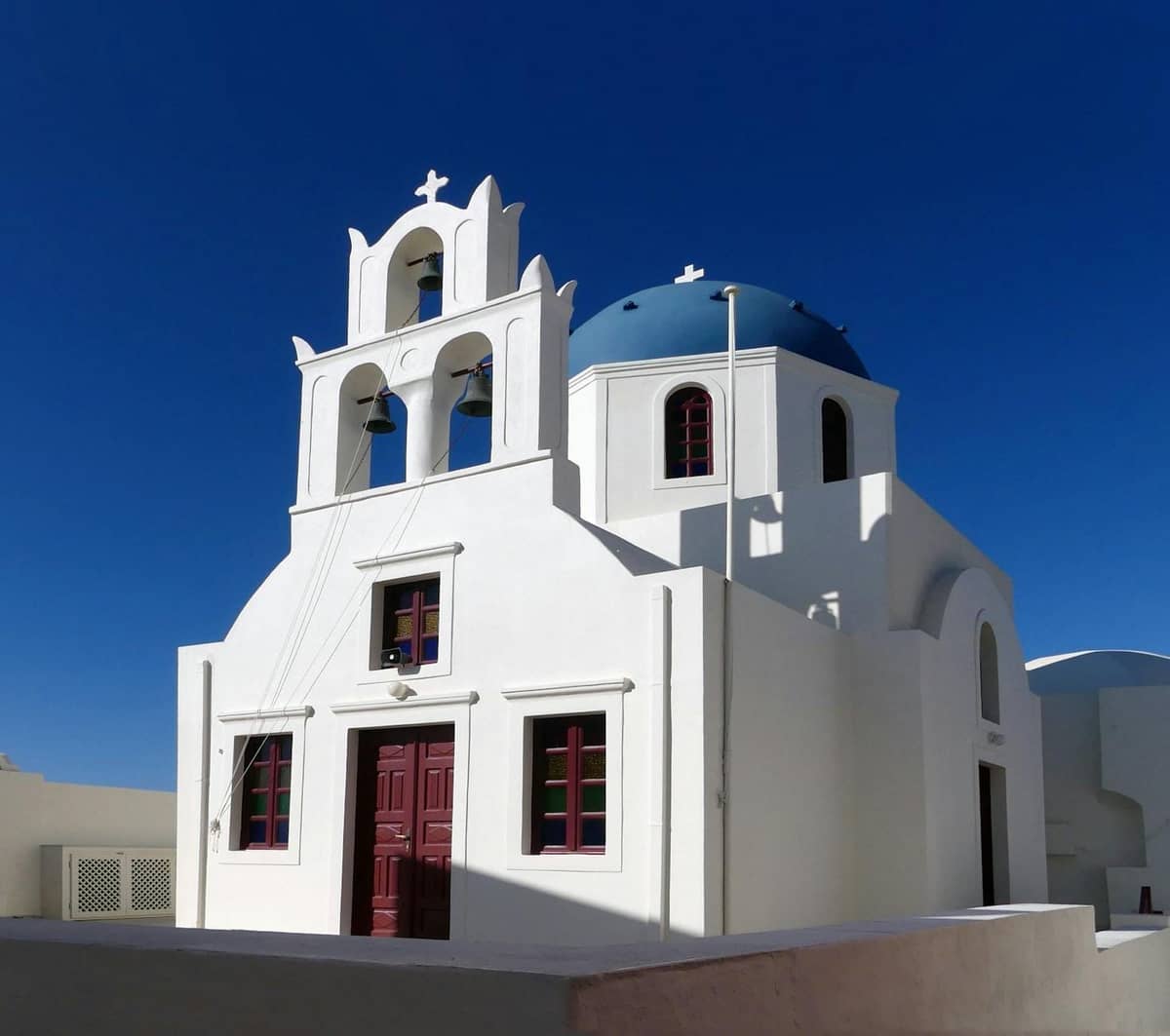
Santorini's religious and architectural heritage spans from Orthodox churches to Venetian campaniles to the island's distinctive cave-house architecture, itself a direct response to the volcanic geology. For photographers documenting this architectural history, the Santorini photography guide covers the best light and angles for the island's iconic structures.
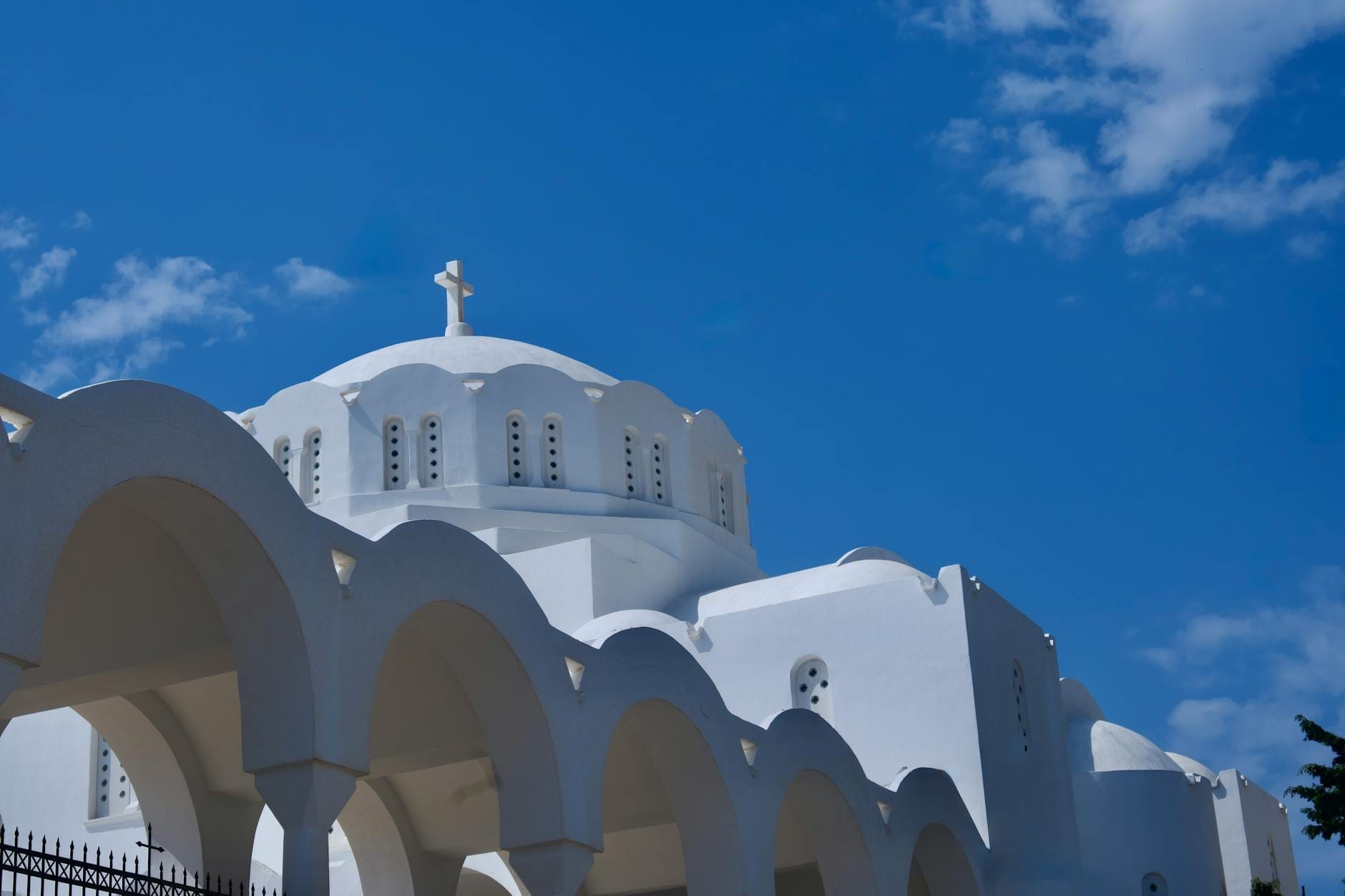
16. Visit the Religious Heart of Santorini at the Orthodox Metropolitan Cathedral
Fira's dominant neoclassical church is the island's principal Orthodox landmark and the center of major religious celebrations, including the Easter midnight service that draws crowds from across the island. The interior holds fine Byzantine-style iconography worth a brief visit.
Explore16. Visit the Religious Heart of Santorini at the Orthodox Metropolitan Cathedral
Fira's dominant neoclassical church is the island's principal Orthodox landmark and the center of major religious celebrations, including the Easter midnight service that draws crowds from across the island. The interior holds fine Byzantine-style iconography worth a brief visit.
Explore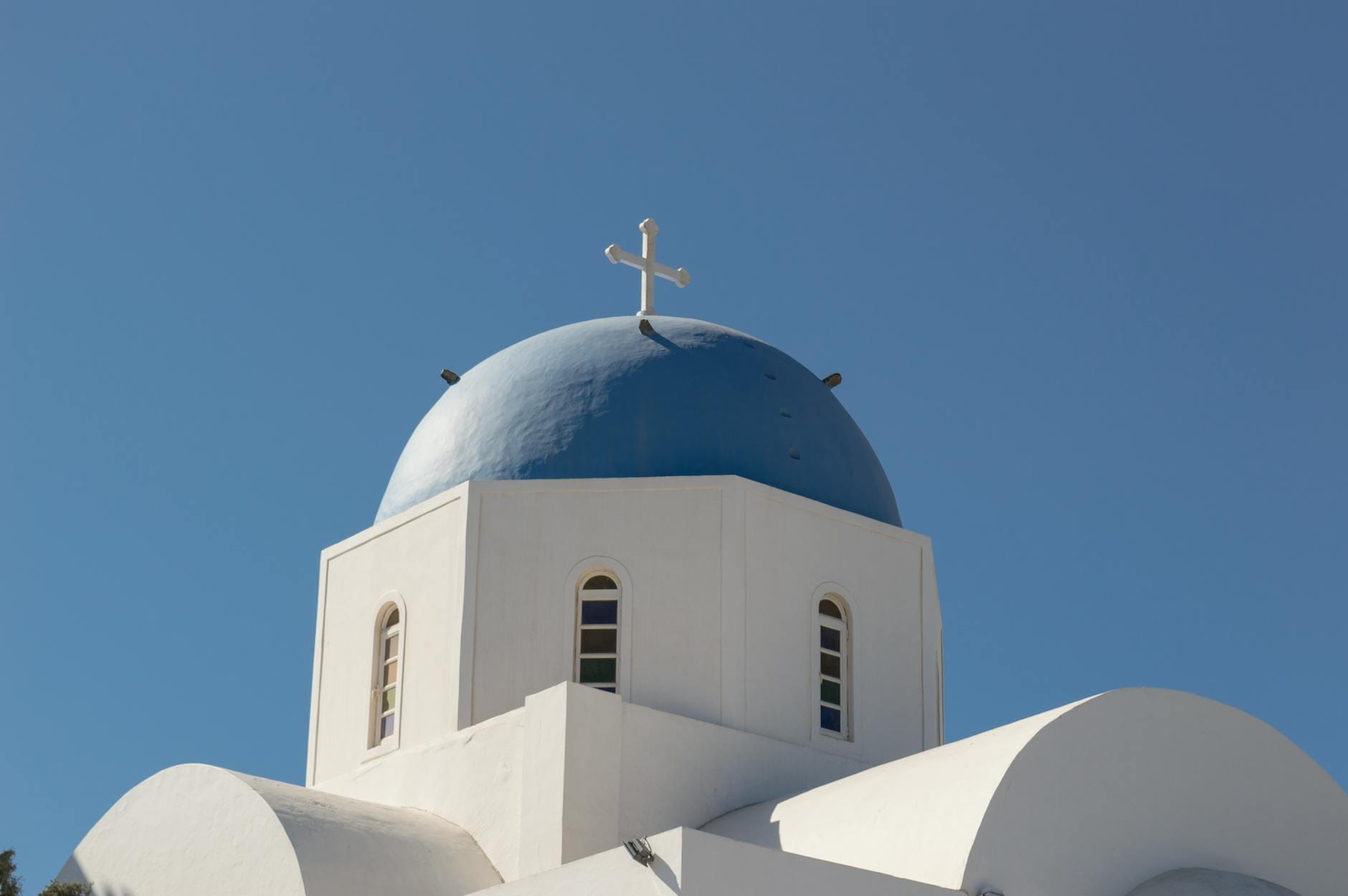
17. See Oia's Central Church, Focus of the Island's Easter Celebrations
Panagia Platsani in Oia's central square is the focus of the island's most elaborate Easter observances, with candlelit Good Friday processions through the village lanes. Outside of Holy Week it remains a beautiful and peaceful example of Cycladic Orthodox architecture.
Explore17. See Oia's Central Church, Focus of the Island's Easter Celebrations
Panagia Platsani in Oia's central square is the focus of the island's most elaborate Easter observances, with candlelit Good Friday processions through the village lanes. Outside of Holy Week it remains a beautiful and peaceful example of Cycladic Orthodox architecture.
Explore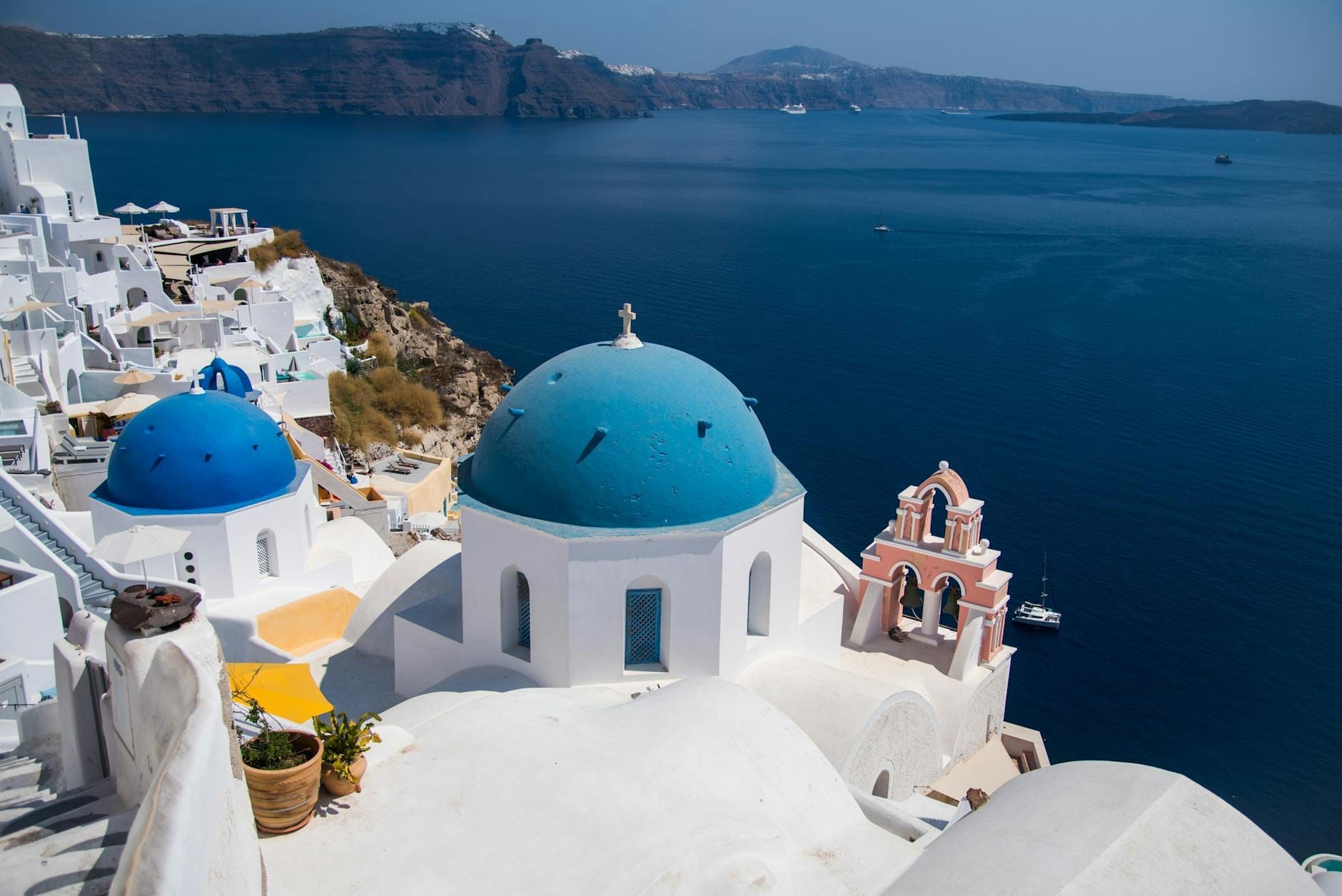
18. Photograph the Blue-Domed Churches That Define Aegean Architecture
The cluster of blue-domed churches near Oia's castle has become the visual shorthand for Greece itself. Beyond their photographic fame, these churches represent the distinctive Cycladic ecclesiastical architecture that evolved over centuries of Byzantine and post-Byzantine building on the islands.
Explore18. Photograph the Blue-Domed Churches That Define Aegean Architecture
The cluster of blue-domed churches near Oia's castle has become the visual shorthand for Greece itself. Beyond their photographic fame, these churches represent the distinctive Cycladic ecclesiastical architecture that evolved over centuries of Byzantine and post-Byzantine building on the islands.
Explore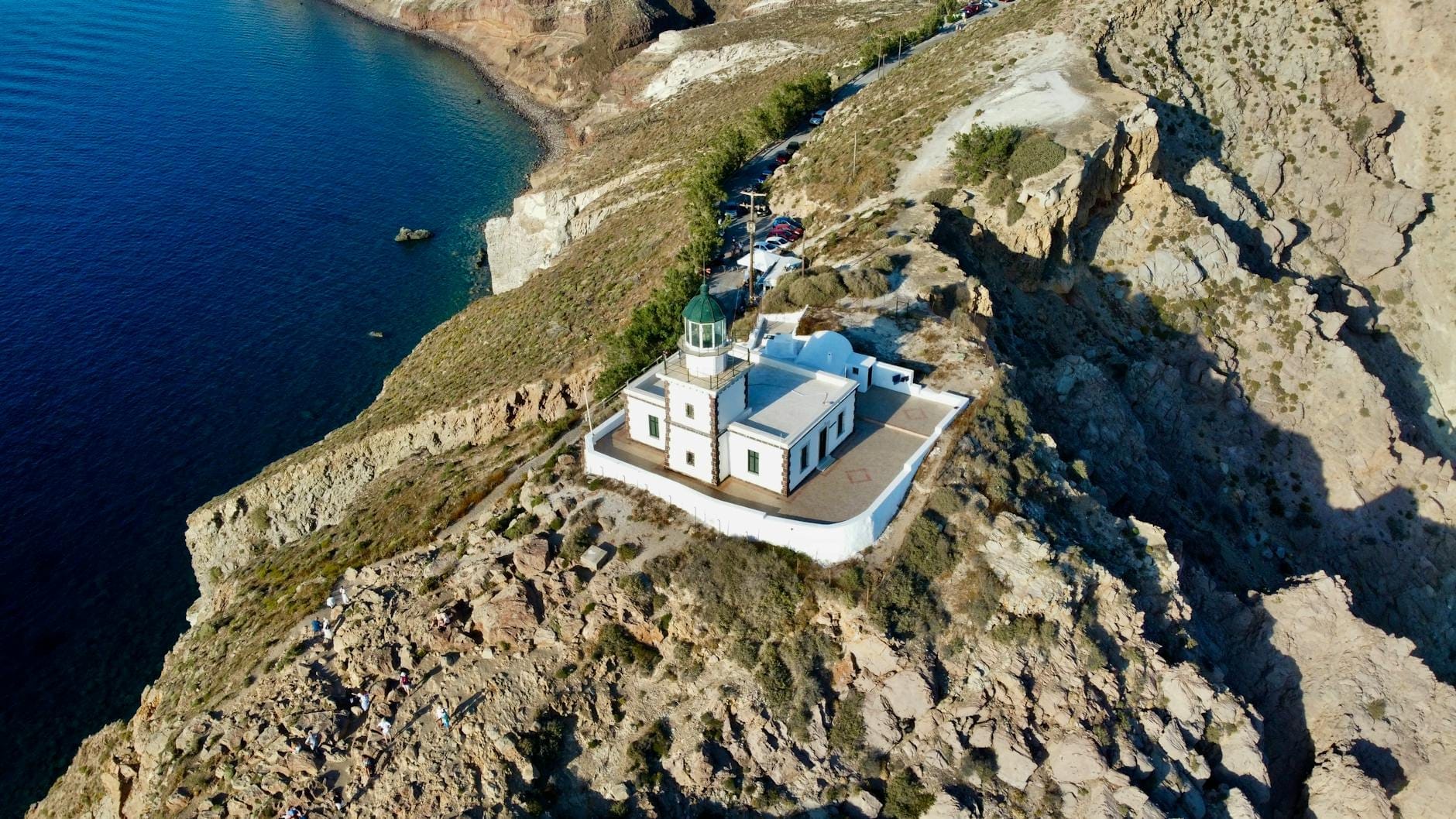
19. Walk to the 19th-Century Akrotiri Lighthouse at the Island's Southern Tip
Built in the 19th century on Santorini's southernmost cape, the Akrotiri Lighthouse marks the caldera's entrance and represents the island's navigational history. Combined with a visit to the nearby archaeological site, it makes for a satisfying half-day in the Akrotiri area.
Explore19. Walk to the 19th-Century Akrotiri Lighthouse at the Island's Southern Tip
Built in the 19th century on Santorini's southernmost cape, the Akrotiri Lighthouse marks the caldera's entrance and represents the island's navigational history. Combined with a visit to the nearby archaeological site, it makes for a satisfying half-day in the Akrotiri area.
Explore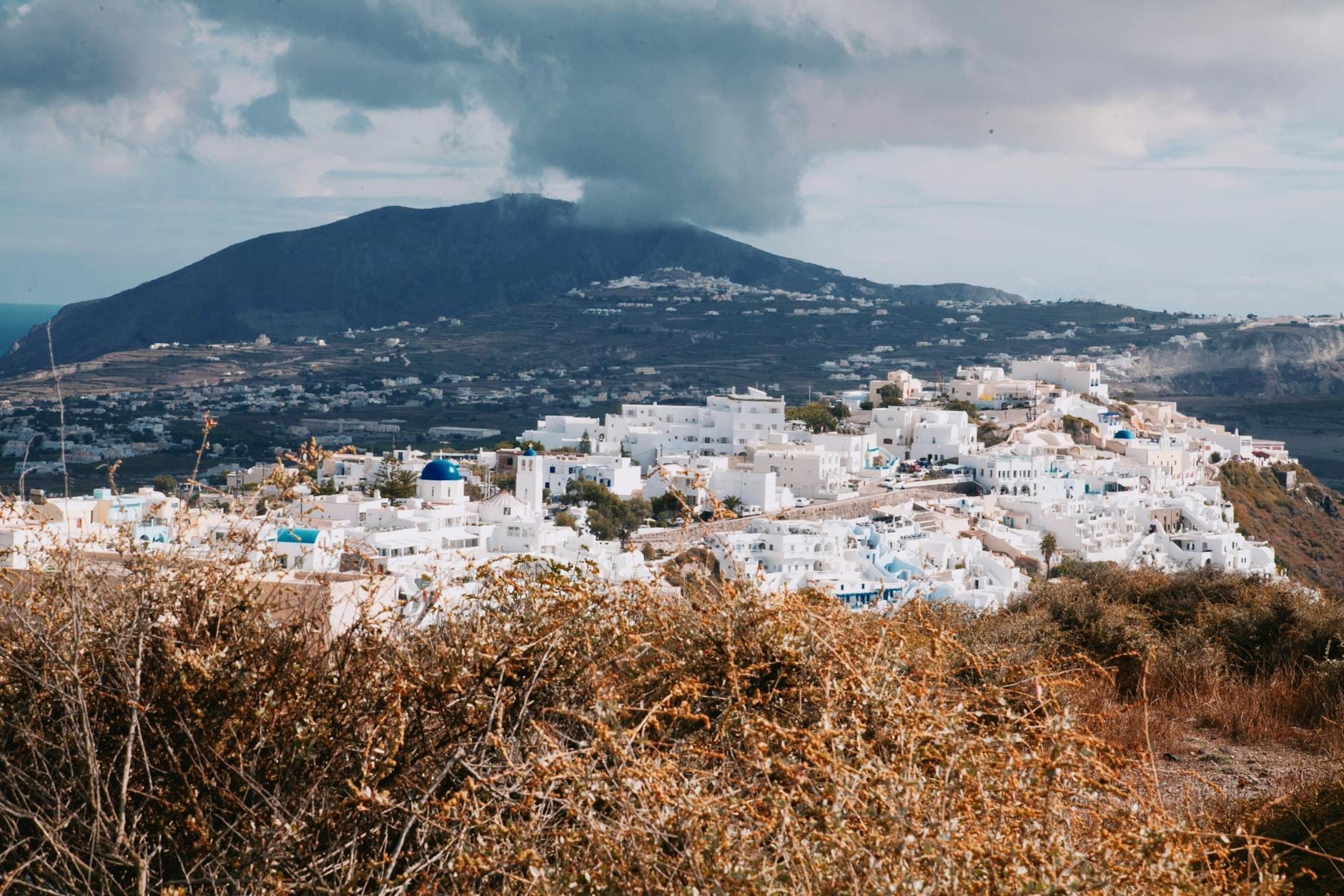
20. Cross to Thirasia and Step Back into Pre-Tourism Island Life at Manolas
The clifftop village of Manolas on Thirasia island, reached by 300 steps from the port, offers a rare view of what Santorini looked like before mass tourism transformed it. A handful of tavernas, a church, and caldera views with almost none of the crowds of the main island.
Explore20. Cross to Thirasia and Step Back into Pre-Tourism Island Life at Manolas
The clifftop village of Manolas on Thirasia island, reached by 300 steps from the port, offers a rare view of what Santorini looked like before mass tourism transformed it. A handful of tavernas, a church, and caldera views with almost none of the crowds of the main island.
ExploreFAQ
Is Akrotiri worth visiting and how does it compare to Pompeii?
Akrotiri is genuinely impressive and far less visited than Pompeii. The excavation covers only a fraction of the original city, but what's exposed, including multi-story buildings, advanced drainage systems, and traces of frescoes, is extraordinary for its age (around 1600 BCE). The climate-controlled shelter means it can be visited comfortably even in summer. Plan 1.5 to 2 hours. To see the finest objects removed from the site, visit the Museum of Prehistoric Thera in Fira on the same day.
What is the best order to visit Santorini's historical sites?
Start chronologically: Akrotiri Archaeological Site and Museum of Prehistoric Thera cover the Bronze Age. Ancient Thera and the Archaeological Museum of Thera cover the Hellenistic and Roman periods. The Megaro Gyzi Museum and Naval Maritime Museum in Fira and Oia cover the medieval through 19th-century periods. Medieval villages like Pyrgos, Emporio, and Megalochori are best visited in the cooler hours of morning or late afternoon.
When is the best time to visit Santorini's outdoor archaeological sites?
April, May, September, and October offer the best conditions: comfortable temperatures, good light for photography, and smaller crowds. In July and August, Ancient Thera and other open-air sites can be uncomfortably hot by mid-morning. Visit at opening time (typically 8am) and carry water. The Akrotiri Archaeological Site is climate-controlled, so it can be visited at any time of day.
Are Santorini's history museums suitable for children?
The Lost Atlantis Experience in Megalochori is specifically designed to engage younger visitors with interactive multimedia and is probably the most child-friendly historical attraction. The Akrotiri Archaeological Site works well for older children who can appreciate the scale of what's preserved. Most other museums are small and can be covered quickly, so they work as brief stops rather than dedicated family activities.
Is it possible to visit Santorini's main historical sites in one day?
You can cover the three Fira museums (Museum of Prehistoric Thera, Archaeological Museum, Megaro Gyzi) in a morning, then drive to Akrotiri for the afternoon. Ancient Thera on Mesa Vouno and the medieval villages of Pyrgos and Emporio are best saved for a second day. Trying to combine Akrotiri Archaeological Site with Ancient Thera in the same day is feasible but rushed, especially in summer heat.