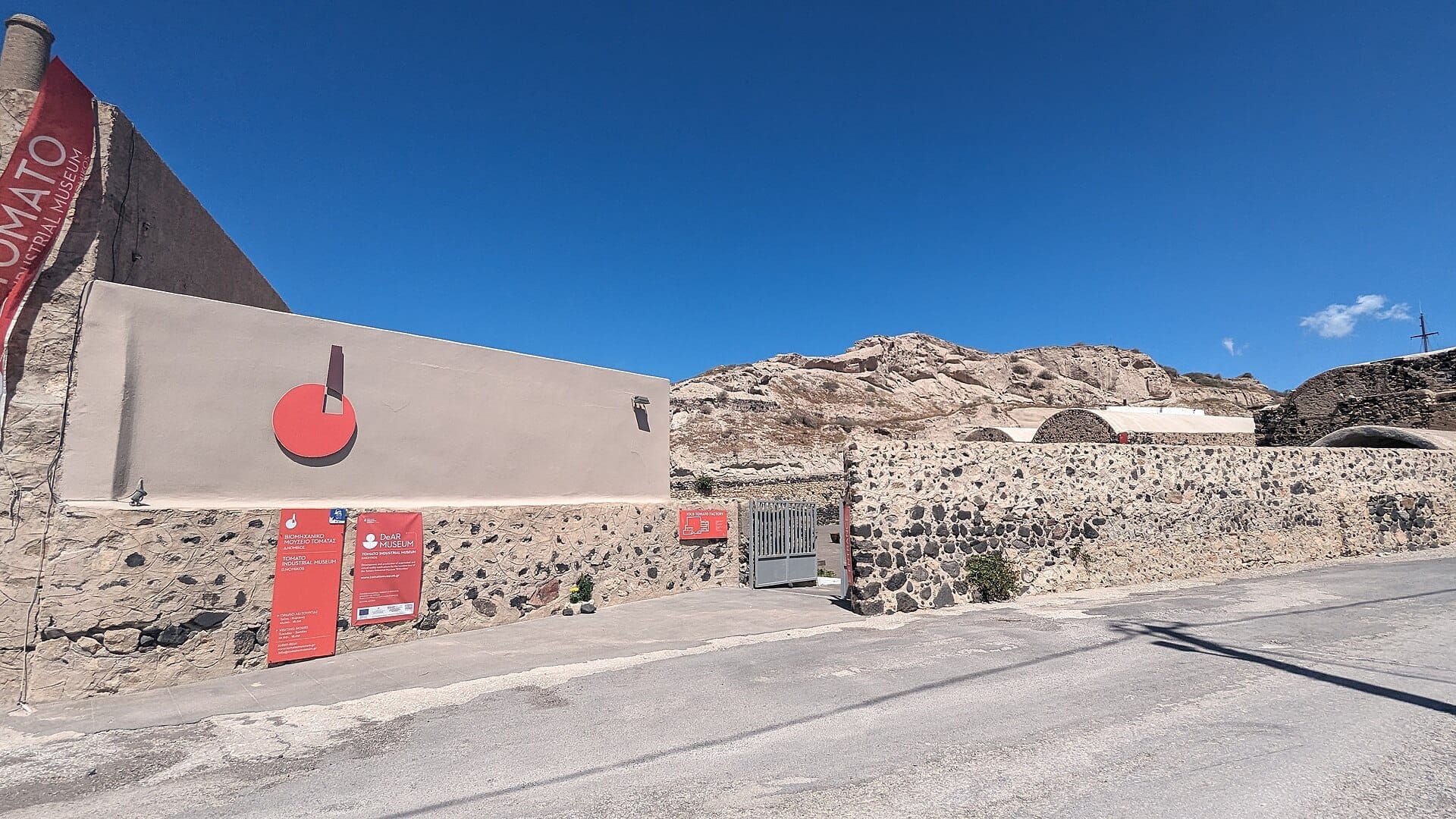
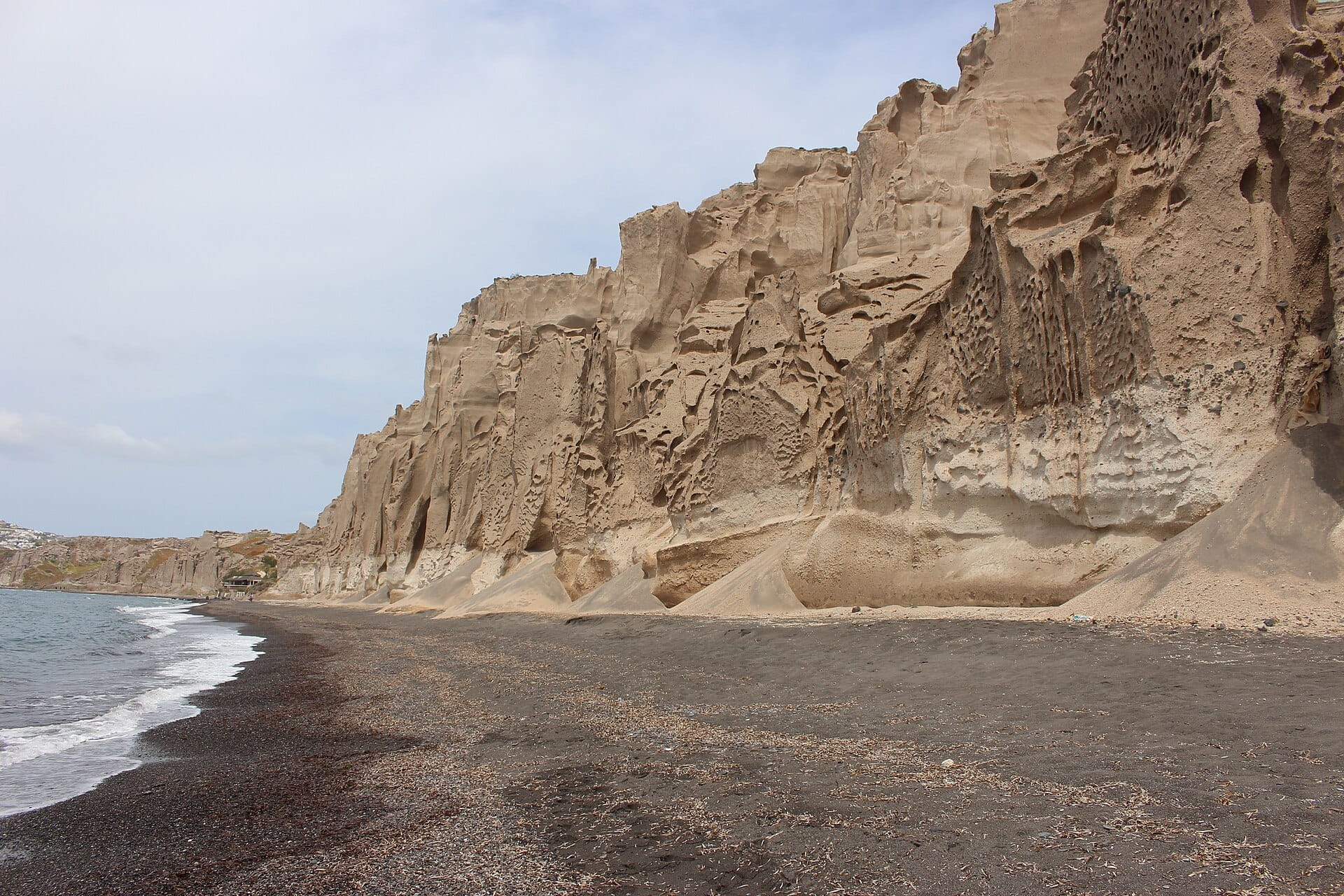
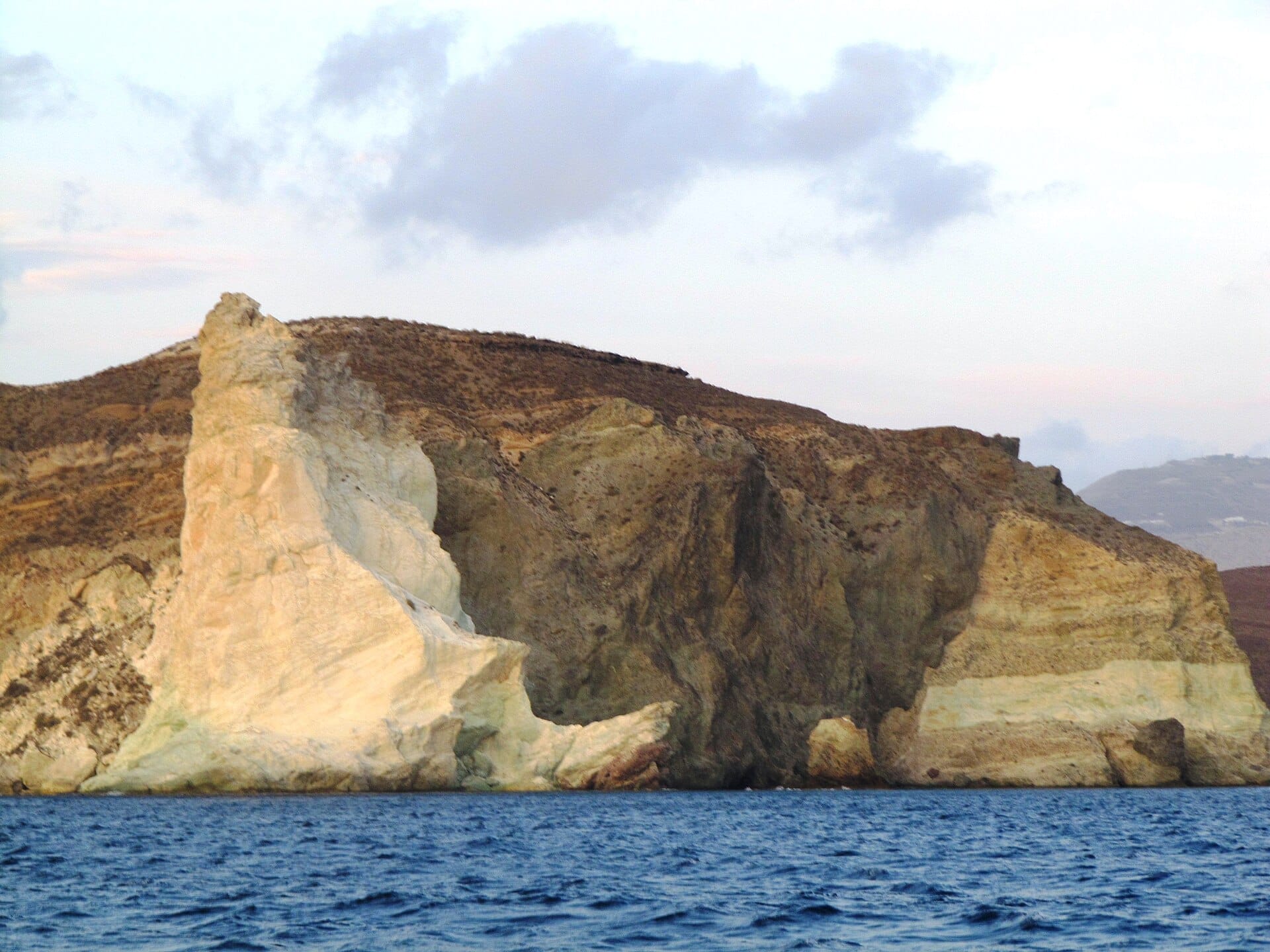
Akrotiri sits at the southwestern tip of Santorini, roughly 15 km from the capital Fira. It is home to one of the Aegean's most significant Bronze Age archaeological sites, a string of dramatic volcanic beaches, and some of the island's best-regarded wineries, all without the overcrowding that defines the caldera villages.
Akrotiri is Santorini's most historically loaded corner, where a Bronze Age city frozen in time by volcanic ash sits minutes from red and white cliffs dropping into the Aegean. It draws serious travelers: people who want context for the island's volcanic drama alongside caldera views, not just a photo stop.
Orientation
Akrotiri occupies the southwestern peninsula of Santorini, roughly 15 km from Fira by road. The village itself is a quiet, compact settlement sitting just inland from the caldera edge, with the famous archaeological site positioned on a headland where ancient Minoans built a city that was buried under volcanic ash around 1600 BCE. The landscape here is noticeably different from the northern caldera rim: the terrain is rockier and more exposed, the views swing from the caldera on the west to open Aegean on the south, and the volcanic geology becomes impossible to ignore. Red, black, and white cliffs frame the coastline just below the village.
The road from Fira to Akrotiri passes through the inland village of Pyrgos Pyrgos before descending toward the southwestern shores. Most visitors arrive along this main route, which continues past the village to the lighthouse at the island's southern tip, the Lighthouse of Akrotiri, one of the best vantage points on the island for watching the sun drop into the caldera basin. The surrounding area also encompasses the Red Beach, White Beach, and the broader stretch of volcanic coastline that makes this corner of Santorini geologically unlike anywhere else in Greece.
To the north, Akrotiri connects back through the island's road network toward Fira and onward to the east coast beach resorts of Kamari and Perissa. The airport is about 10 km to the northeast by road, making Akrotiri reasonably reachable on arrival, though most visitors treat it as a day-trip destination from their base rather than a primary accommodation hub.
Character & Atmosphere
Akrotiri operates at a pace that feels genuinely different from the caldera-rim villages. In the early morning, before the tour buses arrive at the archaeological site, the village is almost completely quiet. The air carries a mineral edge from the volcanic soil, and the light at this hour is flat and pale, making the rust-red cliffs to the south look almost surreal against the blue water. A handful of local residents go about their routines: a kafeneion opens, cats occupy warm stone walls, the narrow lanes between whitewashed buildings see almost no foot traffic.
By mid-morning, the character shifts. Tour groups begin arriving at the archaeological site, the parking area fills, and the path toward Red Beach sees a steady stream of visitors. This is when the site is at its most crowded, particularly from June through August. The heat becomes a factor quickly: the exposed paths to the beaches have almost no shade, and by noon the volcanic cliffs radiate warmth from all directions. Visitors who linger through midday at the beaches often retreat to the handful of tavernas and cafes near the site entrance.
Late afternoon is arguably the best time to be in Akrotiri. The tour buses have largely cleared, the light turns amber and begins to rake across the landscape at a low angle, and the caldera views from the southern headland become extraordinary. The Lighthouse of Akrotiri draws a smaller, quieter crowd at sunset than Oia does, and the perspective here takes in both the caldera and the open southern Aegean simultaneously. After dark, Akrotiri is genuinely subdued: this is not a place with a nightlife scene, and the village returns to its normal quietude once the day visitors have gone.
💡 Local tip
Arrive at the archaeological site when it opens in the morning to beat the tour groups and experience the ruins in relative silence. The site is covered by a large protective roof structure, which also means it stays cooler than the outdoor paths and beaches during peak heat.
What to See & Do
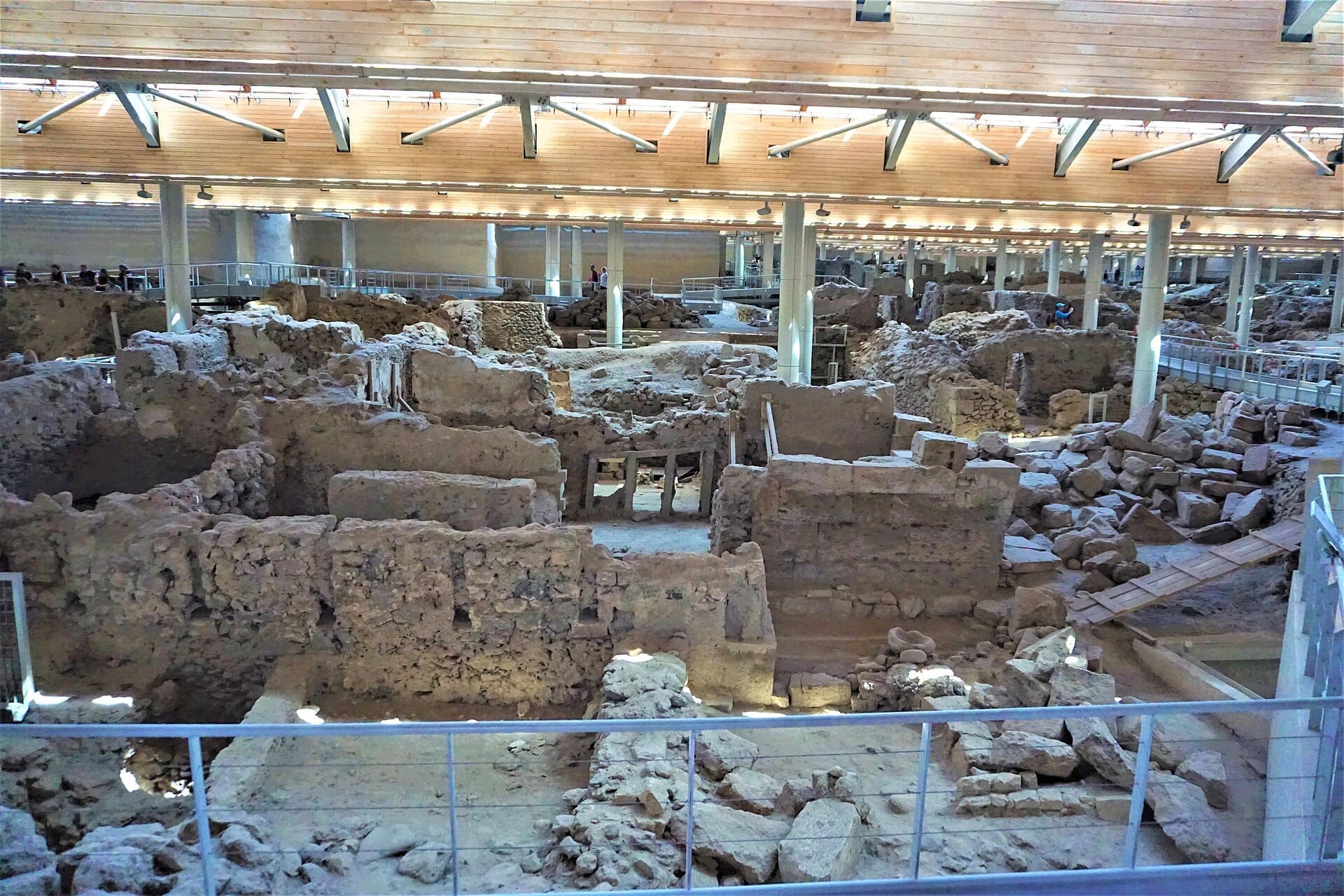
The anchor attraction is the Akrotiri Archaeological Site, Akrotiri Archaeological Site, one of the most significant Bronze Age sites in the entire Mediterranean. Often called the Pompeii of the Aegean, it preserves multi-storey buildings, sophisticated drainage systems, storage vessels, and the outlines of streets from a Cycladic city that was evacuated and then buried by the catastrophic eruption around 1600 BCE. Unlike Pompeii, no human remains were found here, suggesting residents had time to flee. The entire site is enclosed under a large modern roof structure that protects the excavations while allowing visitors to walk through on elevated walkways above the ruins.
The frescoes and artifacts recovered from the site are not displayed here but at the Museum of Prehistoric Thera in Fira, which holds the famous painted lily frescoes and the gold ibex figurine among its collection. A combined ticket covering both sites is available, and anyone serious about understanding Akrotiri should visit both on the same day.
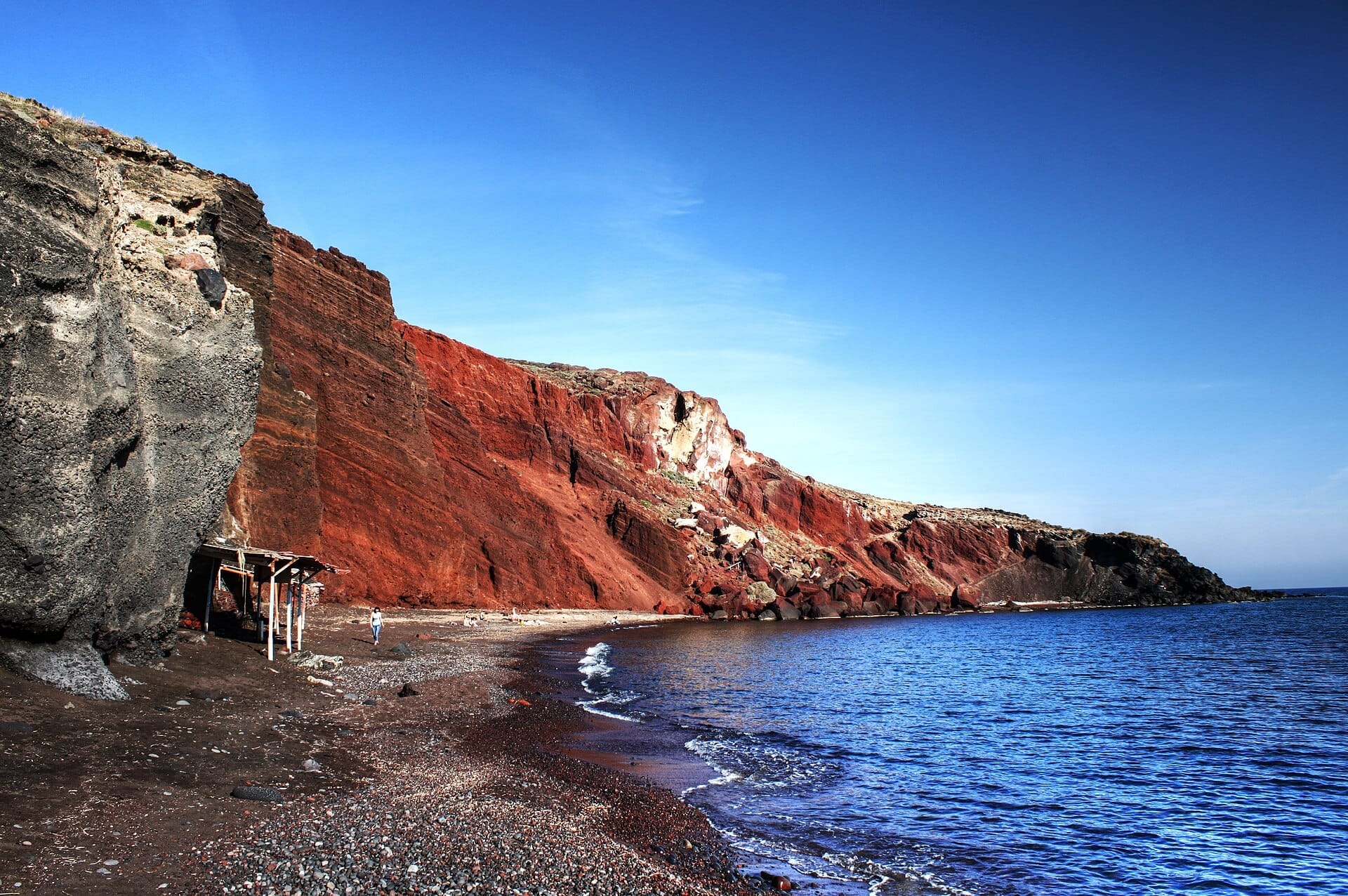
The beaches around Akrotiri are unlike anything on the eastern side of the island. Red Beach, a short walk south of the archaeological site, is framed by steep red and ochre volcanic cliffs that drop directly into the sea. The colors are genuinely dramatic, particularly in morning light. Further around the headland, White Beach is accessible primarily by boat or a difficult cliff path, and the contrast between its pale rock and dark water is equally striking. For a broader overview of Santorini's volcanic coastline, the Santorini black sand beaches guide covers the full range of volcanic shore types across the island.
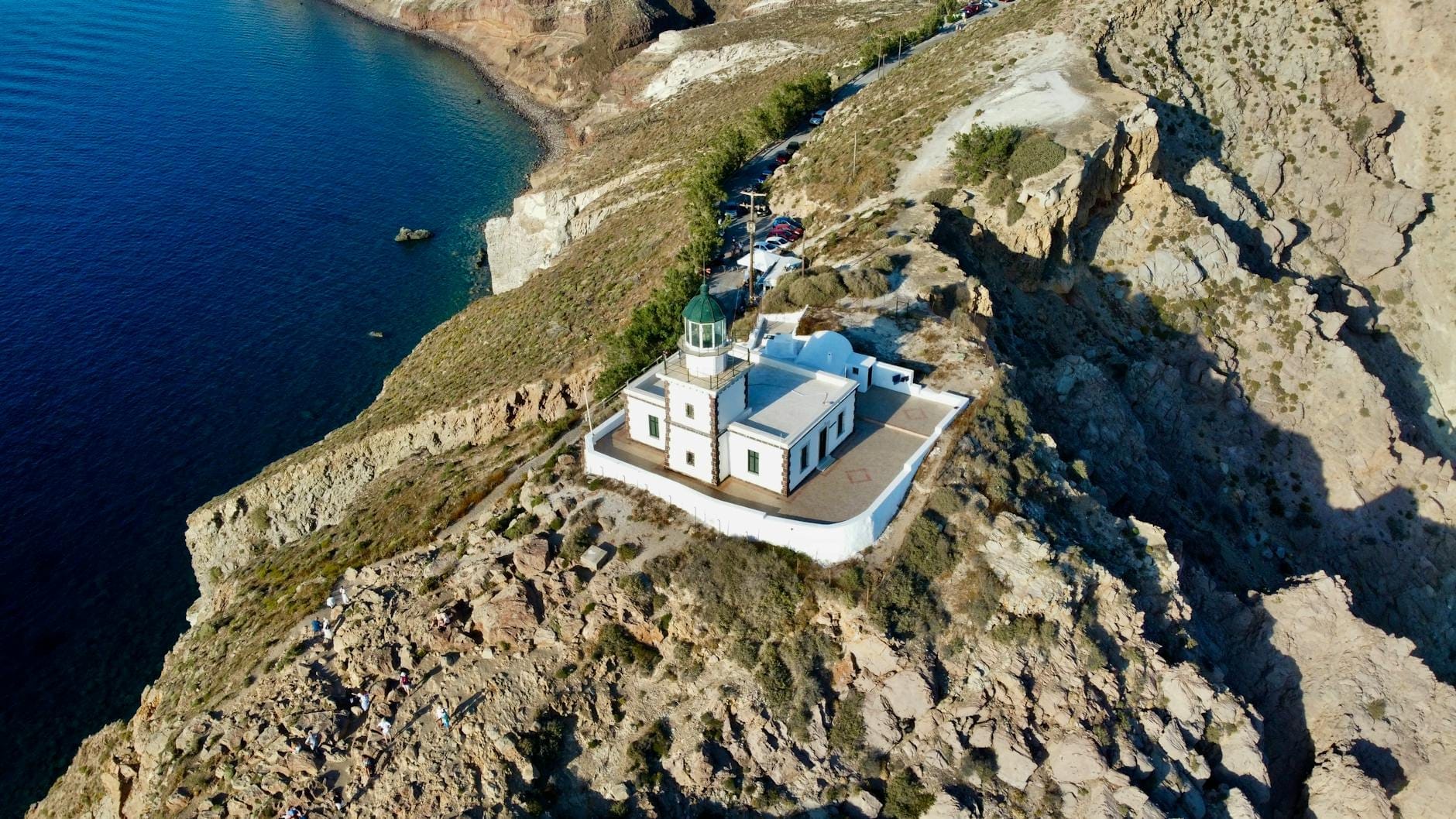
The Lighthouse of Akrotiri sits at the island's southern tip, a short drive past the village. It is one of the least-visited sunset viewpoints on the island, offering an unobstructed panorama that takes in the caldera to the north and Venetsanos Winery and Santo Wines, with open Aegean views to the south and west. The winery zone south of Akrotiri is also worth attention: Venetsanos Winery and Santo Wines are both close enough to visit as part of a southwestern circuit, and the island's distinctive assyrtiko grape thrives in this volcanic soil.
Akrotiri Archaeological Site: the island's most important historical attraction, enclosed for preservation
Red Beach: 15-minute walk from the site, dramatic volcanic cliffs
White Beach: accessible by boat or difficult path, best visited as part of a boat tour
Lighthouse of Akrotiri: quiet sunset alternative to Oia
Venetsanos Winery and Santo Wines: caldera-view wine tasting a short drive away
Akrotiri village: small, traditional settlement with local kafeneions and minimal tourist infrastructure
Eating & Drinking
The food scene around Akrotiri is modest compared to the caldera villages, and that is part of its appeal. The options near the archaeological site entrance cater primarily to day visitors: simple tavernas serving grilled fish, Greek salads, and mezedes at prices that are reasonable by Santorini standards. Portions are generous, the ingredients are fresh, and the experience is functional rather than curated.
For something more considered, the wineries in the surrounding area offer food pairings alongside their tasting menus. The caldera terrace at Venetsanos Winery in particular has become known for the quality of its views as much as its wines. The island's distinctive assyrtiko white wine, dry and mineral from volcanic soils, is worth trying here where the grape actually grows. For a deeper dive into what to drink and eat across the island, the Santorini wine guide and the what to eat in Santorini guide both provide good context.
After dark, dining options around Akrotiri are limited. The village has a few local spots but nothing resembling a restaurant strip. Visitors planning an evening here should either eat early at one of the tavernas near the site or plan to drive or take a taxi back toward Fira or the caldera villages for dinner.
⚠️ What to skip
Red Beach has no food vendors directly on the shore. Bring water and snacks for any extended time at the beaches, particularly in summer when temperatures and the lack of shade make the exposed coastal paths genuinely demanding.
Getting There & Around
Akrotiri is connected to Fira by the KTEL public bus network, which is the main form of public transport across Santorini. Buses run from the central KTEL terminal in Fira to Akrotiri, though frequency varies significantly by season and schedules should be confirmed directly with current transport information before traveling. The journey from Fira takes roughly 20-25 minutes by bus.
Taxis are available but in limited supply, and demand significantly outstrips supply during peak season from June through August. Pre-booked transfers or rental vehicles are the most reliable way to reach Akrotiri on your own schedule. A rental car or scooter also makes it easy to combine the archaeological site, Red Beach, the lighthouse, and the nearby wineries in a single half-day circuit, which is by far the most efficient way to see the southwestern corner of the island.
Some boat tours from the Old Port of Fira or Ammoudi Bay in Oia include White Beach and the waters around the southern headland as part of caldera circuits. This is the most practical way to reach White Beach if you do not want to navigate the difficult cliff path from Red Beach.
ℹ️ Good to know
The road from Fira to Akrotiri passes through Pyrgos before continuing to the lighthouse at the island's southern tip. With a rental vehicle, the full southwestern loop including the archaeological site, Red Beach, the lighthouse, and a winery visit takes around 4 to 5 hours at a comfortable pace.
Where to Stay
Accommodation in Akrotiri itself is limited: the village has a small number of studios, apartments, and small hotels, but nothing like the density of options in Fira or Oia. For travelers who prioritize quiet, proximity to the archaeological site, and distance from the crowds of the caldera villages, this is actually an advantage. Waking up near Akrotiri means arriving at the site before the tour groups without any logistical effort. For a broader accommodation comparison across the island, the where to stay in Santorini guide breaks down each area by traveler type and budget.
The surrounding area has a handful of upscale cave-house style properties taking advantage of caldera-edge positions, though these are scarcer here than further north along the rim. Budget travelers will find better value in Akrotiri than in Oia or Imerovigli, though the tradeoff is a longer journey to the main services and restaurant concentration in Fira.
Akrotiri is best suited to travelers who are visiting for the archaeological site, beach exploration along the volcanic southern coast, or wine touring, and who are comfortable using a rental vehicle for daily movement. It is not a good base for travelers who want to walk everywhere or who want evening entertainment within reach on foot.
Honest Drawbacks
The midday crowds at Red Beach during high season can be significant, and the access path from the site parking area is exposed, rocky, and has limited shade. The beach itself is small and gets congested. White Beach, while more photogenic, is genuinely difficult to access on foot and requires a boat for most visitors.
Without a vehicle, Akrotiri can feel isolated. The bus schedule is infrequent enough that spontaneous movement around the southwestern corner of the island is difficult. Taxis are unreliable during peak season without advance booking. Travelers who rely on walking or public transit will find their options constrained compared to staying in Fira or Imerovigli.
Finally, the village itself offers very little in the way of evening activity. This is not a place with bars, live music, or a social scene after dinner. Visitors who want nightlife or a lively atmosphere after dark should base themselves in Fira and visit Akrotiri as a day trip.
TL;DR
Akrotiri is Santorini's most archaeologically significant area, home to a Bronze Age site often compared to Pompeii and enclosed under a modern protective structure.
The southwestern coastline offers Red Beach and White Beach, with dramatically colored volcanic cliffs that look entirely different from the island's eastern black-sand beaches.
Best visited with a rental vehicle: the KTEL bus runs here but infrequently, and combining the site, beaches, lighthouse, and wineries in one loop requires flexibility.
Ideal for travelers prioritizing history, volcanic geology, and quieter beaches over the caldera-view scene of Fira and Oia.
Not a good fit for travelers who want evening entertainment, a walkable neighborhood, or easy access to the island's main restaurant and bar concentration.
Santorini's beaches are unlike anywhere else in Greece. Volcanic geology means most are black or dark-pebbled, with a handful of dramatic color exceptions. This guide covers every beach worth visiting, from the popular to the genuinely quiet.
Santorini rewards visitors differently depending on when they arrive. This guide breaks down every season by weather, crowd levels, prices, and what's actually open so you can pick the timing that matches your priorities.
Santorini rewards visitors who look beyond the caldera rim. This guide covers the best day trips from Santorini, from hiking to Oia and cruising the volcanic islets to hopping across to Folegandros, with full logistics, seasonal notes, and practical booking advice.
Santorini has no metro, no trains, and surprisingly limited taxis. This guide breaks down every transport option on the island — KTEL buses, rentals, taxis, rideshare, and ferries — with real fares, route details, and practical advice on what works best by season.
Santorini polarises travellers. The caldera views are genuinely spectacular, the volcanic landscape is unlike anywhere else in Greece, and the archaeology rivals anything in the Aegean. But the crowds are real, the prices are steep, and the hype can outpace the reality. Here is what you actually need to know before you book.
Santorini's black sand beaches are unlike anything else in the Aegean. Formed by volcanic eruptions and shaped by centuries of erosion, they come with their own rules, quirks, and logistics. This guide covers the main beaches, practical access, seasonal timing, and what first-timers always get wrong.
Santorini is far more than the famous blue domes and caldera selfies. This guide takes you beyond Oia and Fira to the island's medieval villages, wild volcanic beaches, serious wine caves, and ancient ruins that most visitors walk straight past.
Santorini rewards hikers with caldera rim panoramas, ancient ruins, volcanic craters, and medieval villages. This guide covers the island's best trails, from the classic Fira–Oia walk to off-the-beaten-path routes most visitors never find.
Santorini's history stretches back more than 3,600 years, from a sophisticated Bronze Age city buried by volcanic ash to Hellenistic temples, Venetian fortresses, and Byzantine monasteries. This guide covers every significant historical site on the island, with practical advice on when to visit and what to expect.
Santorini's caldera views, volcanic beaches, and world-class sunsets make it one of the most sought-after honeymoon destinations in Europe. This guide breaks down exactly where to stay, what to do, and what to skip so you can plan a trip that lives up to the hype.
September is arguably the smartest month to visit Santorini. The sea is warm, the light is golden, the harvest is underway, and the worst of the summer crowds have thinned. This guide covers everything from weather and pricing to what actually changes as the month progresses.
Three days is enough to cover Santorini's essentials without burning out. This itinerary balances the iconic caldera villages, the volcanic south, ancient ruins, and the island's wine country — with specific timing, realistic costs, and straight talk on where the crowds aren't worth it.
Santorini's luxury scene runs deep, from cliffside suites with direct caldera views in Oia and Imerovigli to upscale beach resorts along the black-sand coast. This guide breaks down where to stay, when to book, what to expect across price tiers, and which high-end experiences are actually worth it.
Santorini has a reputation for luxury prices, and that reputation is partly earned. But with the right timing, accommodation choices, and a few practical strategies, the island is far more accessible than most people expect. This guide breaks down real costs and shows you where to cut spending without sacrificing the experience.
Santorini is one of the world's most photographed destinations, but knowing exactly where to stand, when to arrive, and which lesser-known angles to seek out separates good photos from great ones. This guide covers 23 of the island's best photography locations, from the iconic caldera rim to wild volcanic beaches and medieval hilltop villages.
From semi-private catamaran cruises to full-day private charters, Santorini's boat tour market is crowded and easy to overpay on. This guide breaks down every major format, what each actually includes, real price ranges for 2025-2026, and the questions to ask before you book.
Santorini's sunsets are legendary, but not all viewpoints are equal. This guide covers the best spots across the island, from the famous to the overlooked, with practical advice on when to arrive, how to avoid the worst crowds, and which locations suit different styles of traveler.
Santorini's caldera is one of the most dramatic natural amphitheaters on the planet, and knowing where to stand makes all the difference. This guide covers the island's finest vantage points, from iconic sunset spots to quiet hilltops most visitors never find.
The Santorini caldera holds one of the Mediterranean's most dramatic geological stories. This guide covers the volcano's history, how to visit Nea Kameni and the Palea Kameni hot springs, how to choose a boat tour, and what most visitors get wrong before they arrive.
Two of Greece's most iconic Cycladic islands, but they deliver very different trips. This guide breaks down the real differences between Santorini and Mykonos across beaches, atmosphere, costs, food, and logistics, so you can choose the one that fits your travel style.
Santorini's Mediterranean climate shifts dramatically across the year, from bone-dry summers with 12 hours of daily sunshine to mild, stormy winters. This guide breaks down Santorini weather by month, covering temperatures, rainfall, sea conditions, and crowd patterns so you can choose exactly the right time to visit.
Santorini produces some of Greece's most distinctive wines, shaped by volcanic soils, searing heat, and ancient vines trained in basket shapes against the Aegean wind. This guide covers every wine style, the best wineries to visit, how to book tastings, and what to order with your food.
Santorini is famous for romantic sunsets and honeymoon hotels, but it genuinely works for families too. This guide covers the best beaches for kids, family-friendly activities, where to base yourself, and the practical details that actually matter when you're traveling with children.
Santorini rewards visitors who go beyond the postcard shots. This guide covers the best things to do in Santorini across every interest and budget, from ancient ruins and caldera hikes to sailing tours and wine tasting, with candid assessments of what is actually worth your time.
Santorini's cuisine is shaped by volcanic soil, Bronze Age agriculture, and a seafaring tradition. This guide covers every local dish worth ordering, the ingredients that make them unique, how much to expect to pay, and when to visit for the freshest seasonal produce.
Santorini's accommodation landscape splits cleanly between cliffside caldera villages and laid-back beach towns on the east coast. This guide breaks down every major area by cost, crowd level, and practicality so you can match your base to your actual travel style.