3 Days in Santorini: The Perfect Itinerary
Three days is enough to cover Santorini's essentials without burning out. This itinerary balances the iconic caldera villages, the volcanic south, ancient ruins, and the island's wine country — with specific timing, realistic costs, and straight talk on where the crowds aren't worth it.
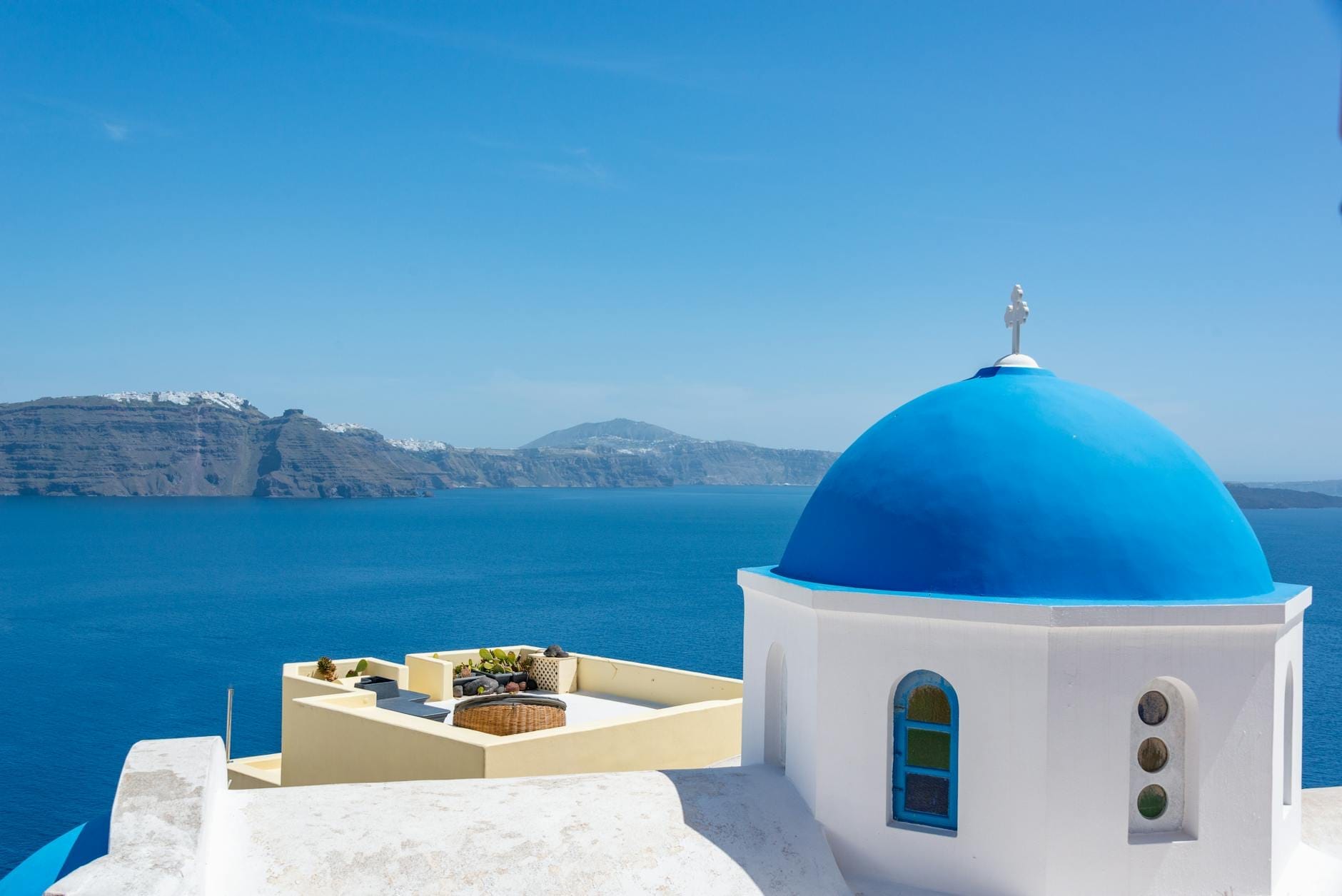
Plan and book this trip
Tools from our partner Travelpayouts help you compare flights and hotels. If you book through them, we may earn a commission at no extra cost to you.
Flights
Hotels map
TL;DR
- Three days covers the main pillars: caldera villages, the Fira–Oia hike, Akrotiri archaeological site, volcanic beaches, and wine tasting.
- Base yourself in Fira or Imerovigli for easy access to both the caldera trail and KTEL buses to the south.
- Start the Fira–Oia hike early (before 8am in summer) — it's 10 km with little shade and no water stops.
- Akrotiri archaeological site and Red Beach pair well on Day 2; the KTEL bus from Fira costs around €2 and takes roughly 20 minutes.
- April–June and September–October offer the best balance of weather and manageable crowds. See the full breakdown in the best time to visit Santorini guide.
How to Approach 3 Days in Santorini
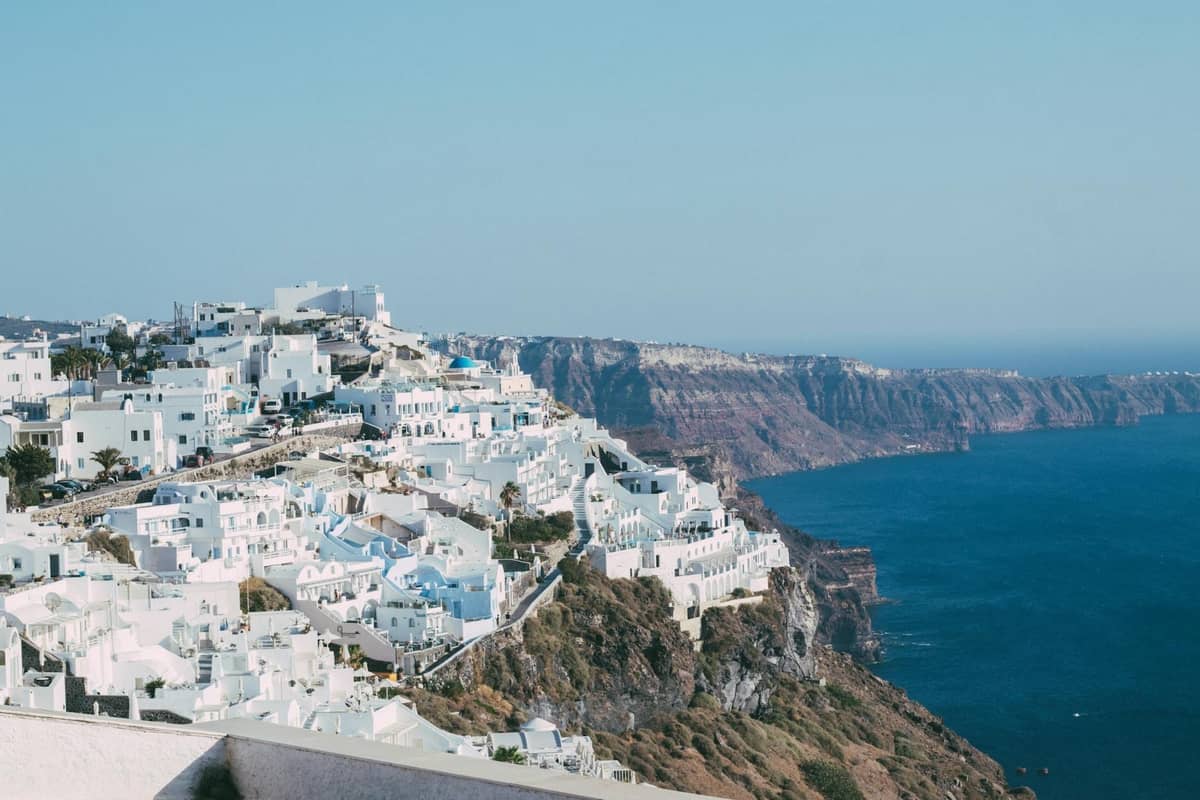
Santorini is a small island — the main volcanic crescent (Thira) covers about 76 km² — but it rewards a methodical approach. The island splits naturally into two tourism zones: the caldera rim in the north and west (Fira, Firostefani, Imerovigli, Oia) and the volcanic south (Akrotiri, Red Beach, White Beach, Perissa, Kamari). A well-structured santorini itinerary treats these as two distinct days, with a third day for flexibility, longer experiences like a boat tour, or simply slowing down.
Getting around requires planning. Santorini has no metro or rail, and taxis can be scarce at peak times. The KTEL bus network covers all major destinations from the central hub in Fira, with fares typically under €3. Renting an ATV or car unlocks more flexibility, especially for the south of the island. For full options, the getting around Santorini guide covers logistics in detail.
💡 Local tip
Book accommodation before planning anything else. Santorini has roughly 15,500 permanent residents and receives millions of visitors annually. Caldera-view rooms in Oia and Imerovigli sell out months ahead for July and August. If you're visiting in peak season, lock in accommodation first, then build your itinerary around it.
Day 1: The Caldera Rim — Fira to Oia on Foot
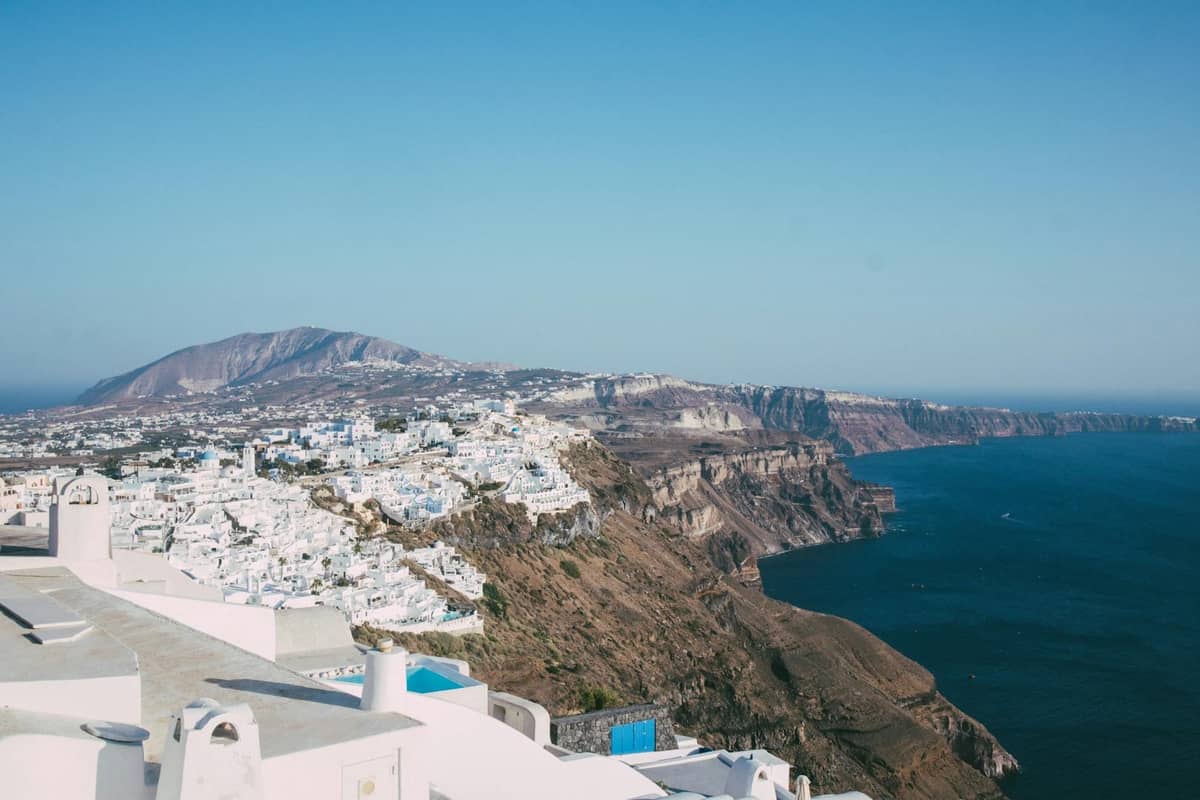
The Fira–Oia hiking trail is the single best way to understand Santorini's geography. The roughly 10 km route traces the caldera's western edge, passing through Firostefani and Imerovigli before descending into Oia. Allow 3–5 hours depending on pace and how often you stop. The views over the Santorini caldera are continuous and genuinely spectacular — the kind of perspective you cannot get from a road.
- Start time Before 8am in summer. The trail has minimal shade, and temperatures above 30°C make the final stretch brutal by midday. In September–October you can start at 8:30–9am comfortably.
- Footwear Proper walking shoes or trainers. The path has uneven stone, steep steps, and loose gravel. Sandals are a bad idea.
- What to carry At least 1.5 litres of water per person, sunscreen, and a hat. There are no reliable water or food stops along the trail itself.
- Partial route option If the full 10 km sounds too much, hike from Fira to Skaros Rock in Imerovigli (about 4 km) and take a bus back. This still gives you the best caldera panoramas without the full commitment.
Arrive in Oia by early afternoon, giving yourself time to explore before the sunset crowds arrive. Oia receives thousands of day-trippers specifically for sunset, and the main viewpoint at the castle ruins gets packed from around 6pm in summer. Walk the back lanes toward Oia's windmills for a less crowded vantage point, or find a restaurant terrace with a caldera view and watch from there. Dinner in Oia costs significantly more than in Fira — expect to pay €18–30 per main course at mid-range restaurants — but the setting justifies it once.
⚠️ What to skip
Do not climb on church domes or private rooftops for photos. This is a recurring issue in Oia in particular — property owners regularly ask visitors to leave, and in some cases it constitutes trespassing. Stick to public paths and official viewpoints.
Day 2: Akrotiri, Red Beach, and the Volcanic South
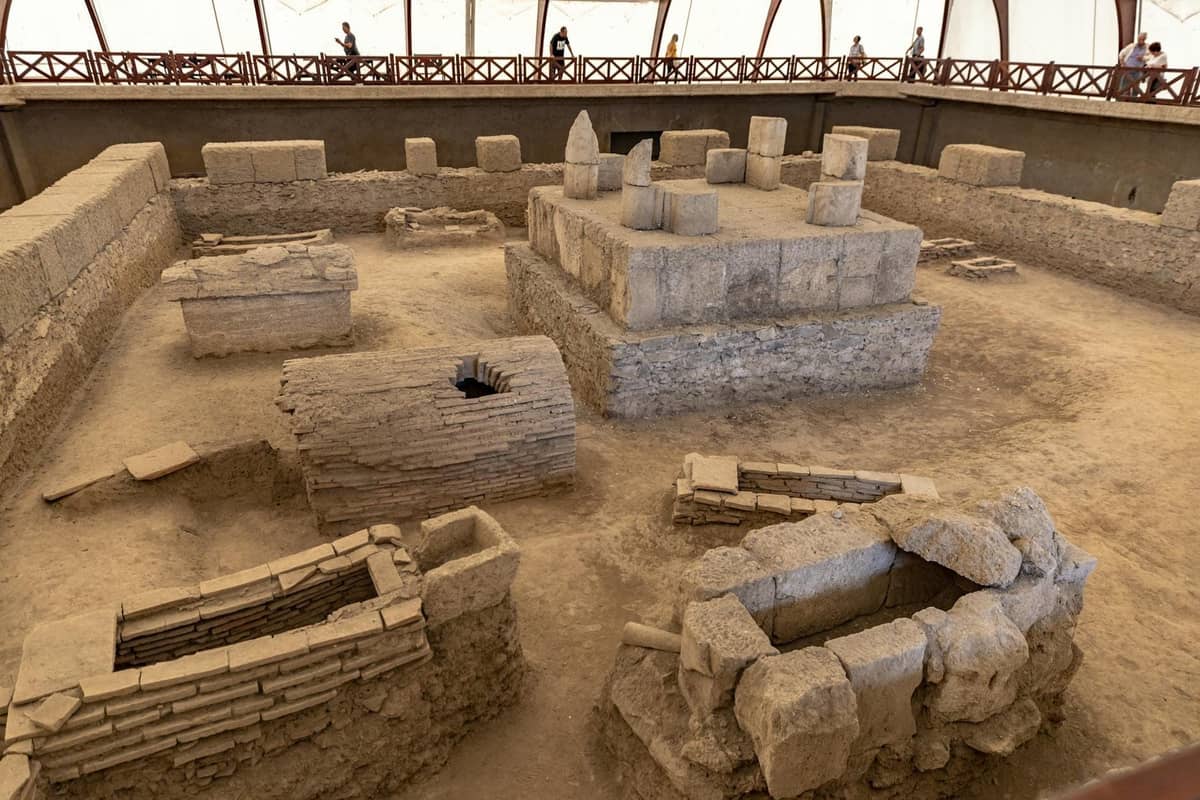
The southwestern part of Santorini is geologically and historically the most interesting part of the island, and most visitors underinvest time here. Start with the Akrotiri archaeological site — a Bronze Age town preserved under volcanic ash since roughly 1620–1530 BC. The site is often called a 'Greek Pompeii', and while that comparison has limits, it is fair to say the level of preservation is extraordinary. Multi-storey buildings, elaborate frescoes (now in Athens and displayed locally at the Museum of Prehistoric Thera in Fira), and intact street plans have survived. Allow 1.5–2 hours.
The KTEL bus from Fira to the Akrotiri site costs around €2 per adult and takes approximately 20 minutes, with a 250-metre walk from the bus stop to the entrance. If you plan to combine the site with Red Beach and White Beach in one morning, a taxi or pre-booked transfer is more practical and saves significant time.
After Akrotiri, walk south to Red Beach — about 1.5 km on foot from the site along a coastal path. The beach is compact and gets crowded in the afternoon, so arriving before noon is worthwhile. The red and black volcanic cliffs are visually striking, though the beach itself is not the most comfortable for swimming due to the rocky bottom and loose scree. White Beach, accessible by water taxi from Red Beach, is quieter and has cleaner water.
In the afternoon, consider a guided half-day tour that combines Akrotiri with beach stops — these typically start around €50 per person including transport and a guide, and save the logistical complexity of coordinating buses in the south. Alternatively, if you have your own vehicle, add the lighthouse at Akrotiri to the route. It sits at the island's southwestern tip with unobstructed views toward Crete on clear days.
Day 3: Wine Country, Pyrgos, and a Sunset Boat Tour
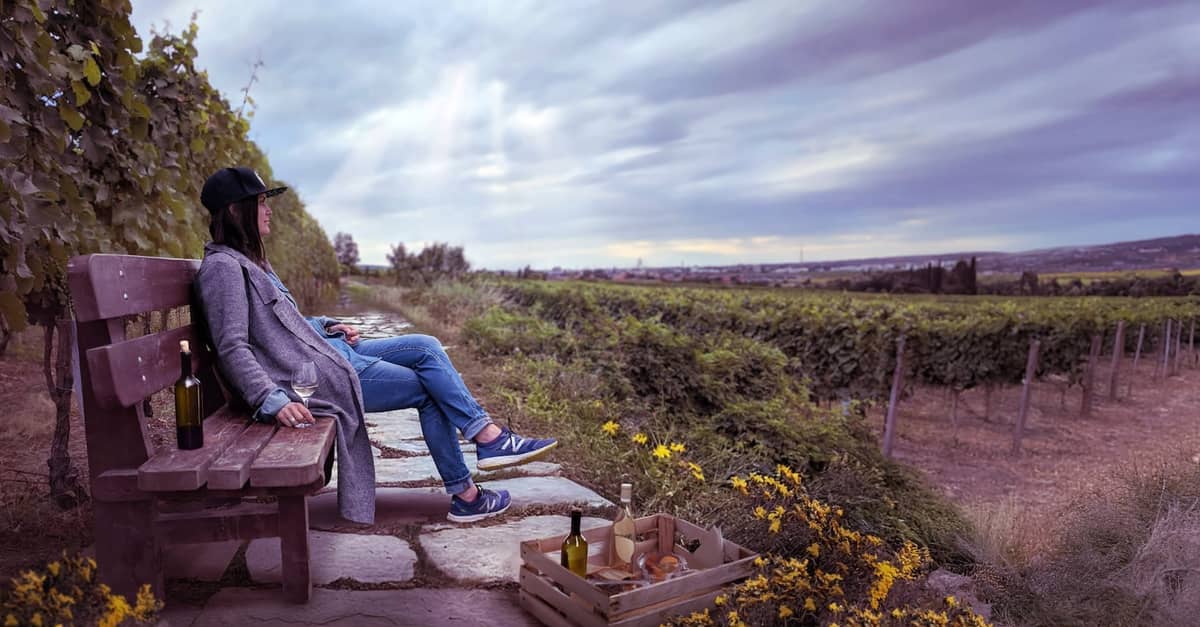
Santorini's wine culture is distinctive and genuinely worth time. The island's volcanic soil and the unusual basket-training method used for Assyrtiko vines produce wines unlike anything grown on the Greek mainland. The most accessible introduction is a wine tour through the inland villages, typically visiting two or three wineries including Santo Wines near Pyrgos, which has a caldera-view terrace, and the Venetsanos Winery above Megalochori. Small-group wine tours that include transport, 10–12 tastings, and a cheese platter typically cost €50–€60 per person and can be booked through operators on GetYourGuide or Viator.
Before or after the wineries, spend an hour in Pyrgos. This inland hilltop village was the island's medieval capital, and unlike Oia or Fira, it receives a fraction of the tourist traffic. The narrow lanes, the Venetian castle ruins at the summit, and the views across the entire island make it one of the most rewarding short stops on Santorini.
End Day 3 with a catamaran sunset cruise. These typically run 5–6 hours, departing mid-afternoon, and cover swimming stops at the Nea Kameni hot springs, Red Beach, and White Beach before anchoring for sunset on the caldera. Most include dinner, wine, and beer. Boats generally carry around 30 passengers. This is not the budget option — prices vary by operator and season, so check current rates when booking — but it provides a perspective of the caldera that no land-based viewpoint can replicate.
✨ Pro tip
Book the catamaran cruise at least a week ahead in July and August — the reputable small-group boats (under 30 passengers) sell out quickly. The larger party-boat options with 50+ passengers are still available day-of, but the experience is considerably different.
Practical Logistics for Your Santorini Itinerary
Santorini's main airport (IATA: JTR, officially Santorini (Thira) International Airport) sits about 6 km from Fira. Taxis are available but can queue on busy arrival days; a pre-booked private transfer offers fixed pricing and avoids the uncertainty. The KTEL public bus connects the airport to Fira at low cost, with seasonal timetables published on the official KTEL Santorini website.
- Where to stay Fira is best for budget and mid-range travellers who want transport links; Imerovigli offers caldera views with fewer crowds than Oia; Oia is highest price, highest visual payoff. Kamari and Perissa on the east coast are cheaper but require bus or vehicle to reach the caldera villages.
- Currency and payments Euro (EUR). Card payments are accepted at most restaurants and shops in tourist areas, but carry some cash for KTEL buses, small tavernas, and market stalls.
- Drinking water Do not drink tap water in Santorini. Buy bottled water from supermarkets — it is significantly cheaper than convenience stores or hotel mini-bars.
- Dress code Casual resort wear is appropriate everywhere outdoors. For churches and monasteries, covered shoulders and knees are expected; many sites provide wraps at the entrance.
- Emergency number 112 (EU-wide number). Country dialling code for Greece is +30.
The shoulder months of April–May and September–October offer the most practical conditions for this itinerary: temperatures in the mid-20s °C, lower crowds on the Fira–Oia trail, and all major sites fully operational. July and August are hotter and significantly more crowded, but the boat tours and evening atmosphere are at their peak. For a detailed month-by-month breakdown, the Santorini weather by month guide is worth checking before you book.
What This Itinerary Leaves Out (and Why)
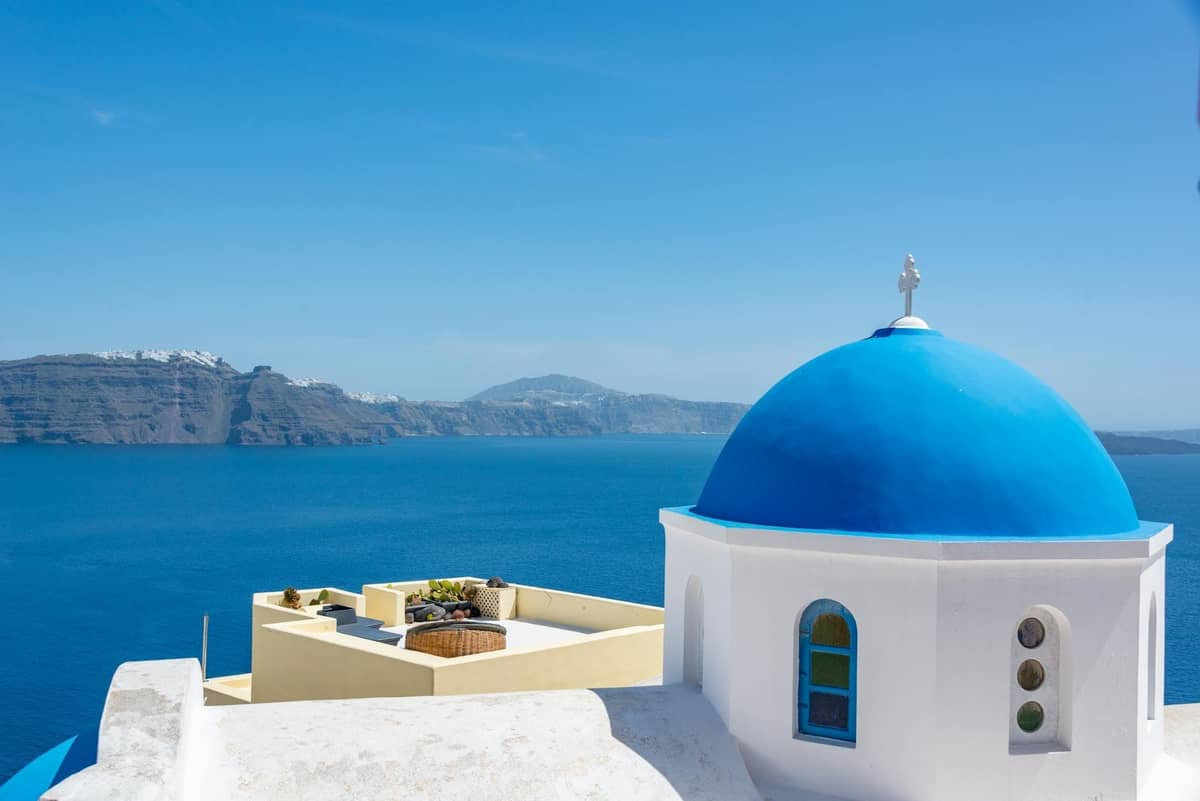
Three days does not cover everything. The island of Thirasia, visible across the caldera from Oia, is worth a half-day if you have a fourth day available — it remains largely unaffected by mass tourism and offers a genuine contrast to the main island. Kamari and Perissa beaches on the east coast are good for a full beach day but not the priority if your time is limited. The ancient Thera site above Kamari is historically significant but logistically demanding (steep road, limited transport), and is realistically only worth it for archaeology enthusiasts with a rental vehicle. The Santorini lesser-known spots guide covers the options that sit outside this core itinerary.
One honest note on Oia sunset: it is genuinely impressive, but the area around the main viewpoint at the castle is genuinely packed in summer, with hundreds of people jostling for position from around 90 minutes before sunset. If crowds frustrate you, watching from a restaurant terrace with a drink in hand is a more relaxed and arguably more enjoyable experience. The sunset is the same either way.
FAQ
Is 3 days enough for Santorini?
Three days covers the island's main attractions comfortably if you structure the itinerary well. You can do the Fira–Oia caldera hike, Akrotiri archaeological site, the volcanic beaches in the south, and a boat tour or wine tour on the third day. A fourth day adds room for Thirasia, slower mornings, or beaches you missed, but is not essential.
How difficult is the Fira to Oia hike?
The hike is around 10 km one way with moderate elevation changes, uneven stone surfaces, and minimal shade. It is not technically demanding, but in summer heat it can be exhausting if you start late. Most fit adults can complete it in 3–5 hours. Wear proper shoes, start before 8am in July and August, and carry at least 1.5 litres of water per person.
What is the best time of year for a 3-day Santorini trip?
April to June and September to October offer the best conditions: temperatures in the low-to-mid 20s°C, lower crowds on trails and beaches, and all major sites and tours still running. July and August are hotter and significantly busier, which affects everything from hiking to finding a taxi. October is particularly good — the weather is still warm enough for swimming and boat tours, and accommodation is cheaper.
How do I get around Santorini without a car?
The KTEL bus network runs frequently from the central hub in Fira to Oia, Akrotiri, Perissa, Kamari, and the airport and port. Fares are low (around €2–3 for most routes). Taxis are available but can be hard to find during peak season. For Day 2 in the south, a guided tour or pre-booked transfer often saves time and stress compared to navigating the bus schedule.
Should I base myself in Fira or Oia for 3 days?
Fira is the better base for a 3-day itinerary focused on logistics. It has the KTEL bus hub, more accommodation options across price ranges, and a wider range of restaurants. Oia is beautiful and has the caldera views, but accommodation costs more and it sits at the end of the hiking trail, meaning you are further from the southern sites. A practical compromise is Imerovigli, which sits on the caldera rim between the two, has slightly fewer tourists, and still has good bus connections.