White Beach, Akrotiri: Santorini's Most Dramatic Cove
Tucked beneath towering white volcanic cliffs on Santorini's southwestern coast, White Beach is a small, striking cove accessible only by boat. The contrast between the pale rock faces and the dark sand below makes it visually unlike anything else on the island. It rewards visitors who know what they're getting into.
Quick Facts
- Location
- Near Akrotiri village, southwestern Santorini, approx. 14 km south of Fira
- Getting There
- Shuttle boat from Akrotiri pier or Red Beach (approx. 5 EUR per person one way; verify locally). Also a stop on many catamaran tours.
- Time Needed
- 1 to 2 hours, depending on boat schedules
- Cost
- Beach access free; boat transfer approx. 5 EUR one way (verify locally); sunbed and umbrella rental available in season
- Best for
- Scenic swimming, photography, boat tour stops, escaping the main beach crowds
What White Beach Actually Is
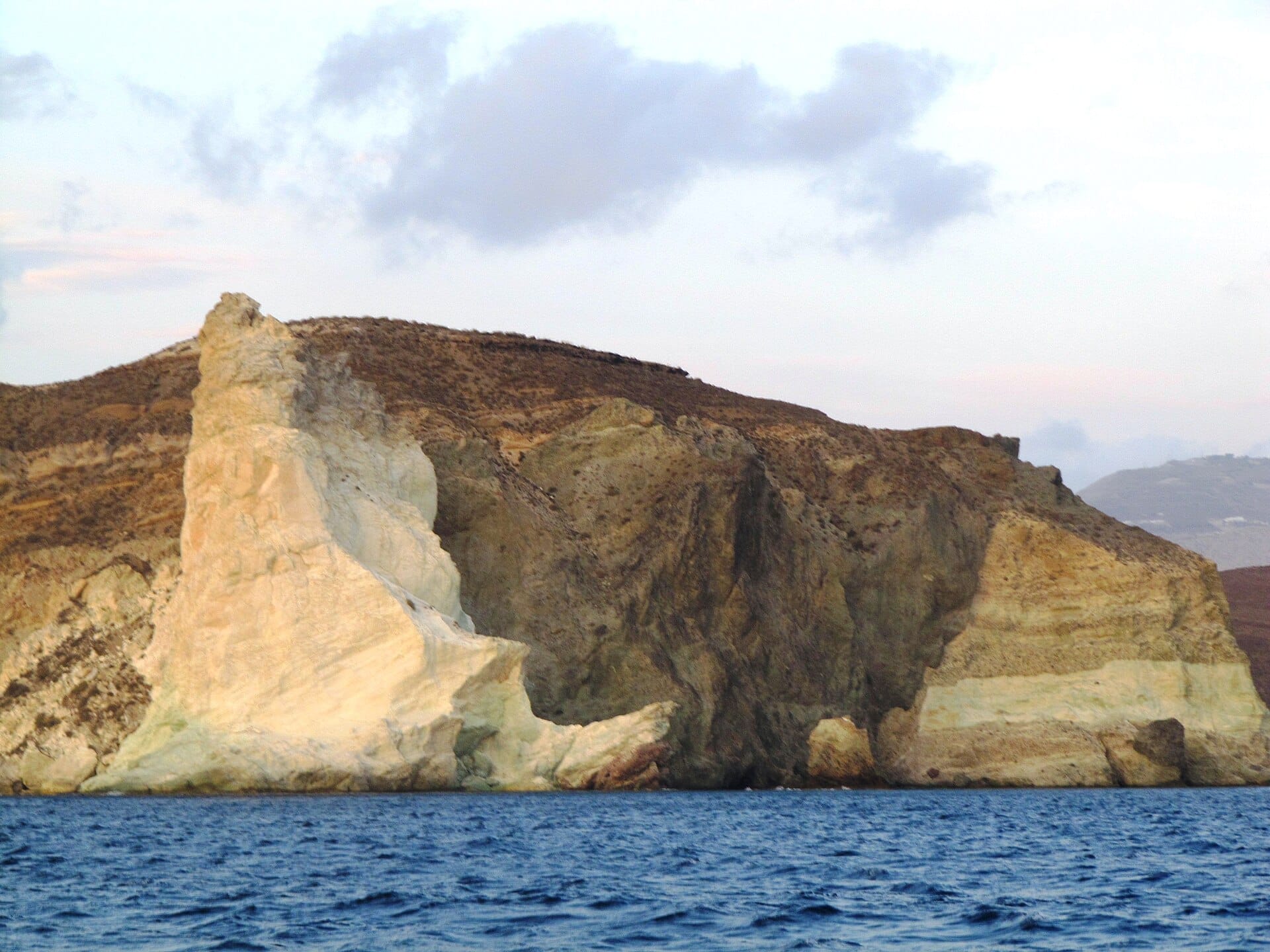
White Beach (Greek: Aspri Paralia or Aspri Ammos) is a narrow cove cut into the volcanic coastline just around the headland from Red Beach on Santorini's southwestern shore. The name refers to the cliffs, not the sand. The cliffs above the beach are pale white volcanic rock, streaked with mineral deposits and rising steeply from the waterline. The beach surface itself is dark gray to black volcanic sand mixed with pebbles and chunks of pumice, which creates a disorienting visual contrast that is genuinely striking in person.
The cove is small. There is no long promenade, no beach bar with a DJ, no room to spread out if a boat tour drops twenty people at once. What it offers instead is a kind of raw geological drama that Santorini's more famous beaches don't have. The cliffs close in on three sides, the sea opens ahead, and the sounds of the water bouncing off the rock walls give the place an almost enclosed, amphitheatre quality.
ℹ️ Good to know
White Beach is not walkable from the road. Practical access is by small shuttle boat from Akrotiri pier or from Red Beach, or as a stop on a catamaran or sailing tour. A rough footpath from Red Beach exists in theory but is genuinely difficult terrain and not recommended as a standard route.
Getting There: The Boat Access Explained
The most straightforward way to reach White Beach is to take one of the small shuttle boats that run from Akrotiri pier, near the entrance to the Akrotiri archaeological site, or from the Red Beach area. The boat ride itself takes only a few minutes and costs around 5 EUR per person one way, though prices and schedules can vary by season and operator, so confirm locally before you plan around it. Boats typically run during daylight hours in the main tourist season, roughly May through October.
White Beach also appears regularly as a swim stop on catamaran and sailing tours that depart from various points around the island. If you're already planning a boat trip around the caldera, this is often the most efficient way to see it. For more information on planning a boat day, see the Santorini sailing and boat tours guide.
Arriving by boat means disembarking via a short ladder into shallow water and wading onto the beach. This is standard practice and is manageable for most visitors, but it is worth knowing in advance, especially if you are traveling with anyone who has mobility limitations. There is no pier or dry landing at White Beach itself.
⚠️ What to skip
Bring water shoes. The seabed near shore is rocky and pebbly, and entry into the water is uncomfortable without foot protection. Do not assume you can pick up shoes on arrival; the on-site amenities are limited.
Tickets & tours
Hand-picked options from our booking partner. Prices are indicative; availability and final rates are confirmed when you complete your booking.
Luxury Sunset Cruise in Santorini
From 120 €Free cancellationCruise of the volcanic islands around Santorini
From 45 €Instant confirmationFree cancellationGuided e-bike tour in Santorini
From 90 €Instant confirmationFree cancellationSantorini audio guide with TravelMate app
From 5 €Instant confirmation
What You'll Find When You Arrive
The beach is compact. The shoreline is made of coarse dark volcanic sand and rounded pebbles, with chunks of white pumice scattered throughout. The cliffs behind and to the sides rise dramatically, close enough that you feel the scale of them from the water. There is no natural shade whatsoever. The cliffs provide shade in the early morning and again in the late afternoon as the sun moves behind the ridge, but during midday the cove is fully exposed.
A small canteen operates out of a cave house cut into the cliff face during the main tourist season. It sells drinks and basic snacks, and rents out sunbeds and umbrellas. This is the only facility on the beach. There are no toilets, no showers, and no other services. If you need anything beyond a cold drink, bring it with you.
The water visibility here is good. The cove is reasonably sheltered from the prevailing winds that come from the north in summer, which means the surface is often calmer than at Santorini's east coast beaches. Snorkeling along the base of the cliffs can be rewarding, with the underwater rock formations continuing the visual drama of what's above the waterline.
How the Experience Changes by Time of Day
Morning arrivals, roughly before 10:00, have the clearest sense of the place before boat traffic picks up. The light hits the white cliffs at a low angle, pulling out the texture and color variation in the rock. The water at that hour is often calmer and a deeper blue-green. If you are there primarily to photograph the cliffs or simply want space to swim without company, earlier is consistently better.
Midday from around 11:00 through early afternoon is peak time. Catamaran tours tend to arrive during this window, and the small beach can feel noticeably crowded given its limited size. The sun is directly overhead, the heat in the enclosed cove is intense, and the white cliffs reflect the light. This is not necessarily a reason to avoid it, but set expectations accordingly.
Late afternoon, from about 15:30 onward, brings two things: the cliff shade creeps across part of the beach, and most of the day-tour boats have departed. The light on the cliffs shifts to warmer tones. If you combine a visit with a stop at nearby Red Beach earlier in the day, arriving at White Beach in the late afternoon makes practical and sensory sense.
The Geology Behind the Visual Drama
The name White Beach is geological, not sandy. The cliffs above the cove are composed primarily of pale volcanic rock, including pumice and light-colored lava formations deposited during Santorini's long eruptive history. This is the same volcanic landscape that created the caldera visible from Fira and Oia, and the colored beaches along the southwestern coast are all expressions of different mineral compositions in the volcanic rock.
Red Beach, just around the headland, gets its coloring from iron-rich red lava. White Beach sits in a pocket where lighter volcanic materials dominate. The contrast between the cliff faces and the dark sand below reflects the layered geological history of the island. For more context on how Santorini's volcanic activity shaped both its landscape and its cultural identity, the Santorini volcano and hot springs guide covers the broader picture.
The cliffs are the reason to come. The beach itself, measured purely as a swimming and sunbathing spot, is not exceptional by Greek standards. But within the context of Santorini's volcanic landscape, White Beach reads as a concentrated, accessible version of what makes the island's coastline distinct.
Practical Notes: What to Bring and What to Know
Pack everything you need before boarding the boat. That means sunscreen, water shoes, drinking water, food if you plan a longer stay, and a bag that can handle getting wet or sandy. Towels and dry bags are worth the small effort. The cave canteen is there for drinks in season, but it is not a substitute for preparation.
Photography of the cliffs is best from the water or just at the shoreline looking back toward the cliff face. A wide-angle lens or the widest setting on a smartphone camera will capture more of the cliff height. The cliffs at midday are very bright against the dark sand and dark water, so exposure adjustment helps. Early morning and late afternoon light reduces the contrast and produces more nuanced tones.
Visitors who find the boat-access format appealing but want a fuller day at the beach are generally better served by Red Beach, which is directly accessible by foot from the road and has more space and facilities. White Beach works well as a complement to Red Beach, not necessarily a replacement for it. The two are close enough to combine in a half-day without any difficulty.
💡 Local tip
If you are visiting the Akrotiri archaeological site, the boats to White Beach depart from very close to the site entrance. Combining both in the same morning, starting with the archaeological site at opening time and taking the boat to White Beach afterward, is a practical and rewarding sequence.
Honest Assessment: Who Will Love It and Who Will Not
White Beach delivers something specific and delivers it well. The cliff scenery is genuinely dramatic, the boat access adds a sense of arrival, and the relative quiet at off-peak hours makes it feel removed from the island's tourist infrastructure in a way that the larger beaches do not. If that sounds appealing, it probably is worth a half-day.
Visitors who prioritize long stretches of sand, reliable facilities, easy parking, or relaxed water entry will find White Beach uncomfortable and underwhelming. The rocky seabed, limited services, and small size are not flaws that can be worked around. Families with young children or visitors with mobility considerations should factor the boat ladder entry and lack of amenities into their decision. For comparison, Perissa Beach or Kamari Beach offer much more in the way of facilities and ease of access.
White Beach is also weather-dependent in a way that the road-accessible beaches are not. If winds pick up or the sea is rough, the shuttle boats may not run and catamaran tours may skip the stop. Always have a backup plan for the day.
Insider Tips
- Take the first boat of the day, typically departing early to mid-morning from Akrotiri pier. The beach is quieter, the light on the cliffs is more interesting, and you will have left before the catamaran crowds arrive.
- If you are on a catamaran tour that includes White Beach as a swim stop, jump in immediately on arrival. The boat will not stay long, and the water directly below the cliffs is the most scenic spot for both swimming and photographs.
- The cave canteen is seasonal and may not be open in shoulder months like late April or early October. Do not count on it being operational; bring your own water and snacks.
- Pale or white clothing photographs extremely well against the cliff backdrop here. The contrast between the white rock and dark sand is a ready-made composition that requires almost no setup.
- If the shuttle boats are not running when you arrive at Akrotiri pier, check at the Red Beach approach area, where additional boat operators sometimes work. The two departure points are within short walking distance of each other.
Who Is White Beach For?
- Travelers on a catamaran or sailing day trip who want a memorable swim stop with genuine visual payoff
- Photography-focused visitors who want Santorini's volcanic geology up close and without the Oia crowds
- Couples looking for a quieter, more unusual beach experience than the main east coast strips
- Visitors combining a morning at the Akrotiri archaeological site with an afternoon on the water
- Anyone who has seen Red Beach and wants to extend the southern coast experience into a more dramatic setting
Nearby Attractions
Other things to see while in Akrotiri:
- Akrotiri Archaeological Site
Buried by a volcanic eruption around 1600 BC and preserved beneath layers of pumice for over three millennia, the Akrotiri Archaeological Site offers a rare, immersive window into a sophisticated Bronze Age civilization. Walk elevated walkways above multi-storey stone buildings, intact staircases, and ceramic storage vessels still standing where ancient inhabitants left them.
- Lighthouse of Akrotiri
Perched on the cliffs at Santorini's southwestern tip, the Akrotiri Lighthouse is a working 19th-century lighthouse with sweeping views of the Aegean and the caldera. Free to visit and far less crowded than the island's famous sunset spots, it rewards travelers willing to make the drive.
- Red Beach
Red Beach (Kokkini Paralia) sits at the southwestern tip of Santorini near Akrotiri, where iron-rich cliffs plunge into dark, rust-colored sand. It is one of the most geologically striking beaches in the Aegean, though ongoing rockfall hazards mean knowing what you're getting into before you arrive.
- Tomato Industrial Museum
Set inside a converted 1945 tomato-paste factory at Vlychada on Santorini's south coast, the Tomato Industrial Museum "D. Nomikos" tells the story of an industry that once defined island life. Expect machinery dating to 1890, filmed worker testimonies, and a surprisingly moving taste of what Santorini looked like before the tourists arrived.