Best Time to Visit Santorini: A Practical Month-by-Month Guide
Santorini rewards visitors differently depending on when they arrive. This guide breaks down every season by weather, crowd levels, prices, and what's actually open so you can pick the timing that matches your priorities.
Plan and book this trip
Tools from our partner Travelpayouts help you compare flights and hotels. If you book through them, we may earn a commission at no extra cost to you.
Flights
Hotels map
TL;DR
- The best time to visit Santorini for most travelers is late April to early June or September to mid-October: good weather, manageable crowds, and lower prices than peak summer. See our month-by-month weather breakdown for full temperature and rainfall data.
- July and August are the hottest, most expensive, and most crowded months. Fira and Oia become genuinely congested. Book everything months in advance or avoid entirely if crowds bother you.
- September is widely considered the sweet spot: sea temperatures are at their warmest, temperatures sit around 24–27°C, and visitor numbers drop noticeably after the first week.
- Winter (November to March) is not a complete shutdown — Fira stays partially open — but many beach resorts, boat tours, and caldera restaurants close. Budget travelers can find serious discounts.
- If you're planning a romantic trip or honeymoon, timing matters more than most visitors realize. Our Santorini honeymoon guide covers the best months for that too.
Santorini's Four Seasons at a Glance
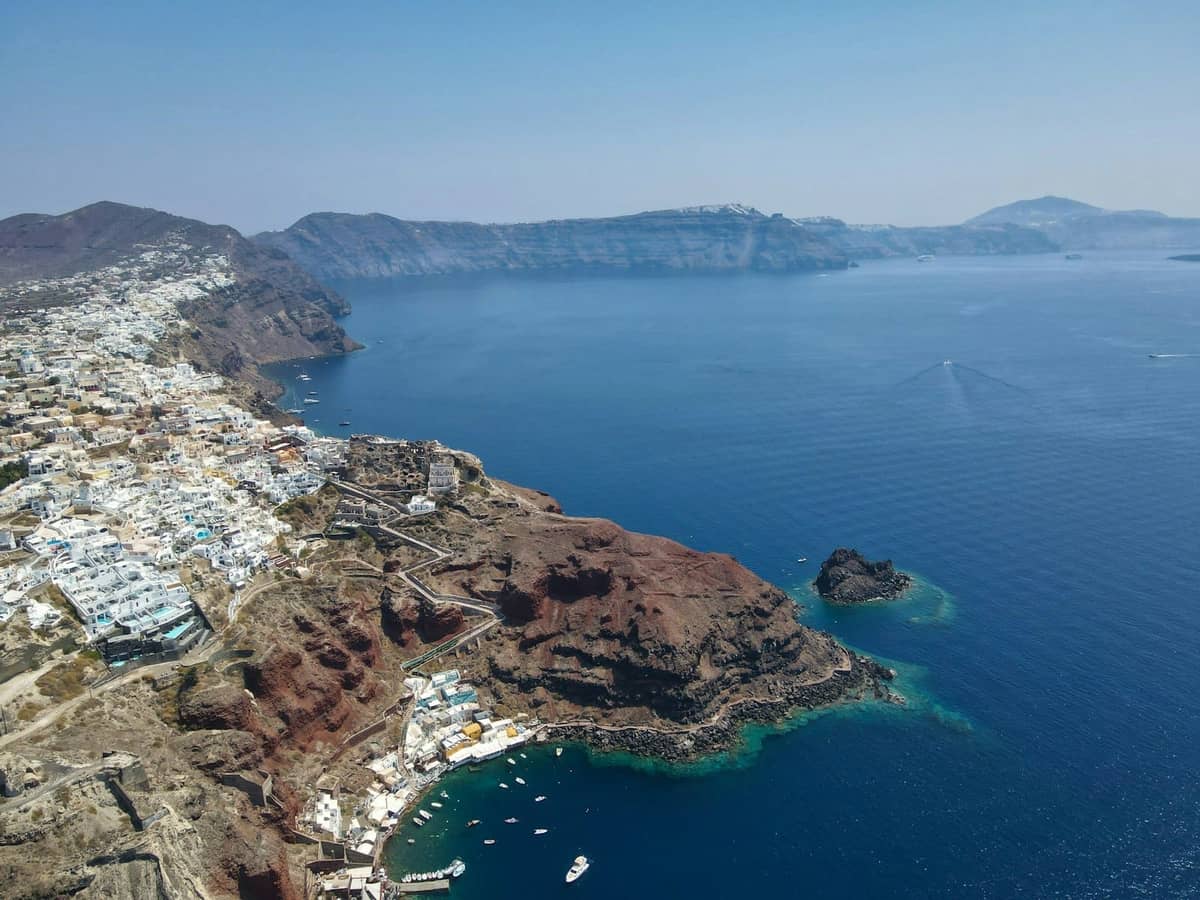
Santorini (officially Thira) sits in the southern Cyclades and follows a classic Mediterranean pattern: hot, dry summers and mild, wetter winters. The island's tourist infrastructure is deeply seasonal, which means the 'best' time depends almost entirely on what you want from the trip. Here's an honest breakdown of each season before we go deeper.
- Spring (March to May) Temperatures climb from around 13°C in March to 21°C by late May. Landscapes are green and flowering. Most businesses open by late April, and crowds are light. Ideal for hiking and sightseeing.
- Summer (June to August) Peak season. Highs of 25–35°C, near-zero rainfall, full services open, but the island gets heavily congested. July and August are the busiest and most expensive months by a significant margin.
- Autumn (September to November) September and October offer warm temperatures (18–27°C), warm seas, and noticeably thinner crowds. November turns quieter and cooler, and many businesses close by the end of the month.
- Winter (December to February) Mild but rainy, with highs around 14–18°C. The majority of beach-area hotels, tour operators, and restaurants close. Fira remains operational with a small selection of open establishments.
The Peak Season Problem: Why July and August Aren't Always Best
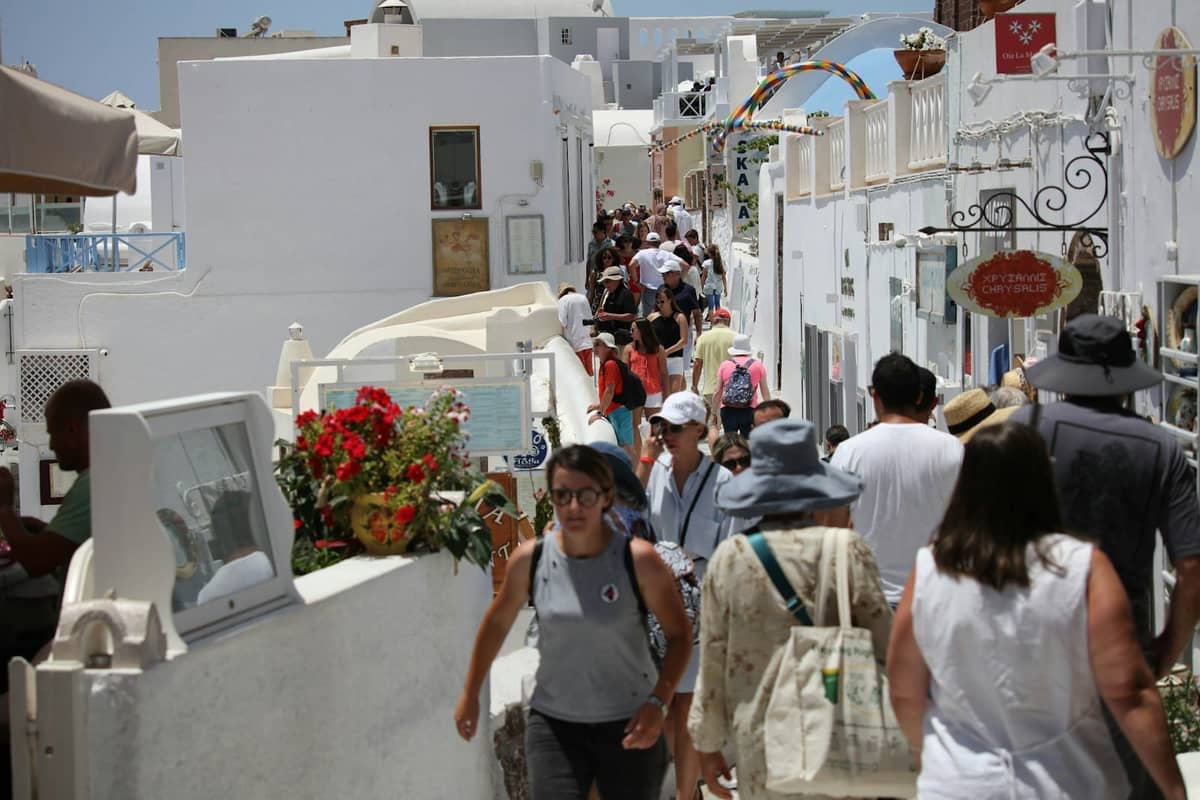
July and August deliver everything Santorini is famous for: guaranteed sunshine, full nightlife, every restaurant and tour operating at capacity. But there's a real cost beyond the inflated prices. The caldera path between Fira and Oia, which takes about two hours to walk, can feel uncomfortably crowded. Oia's famous sunset point draws hundreds of people jostling for the same angle. Taxi waits get long, and the KTEL buses run packed.
Accommodation prices during this window are at their annual peak, and caldera-view rooms in Oia or Imerovigli require booking three to six months in advance for popular dates. If you're set on July or August, book early, accept the crowds as part of the experience, and build flexibility into your days. Arriving at sunrise rather than sunset for key viewpoints makes an enormous practical difference.
⚠️ What to skip
August is specifically cited by many long-term visitors as the month where Santorini's infrastructure gets genuinely strained. The combination of cruise ship day-trippers, peak-season flights, and independent tourists converging on a 76 km² island can make simple tasks — finding a taxi, getting a table, walking the main path — frustrating. Go in August only if you've planned specifically around it.
The Sweet Spot: April–June and September–October
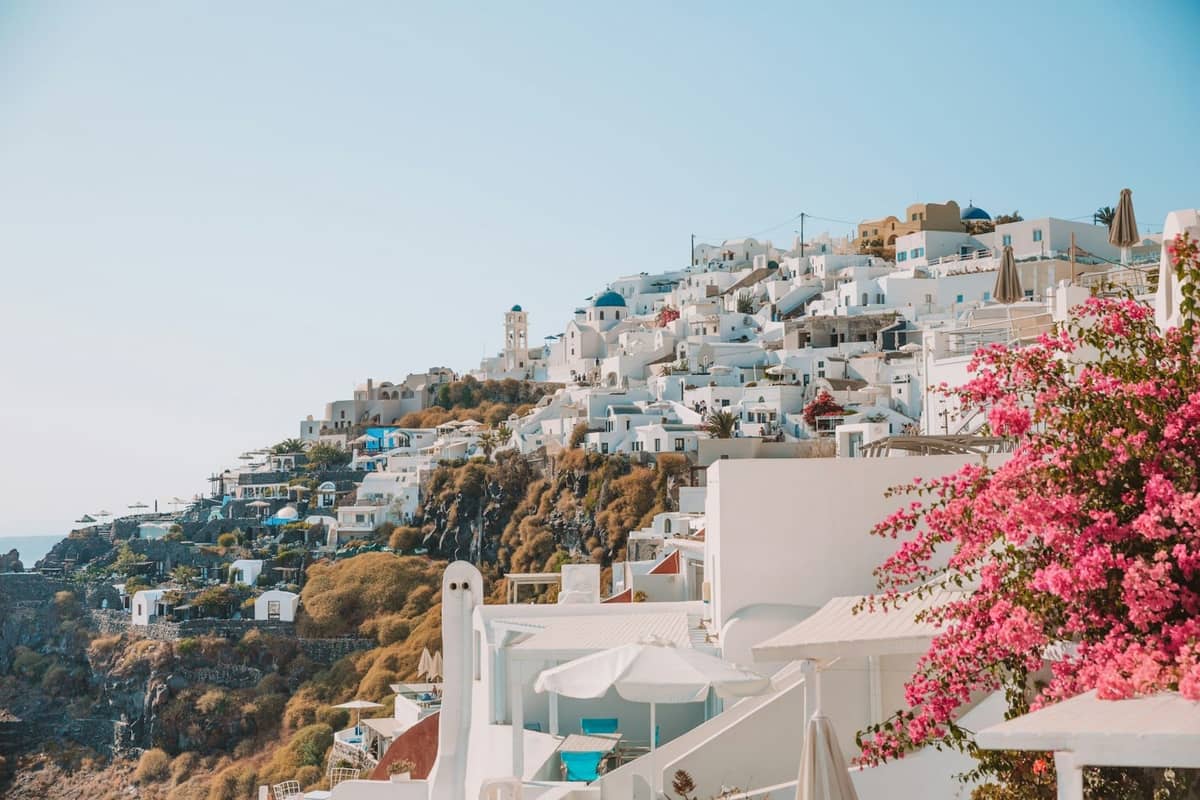
These shoulder months represent the clearest answer to the question of the best time to visit Santorini for most travelers. Late April through June brings warm, stable weather — typically low‑20s°C in May, rising to around 26–28°C by late June — without the suffocating crowds of midsummer. Everything is open: Santo Wines and Venetsanos Winery are running full tastings, sailing tours depart daily, and you can actually walk the Fira to Oia hiking trail without stopping every 30 seconds for oncoming foot traffic.
September is the most recommended single month among experienced Santorini travelers. The Aegean Sea reaches its warmest temperatures of the year — around 23–24°C — making it the best month for swimming and sailing around the caldera. The light in September also has a quality that photographers specifically seek out: golden, lower-angle sun that flatters the white architecture. Crowd numbers drop noticeably after the first week of September, and prices at many hotels begin to soften.
October is excellent for the first two weeks, then becomes unpredictable. Rain becomes more likely, and an increasing number of smaller businesses begin closing for the season. If you're visiting in October, aim for early-to-mid month and check that specific tours and attractions you want are still operating.
✨ Pro tip
For the best balance of all factors, aim for the second or third week of September. Prices are lower than August, sea temperatures are at their peak, and the island's atmosphere shifts to something noticeably more relaxed. Book at least six to eight weeks ahead for caldera-view accommodation, even in September.
Best Time by Travel Style and Priority
There's no single correct answer because different visitors want different things. Here's how to match your timing to your priorities.
- Photography and sunsets September and October for the quality of light. Spring (late April to May) for green landscapes and wildflowers against the white architecture. Avoid August crowds at the Oia sunset viewpoint — try the lighthouse at Akrotiri instead for a less congested shot.
- Budget travel November through March offers the steepest discounts on flights and accommodation. Fira stays partially open, but expect a quiet, local-facing island experience. Late October and early November can work well if you don't need beach weather.
- Beaches and swimming July to September for warmest water. Perissa and Kamari on the east coast are among the most accessible. Red Beach near Akrotiri and White Beach are best in calmer late-summer conditions when the sea isn't too rough.
- Hiking and archaeology April, May, and October for comfortable temperatures on the trail. The Fira to Oia hike in August heat is genuinely unpleasant. The Akrotiri archaeological site is open year-round but verify hours, which change seasonally.
- Wine tourism The harvest season runs from late August into September, which is the most interesting time to visit wineries. The volcanic soil of the island produces distinctive Assyrtiko grapes and the unique basket-trained vines are a sight in themselves.
- Honeymoons and romance Late May, June, and September are considered the most romantically atmospheric months — warm, not brutally hot, with fewer day-trippers. July and August feel too frenetic for an intimate stay.
What's Open (and Closed) Through the Year
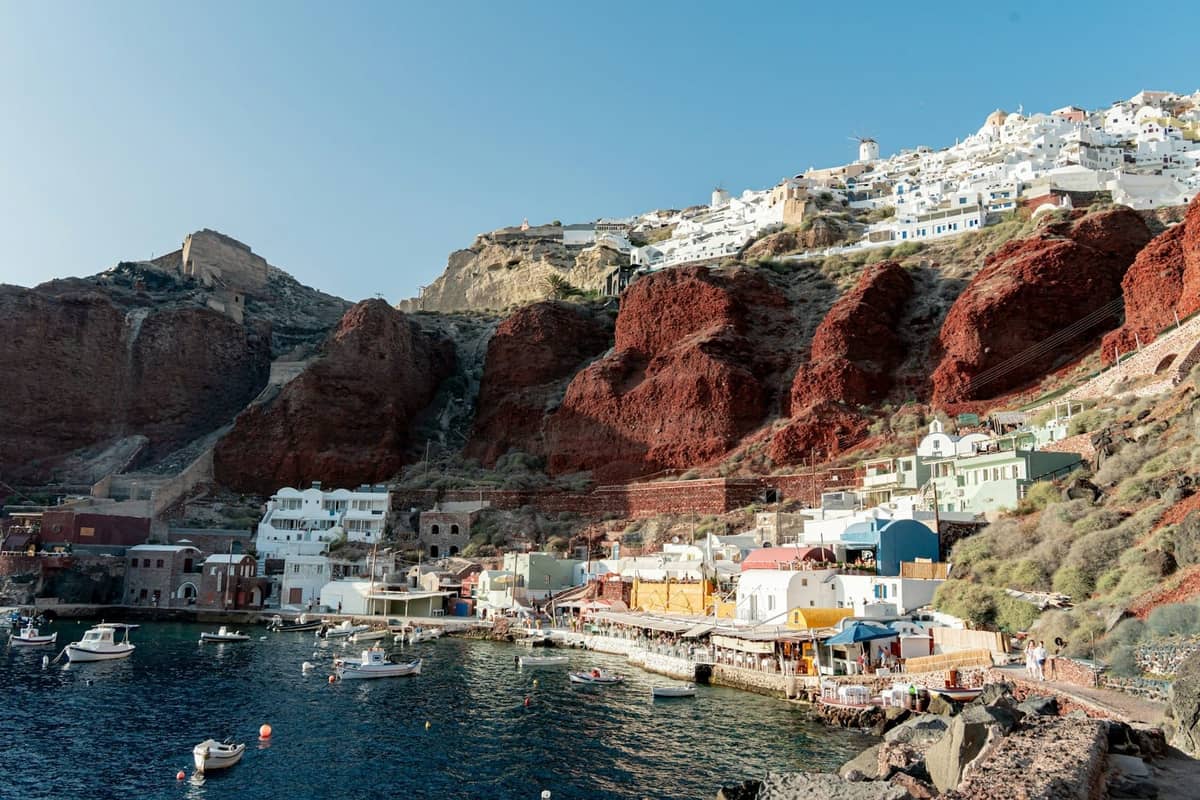
Understanding Santorini's seasonal operating patterns saves a lot of frustration. The island's tourist infrastructure runs roughly from April to late October at full capacity. Fira, as the island capital and transport hub, maintains open restaurants, pharmacies, and services year-round. Smaller villages like Oia and Imerovigli retain a handful of open businesses in winter but operate at a fraction of their summer capacity.
Beach resort areas like Kamari and Perissa essentially shut down between November and March. Most beach clubs, watersports operators, and beach-adjacent restaurants close by late October. If a beach-focused trip is what you want, plan for May through October and do not expect to find it operational outside that window.
Boat tours, sailing excursions, and volcano trips to Nea Kameni typically operate from April through October. Ferry connections from Piraeus and other Cycladic islands run more frequently in summer. Winter ferries do operate but on reduced schedules, so if you're visiting in the off-season, check timetables carefully in advance.
ℹ️ Good to know
Key archaeological sites including the Akrotiri excavation and the Museum of Prehistoric Thera in Fira remain open through winter, though with reduced hours. These are excellent reasons to consider an off-season visit if cultural tourism is your focus. Always confirm opening hours directly before visiting, as they change seasonally.
A Practical Month-by-Month Summary
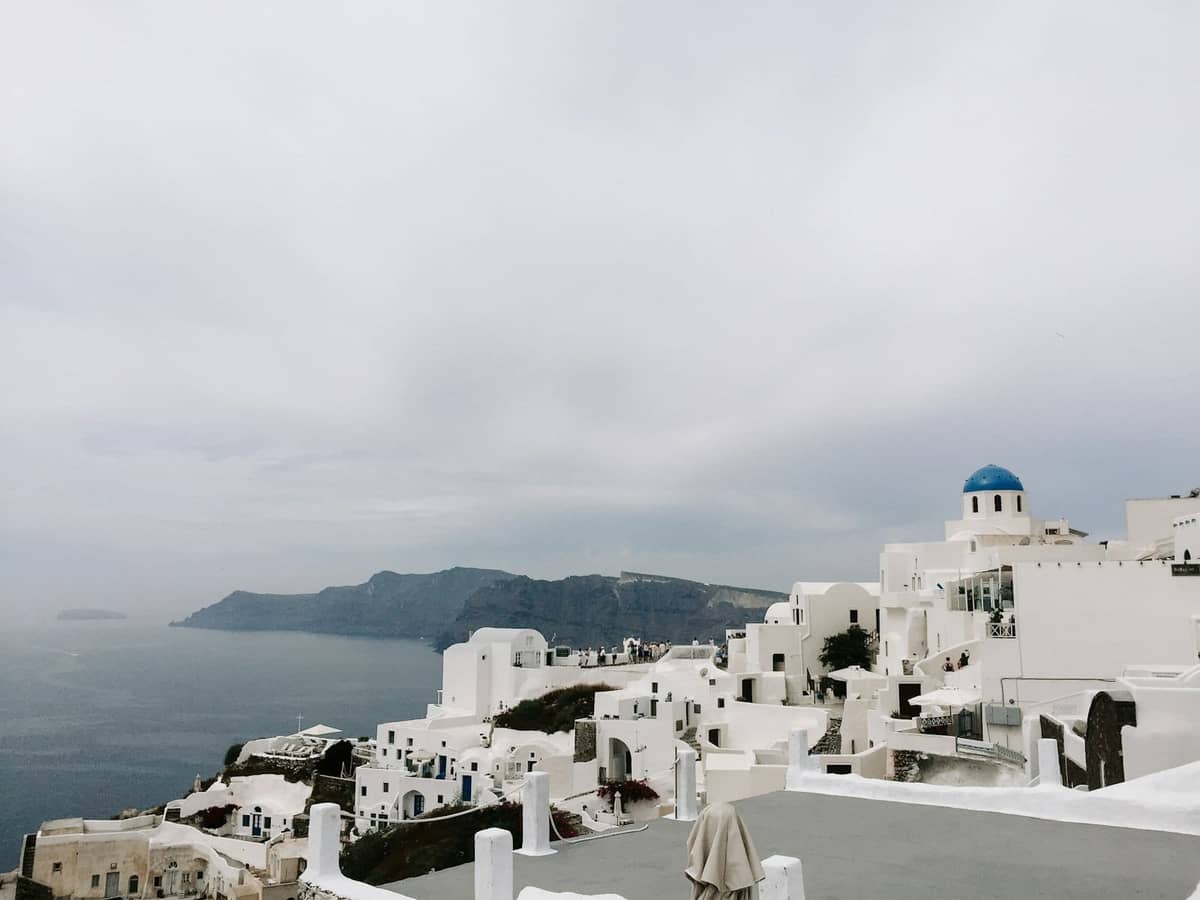
For a fully detailed temperature, rainfall, and crowd breakdown month by month, see our complete Santorini weather guide. The summary below covers the practical implications for trip planning.
- January–February Coldest and quietest months. Highs around 14–15°C, regular rainfall, most tourist businesses closed. Lowest prices of the year. Suitable only for travelers who specifically want solitude and minimal cost.
- March Still quiet and cool. A few businesses begin reopening by late March. Not recommended unless you have specific reasons (budget, archaeological focus, off-grid experience).
- April The island wakes up. Temperatures climb to around 18–20°C by late April, most main businesses open, and Easter (dates vary) brings a distinctive local atmosphere worth experiencing.
- May Excellent month. Warm, green, manageable crowds. Around 21–24°C. One of the best months for hiking and photography.
- June Still good. Temperatures reach 26–28°C, crowds building but not yet overwhelming. The last calm month before high season.
- July Peak season begins in earnest. Hot (28–32°C+), expensive, busy. Best for nightlife and guaranteed sun. Plan obsessively or avoid.
- August Busiest and hottest month. Everything at maximum capacity. Excellent if crowds don't bother you and you've booked everything months ahead.
- September Widely regarded as the single best month overall. Warm sea, warm air (24–27°C), thinning crowds after the first week, early price drops. Harvest season at the wineries.
- October First half is still excellent. Second half gets unpredictable with some rainfall. Prices drop further. Some operators close mid-month.
- November Transition month. Noticeably cooler (14–18°C), wetter. Most beach infrastructure closed. Fira-focused visits are feasible at very low cost.
- December Quiet and discounted. A small number of travelers visit for the peaceful atmosphere and the island's low-key Christmas feel. Not for sun-seekers.
However you time your visit, the island offers more than most travelers expect. For a structured overview of what to do once you're there, the complete Santorini activities guide and our 3-day Santorini itinerary are the most practical starting points.
FAQ
What is the best month to visit Santorini?
September is the single most recommended month for most travelers. The sea is warmest, daytime temperatures sit around 24–27°C, crowds thin noticeably after the first week, and prices begin dropping from August highs. Late May and June are strong alternatives if you prefer a slightly cooler and even quieter experience.
How crowded is Santorini in July and August?
Very crowded. July and August are the peak months, drawing not only overnight visitors but also cruise ship day-trippers who descend on Fira and Oia simultaneously. Popular spots like the Oia sunset viewpoint and the caldera walking path can become uncomfortably congested. If you visit during these months, book accommodation at least three to six months ahead and build flexibility into your schedule.
Is Santorini worth visiting in winter?
It depends on your expectations. Fira stays partially open year-round with restaurants, the archaeological museum, and basic services. But most hotels in Oia, Imerovigli, and the beach villages close between November and March. Prices are at their lowest, the island is genuinely peaceful, and the landscape has a stark, dramatic quality. If your priority is beaches, boat tours, or the classic Santorini summer experience, winter is not the right time. If you want low cost, solitude, and cultural sites without queues, it can work well.
When is Santorini cheapest to visit?
The lowest prices for accommodation and flights are generally found between late October and March, with the deepest discounts in January and February. The shoulder months of April, early May, and late September to mid-October also offer meaningful savings compared to peak summer, while still providing good weather and open services.
When does the wine harvest happen in Santorini?
The harvest of Santorini's distinctive Assyrtiko grapes typically takes place in late August through September, making this the most interesting period to visit the island's wineries. The unusual basket-trained vines (called kouloura) protect the grapes from the fierce Aegean winds, and several wineries offer harvest experiences during this window. Check directly with estates like Santo Wines or Venetsanos Winery for specific dates as harvest timing varies by year.