Santorini Hidden Gems: The Best Places Beyond Oia & Fira
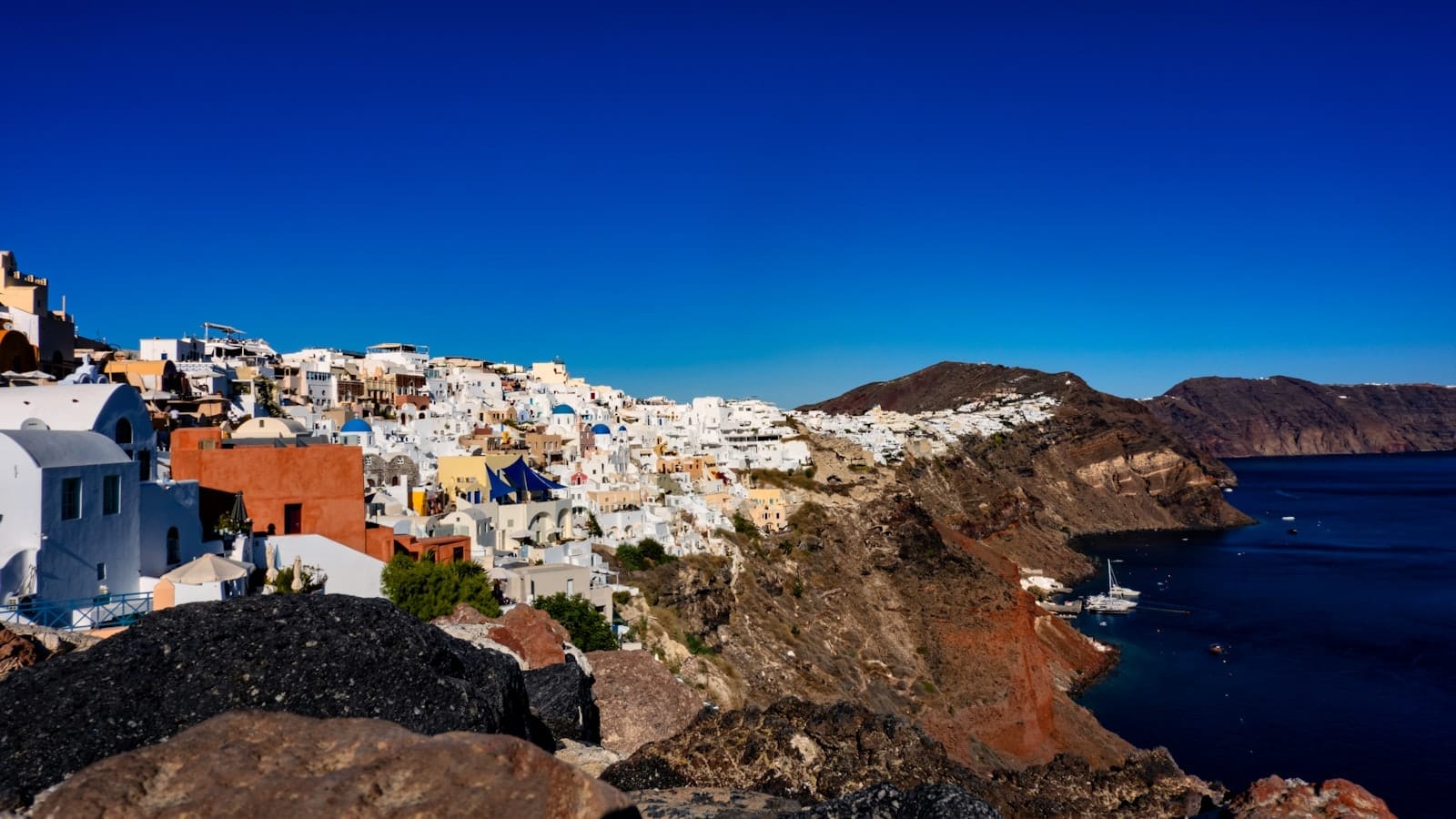
Santorini is far more than the famous blue domes and caldera selfies. This guide takes you beyond Oia and Fira to the island's medieval villages, wild volcanic beaches, serious wine caves, and ancient ruins that most visitors walk straight past.
Plan and book this trip
Tools from our partner Travelpayouts help you compare flights and hotels. If you book through them, we may earn a commission at no extra cost to you.
Flights
Hotels map
Most visitors to Santorini spend their entire trip orbiting two places: Oia for sunsets and Fira for convenience. That's understandable, but it leaves an enormous amount of island unexplored. The real Santorini — the one with medieval fortifications, surreal lunar beaches, underground wine museums, and caldera panoramas you won't share with a hundred strangers — is waiting in the villages, headlands, and hillsides that don't appear on most itineraries. Whether you're following the caldera rim trail on foot, hunting for the island's best Assyrtiko at a caldera-view winery, or simply trying to find a beach that isn't packed by 10am, this guide points you in the right direction.
✨ Pro tip
Rent a car or scooter for at least one day to reach the island's south and east coasts independently. KTEL buses cover the main routes, but the truly quiet spots — Cape Columbo, Vlychada, Emporio — require your own wheels or a taxi.
Medieval Villages & Historic Interiors
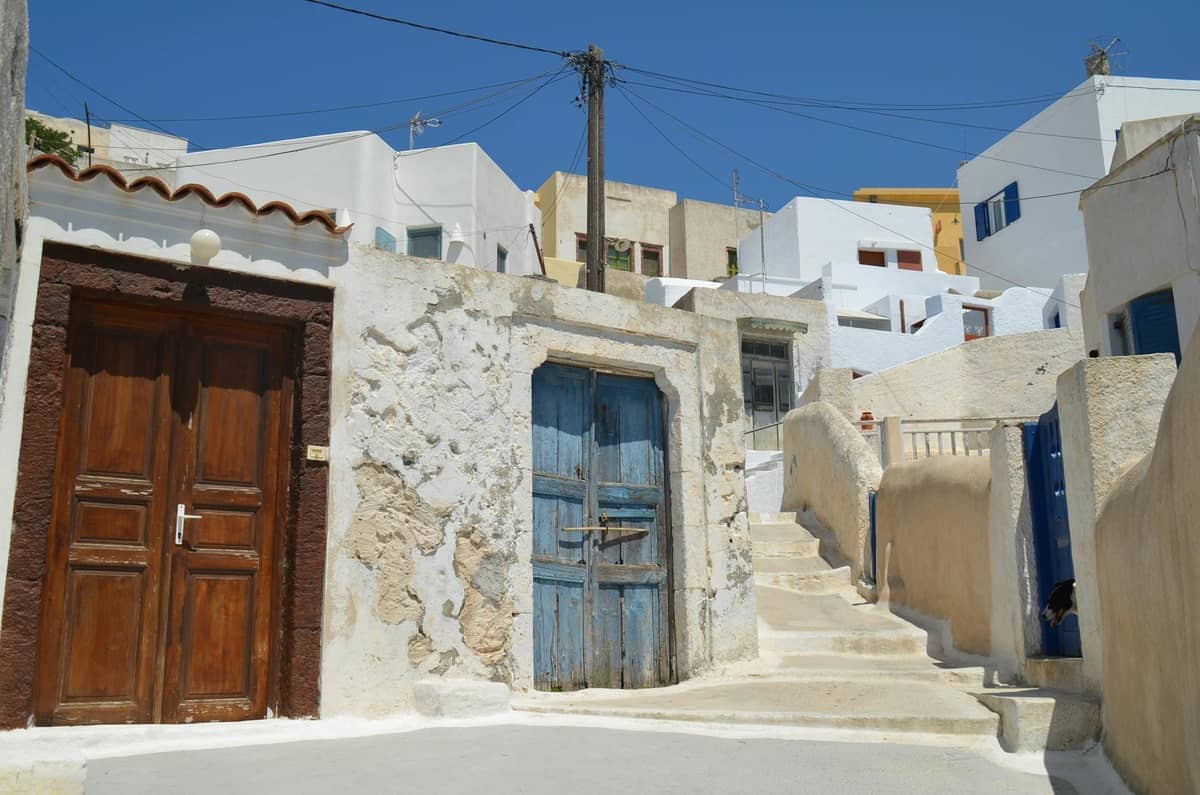
The five medieval fortified villages of Santorini were built during the Venetian and Ottoman periods specifically to resist pirate raids, their houses forming the outer defensive walls. Pyrgos is the best-preserved and most rewarding to explore, but Emporio and Megalochori each offer something different. None of them require more than a couple of hours, and all three can be combined in a single afternoon loop through the island's interior.
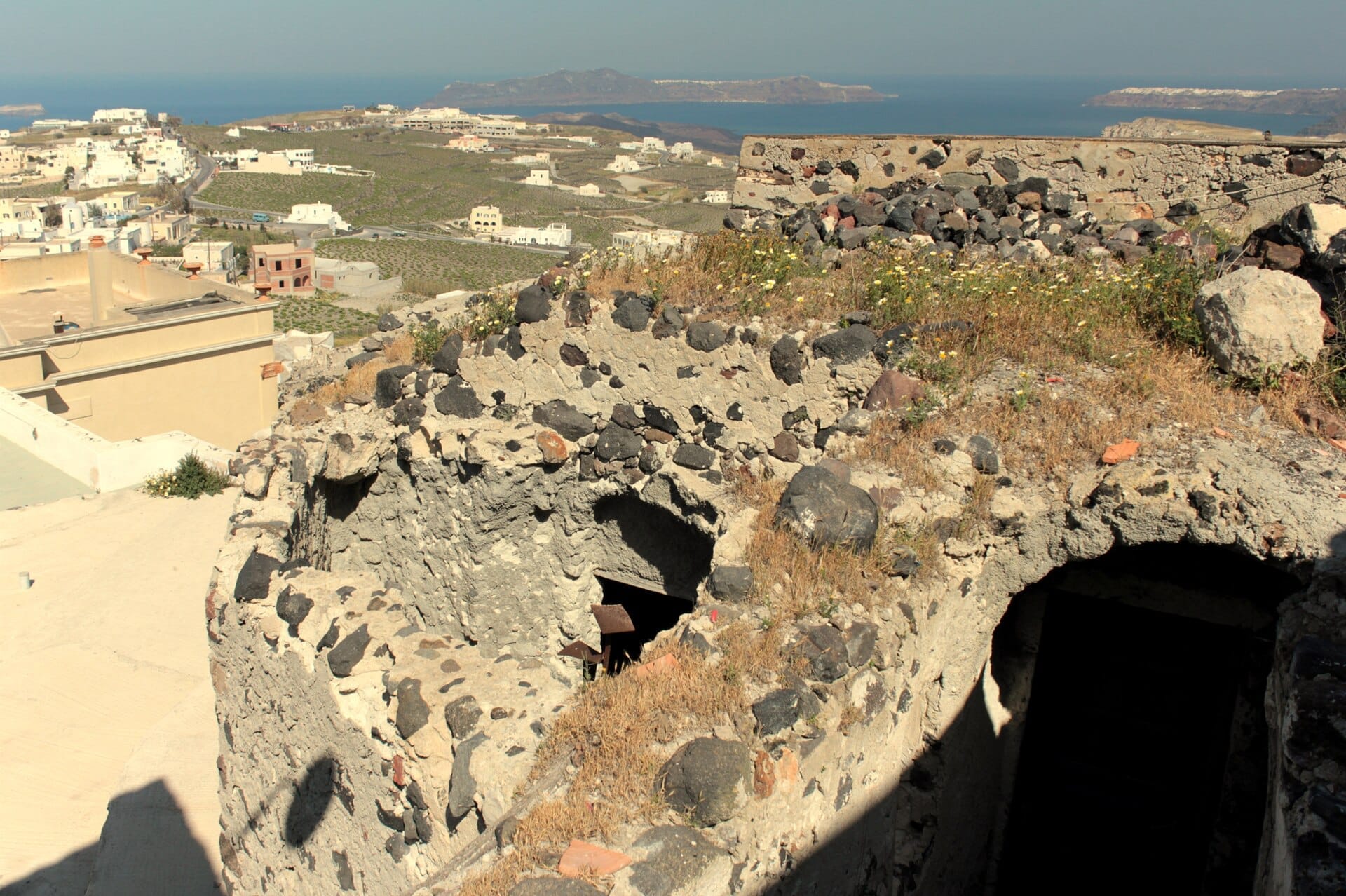
1. Climb the Venetian Kasteli in Pyrgos for 360-Degree Island Views
Pyrgos is Santorini's best-preserved medieval village, its concentric houses forming the castle walls. Climb to the summit for an unobstructed 360-degree panorama covering the entire island — and almost zero tourist crowds compared to Oia.
Explore1. Climb the Venetian Kasteli in Pyrgos for 360-Degree Island Views
Pyrgos is Santorini's best-preserved medieval village, its concentric houses forming the castle walls. Climb to the summit for an unobstructed 360-degree panorama covering the entire island — and almost zero tourist crowds compared to Oia.
Explore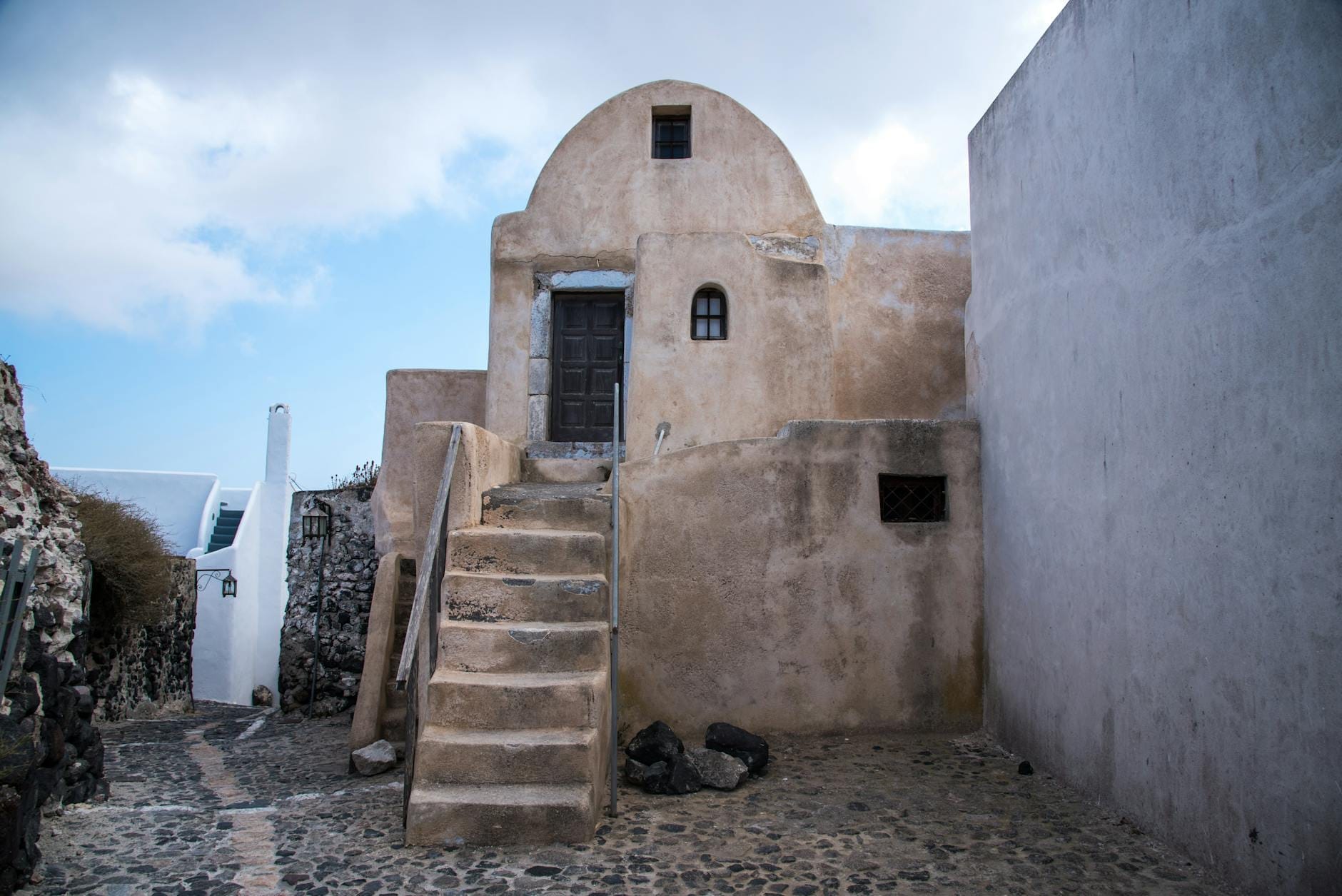
2. Wander the Vaulted Passageways of Emporio, the Island's Largest Fortress Village
Emporio is Santorini's largest medieval settlement and one of its least-visited. A labyrinth of vaulted stone passages, a Venetian kastelli core, and a traditional village square await — with almost no other tourists in sight, even in peak season.
Explore2. Wander the Vaulted Passageways of Emporio, the Island's Largest Fortress Village
Emporio is Santorini's largest medieval settlement and one of its least-visited. A labyrinth of vaulted stone passages, a Venetian kastelli core, and a traditional village square await — with almost no other tourists in sight, even in peak season.
Explore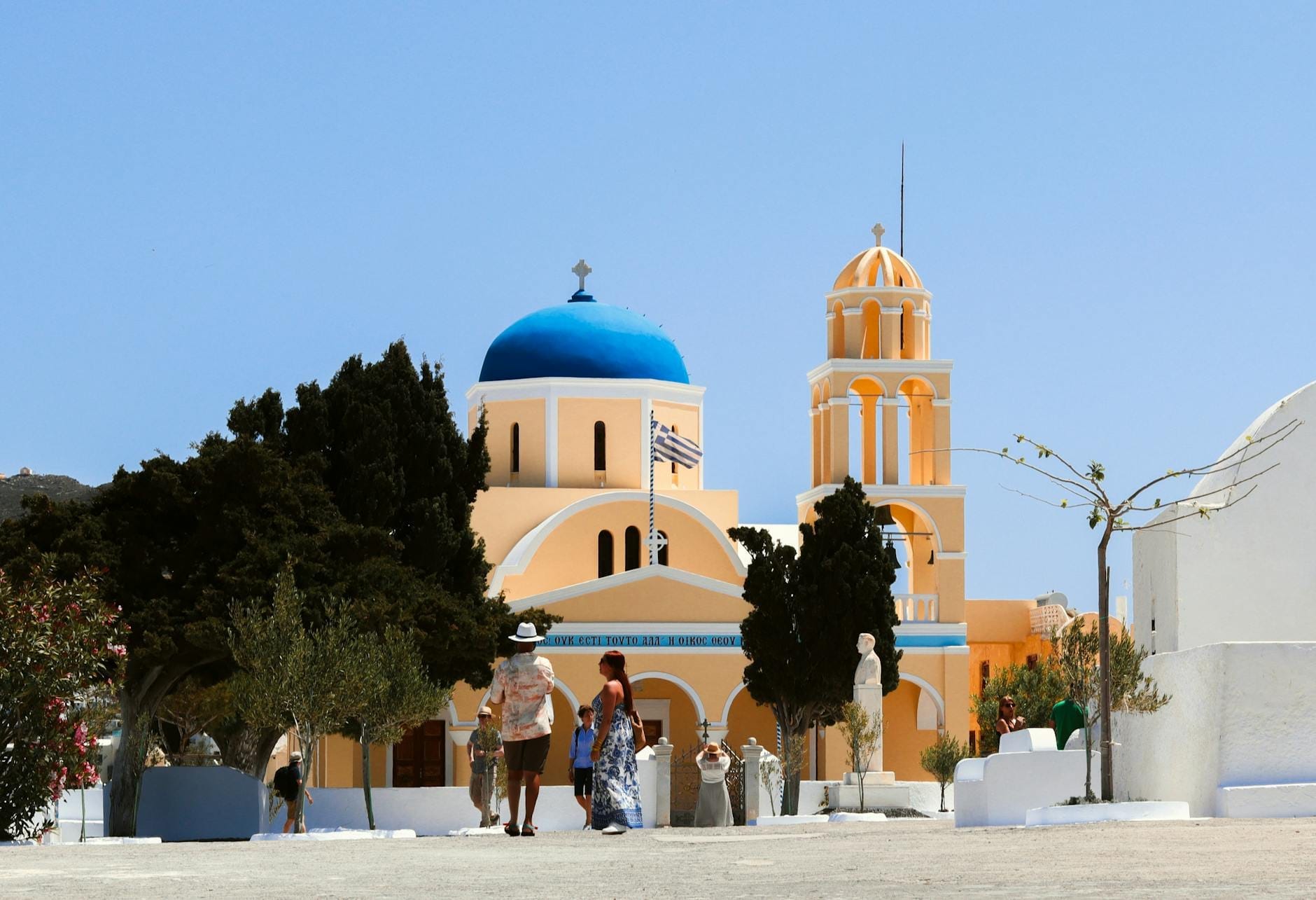
3. Photograph the Bell Towers and Wine Caves of Quiet Megalochori
Megalochori's central square, elegant bell towers, and bougainvillea-lined lanes are among the island's most photogenic scenes. The village also sits in the heart of wine country, with several cave wineries carved directly into the volcanic hillside nearby.
Explore3. Photograph the Bell Towers and Wine Caves of Quiet Megalochori
Megalochori's central square, elegant bell towers, and bougainvillea-lined lanes are among the island's most photogenic scenes. The village also sits in the heart of wine country, with several cave wineries carved directly into the volcanic hillside nearby.
Explore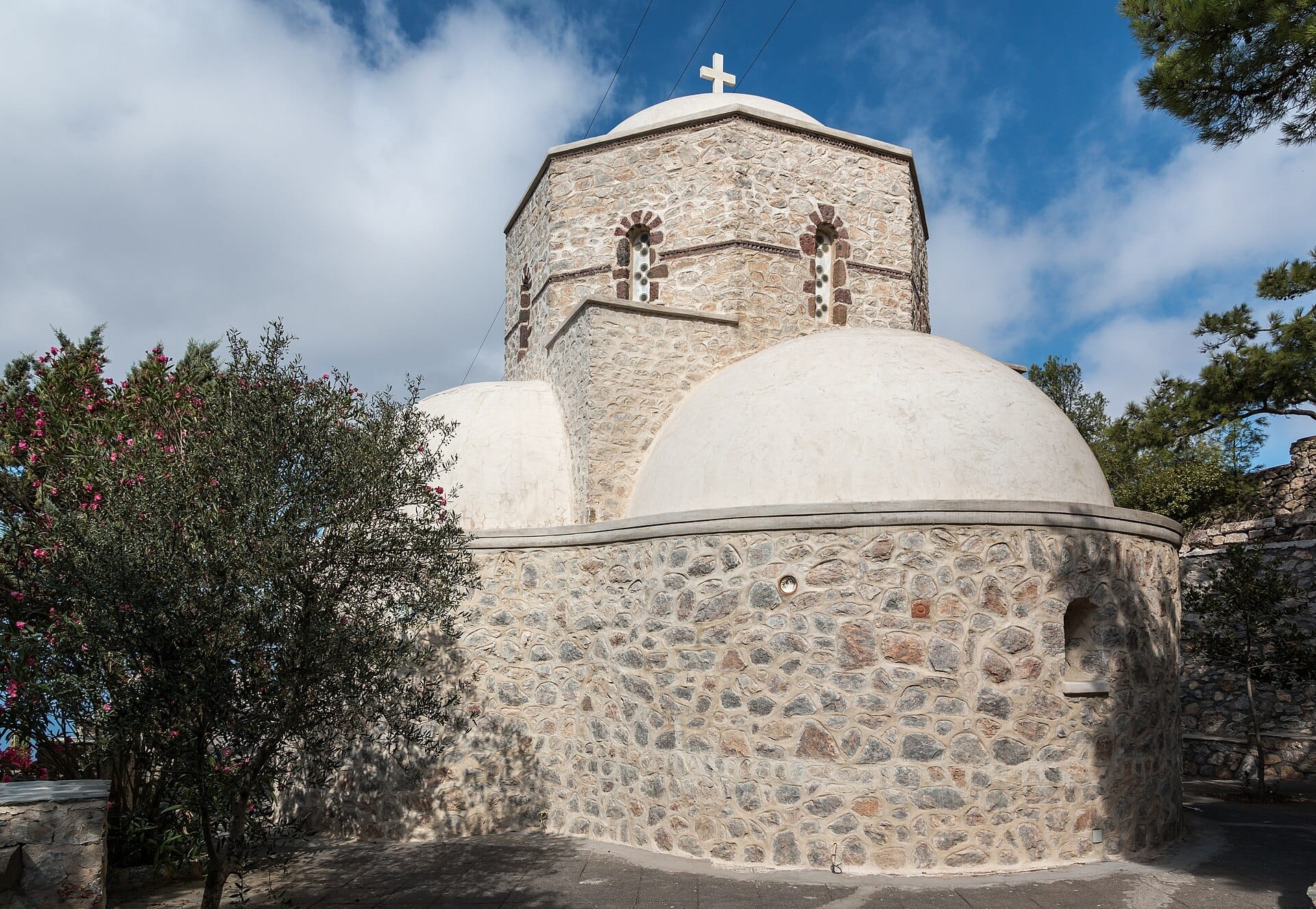
4. Reach the Island's Highest Point at the Summit Monastery of Profitis Ilias
At 567 meters, the working Orthodox monastery on Santorini's highest peak rewards the drive or hike with the most expansive views on the island. A small museum inside holds icons and ecclesiastical treasures; dress modestly to enter.
Explore4. Reach the Island's Highest Point at the Summit Monastery of Profitis Ilias
At 567 meters, the working Orthodox monastery on Santorini's highest peak rewards the drive or hike with the most expansive views on the island. A small museum inside holds icons and ecclesiastical treasures; dress modestly to enter.
Explore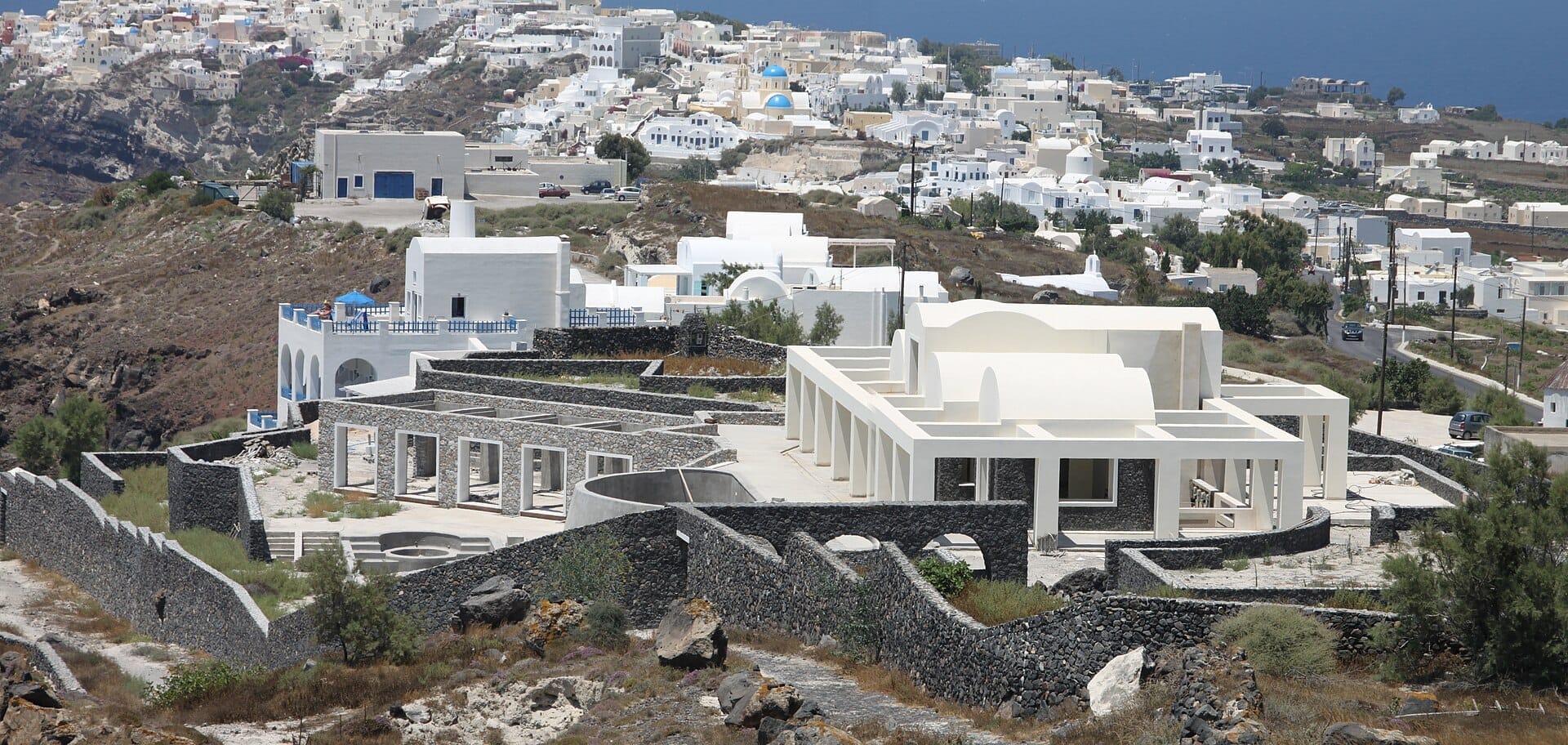
5. Start the Caldera Trail in Tourist-Free Finikia, Just Inland from Oia
Finikia sits minutes from Oia but feels entirely removed from its crowds. Whitewashed lanes, bougainvillea, and a traditional Cycladic character make it worth a short detour. It's also the official start of the Fira–Oia hiking trail.
Explore5. Start the Caldera Trail in Tourist-Free Finikia, Just Inland from Oia
Finikia sits minutes from Oia but feels entirely removed from its crowds. Whitewashed lanes, bougainvillea, and a traditional Cycladic character make it worth a short detour. It's also the official start of the Fira–Oia hiking trail.
ExploreCaldera Views Without the Crowds
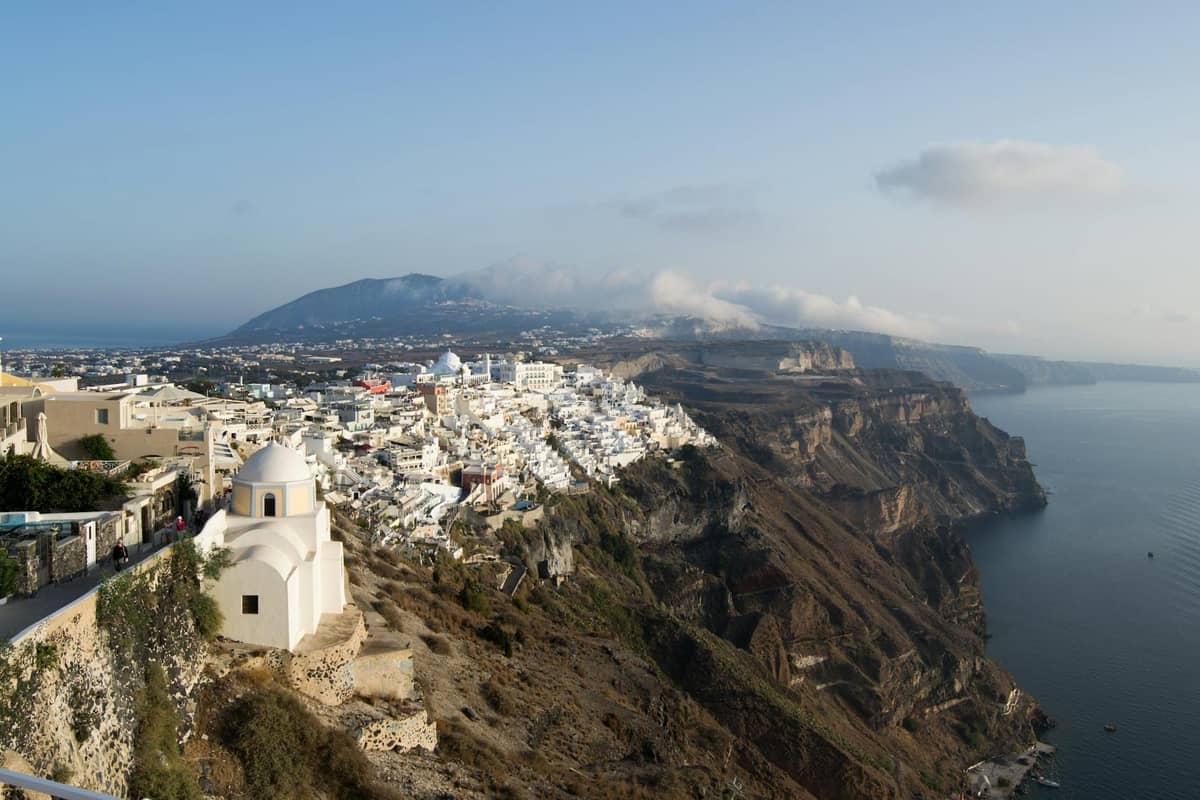
The caldera's best viewpoints aren't all in Oia. The rim villages of Imerovigli and Firostefani offer caldera panoramas that rival — and in some cases surpass — anything you'll see from Oia's castle, with a fraction of the people. For a more adventurous perspective, the hike out to Skaros Rock puts you suspended over the caldera on a volcanic promontory with views in every direction.
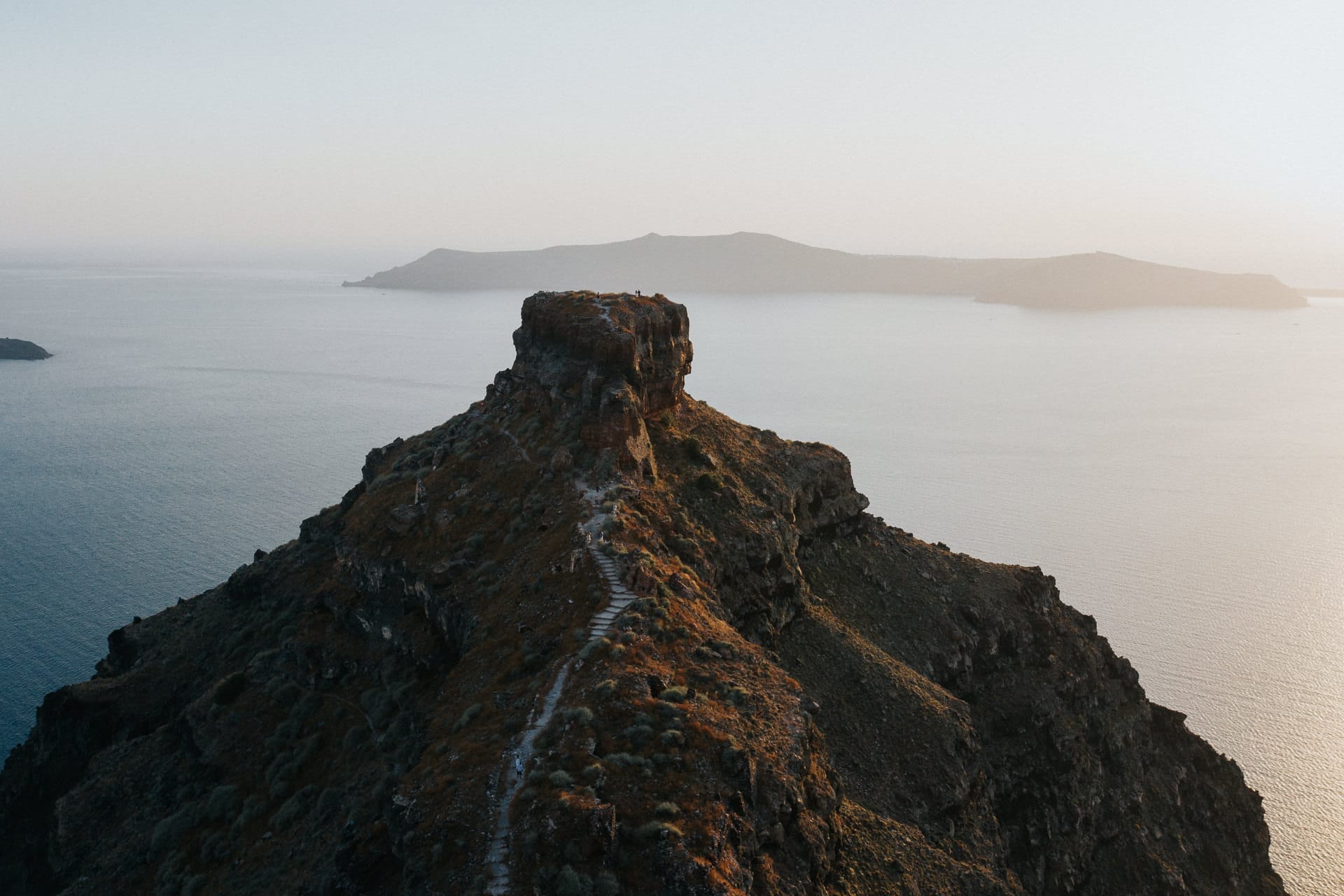
6. Hike Out to Skaros Rock for the Caldera's Most Dramatic Viewpoint
This volcanic promontory juts into the caldera from Imerovigli and rewards a 30-minute return hike with some of the best caldera panoramas on the island. The path winds around the base before climbing to the ruins of the island's former main fortress.
Explore6. Hike Out to Skaros Rock for the Caldera's Most Dramatic Viewpoint
This volcanic promontory juts into the caldera from Imerovigli and rewards a 30-minute return hike with some of the best caldera panoramas on the island. The path winds around the base before climbing to the ruins of the island's former main fortress.
Explore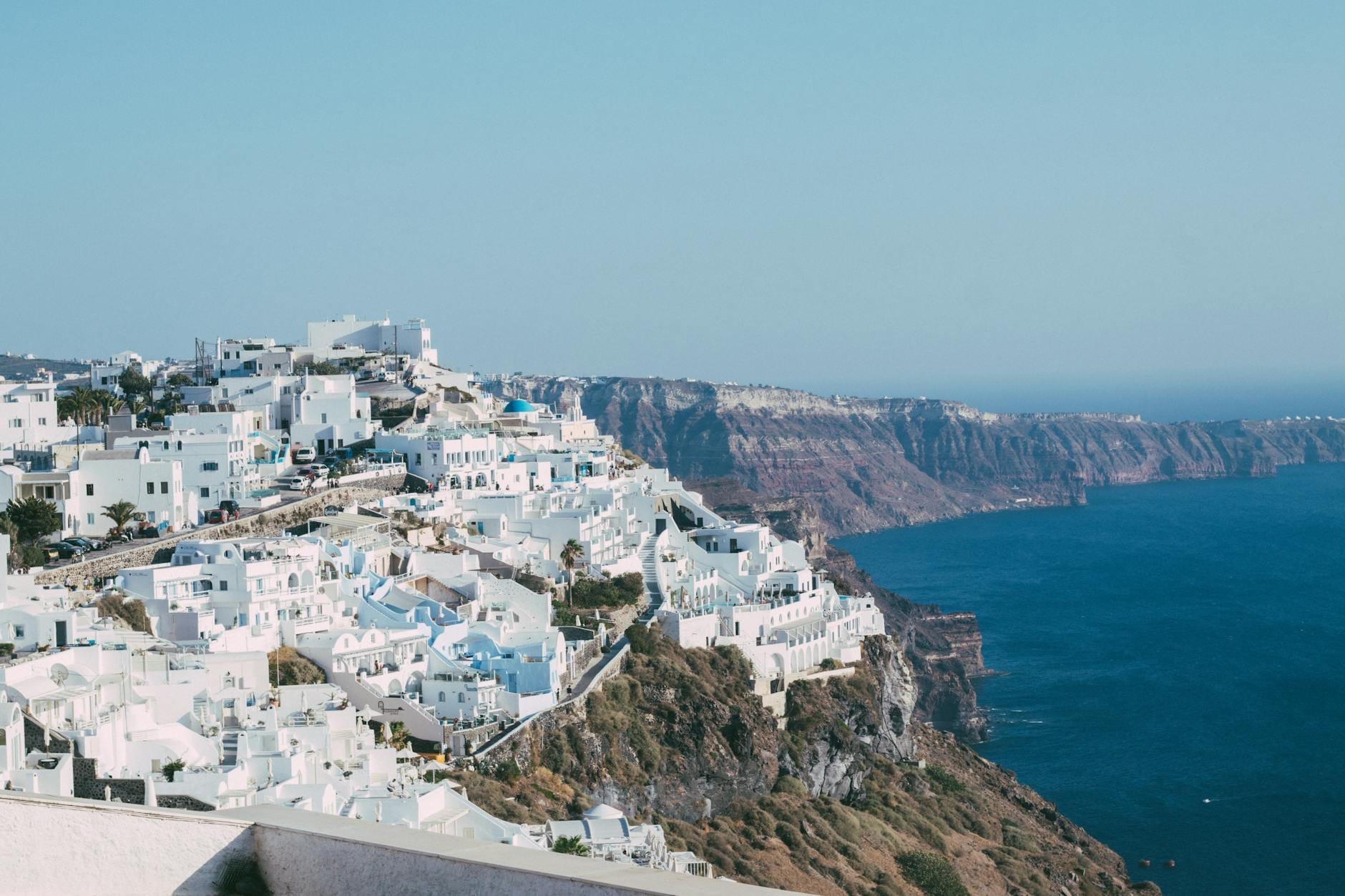
7. Find the Island's Most Expansive Caldera Arc at Imerovigli's Terraces
Imerovigli sits at the caldera rim's highest inhabited point, giving unobstructed views of the full caldera arc from Oia to the volcanic islands. The terrace cafes here are far quieter than Oia's, especially in the hour before sunset.
Explore7. Find the Island's Most Expansive Caldera Arc at Imerovigli's Terraces
Imerovigli sits at the caldera rim's highest inhabited point, giving unobstructed views of the full caldera arc from Oia to the volcanic islands. The terrace cafes here are far quieter than Oia's, especially in the hour before sunset.
Explore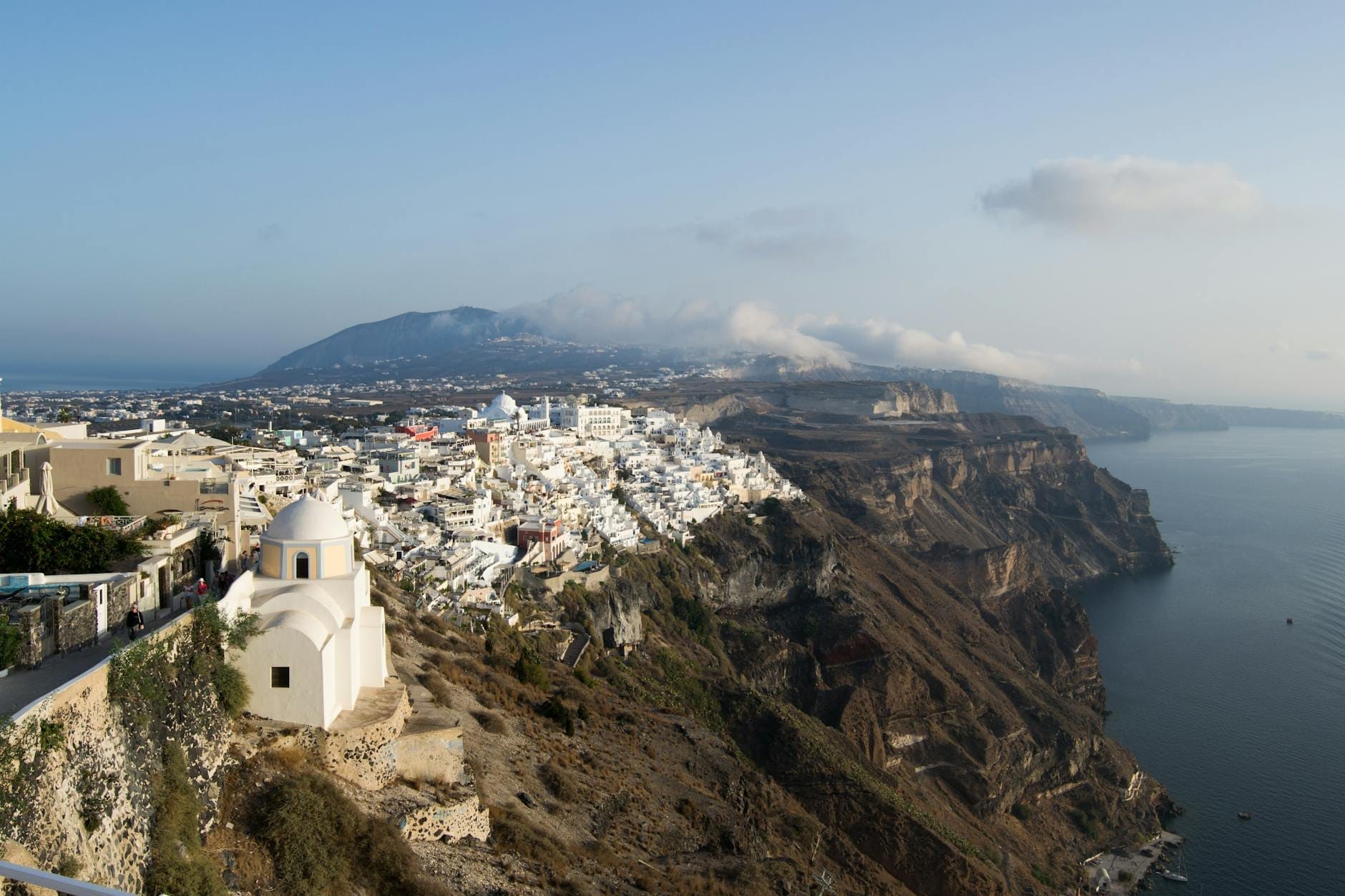
8. Walk the Cliff-Edge Path Through Firostefani, Fira's Quieter Northern Neighbor
Firostefani's caldera path offers the same cliff-edge drama as Fira but with boutique cave hotels and fewer crowds. It's also the most scenic 20-minute walk connecting Fira to the caldera trail leading north toward Imerovigli and Oia.
Explore8. Walk the Cliff-Edge Path Through Firostefani, Fira's Quieter Northern Neighbor
Firostefani's caldera path offers the same cliff-edge drama as Fira but with boutique cave hotels and fewer crowds. It's also the most scenic 20-minute walk connecting Fira to the caldera trail leading north toward Imerovigli and Oia.
Explore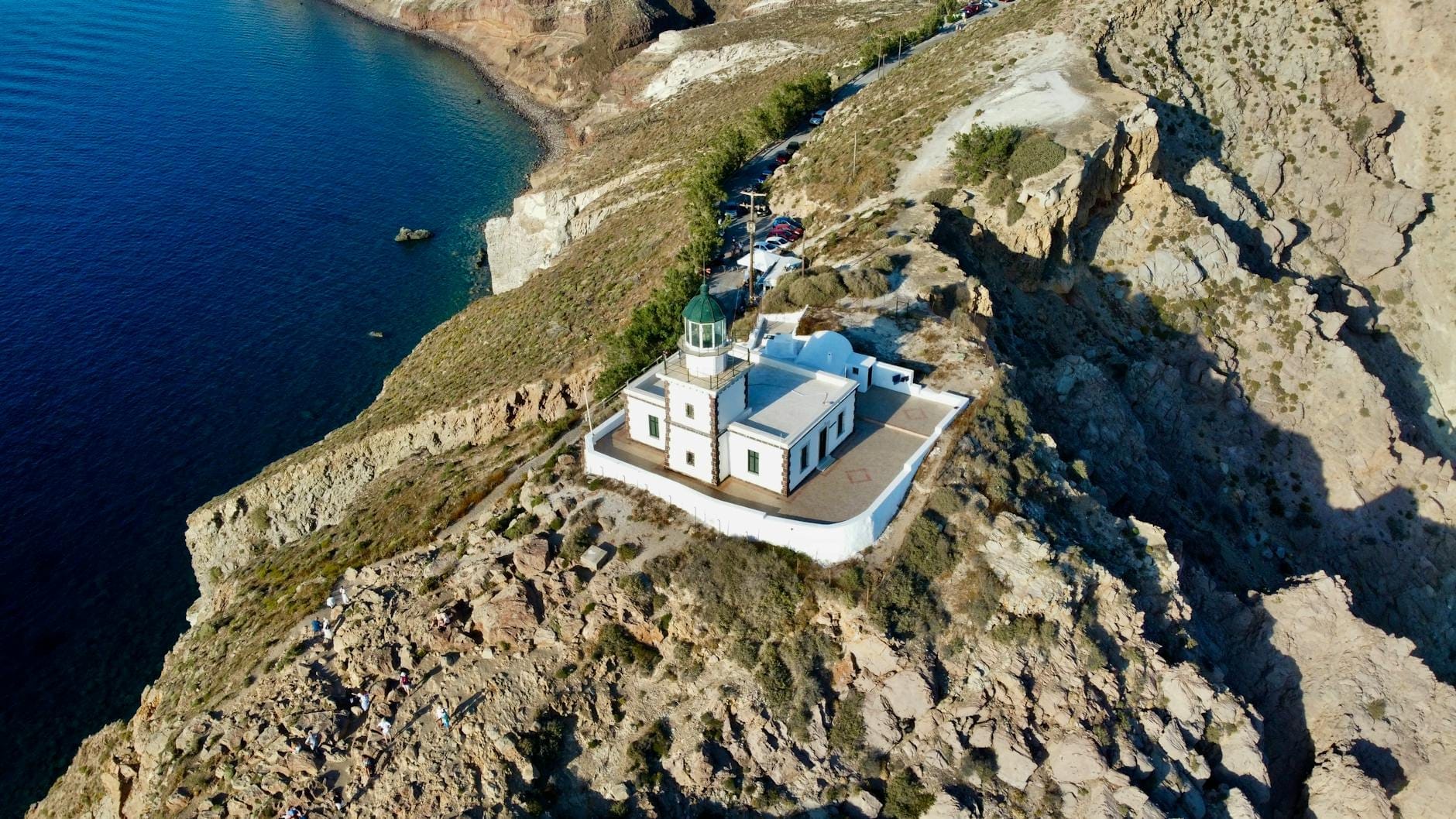
9. Watch the Sunset from the Akrotiri Lighthouse, Far from Oia's Crowds
The 19th-century lighthouse at Santorini's southernmost tip frames the caldera entrance and open Aegean with sweeping views. It's a genuine alternative sunset spot — the light quality is similar to Oia, but the atmosphere is completely different.
Explore9. Watch the Sunset from the Akrotiri Lighthouse, Far from Oia's Crowds
The 19th-century lighthouse at Santorini's southernmost tip frames the caldera entrance and open Aegean with sweeping views. It's a genuine alternative sunset spot — the light quality is similar to Oia, but the atmosphere is completely different.
Explore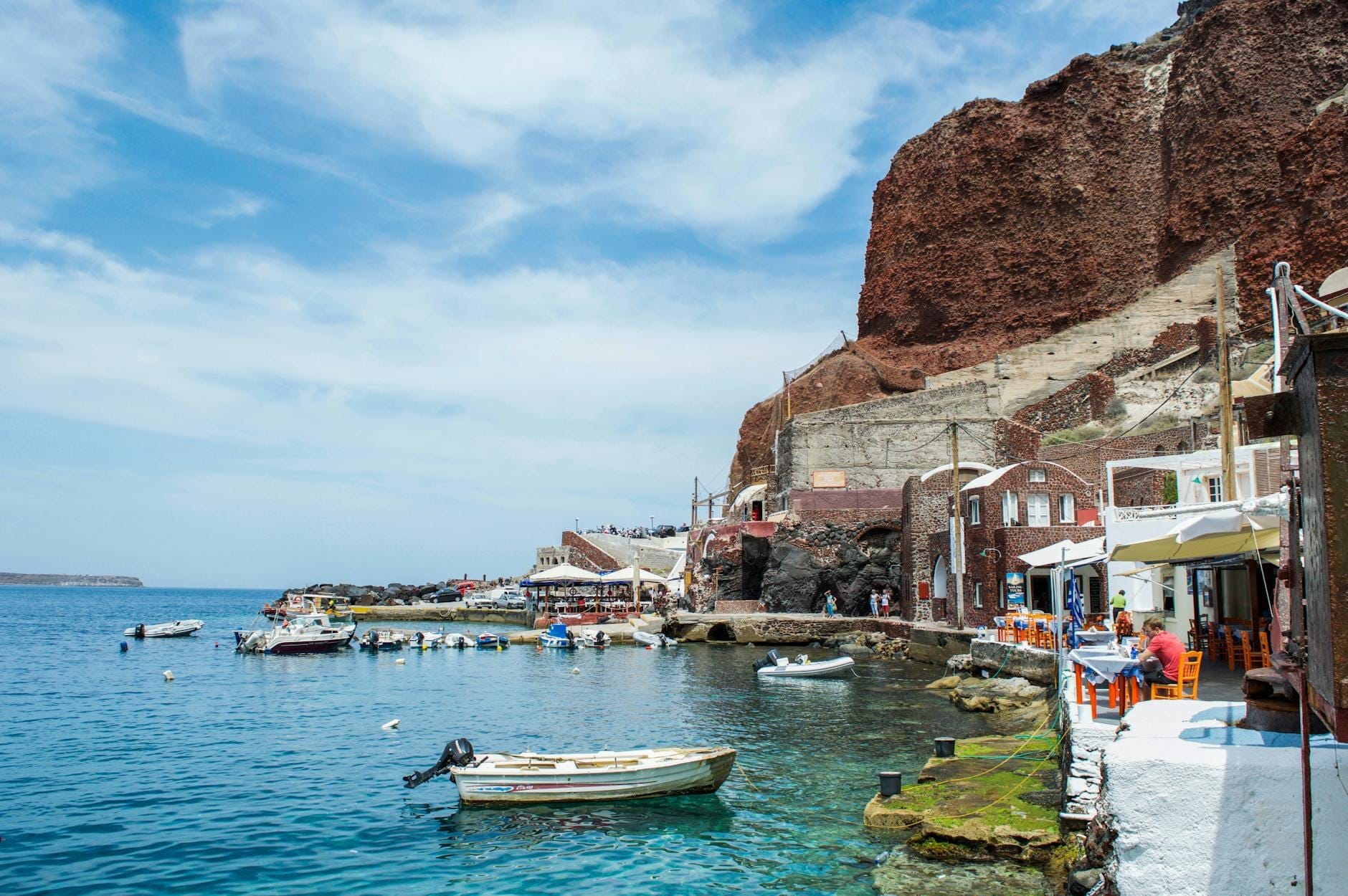
10. Swim Off Volcanic Boulders at Oia's Secret Harbor, Ammoudi Bay
Three hundred steps below Oia, Ammoudi Bay is a working fishing harbor with tavernas on the rocks and excellent swimming off volcanic boulders. Most Oia visitors never make the descent, so the bay feels like a world apart despite being minutes away.
Explore10. Swim Off Volcanic Boulders at Oia's Secret Harbor, Ammoudi Bay
Three hundred steps below Oia, Ammoudi Bay is a working fishing harbor with tavernas on the rocks and excellent swimming off volcanic boulders. Most Oia visitors never make the descent, so the bay feels like a world apart despite being minutes away.
ExploreWild & Quiet Beaches
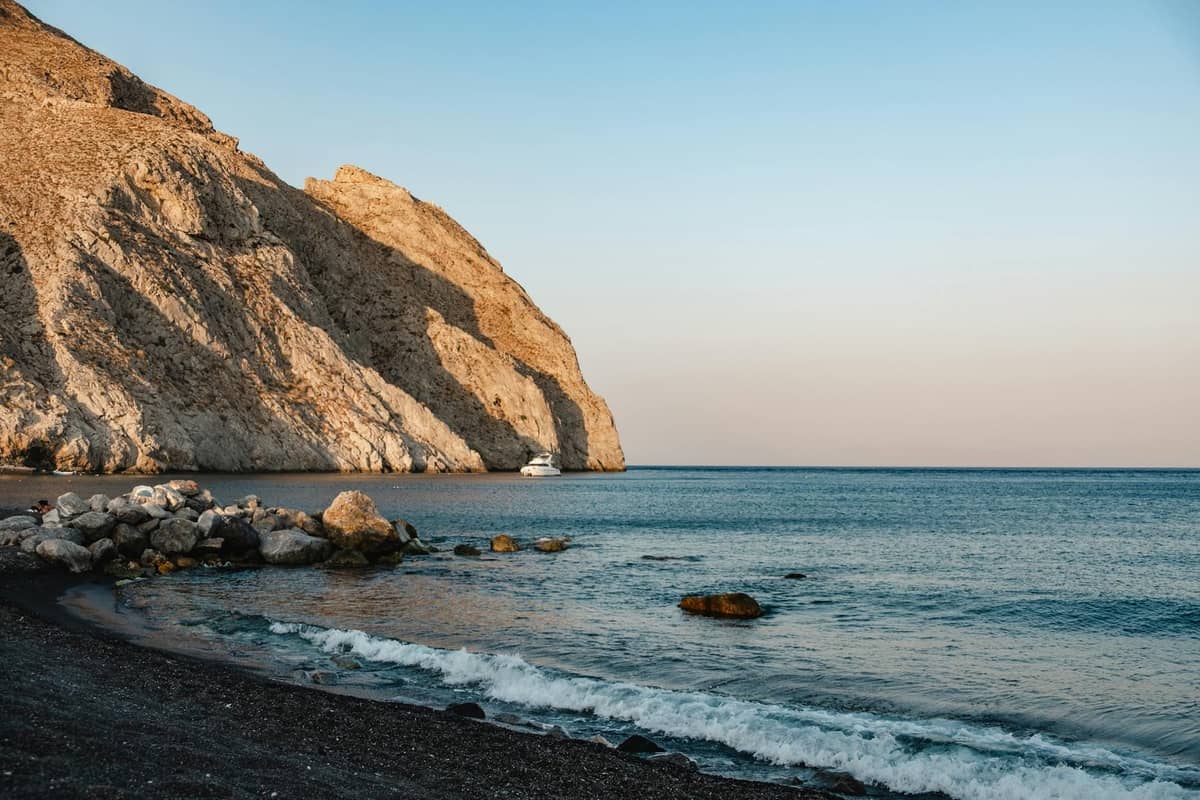
Santorini's beaches are extraordinary precisely because the island is volcanic: red cliffs, white pumice formations, black lava sand. Most visitors stick to Kamari and Perissa, but the quieter beaches on the south and northeast coasts are more dramatic and far less crowded. For a full breakdown of what to expect at each beach, the best beaches in Santorini guide covers them in detail.
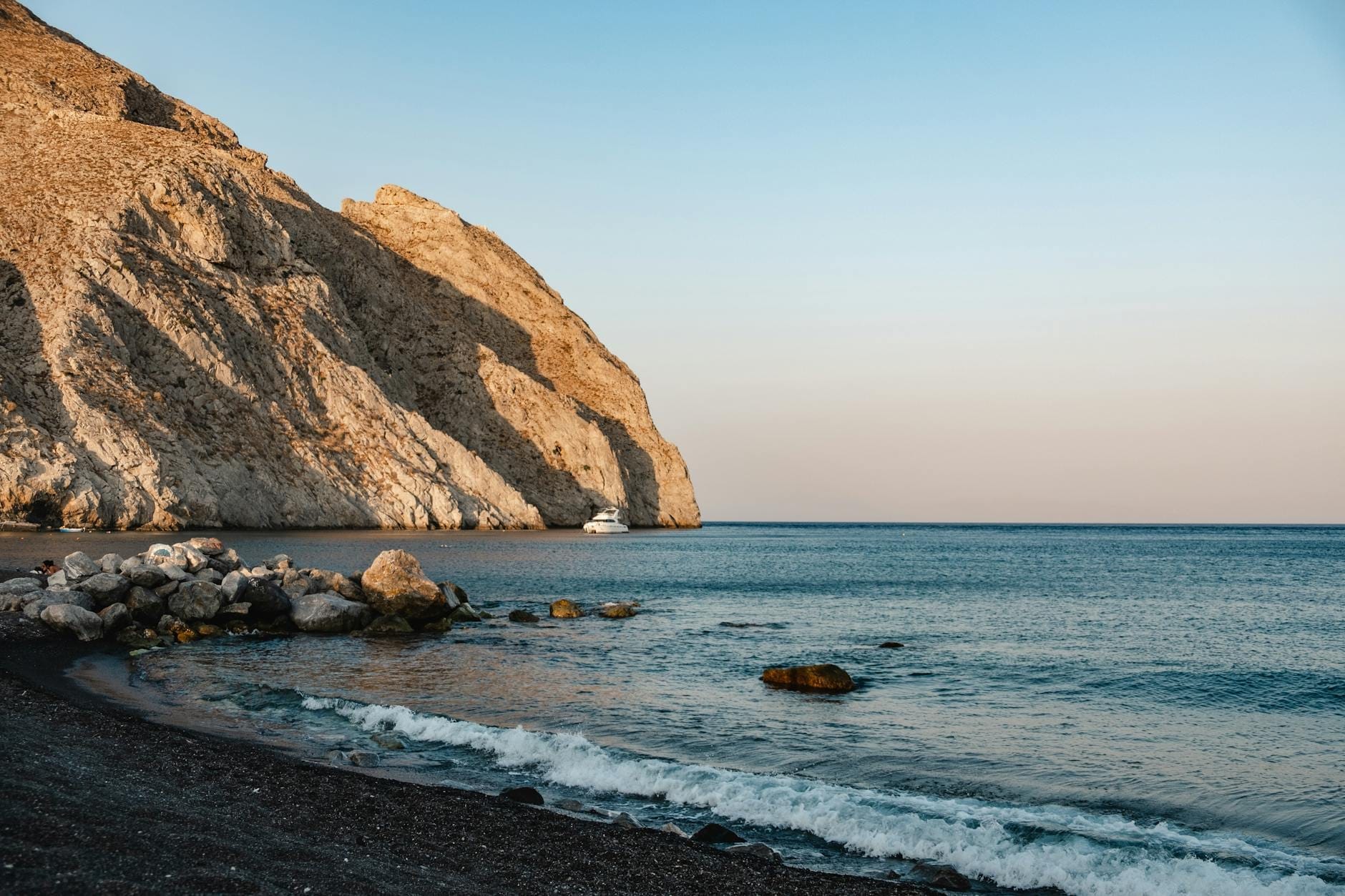
11. Find Complete Solitude at Cape Columbo, Santorini's Most Remote Beach
The island's wildest beach sits on the northeast coast near an underwater volcanic crater and requires a 15-minute walk down a dirt path. The reward is crystal-clear water, raw volcanic scenery, and a level of solitude that's genuinely rare on Santorini.
Explore11. Find Complete Solitude at Cape Columbo, Santorini's Most Remote Beach
The island's wildest beach sits on the northeast coast near an underwater volcanic crater and requires a 15-minute walk down a dirt path. The reward is crystal-clear water, raw volcanic scenery, and a level of solitude that's genuinely rare on Santorini.
Explore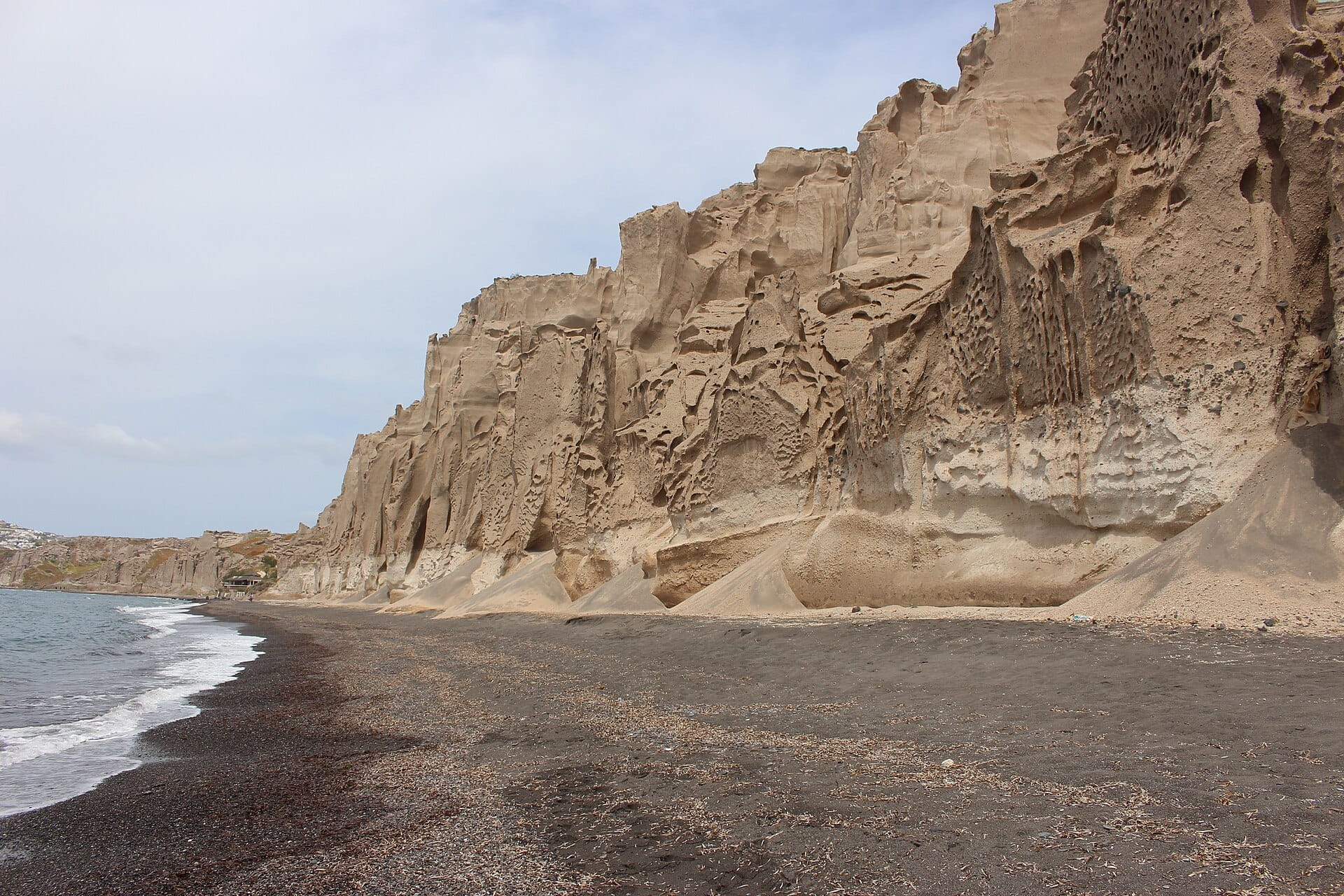
12. Walk the Lunar Cliffs of Vlychada, Santorini's Most Atmospheric South Coast Beach
Vlychada's defining feature is its backdrop: towering white pumice cliffs eroded into surreal, almost sculptural formations. The beach itself is long and quiet, with a small marina and a handful of tavernas that feel genuinely local.
Explore12. Walk the Lunar Cliffs of Vlychada, Santorini's Most Atmospheric South Coast Beach
Vlychada's defining feature is its backdrop: towering white pumice cliffs eroded into surreal, almost sculptural formations. The beach itself is long and quiet, with a small marina and a handful of tavernas that feel genuinely local.
Explore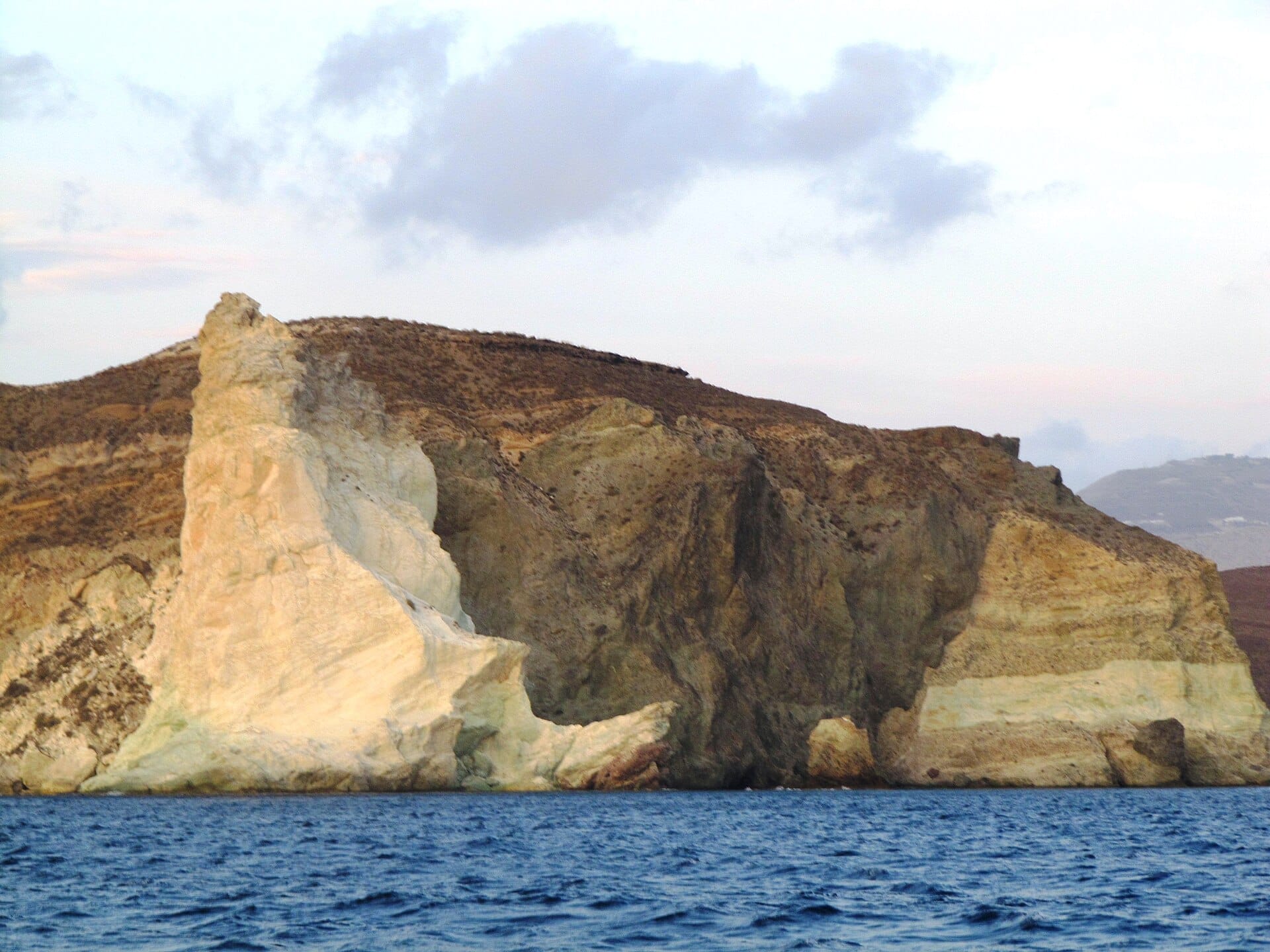
13. Take a Water Taxi to Secluded White Beach Near Akrotiri
Accessible only by boat from Red Beach or water taxi from Akrotiri port, White Beach sits in a cove of white and grey volcanic pebbles beneath dramatic pumice cliffs. Its inaccessibility keeps it noticeably quieter than its famous red neighbor.
Explore13. Take a Water Taxi to Secluded White Beach Near Akrotiri
Accessible only by boat from Red Beach or water taxi from Akrotiri port, White Beach sits in a cove of white and grey volcanic pebbles beneath dramatic pumice cliffs. Its inaccessibility keeps it noticeably quieter than its famous red neighbor.
Explore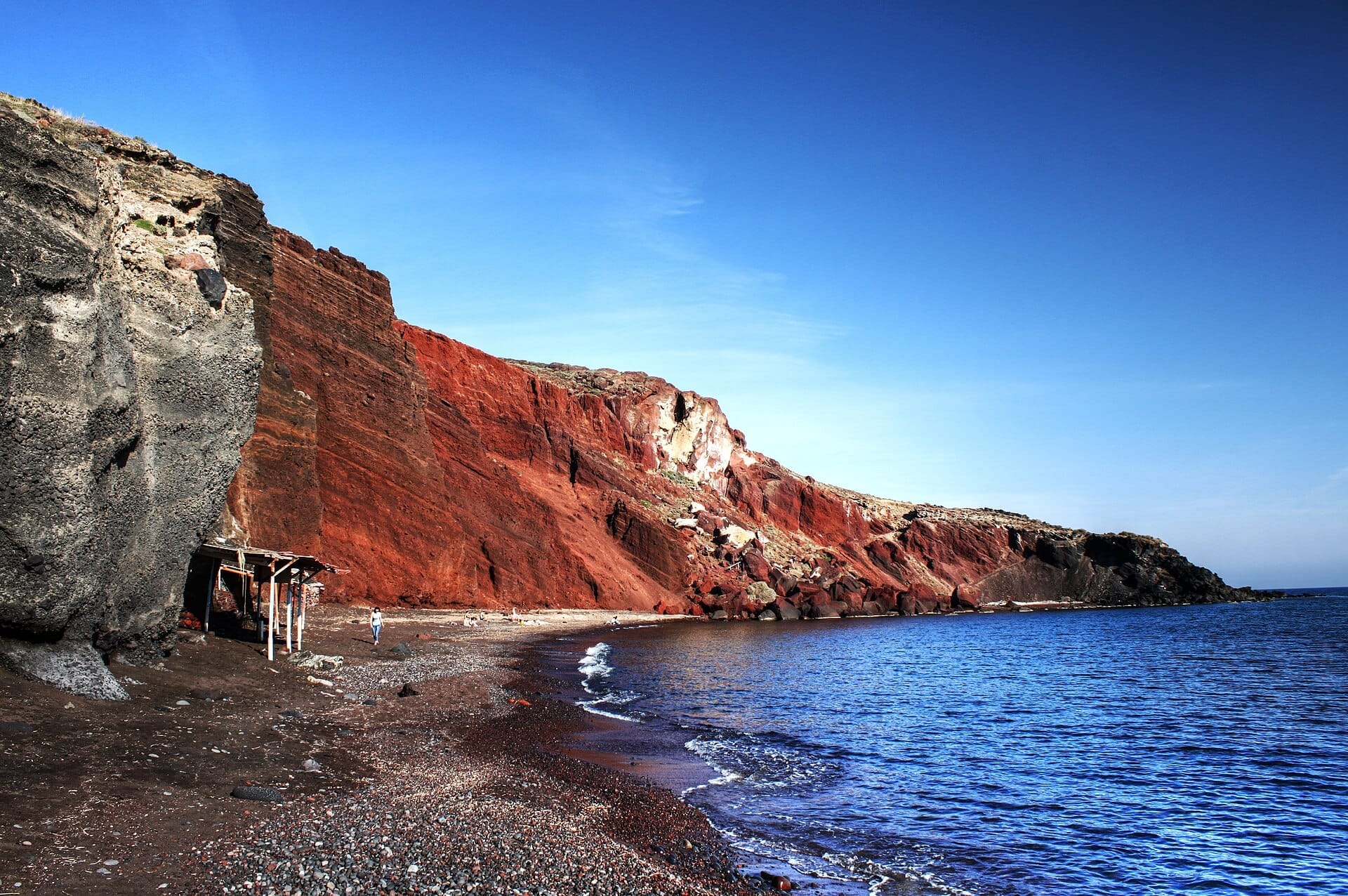
14. See the Red and Black Volcanic Cliffs of Red Beach Near Akrotiri
Red Beach is well-known but still earns its place here for sheer drama. The 10-minute cliff-path walk from the car park is part of the experience, rewarding you with a cove of deep-red pebbles framed by towering volcanic rock unlike anywhere else in Greece.
Explore14. See the Red and Black Volcanic Cliffs of Red Beach Near Akrotiri
Red Beach is well-known but still earns its place here for sheer drama. The 10-minute cliff-path walk from the car park is part of the experience, rewarding you with a cove of deep-red pebbles framed by towering volcanic rock unlike anywhere else in Greece.
Explore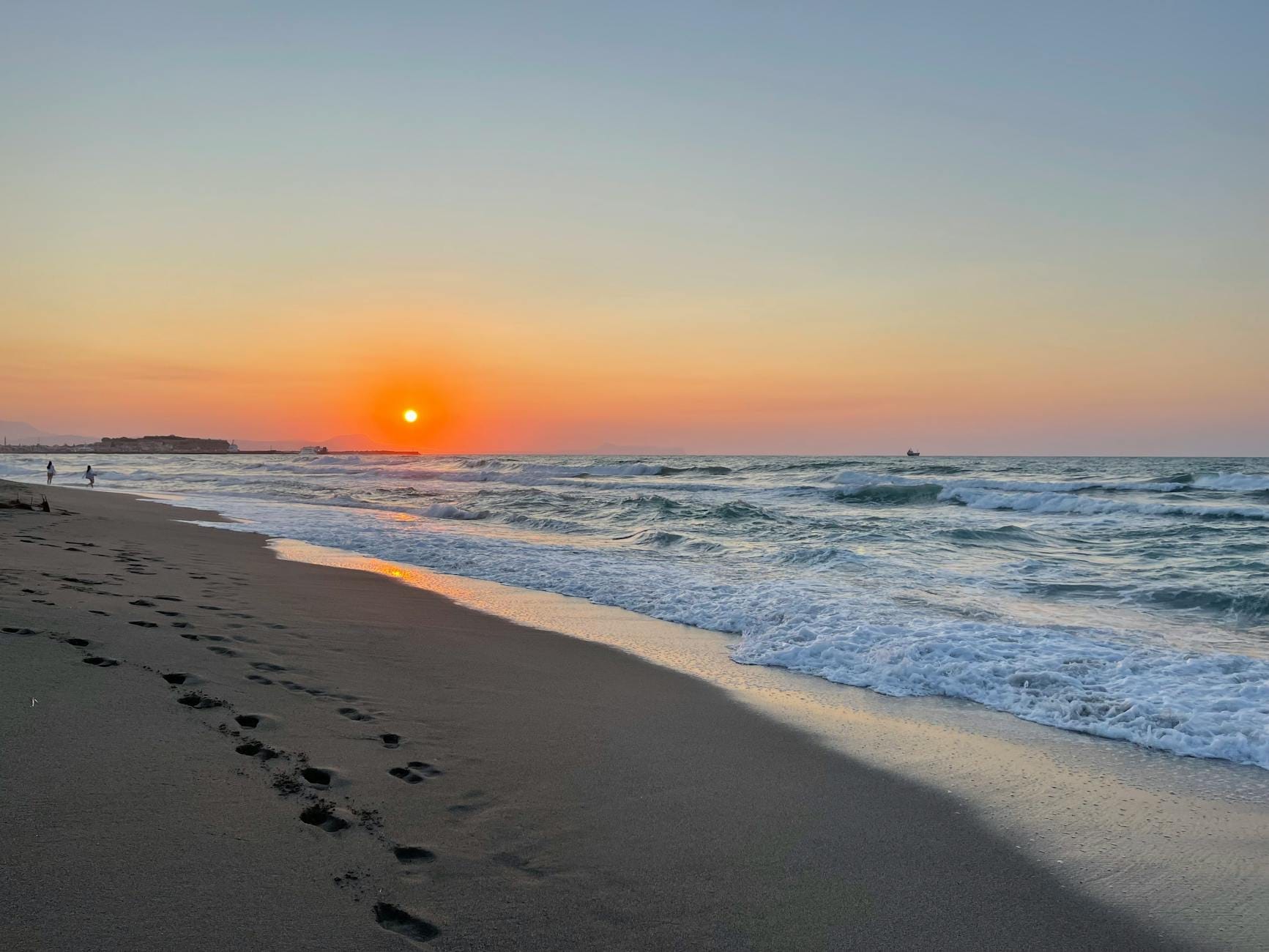
15. Settle Into a Stylish Beach Club on Perivolos, Perissa's Quieter Southern Extension
Perivolos extends south from Perissa along the same black-sand coastline but with a slightly more sophisticated feel: better beach clubs, quieter stretches of sand, and cocktail bars that come alive in the late afternoon without the crowded chaos of central Perissa.
Explore15. Settle Into a Stylish Beach Club on Perivolos, Perissa's Quieter Southern Extension
Perivolos extends south from Perissa along the same black-sand coastline but with a slightly more sophisticated feel: better beach clubs, quieter stretches of sand, and cocktail bars that come alive in the late afternoon without the crowded chaos of central Perissa.
ExploreWine, Art & Unexpected Museums
Santorini's wine culture is one of the island's most underrated stories. The indigenous Assyrtiko grape grown in basket-trained vines on volcanic soil produces wines unlike anything else in Greece, and several wineries offer experiences far more interesting than a standard tasting. For a deeper dive into the island's wine geography and best producers, the Santorini wine guide is the place to start.
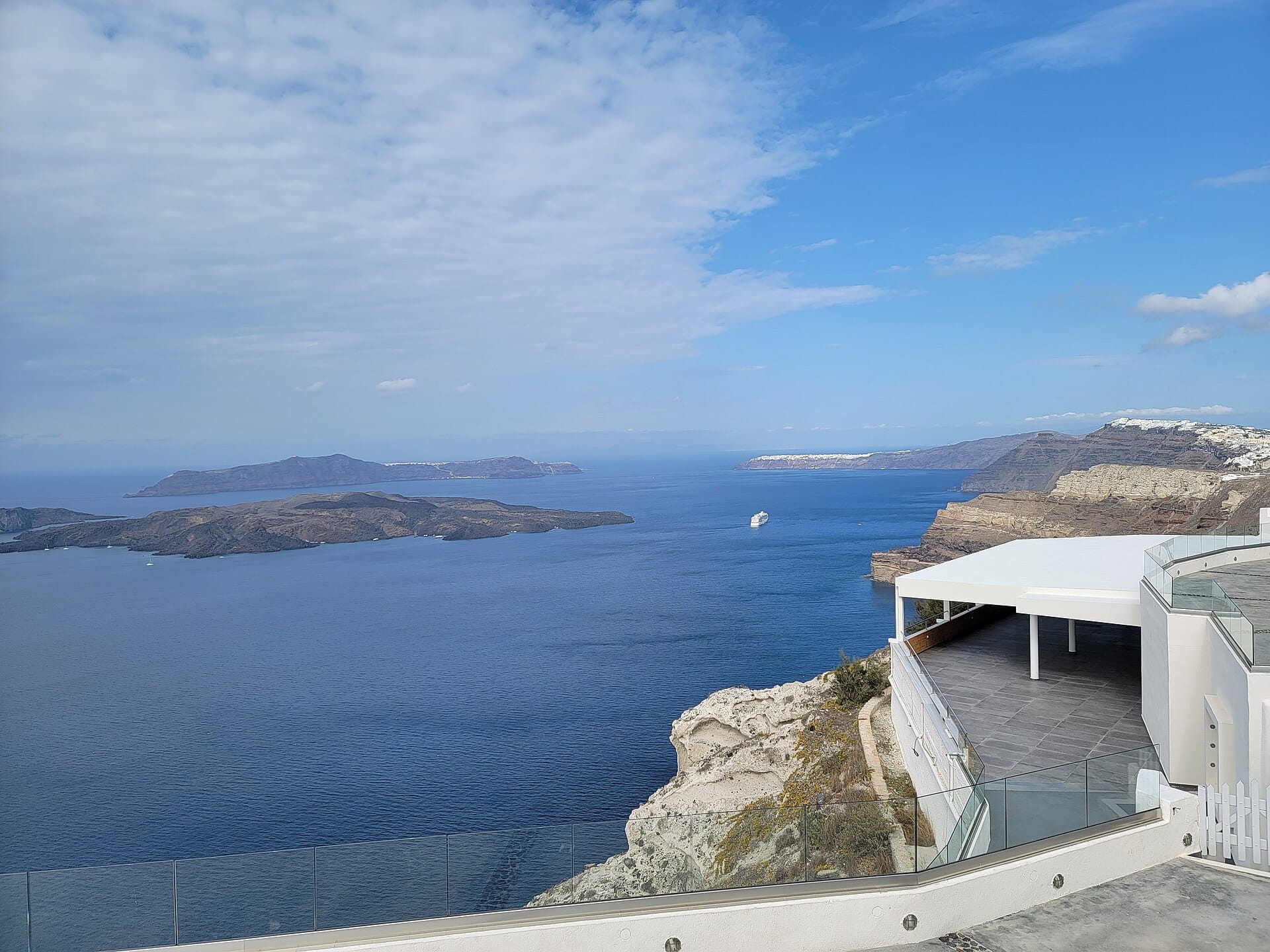
16. Taste Assyrtiko on Venetsanos Winery's Cantilevered Caldera Terrace
This restored 1947 cooperative winery above Megalochori has one of the most architecturally striking tasting terraces on the island, cantilevered directly over the caldera. The Assyrtiko here is excellent, and the views are arguably better than at the more famous Santo Wines.
Explore16. Taste Assyrtiko on Venetsanos Winery's Cantilevered Caldera Terrace
This restored 1947 cooperative winery above Megalochori has one of the most architecturally striking tasting terraces on the island, cantilevered directly over the caldera. The Assyrtiko here is excellent, and the views are arguably better than at the more famous Santo Wines.
Explore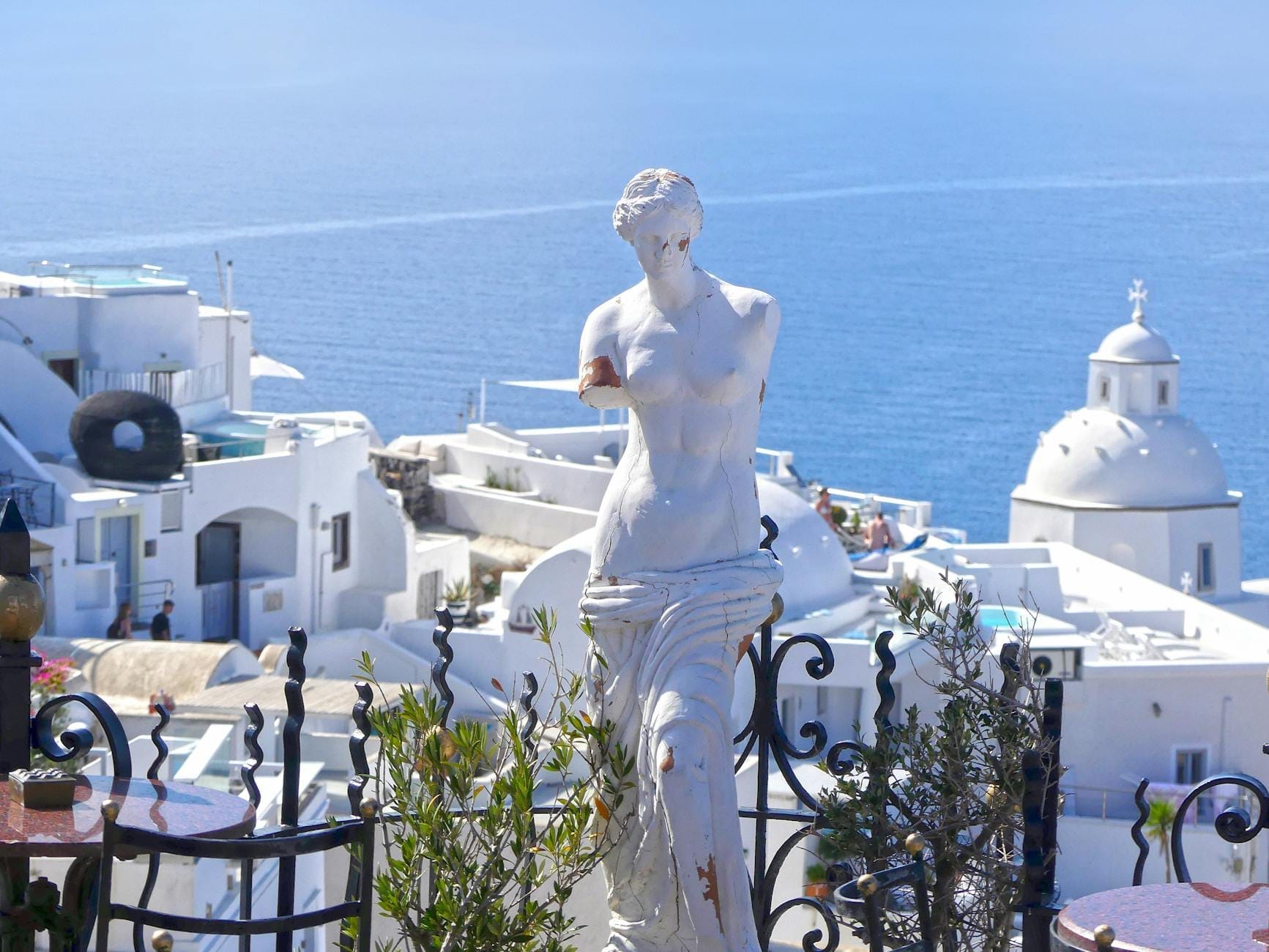
17. Browse Contemporary Art in an Atmospheric Wine Cave at Art Space Santorini
Art Space combines rotating exhibitions of serious Greek and international contemporary art with wine tastings inside one of the island's oldest cave wineries near Exo Gonia. It's the island's most credible art venue and genuinely surprising in its quality.
Explore17. Browse Contemporary Art in an Atmospheric Wine Cave at Art Space Santorini
Art Space combines rotating exhibitions of serious Greek and international contemporary art with wine tastings inside one of the island's oldest cave wineries near Exo Gonia. It's the island's most credible art venue and genuinely surprising in its quality.
Explore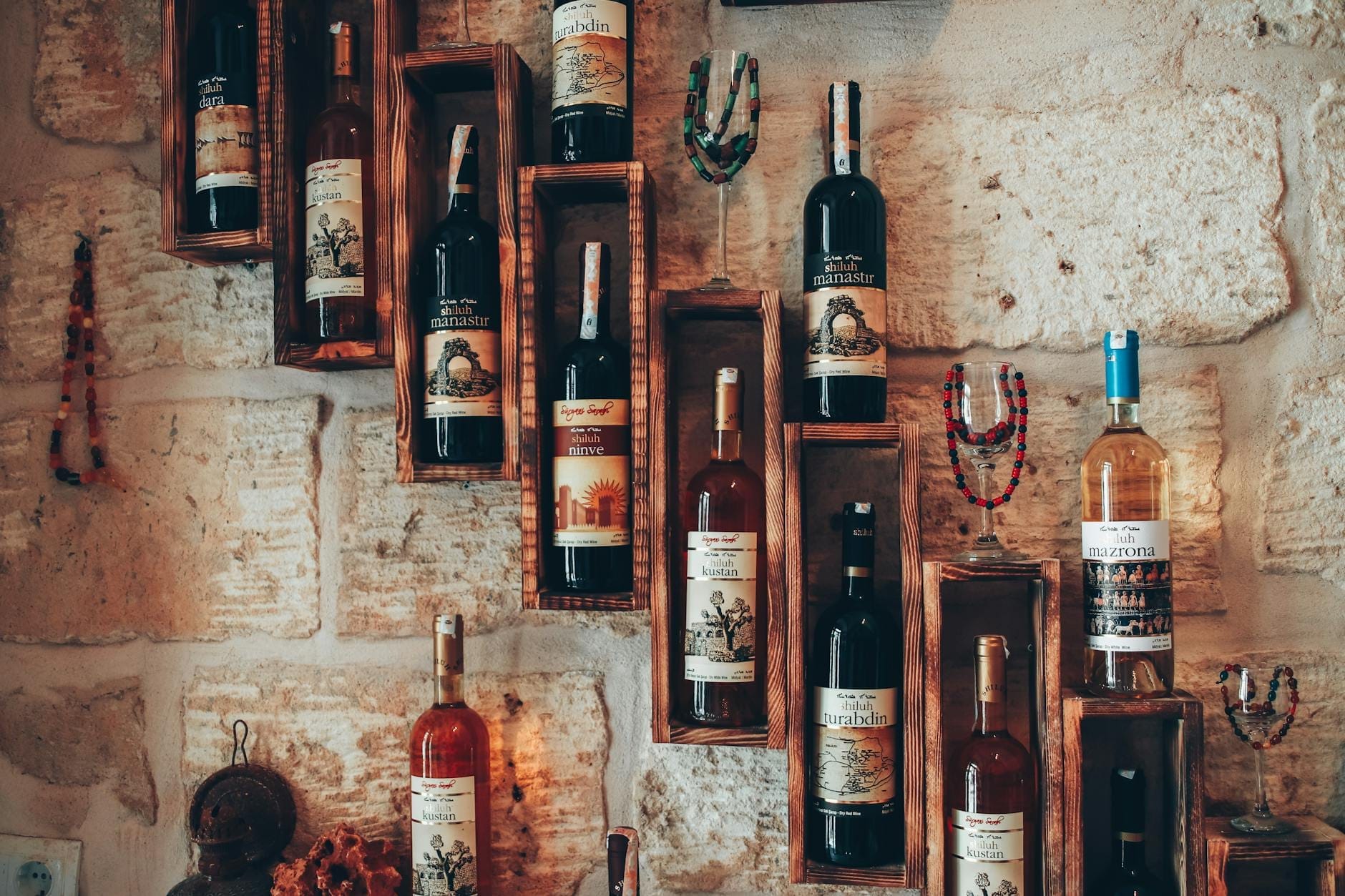
18. Explore 500 Years of Wine History Underground at the Koutsoyannopoulos Wine Museum
Carved into volcanic rock beneath Vothonas, this underground museum traces Santorinian wine history through life-size dioramas and antique equipment. The natural rock keeps it cool year-round and the tunnel system alone makes it worth the detour from Pyrgos.
Explore18. Explore 500 Years of Wine History Underground at the Koutsoyannopoulos Wine Museum
Carved into volcanic rock beneath Vothonas, this underground museum traces Santorinian wine history through life-size dioramas and antique equipment. The natural rock keeps it cool year-round and the tunnel system alone makes it worth the detour from Pyrgos.
Explore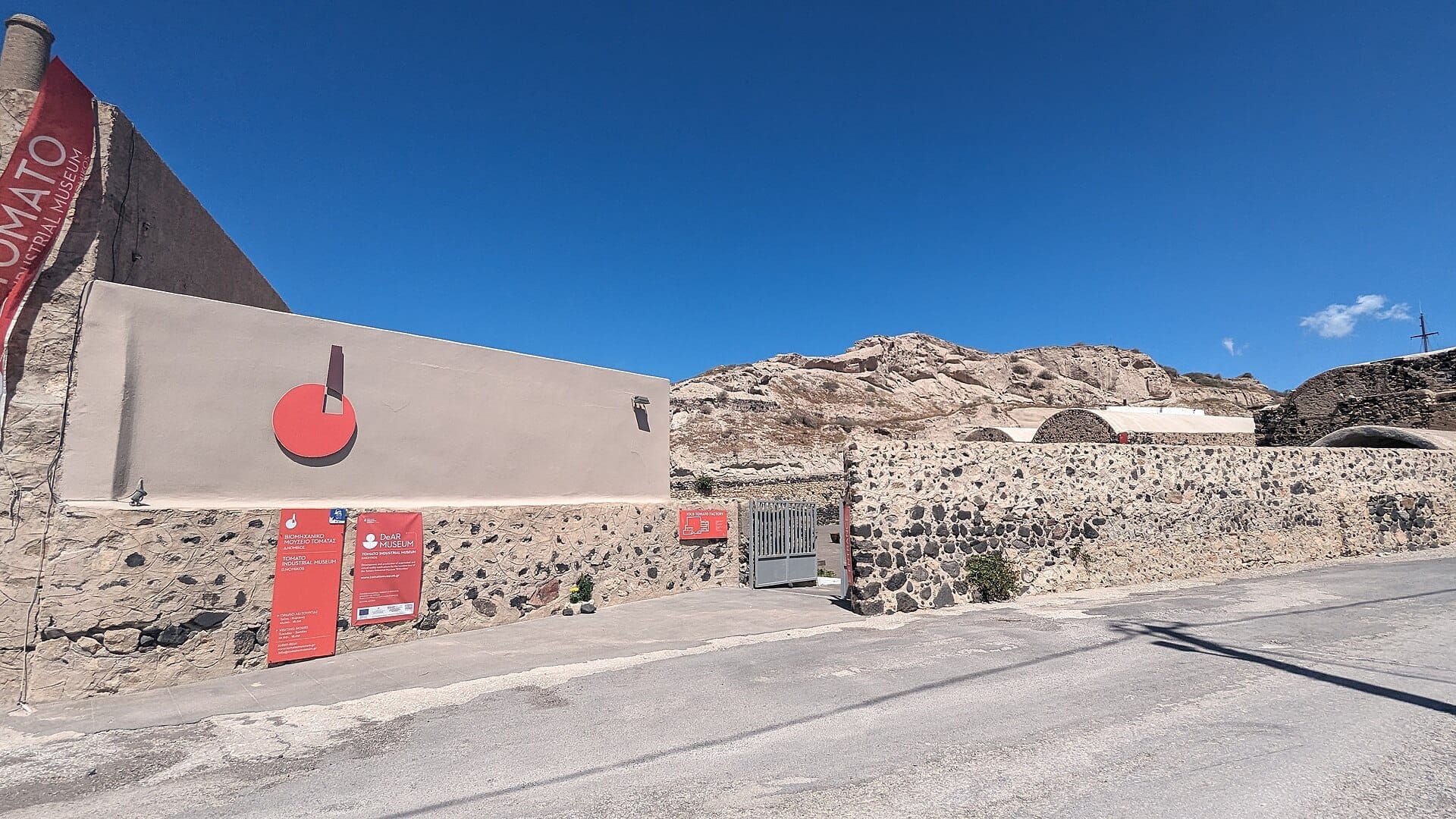
19. Discover the Island's Forgotten Tomato Industry at Vlychada's Quirky Factory Museum
A restored tomato-processing factory near Vlychada tells the story of Santorini's once-thriving canning industry through original machinery and photographs. It's charming, educational, and completely unexpected — one of the island's most individual museums.
Explore19. Discover the Island's Forgotten Tomato Industry at Vlychada's Quirky Factory Museum
A restored tomato-processing factory near Vlychada tells the story of Santorini's once-thriving canning industry through original machinery and photographs. It's charming, educational, and completely unexpected — one of the island's most individual museums.
Explore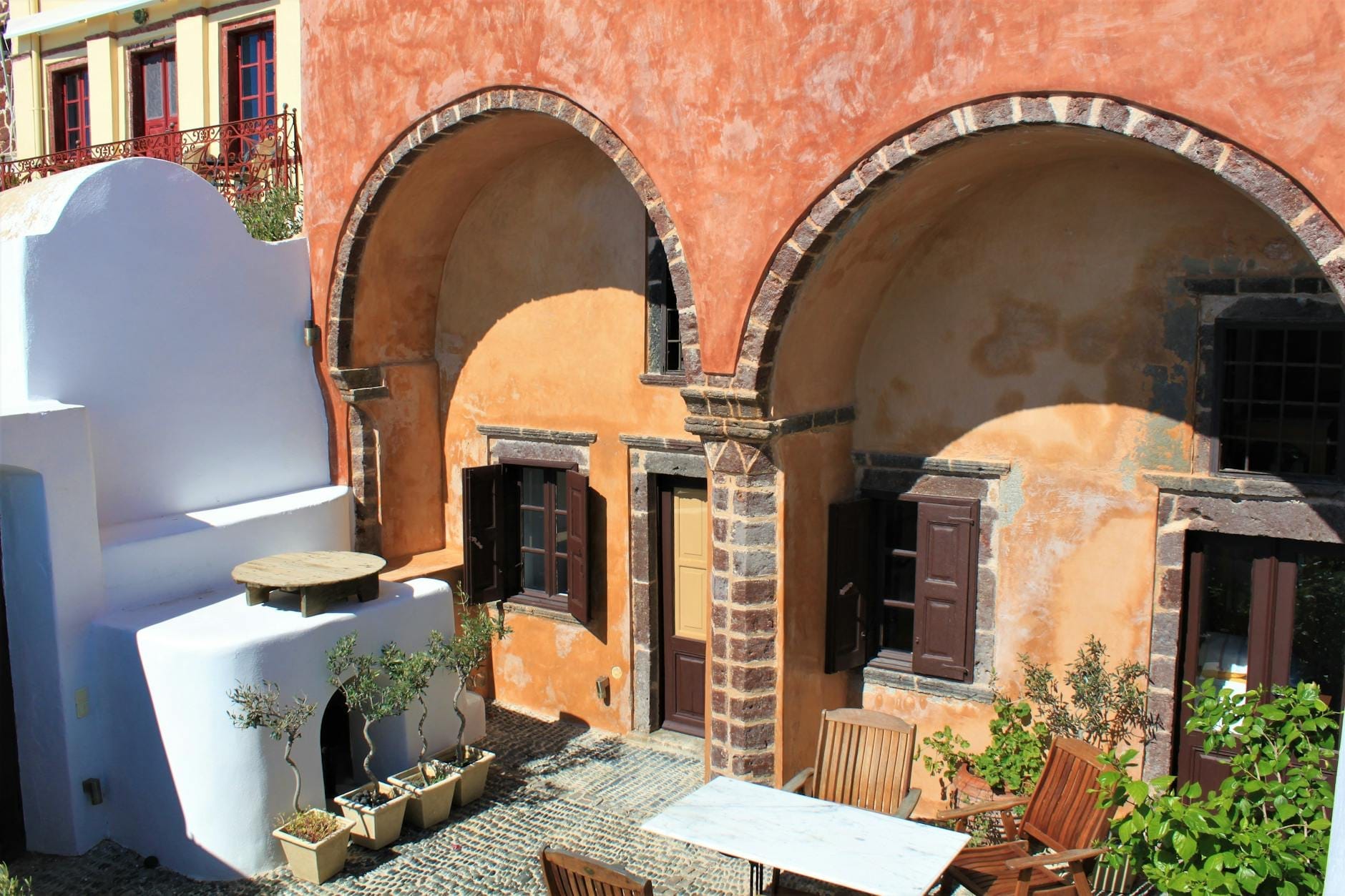
20. See Pre-Tourism Santorini Through Rare Photographs at the Megaro Gyzi Museum
Housed in a restored 17th-century mansion in Fira, this small cultural museum holds historical maps, engravings, and rare photographs of the island before mass tourism transformed it. Give it 45 minutes; it fundamentally changes how you see the island around you.
Explore20. See Pre-Tourism Santorini Through Rare Photographs at the Megaro Gyzi Museum
Housed in a restored 17th-century mansion in Fira, this small cultural museum holds historical maps, engravings, and rare photographs of the island before mass tourism transformed it. Give it 45 minutes; it fundamentally changes how you see the island around you.
ExploreAncient History & Archaeology
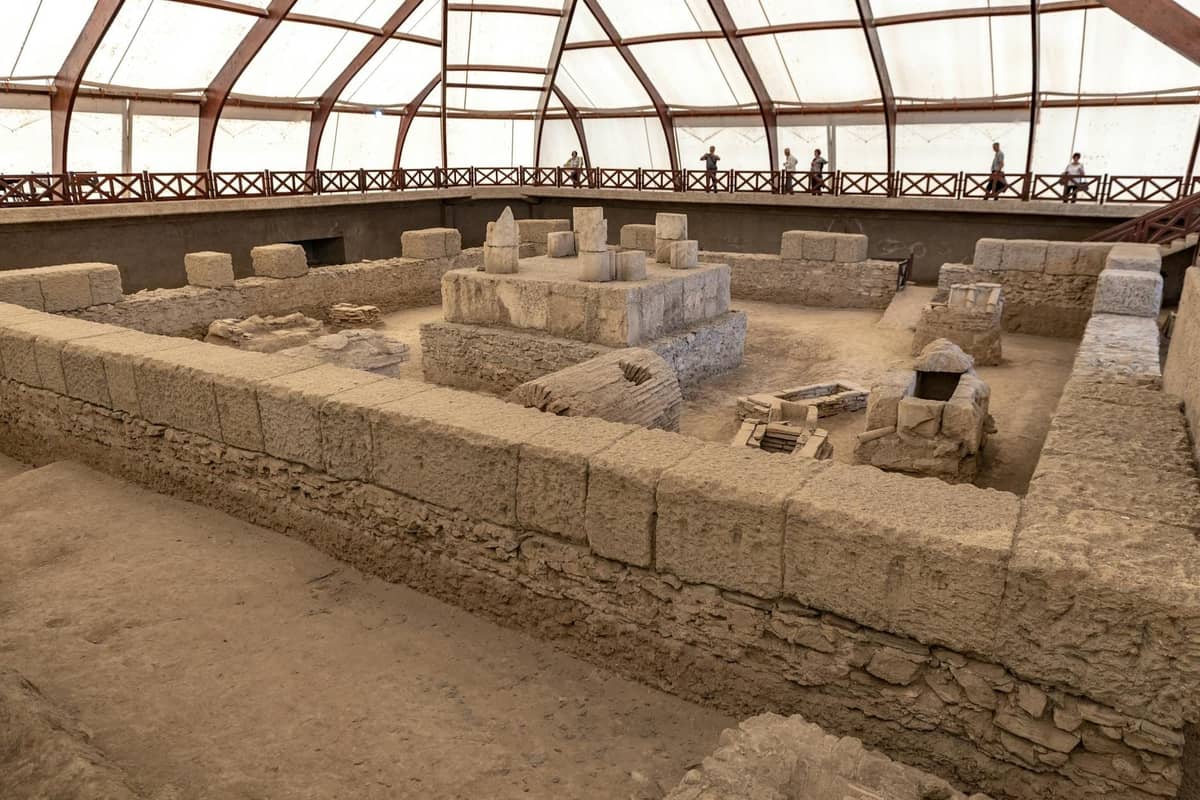
Santorini's ancient history is as remarkable as its scenery. The Minoan city at Akrotiri was buried by a catastrophic volcanic eruption around 1600 BCE — on a scale that may have reshaped the entire Bronze Age Aegean world. For a full picture of the island's archaeological sites and their context, the history and ancient ruins guide goes into much greater depth.
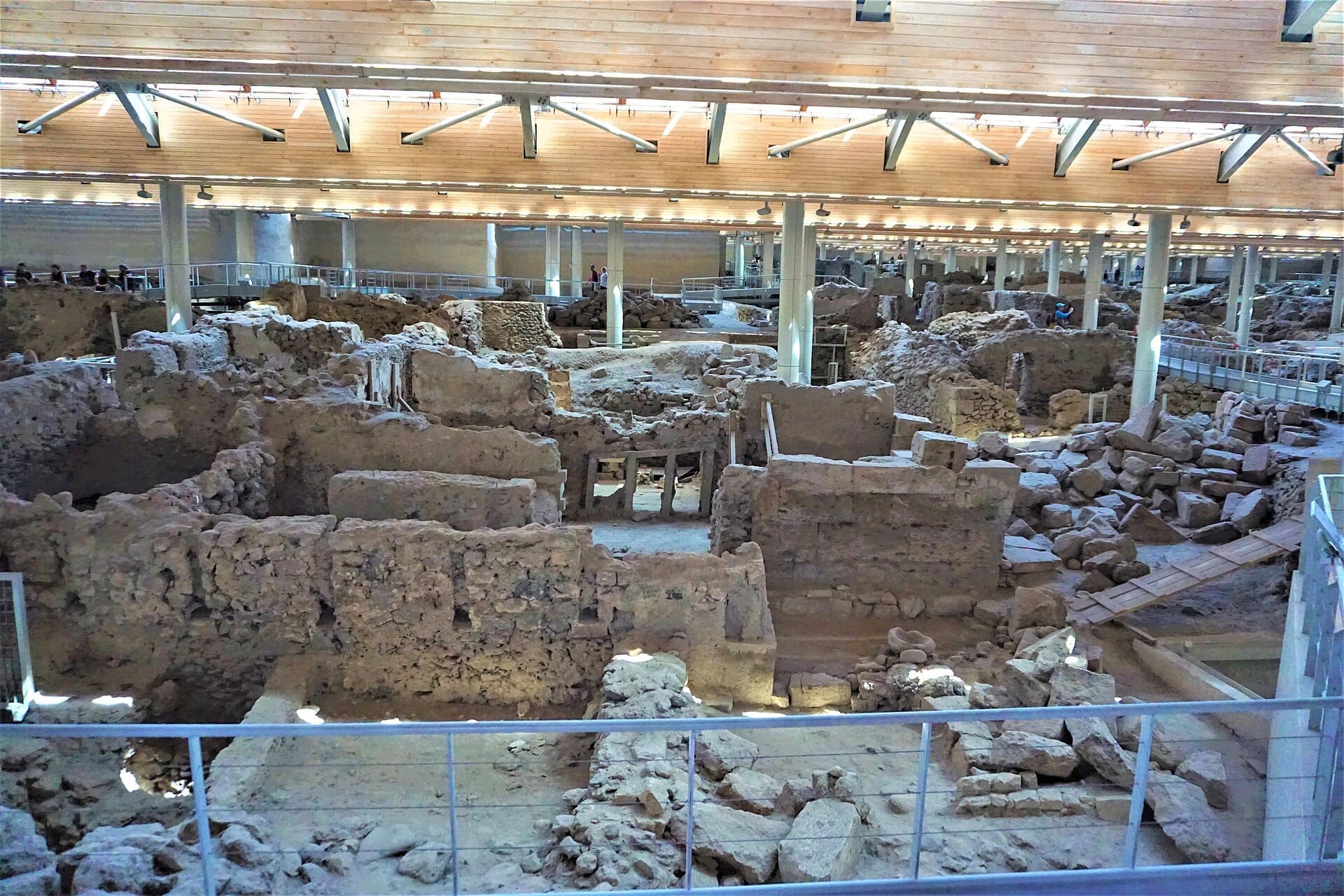
21. Walk Through a Bronze Age City at Akrotiri, the 'Minoan Pompeii'
Preserved under volcanic ash since around 1600 BCE, Akrotiri's multi-story buildings, frescoed walls, and drainage systems remain remarkably intact. The climate-controlled shelter means you're walking above the actual excavation — one of the most significant prehistoric sites in Europe.
Explore21. Walk Through a Bronze Age City at Akrotiri, the 'Minoan Pompeii'
Preserved under volcanic ash since around 1600 BCE, Akrotiri's multi-story buildings, frescoed walls, and drainage systems remain remarkably intact. The climate-controlled shelter means you're walking above the actual excavation — one of the most significant prehistoric sites in Europe.
Explore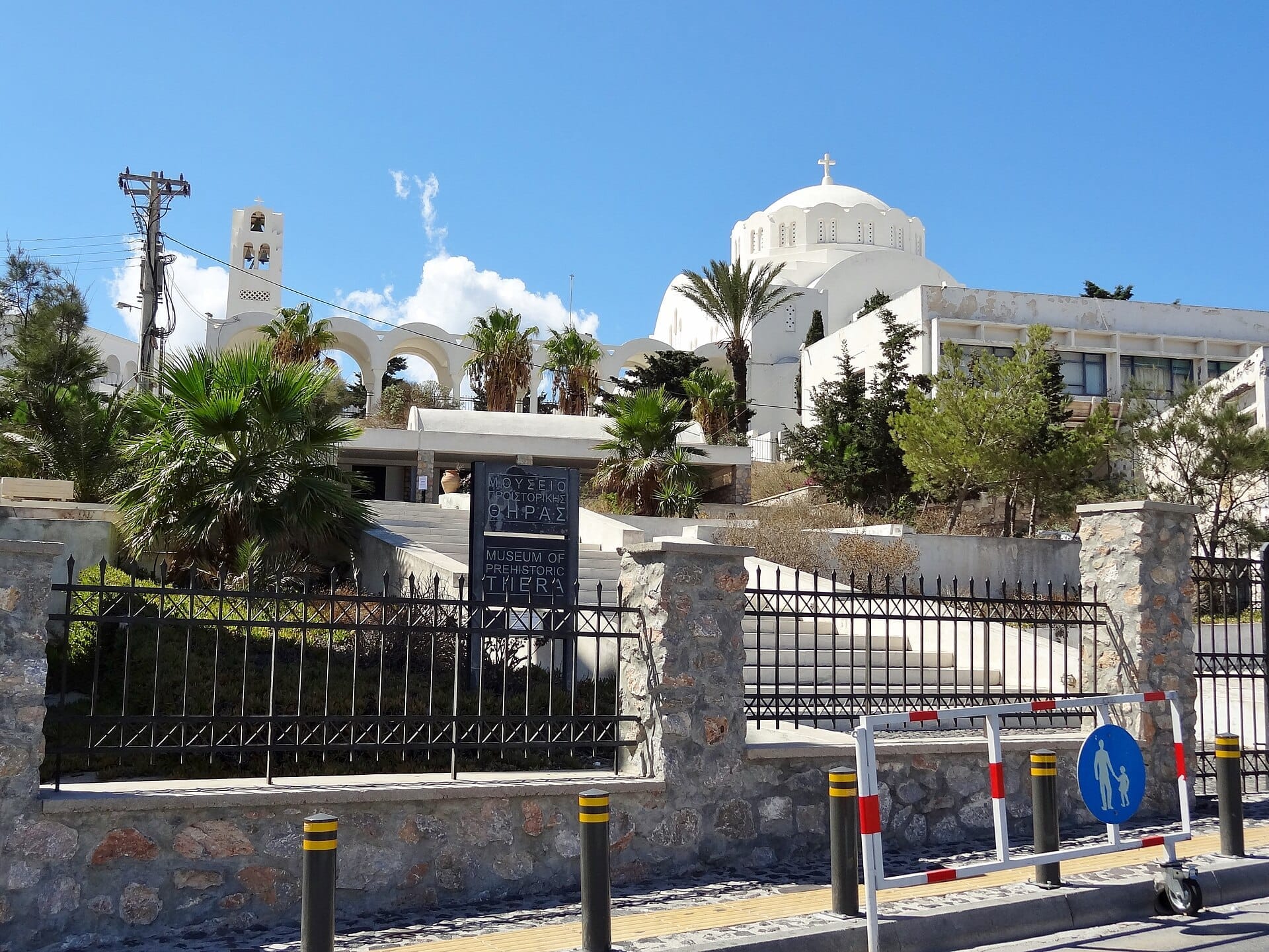
22. See the Minoan Frescoes and Gold Ibex at the Museum of Prehistoric Thera
Fira's most important museum houses the finest artifacts from Akrotiri, including the gold ibex figurine and stunning Minoan frescoes. If you're visiting the archaeological site, pair it with this museum — each place illuminates the other significantly.
Explore22. See the Minoan Frescoes and Gold Ibex at the Museum of Prehistoric Thera
Fira's most important museum houses the finest artifacts from Akrotiri, including the gold ibex figurine and stunning Minoan frescoes. If you're visiting the archaeological site, pair it with this museum — each place illuminates the other significantly.
Explore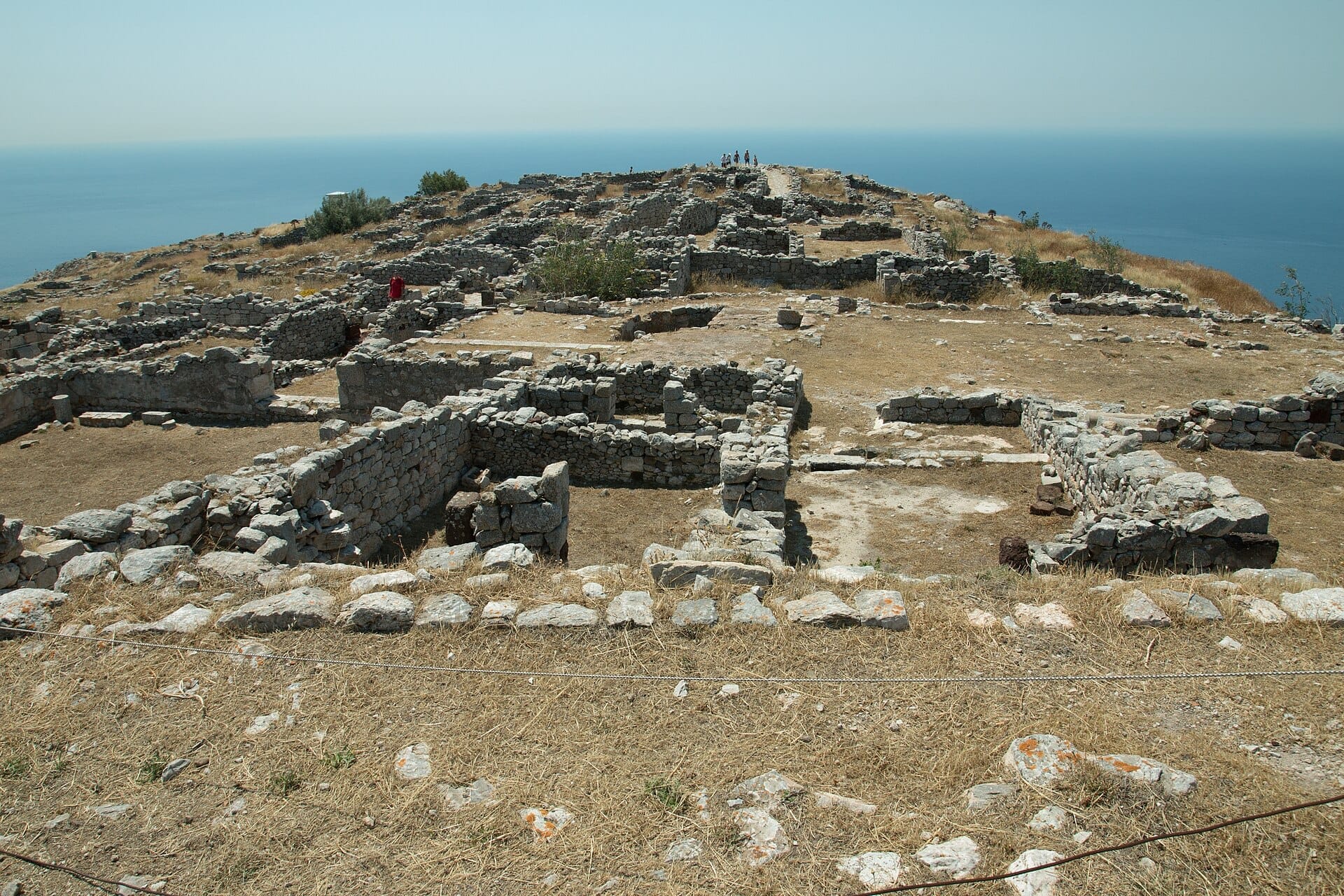
23. Hike to the Ridge-Top Ruins of Ancient Thera Between Kamari and Perissa
Perched on Mesa Vouno ridge between two coastlines, Ancient Thera is a remarkably intact Hellenistic and Roman city with temples, an agora, and inscriptions going back to the 9th century BCE. The views from the summit over both coasts alone justify the steep climb.
Explore23. Hike to the Ridge-Top Ruins of Ancient Thera Between Kamari and Perissa
Perched on Mesa Vouno ridge between two coastlines, Ancient Thera is a remarkably intact Hellenistic and Roman city with temples, an agora, and inscriptions going back to the 9th century BCE. The views from the summit over both coasts alone justify the steep climb.
ExploreOff-Island Escapes from Santorini
Two of Santorini's most rewarding experiences require leaving the main island entirely. The caldera boat circuit takes in the active volcano and hot springs, while a short ferry crossing to Thirasia delivers something increasingly rare: an Aegean island that has seen far less impact from mass tourism than Santorini itself. Both make excellent half-day trips and can be combined if you start early.
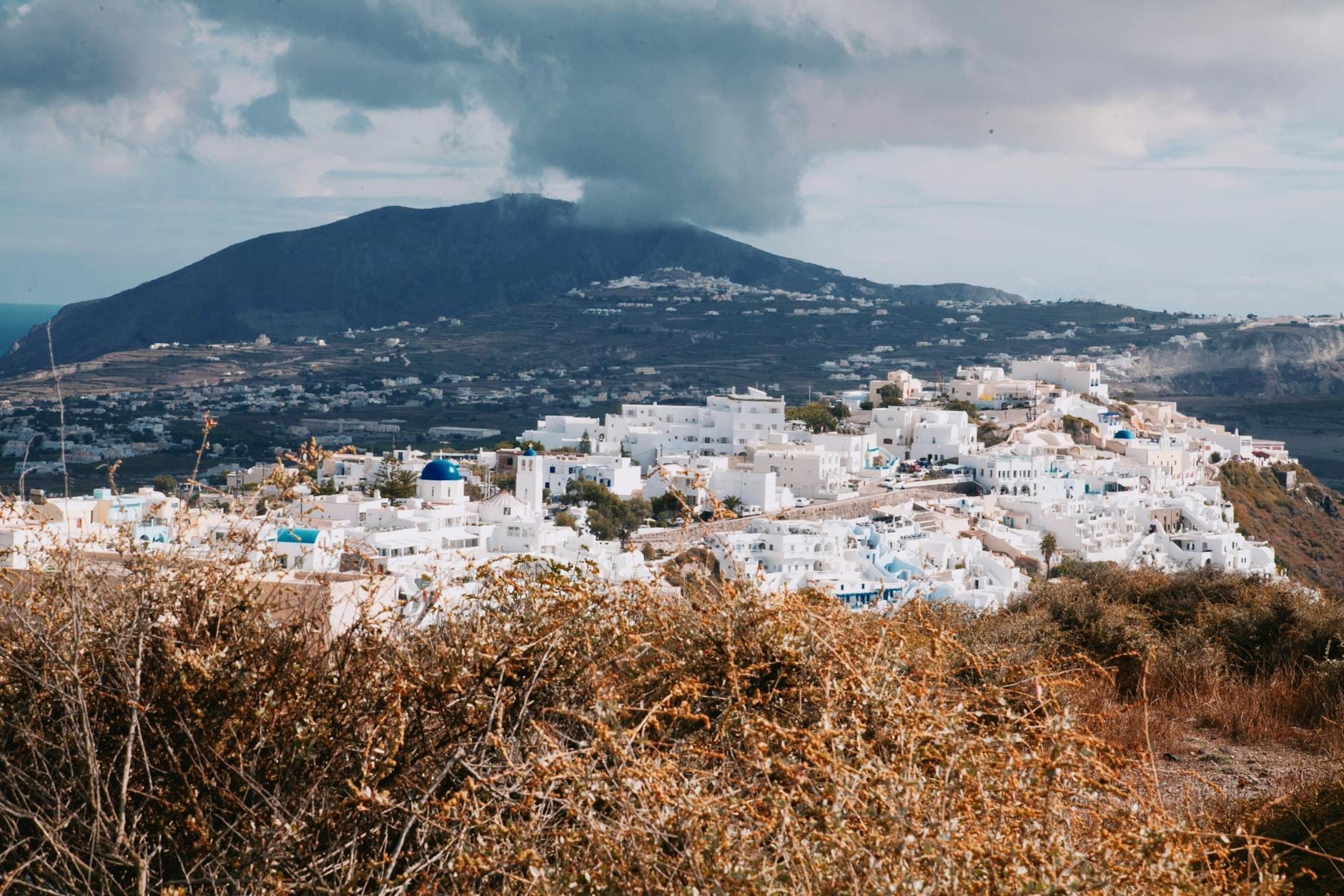
24. Cross to Thirasia Island and Climb to Manolas for Pre-Tourism Aegean Life
A short ferry from Oia's Ammoudi Bay or Fira's Old Port reaches Thirasia, where 300 steps up from the port lead to Manolas village: a handful of tavernas, a church, and sweeping caldera views with almost no other tourists. The contrast with Santorini is striking.
Explore24. Cross to Thirasia Island and Climb to Manolas for Pre-Tourism Aegean Life
A short ferry from Oia's Ammoudi Bay or Fira's Old Port reaches Thirasia, where 300 steps up from the port lead to Manolas village: a handful of tavernas, a church, and sweeping caldera views with almost no other tourists. The contrast with Santorini is striking.
Explore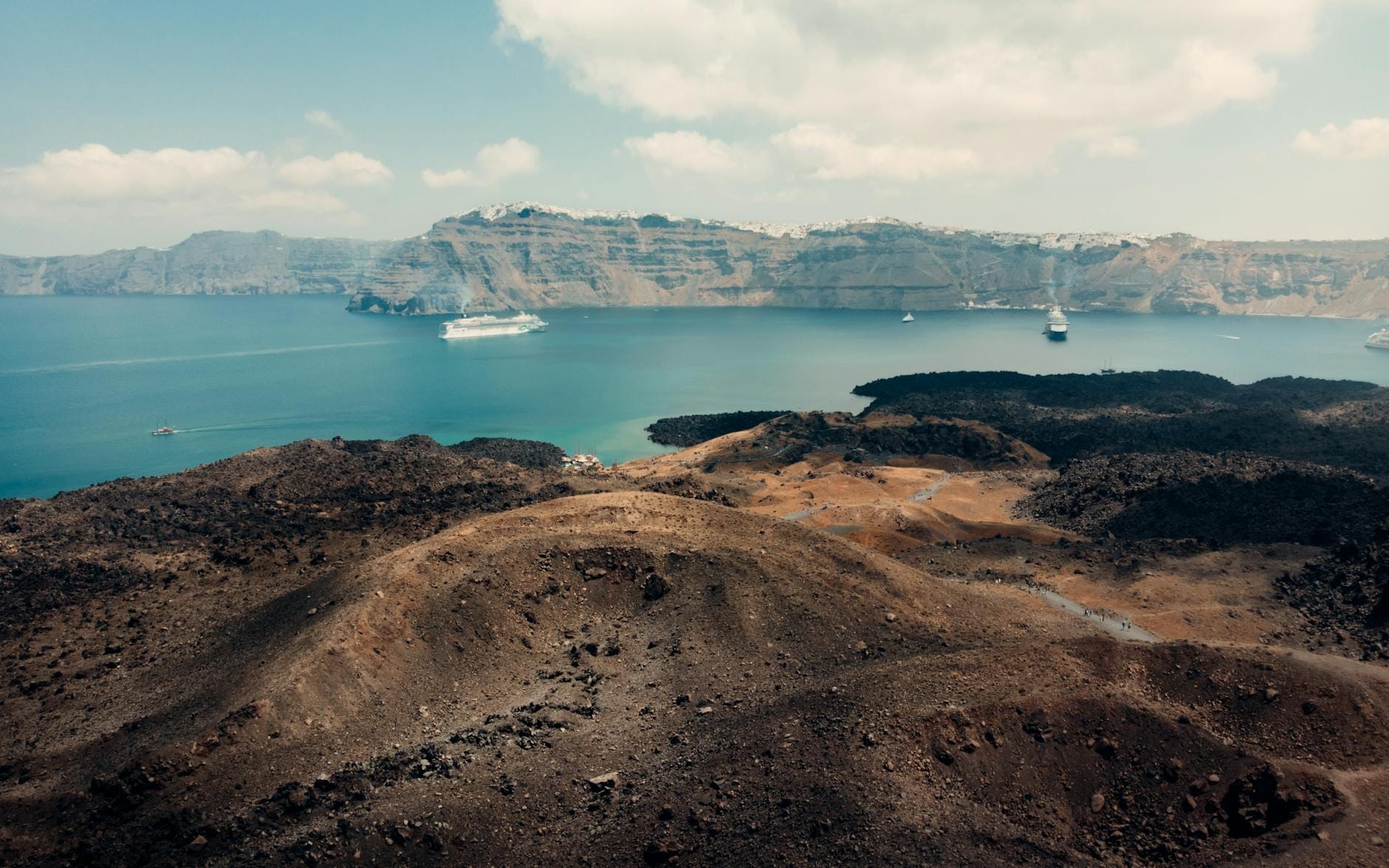
25. Hike Across Active Lava Fields to the Steaming Crater on Nea Kameni
The volcanic island at the caldera's center is reached by boat tour from Fira or Ammoudi Bay. The hike across hardened lava to the steaming crater rim takes about 30 minutes and delivers a genuinely surreal landscape unlike anything else in the Aegean.
Explore25. Hike Across Active Lava Fields to the Steaming Crater on Nea Kameni
The volcanic island at the caldera's center is reached by boat tour from Fira or Ammoudi Bay. The hike across hardened lava to the steaming crater rim takes about 30 minutes and delivers a genuinely surreal landscape unlike anything else in the Aegean.
Explore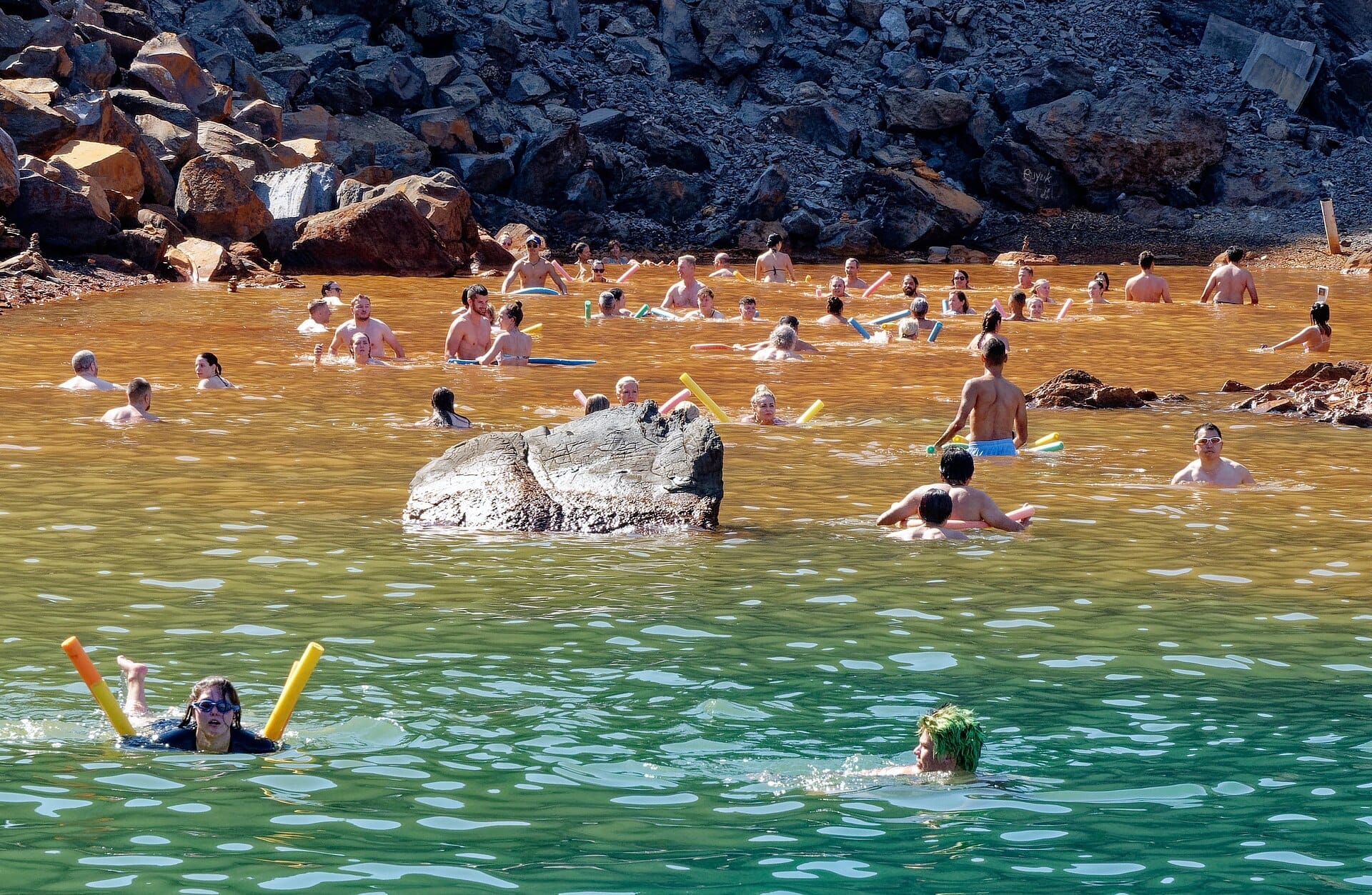
26. Swim Through Sulfurous Rust-Colored Water at the Caldera Hot Springs
The volcanic hot springs off Palea Kameni reach around 35°C and stain the sea a rust-orange color. Most caldera boat tours include a swimming stop here — warn fellow travelers that the sulfur water stains white swimwear yellow permanently.
Explore26. Swim Through Sulfurous Rust-Colored Water at the Caldera Hot Springs
The volcanic hot springs off Palea Kameni reach around 35°C and stain the sea a rust-orange color. Most caldera boat tours include a swimming stop here — warn fellow travelers that the sulfur water stains white swimwear yellow permanently.
ExploreFAQ
Which parts of Santorini are least crowded?
The inland medieval villages of Pyrgos, Emporio, and Megalochori see a fraction of the visitors that Oia and Fira attract, even in peak July and August. On the coast, Cape Columbo in the northeast and Vlychada in the south are consistently quieter than Kamari or Perissa.
Can I reach Santorini's hidden gems without a car?
Some spots are accessible by KTEL bus — Akrotiri, Kamari, and Perissa are all served from Fira. However, places like Cape Columbo and Vlychada are significantly easier with a rental car or scooter, while Emporio and Megalochori are also served by KTEL buses but with less frequent routes than the main beach towns. Taxis are an option but add up quickly if you're visiting multiple sites in a day.
Is Thirasia worth visiting as a day trip from Santorini?
Yes, especially if you're spending more than two or three days on Santorini. The contrast is immediate: Thirasia has a handful of tavernas, limited tourist infrastructure, and caldera views that feel earned rather than packaged. Ferry connections run from Ammoudi Bay and Fira's Old Port, most frequently in summer.
When is the best time to visit Santorini's quieter sites?
For beaches and outdoor sites, April through June and September through October offer good weather with noticeably smaller crowds than July and August. For the medieval villages and museums, even peak summer is manageable because the volume of visitors there is low relative to the caldera villages.
Are Santorini's archaeological sites worth visiting if you're not a history enthusiast?
Akrotiri Archaeological Site and the Museum of Prehistoric Thera are compelling even without specialist knowledge — the scale of the preserved Bronze Age city and the quality of the Minoan frescoes speak for themselves. Ancient Thera is more rewarding for those willing to hike; the ruins require some imagination, but the ridge-top location and views are spectacular regardless.