Santorini Wine Guide: Assyrtiko, Wineries & Tastings Explained
Santorini produces some of Greece's most distinctive wines, shaped by volcanic soils, searing heat, and ancient vines trained in basket shapes against the Aegean wind. This guide covers every wine style, the best wineries to visit, how to book tastings, and what to order with your food.
Plan and book this trip
Tools from our partner Travelpayouts help you compare flights and hotels. If you book through them, we may earn a commission at no extra cost to you.
Flights
Hotels map
TL;DR
- Assyrtiko is Santorini's flagship grape: bone-dry, high-acid, intensely mineral, with citrus and saline notes from volcanic soil.
- Three main wine styles to know: dry Assyrtiko (PDO Santorini), Vinsanto (sweet, sun-dried), and Nykteri (full-bodied, oak-aged).
- Top wineries include Estate Argyros, Santo Wines, and Venetsanos — book tastings in advance during peak season (July–August).
- Vines on Santorini can be over 200 years old, trained in low basket shapes called kouloura to survive wind and drought.
- The best time to visit wineries is shoulder season: April–June or September–October. Pair winery visits with the best time to visit Santorini for manageable crowds.
Why Santorini Wine Is Unlike Anything Else in Greece
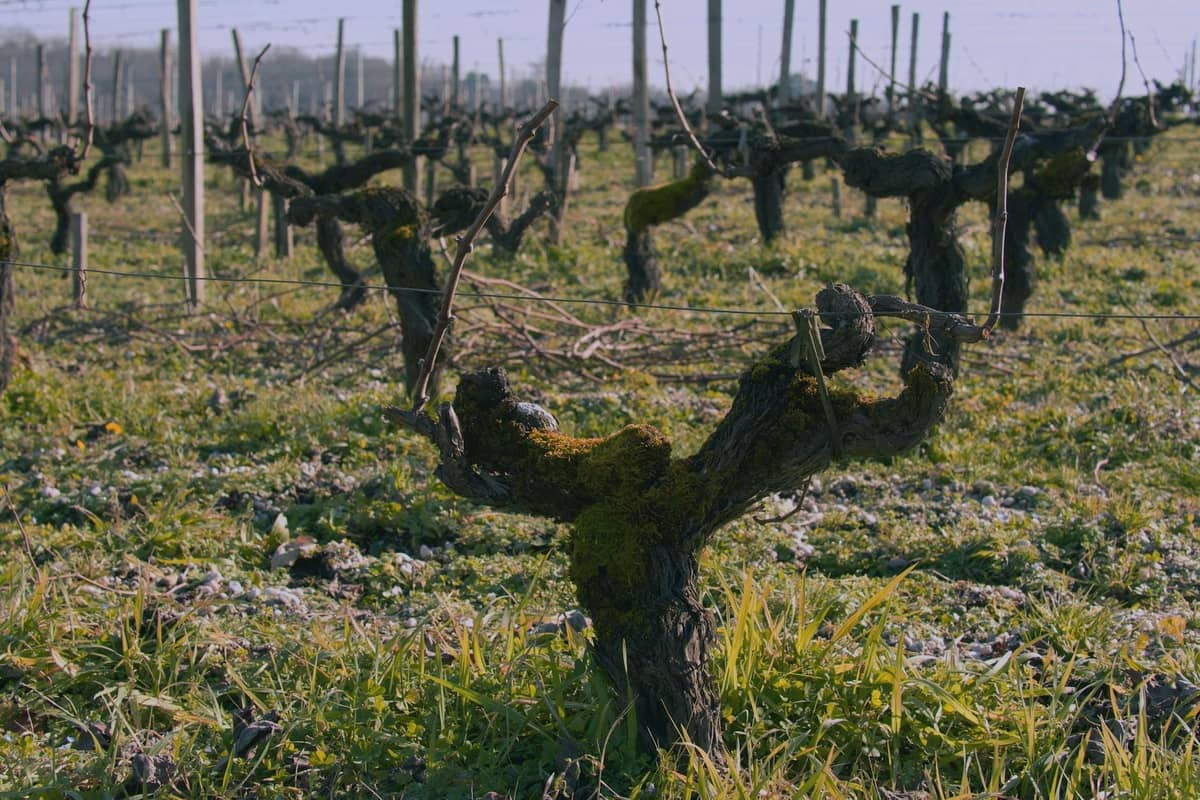
Santorini's wine reputation rests on a simple but remarkable fact: the island's volcanic soils, brutal aridity, and relentless winds create growing conditions that would destroy most grape varieties. Assyrtiko not only survives here, it thrives, producing wines of extraordinary concentration, mineral precision, and aging potential. The soils are composed of volcanic ash and pumice with very low organic matter, which forces vines to dig deep for nutrients and water. There is almost no irrigation. Rainfall averages among the lowest of any Greek wine region.
What makes Santorini viticulture truly singular is the kouloura, or basket vine training. Rather than training vines upward on trellises, growers coil them low to the ground in circular basket shapes. The canopy of leaves shades the grapes from direct sun, traps moisture overnight, and keeps fruit off the hot volcanic soil. Some of these vines are genuinely ancient: Estate Argyros, the island's most celebrated producer, farms plots with vines estimated at over 200 years old. These pre-phylloxera vines were never replanted because the volcanic, sandy soil prevented the louse from taking hold.
ℹ️ Good to know
Santorini has its own PDO (Protected Designation of Origin) classification: PDO Santorini covers dry whites, primarily from Assyrtiko. Vinsanto also has its own PDO. These designations are a reliable indicator of quality and authenticity when buying bottles to take home.
The Three Wine Styles You Need to Know
Most visitors only encounter dry Assyrtiko, but Santorini produces three distinct styles worth seeking out. Understanding them changes what you order and what you taste.
- Dry Assyrtiko (PDO Santorini) The benchmark style. Bone-dry, high acidity, striking minerality, with flavors of lemon zest, lime, green apple, and a characteristic saline finish. Unoaked versions are leaner and more citrus-forward. Barrel-aged 'Grande Reserve' styles develop honey, toast, vanilla, and dried fruit with 12-18 months in oak — these age well for a decade or more.
- Vinsanto (PDO Vinsanto) Santorini's answer to Vin Santo. Grapes (Assyrtiko blended with Aidani and sometimes Athiri) are sun-dried on rooftops or drying racks for 10-14 days before pressing, concentrating sugars intensely. The wine is aged in barrel, sometimes for decades. The result is rich, amber-colored, with flavors of dried fig, caramel, coffee, orange peel, and roasted nuts. Estate Argyros's 20-year barrel-aged Vinsanto received 100 points from Wine & Spirits Magazine — and it earns it.
- Nykteri Historically, Nykteri ('night worker' in Greek) was harvested after dark to preserve freshness. Today it refers to a full-bodied, oak-aged white made predominantly from Assyrtiko, often blended with Athiri or Aidani. Expect a richer texture than standard Assyrtiko, with honey, citrus pith, vanilla, and a long finish. It sits between a lean dry white and a rich barrel-fermented Burgundy in style.
A common misconception worth clearing up: Assyrtiko is not exclusively a Santorini grape. It is now grown across Greece, including the Aegean Islands and Northern Greece, where the profiles tend to be slightly softer and more fruit-forward. The volcanic terroir of Santorini is what drives the extreme minerality and salinity in island-grown bottles. Similarly, Assyrtiko is not always dry. Vinsanto is a sweet wine with Assyrtiko as its primary component, and it is arguably the more complex expression of the grape's potential.
The Best Wineries to Visit in Santorini
Santorini has several dozen operational wineries open to visitors, ranging from large cooperative operations to small family estates. The four most consistently recommended are Santo Wines, Estate Argyros, Venetsanos Winery, and the Koutsoyannopoulos Wine Museum. Each offers a different experience.
- Estate Argyros (Episkopi Gonias) The most acclaimed producer on the island and the one most serious wine travelers prioritize. Run by the Argyros family, the estate farms some of Santorini's oldest vines — over 200 years — entirely organically. Their tasting experiences are more intimate than the large cooperatives. Book directly via their website well in advance. The 20-year Vinsanto is worth buying if you can find it.
- Santo Wines (Pyrgos) The island's large cooperative winery, representing hundreds of small growers. Located near Pyrgos with a dramatic caldera view terrace, it is the most visitor-friendly setup on the island: walk-in tastings are often possible (though booking ahead in summer is sensible), the staff are accustomed to first-time Greek wine drinkers, and the price-to-quality ratio across their range is solid. Good starting point if you're new to Santorini wine.
- Venetsanos Winery (Megalochori) Built in 1947, this historic winery sits on the caldera cliff near Megalochori with striking sea views. The architecture alone is worth the visit. Tastings can be combined with a meal on their terrace. The range focuses on Assyrtiko and blends; quality is reliable rather than exceptional, but the setting elevates the experience.
- Koutsoyannopoulos Wine Museum (Kamari) Less about tasting, more about context. This museum traces the 500-year history of winemaking in Santorini through an underground carved-cave exhibit near Kamari. It gives useful background before you visit working wineries. There is a tasting included at the end.
⚠️ What to skip
Tasting fees, opening hours, and booking requirements change seasonally and year to year. Always confirm current availability and pricing directly with the winery before visiting. Most estates reduce hours or close entirely from November through March.
How to Plan Your Winery Visits: Practical Logistics
July and August are the worst months to visit wineries without a reservation. Cruise ships dock at the Old Port of Fira most mornings, and wine tours fill up quickly. If you are visiting in peak season, book tasting slots at least a week ahead, ideally two. The most popular estates — particularly Argyros — fill their slots faster than any accommodation on the island.
For logistics, wineries are spread across the southern and central part of the island. Estate Argyros is near Episkopi, Venetsanos is near Megalochori, and Santo Wines is near Pyrgos. None of these are walkable from Fira or Oia. You will need a rental car, taxi, or organized tour. Renting an ATV is popular but genuinely dangerous on Santorini's roads — stick to a car if you plan to visit multiple estates in one day.
✨ Pro tip
Combine a morning winery visit with an afternoon at one of the southern beaches. Perissa and Perivolos are both within 10-15 minutes of most central wineries and make for a logical half-day pairing. Tasting wine in 35°C heat without food or water is a fast route to a bad afternoon — eat before you go and drink water between tastings.
Tasting Santorini Wine: What to Order and What to Pay
Most winery tasting experiences on Santorini follow a structured format: a flight of three to five wines, sometimes accompanied by local foods like cherry tomatoes, fava, or dried capers. Prices for standard tastings range from around 15 to 40 euros per person depending on the producer and what is included. Premium experiences with food pairings or older vintages sit higher, sometimes 60 to 80 euros. These figures can and do change, so verify with each winery directly.
When ordering wine by the glass at a restaurant, do not default to the cheapest Assyrtiko on the list. The quality gap between a basic cooperative wine and a single-estate bottling is significant. Look for producers like Argyros, Gavalas, Sigalas, or Domaine Sigalas on the list and pay the extra few euros. A good Assyrtiko should feel electric: that combination of high acid, volcanic mineral intensity, and saline finish is not something you find easily outside Santorini.
Vinsanto is almost always sold by the small glass (50-100ml) rather than a full pour, given its sweetness and intensity. Order it with soft cheese, walnuts, or local loukoumades if you can. It also pairs unexpectedly well with the island's dark chocolate products. For food pairing more broadly, check the what to eat in Santorini guide — the local cherry tomatoes, white eggplant, and fresh seafood are all classic Assyrtiko partners.
- Order unoaked Assyrtiko with grilled fish, seafood pasta, or raw shellfish
- Order barrel-aged or Grande Reserve Assyrtiko with richer seafood, grilled octopus, or aged local cheese
- Order Nykteri with roasted vegetables, chicken, or mild soft cheese
- Order Vinsanto with pastries, dark chocolate, dried fruit, or blue cheese
- Avoid ordering Assyrtiko to pair with heavy red meat dishes — look for imported reds on the menu instead
When to Go, What to Expect by Season
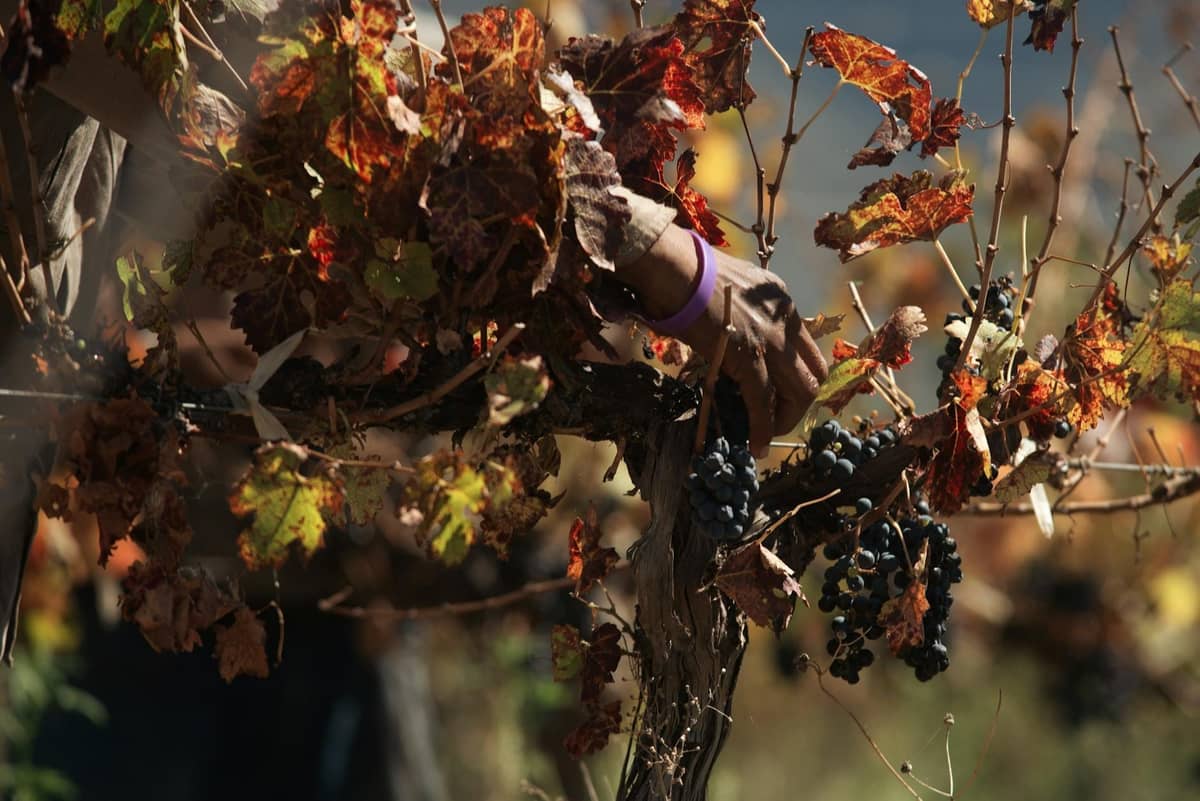
The harvest on Santorini typically runs from late August through early September, earlier than most European wine regions because the volcanic soil retains heat intensely. If you visit in late August, you may see harvesting in progress, which is worth witnessing. The low basket vines make mechanical harvesting impossible, so everything is done by hand. For everything else about timing your trip, the Santorini weather by month guide covers seasonal variations in detail.
April to June is the ideal window for winery visits. The weather is warm but not punishing, crowds are manageable, and most estates have opened for the season with full tasting menus. September and October are also excellent: post-harvest, the wine teams are less busy, and some estates offer special tastings of the new vintage. November through March, most smaller producers close entirely or operate by appointment only.
FAQ
What does Assyrtiko taste like?
Assyrtiko is bone-dry with notably high acidity, intense minerality, and flavors of lemon zest, lime, green apple, and a characteristic saline or stony finish. The volcanic soils and proximity to the sea contribute a quality that wine writers describe as 'volcanic minerality.' Oak-aged versions add honey, vanilla, and dried fruit to the profile.
Do I need to book winery tours in advance in Santorini?
Yes, especially from June through August. The most sought-after estates like Argyros book out quickly during peak season. Santo Wines is more flexible and sometimes accepts walk-ins, but booking ahead is always safer. Contact wineries directly through their official websites to confirm current availability and pricing.
What is Vinsanto and how is it different from Italian Vin Santo?
Santorini's Vinsanto is made from sun-dried Assyrtiko (with Aidani and sometimes Athiri) and barrel-aged for extended periods, sometimes decades. It produces a rich amber dessert wine with flavors of dried fig, caramel, coffee, and orange peel. Despite the similar name, it has no direct connection to Tuscan Vin Santo and has its own PDO classification under Greek wine law.
Can I buy Santorini wine to take home?
Yes. Most wineries sell bottles directly and can help with packaging for travel. Prices are generally lower at the winery than in island shops or export markets. Check airline liquid and baggage rules before buying large quantities. Estate Argyros, Santo Wines, and Venetsanos all have on-site wine shops.
Is Santorini wine only white wine?
Santorini is almost entirely a white wine island. Assyrtiko dominates at roughly 75% of plantings. There are small quantities of red wine produced from Mandilaria and Mavrotragano grapes, but these are rarely the focus of wine tourism. If you want to try a Santorini red, ask specifically at the winery rather than expecting it to appear on a standard tasting menu.