What to Eat in Santorini: The Complete Local Food & Cuisine Guide
Santorini's cuisine is shaped by volcanic soil, Bronze Age agriculture, and a seafaring tradition. This guide covers every local dish worth ordering, the ingredients that make them unique, how much to expect to pay, and when to visit for the freshest seasonal produce.
Plan and book this trip
Tools from our partner Travelpayouts help you compare flights and hotels. If you book through them, we may earn a commission at no extra cost to you.
Flights
Hotels map
TL;DR
- Santorini fava (PDO) is made from a local yellow pea, not broad beans, and has been cultivated on the island for over 3,500 years. It is the single most important dish to try.
- Tomatokeftedes (tomato fritters), chlorotyri cheese, and Santorini salad are hyper-local dishes you will not find in the same form anywhere else in Greece.
- Local produce peaks from late spring through early autumn; visiting in September puts you in prime season for cherry tomatoes, white eggplant, and fresh capers.
- A taverna meal with local specialties costs roughly €15–€25 per person before wine. Caldera-view restaurants charge a significant premium for the same dishes.
- Pair your meals with Assyrtiko white wine, which grows nowhere else with the same intensity. See our Santorini wine guide for winery recommendations.
Why Santorini's Food Is Different From the Rest of Greece
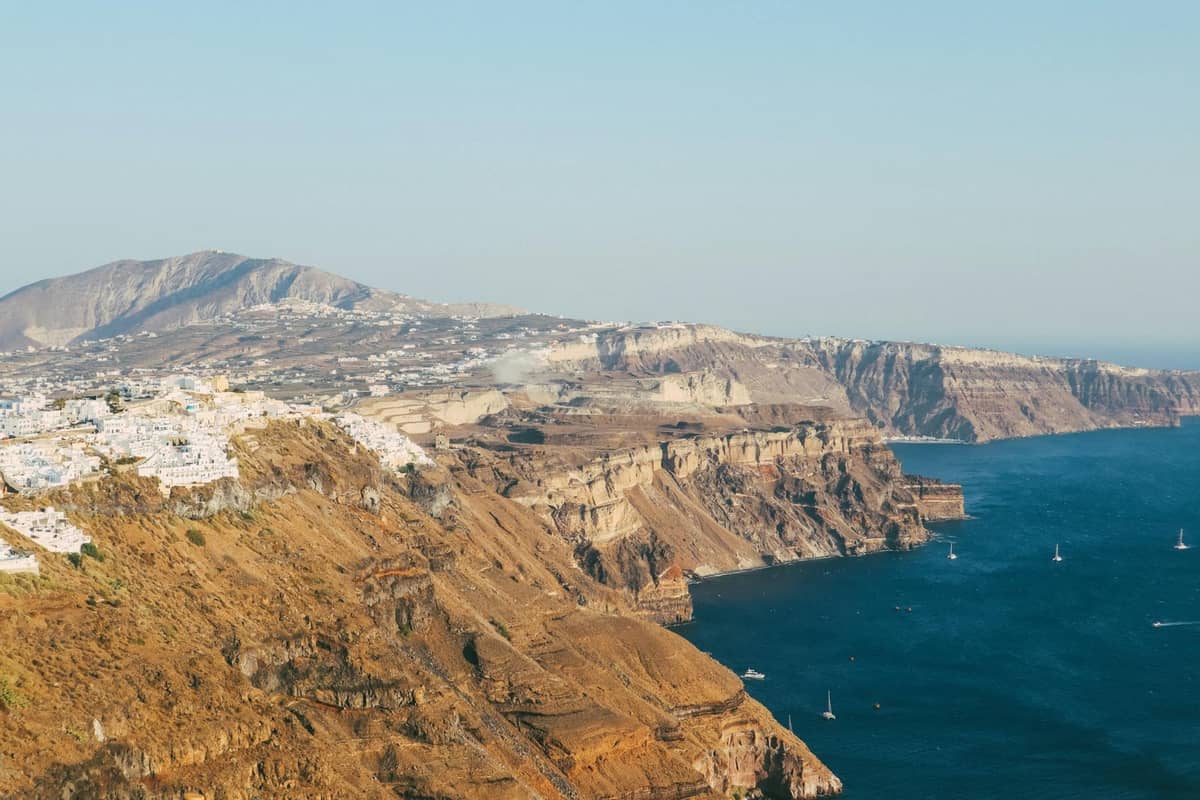
Santorini's cuisine did not develop in isolation from Greek cooking, but the volcanic terrain created a set of ingredients that have no real equivalent elsewhere. The island sits on pumice-rich, mineral-heavy volcanic soil with minimal rainfall, which stresses crops into producing smaller, more intensely flavored fruit and vegetables. The cherry tomatoes grown here are noted for being sweeter and denser than many mainland varieties, and the yellow peas used for fava take on a nuttier, earthier character from the same growing conditions. These are not just marketing claims — the fava holds a Protected Designation of Origin (PDO) status, and the island's tomato industry once supported a significant canning and paste export trade.
The food culture also reflects centuries of relative isolation and resourcefulness. Dishes like tomatokeftedes and skordomakarona were historically considered peasant food, built around surplus produce and cheap pantry staples. Today they appear on every tourist menu, but the best versions still come from family-run tavernas in inland villages rather than caldera-edge restaurants priced for the view.
ℹ️ Good to know
Santorini's agricultural heritage dates to the Bronze Age Akrotiri settlement. Excavations at the Akrotiri archaeological site have confirmed that the local yellow pea (Lathyrus clymenum) was cultivated on the island around 3,500 years ago, making fava one of the oldest documented cultivated foods in the Aegean.
The Essential Dishes: What to Order on Your First Day
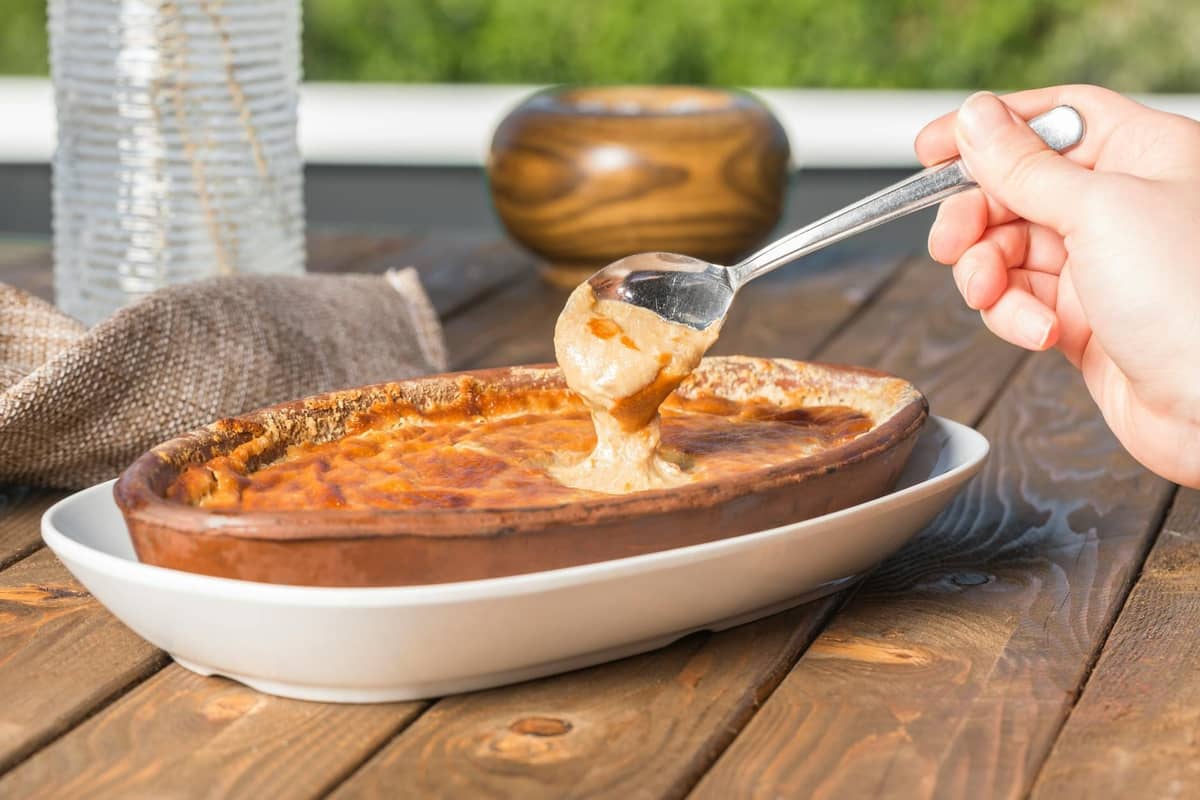
Start with fava. Santorini fava is a smooth, golden-yellow puree made from dried Lathyrus clymenum, a variety of yellow pea specific to the island. This is not the broad bean fava you find in Egyptian or Italian cooking, and it is not the same as the split-pea fava common across mainland Greece. The Santorini version has a denser, slightly sweet flavor, and it is traditionally finished with a pour of raw olive oil, fresh lemon juice, and either red onion or capers on top. A small bowl as a meze typically costs €6–€10 depending on the restaurant tier.
Tomatokeftedes are the second non-negotiable. These fried patties are made from grated Santorini cherry tomatoes, flour, and a combination of mint, basil, oregano, and onion. The texture should be slightly crisp on the outside and soft inside, with the tomato flavor concentrated rather than watery. They are served as a starter or meze and pair well with tzatziki. At tourist-facing restaurants they can be oily or dense — a sign that the recipe was scaled up without care. Look for versions where you can taste the herb distinctly.
- Fava Santorini (PDO) Creamy yellow pea puree, finished with olive oil, lemon, capers, and onion. The island's defining dish. Order it as a starter at almost any taverna.
- Tomatokeftedes Fried tomato fritters with island cherry tomatoes and fresh herbs. Best when crisp outside, tender inside. Avoid versions that taste more of flour than tomato.
- Santorini Salad A local variant of Greek salad featuring cherry tomatoes, capers and caper leaves, and chlorotyri cheese rather than standard feta. Lighter and more acidic than the typical version.
- Chlorotyri A soft, creamy goat or sheep cheese with a mild sour tang. Produced in very small quantities and rarely found outside the island. Spread on bread or crumbled into salad.
- Skordomakarona Pasta cooked with Santorini tomato sauce and heavy garlic. A peasant dish that showcases how much flavor the island's tomatoes carry without requiring much else.
- Sfouggato A baked vegetable omelet using seasonal produce like white eggplant and zucchini, sometimes with cheese. A traditional household dish, less commonly found on tourist menus.
- Kopania A traditional sweet made from barley, raisins, and sesame seeds. Appears in bakeries and specialty food shops rather than restaurant menus.
⚠️ What to skip
Chlorotyri is genuinely hard to find. It is produced in small quantities and many restaurants have substituted regular mizithra or feta in its place without telling diners. If a place lists it on the menu, ask whether it is the local variety. Specialty food shops in Fira and Pyrgos are more reliable sources than restaurant menus.
Local Ingredients That Define the Cuisine
Santorini cherry tomatoes are small, deeply red, and contain less water than standard varieties, which makes them more intensely flavored when eaten raw and more concentrated when cooked. They ripen mainly from July through September, and fresh tomato dishes during this window are generally better than what you will eat in May or October when imports often supplement the local supply. The island's tomato paste and sun-dried tomato products make good souvenirs because they are genuinely different from what is sold elsewhere.
Capers and caper leaves grow wild across the island's rocky terraces and are a signature ingredient in Santorini salad and fava garnishes. They add a sharp, briny note that cuts through the richness of olive oil-heavy dishes. White eggplant, local cucumbers called katsounia, and dehydrated zucchini also feature prominently in traditional recipes, all benefiting from the same mineral-dense growing conditions. For context on the agricultural landscape that produces these ingredients, the Tomato Industrial Museum near Vlychada tells the story of how the island's tomato industry shaped its food culture.
Wine With Your Meal: Assyrtiko and the Santorini Pairing Tradition
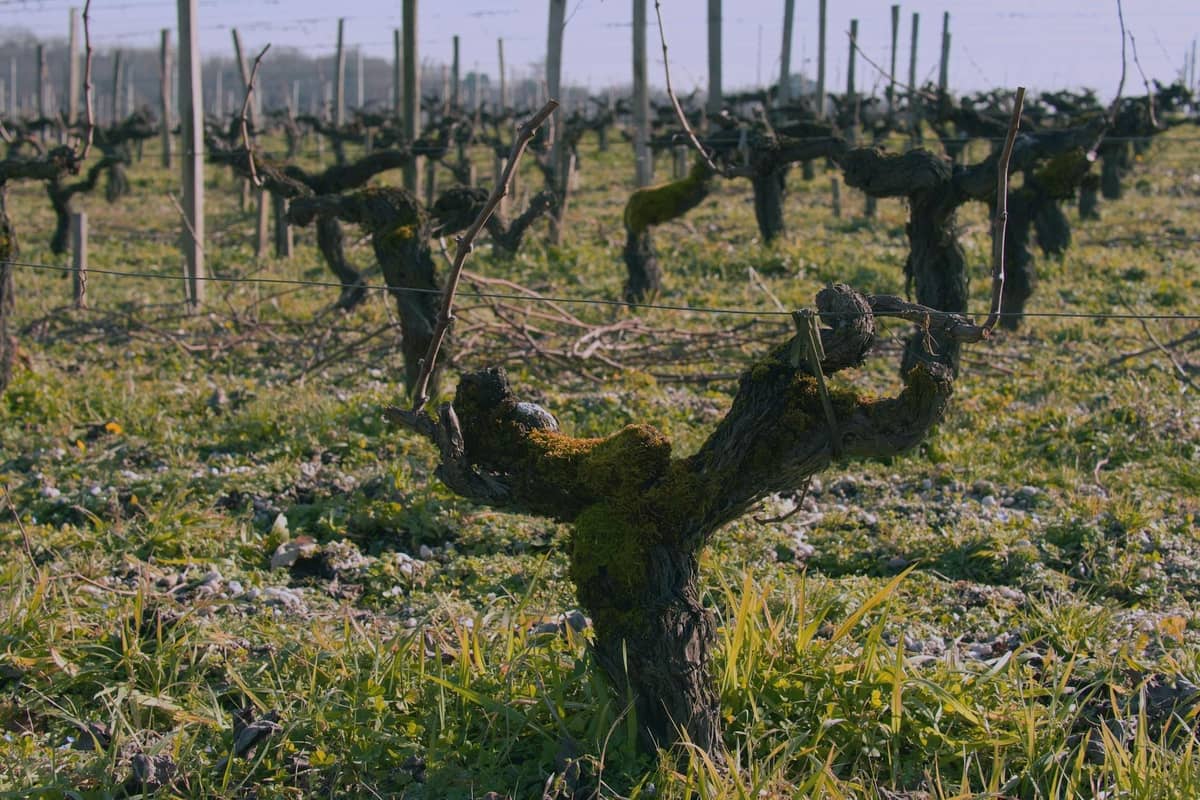
Santorini has a documented winemaking history of around 3,000–4,000 years, and the local grape varieties, primarily Assyrtiko, Aidani, and the sweet wine Vinsanto, are grown in a way found almost nowhere else. The vines are trained into low basket shapes (called kouloura) to protect them from the strong Aegean winds, and they draw much of their needed moisture from morning sea mists and the volcanic subsoil rather than direct rainfall or irrigation. Assyrtiko produces a dry white wine with high acidity, saline minerality, and citrus notes that pairs exceptionally well with fava, seafood, and anything with capers. For a full breakdown, see the Santorini wine guide.
Vinsanto is a sweet dessert wine made mainly from sun-dried Assyrtiko and Aidani grapes. It is served cold, usually with dessert or local cheese, and is one of the more genuinely distinctive things you can drink anywhere in the Cyclades. Winery visits with guided tastings of three to five wines, often served alongside fava, cherry tomatoes, and local cheese, cost roughly €15–€30 per person. Santo Wines near Pyrgos and Venetsanos Winery near Megalochori both offer structured tastings with caldera or sea views.
✨ Pro tip
Order Assyrtiko with your fava rather than asking for water. The wine's acidity and salinity complement the creamy texture of the puree in a way that makes both taste better. Vinsanto works equally well as a substitute for dessert: a small pour alongside chlorotyri and honey is the traditional Santorini way to end a meal.
Where to Eat: Village Tavernas vs. Caldera-View Restaurants
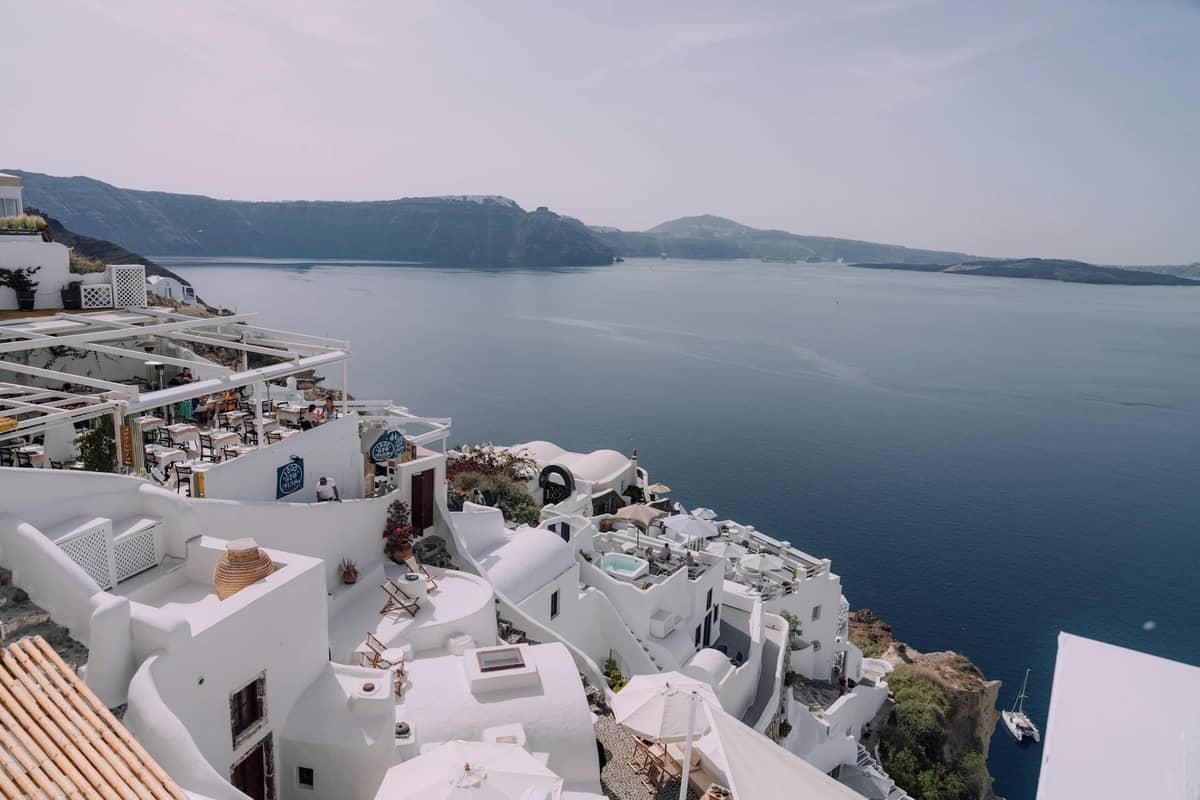
The most important decision when eating in Santorini is not which restaurant to pick but which type of restaurant serves your purpose. Caldera-edge restaurants in Oia and Fira sell the view as much as the food. A meal with a caldera panorama will cost two to three times more than the same dish served in an inland village, and the quality is often lower because these restaurants are optimized for throughput and Instagram appeal rather than cooking.
For genuinely good local food at honest prices, the villages of Pyrgos and Megalochori have small family tavernas that serve traditional Santorini dishes to a mix of locals and knowledgeable visitors. The inland location means lower rents and less tourist pressure on portion sizes and ingredient quality. Budget around €15–€25 per person for a full meal with wine at a mid-range taverna; street food items like spanakopita (spinach pie) or a simple gyros wrap run €3–€6.
- Caldera-view restaurants (Oia, Fira, Imerovigli) Expect to pay a premium of 40–100% over inland prices for comparable dishes. Best for a special occasion dinner where the setting is part of the experience. Book well in advance for peak summer months.
- Village tavernas (Pyrgos, Megalochori, Finikia) The best value for traditional Santorini cooking. Fewer tourists, more seasonal menus, and cooks who have been making fava and tomatokeftedes for decades rather than months.
- Beach tavernas (Kamari, Perissa, Perivolos) Casual, relaxed, and oriented toward seafood and grilled fish. Prices fall between inland village and caldera levels. Quality varies significantly, so check recent reviews before committing.
- Winery restaurants Several wineries now serve food alongside tastings. Quality has improved considerably. Santo Wines and Venetsanos Winery have structured tasting menus that pair well with local meze plates.
If you are planning a food-focused visit, pairing a meal in a village with a winery tasting the same afternoon is a practical way to experience the island's full culinary range in a single outing. The 3-day Santorini itinerary includes suggestions for structuring this kind of day. For budget-conscious travelers, the Santorini on a budget guide covers which areas and meal types offer the best value.
Seasonal Eating: When Local Produce Is at Its Best
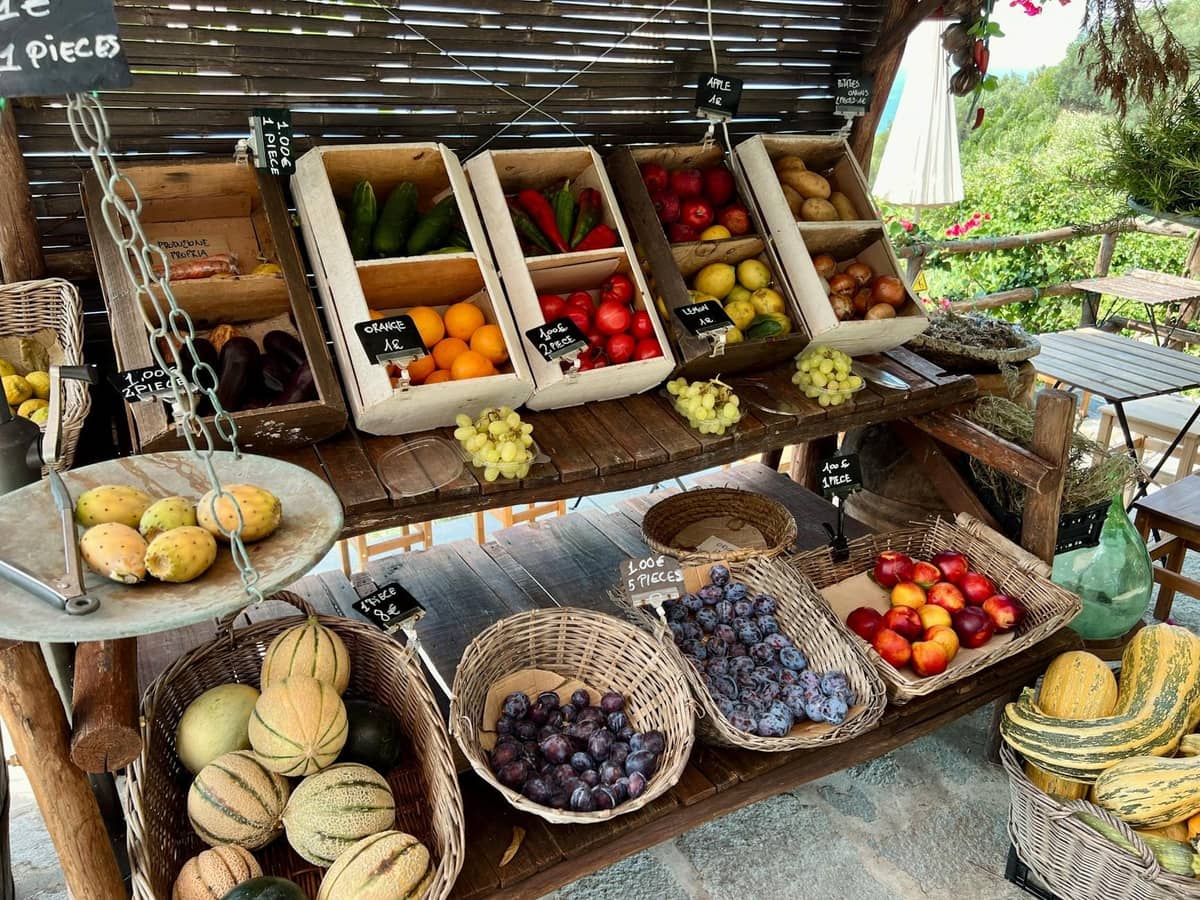
Most restaurants in tourist-heavy areas operate from April through October, with a significant reduction in openings from November to March. This seasonal rhythm directly affects food quality. Cherry tomatoes, white eggplant, katsounia cucumbers, and fresh capers reach peak quality in July through September. Dishes made with these ingredients in May are often using produce from earlier in the season or, occasionally, imports.
The trade-off is crowds and heat. July and August bring the highest visitor numbers, which means busier restaurants, longer waits, and caldera-side venues operating at capacity. September offers the best combination of fully ripe local produce, slightly thinner crowds, and warm but less extreme temperatures. If eating well is a priority, late August through mid-September is the optimal window. Spring visitors in April and May will find lighter crowds and cooler weather, but some seasonal dishes will be less impressive because the tomato and eggplant harvests have not started.
💡 Local tip
Markets and specialty food shops are the best places to buy Santorini ingredients to take home: sun-dried cherry tomatoes, tomato paste, capers, and bottled Assyrtiko all travel well. Look for shops in Fira's market street and in Pyrgos village rather than the souvenir shops near the cable car, where packaging is often aimed at tourists rather than cooks.
FAQ
What is the most famous food in Santorini?
Fava Santorini is the island's most iconic dish. It is a creamy puree made from a local yellow pea (Lathyrus clymenum) that holds Protected Designation of Origin status. It has been cultivated on the island for around 3,500 years and has a flavor that is noticeably different from the fava you find elsewhere in Greece.
Is tomatokeftedes something I can only eat in Santorini?
Tomatokeftedes are specific to Santorini and closely tied to the island's cherry tomato variety. You can find versions of fried tomato fritters elsewhere in Greece, but the Santorini version made with the local small, intensely sweet cherry tomato is distinct. The dish is on virtually every taverna menu on the island.
Is the fava in Santorini the same as fava beans?
No. This is a common misconception. In Santorini, fava is made from a specific local yellow pea called Lathyrus clymenum, not from broad or fava beans. The name is an old misnomer that has stuck, but the ingredient and flavor profile are completely different from broad bean fava dishes found in Middle Eastern or Italian cuisines.
How much does food cost in Santorini?
Street food and simple snacks like spanakopita or gyros run €3–€6. A full sit-down meal at a mid-range village taverna costs roughly €15–€25 per person excluding wine. Caldera-view restaurants in Oia and Fira can charge €40–€80 per person or more. Wine tastings at major wineries run €15–€30 per person depending on the package.
What wine should I drink with Santorini food?
Assyrtiko is the default answer. This dry white wine made from grapes grown in the island's volcanic soil has high natural acidity, a saline mineral character, and citrus notes that pair well with almost everything in the local cuisine, especially fava, seafood, and dishes featuring capers. Vinsanto, the island's sweet dessert wine made from sun-dried grapes, pairs well with local cheese and traditional sweets.