Art Space Santorini: Cave Cellars, Contemporary Art, and Island Wine
Art Space Santorini, formally known as Art Space Argyros Canava, is an unusual triple attraction in Exo Gonia near Pyrgos: a working winery housed in 19th-century pumice-carved cave cellars, a gallery showing contemporary paintings and sculptures, and a small museum of traditional winemaking. It rewards visitors who want something beyond the caldera views.
Quick Facts
- Location
- Exo Gonia, near Pyrgos, Santorini (address: Exo Gonia, 847 00, Santorini, Greece)
- Getting There
- Take the KTEL bus from Fira toward Kamari via Messaria; alight at Exo Gonia and walk down to the winery. Many organized wine tours also include a stop here.
- Time Needed
- 1 to 2 hours, including a tasting
- Cost
- Tasting prices vary by selection; confirm directly with the venue as no fixed price is published. Entry to the gallery and museum areas is typically included with a tasting.
- Best for
- Wine lovers, art enthusiasts, travelers seeking cultural depth away from the caldera crowds
- Official website
- http://artspace-santorini.com
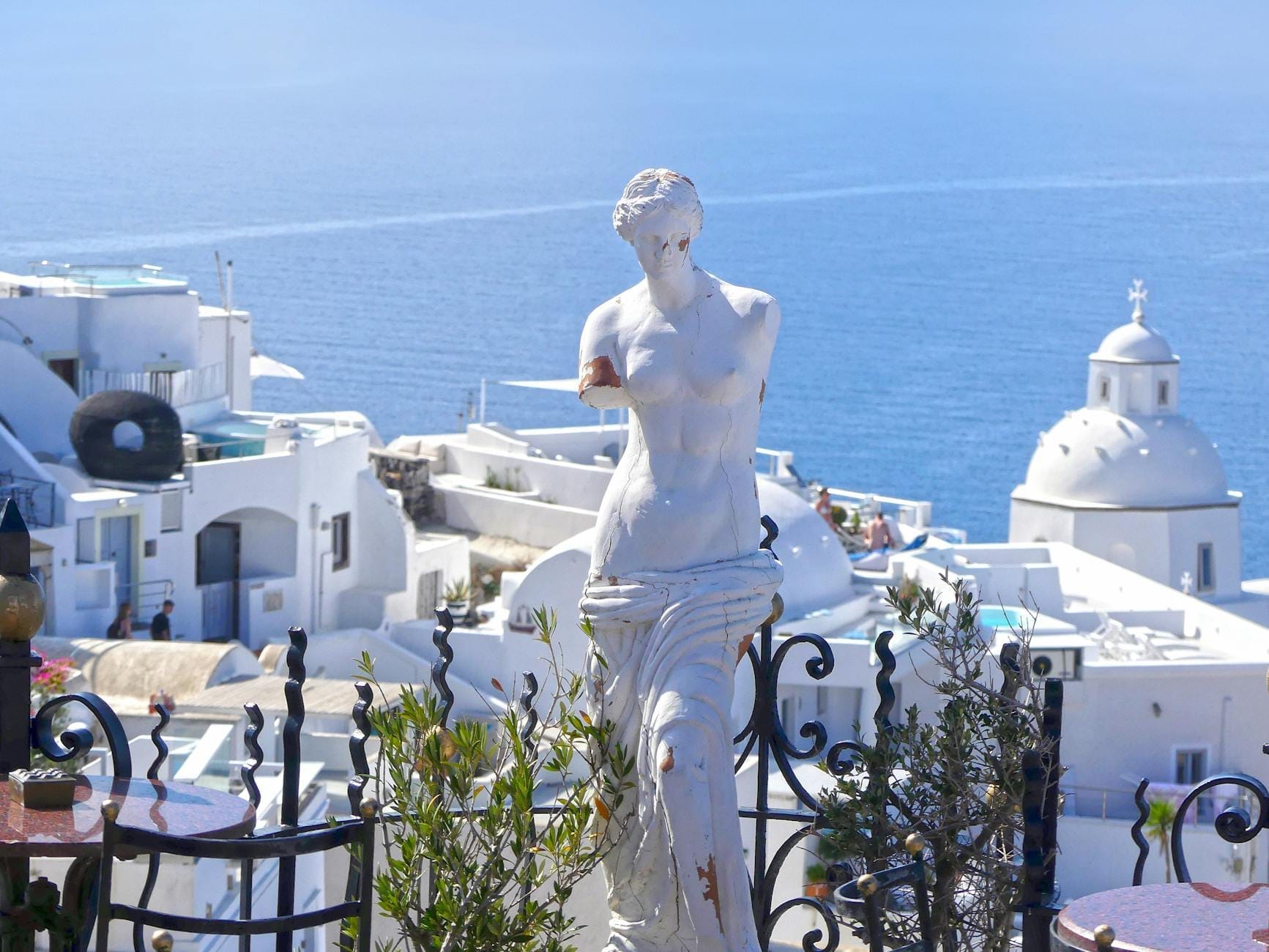
What Art Space Santorini Actually Is
Art Space Santorini, officially Art Space Argyros Canava, is one of the more genuinely distinctive stops on the island. It occupies a 19th-century cave winery in the village of Exo Gonia, a short distance from Pyrgos, and it operates as three things simultaneously: a working winery producing local Santorinian wines, a contemporary art gallery carved into ancient pumice chambers, and a small museum documenting traditional winemaking on the island. That combination is rarer than it sounds, and each element earns its place.
The cellars themselves date to either 1830 or 1861 depending on the source, and the discrepancy is minor compared to what matters: the architecture is unmistakably old. The volcanic rock has been shaped by hand into low vaulted corridors and arched chambers. Walking into them on a hot July afternoon, you feel the temperature drop immediately. The walls are rough and slightly cool to the touch, and the air carries that particular underground smell of stone, old wood, and fermented grape skins. It is not a polished museum experience. It is a working place that has been thoughtfully opened to visitors.
ℹ️ Good to know
Art Space is open daily from 11:00 until sunset during the April to October season. From November through March it operates by reservation only. If you are visiting outside peak season, contact the venue before making the trip.
The Three Layers of the Visit
The Cave Gallery
The heart of the experience is the underground gallery space, where contemporary paintings and sculptures are installed directly into the pumice-walled chambers. The works change periodically, so repeat visitors may find a different collection than they saw previously. The lighting is deliberate and often dramatic, with individual works spot-lit against the dark volcanic rock. The contrast between rough, ancient walls and the scale and color of modern canvases is visually striking in a way that a white-cube gallery cannot replicate.
The space works particularly well for large-format paintings, where the low ceilings and curved walls create an intimate framing you rarely get in conventional exhibition rooms. Sculptures benefit from the irregular floor levels, which introduce unexpected angles. The layout is not a straight corridor; you move through interconnected chambers, so there is a mild sense of exploration. Take your time here. The temptation is to move quickly toward the tasting, but the gallery rewards a slower pace.
The Winemaking Museum
Alongside the gallery, a museum section displays historic winemaking equipment, photographs, and artifacts from earlier decades of production. Santorini has a documented winemaking tradition stretching back thousands of years, and the Assyrtiko grape grown on the island has attracted serious international attention. This section provides useful context for anyone who wants to understand why the wine tastes the way it does before they taste it. The exhibits are modest in scale but honest in presentation: old wooden presses, hand tools, barrels, and photographs of harvests from earlier in the 20th century.
For a broader look at the island's wine heritage, the Koutsoyannopoulos Wine Museum near Vothonas offers a separate and more extensive underground exhibition, but Art Space gives you something that museum does not: an active winery where the equipment you see in photographs is still being used.
The Tasting Room
The modern tasting area is where the visit concludes for most people, and it is well-handled. The wines are produced on-site from grapes grown in the traditional Santorinian basket-trained vines, the kouloura system, which keeps the vine low and protected from the island's strong winds. Expect Assyrtiko in various forms, possibly including a vin santo-style dessert wine, which requires a very long aging process and is produced in small quantities. Tasting prices and selections vary; the venue does not publish fixed rates online, so it is worth asking when you arrive.
💡 Local tip
If you have a specific interest in Santorinian wine production or want a structured comparative tasting, ask about current flight options when you arrive rather than assuming a single format is available.
Tickets & tours
Hand-picked options from our booking partner. Prices are indicative; availability and final rates are confirmed when you complete your booking.
Luxury Sunset Cruise in Santorini
From 120 €Free cancellationCruise of the volcanic islands around Santorini
From 45 €Instant confirmationFree cancellationGuided e-bike tour in Santorini
From 90 €Instant confirmationFree cancellationSantorini audio guide with TravelMate app
From 5 €Instant confirmation
Getting There and Moving Around
Art Space is located in Exo Gonia, which sits just below Pyrgos and slightly above the east coast resort areas. It is not in Fira and it is not on the caldera rim. If you are navigating by landmarks, you are looking for a village that most visitors pass through without stopping. The KTEL bus service from Fira runs toward Kamari via Messaria, and Exo Gonia falls on that route. Get off at the Exo Gonia stop and follow the signs down toward the winery. On foot from the bus stop, the walk is short.
Renting a car or ATV makes the logistics easier, especially if you plan to combine Art Space with other inland stops. Pyrgos itself is worth time before or after: the village's medieval castle and stone alleyways are among the most intact on the island. Many organized wine tours of Santorini include Art Space as a stop, which is a practical option for those who want guided context for the wine component without planning the logistics independently.
If you are building a day around this area, combining Art Space with a visit to the Castle of Pyrgos and a stop at Venetsanos Winery on the caldera side gives you a full picture of Santorinian wine culture across different terrain and architectural settings.
When to Visit and What to Expect by Time of Day
The cave temperature makes Art Space one of the few Santorini attractions that is genuinely comfortable during the hottest part of a summer day. Arriving between noon and 14:00 in July or August, when coastal beaches and hilltop villages are at peak heat, turns the underground chambers into a welcome reprieve. The light outside is harsh during midday, and the cave interiors offer a kind of visual calm that makes the art easier to look at properly.
Mornings tend to be quieter overall, especially on weekdays in the shoulder months of May, June, and September. If you are coming primarily for the tasting and want unhurried attention from staff, arriving shortly after 11:00 on a weekday is a better experience than a weekend afternoon during high summer. The space does not feel overcrowded in the way that Oia's sunset point or Fira's cable car area do, but organized tour groups do pass through during peak season.
September is arguably the best month for this visit: the harvest period for Santorinian grapes typically falls in August and September, which means the winery is active, staff are engaged with the current vintage, and the weather is warm without the intensity of July. For more on timing a Santorini visit, see the Santorini in September guide.
Photography and Practical Notes
The cave interiors present a real photographic challenge: low ambient light, mixed color temperatures from spot lighting, and highly textured dark walls. A phone camera will struggle without good night-mode processing. A mirrorless or DSLR camera with a fast wide lens performs considerably better. If photography is a priority, arrive when the gallery is quiet so you can take time with exposures without other visitors in frame.
The floor surfaces are uneven volcanic rock and compacted earth in places. Sturdy footwear is more appropriate than sandals or flip-flops. The ceilings in some chambers are low enough that taller visitors should pay attention. There is no published step-free access or wheelchair accessibility information for this site; given the nature of the cave architecture, visitors with significant mobility limitations should contact the venue directly before making the journey.
⚠️ What to skip
Art Space involves underground cave spaces with uneven floors and low ceilings in some sections. It is not suitable for visitors with serious mobility difficulties without prior confirmation from the venue. Contact them directly at http://artspace-santorini.com.
Honest Assessment: Is It Worth the Detour?
Art Space Santorini is not going to compete with the caldera view for sheer visual impact. If you have one day on the island and are working through the standard itinerary, it probably does not belong at the top of your list. But for travelers who have already seen Oia, done the volcanic boat tour, and want something that requires a bit more thought, it delivers a genuinely different experience.
The combination of old architecture, serious contemporary art, and wine produced from the same volcanic soil you are standing on creates a coherent experience rather than a forced tourist attraction. It connects to something real about Santorini's history, specifically the island's long relationship with winemaking, which dates back to the ancient settlement at Akrotiri. For a broader look at that history, the Santorini wine guide provides useful background before you visit.
Visitors who approach it expecting a polished commercial wine experience comparable to a New World winery tasting room may find it rough around the edges. That is partly the point. The cave is old, the art is contemporary, and the tension between those two things is what makes the space interesting. If that sounds like your kind of afternoon, it is well worth the half-day.
Insider Tips
- Visit during the harvest window in late August and September if you can. The winery is in active production during this period, and the smell of fermenting grapes adds another sensory layer to the cave experience that is entirely absent the rest of the year.
- The gallery changes its exhibited works periodically. If you visited two or three years ago, it is worth returning: you may find a completely different collection installed in the same chambers.
- Combine the visit with Pyrgos village immediately above. The walk uphill from Exo Gonia to the castle district takes about 20 to 25 minutes and gives you a quiet, caldera-facing view that most visitors miss entirely because they arrive and leave by vehicle.
- Ask specifically about vin santo when you reach the tasting room. Not every tasting includes this aged dessert wine by default, but it is one of the most distinctive products Santorini produces and worth requesting if it is available.
- If you are arriving by KTEL bus, check the return schedule before you go inside. Buses on this route are not frequent, and missing one in the early evening in low season can mean a long wait or an unplanned taxi back to Fira.
Who Is Art Space Santorini For?
- Wine enthusiasts who want to understand Santorinian viticulture, not just taste it
- Art lovers looking for a gallery experience that could only exist in this specific place
- Travelers on a second or third Santorini visit who have covered the main caldera circuit
- Visitors seeking shade and cool during the peak midday heat of summer
- Anyone combining an inland day with Pyrgos and the traditional village circuit
Nearby Attractions
Other things to see while in Pyrgos:
- Castle of Pyrgos (Kasteli)
Perched above the village of Pyrgos Kallistis, the Castle of Pyrgos — known locally as Kasteli — is a Venetian-era fortified ruin that rewards visitors with 360-degree views across the island. Free to visit and largely off the standard tourist circuit, it offers a quieter, more textured alternative to the caldera-edge crowds.
- Koutsoyannopoulos Wine Museum
Set 8 metres below the volcanic earth of Vothonas, the Koutsoyannopoulos Wine Museum traces three centuries of Santorini winemaking through a 300-metre cave corridor. It combines a self-guided audio tour with a structured wine tasting, making it one of the more substantive indoor experiences on the island.
- Profitis Ilias Monastery
Perched at roughly 565 metres above sea level on the summit of Mount Profitis Ilias, this 18th-century Orthodox monastery is the highest structure on Santorini. The monastery is not generally open to casual visitors, but the surrounding viewpoint is among the most complete panoramas on the island, taking in the caldera, the eastern beaches, and on clear days, neighbouring Cycladic islands.
- Santo Wines
Perched on the western cliffs near Pyrgos, Santo Wines is Santorini's largest wine cooperative, founded in 1911 and representing around 1,200 growers. The clifftop terrace delivers unobstructed caldera views, and the tasting flights introduce you to the island's distinctive Assyrtiko grape in a setting that few wineries anywhere can match.