Naval Maritime Museum Oia: Inside Santorini's Seafaring Past
Tucked into the pedestrian lanes of Oia, the Naval Maritime Museum occupies a beautifully restored 19th-century captain's mansion and tells the story of Santorini's once-thriving maritime trade. It is a calm, unhurried stop that rewards curious travelers willing to look beyond the caldera views.
Quick Facts
- Location
- Oia village, Santorini (Thira), Greece — off the main pedestrian path, near Thalassia Restaurant
- Getting There
- KTEL bus from Fira to Oia, then a short walk through the village center; taxis and cars park at the Oia lot
- Time Needed
- 45 minutes to 1.5 hours
- Cost
- Standard ticket approx. €5, reduced around €2.50 for students — verify on-site or via the museum's official Facebook page before visiting
- Best for
- History lovers, architecture admirers, travelers seeking calm away from Oia's crowds
What the Naval Maritime Museum Actually Is
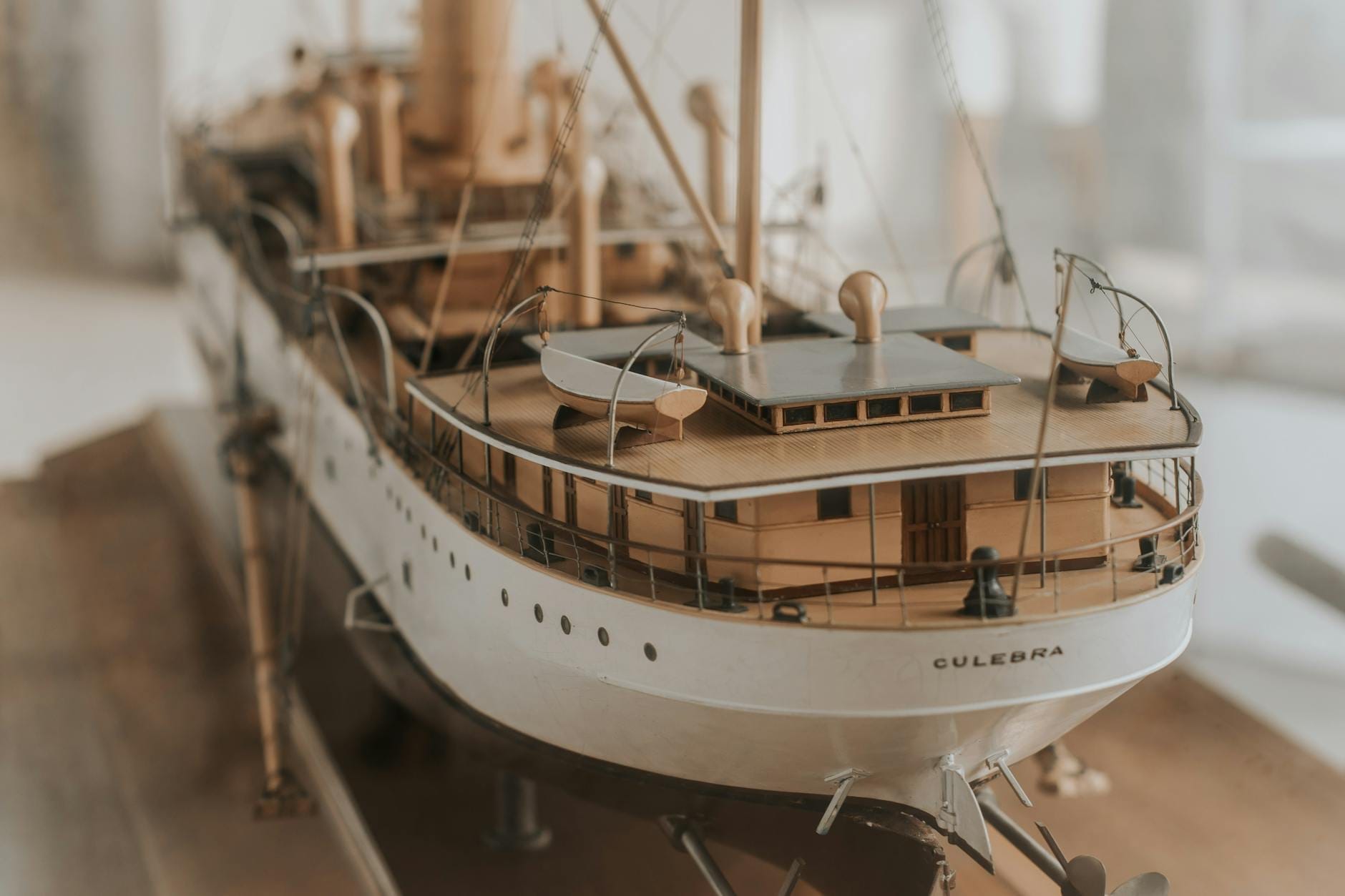
The Naval Maritime Museum in Oia is a small but substantive collection housed inside a two-story 19th-century captain's mansion. It documents the era when Santorini was not just a scenic island but a serious commercial maritime power in the Aegean. The collection was founded in 1956 by Captain Antonis Dakoronias, who gathered navigational instruments, model ships, figureheads, maps, paintings, and personal objects connected to the island's seafaring captains. Since 1990, the museum has occupied its current home — a traditional mansion donated by local resident Dina Manolessou-Birbili — giving the exhibits a context that display cases in a purpose-built hall simply cannot replicate.
What makes this museum worth your time is not the scale of the collection but the specificity of it. This is not a generic introduction to Greek naval history. It focuses tightly on the Cycladic maritime economy of the 19th century and the central role that Oia's captains and shipowners played in it. Walking through the rooms, you get a genuine sense of the wealth and ambition that once circulated through this now-photogenic village.
⚠️ What to skip
Opening hours vary significantly by source and season. One reliable local source lists daily 10:00–14:00 and 17:00–20:00, closed Tuesdays, from early April to October 31. Another reports a different schedule. Check the museum's official Facebook page for current times before making a special trip.
The Building Itself: A Captain's Mansion on the Caldera Edge
The mansion is one of the more architecturally interesting structures in Oia, and arriving at it requires a short detour off the main tourist drag. Follow signs from the primary pedestrian path — one marked footpath starts between Thalassia Restaurant and the Greek Designers concept store. The approach through narrow whitewashed alleys is part of the experience, giving you a sense of the residential Oia that existed before the village became synonymous with sunset photography.
The exterior is understated by Cycladic standards: thick stone walls, a shaded entrance, and wooden joinery that has aged with dignity rather than neglect. Inside, the rooms retain the proportions and character of a prosperous 19th-century household. Ceilings are relatively high, natural light filters through small windows, and the stone floors carry a cool, faint dampness even on hot summer afternoons. The building itself communicates something about the social standing of the men who captained Oia's trading ships.
The museum occupies both floors of the mansion. The upper level is reached by an interior staircase, and no source has confirmed step-free or wheelchair access. Travelers with mobility limitations should contact the museum in advance or be prepared for stairs.
Tickets & tours
Hand-picked options from our booking partner. Prices are indicative; availability and final rates are confirmed when you complete your booking.
Luxury Sunset Cruise in Santorini
From 120 €Free cancellationCruise of the volcanic islands around Santorini
From 45 €Instant confirmationFree cancellationGuided e-bike tour in Santorini
From 90 €Instant confirmationFree cancellationSantorini audio guide with TravelMate app
From 5 €Instant confirmation
What You Will See Inside
The collection covers navigational instruments — compasses, sextants, telescopes, and chronometers — alongside scale models of Cycladic sailing vessels from the 18th and 19th centuries. There are painted portraits of sea captains and their ships, documents and maps from the period of active trade, and personal items that belonged to specific individuals. Figureheads, rigging tools, and preserved woodwork from actual vessels give the displays a tactile dimension that keeps the rooms from feeling purely archival.
One of the recurring themes across the exhibits is the prosperity that maritime trade brought to this part of Santorini. Oia's captains operated trade routes across the Aegean and into the eastern Mediterranean, carrying goods for Cycladic and broader Greek commercial networks. The museum makes a convincing case that the architecture of Oia — the fine mansions, the barrel-vaulted cave houses built for crew and cargo — was a direct product of that shipping wealth, not simply a product of fishing culture.
If the collection sparks your interest in the broader sweep of Santorini's history, the Museum of Prehistoric Thera in Fira extends the story much further back, covering the Bronze Age civilization that predated the island's famous volcanic eruption.
Oia's Maritime Past: Why This History Matters
Contemporary Oia is defined by its caldera views, its boutique hotels, and the nightly congregation of visitors at the sunset point. But the village's physical form — those terraced mansions carved into the cliff, the warren of lanes connecting upper and lower levels — is the result of a merchant shipping economy that peaked in the 19th century and collapsed when steam replaced sail. Oia's captains were wealthy enough to build on a grand scale, and the evidence survives in the stonework around you.
The 1956 founding of the collection by Captain Dakoronias was itself an act of cultural preservation. By then, the shipping era was already a generation or two in the past, and the objects he gathered were at risk of dispersal or loss. The museum gives that history a permanent address in the village where it actually happened. For a fuller picture of how Oia fits into Santorini's landscape and layered history, the Santorini history and ancient ruins guide is worth reading before or after your visit.
When to Visit and How the Experience Changes by Time of Day
The museum is generally open during morning and early evening blocks (hours vary — see the callout above). The morning session, roughly 10:00 to 14:00, tends to be quieter. Oia's main pedestrian lane fills steadily from mid-morning onward as day-trippers arrive, but museum visitors are a self-selecting group and the interior rarely feels crowded. The cool stone rooms are genuinely pleasant in the heat of a July or August morning, when the temperature outside can push into the upper 20s Celsius.
The late afternoon session, which typically opens around 17:00, coincides with the build-up to Oia's famous sunset crowd. If you are planning to watch the sunset from the village afterward, arriving at the museum at 17:00 gives you a calm hour of culture before the lanes fill completely. Conversely, if crowds stress you out and you have no interest in the sunset ritual, the morning visit pairs well with an early walk through Oia before the tour groups arrive.
The museum is closed on certain days depending on the season — Tuesday closures have been reported, though this should be verified. Planning your visit within a broader exploration of Oia makes sense: the Oia windmills and the caldera-edge lanes are all within a short walk, so the museum fits naturally into a half-day in the village rather than requiring a dedicated trip.
💡 Local tip
Time your visit for the first opening slot of the day if possible. The thick stone walls keep the interior noticeably cooler than the exposed lanes outside, and visitor numbers are lowest in the early hours after the museum opens.
Practical Details: Getting There and What to Expect
Oia sits at the northern tip of Santorini, approximately 11 kilometers from Fira. KTEL public buses connect Fira with Oia regularly, with the journey taking around 30 minutes depending on the route and stops. Taxis are available from Fira but should be booked in advance during peak season, as availability tightens considerably in July and August. Drivers can park at the main Oia parking area and walk into the pedestrian center.
Once inside Oia, the museum is signed and the walk from the main bus stop takes no more than five to ten minutes. The lane-based layout of the village is easy to navigate on foot, though the cobbled surfaces are uneven in places. If you are combining this visit with the Fira to Oia hiking trail, the museum sits at the finishing end of the walk — an ideal reward after the 10-kilometer coastal route.
Admission pricing is not currently confirmed by any major source. Budget for a small entry fee as is standard for Greek regional museums of this type, but verify the current amount on-site or via the museum's Facebook page. Photography policies inside the museum are not documented in available sources; ask at the entrance before shooting.
Who This Museum Suits and Who Might Skip It
The Naval Maritime Museum works well for travelers with a genuine interest in Greek history, island heritage, or maritime culture. It is a reflective, text-heavy experience by the standards of modern museum design, and the exhibit labels are not always available in English translations — check current conditions before visiting if language support is a priority for you.
Travelers visiting Santorini primarily for beaches, sunsets, and wine will likely find the museum easy to skip without missing anything central to the island experience. It is not the kind of attraction that defines a Santorini trip the way the Akrotiri Archaeological Site or the caldera views do. But for those who want to understand what Oia actually was before it became a photography destination, this is the most direct answer available on the island.
Families with young children will find the collection less engaging than open-air sites or beach days. The building's staircase and the nature of the displays make it more suitable for older children and adults. Visitors with mobility limitations should be aware that upper-floor access requires stairs, and the cobbled approach lanes in Oia are not smooth.
Insider Tips
- The museum's location off the main lane means most day-trippers walk straight past it. If the entrance sign is easy to miss, look for it between Thalassia Restaurant and the Greek Designers–Speira Concept Store and follow the marked footpath.
- The museum is open seasonally, typically from early April through October 31. If you are visiting Santorini in the shoulder months of April or October, confirm it is open before building your day around it.
- Pair your visit with a look at the surrounding mansions in Oia's upper village. The architecture of the neighborhood — the grand proportions, the carved stone facades — is essentially a physical extension of the story the museum tells about maritime wealth.
- The usual split opening hours (morning and late afternoon) mean the museum is closed during the midday siesta window. Plan accordingly, especially if you are combining it with a sunset watch in Oia, which runs late afternoon into early evening.
- Check the museum's official Facebook page for the most current hours. Printed guidebooks and travel sites frequently carry outdated schedules, and a closed museum after a long walk through Oia is a frustrating discovery.
Who Is Naval Maritime Museum For?
- History and culture travelers who want context beyond the caldera scenery
- Architecture enthusiasts interested in 19th-century Cycladic captain's mansions
- Solo travelers or couples seeking a calm, crowd-free stop within Oia
- Visitors combining the Fira-to-Oia hike who want a cultural endpoint to the walk
- Anyone curious about how Santorini's distinctive village wealth was actually built
Nearby Attractions
Other things to see while in Oia:
- Ammoudi Bay
Ammoudi Bay is the small volcanic harbor tucked 200-plus steps below Oia's clifftop streets. It offers swimming off jagged lava rocks, a handful of seafood tavernas perched at water level, and caldera boat tours departing from the quay. Access is free, but the steep descent demands good footwear and reasonable fitness.
- Blue-Domed Churches of Oia
The blue-domed churches of Oia are the image most people picture when they think of Santorini. Two small cliff-side churches, Agios Spyridonas and the Anastasi Church, sit on the caldera edge above the Aegean and draw more cameras per square metre than almost anywhere else in Greece. Here is what a visit actually looks like, how to find them, and when the crowds thin enough to make it worthwhile.
- Finikia Village
Finikia Village sits less than a kilometre from Oia but feels like a different island entirely. A traditional Cycladic farming settlement with cave houses, arched doorways, and pedestrian lanes too narrow for cars, it offers a genuine contrast to the tourist intensity of its famous neighbour. Entry is free, the pace is slow, and the photography is excellent without the crowds.
- Oia Sunset Viewpoint
Every evening, hundreds of visitors gather at the ruins of Castle Agios Nikolaos on Oia's western edge to watch the sun drop into the Aegean. The spectacle is real and genuinely moving. So is the crowd. Here's what to expect, when to arrive, and whether it's worth the effort.