Spandau sits at the western edge of Berlin, where the Havel River separates it from the rest of the city both physically and psychologically. Its medieval old town, Renaissance fortress, and unhurried pace make it feel like a separate town that Berlin eventually absorbed. Travelers who make the journey out here find a side of the capital that most day-trippers never see.
Spandau is older than Berlin itself, and it knows it. Sitting on the western bank of the Havel River, this former independent town still carries itself with a quiet self-sufficiency: cobblestone lanes, a centuries-old citadel, and locals who identify as Spandauers first and Berliners second.
Orientation
Spandau occupies the far western edge of Berlin, roughly 15 kilometers from Mitte and separated from most of the city by the Havel River. It functions as both a locality (Ortsteil) and the central core of the larger Spandau borough, one of Berlin's twelve administrative districts. The borough covers a substantial area, but when people refer to Spandau as a destination, they almost always mean the Altstadt, the historic old town on the western bank of the Havel.
The locality is bordered by Wilhelmstadt to the south, Staaken and Falkenhagener Feld to the west, Hakenfelde to the north, and Haselhorst, Siemensstadt, and Westend in Charlottenburg-Wilmersdorf to the east. That eastern border, where the Havel meets the Spree, is the geographic feature that defines Spandau's character more than any administrative boundary. Water on multiple sides creates a sense of enclosure and calm that feels nothing like central Berlin.
The broader borough is notable for its landscape: forests and water bodies cover roughly 25 percent of its surface, making Spandau one of the greenest corners of the city. For context on how it connects to the wider urban fabric, the nearest major western district is Charlottenburg, about 8 kilometers to the east along Heerstraße.
Character & Atmosphere
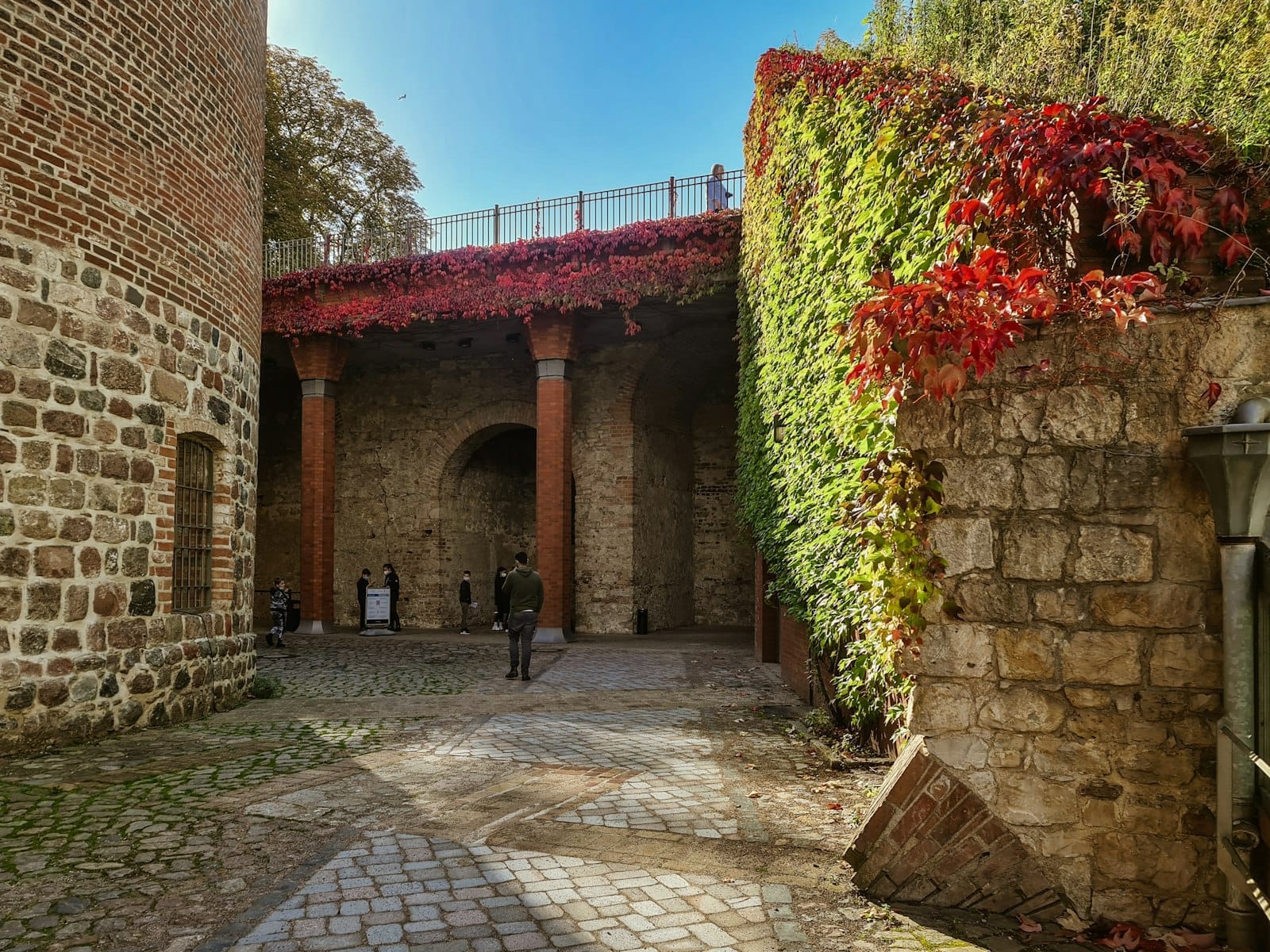
Spend an hour walking through Spandau's Altstadt and you will notice something unusual for Berlin: it does not feel like Berlin. The scale is smaller, the pace slower, and the architecture older. Nikolaikirche, the Gothic brick church at the center of the old town, was founded in the 13th century. The Kolk quarter, a cluster of narrow lanes near the river, predates the founding of Berlin-Cölln. Cobblestones here are not a design choice; they are simply what was always here.
On weekday mornings, the pedestrian zone along Carl-Schurz-Straße fills with shoppers from the surrounding residential neighborhoods. This is the largest pedestrian shopping area in Berlin, but it reads as a functional town center rather than a tourist strip. Department stores sit alongside small independent shops. The coffee is drunk at tables with people reading local newspapers. The tourists are largely absent.
By afternoon, the old town quiets noticeably. Light falls across the Havel in long angles, and the riverbank paths near the citadel attract joggers and dog walkers. In summer, the esplanade around the Zitadelle Berlin fills with visitors for outdoor concerts and events, which gives the neighborhood a brief festive energy before things settle again by evening. After dark, Spandau is calm. It is not a nightlife destination. The restaurants and bars in the old town close at reasonable hours, and the streets empty early compared to Friedrichshain or Kreuzberg.
ℹ️ Good to know
Spandauers have a well-documented local identity. Many residents identify with the town rather than the city, a legacy of Spandau's independent status before it was incorporated into Greater Berlin in 1920. This isn't just local color: it shapes the character of daily life and explains why the neighborhood feels so distinct from the rest of the capital.
What to See & Do
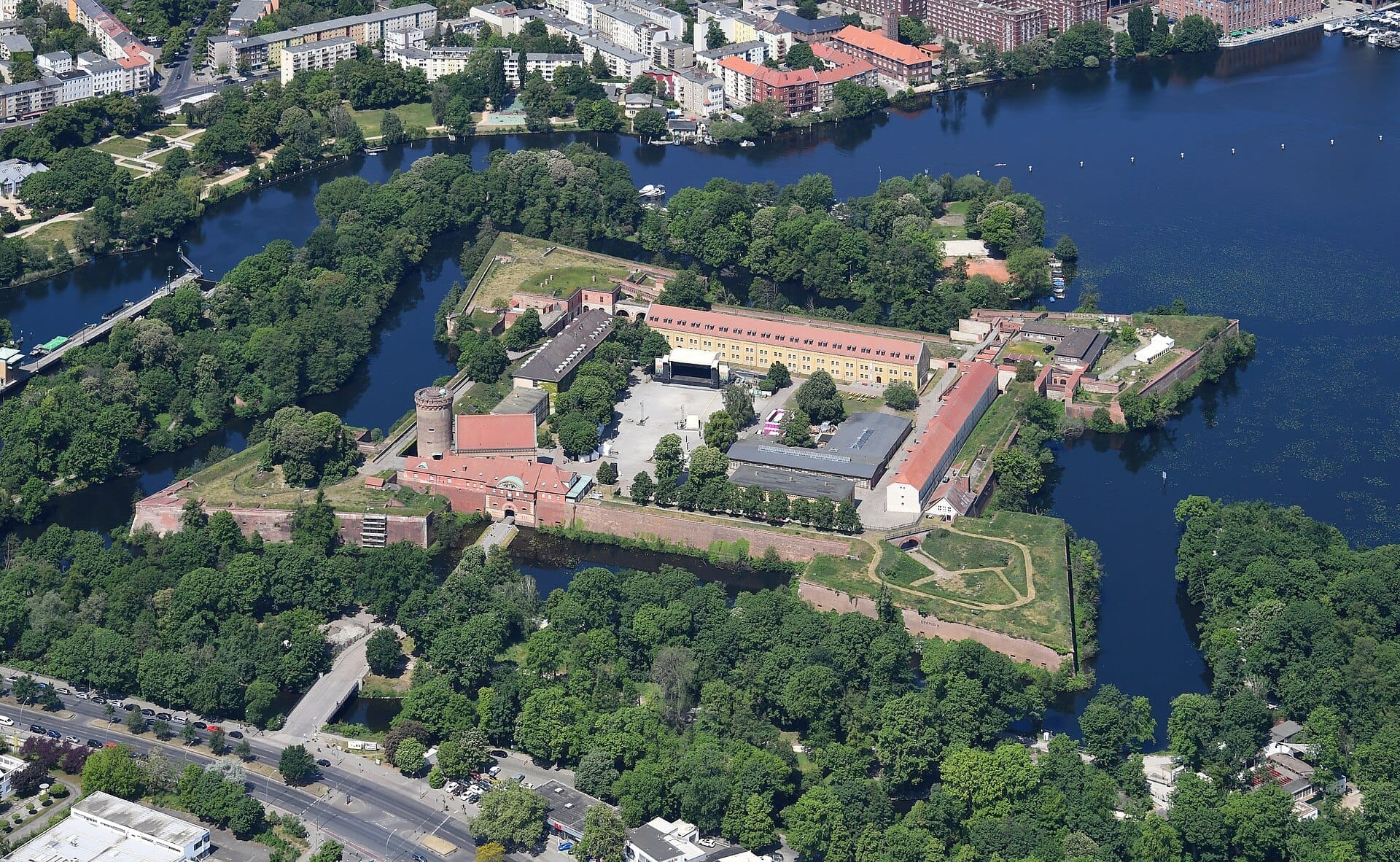
The primary reason most visitors make the trip out to Spandau is the Zitadelle Spandau, a Renaissance fortress that ranks among the best-preserved of its type in Europe. Built in the 16th century on earlier medieval foundations, it sits on an island formed by the Havel and a moat. The main gatehouse, the Juliusturm tower, and the extensive walls are all intact. Inside, there are permanent exhibitions on Berlin's history and a changing program of temporary shows. In summer, the citadel hosts large open-air concerts and festivals that draw audiences from across the city.
The Kolk quarter deserves time on its own. This tight network of lanes between the old town and the river is one of the oldest settled areas in the entire Berlin region, and walking through it feels genuinely different from anywhere else in the city. The 14th-century city wall fragments visible near the Kolk are easy to miss if you are not looking, but they are a direct connection to pre-Berlin urban history.
The broader Spandau borough contains additional sites worth noting for those staying multiple days. Fort Hahneberg, a 19th-century fortification in the western woods, is a striking piece of military architecture. The Siemensstadt housing estate, a UNESCO World Heritage Site within the borough's boundaries, is a landmark of Weimar-era social housing design, though it sits closer to the eastern edge of the district near the Charlottenburg border.
Zitadelle Spandau: Renaissance fortress with museum, tower views, and summer concert program
Kolk quarter: medieval lanes and fragments of the 14th-century city wall
Altstadt pedestrian zone: Berlin's largest pedestrian shopping area centered on Carl-Schurz-Straße
Nikolaikirche: Gothic brick church at the heart of the old town, one of Berlin's oldest churches
Havel riverbanks: walking and cycling paths along the water, especially south toward Gatow
Fort Hahneberg: 19th-century fortification in the western forest, accessible by bus
💡 Local tip
The Juliusturm at the Zitadelle offers a solid elevated view over the confluence of the Havel and Spree rivers. It is not as dramatic as the views from central Berlin's landmarks, but on a clear day you can see how water defines this part of the city in a way that is genuinely hard to understand from a map alone.
Eating & Drinking
Spandau's food scene is squarely local. The pedestrian zone and the streets immediately around it have the full range of German town-center eating: bakeries open early, Turkish imbiss stalls selling döner and börek, Italian restaurants, and a handful of traditional German Gaststätten where schnitzel and pork knuckle are still the defaults. Prices are noticeably lower than in Mitte or Prenzlauer Berg, which is a practical reason to eat here rather than in more central neighborhoods.
The area around the Altmarkt and the streets leading down toward the Havel has a slightly higher concentration of sit-down restaurants, several of which have outdoor seating in warmer months. The river setting is genuinely pleasant for a long lunch. Beer gardens and riverside cafés operate along the Havel when the weather cooperates, and the atmosphere on a summer afternoon is relaxed in a way that feels earned rather than manufactured for tourists.
Spandau is not a destination food neighborhood in the way that Kreuzberg or Neukölln are. There are no notable dining strips drawing food media attention. But the everyday quality of the Turkish and German options is solid, and eating here gives you a more accurate picture of how a large portion of Berlin residents actually eat than many other neighborhoods do.
💡 Local tip
The market on the Altmarkt runs on scheduled days and draws local vendors selling produce, cheese, and baked goods. Check current schedules locally, as market days can vary seasonally.
Getting There & Around
Berlin-Spandau station (Bahnhof Berlin-Spandau) on Seegefelder Straße is the main transit hub for the district. It sits in fare zone Berlin B, which means a standard AB ticket does cover the journey; you only need an ABC ticket or a Berlin Welcome Card including zone C if you are traveling further into the surrounding Brandenburg area. This is the single most important practical fact for visitors. Many travelers buy an AB ticket assuming it covers all of Berlin, then get caught at the fare barrier or by inspectors on the S-Bahn.
S-Bahn line S5 connects Spandau station with the central city, running through Westkreuz, Charlottenburg, Zoologischer Garten, and on to the east. The journey to Hauptbahnhof takes around 20 minutes. Regional trains (RE and RB lines) also serve Spandau station, making it a practical interchange point if you are arriving from destinations outside Berlin. For more on navigating Berlin's transit network, the getting around Berlin guide covers zone structures, ticket types, and tips for avoiding common fare mistakes.
Within Spandau, the old town is compact and walkable. From the station, the Altstadt is about a 10-minute walk west. The Zitadelle is slightly further, around 15 minutes on foot from the station, or reachable by local bus. Buses are the primary local transport within the borough, connecting outlying areas like Fort Hahneberg and the Havel lakeshore. The BVG network covers all these routes.
Cycling is a practical option for exploring the riverbanks and the broader borough. The paths along the Havel are well-maintained and largely flat, and you can follow the river south toward Gatow or north toward Hakenfelde without dealing with significant traffic. Bike rental is not as readily available here as in central Berlin, so bringing a rental from the city or using one of the dock-based schemes before you arrive makes more sense.
⚠️ What to skip
Spandau station is in fare zone B, outside the S-Bahn ring. A standard AB ticket is valid here. You only need an ABC ticket or a day pass covering zones A, B, and C if you are continuing into the surrounding Brandenburg zone C. Inspectors operate on the S5 line, and fines for traveling without a valid ticket are issued on the spot.
Where to Stay
Staying in Spandau makes most sense for a specific type of traveler: someone who wants a quieter, more residential Berlin experience and does not mind the 20-minute S-Bahn commute to the historic center. The accommodation options here are limited compared to central districts like Mitte or Charlottenburg, with a mix of mid-range hotels and aparthotels near the station rather than boutique hotels in the old town itself.
The trade-off is real: you gain a genuinely calm base with lower prices and a neighborhood feel, but you lose the ability to walk back from an evening in Kreuzberg or Prenzlauer Berg. For families, older travelers, or anyone whose itinerary centers on day trips rather than late nights, Spandau works well as a home base. For anyone planning to spend significant time in the city's nightlife or eastern neighborhoods, staying further east is a more practical choice.
If the priority is being centrally located while still having easy access to Spandau as a day trip, hotels in Charlottenburg sit on the S5 line and cut the travel time to around 10 minutes. The where to stay in Berlin guide gives a full breakdown of which neighborhoods suit which travel styles.
Is Spandau Worth the Trip?
Spandau rewards visitors who are specifically interested in Berlin's pre-modern history or who want to understand how the city extends well beyond its central tourist corridors. The Zitadelle alone justifies the journey for anyone with an interest in Renaissance military architecture or German urban history. The Kolk quarter and the Altstadt add context that no amount of time in Mitte can provide.
For a traveler on a three-day Berlin itinerary focused on the Wall, the Brandenburg Gate, and Museum Island, Spandau is probably not the right use of a half day. But for anyone on a longer trip, anyone interested in walking Berlin's less-visited neighborhoods, or anyone curious about the parts of the city that existed long before 1961 defined it, Spandau offers something genuinely different.
TL;DR
Spandau is one of Berlin's oldest settled areas, predating the city itself, with a Renaissance citadel, medieval lanes, and a distinct local identity that sets it apart from every other Berlin neighborhood.
The Zitadelle Spandau is the main draw: a well-preserved Renaissance fortress that hosts concerts in summer and a permanent history museum year-round.
The old town (Altstadt) and Kolk quarter are best explored on foot; the pedestrian zone is functional and local rather than tourist-facing, which is part of the appeal.
Spandau station sits in fare zone B, so an AB ticket is sufficient for most visitors; factor the correct zone coverage into your transport budget before you travel.
Best suited to travelers on longer trips, history enthusiasts, and those wanting a quieter residential base at lower prices than central Berlin. Not ideal as a base for nightlife-focused itineraries.
Three days in Berlin is enough to cover the essential history, art, and culture of Germany's capital, but only if you plan smartly. This day-by-day itinerary groups attractions by location, cuts the tourist traps, and gives you the practical details to make every hour count.
Berlin runs 80 to 100+ Christmas markets each season, spread across dozens of neighbourhoods with wildly different characters. This guide covers the best markets, when to go, what things cost, how to get around, and what to skip.
Berlin's flea markets are a city institution, drawing locals and visitors every Sunday to browse vintage clothing, vinyl records, GDR curiosities, and handmade goods. This guide covers the best markets across the city, from the massive and famous to the small and locals-only.
Berlin's food scene is unlike anywhere else in Germany. It mixes post-war street food traditions with Turkish culinary heritage, international market culture, and a thriving modern restaurant scene. This guide covers what to eat, where to find it, and how much to pay.
Summer in Berlin runs from June through August and offers long daylight hours, warm temperatures, open-air events, and easy access to lakes and river cruises. This guide covers what the weather is actually like, the best outdoor activities, where locals spend their time, and what to pack.
Berlin in winter is colder, darker, and quieter than summer — but that's exactly what makes it compelling. From Advent Christmas markets to uncrowded museum halls and budget-friendly hotels, this guide covers what to expect, what to skip, and how to make the most of the season.
Berlin is surrounded by dozens of swimmable lakes, many reachable by S-Bahn in under 30 minutes. This guide covers the best spots for a beach day, a forest swim, or a full lake day trip, from classic lidos to quieter shores.
Berlin has one of the world's most established and expansive queer scenes, rooted in over a century of LGBTQ+ history. This guide covers the best neighborhoods, bars, clubs, cultural institutions, Pride events, and practical tips for LGBTQ+ travelers visiting Berlin.
Berlin holds more memorials per square kilometer than almost any city on earth. This guide covers the essential sites across the city, from Nazi-era documentation centers to Cold War border crossings, with practical advice on making the most of each visit.
Berlin's after-dark scene is unlike anywhere else in the world. This guide covers the top clubs, bar districts, door policy realities, seasonal shifts, and practical logistics so you spend less time queuing and more time on the dancefloor.
Berlin remains one of Europe's more affordable capitals, but prices have risen. This guide breaks down realistic daily budgets, the cheapest ways to get around, free and low-cost attractions, and where to eat well without spending much — all updated for 2026.
The Reichstag Dome is one of Berlin's most iconic experiences, and entry is completely free. But you cannot simply walk up and go in. This guide covers the registration process, opening hours, seasonal closures, guided tour options, and the best times to visit, so you arrive prepared and don't waste a trip.
Berlin is one of Europe's most visited cities, and for most travelers it is perfectly safe. But petty theft, transit scams, and a few recurring tourist traps are real. This guide covers what the risks actually look like, where they are concentrated, and exactly how to avoid them.
Berlin is one of the world's great open-air galleries, with significant clusters of murals and graffiti across Friedrichshain, Kreuzberg, Mitte, and beyond. This guide covers the best locations, iconic individual pieces, the URBAN NATION museum, Teufelsberg, and everything you need to plan a serious street art itinerary.
The Berlin to Prague train is one of Europe's most rewarding rail journeys: direct EuroCity service, around 4 hours, and fares starting from €25 if you book ahead. This guide covers schedules, prices, booking platforms, seat reservations, and what to expect on board.
Berlin rewards those who go high. Whether you climb a Cold War listening station, ride a lift to 203 meters, or sip a drink on a rooftop above the Ku'damm, the city looks extraordinary from above. This guide covers the best viewpoints and rooftop bars in Berlin, with practical advice on tickets, timing, and what to expect.
Berlin is one of the world's great walking cities, where every street corner carries a layer of history. This guide covers the top attractions to include on guided tours and self-guided walks, from the monumental boulevards of Mitte to the Wall memorials of Friedrichshain.
The Berlin Wall divided a city and defined an era. This guide covers every major surviving site, the history you need to understand what you're looking at, practical visitor information, and honest advice on how to make the most of your time.
The Berlin WelcomeCard promises unlimited public transport and discounts at 170+ attractions. But it only makes financial sense for certain types of visitors. This guide breaks down both versions, the real math behind the savings, and who should skip it entirely.
Berlin is one of Europe's most family-friendly cities, with world-class museums, vast parks, excellent public transport, and enough hands-on attractions to keep children genuinely engaged. This guide covers the best activities, practical logistics, and honest advice for travelling to Berlin with kids.
Berlin has around 175 museums, from ancient civilizations on Museum Island to Cold War surveillance headquarters in Friedrichshain. This guide cuts through the noise and picks the museums worth your time, organized by theme so you can plan your days efficiently.
Berlin rewards visitors in every season, but not equally. This guide breaks down what to expect month by month, from summer festival heat to winter market charm, so you can choose the trip that actually matches your priorities.
Berlin preserves more Cold War history than almost any city on earth. This guide covers the essential sites, from the Berlin Wall Memorial to the Stasi prison in Hohenschönhausen, with honest assessments of what's worth your time and what's overrated.
Berlin's position at the heart of northern Germany makes it one of Europe's best bases for day trips. Within an hour by train you can reach a Rococo palace, a former concentration camp, a vast lake, or a Cold War spy station. This guide covers the best excursions from the city, with practical travel advice for each.
Berlin is one of Europe's most rewarding cities for budget travelers. From world-class memorials and open-air galleries to vast parks and free museums, here are 20 genuinely free experiences that showcase the best of the German capital.
Berlin has one of Europe's most comprehensive public transport networks, but it comes with its own rules, zones, and quirks. This guide covers everything from ticket prices and fare zones to night buses, cycling, and getting in from the airport — so you spend less time figuring out logistics and more time actually exploring the city.
Museum Island is one of Europe's great cultural concentrations: five world-class museums on a sliver of land in the heart of Berlin, all within a UNESCO World Heritage Site. This guide covers every practical detail you need to make the most of a visit, from tickets and timing to which collections are worth your time.
Berlin rewards curious travelers with an extraordinary range of experiences, from free Cold War memorials and five-museum island complexes to legendary nightlife and Sunday flea markets. This guide cuts through the noise with specific prices, honest assessments, and practical logistics to help you plan the city your way.
Berlin's food scene runs deeper than döner kebab and currywurst. This guide covers where to eat in Berlin across every budget and neighborhood, from legendary street food institutions to world-ranked fine dining, with practical advice on reservations, prices, and what to skip.
Choosing where to stay in Berlin shapes your entire trip. This guide breaks down the city's main neighborhoods by traveler type, budget, and priorities, so you can find the right base without second-guessing your booking.