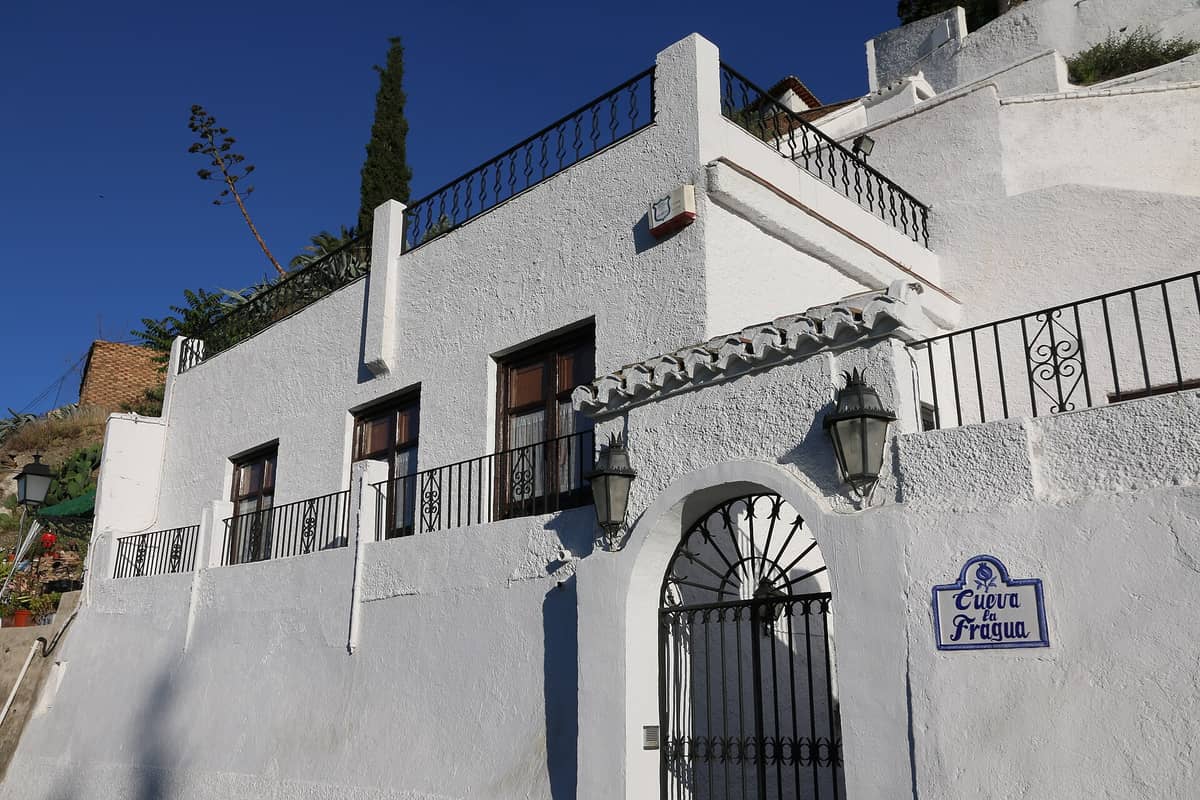
Sacromonte is Granada's hillside neighborhood of cave dwellings, Roma heritage, and flamenco culture, clinging to the slopes of Mount Valparaíso directly opposite the Alhambra. Famous for its whitewashed cuevas and nightly zambra performances, it is unlike any other urban quarter in Spain.
Sacromonte rises above the Darro valley on a hillside carved with centuries of cave houses, where the Roma community established one of Andalusia's most distinctive cultural traditions: flamenco performed underground, deep in whitewashed chambers lit by candlelight. It is Granada's most dramatically atmospheric neighborhood, and also its most misunderstood.
Orientation: Where Sacromonte Sits
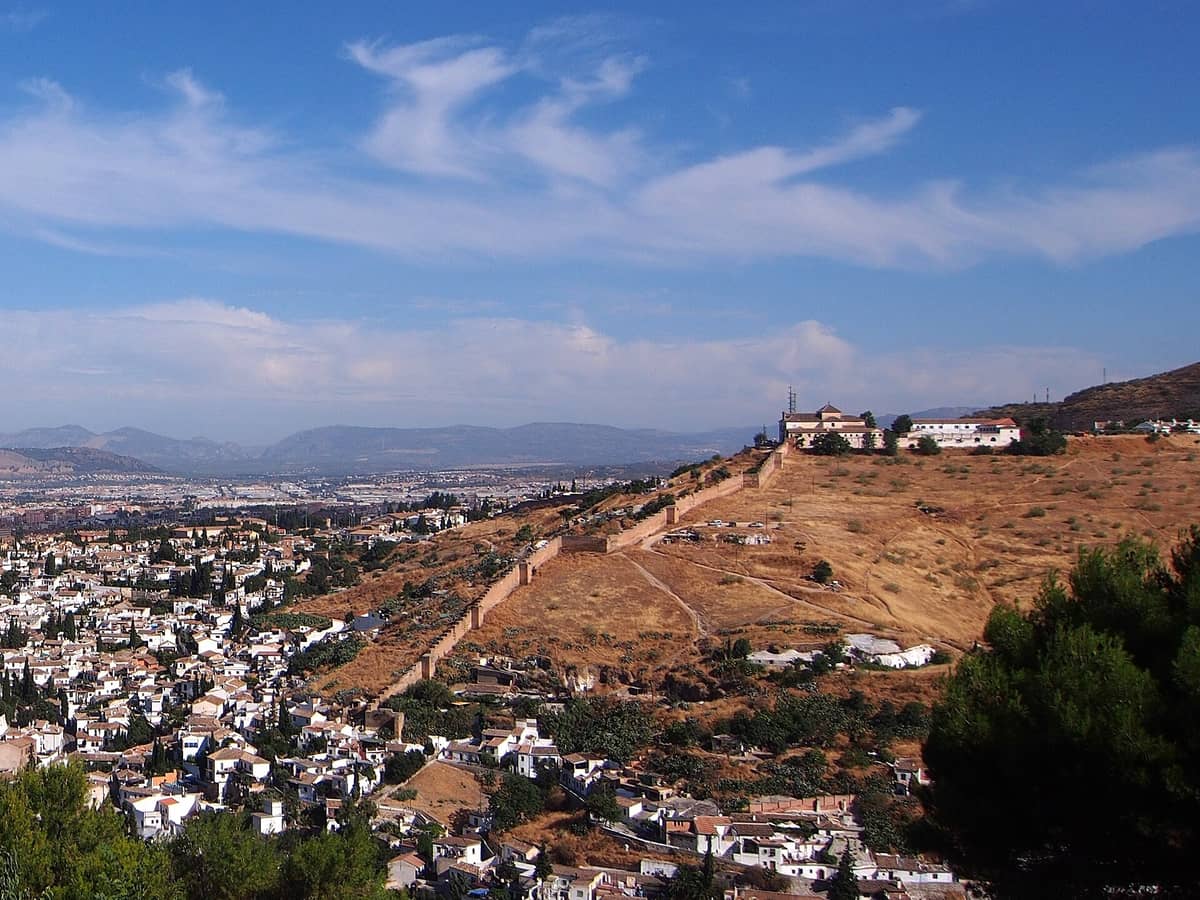
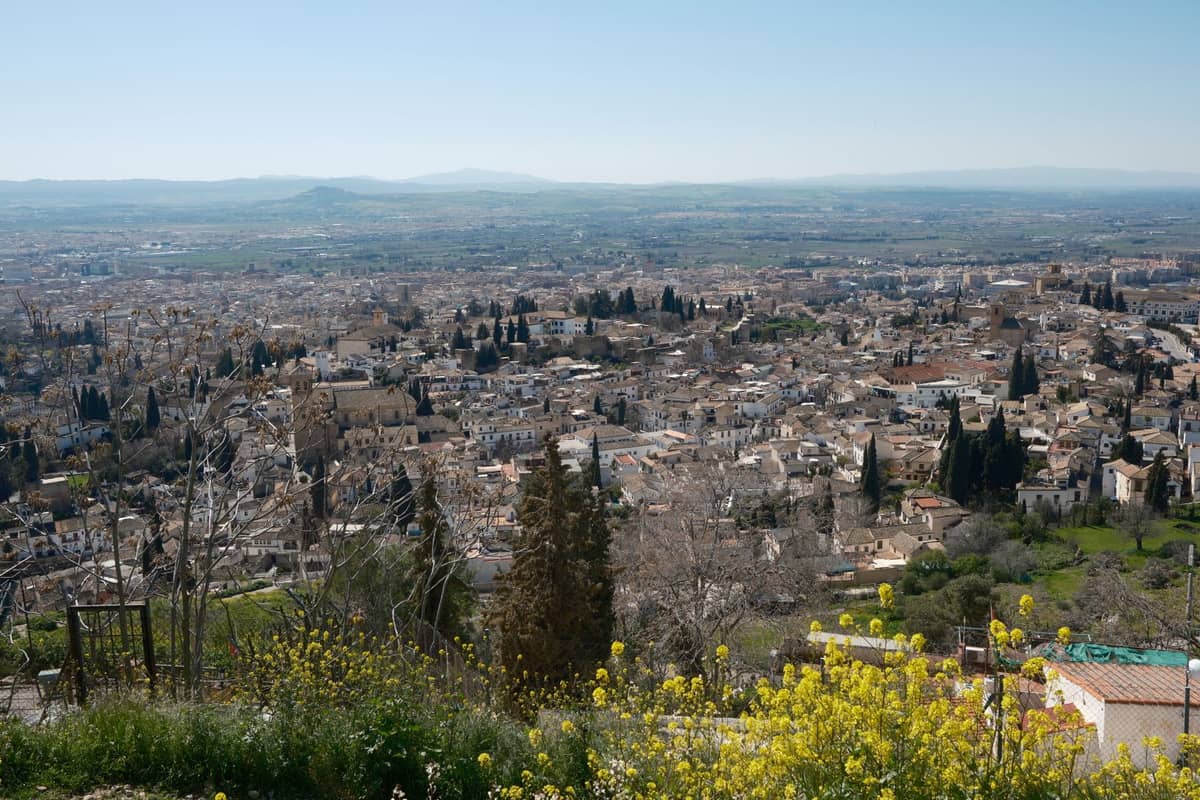
Sacromonte occupies the eastern hillside of Granada, on the slopes of Mount Valparaíso, directly facing the Alhambra across the narrow gorge of the Darro river. Administratively, it is one of the six neighborhoods that make up the wider Albayzín district, though it has a character so distinct from the rest of the Albayzín that most visitors and locals treat it as a world unto itself.
Its boundaries touch the Albayzín to the west, the San Pedro neighborhood below it along the Darro, and the more rural fringes of El Fargue and Haza Grande to the east and north. The valley of Valparaíso cuts through the center of the barrio, creating the deep barranco ravines that give the area its otherworldly topography. The main artery is Camino del Sacromonte, which climbs steadily eastward from the foot of Cuesta del Chapiz, passing the cave houses, flamenco venues, and viewpoints before eventually reaching the Abbey at the upper edge of the neighborhood.
To understand Sacromonte's position in the city, imagine standing at Paseo de los Tristes, the riverside promenade at the base of the Albayzín. Looking northeast, the white dots of cave entrances are visible on the opposite hillside. The path from there to the heart of Sacromonte takes about 25 to 30 minutes on foot, climbing via Cuesta del Chapiz. For a fuller picture of how the neighborhoods relate to one another, the Albaicín walking tour guide traces a route that connects these two historic hillside quarters naturally.
Character & Atmosphere
Sacromonte operates on its own rhythm, and that rhythm is nocturnal. In the morning, the neighborhood is quiet to the point of feeling abandoned. The Camino del Sacromonte is largely empty; cats sleep on warm limestone walls; thin threads of smoke sometimes drift from cave chimneys even in mild weather. The light at this hour is extraordinary: the low Andalusian sun catches the whitewashed cave facades and the terracotta hillside behind them, and across the valley, the towers of the Alhambra glow amber. This is genuinely the best time to walk up here if you want to photograph the landscape or think clearly.
By midday, a trickle of visitors arrives, moving between the Museo Cuevas del Sacromonte and the abbey further up the hill. The path is steep enough that the crowds thin out naturally. A few cave-house residents sit in doorways. Prickly pear cacti (chumberas) line the rocky edges of the barranco, a detail that makes Sacromonte look more like rural Andalusia than a European city neighborhood. In summer the heat at midday is intense at this elevation, and the exposed hillside offers almost no shade.
After nightfall the character changes entirely. Coaches and taxis arrive bringing visitors to the zambra flamenco shows. The entrances to the cave venues glow with warm light, and you can hear guitar and percussion drifting down the hillside. The combination of darkness, steep terrain, and flamenco music filtering out of rock chambers is genuinely striking. This is when Sacromonte delivers on its reputation. But it is also when the neighborhood divides most sharply between the lit main path and the dark, uneven ravines on either side.
⚠️ What to skip
After dark, stick to the lit Camino del Sacromonte. The barrancos (ravines) on either side are unlit, steep, and genuinely disorienting. Avoid wandering into side paths or accepting unsolicited invitations into private cave houses from strangers approaching you on the road.
The neighborhood is not exclusively touristic, and that distinction matters. Families still live in cave houses here; the Roma community has deep roots in Sacromonte going back centuries, and the flamenco tradition is not a performance put on for outsiders but a cultural inheritance. That said, the tourist infrastructure around the main path has grown significantly, and the balance between authentic community life and visitor economy is something you feel as you walk through.
History & Heritage
Sacromonte's history is layered and contested in interesting ways. The name itself refers to a sacred hill, and the site's religious significance predates its association with the Roma community. The Abbey of Sacromonte was founded in the early 17th century on a site where lead tablets inscribed with early Christian texts were discovered, later revealed to be forgeries but enormously influential in their time. The Abbey remains a functioning religious community and a serious architectural landmark above the cave district.
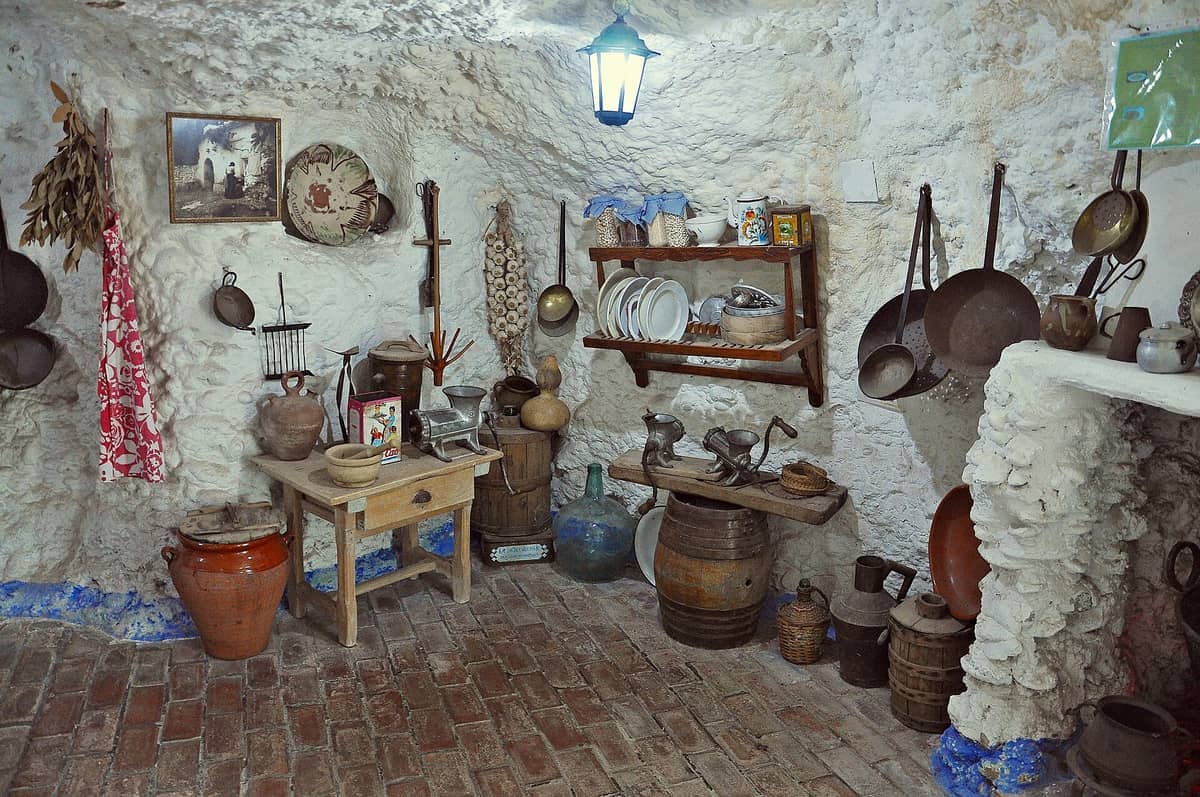
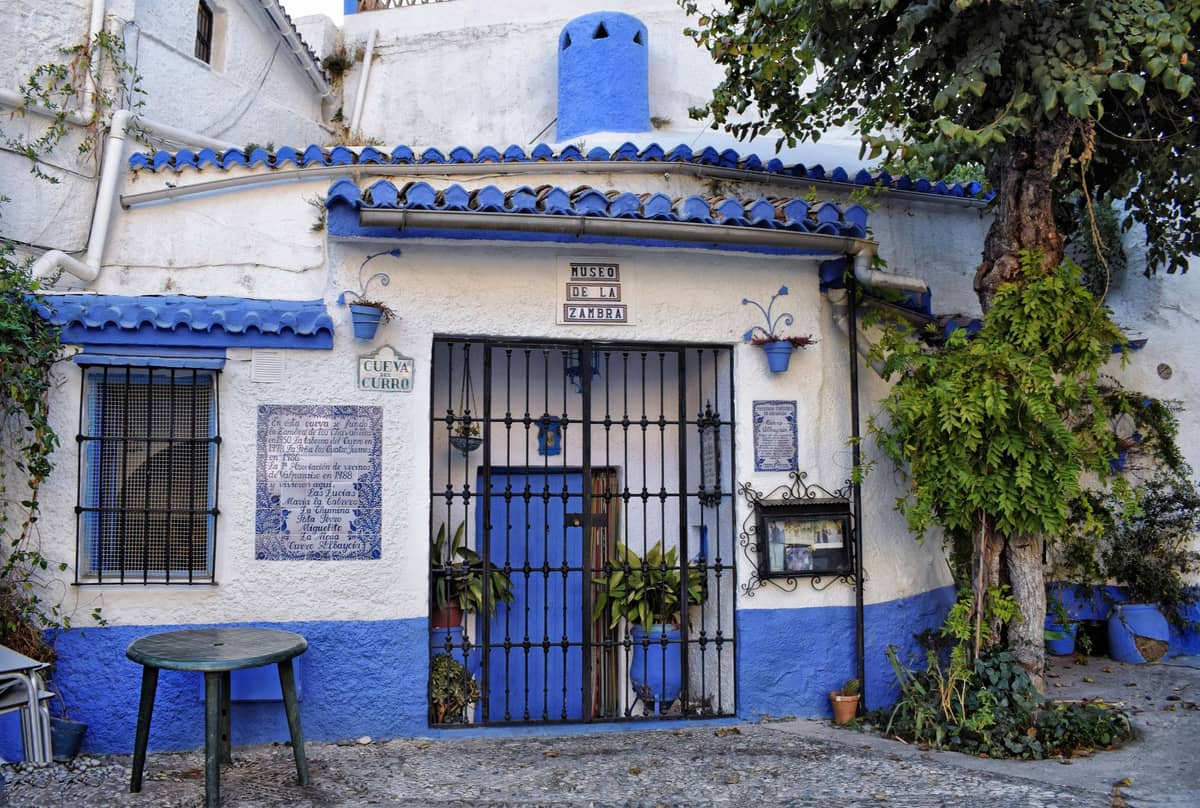
The cave houses developed as permanent dwellings from the 16th century onward, when Granada's Roma population and other marginalized groups settled the hillside. The geology of Mount Valparaíso, a soft limestone that can be excavated by hand but remains structurally sound, made cave dwelling practical and, over generations, comfortable. Many cuevas today have electricity, plumbing, and whitewashed interiors that are cooler in summer and warmer in winter than conventional housing. The Museo del Sacromonte at Barranco de los Negros documents this history across eleven restored cave houses, explaining the tools, crafts, and daily life of the community across different periods.
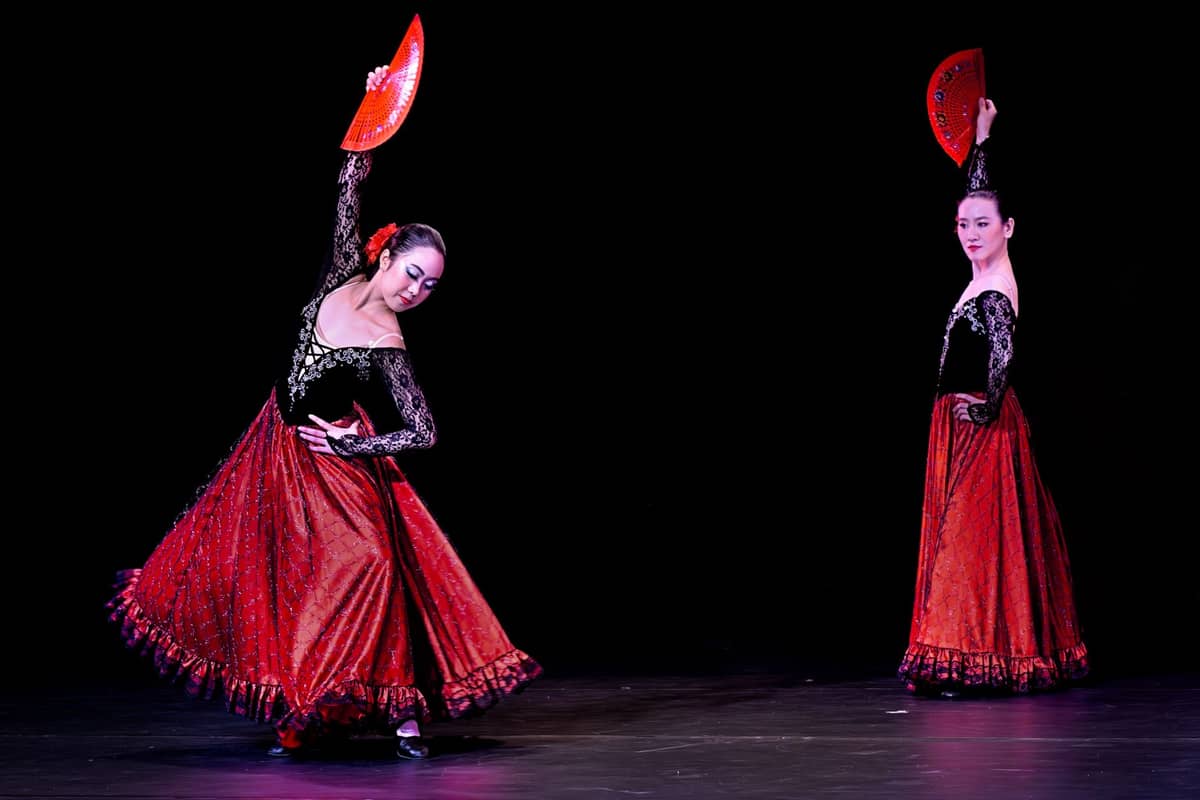
The zambra style of flamenco, which originated here, is distinct from the flamenco of Seville or Jerez. It developed in a cave performance context, which shaped its intimacy and its particular blend of Moorish, Romani, and Andalusian musical influences. The flamenco in Granada guide covers the history and context in detail, including how to distinguish the more commercial shows from performances with stronger artistic credibility.
What to See & Do
The Museo Cuevas del Sacromonte at Barranco de los Negros is the most substantial cultural stop in the neighborhood and deserves more time than most visitors give it. Spread across a series of authentic cave houses, it covers the ethnography of the Roma community, the history of cave dwelling, and the development of zambra flamenco, with exhibits on crafts including basket-weaving and metalwork. The views from the upper terraces of the museum look across directly to the Alhambra and the Generalife gardens.
Further up the hill, the Abadía del Sacromonte is a working religious institution that also opens to visitors. Its complex includes catacombs, a baroque church, and a small museum of sacred art. The position at the top of the neighborhood gives it commanding views over the Albayzín, the city, and the Sierra Nevada in the distance. Opening times are limited, so check before making the steep climb specifically for this.
The primary evening experience in Sacromonte is a zambra flamenco show in one of the cave venues along Camino del Sacromonte. Flamenco in the Sacromonte caves typically runs for around an hour, combining guitar, singing, and dance in an intimate underground space. Cueva de los Tarantos is one of the longest-established venues, operating as a flamenco tablao since 1972. Most shows are booked in advance, often as part of packages that include transport from the city center. Prices and quality vary considerably: booking directly with established venues is generally more reliable than accepting offers from touts on the street.
Museo Cuevas del Sacromonte: Barranco de los Negros, ethnographic history across eleven cave houses
Abadía del Sacromonte: baroque religious complex at the top of the hill, with catacombs and panoramic views
Zambra flamenco shows: cave venues along Camino del Sacromonte, most nights, book in advance
Walking the Camino del Sacromonte at dawn or dusk for Alhambra views across the valley
Descent via Cuesta del Chapiz and Paseo de los Tristes for the full hillside-to-riverside transition
💡 Local tip
The walk down from Sacromonte via Cuesta del Chapiz to Carrera del Darro and then along the riverside to Plaza Nueva is one of the most rewarding routes in Granada. Doing it in the late afternoon, after visiting the museum, puts you at Paseo de los Tristes exactly when the light on the Alhambra is at its best.
For the wider landscape context, Sacromonte sits within easy reach of the Mirador de San Nicolás in the Albayzín, which offers the classic frontal view of the Alhambra. From Sacromonte's own upper terraces and the area near the Abbey, the angle is different and often less crowded, with the Generalife gardens visible to the right and the city spreading below.
Eating & Drinking
Sacromonte is not a neighborhood to visit primarily for its food scene. The options along Camino del Sacromonte are limited in number and tend to be oriented toward evening visitors heading to flamenco shows rather than toward food-focused travelers. Prices reflect the captive audience.
That said, several of the cave venues incorporate a drink or a small meal into their show packages, and eating inside a cueva is an experience worth having once for the atmosphere alone: low ceilings, candlelight or warm electric light, walls hung with copper pots and old photographs, and a temperature that stays around 18 to 20 degrees Celsius regardless of what is happening outside. It is a genuinely different dining environment.
For proper meals, most visitors combine a visit to Sacromonte with eating in the lower Albayzín or along Carrera del Darro before or after the climb. The Albayzín has a much broader range of restaurants, including Moroccan-influenced places around Calderería Nueva and traditional Granadan spots serving the famous free tapas tradition. Granada's custom of serving a free tapa with every drink is one of its best features and fully operational in the bars of the Albayzín below. The free tapas guide for Granada explains how the system works and where to find the most generous kitchens.
If you want a drink with a view before heading to a show, the terraces near the upper section of Camino del Sacromonte and near the museum overlook the valley. These are informal rather than polished, and that suits the neighborhood. For a broader overview of where to eat well across the city, the where to eat in Granada guide covers neighborhoods and price ranges in detail.
Getting There & Around
Sacromonte is not served by the Metro de Granada. Access is by bus, taxi, or on foot, and the steep terrain means the uphill journey and the downhill return are effectively two different experiences.
From Plaza Nueva, the microbus C34 runs directly to Sacromonte approximately every 15 minutes, taking around 10 minutes. Buses C31 and C32 run to the Albayzín area via Cuesta del Chapiz, with stops near the Sacromonte access path. The outward journey (city center to Sacromonte) is the one to take by bus: the uphill climb on foot is tiring and exposed, particularly in summer heat. The downhill return walk, via Cuesta del Chapiz and then along Carrera del Darro, is pleasant and takes about 25 to 30 minutes at a relaxed pace.
Taxis and ride-hailing services can drop you on Camino del Sacromonte, though the road becomes very narrow further up and some vehicles cannot easily turn around. For evening flamenco shows, many venues offer a transfer included in the ticket price or as an optional add-on, which removes the navigation problem entirely and is worth considering if you are unfamiliar with the area.
ℹ️ Good to know
Bus routes and frequencies in Granada are subject to change. Verify current C34, C31, and C32 schedules with Transportes Rober (transportesrober.com) before your visit, especially for evening services which may run less frequently after 21:00.
Within Sacromonte, navigation is straightforward in theory: Camino del Sacromonte is the single main road and most of the key sites are along it or just off it. In practice, the barrancos and side paths can be confusing in poor light. Carry a phone with offline maps downloaded. For broader context on getting around Granada, the getting around Granada guide covers bus, taxi, and walking logistics across the city.
Where to Stay
Staying in Sacromonte is a specific choice with real trade-offs. A handful of properties, including some operating as boutique cave-house rentals or small guesthouses carved into the hillside, exist along Camino del Sacromonte. The experience of sleeping in a cueva, with its constant cool temperature and total quiet once the flamenco shows end late at night, appeals to travelers who prioritize atmosphere and uniqueness over convenience.
The drawbacks are practical. You are at least 25 minutes on steep terrain from the main city center. There is no nearby supermarket. Carrying luggage up to a cave house is genuinely demanding. Evening noise from flamenco venues can continue until midnight or later on busy nights. Ridesharing and taxis work but require more planning than in central Granada.
For most travelers, Sacromonte is best experienced as a day and evening destination from a base elsewhere. The Albayzín immediately below is a more practical base if you want to be in the historic hillside area, with better transport connections and more accommodation variety. For a full breakdown of where to stay across Granada, including the relative merits of different neighborhoods, see the where to stay in Granada guide.
Is Sacromonte Worth Visiting?
Sacromonte is one of the genuinely distinctive urban quarters in Spain, not because of any single landmark but because of the accumulated effect of its landscape, its cultural history, and the way it exists slightly outside normal city rhythms. The combination of cave architecture, Roma cultural heritage, flamenco, and views across to the Alhambra is not replicated anywhere else. Visitors who arrive with realistic expectations, and who engage with the Museo Cuevas and a properly booked zambra show rather than just walking the main road, consistently find it worthwhile.
It is not for everyone. If you are not interested in flamenco and the cave-house culture leaves you indifferent, there is limited reason to make the steep climb. It is also not the right neighborhood for travelers who want to be in the center of Granada's restaurant and nightlife scene, which is more concentrated around the city center and the lower streets. And the evening experience requires some planning and a degree of caution after dark that more central neighborhoods do not.
For travelers on a first visit to Granada who want to understand the full range of the city, Sacromonte belongs in the itinerary, ideally combined with the Albayzín in the same day. The two-day Granada itinerary structures exactly this kind of combination, pairing the hillside neighborhoods with the Alhambra for an efficient introduction to what makes Granada different from every other Andalusian city.
TL;DR
Sacromonte is Granada's Roma hillside neighborhood, famous for cave houses, zambra flamenco, and Alhambra views across the Darro valley.
Best visited in the morning for atmosphere and photography, and in the evening for flamenco shows at established cave venues, booked in advance.
Take bus C34 from Plaza Nueva uphill; walk back down via Cuesta del Chapiz and Carrera del Darro for the best return route.
Stick to the lit Camino del Sacromonte after dark; avoid unlit side ravines and unsolicited cave invitations.
Ideal for travelers interested in flamenco, Romani cultural heritage, and Granada's Moorish and Andalusian history; less suited to those focused on restaurants, nightlife, or city-center convenience.
Two days in Granada, Spain is enough to cover the Alhambra, the Albaicín, the cathedral quarter, flamenco in Sacromonte, and the city's legendary free tapas culture — if you plan correctly. This guide gives you a day-by-day structure, realistic timing estimates, and the booking details that most itineraries leave out.
Walk Granada's UNESCO-listed Albaicín quarter at your own pace. This guide covers the full route from Plaza Nueva to Mirador de San Nicolás, every key stop along the way, seasonal timing advice, and the practical details most visitors only find out when they arrive.
Buying Alhambra tickets is the single most important logistical task before visiting Granada. This guide covers official prices, every ticket type, the timed entry system for the Nasrid Palaces, and how to avoid the most common booking mistakes.
Granada's climate swings from near-freezing January nights to 36°C July days, and its tourist calendar is shaped by everything from Semana Santa processions to Alhambra ticket availability. This guide breaks down every month so you can match your trip to your priorities, whether that's perfect weather, low prices, or catching a specific festival.
Granada sits at one of Spain's most rewarding crossroads, with the Sierra Nevada, white mountain villages, Mediterranean coast, and great Andalusian cities all within reach. These are the best day trips you can do from Granada, with advice on how to get there and what to see.
Granada is one of Spain's most important cities for flamenco, with nightly performances ranging from intimate cave shows in Sacromonte to polished tablao productions near the historic centre. This guide covers the best venues, price ranges, booking strategies, and what first-timers need to know before they go.
Granada is one of the few places left in Spain where ordering a drink automatically earns you a free plate of food. This guide explains the rules, the best neighborhoods, drink prices, timing, and the common myths that catch tourists off guard.
Granada rewards budget travellers generously. From UNESCO-listed Moorish streets and hilltop viewpoints to free-entry monuments and river walks beneath the Alhambra, the city has more genuinely free experiences than almost anywhere in Andalusia.
Everything you need to navigate Granada Spain, from airport transfers and the Metro to the dedicated mini-buses for the Alhambra. Includes current fares, seasonal schedules, and the one booking mistake that locks visitors out of the Nasrid Palaces.
Getting to Granada is easier than most travellers expect. This guide covers every realistic option: flying into GRX, taking the high-speed AVE from Madrid, catching a bus from Málaga Airport, and everything in between, with current prices, journey times, and practical planning notes on which route suits your trip.
Granada rewards curious travelers who look beyond the Alhambra queues. From a free 13th-century royal pavilion buried in a municipal building to a panoramic hilltop hermitage above the cave district, these are the places that most visitors walk straight past.
December is one of Granada's most rewarding months to visit. The city fills with Christmas lights and markets while Sierra Nevada, just 30 km away, opens its ski slopes. Crowds at the Alhambra thin out, hotel prices drop, and the tapas bars are as good as ever. Here is everything you need to plan a winter trip.
Granada rewards those who plan carefully and spend wisely. This guide covers the finest hotels near the Alhambra, the best Michelin-recognized restaurants in the city, private cultural experiences, and the practical logistics that separate a smooth luxury trip from an expensive disappointment.
Most visitors spend their entire time in Granada fixated on the Alhambra and never realize the city holds a dozen other Moorish monuments within walking distance. This guide covers the essential sites, ticket combinations, walking routes, and practical details you need to explore Granada's full Islamic heritage.
Granada's nightlife runs later than almost anywhere else in Spain, fueled by a large student population and a culture that treats midnight as a warm-up. This guide covers the best neighborhoods for drinks, which clubs deliver, what things actually cost, and how to avoid the classic tourist mistakes.
Granada is one of the most affordable cities in Spain — if you know how the system works. This guide breaks down free tapas, Alhambra ticket pricing, tourist passes, free attractions, and the best times to visit for lower costs and smaller crowds.
Semana Santa in Granada is one of Andalusia's most atmospheric Holy Week celebrations, with daily processions from Palm Sunday to Easter Sunday winding through medieval streets. This guide covers routes, schedules, seating, crowd tips, and everything a visitor needs to experience it properly.
Granada rewards those who look up, and those who climb. This guide covers every significant mirador and panoramic viewpoint in the city, from the famous terrace at San Nicolás to the high-altitude plateau of the Sierra Nevada, with practical advice on timing, access, and what you'll actually see from each spot.
Granada rewards families who plan ahead. From timed-entry Alhambra tickets to the hands-on Parque de las Ciencias and snow-capped Sierra Nevada day trips, this guide covers every family-friendly activity in Granada, Spain, with practical advice on crowds, costs, and seasonal timing.
Granada sits at the foot of the highest mountain range in mainland Spain, putting serious alpine terrain within an hour of the city centre. This guide covers the best hikes near Granada, from accessible gorge walks to high-altitude summit routes, with practical advice on getting there.
Granada is one of Spain's most historically layered cities, but it comes with real trade-offs: intense summer heat, Alhambra ticket logistics, and crowds that can frustrate the underprepared. This guide gives you the full picture so you can decide if it belongs on your itinerary.
Las Alpujarras is one of the most rewarding day trips from Granada — a chain of Moorish-era whitewashed villages clinging to the southern slopes of the Sierra Nevada. This guide covers how to get there by bus or car, which villages to prioritize, what to eat, and how to make the most of a single day in the mountains.
Granada, Spain is one of Europe's most atmospheric cities for couples. Moorish palaces, candlelit flamenco caves, ancient bathhouses, and hilltop sunsets combine to create something genuinely difficult to replicate anywhere else. This guide covers the best romantic experiences, practical planning details, and practical planning notes on what actually lives up to the hype.
Sierra Nevada is Spain's highest skiable and southernmost major ski resort, sitting just 40 km from Granada city. This guide covers the full picture: season dates, lift pass pricing, how to get there, what the slopes are actually like, and what most first-timers get wrong.
Granada, Spain packs an extraordinary range of experiences into a city of just 230,000 people: a UNESCO-listed palace complex, a medieval Moorish quarter, cave flamenco, and a tapas culture where every drink comes with free food. This guide cuts through the noise and tells you exactly what to do, when to go, and what to skip.
Granada's food culture runs much deeper than free tapas. This guide covers the city's signature dishes, seasonal specialties, best markets, and practical tips for eating well in one of Andalusia's most distinctive culinary cities.
Granada, Spain has one of Europe's most distinctive food cultures: order a drink and a free tapa arrives automatically. This guide covers the free tapas system in full, the best neighborhoods to eat, what dishes to prioritize, and the restaurants worth booking in advance.
Choosing where to stay in Granada Spain shapes your entire trip. This guide breaks down the four main neighbourhoods for visitors, with a clear look at terrain, atmosphere, hotel options, and price ranges to help you book with confidence.