Is Granada Worth Visiting? A Practical Take
Granada is one of Spain's most historically layered cities, but it comes with real trade-offs: intense summer heat, Alhambra ticket logistics, and crowds that can frustrate the underprepared. This guide gives you the full picture so you can decide if it belongs on your itinerary.
Tickets & tours
Live prices and dates from our booking partner. If you book, we may earn a commission at no extra cost to you.
TL;DR
- Yes, Granada is worth visiting — but the experience varies dramatically depending on when you go and how well you plan.
- The Alhambra is genuinely world-class, but tickets sell out weeks in advance. Read our Alhambra tickets guide before you book anything else.
- Spring (April to mid-May) and autumn (mid-September to October) offer the best combination of manageable crowds and comfortable temperatures.
- Granada rewards walkers: the Albaicín, Realejo, and city centre are compact enough to cover on foot, with free tapas culture adding serious value for budget travelers.
- Summer is genuinely brutal — highs regularly exceed 35°C — and the city slows down noticeably. It's survivable, but it's not the best version of Granada.
What Granada Actually Offers (And What It Doesn't)
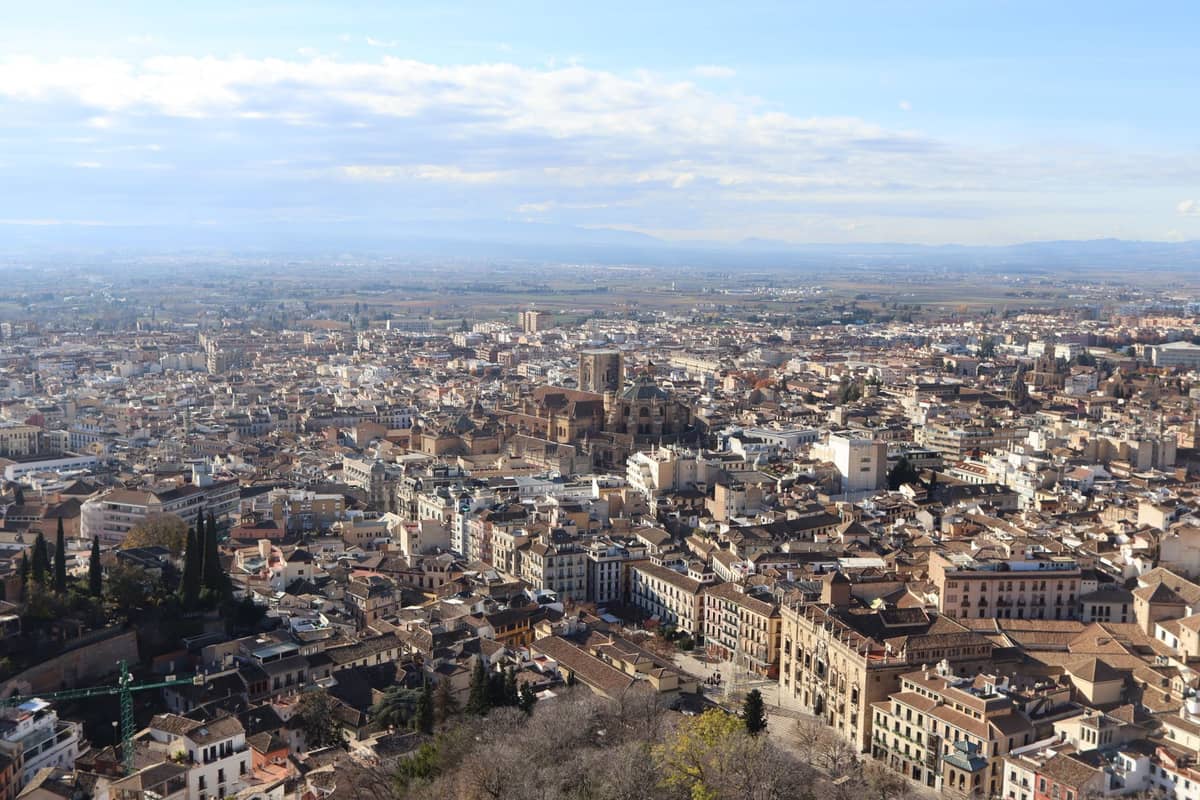
Granada sits at around 738 metres above sea level in Andalusia, backed by the Sierra Nevada and carrying one of the most intact legacies of Moorish Spain of any city on the Iberian Peninsula. Its population of roughly 234,000 makes it a medium-sized city by Spanish standards — large enough to feel real, small enough to navigate without exhaustion.
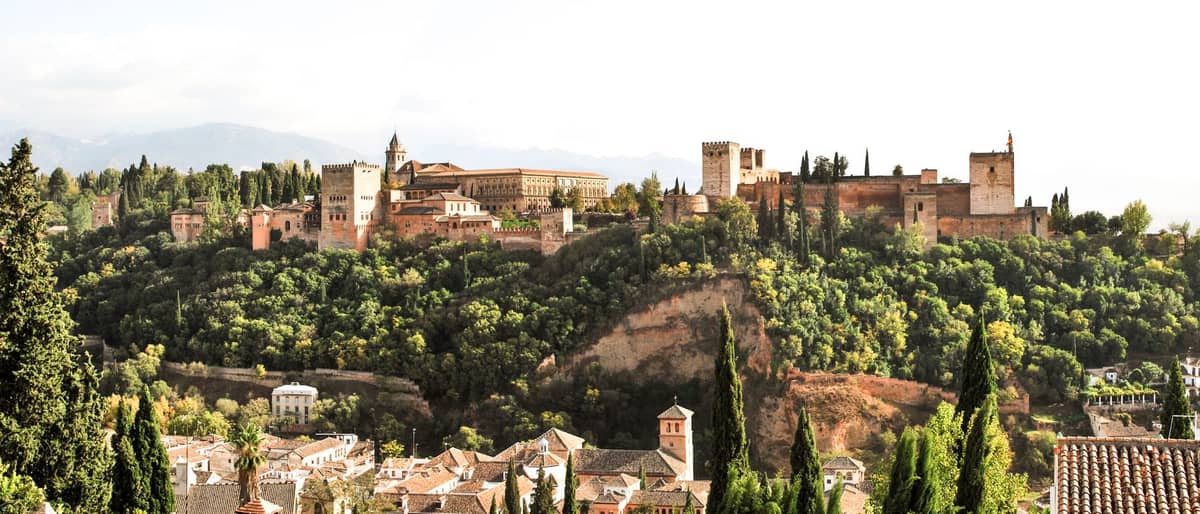
The obvious centrepiece is the Alhambra, a palace-fortress complex that genuinely lives up to its reputation. But Granada also has the Albaicín, a UNESCO-listed hillside quarter of medieval streets and Moorish architecture, plus Sacromonte with its cave flamenco tradition. These three elements alone would justify a visit. The city adds to them with a lively university culture, a free tapas tradition that sets it apart from most of Spain, and proximity to the Sierra Nevada ski resort — a combination no other Spanish city can match.
What Granada does not offer: beaches (the coast is about 50 km south), a buzzing modern food scene on par with Seville or Málaga, or the architectural variety of somewhere like Córdoba. If you're primarily chasing contemporary restaurants, rooftop bars, or modern art, you'll find Granada thinner than expected. It's a city of medieval and Moorish heritage, and it leans into that identity completely.
The Alhambra Question: Is It Really Worth the Hype?
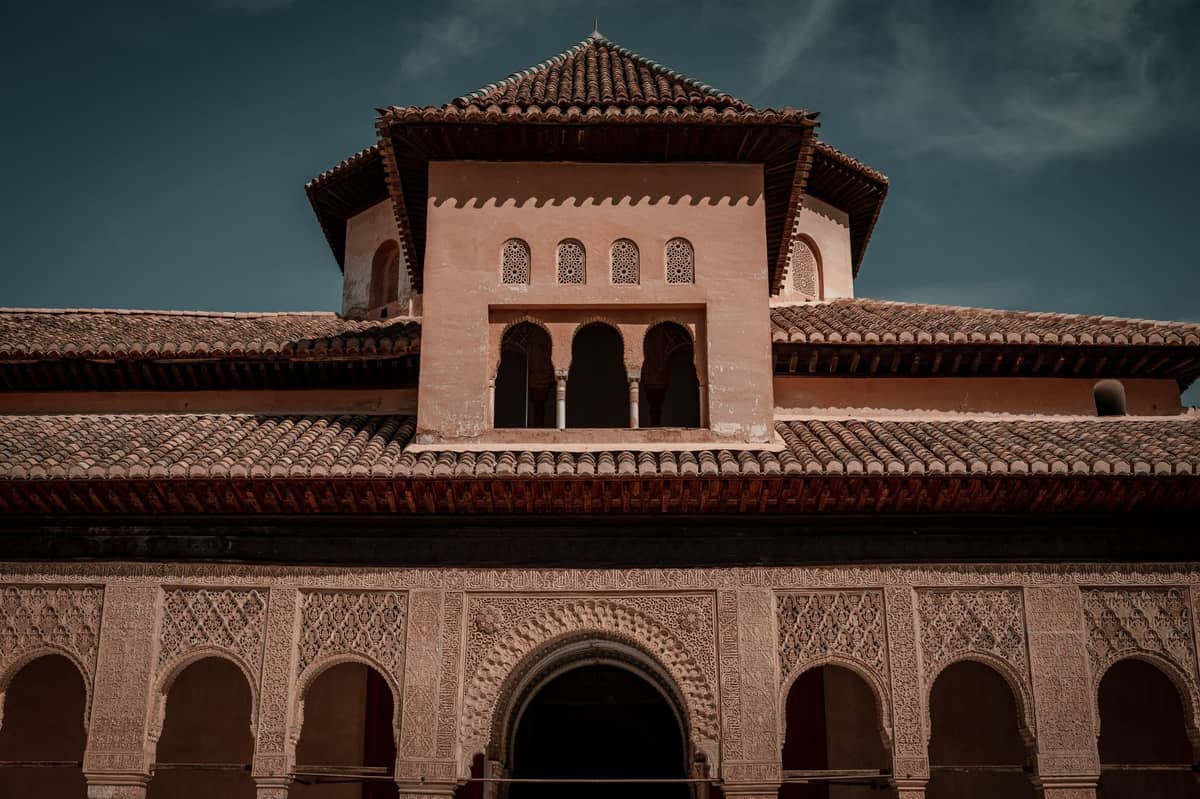
The short answer is yes — but with caveats. The Nasrid Palaces inside the Alhambra complex are among the finest examples of Islamic architecture anywhere in Europe, and the Generalife gardens offer a genuinely serene counterpoint to the palace interiors. The Alcazaba fortress towers give you the best panoramic views of the Albaicín. As a combined experience, it takes a solid three to four hours to do properly.
⚠️ What to skip
Alhambra tickets sell out weeks — sometimes months — in advance during peak season. Entry to the Nasrid Palaces is timed, and latecomers are turned away regardless of what ticket they hold. Book through the official Patronato de la Alhambra y Generalife website (alhambra-patronato.es) as far ahead as possible, and double-check the current entry requirements before you travel, as the booking system and pricing are updated regularly.
The Alhambra is not overrated — but the experience of visiting it can be disappointing if you go in July or August without planning. Midday summer heat inside the complex is intense, crowds at peak hours are significant, and the Nasrid Palaces in particular can feel rushed if you're trying to squeeze in a photo at every arch. Winter visits, by contrast, are genuinely atmospheric: quieter, cooler, and with the Sierra Nevada snow-capped behind you. It's the same monument with a completely different feel.
When to Go: Climate, Crowds, and the Real Trade-Offs
Granada has a Mediterranean climate with strong continental influences, which translates to hot, dry summers and cold winters. The annual average temperature is around 15.7°C, but that figure hides dramatic seasonal swings. July averages a maximum of around 34–36°C, while January can drop to around 1°C at night. Annual rainfall is only around 350mm, mostly falling between November and March.
- Spring (April to mid-May) Daytime highs of 22-27°C, relatively low rainfall, and manageable crowds make this the most comfortable window for sightseeing. Almond and orange blossoms are out in the Generalife. The trade-off: Semana Santa (Easter) brings significant crowds and higher prices.
- Summer (June to August) Consistently above 32°C, peaking above 36°C in July and August. Virtually no rain. The Alhambra books up furthest in advance. Early morning and evening visits are survivable; midday is genuinely unpleasant for walking uphill to the Albaicín.
- Autumn (mid-September to October) Temperatures drop to a more comfortable 24-30°C in September, cooling further in October. Crowds thin noticeably after the summer school holidays end. This is arguably the most underrated window to visit.
- Winter (November to February) Cold — sometimes frosty — but quiet and atmospheric. Alhambra tickets are far easier to get. Sierra Nevada skiing is accessible from the city. December in particular has a distinct character, with local festivals and Christmas markets in the centre.
💡 Local tip
If you're visiting in winter, pack proper layers. Granada's elevation means nights can drop close to 0°C, and the Albaicín's narrow streets offer little shelter from the wind. That said, the Alhambra at dusk in winter, with the Sierra Nevada behind it, is one of the most genuinely striking sights in Andalusia.
The Neighbourhoods: Where Granada's Real Character Lives
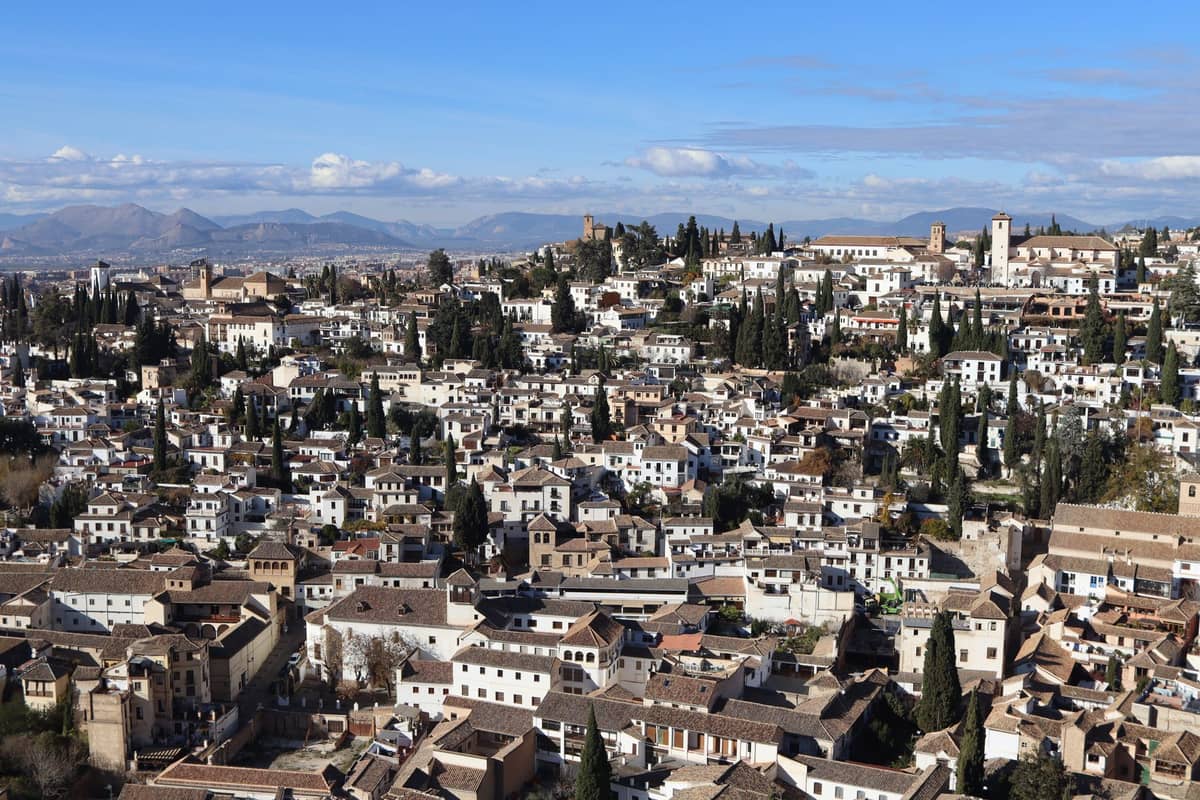
The Albaicín is Granada's medieval Islamic quarter, a UNESCO World Heritage Site alongside the Alhambra. Its cobblestone lanes, whitewashed carmenes (walled garden houses), and lookout points — particularly the Mirador de San Nicolás — deliver the postcard version of Granada that most visitors imagine before they arrive. The reality is that San Nicolás is extremely crowded by mid-morning, especially from spring through autumn. Go at sunrise or just before sunset if you want the view without the tour groups.
Sacromonte is where Granada's flamenco tradition is most concentrated. The cave dwellings carved into the hillside have been home to Romani families for centuries, and the zambra flamenco performances held in these spaces are more intimate than anything you'll find in a city-centre venue. They're also significantly more expensive than a bar show — expect to pay around €20-30 per person for a cave performance. The quality varies between venues; the flamenco in Granada guide breaks down how to choose.
The Realejo, Granada's former Jewish quarter, is quieter and more residential than the Albaicín. It's worth a wander for its street art, neighbourhood bars, and the Campo del Príncipe square — a place that feels genuinely local rather than touristic. The historic centre around the Cathedral and Gran Vía is functional and photogenic but commercial; the Alcaicería (former silk market) is now largely souvenir shops, though the architecture of the narrow lanes is still worth ten minutes of your time.
Costs, Free Tapas, and Getting Around
Granada is one of the few cities in Spain where ordering a drink at a bar still gets you a free tapa. This is a genuine local custom, not a gimmick for tourists, and it makes the city noticeably more affordable for anyone willing to eat like a local. A beer or glass of wine at most traditional bars costs €2-3 and comes with a tapa included. A full evening of drinks and food for two people can cost under €30 this way. For more detail on where to eat and how to make the most of this, see the free tapas Granada guide.
The Alhambra is the main paid attraction, with general entry tickets (verify current prices on alhambra-patronato.es before visiting). The Granada Card combines monument entry with urban bus trips and can offer value if you're planning to visit multiple sites. The city centre, Albaicín, and Realejo are all walkable; the Alhambra hill is a 20-25 minute uphill walk from the centre or a short bus ride on Line C30. If you want a broader sense of what's free, the free things to do in Granada guide is a practical starting point.
- Airport bus (ALSA Line 245, GRX to centre): around €3, roughly 45 minutes — check the current timetable before travel as services are limited to approximately 8-10 per day
- Urban bus single fare: check current Transportes Rober pricing; the Metro de Granada also covers some city and suburban routes
- Taxi from airport to centre: metered or fixed regulated fare (verify current rates with Ayuntamiento de Granada before travelling)
- Ride-hailing: Uber and Cabify both operate in Granada; check in-app pricing at time of travel
- Tap water: safe to drink across Granada; no need to buy bottled water
✨ Pro tip
Granada's university population of around 60,000 students keeps the city's bar and café prices significantly lower than tourist-heavy Seville or Málaga. Drink in the Realejo or around the university area rather than immediately around the Cathedral, and prices drop noticeably.
Beyond the City: Day Trips and Wider Context
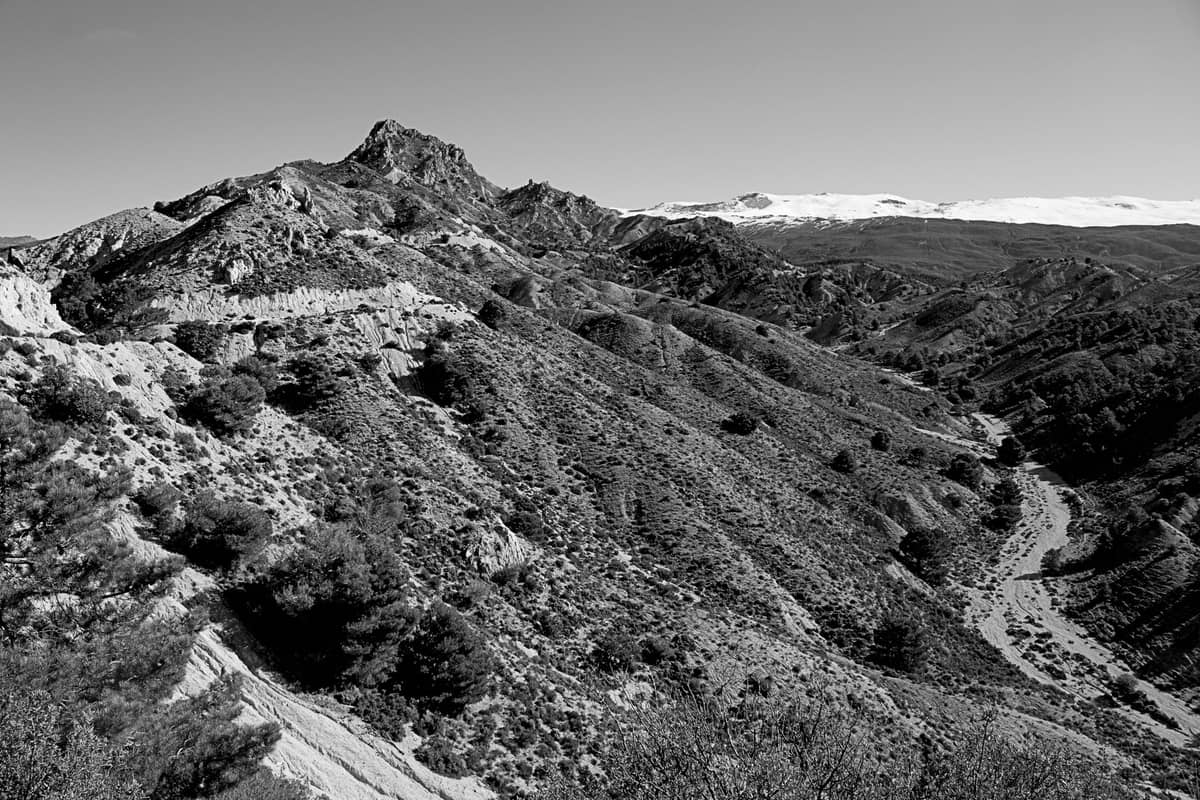
One of Granada's underappreciated advantages is its location. The Sierra Nevada ski resort is roughly 32 km from the city centre — close enough that a day trip in winter is genuinely feasible. The Las Alpujarras villages to the south offer some of the most scenic driving in Andalusia, with traditional Berber-influenced architecture and local craft products. The Costa Tropical (about 70 km south) is accessible but requires a car or bus; it's not a quick urban day trip.
Within the city, the Parque de las Ciencias is worth noting for families: it's a well-run science museum with a planetarium and butterfly house, and it gives younger visitors something genuinely engaging beyond historic monuments. For a compact city walking route that connects the main sites logically, the Albaicín walking tour guide is the most practical starting framework.
Who Granada Is (and Isn't) For
Granada is an exceptional destination for people interested in history, Islamic architecture, Moorish cultural heritage, flamenco, or Andalusian food culture. Two days is a functional minimum; three days allows you to cover the Alhambra properly, walk the Albaicín without rushing, catch a flamenco show, and spend an evening exploring the tapas circuit. Five or more days lets you add day trips and discover the quieter corners of the city.
It's less well-suited to travellers seeking beach access (go to Málaga or Almería instead), a cosmopolitan contemporary dining scene, or easy family logistics with young children who struggle with hills and heat. The city's topography is uneven: the Albaicín and Sacromonte involve significant uphill walking on uneven surfaces, which is tiring in summer and can be slippery in wet winter conditions.
Budget travellers will find Granada one of the most rewarding cities in Spain, thanks to the free tapas culture and generally lower price points than the coast. For those at the other end of the spectrum, luxury options do exist, including the Parador de Granada — a converted monastery inside the Alhambra grounds and one of the most coveted hotel locations in Spain. For a broader assessment of accommodation options by neighbourhood and budget, see the where to stay in Granada guide.
FAQ
Is Granada worth visiting for just one day?
One day is tight but possible if you prioritise ruthlessly. Book an early Alhambra slot (the Nasrid Palaces are the priority), spend the afternoon in the Albaicín, and end the evening with tapas in the Realejo. You'll see the headline attractions but miss a lot of the city's texture. Two days is a much more comfortable minimum.
Is Granada expensive compared to other Spanish cities?
No — Granada is generally more affordable than Seville, Málaga, or Barcelona. The free tapas culture with drinks significantly reduces food costs. Accommodation ranges widely, but mid-range options are competitively priced. The main cost is the Alhambra ticket; check the current price on the official Patronato website, as it is updated periodically.
Is Granada safe for tourists?
Granada is generally considered safe for tourists. Standard urban precautions apply — be aware of your belongings in crowded areas and around major monuments. For current official travel advice, check your government's foreign travel advisory for Spain before visiting.
How do I get from the airport to Granada city centre?
The ALSA Line 245 bus connects Federico García Lorca Granada-Jaén Airport (GRX) with central Granada stops including Gran Vía and Puerta Real. The journey takes around 45 minutes and costs approximately €3. Services are limited to roughly 8-10 per day in each direction, so check the current timetable before you travel. Taxis and ride-hailing apps (Uber, Cabify) are also available from the airport.
What is the best time of year to visit Granada?
April to mid-May and mid-September to October are the most comfortable windows, with daytime temperatures of roughly 22-27°C and lower crowds than summer. Summer (July-August) is very hot, regularly exceeding 35°C, and Alhambra tickets are hardest to secure. Winter is quiet, cold, and atmospheric — worth considering if you're flexible and want easier Alhambra access.
Tickets & tours
Live prices and dates from our booking partner. If you book, we may earn a commission at no extra cost to you.
Planning a trip? Discover personalized activities with the Nomado app.