Las Alpujarras from Granada: The Complete Day Trip Guide
Las Alpujarras is one of the most rewarding day trips from Granada — a chain of Moorish-era whitewashed villages clinging to the southern slopes of the Sierra Nevada. This guide covers how to get there by bus or car, which villages to prioritize, what to eat, and how to make the most of a single day in the mountains.
Tickets & tours
Live prices and dates from our booking partner. If you book, we may earn a commission at no extra cost to you.
TL;DR
- Las Alpujarras is a mountain region, not a single village — plan which villages you want before you go.
- The Poqueira Valley trio (Pampaneira, Bubión, Capileira) is the best combination for a day trip from Granada — compact, scenic, and reachable by bus.
- Bus from Granada to Pampaneira takes around 90 minutes and costs roughly €6.45 one way (Alsa operator — verify current fares before travel).
- Buses run infrequently: missing one connection can derail your whole itinerary. Check the Alsa schedule the night before.
- Hiring a car unlocks far more flexibility and lets you combine multiple villages in a single day without stress.
What Las Alpujarras Actually Is
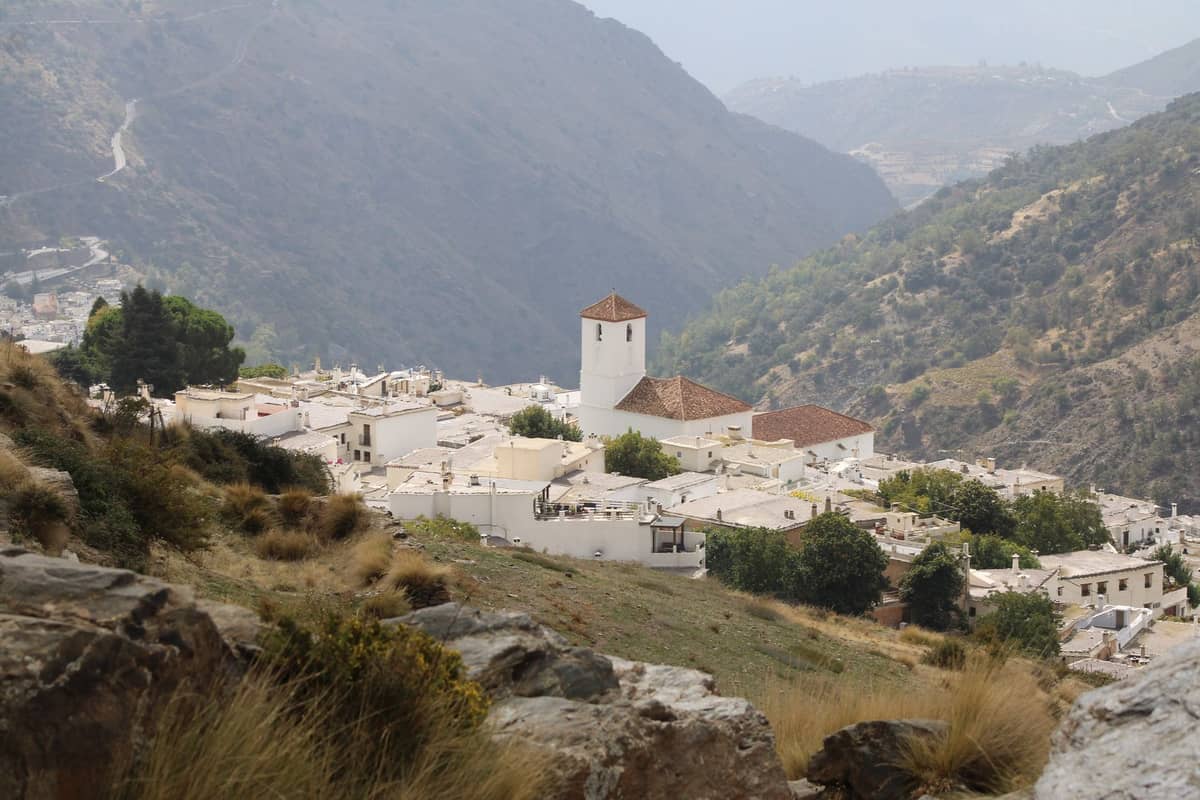
Las Alpujarras is a comarca, a geographic and cultural region, spread across the southern flanks of the Sierra Nevada. It is not one village or one viewpoint — it is dozens of distinct settlements, some barely larger than a hamlet, arranged across river valleys at altitudes ranging from around 700 metres up to over 1,500 metres. The villages straddle two provinces: Granada to the west and Almería to the east, though the Granada side is what most visitors mean when they say 'Las Alpujarras'.
The architecture here is unlike anything else in Andalusia. Flat-roofed stone houses and tinaos — covered passages that bridge the narrow lanes — reflect a design tradition that survived from the Nasrid period. When the Moors were expelled from Granada in 1492, many retreated to these valleys and continued their way of life for another century before the final expulsion in 1609. That heritage is still legible in the street layouts, the irrigation channels called acequias, and the distinctive textiles sold in every village market.
ℹ️ Good to know
Las Alpujarras spans both Granada and Almería provinces. For a day trip from Granada city, you will be visiting the Granada side — specifically the valleys west of Trevélez. The Almería villages (around Laujar de Andarax) require considerably more travel time and are not practical for a day trip.
Which Villages to Visit: A Practical Ranking
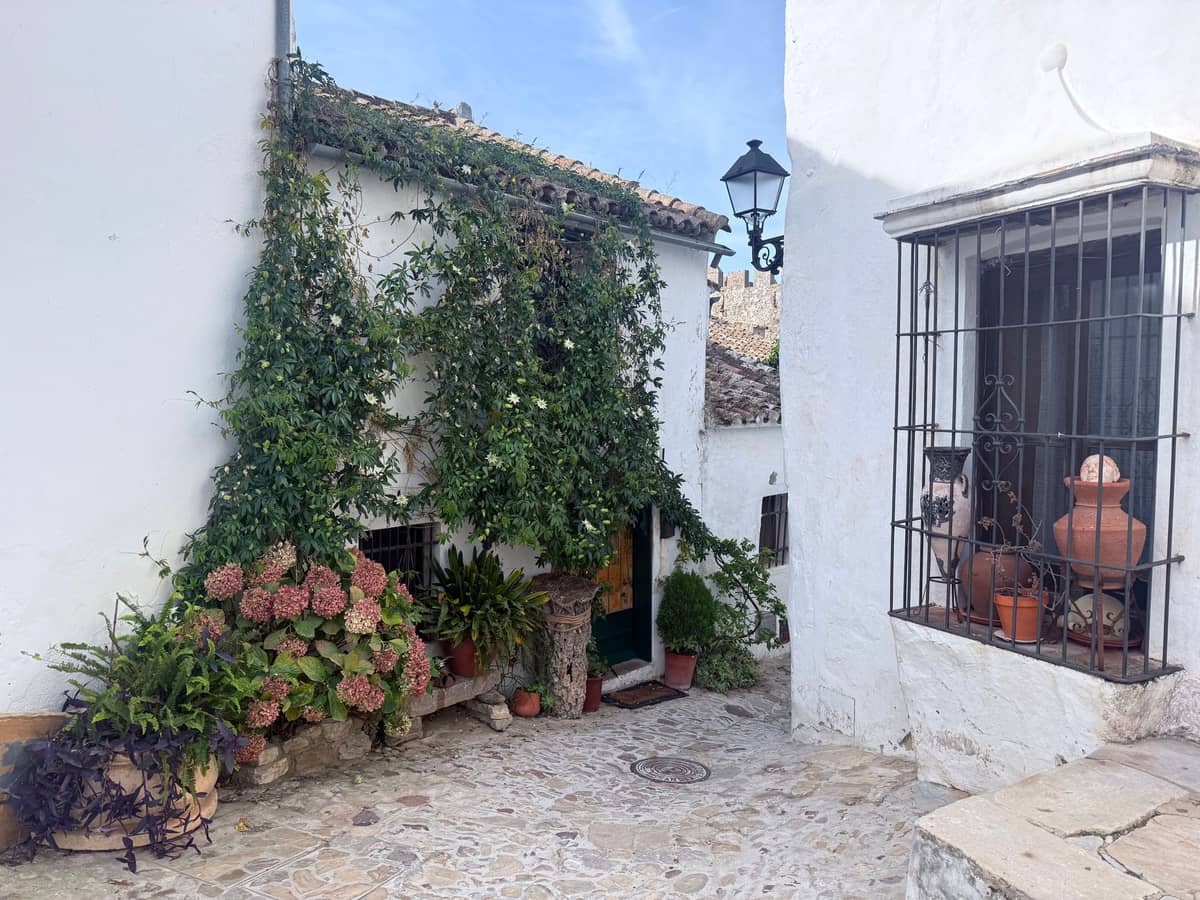
The most commonly visited area for a day trip is the Poqueira Valley, which holds three villages stacked vertically on the same hillside: Pampaneira at the bottom, Bubión in the middle, and Capileira at the top. All three are within walking distance of each other (around 30-40 minutes on foot between each), and together they offer the full Alpujarran experience without requiring a car or complex logistics. If you only have one day and are relying on public transport, concentrate here.
- Pampaneira The lowest and most accessible of the Poqueira trio. Its central plaza, surrounded by craft shops and tapas bars, is the most photographed spot in the region. Arrive early — by midday in peak season it fills with coach tour groups.
- Bubión The quietest of the three, with fewer tourist shops and more of a genuine residential feel. Worth a 40-minute wander even if you do not linger. Good views back down the valley.
- Capileira Highest of the three at around 1,436 metres, and the launching point for serious Sierra Nevada hikes. The views north toward the snow-capped peaks are outstanding on clear days. Note that winter road closures above Capileira are common.
- Trevélez Spain's highest permanently inhabited village, around 1,476 metres. Famous for its jamón serrano, cured at altitude. Reachable by bus but on a different route — combining Trevélez with the Poqueira villages in a single day by public transport is not realistic.
- Lanjarón The first major stop coming from Granada, known for its spa tradition and bottled mineral water. Pleasant but not representative of the high-mountain village experience. Worth a coffee stop, not a dedicated visit.
- Órgiva The largest town in the western Alpujarras and a transport hub. Functional rather than scenic, with a Thursday market that draws people from across the region. Primarily useful as a connection point.
⚠️ What to skip
Do not try to combine Trevélez and the Poqueira villages (Pampaneira, Bubión, Capileira) in a single day by public bus. The routes are separate and the bus frequency does not allow it without overnight accommodation. Choose one valley or hire a car.
Getting There: Bus vs. Car

The primary public transport operator for this route is Alsa, which runs coaches from Granada's main bus station (Estación de Autobuses de Granada, on Carretera de Jaén) to the western Alpujarras. The route to the Poqueira Valley villages typically stops at Lanjarón, Órgiva, Pampaneira, Bubión, and Capileira in sequence. Indicative journey time to Pampaneira is around 90 minutes; fares were around €6.45 one way as of 2026 schedules — confirm current prices and timetables on the Alsa website before you travel, as these change.
The bus to Trevélez follows a different corridor and takes approximately 2 hours from Granada, with a one-way fare of around €8.75. Tickets can be purchased at the bus station or through the Alsa website. Buying in advance is advisable in summer, when seats fill early. For broader context on moving around the city and province, the getting around Granada guide covers urban transport options.
The honest case for hiring a car: bus frequency in the Alpujarras is genuinely limited. On some routes there may be only two or three services per day in each direction, and the return timing can force you to leave earlier than you would like or wait for hours. If you miss a connection, you are stranded. A rental car from Granada adds cost but gives you complete control over which villages you visit, how long you stay, and whether you combine the Poqueira Valley with a stop in Trevélez or Órgiva. The drive from Granada to Pampaneira is around 67 kilometres via the A-44 and A-348, and takes roughly 1 hour in normal conditions.
- Depart Granada bus station early — the first buses leave around 8:00-9:00am (verify exact times with Alsa). Arriving in Pampaneira before 10:30am means you beat the coach groups.
- Check the return bus time from Capileira or Pampaneira before you commit to the trip. Write it down. Set an alarm.
- If driving, the road above Capileira toward the Sierra Nevada ski area may be closed in winter — check road conditions via the DGT (Dirección General de Tráfico) before heading up.
- Parking in the villages is limited. Pampaneira has a small car park at the entrance; Capileira has a larger one. Arrive before 11:00am in peak season to get a space.
- Fuel up in Granada before leaving — petrol stations are sparse in the high Alpujarras.
When to Go: Seasons and Crowd Patterns
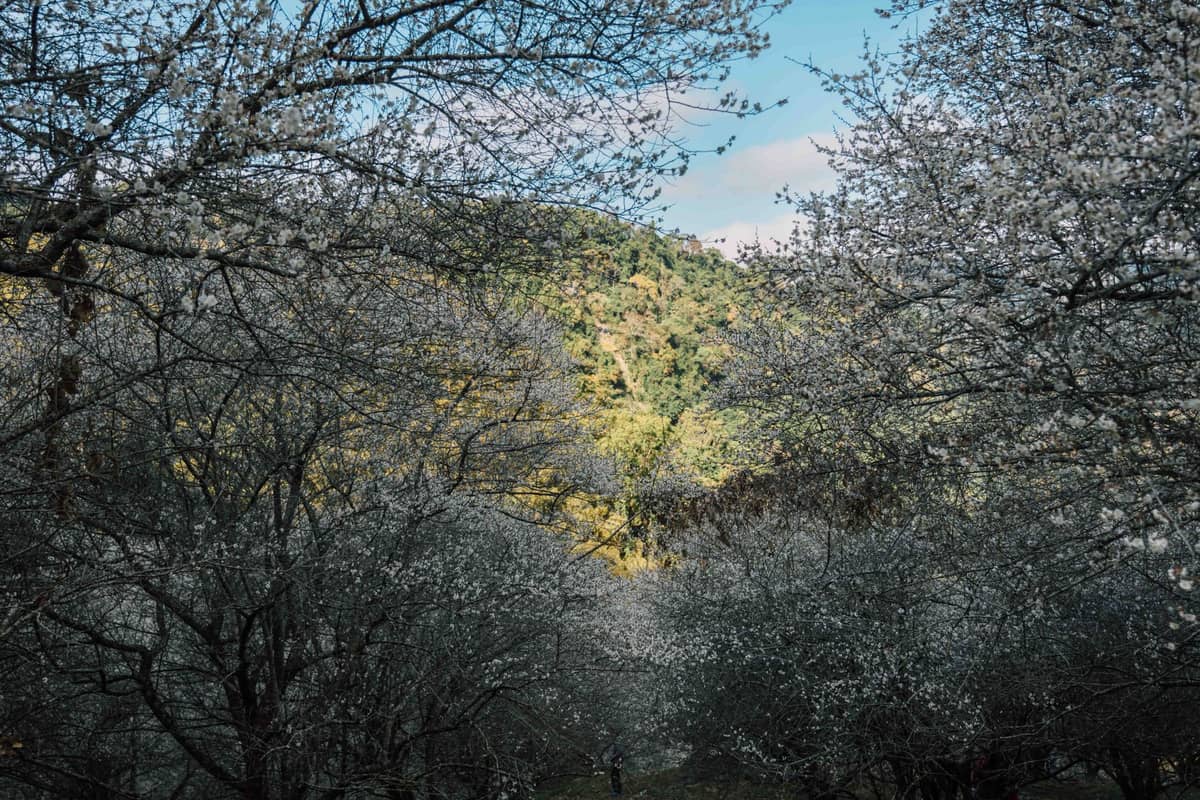
Spring (April to May) is the best overall window for a day trip to Las Alpujarras. Temperatures in the villages sit between roughly 15°C and 25°C, the almond and cherry trees that line the lower valley roads are in or just past bloom, and the mountain trails are clear. This also coincides with one of the best periods to visit Granada overall, so combining an Alpujarras day trip with a broader Granada itinerary makes good sense.
Summer (July to August) works logistically — buses run, roads are open, and daylight stretches past 9:00pm — but the lower villages get genuinely hot (Granada city itself frequently exceeds 35°C), and Pampaneira in particular becomes crowded with Spanish domestic tourists. The higher you go, the more bearable it is: Capileira at 1,436 metres stays notably cooler than the valley floor.
Autumn (September to October) is underrated for this route. The light turns golden, the tourist crowds thin out considerably after mid-September, and temperatures remain comfortable for walking between villages. This is also the period when local chestnuts and seasonal produce appear in the village shops.
Winter is the trickiest season. Daylight hours are shorter (sunset before 6:00pm), roads above Capileira may be closed due to snow, and some smaller village restaurants and shops reduce their hours or close entirely. That said, a clear winter day in the Alpujarras with snow on the Sierra Nevada peaks above and blue skies overhead can be genuinely spectacular. Just do not plan on hiking and confirm your bus connections in advance.
✨ Pro tip
If you visit in late January or February, the almond blossom in the lower Alpujarras valley roads (particularly around Órgiva and Lanjarón) is one of Andalusia's less publicised seasonal events. The white and pink flowers against the mountain backdrop are striking, and crowds are minimal.
What to Do and Eat in the Villages
The main activity in the Poqueira villages is walking — both between the villages themselves and on the broader network of trails that fan out across the valley. The GR7 long-distance trail passes through all three Poqueira villages, although the section between Capileira and Bubión is currently diverted onto the road due to a landslide, and shorter circular routes are marked from Capileira up toward the Sierra Nevada plateau. For serious hiking context, the routes around the Sierra Nevada connect with longer trails described in more detail in guides focused on the mountain area itself.
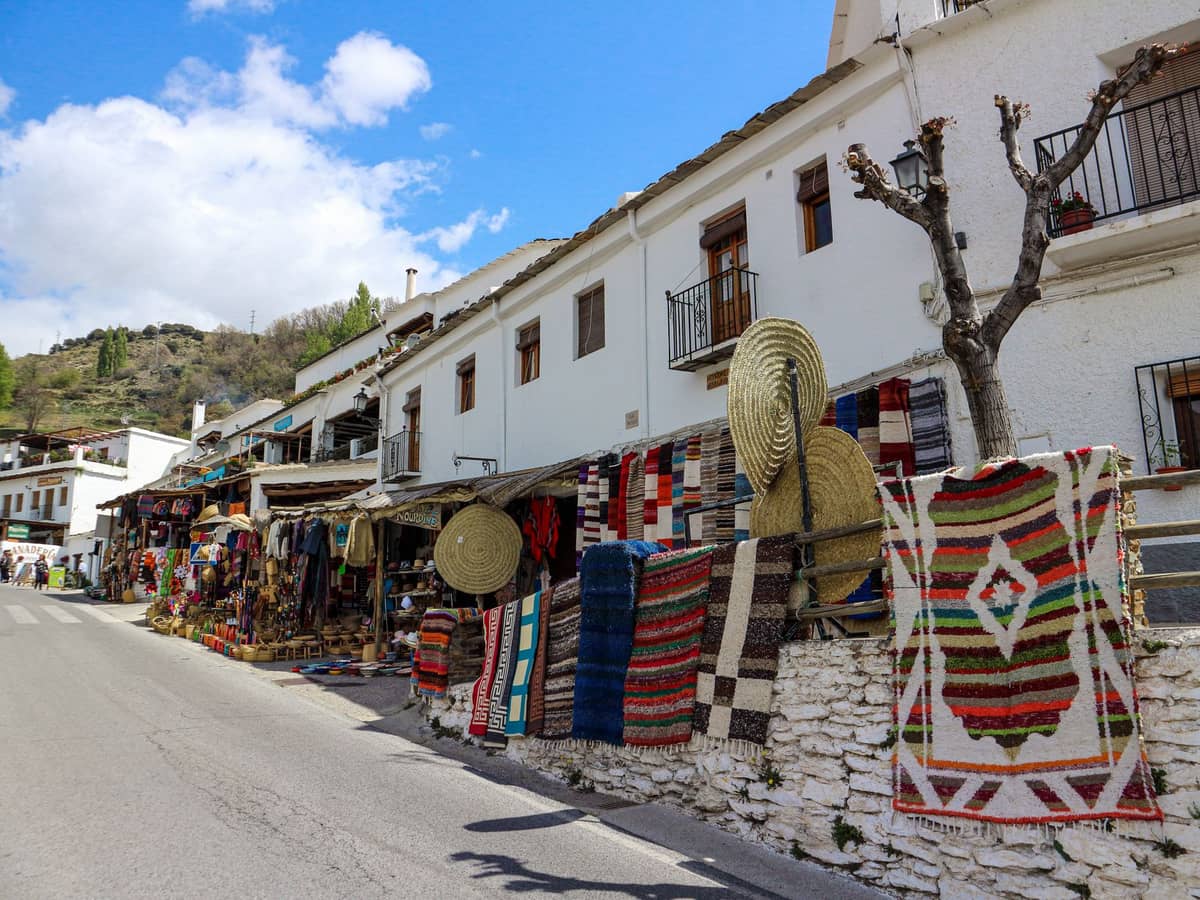
The textile tradition here is worth understanding before you shop. Alpujarran rugs and blankets (jarapas) are woven from recycled fabric strips on traditional looms and have been made in these villages for centuries. Genuine handmade pieces are sold alongside mass-produced imports — the price and weight of the textile are usually a reasonable guide to quality. Pampaneira has the highest concentration of shops; Bubión has a dedicated textile museum, the Museo de Artesanía Textil, if you want context before buying. For other craft and shopping stops near Granada, the Alcaicería market in the city centre offers a comparison point.
Food in the Alpujarras leans hearty and straightforward. The signature dish is plato alpujarreño: fried eggs, morcilla (blood sausage), chorizo, jamón, and potatoes, served on a single plate. It is filling, cheap (around €8-12 in most village restaurants), and genuinely what locals eat. Trevélez jamón — dry-cured ham from pigs raised at altitude — is the region's most famous product and worth buying to take home, but you will also find it on menus throughout the western Alpujarras. Wash it down with local wine from the Contraviesa area or, in cooler months, a shot of locally made aguardiente.
💡 Local tip
Have lunch in Capileira rather than Pampaneira. The restaurants in Capileira are quieter, the views from the terrace tables are better, and the prices are marginally lower. By 1:30pm, the main square in Pampaneira is at its most crowded — that is the moment to be eating lunch higher up the hill.
Practical Logistics: What to Bring and What to Know
The altitude difference between Granada city (around 738 metres) and Capileira (around 1,436 metres) means temperatures can be 5-8°C cooler in the upper villages even on a warm day. A light layer is worth carrying regardless of the season. In winter, treat the villages as genuinely cold mountain destinations — not mild Andalusian countryside.
ATMs exist in Órgiva and Pampaneira, but do not rely on them working on any given day — rural banking infrastructure is variable. Bring cash. Most restaurants accept cards, but smaller craft shops and market stalls often do not. The currency throughout Spain is the Euro. For a broader overview of planning your time in the province, the things to do in Granada guide puts the Alpujarras day trip in context alongside other excursions.
- Wear proper walking shoes — the village lanes are steep, cobbled, and slippery when wet.
- Carry water, especially in summer. Village fountains are generally drinkable but ask locally if unsure.
- Download offline maps (Maps.me or Google Maps offline area) before you leave Granada — mobile signal is patchy in the high valleys.
- If hiking between villages, the Pampaneira to Bubión to Capileira route follows the GR7 and is well-marked; allow about 2 to 3 hours for the full ascent on foot.
- Check the Alsa timetable the evening before, not the morning of travel. Print or screenshot the return times.
- Emergency number throughout Spain: 112.
For travellers who want to extend beyond a single day, Capileira is the most logical base for exploring the upper Sierra Nevada on foot, and from there the trails connect toward the Hoya de la Mora area. Alternatively, those interested in the broader mountain region can combine a Las Alpujarras trip with a visit to the Sierra Nevada for skiing in winter or high-altitude hiking in summer, as described in the dedicated hiking near Granada guide.
FAQ
How do I get from Granada to Las Alpujarras by bus?
Alsa operates coaches from Granada's main bus station (Estación de Autobuses de Granada) to the western Alpujarras. The main route serves Lanjarón, Órgiva, Pampaneira, Bubión, and Capileira. Journey time to Pampaneira is around 90 minutes; fares were approximately €6.45 one way as of 2026 — confirm current timetables and prices on the Alsa website before you travel, as these change seasonally.
Is Las Alpujarras worth it as a day trip from Granada?
Yes, for most visitors — particularly those interested in mountain landscapes, Moorish architectural heritage, and authentic Andalusian village life away from tourist infrastructure. The Poqueira Valley villages (Pampaneira, Bubión, Capileira) are genuinely distinctive and the scenery is excellent. It is less suited to travellers who want comfortable urban conveniences or those with significant mobility limitations, as the villages involve steep cobbled lanes.
Can I do Las Alpujarras without a car?
Yes, but it requires careful planning. Bus frequency is limited — typically two or three services per day in each direction on the main routes — and missing a connection means a long wait. Focus on the Poqueira Valley villages (Pampaneira, Bubión, Capileira), which share a single bus route. Check the Alsa timetable in advance, note your return bus time, and set a reminder. A rental car gives significantly more flexibility.
What is the best village to visit in Las Alpujarras for a day trip?
Pampaneira is the most accessible and most visited, but Capileira offers better views and a quieter atmosphere. For a day trip, visiting all three Poqueira villages (Pampaneira, then Bubión, then Capileira) is the standard approach and works well by bus or car. Trevélez is worth visiting if you have a car or are staying overnight — its altitude, jamón, and character are distinct — but it is on a different bus route and not easily combined with the Poqueira villages in one day.
What should I eat in Las Alpujarras?
The signature dish is plato alpujarreño: fried eggs, morcilla, chorizo, jamón, and potatoes on one plate — hearty, filling, and around €8-12 in most restaurants. Trevélez jamón serrano is the region's most famous product and worth buying to take home. Local wine from the Contraviesa area pairs well with lunch. In Capileira, several restaurants have terrace tables with valley views — worth seeking out over the busier spots in Pampaneira's main square.
Tickets & tours
Live prices and dates from our booking partner. If you book, we may earn a commission at no extra cost to you.
Planning a trip? Discover personalized activities with the Nomado app.