Best Time to Visit Granada, Spain: A Month-by-Month Guide
Granada's climate swings from near-freezing January nights to 36°C July days, and its tourist calendar is shaped by everything from Semana Santa processions to Alhambra ticket availability. This guide breaks down every month so you can match your trip to your priorities, whether that's perfect weather, low prices, or catching a specific festival.
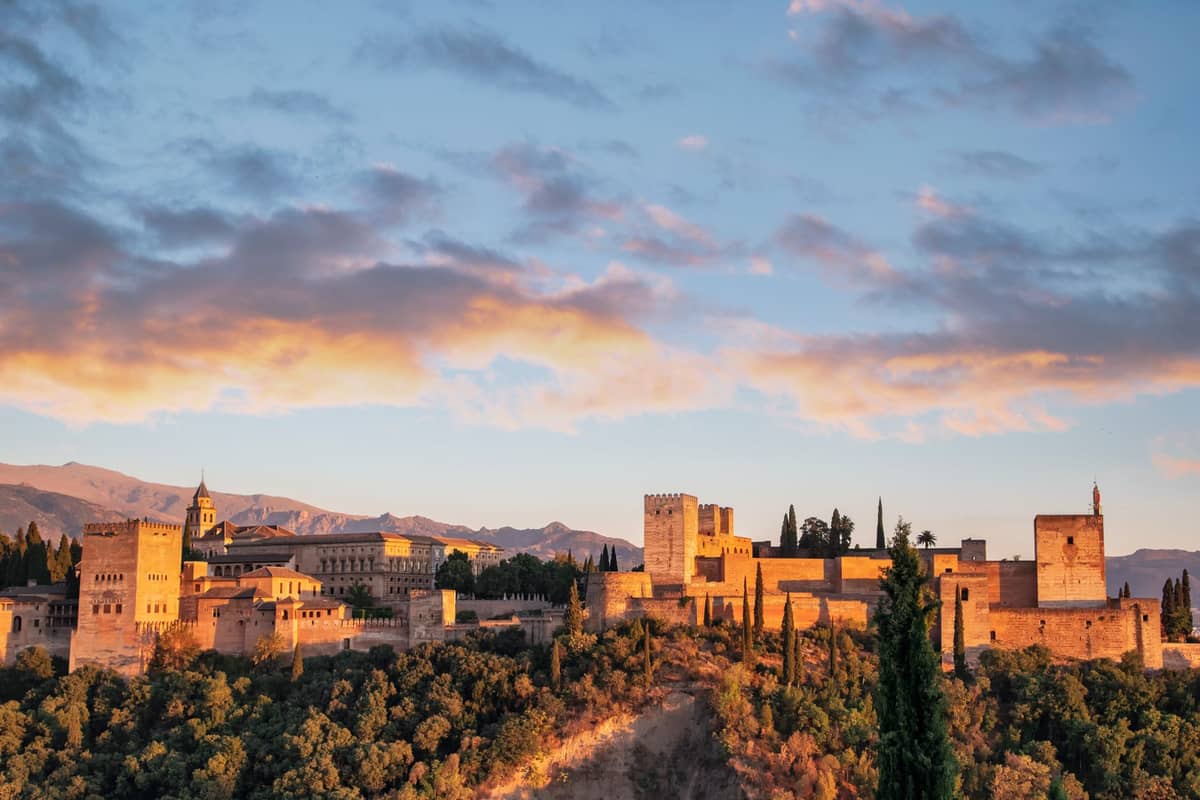
Tickets & tours
Live prices and dates from our booking partner. If you book, we may earn a commission at no extra cost to you.
TL;DR
- April, May, and October are the sweet spot: daytime highs of 22–27°C, manageable crowds, and reasonable hotel prices.
- July and August are very hot (regularly above 35°C) and peak-season busy — fine if you're prepared, but not the most comfortable for walking the Albaicín or hiking.
- Book Alhambra tickets weeks or months in advance for spring and summer visits — timed Nasrid Palace slots sell out fast, year-round.
- Winter (December–February) is cold but uncrowded and cheap, with snow visible on the Sierra Nevada — a completely different side of the city.
- Semana Santa and Corpus Christi are atmospheric but come with sold-out accommodation and significantly higher prices — book months ahead if you want to attend.
Understanding Granada's Climate Before You Plan
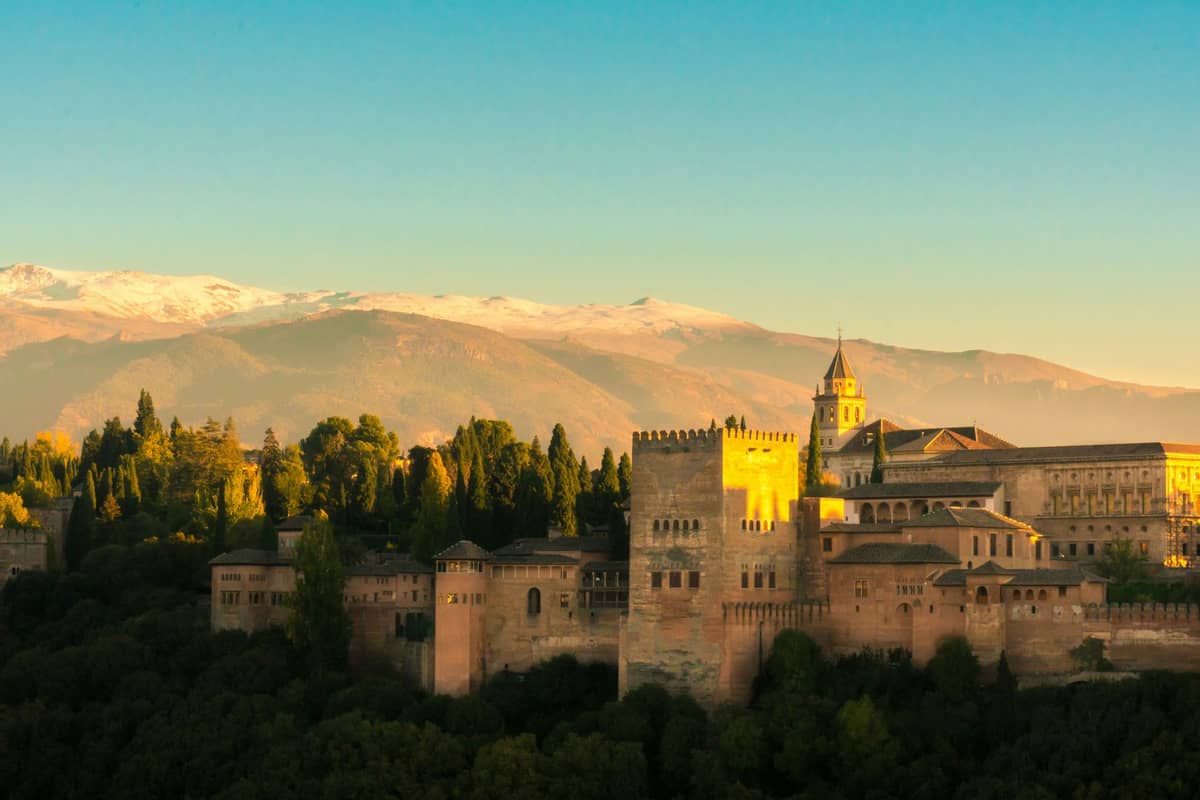
Granada sits at approximately 738 metres above sea level in inland Andalusia, which gives it a continental Mediterranean climate (Köppen Csa) that catches many visitors off guard. Unlike coastal Málaga, Granada experiences genuine cold in winter, with January night temperatures regularly dropping to around 0.5°C. Summers are intensely dry and hot, with July and August seeing average daily highs of 36–37°C. Annual rainfall is low, around 360–370 mm per year across roughly 50–51 rainy days, concentrated in late autumn and winter.
The practical implication: no single season is universally 'best'. The right time depends entirely on whether you prioritise cool walking temperatures, low prices, quiet streets, skiing access, or a specific festival. The sections below break this down month by month, season by season.
ℹ️ Good to know
All temperature figures are based on AEMET and Wetterkontor climatological data for Granada (1991–2020 normals). Actual conditions vary year to year — always check AEMET forecasts before your trip.
Spring (March–May): The Most Popular Window
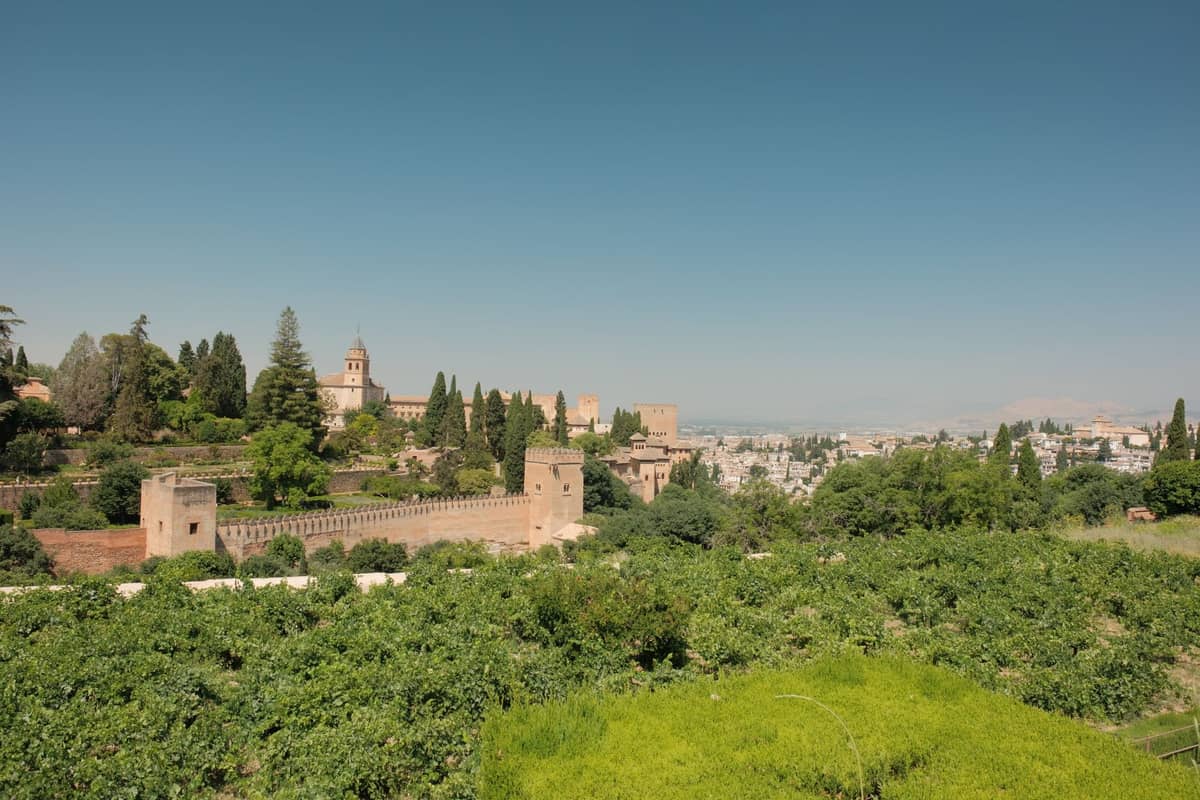
Spring is when Granada operates at full tourist capacity, and for good reason. By April, daytime highs reach around 22°C with lows of 7°C — genuinely comfortable for walking the steep lanes of the Albaicín or spending an afternoon at the Generalife gardens, which are at their most photogenic when the roses are in bloom. May pushes highs to around 27°C — warm but not brutal.
March is transitional: temperatures are rising but rain is still possible (it's one of the wetter months), and accommodation prices are lower than April onward. Good value for flexible travellers who don't mind packing a light jacket.
The key caveat for spring: Semana Santa (Holy Week, date varies but typically March or April) transforms the city. Enormous processions wind through the historic centre for days, accommodation sells out months in advance, and prices spike significantly. It's a genuinely moving spectacle if that's what you're after — but if you want a quiet, affordable spring break, avoid the Semana Santa week entirely. Late April and early May are usually the best balance of good weather and manageable crowds.
Late May through early June brings the Corpus Christi fair, a multi-day celebration involving processions, a street market fair (feria), and bullfighting events. The city fills up again and prices rise. Book everything well in advance if your dates overlap.
⚠️ What to skip
Alhambra tickets for spring — especially April, May, and early June — regularly sell out weeks in advance. The Nasrid Palaces operate on strict timed entry. Book as soon as your dates are confirmed via the official Patronato de la Alhambra website. Standard general day visit tickets are priced around €22.27 (verify current prices before booking).
Summer (June–August): Hot, Dry, and Busy
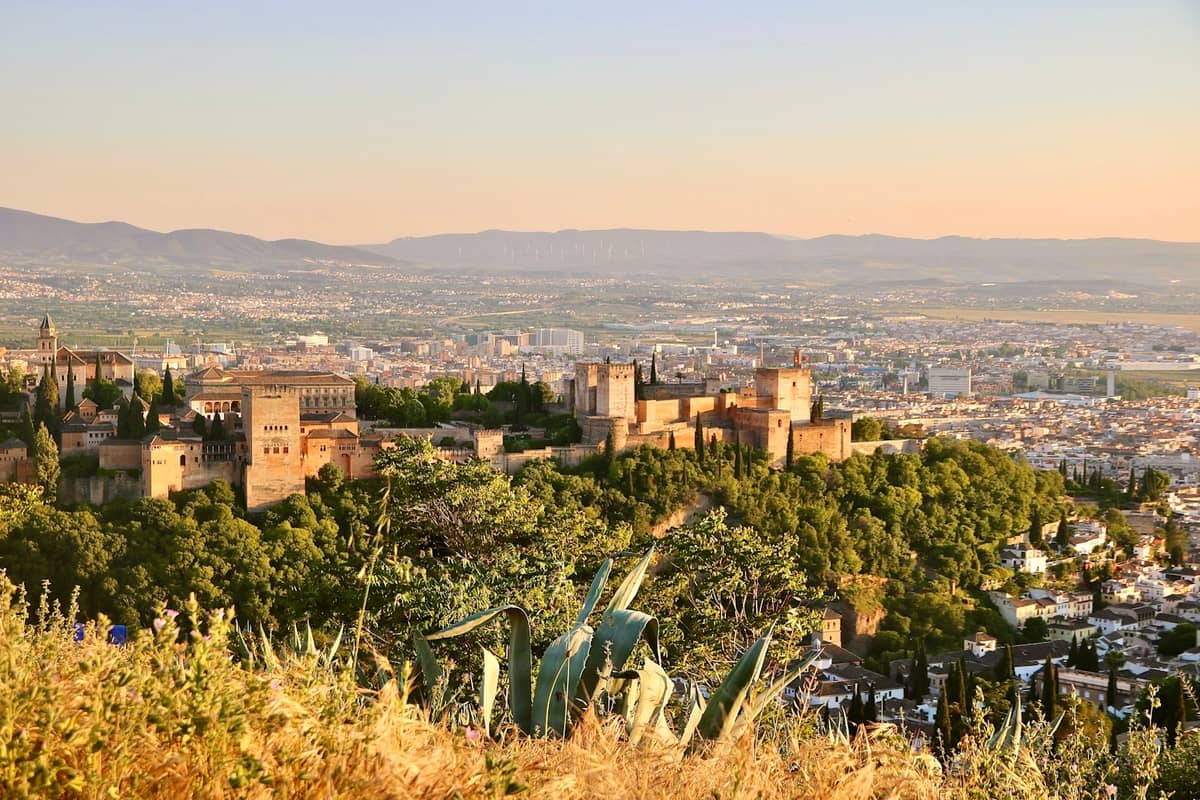
Summer in Granada is not the leisurely Mediterranean holiday some visitors expect. June averages around 32°C during the day, July hits 36°C regularly, and August follows closely. The upside: virtually zero rain, long daylight hours (sunset after 9pm in July), and a packed cultural calendar. The downside: walking the Alhambra hill or the Albaicín at midday is genuinely exhausting in this heat.
The Festival Internacional de Música y Danza de Granada, typically running from mid-June through mid-July, brings world-class classical music and dance performances to the Alhambra and other historic venues. Evening tickets for Alhambra concerts are in high demand — this is one of the few times a summer visit makes especially strong sense for culture-focused travellers.
If you visit in July or August, adapt your schedule to the local rhythm: start sightseeing early (open at 8–9am), rest indoors during the 1–4pm heat, then re-emerge in the evening. Granada's free tapas culture means bar-hopping in the cooler evening hours is genuinely enjoyable — some of the best nights in the city happen in summer once the sun drops.
- June Avg high 32°C, near-zero rainfall. Corpus Christi may fall in early June. Festival Internacional begins mid-June. Still shoulder season for the first two weeks.
- July Avg high 36°C — the hottest month. Peak crowds and prices. Evening concerts in the Alhambra. Great for nightlife; tough for daytime walking.
- August Avg high 36°C. Many Granadinos leave the city for the coast. Some local businesses close. Fewer Spanish domestic tourists but international visitors remain high.
💡 Local tip
Book a hotel with air conditioning and confirm it in writing — not all historic centre properties have adequate cooling. Rooms in older buildings can retain heat overnight.
Autumn (September–October): The Underrated Sweet Spot
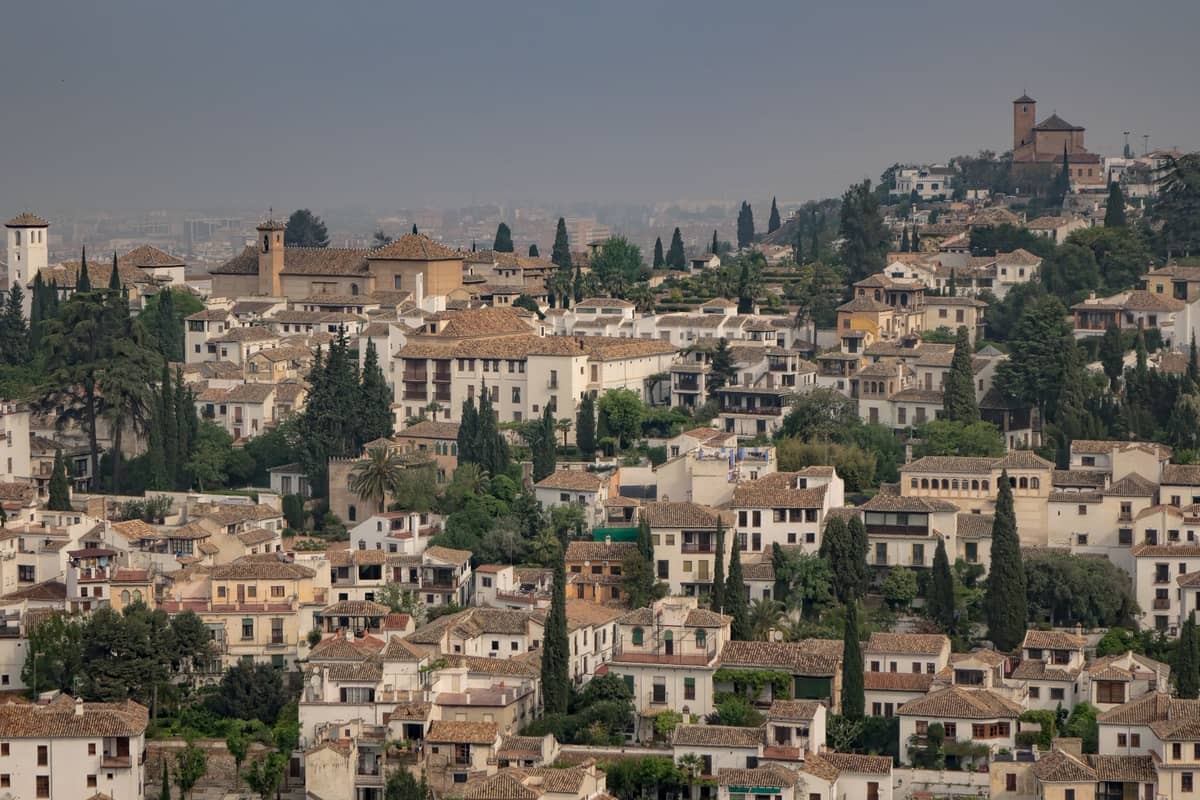
September and October are arguably the most underrated months to visit Granada. Temperatures remain warm — September averages 30°C daytime highs, cooling to a pleasant 24°C by October — but the summer peak has passed, children are back in school across Europe, and hotel prices begin to ease. Rainfall is still low in September, picking up slightly in October but nothing like November.
The light in September and October is excellent for photography: warm and golden without the harsh midday glare of July. The city's viewpoints — especially the Mirador de San Nicolás — are still busy at sunset but less packed than in spring.
October in particular is worth highlighting for hiking enthusiasts. The Sierra Nevada trails are fully accessible and the lower slopes are beautiful in autumn colours. Temperatures at altitude are significantly cooler than in the city. By late October, the ski season preparation begins in the Sierra Nevada — some years see first snowfall before the month is out.
November is when the weather turns noticeably — it's the rainiest month of the year, with around 60mm of rainfall and daytime highs dropping to 18°C. It's still manageable, and Granada is quiet enough that you won't queue at the Nasrid Palaces, but it's a weather gamble.
Winter (December–February): Cold, Cheap, and Atmospheric
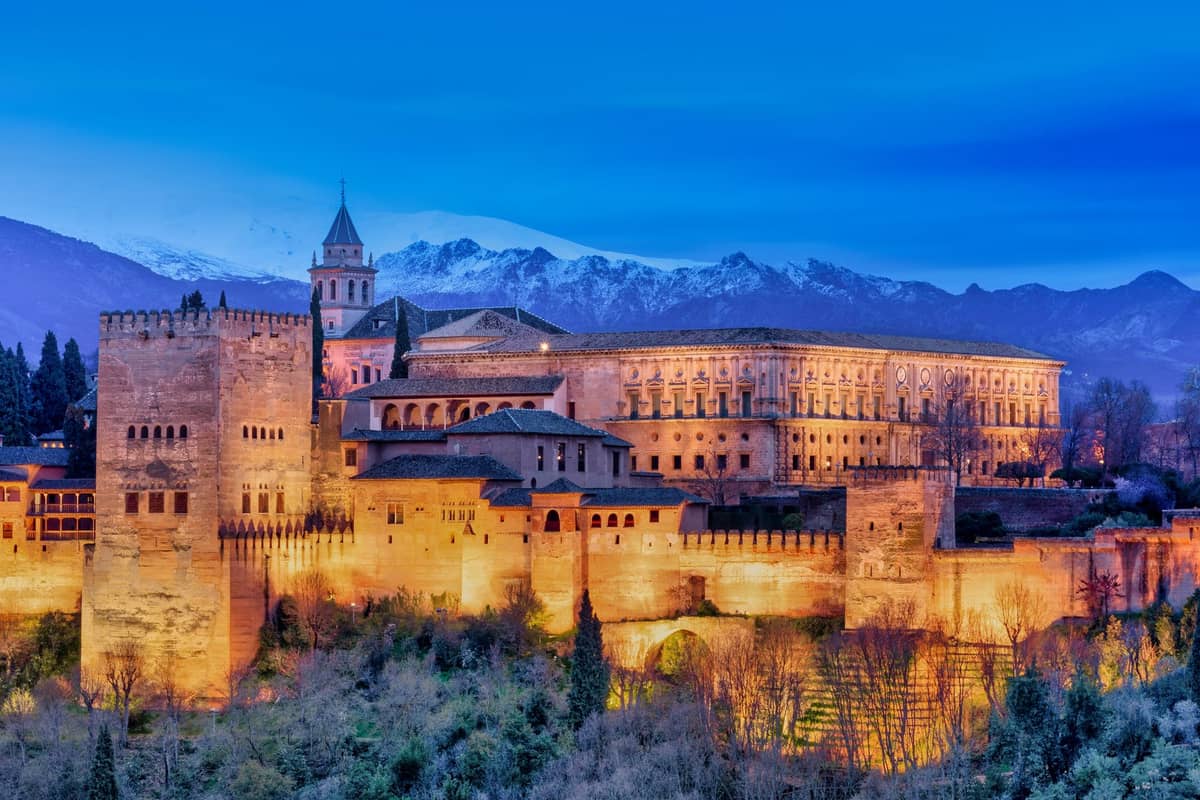
Winter is Granada's low season, and it shows in the prices and the crowd levels — in a good way. January and February average lows hover around 0–2°C at night, and daytime highs reach only 14–16°C. Pack proper winter layers, not just a light jacket. That said, Granada in winter has a distinct character: the city belongs to locals again, and the backdrop of snow-capped Sierra Nevada peaks against the terracotta rooftops of the Albaicín is genuinely striking.
For skiers and snowboarders, winter is the obvious peak season — but it's the city's low season. The Sierra Nevada ski resort is Europe's southernmost major ski area, around 32km from the city, and typically operates from December through April depending on snowfall. The combination of a ski morning and an Alhambra afternoon is a genuinely unique Granada proposition.
Christmas period (mid-December through early January) sees some festive atmosphere and local markets, but this is not a peak tourist season. January and February are the quietest and cheapest months. Alhambra tickets are easier to obtain with shorter advance notice than in spring, though booking ahead is still advisable. For a detailed look at what December specifically offers, see our guide to Granada in December.
Month-by-Month Summary and Practical Recommendations
- January Avg high 14°C, low 0.5°C. Cheapest month. Very quiet. Ski season in full swing. Cold nights — dress accordingly.
- February Avg high 16°C, low 1.8°C. Still very affordable. Almond trees begin to bloom on lower slopes. Days lengthening noticeably.
- March Avg high 20°C, low 4.3°C. Prices begin to rise. Rain still possible. Good value if Semana Santa falls in April.
- April Avg high 22°C, low 6.9°C. Peak spring. Semana Santa likely falls here — spectacular but crowded and expensive.
- May Avg high 27°C, low 10.3°C. Excellent for sightseeing. Corpus Christi in late May or early June. Book Alhambra tickets immediately.
- June Avg high 32°C, low 14.3°C. Festival Internacional begins. Getting hot. Transition from spring crowds to summer crowds.
- July Avg high 36°C, low 16.5°C. Hottest and most crowded. Festival Internacional peaks. Evenings are lively; middays are brutal.
- August Avg high 36°C, low 16.4°C. Still peak season. Some local businesses close. Slightly fewer domestic tourists than July.
- September Avg high 30°C, low 13.2°C. Crowds ease noticeably. Great weather, good value. One of the best overall months.
- October Avg high 25°C, low 9.3°C. Comfortable temperatures, fewer tourists, beautiful light. Ideal for hiking and outdoor exploration.
- November Avg high 18°C, low 4.4°C. Wettest month (~60mm). Very quiet. Lower prices. Weather is a lottery.
- December Avg high 13–15°C, low 2°C. Festive season. Ski season starts. Cold but atmospheric. Good for budget visits outside Christmas week.
For most first-time visitors, the honest recommendation is: aim for late April, early May, or October. These months balance comfortable sightseeing temperatures, accessible Alhambra tickets (with advance booking), reasonable accommodation prices, and a city that still has energy. Budget travellers who can handle cold should seriously consider January or February. For a full picture of what to do once you're there, the things to do in Granada guide covers the city's top attractions across all seasons.
✨ Pro tip
If you visit during a shoulder month (March, June, or September), you often get the best of both worlds: near-peak conditions without peak prices. Hotels in Granada price dynamically, and a week outside a school holiday or festival can cost 30–50% less than peak weeks.
Wherever your timing lands, accommodation choice matters as much as the month. The where to stay in Granada guide breaks down the city's neighbourhoods by character and price point — from Albaicín guesthouses to modern hotels near the cathedral.
FAQ
What is the best month to visit Granada, Spain?
April, May, and October offer the best combination of weather, crowd levels, and value. April and May bring warm days (22–27°C), spring colour, and a full programme of festivals. October has similar temperatures, noticeably fewer tourists, and lower hotel prices. If you visit in spring, book Alhambra tickets as far in advance as possible — they sell out weeks ahead during peak season.
Is Granada hot in summer?
Very. July and August regularly see daytime highs above 35–36°C, with almost zero rainfall. It's the driest and hottest time of year. Walking the Alhambra hill or the Albaicín at midday in August is genuinely challenging. Visitors who come in summer should plan sightseeing for early morning and evenings, and confirm their hotel has air conditioning.
How cold does Granada get in winter?
Granada winters are genuinely cold by Andalusian standards. January night temperatures can drop to around 0°C, occasionally below freezing. Daytime highs in January and February average 14–16°C — comfortable with a warm coat, but not mild. Snow in the city itself is rare but does occur. The Sierra Nevada ski resort, about 32km away, typically operates December through April.
When should I avoid visiting Granada?
Avoid visiting during Semana Santa or Corpus Christi unless you've booked accommodation months ahead and are prepared for higher prices. Avoid late July and August if you're sensitive to heat — temperatures above 35°C combined with steep uphill walking in the historic centre can make sightseeing genuinely unpleasant. November is the rainiest month and can feel grey, though prices are low.
How far in advance do I need to book Alhambra tickets?
For spring (April–June) and summer visits, book Alhambra tickets as soon as your travel dates are confirmed — ideally 4–8 weeks ahead, sometimes more for peak weeks. The Nasrid Palaces use timed entry and have a daily visitor cap. Tickets do become available at short notice occasionally (e.g. cancellations), but relying on this in peak season is a significant risk. In winter, a week or two ahead is usually sufficient, but earlier is always safer.
Tickets & tours
Live prices and dates from our booking partner. If you book, we may earn a commission at no extra cost to you.
Planning a trip? Discover personalized activities with the Nomado app.