Getting Around Granada: City Transport, Buses & Alhambra Access
Everything you need to navigate Granada Spain, from airport transfers and the Metro to the dedicated mini-buses for the Alhambra. Includes current fares, seasonal schedules, and the one booking mistake that locks visitors out of the Nasrid Palaces.
Tickets & tours
Live prices and dates from our booking partner. If you book, we may earn a commission at no extra cost to you.
TL;DR
- Granada's historic centre is compact and mostly walkable, but the Alhambra sits uphill — take the C30 or C32 mini-bus from Plaza Isabel la Católica rather than attempting the steep climb on foot.
- Alhambra tickets must be booked in advance through the official Patronato platform. Read our Alhambra tickets guide before you travel — walk-up availability is extremely limited.
- A standard single bus ticket costs around €1.60 and includes free transfers within 60 minutes. The Metro de Granada is useful for the train station and western suburbs but does not serve the Alhambra or Albaicín.
- Taxis and ride-hailing apps (Uber, Cabify) are widely available. From the airport (GRX), budget roughly 17 km to the city centre — check current fares with individual operators before travel.
- Spring and autumn are the most comfortable seasons for walking the city. See our best time to visit Granada guide for crowd and weather context.
Understanding Granada's Layout Before You Navigate It
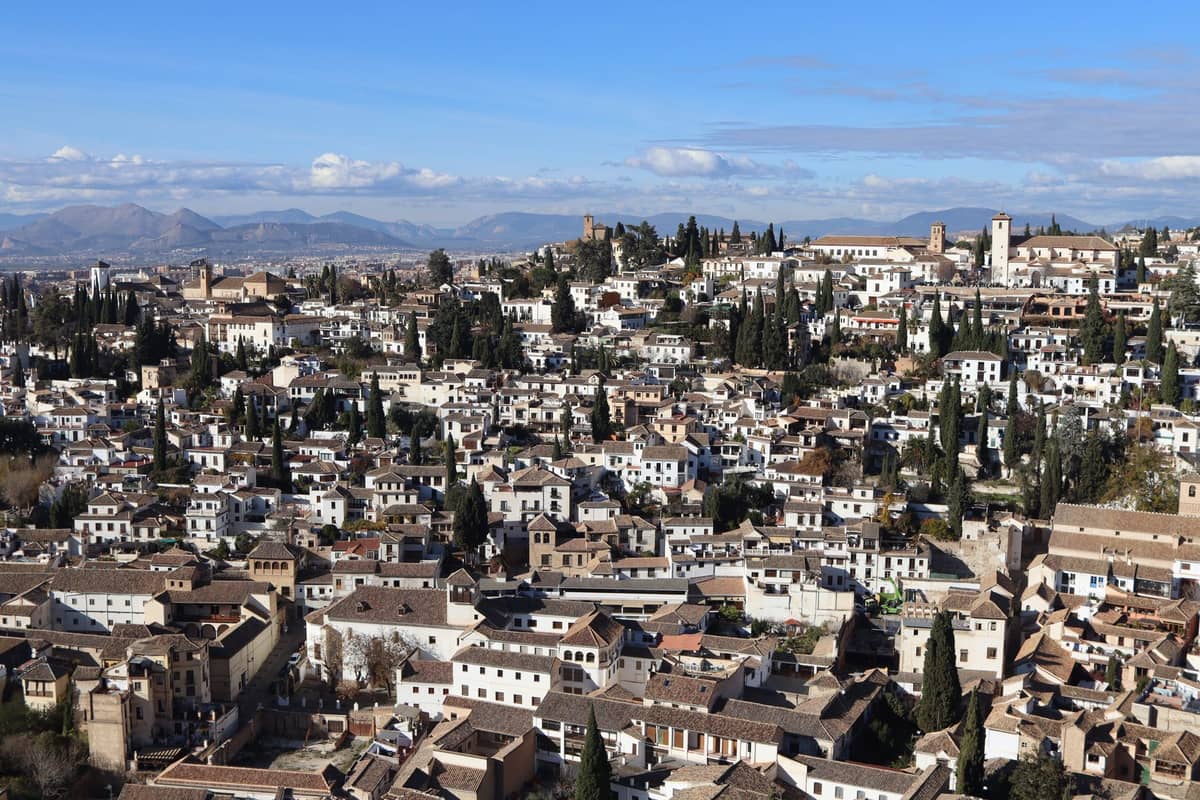
Granada sits at roughly 738 metres above sea level in Andalusia, and its topography matters when planning how to get around. The city centre (Centro/Casco histórico) is relatively flat and easy to walk. The complications start when you head uphill: the Alhambra complex sits on its own forested hill to the southeast, while the Albaicín neighbourhood climbs steeply on the opposite hill to the north. Sacromonte extends further along the ravine beyond the Albaicín. These areas are genuinely hard on the legs, especially in summer when daytime temperatures regularly exceed 35°C.
The practical consequence: most visitors need a mix of walking and public transport. The centre is best explored on foot. The Albaicín and Sacromonte reward walking for atmosphere, but dedicated mini-buses exist for both. The Alhambra is a firm no for walking from the centre unless you are specifically following the scenic uphill path and have time to spare.
ℹ️ Good to know
Granada's official language is Spanish. While English is spoken in tourist contexts around the Alhambra and major hotels, bus drivers and taxi operators may speak only Spanish. Having your destination written down or shown on a map app avoids friction. The emergency number throughout Spain is 112.
City Buses: The C30, C32 and the Mini-Bus Network

Granada's urban bus network, operated under municipal concession by Transportes Rober, covers the city broadly. General services run approximately 06:00–23:00, with frequencies of 4–10 minutes on busy routes. A standard single ticket costs around €1.60 to €1.70, depending on the fare product, and transfer rules vary by ticket type. Children under 4 travel free.
For tourists, the most important lines are the small articulated mini-buses serving the hills. These are smaller vehicles able to navigate Granada's narrow historic streets. Line C30 connects Plaza Isabel la Católica in the centre directly with the Alhambra and Generalife, stopping at key points including Puerta de la Justicia and the Palacio de Carlos V. Line C32 links the Alhambra with the Albaicín, and line C31 runs between the Albaicín and the centre. Line C34 serves Sacromonte. Frequency on C30, C32 and the related C35 is typically every 8–12 minutes, though this is subject to change — verify current schedules with Granada's municipal mobility service (movilidadgranada.com) before travel.
💡 Local tip
Board the C30 at Plaza Isabel la Católica 4 (Pavaneras), not at the Alhambra ticket office area. Many visitors stand at the wrong stop and watch full buses go past. The plaza is about a 5-minute walk from the Cathedral and is well-signed. Pay with cash on board or use a contactless card where available — exact change is appreciated.
- C30 (Alhambra – Centre) Plaza Isabel la Católica to the Alhambra/Generalife. The primary tourist line. Runs approx. every 8–12 minutes.
- C32 (Alhambra – Albaicín) Links the Alhambra with the Albaicín neighbourhood. Useful if combining both in one day.
- C31 (Albaicín – Centre) Connects the Albaicín with central Granada. Good for reaching the Mirador de San Nicolás area without the full uphill walk.
- C34 (Sacromonte – Centre) Serves the Sacromonte cave district. Essential for evening flamenco visits when walking back in the dark is not ideal.
- Standard single fare Around €1.60. Transfer within 60 minutes is included. Children under 4 free.
The Metro de Granada: Useful, But Not for the Alhambra
Granada has a light rail metro system connecting the city with several surrounding municipalities. It is genuinely useful for reaching the main train station (Estación de Granada/Andaluces) and the western suburbs, including the university's Cartuja campus. However, it does not serve the Alhambra, the Albaicín, or Sacromonte. If your itinerary centres on the historic monuments, the metro is unlikely to feature in your daily routine.
Where the Metro becomes relevant: if you are staying in the western or northern parts of the city, or if you arrive at the main railway station and want to avoid taxis. Check current Metro de Granada timetables and fares at metrodegranada.es before travel, as routes and pricing are updated periodically.
Taxis, Ride-Hailing and Getting from the Airport

Traditional taxis remain the most straightforward on-demand option in Granada. They operate from ranks across the city and can be hailed on the street. Fares are regulated by the Ayuntamiento de Granada — rates vary by time of day and day of week, with surcharges at night, on Sundays, and during public holidays. Always confirm the meter is running at the start of a journey.
Uber and Cabify both operate in Granada, subject to regional VTC regulation. They can be booked via their respective apps for pick-up at designated points. For airport travel, check which services are permitted at Federico García Lorca Granada-Jaén Airport (IATA: GRX) at the time of your visit, as pick-up arrangements for app-based services at Spanish airports can be restricted. The airport sits in Chauchina, approximately 17 km from the city centre by road. To plan your full arrival logistics, the getting to Granada guide covers all arrival options in detail.
- Airport bus (verify current operator) A regular bus line connects GRX airport with central Granada stops including Avenida de la Constitución and the bus station. Check AENA's airport transport page for the current operator, schedule and fare before travel.
- Airport taxi Official taxis operate from a stand outside arrivals. Fares are regulated but change periodically — check with the Ayuntamiento de Granada or confirm on arrival.
- Ride-hailing from GRX Uber and Cabify may operate from designated pick-up zones. Confirm in-app availability at the time of booking; do not assume access.
- Journey time Allow 25–40 minutes by road from GRX to the city centre, depending on traffic.
⚠️ What to skip
All taxi tariffs, bus fares, and ride-hailing prices listed in this guide reflect data available at time of writing. Rates are set by municipal and regional authorities and change with periodic revisions. Always verify current fares with operators or the Ayuntamiento de Granada before travel, and check for airport-specific surcharges.
The Tourist Train: Scenic but Not a Substitute for Planning
Granada operates a tourist train (tren turístico) that loops through Plaza Nueva, the historic centre, the Albaicín, and the Alhambra area. It is a pleasant way to get an overview of the city on arrival, particularly for those who prefer not to walk the hills. The train is not a transport solution for getting inside the Alhambra — it drops you at the perimeter area — but it handles the uphill approach comfortably.
Pricing as of 2026: 7.20€ for a single loop (no hop-on/hop-off), 9.60€ for a one-day hop-on/hop-off pass, and 14.40€ for a two-day pass. Children under 8 travel free; pensioner discounts apply. Schedules are seasonal: in winter (03/11/2025 to 31/03/2026), the first departure from Plaza Nueva is 09:30 and the last is 18:00, with 30–40 minute frequency. In peak season, operating hours extend to 22:00 or later. Confirm current times with Granada's official tourism office at turismo.granada.org before your visit.
✨ Pro tip
The tourist train is worth the cost on your first morning in Granada for pure orientation — you get a narrated overview of the city's geography before committing to any walking routes. It is not cost-effective as a daily transport pass unless you have genuine mobility limitations. For most visitors, the C30 bus is faster and a fraction of the price for Alhambra access alone.
Alhambra Tickets: The Most Important Booking in Granada
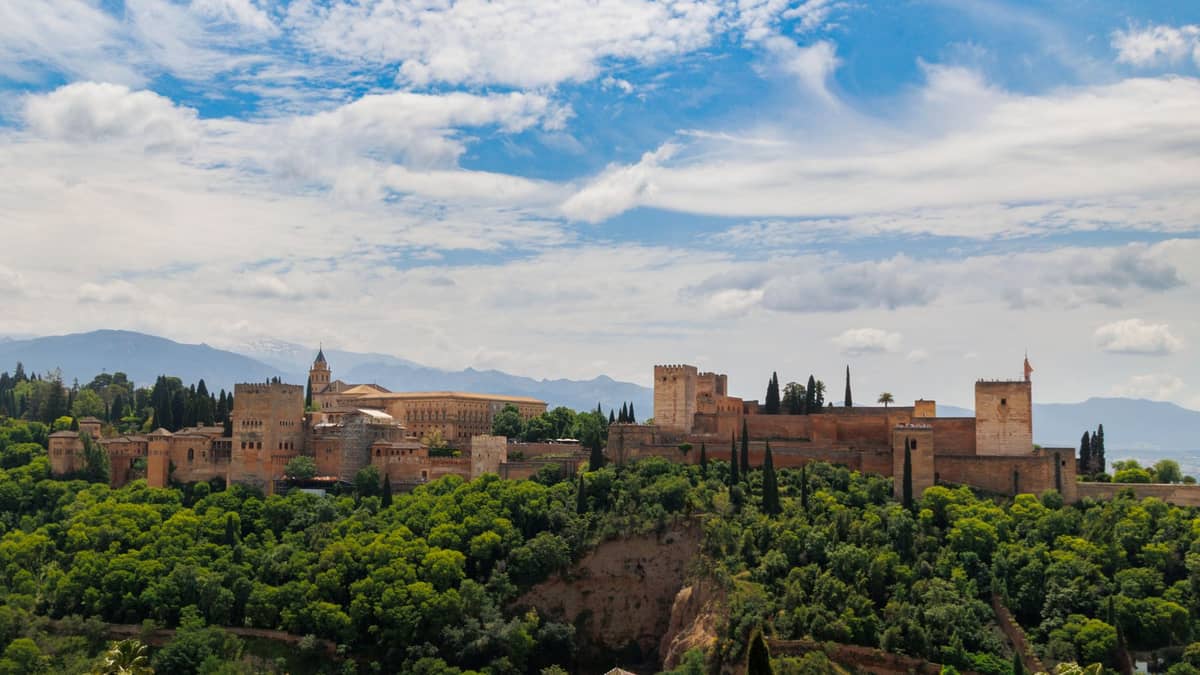
The Alhambra operates a strictly timed entry system managed by the Patronato de la Alhambra y Generalife. The official ticketing platform is tickets.alhambra-patronato.es. Tickets can also be purchased by phone at +34 858 889 002. These are the only authorised channels — third-party sites that charge a booking fee on top are not official, even if they appear legitimate.
Tickets are valid for a specific date only and cannot be transferred. Critically, Critically, entry to the Nasrid Palaces is timed to the minute on your ticket. If you miss your assigned slot, you lose access to that area regardless of your general admission. If collecting tickets on-site rather than having a print-out or mobile ticket, you must arrive at the ticket office at least one hour before your Nasrid Palace entry time. In practice, the safest approach is to book online, download your ticket, and arrive at the Alhambra with time to spare.Nasrid Palaces is timed to the minute on your ticket. If you miss your assigned slot, you lose access to that area regardless of your general admission. If collecting tickets on-site rather than having a print-out or mobile ticket, you must arrive at the ticket office at least one hour before your Nasrid Palace entry time. In practice, the safest approach is to book online, download your ticket, and arrive at the Alhambra with time to spare.
Walk-up tickets at the Alhambra ticket office are extremely scarce, particularly from March through October. Booking several weeks in advance is standard practice during peak season; in July and August, months in advance is not unusual. There is no general free entry day listed by official sources — any claim to the contrary should be disregarded. The ticket office opening hours vary by season (08:00–18:00 in winter and 08:00–20:00 in summer), but online booking is available 24 hours. For a full breakdown of ticket types, pricing tiers and what each area of the complex includes, see the dedicated Alhambra tickets guide.
- Book exclusively through tickets.alhambra-patronato.es or by calling +34 858 889 002
- Tickets are date-specific and non-transferable
- Nasrid Palace entry is timed — missing your slot means losing that section of the visit
- If collecting on-site, arrive at least one hour before your Nasrid Palace time
- In peak season (April–October), book weeks to months in advance
- No general free entry days exist — official sources specify paid, date-specific access only
Walking, Neighbourhoods and Practical On-the-Ground Tips
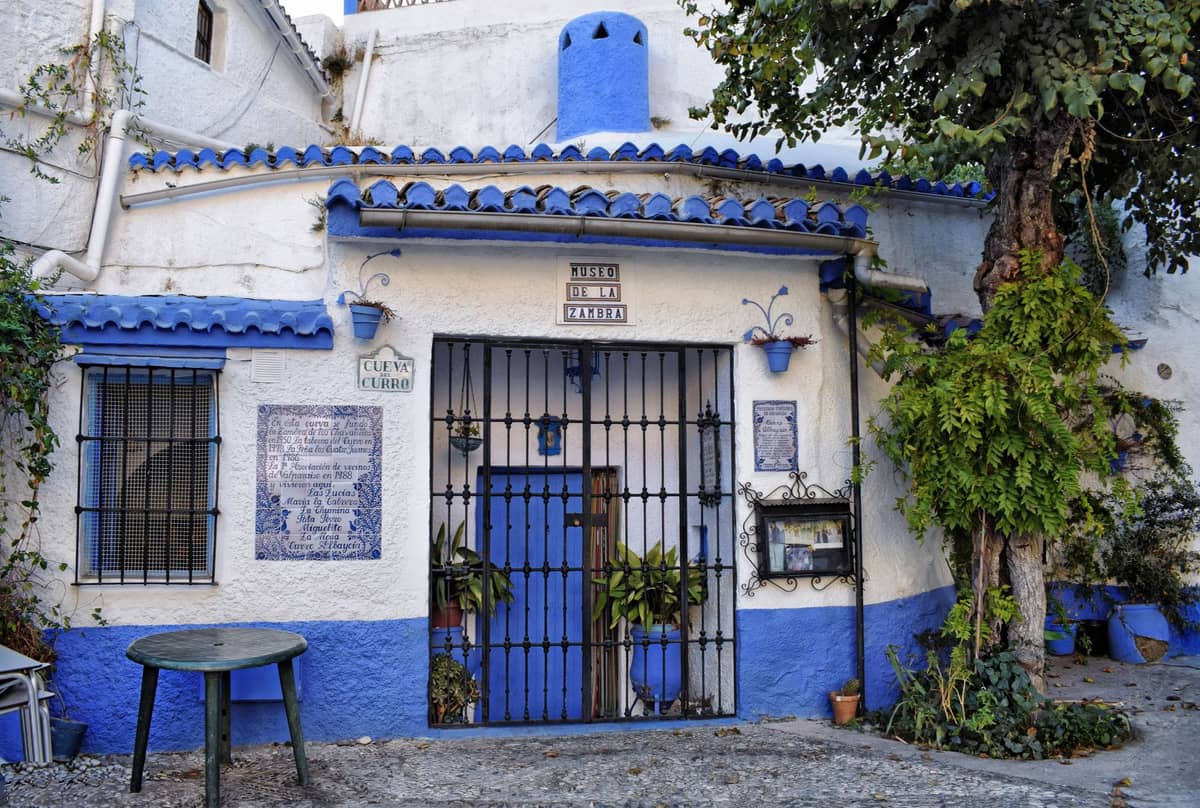
The city centre and the Realejo quarter are flat enough for comfortable walking year-round. The Albaicín and Sacromonte require energy and good footwear — uneven cobblestones and steep inclines are the norm, not the exception. In summer, plan uphill walks for early morning or late evening. July daytime temperatures regularly hit 36°C, making a midday climb to the Mirador de San Nicolás genuinely unpleasant without preparation.
For neighbourhood-specific navigation, Granada's districts each have a distinct character that affects how you move through them. The Albaicín's medieval street layout is intentionally labyrinthine — getting briefly lost is normal and often rewarding. Sacromonte's cave district is best approached with a specific destination in mind, such as the flamenco caves or the Museo del Sacromonte. After dark, the C34 bus back to the centre is preferable to walking the unlit ravine paths.
For visitors focused on free experiences and walking routes, the free things to do in Granada guide maps out itineraries that minimise transit costs. Most of Granada's free tapas bars, street viewpoints and public spaces are within the walkable central zone, making a bus pass unnecessary for budget-focused visitors who plan their base carefully. Our where to stay in Granada guide can help you choose a location that reduces how much transport you need at all.
FAQ
How do I get from Granada city centre to the Alhambra?
Take mini-bus line C30 from Plaza Isabel la Católica. It runs approximately every 8–12 minutes during the day, costs around €1.60, and stops directly at the Alhambra entrance area including Puerta de la Justicia and the Palacio de Carlos V. The C32 also serves the Alhambra from the Albaicín. Walking uphill from the centre is possible but takes 30–40 minutes and is steep in places.
Where can I buy official Alhambra tickets?
Only through the Patronato de la Alhambra y Generalife's official platform: tickets.alhambra-patronato.es, or by phone at +34 858 889 002. Third-party booking sites that charge a premium are not official channels. Tickets are date-specific and entry to the Nasrid Palaces is timed to the minute on your booking. Book well in advance, especially between March and October.
Does Granada have a metro system, and can I use it to reach the Alhambra?
Yes, Granada has a Metro de Granada light rail system, but it does not serve the Alhambra, the Albaicín, or Sacromonte. It is most useful for reaching the main railway station and western parts of the city. For the Alhambra, use the C30 mini-bus from the city centre.
How do I get from Granada Airport (GRX) to the city centre?
The airport is in Chauchina, approximately 17 km from the city centre. Options include a regular airport bus to central Granada stops (check AENA's website for the current operator and fare), regulated taxis from the airport taxi rank, and app-based ride-hailing services like Uber or Cabify where available. Journey times are typically about 45 minutes depending on traffic. Verify all current fares and schedules directly with operators before travel.
Is the tourist train worth it for getting around Granada?
The tourist train is good value on your first morning as a city orientation — it loops through the historic centre, Albaicín and Alhambra perimeter with commentary. Prices start at 7.20€ for a single loop. As a regular transport option, however, the C30 bus is far cheaper and more frequent. The tourist train does not grant entry to the Alhambra itself. Schedules are seasonal, with shorter hours in winter (first departure around 09:30, last around 18:00 from November to late March).
Tickets & tours
Live prices and dates from our booking partner. If you book, we may earn a commission at no extra cost to you.
Planning a trip? Discover personalized activities with the Nomado app.