Flamenco Shows in Sacromonte: Cave Tablaos, Zambra, and What to Expect
Sacromonte's whitewashed cave tablaos are where Granada's flamenco tradition feels most alive. This is not a polished theatre show. It is zambra performed in low-ceilinged grottoes carved into the hillside, with the Alhambra glowing on the ridge opposite and the smell of candle wax in the air. Here is everything you need to decide if it is worth your evening.
Quick Facts
- Location
- Camino del Sacromonte, Sacromonte neighborhood, Granada, Andalusia, Spain
- Getting There
- City bus C34 (Sacromonte–Centro Alhambra bus) from Plaza Nueva; taxi or rideshare recommended for late shows finishing after the last C34 services (around 22:00). Uphill walk from Albaicín is possible but steep.
- Time Needed
- 1.5 to 2 hours for a standard show; add 30–45 min if dining
- Cost
- From approx. €33 (show only) to €65 (with dinner), at venues such as Cueva de la Rocío. Children 5–9 approx. €20; under 4 free. Verify current prices before booking.
- Best for
- First-time visitors to Granada, couples, anyone interested in Andalusian Romani culture and music
- Official website
- cuevalarocio.es/en
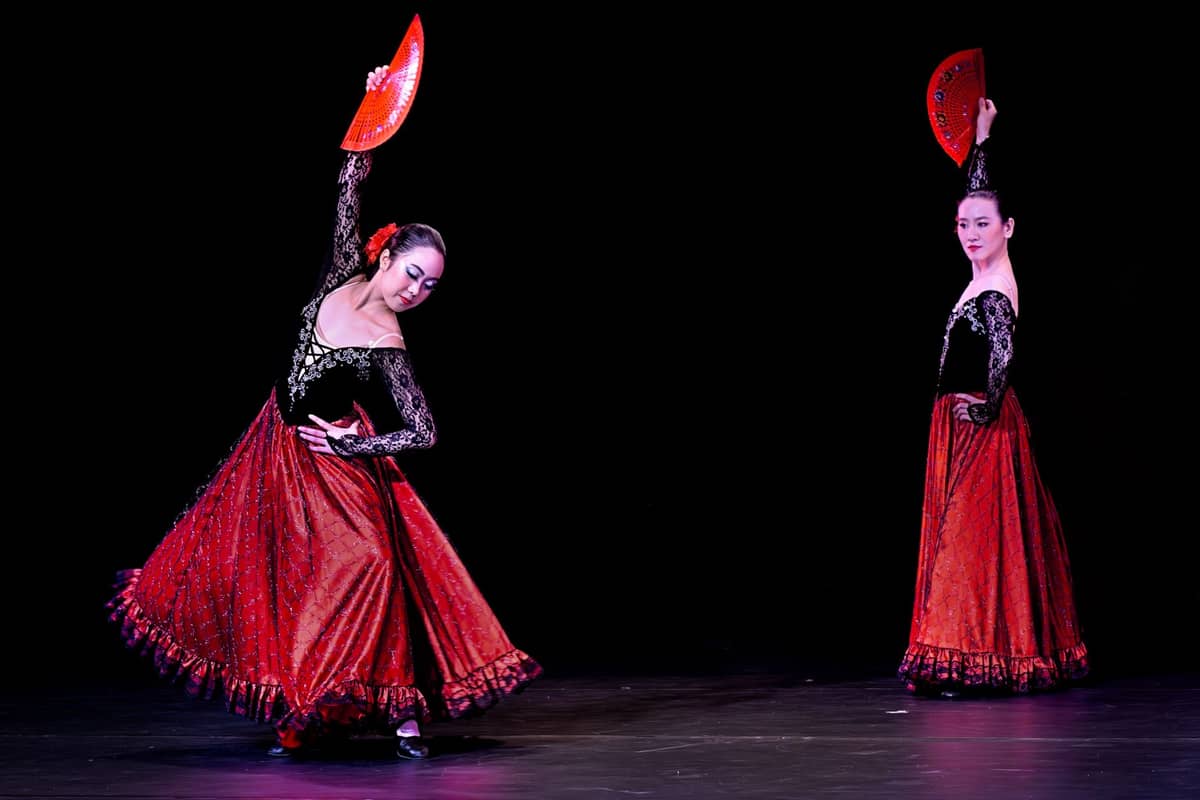
What Sacromonte's Flamenco Tablaos Actually Are
Sacromonte is a hillside neighborhood on the northeastern edge of Granada, traditionally home to the city's Romani community. For centuries, families lived in cave dwellings carved directly into the soft rock slopes, and it was in those same caves that a distinct local form of flamenco, called zambra, developed. Zambra differs from the more widely known Andalusian flamenco styles in its slower, more undulating choreography and its roots in Moorish wedding ceremonies. The tablaos of Sacromonte are venues built inside or adjacent to these cave structures, and the best of them preserve that low-ceilinged, candlelit atmosphere that makes the music feel almost geological in its depth.
This is not the same as catching a flamenco show in a Granada city-centre bar. The setting genuinely shapes the performance. Sound bounces differently off cave walls. The dancers work in close quarters. You are close enough to hear the fabric of a dress cut through still air. For anyone curious about the deeper roots of the art form, the flamenco tradition in Granada runs far deeper than the tourist circuit suggests, and Sacromonte is its most tangible expression.
ℹ️ Good to know
The term 'tablao' refers to the performance space, not a specific venue type. In Sacromonte, most tablaos are inside or built against cave structures. When booking, confirm whether you are getting a cave setting or a more conventional interior — they are not the same experience.
The Experience: Before, During, and After the Show
Arriving in Sacromonte at dusk is part of the evening. The Camino del Sacromonte climbs steeply from the edge of the Albaicín, and as you ascend, the city drops away behind you. By 8 or 9 p.m., the whitewashed cave facades are catching the last light, and the Alhambra ridge is visible across the valley. Vendors and small bars dot the lower stretch of the road. The air smells faintly of rosemary from the hillside scrub.
Inside the caves, the temperature drops noticeably even in summer, which is welcome when Granada's July highs reach above 35°C. Seating is usually tiered and close-set, with a small raised performance area. Venues like Cueva de la Rocío, located on Camino del Sacromonte, run multiple show times through the evening. During the performance, the combination of guitar, handclaps, song, and footwork fills the space in a way that feels amplified by the stone. There is no reverb from speakers doing the work. The sound is physical.
After the show, the walk back down the hill or a taxi through the narrow Albaicín lanes is its own quiet pleasure. Late shows at 22:00 or 23:00 mean you emerge into the kind of warm Granada night that makes it worth staying for one more glass of wine somewhere on the Cuesta del Chapiz.
Tickets & tours
Live prices and dates from our booking partner. If you book, we may earn a commission at no extra cost to you.
Flamenco show in a Sacromonte cave in Granada with drink
From 26 €Instant confirmationFree cancellationZincale Flamenco Show in a Sacromonte Neighbourhood Cave
From 20 €Instant confirmationFree cancellation1-hour Flamenco Show at Palacio Flamenco in Granada
From 25 €Instant confirmationFree cancellationSensaciones at Teatro Flamenco Granada
From 23 €Instant confirmationFree cancellation
Cueva de la Rocío: The Anchor Venue
Among the established tablaos on the Camino del Sacromonte, Cueva de la Rocío is one of the most consistently documented and bookable. The address is Camino del Sacromonte 70. Show times run at 20:00, 21:00, 22:00, and 23:00, giving flexibility to fit around dinner plans. The venue offers a show-only ticket (verify current price, approximately €33 as of late 2024) and a dinner-with-show package (verify current price, approximately €65). Children aged 5 to 9 are listed at a reduced rate; children under 4 are free. These prices should be confirmed directly with the venue or on their official site before booking, as they are subject to change.
The venue is noted as wheelchair accessible and has accessible toilets, though you must indicate accessibility requirements at the time of reservation. Given the steep terrain of Sacromonte generally, wheelchair users should plan the approach route carefully and consider a taxi directly to the venue entrance rather than walking from Plaza Nueva.
💡 Local tip
Book at least 48 hours in advance during spring and summer. The cave spaces have limited capacity — typically 50 to 80 seats — and shows at 21:00 and 22:00 sell out first. Direct booking via the venue's official website often avoids third-party booking fees.
Zambra vs. Flamenco: A Meaningful Distinction
Visitors sometimes arrive expecting the crisp, staccato style of Sevillian flamenco and are surprised by what they see in Sacromonte. Zambra, the local form, is slower and more fluid in its hip and torso movement, and its historical roots in Moorish ritual give it a different emotional register. The songs may include forms like the soleá, tientos, or Sacromonte-specific pieces that emphasize the call-and-response between dancer, singer, and guitarist.
This cultural specificity is precisely what makes Sacromonte worth choosing over a generic city-centre flamenco night. The Museo del Sacromonte nearby provides useful context if you want to understand the Romani cave-dwelling history before attending a show. Visiting the museum in the afternoon and a tablao in the evening makes for a coherent and rewarding day in the neighborhood.
Getting There and When to Go
The C34 minibus, departing from Plaza Nueva, climbs into Sacromonte and stops along the Camino del Sacromonte. It is the most practical public transport option, but check current timetables before relying on it for a late-night return — service frequency drops and services stop around 22:00. Taxis and rideshare apps (Uber and Cabify both operate in Granada) are the more reliable option for shows ending at 23:00 or later. The walk from the lower Albaicín takes around 20 to 30 minutes uphill and is unlit in stretches after dark, so it is not ideal for a first visit at night.
Timing your visit to Granada matters. Spring (April to May) and early autumn (September to October) offer the best combination of comfortable evening temperatures and full cultural programming. Summers are very hot but the cave interiors stay cool, which is a genuine advantage. December and January are quiet but the shows still run. For a broader look at timing, the best time to visit Granada guide covers all the seasonal trade-offs.
⚠️ What to skip
Some tours sold by city-centre agencies under the label 'flamenco in Sacromonte' actually take place in venues outside the neighborhood or in conventional theatres. If the authentic cave setting matters to you, confirm the exact address before booking.
Who Should Skip This (And Who Should Prioritize It)
Flamenco tablaos in Sacromonte are not for everyone. If you are genuinely uninterested in music and dance as performance forms, the format — typically 60 to 75 minutes of continuous performance with no interval — can feel long. The cave acoustics are exceptional for the music but the seating is sometimes basic, and the tight quarters are not always comfortable for those with limited mobility beyond the accessibility provisions noted above.
Families with young children can attend, particularly with the child pricing at venues like Cueva de la Rocío, but late show times and the intensity of the performance make the earlier 20:00 slot the sensible choice for anyone with small children. The Granada with kids guide has additional context on what works for younger visitors.
For solo travelers, couples, and anyone with a genuine curiosity about Andalusian Romani culture, this is one of the most distinctive things you can do in Granada. The city has a lot of history built in stone and plaster. A live zambra performance adds something that maps and audio guides cannot: the sound of a tradition that has been kept alive through practice, not preservation.
Practical Notes: What to Bring and Wear
Dress code is smart casual at most venues. There is no formal requirement, but arriving in beach or hiking gear feels out of place in the intimate cave setting. Bring a light layer even in summer — cave interiors stay cool year-round, and you may notice the temperature drop as soon as you step inside.
Photography policies vary by venue. Some tablaos allow phones during the show; others ask you not to photograph at all out of respect for the performers. Check when you arrive. If you are staying in the Albaicín or Sacromonte, you can walk to the show easily; if you are based in the city centre, the getting around Granada guide explains the bus and taxi options in detail.
Insider Tips
- The 20:00 show is the quietest and tends to have the most relaxed atmosphere. If you want the full late-night Sacromonte experience — with the city lit up across the valley as you leave — book the 22:00 slot instead.
- Combine the visit with a walk along the Camino del Sacromonte before the show, when the light is good and the cave facades are at their most photogenic. After dark the narrow road has limited lighting.
- The dinner-with-show package can be good value if you were planning to eat in Sacromonte anyway, but the food at most tablaos is functional rather than exceptional. Granada's best restaurants are in the city centre and Realejo.
- If you can hear the guitar being tuned or voices warming up through an open door before the show starts, you are close enough to the real thing. Venues where everything is pre-recorded or mimed are not tablaos in any meaningful sense.
- Sacromonte's cave neighborhood is worth exploring during the day too. The Museo del Sacromonte documents the history of Romani cave life with genuine depth and gives the evening show much richer context.
Who Is Flamenco Shows in Sacromonte (Tablaos) For?
- First-time visitors to Granada who want one unmissable evening experience
- Couples looking for a genuinely atmospheric night out rather than a bar crawl
- Travelers interested in Romani cultural heritage and Andalusian music history
- Anyone visiting in summer who wants an evening activity in a naturally cool space
- Culture-focused travelers who have already done the Alhambra and want to experience living Granada, not just its monuments
Nearby Attractions
Other things to see while in Sacromonte:
- Abadía del Sacromonte
Perched on the slopes above Granada's cave district, the Abadía del Sacromonte is a 17th-century monastery complex built over sacred grottoes tied to the city's early Christian martyrs. It offers a rare combination of religious art, baroque architecture, underground cave chapels, and panoramic views of the Alhambra and the Vega — all within a short walk of the Albaicín.
- Cuevas del Sacromonte (Cave Houses)
Perched on the hillside above the Albaicín, the Cuevas del Sacromonte preserve eleven original cave dwellings that tell the story of the Roma and other communities who shaped one of Granada's most distinctive neighborhoods. The Museo Cuevas del Sacromonte offers a rare, grounded encounter with troglodyte domestic life, traditional crafts, and the cultural roots of flamenco, all within reach of the city center.
- Ermita de San Miguel Alto
Perched at the summit of the Albaicín hills above the Sacromonte neighbourhood, the Ermita de San Miguel Alto rewards the climb with one of the most complete panoramas in Granada. The Alhambra, the Sierra Nevada, and the rooftops of the old city spread out below, and unlike the famous Mirador de San Nicolás, the crowds rarely follow you this far up.
- Mirador de San Miguel Alto
Perched at about 850 metres above sea level in the Albaicín/Sacromonte hills, the Mirador de San Miguel Alto offers one of Granada’s most elevated panoramic views. It is free, effectively always accessible, and rewards the uphill walk with unobstructed sightlines across the Alhambra, the Albaicín, and the Sierra Nevada beyond.
Planning a trip? Discover personalized activities with the Nomado app.