Granada with Kids: Best Family Activities & Practical Tips
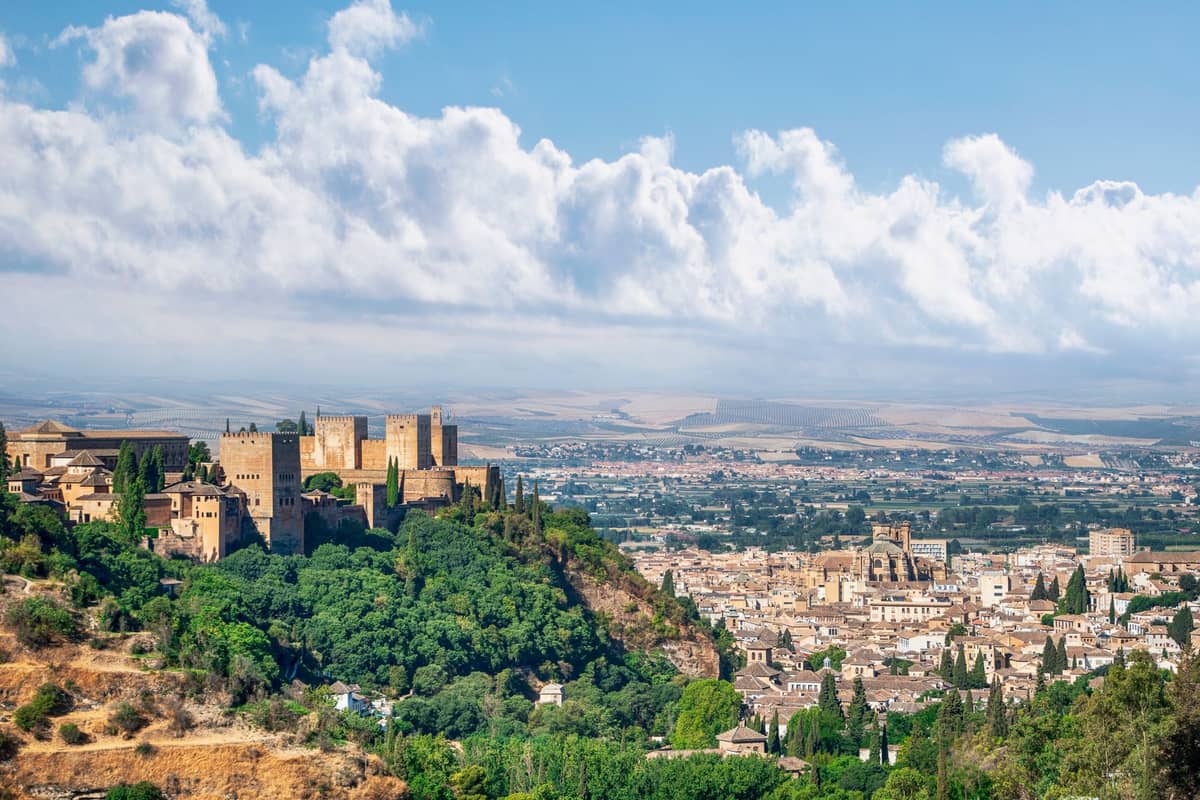
Granada rewards families who plan ahead. From timed-entry Alhambra tickets to the hands-on Parque de las Ciencias and snow-capped Sierra Nevada day trips, this guide covers every family-friendly activity in Granada, Spain, with practical advice on crowds, costs, and seasonal timing.
Tickets & tours
Live prices and dates from our booking partner. If you book, we may earn a commission at no extra cost to you.
TL;DR
- Book Alhambra tickets weeks in advance through the official Patronato portal — same-day tickets at the gate are not guaranteed, especially in high season.
- Parque de las Ciencias (Granada's science museum) is the city's top rainy-day option for kids; allow a full day for the BioDomo and Planetarium add-ons. Check Parque de las Ciencias before you go for current hours and prices.
- Spring (April–May) and autumn (September–October) are the most comfortable seasons for families — summer highs regularly exceed 35°C.
- Granada's free tapas culture means eating out with kids costs far less than in most Spanish cities — see the free tapas guide for how it works.
- Sierra Nevada, about 30 km from the city centre, offers skiing in winter and hiking trails in summer — it is not only a ski resort.
Why Granada Works Well for Families
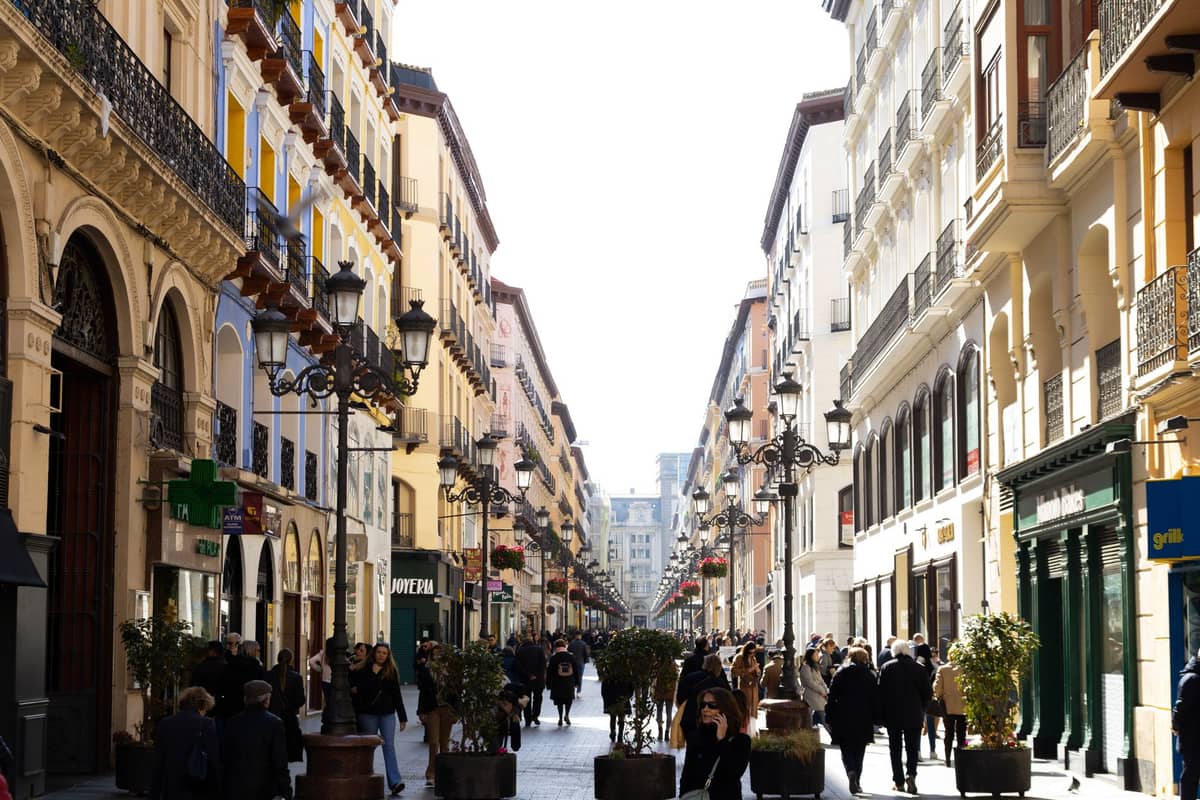
Granada, Spain, sits at around 738 metres above sea level in Andalusia, which means cooler evenings than coastal cities even in summer — a practical advantage when you're managing tired children. The city's compact historic core puts most major attractions within walking distance or a short bus ride of each other. The Albaicín quarter and the Alhambra hill can be reached on foot from the city centre, though the terrain is hilly and a stroller becomes impractical on cobblestoned slopes.
One genuinely useful quirk of Granada's bar culture: drinks come with a free tapa. This applies in most traditional bars throughout the city, which means a round of drinks for adults automatically produces snacks for kids too. Budget-conscious families travelling with picky eaters will find this cuts food costs significantly compared to other Spanish cities where tapas are priced separately.
💡 Local tip
Granada's altitude means temperatures drop sharply after sunset, even in July and August. Pack a light layer for evenings, especially if you're planning an outdoor dinner or a late walk back from the Alhambra.
The Alhambra with Children: What to Expect
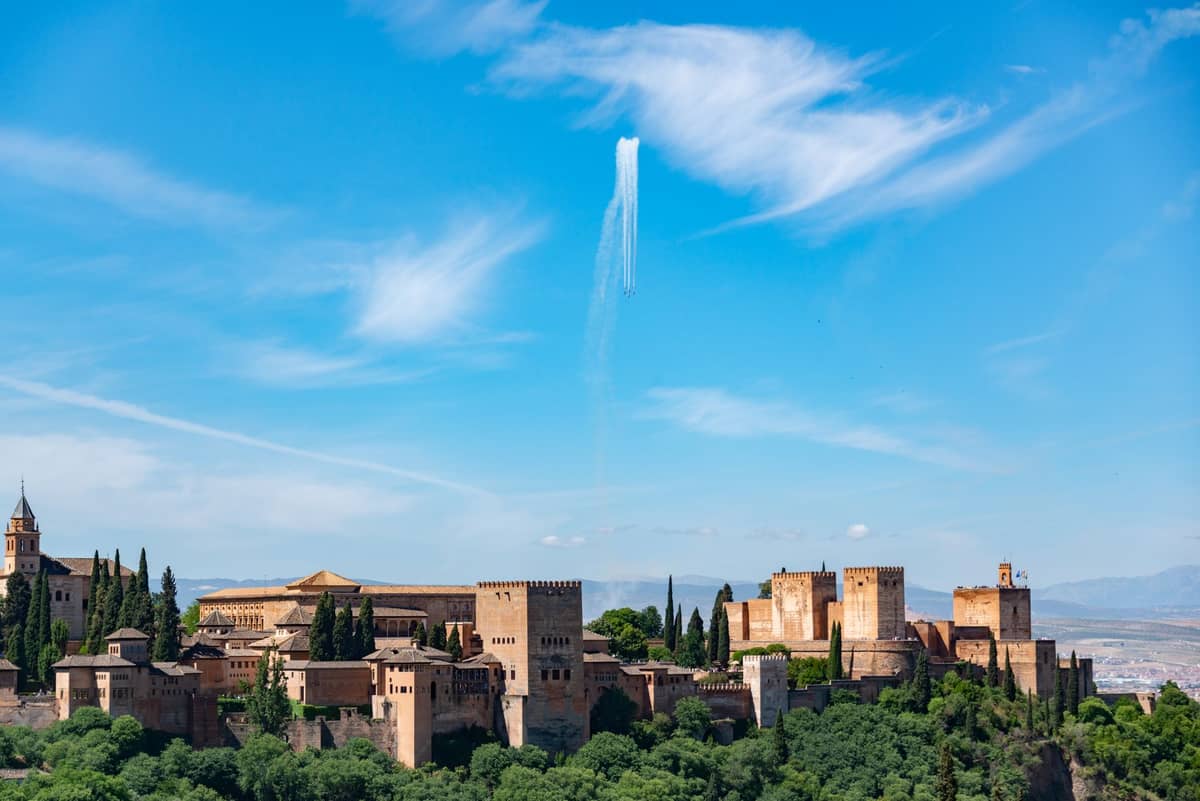
The Alhambra is the obvious centrepiece of any Granada itinerary, but it demands careful logistics when you're visiting with children. The complex covers a large area — the Nasrid Palaces, the Alcazaba fortress, and the Generalife gardens each require separate stamina — so realistically, families with young children should prioritise rather than try to see everything.
Tickets must be purchased in advance through the official Patronato de la Alhambra y Generalife portal. The Nasrid Palaces section operates on a timed-entry system, and your slot is fixed at the point of purchase. Walking up to the gate hoping to buy tickets on the day is not a reliable strategy, particularly from March through October when demand consistently outstrips capacity and same-day availability is limited. Book at least two to three weeks ahead during peak season.
- Best time slot for families Early morning (first entry, typically 8:30) or late afternoon slots work best in summer. Midday in July–August sees temperatures near or above 35°C on the exposed Alcazaba battlements.
- What kids tend to enjoy most The Alcazaba towers offer climbable battlements with panoramic views — more engaging for children than the ornate interior rooms of the Nasrid Palaces, which require patience and quietude.
- Generalife gardens The water channels and fountains of the Generalife are a genuine hit with younger children. Allow at least 45 minutes here separately from your palace visit.
- Strollers The Alhambra complex is not stroller-friendly throughout. Cobblestones and steps are common; a structured baby carrier is more practical for toddlers.
⚠️ What to skip
Children under 12 currently enter the Alhambra free of charge, but ticket rules and age thresholds are subject to change. Always verify the current pricing at the official Patronato site (alhambra-patronato.es) before booking, not from third-party resellers who may quote outdated information.
Parque de las Ciencias: Granada's Best Kid-Specific Attraction
The Parque de las Ciencias (Granada Science Park) is the most straightforwardly family-friendly destination in the city. It is an interactive science museum on a large campus on the south side of the city, consistently rated among the best science museums in Spain. Unlike the Alhambra, it does not require advance booking for general admission and closes on Mondays — a detail that catches many families off-guard.
Current hours (verify before visiting): Tuesday to Saturday 10:00–19:00, Sundays and public holidays 10:00–15:00. Closed Mondays, 1 January, 6 January, 1 May, and 25 December. General admission is approximately €10 for adults and €8 for children, seniors, and groups. Children under 3 enter free. These are 2026 guide figures — prices have increased from older listings, so double-check on the official site (parqueciencias.com) before budgeting.
The BioDomo is a biodome housing live animals in recreated ecosystem zones — think indoor rainforest with reptiles, amphibians, and freshwater fish. It costs around €7–8.50 extra per adult (slightly less for children) and is worth the add-on for most families. The Planetarium shows run on a schedule throughout the day and cost around €3.50–4.50 per person. Budget a full day for the main museum plus both add-ons; trying to rush through in a morning results in missing half the exhibits.
✨ Pro tip
The Parque de las Ciencias has a good on-site café and outdoor picnic areas. If you are visiting in summer, the outdoor exhibits and garden areas get very hot by midday — start with the outdoor sections when you arrive, then move inside for the peak heat hours between 13:00 and 16:00.
Outdoor Spaces and Free Activities for Kids
Granada is not short of outdoor spaces that work well with children at no cost. The Campo del Príncipe is a large square in the Realejo neighbourhood surrounded by bar terraces — families can sit outside while children use the open space in the evenings. The area around the Realejo neighbourhood generally has a more relaxed pace than the tourist-heavy streets near the cathedral.
For views that impress older children without requiring a ticket, the Mirador de San Nicolás in the Albaicín delivers the classic Alhambra panorama. It is best visited in the early morning or an hour before sunset to avoid the dense crowds that pack the viewpoint during peak tourism hours. Walk up via the Calle Calderería Nueva for a route that passes through the tea-shop district — children tend to find the Moroccan-style shops and pastry displays entertaining.
The Generalife gardens and Carmen de los Mártires (a free public garden near the Alhambra) both offer shaded paths and water features that children respond to well. Carmen de los Mártires in particular is underused by tourists and provides a quiet place to rest after the Alhambra visit without heading back into the city.
- Huerta de San Vicente (García Lorca's family home): small museum with gardens — good for a 45-minute visit with older children interested in Spanish culture
- Sacromonte hillside walk: best for children old enough to manage uneven terrain; the cave dwellings are visually striking
- Bib-Rambla square: central plaza with pavement cafés, flower stalls, and open space — ideal for a mid-morning coffee break with young children
- Río Genil riverside path: flat, paved promenade running south of the city centre — good for scooters or bike rides away from traffic
Sierra Nevada Day Trips with Children
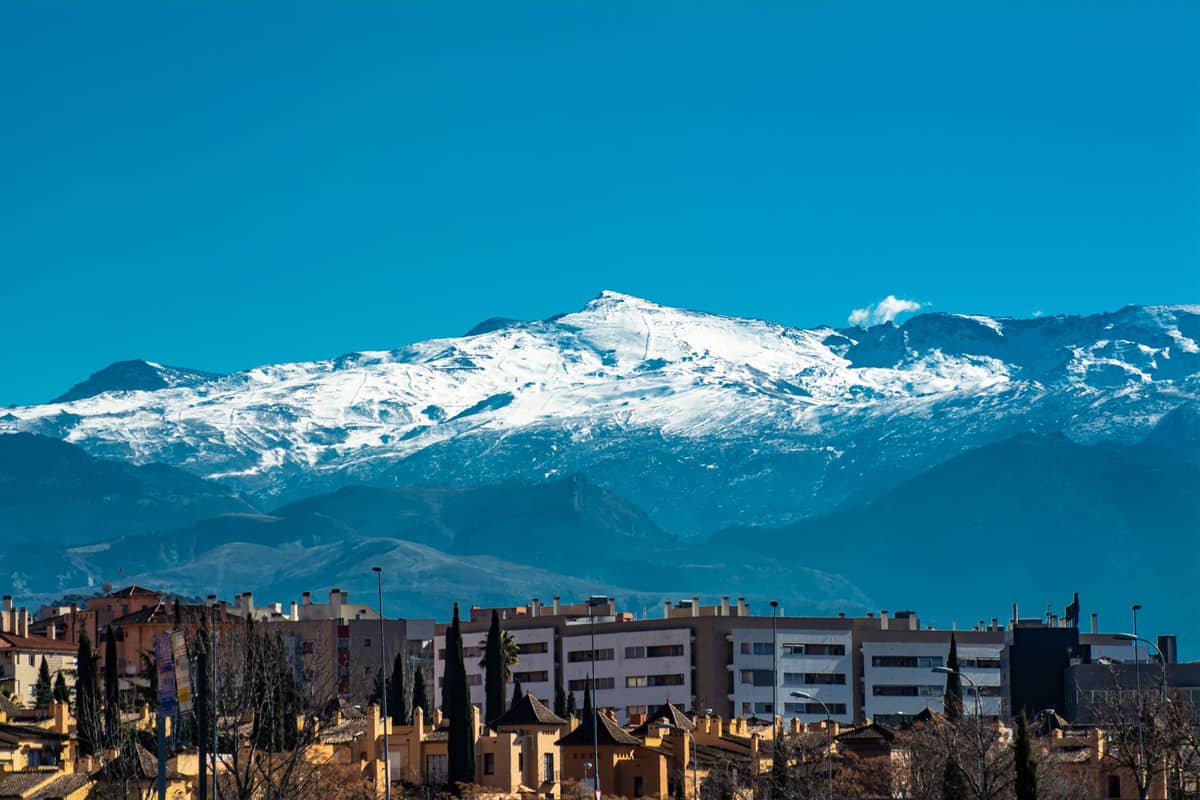
The Sierra Nevada is 30 km from Granada city centre by road — roughly 45 minutes by car or bus — and functions as an all-season destination, not just a winter ski resort. This is a common misconception worth correcting before you plan your trip.
In winter (typically December through April depending on snowfall), the Sierra Nevada ski resort is Europe's southernmost ski area and one of the sunniest, sitting at around 2,100 metres at resort level with pistes reaching above 3,300 metres. For families with children who have never seen snow, the snow play areas (called 'zona de nieve' or nursery slopes) near the base area at Pradollano require no ski experience and no lift pass — just warm waterproof clothing.
In summer (roughly June through September), the resort area promotes hiking and mountain biking, with some ski lifts operating to transport visitors to high-altitude trailheads. The Hoya de la Mora area, accessible by road, is the starting point for gentler high-altitude walks. Children who find flat urban walks dull often respond well to mountain terrain with visible altitude changes and potential wildlife sightings. Confirm current summer lift and trail operations with the official Sierra Nevada resort site before planning, as schedules change year to year.
ℹ️ Good to know
A direct bus from Granada city centre (Palacio de Congresos stop) runs to the Sierra Nevada resort during the ski season. Out of season, a car or private transfer is usually necessary. Check current timetables with the Granada bus operator before visiting — services are seasonal and schedules change annually.
Practical Logistics for Families in Granada
On the question of where to base your family, the choice of neighbourhood matters more than in many Spanish cities. Families with young children and strollers will find the Centro (around Gran Vía and Reyes Católicos) the most practical base: it is flat, close to the bus network, and within 20 minutes' walk of most major attractions. The Albaicín has characterful accommodation but cobblestone streets and steep gradients make it significantly harder with young children.
Getting around: Granada's urban bus network covers the main areas. The Alhambra Bus (Line C30 from around Plaza Isabel la Católica/Plaza Nueva) is the most useful for families, climbing the hill to the Alhambra entrance and saving a tiring uphill walk. The Metro de Granada serves mainly suburban routes and is less useful for tourist sightseeing. Taxis and Cabify/Uber are widely available and practical for airport transfers or cross-city journeys with luggage and children.
Timing your visit is worth thinking through carefully. Spring (April and May, with daily highs around 22–27°C) and early autumn (late September to October, 24–30°C) are the most comfortable windows for families with young children. July and August see maximum temperatures regularly above 35°C — not ideal for a child who also needs to queue, walk distances, and stay alert for a full day of sightseeing. For a detailed breakdown of timing trade-offs, the best time to visit Granada guide covers crowds, prices, and weather month by month.
- Eating with kids Spanish dining times (lunch 14:00–16:00, dinner from 21:00) clash with young children's routines. Most tourist-area restaurants open earlier for foreign visitors; ask explicitly for the children's menu ('menú infantil') where available.
- Free tapas bars Stick to traditional bars away from the main tourist drag (Calle Elvira, Calle Navas area) for the genuine free tapa with drinks culture — tapas quality is noticeably better away from the cathedral.
- Pharmacy access Farmacias (green cross signs) are widespread and well-stocked; pharmacists can advise on minor ailments without a doctor visit, which is useful for travelling families managing heat exhaustion or minor injuries.
- Emergency number EU standard emergency: 112 (police, fire, medical). National police: 091. These lines reach English-speaking operators.
FAQ
Is the Alhambra worth visiting with young children?
Yes, but selectively. The Alcazaba fortress (climbable towers, open-air battlements) and the Generalife gardens (water channels, fountains, open space) are the sections most children engage with. The Nasrid Palaces are spectacular but require quiet, slow movement through narrow ornate rooms — realistic for children over 7 or 8, less so for toddlers. Plan for two to three hours maximum and prioritise the outdoor areas.
How much does the Parque de las Ciencias cost for a family of four?
Using 2026 guide figures: approximately €10 per adult and €8 per child for general museum admission. Add roughly €7–8.50 per adult for the BioDomo and around €3.50–4.50 per person for the Planetarium. A family of two adults and two children could expect to pay €55–75 for the full experience including add-ons. Under-3s enter free. Prices should be verified at parqueciencias.com before your visit as tariffs are updated periodically.
What is Granada like in summer with kids?
Manageable but demanding. July and August bring maximum temperatures above 35°C regularly, which makes midday outdoor sightseeing genuinely unpleasant for young children. The practical approach: start early (Alhambra by 9:00), retreat indoors during 13:00–17:00 (Parque de las Ciencias, a museum, or your accommodation), then re-emerge for late afternoon and evening activities. Granada's altitude means evenings cool down meaningfully compared to coastal Andalusia.
Can you take a stroller around Granada's old town?
Partially. The flat city centre around Gran Vía, Bib-Rambla, and the cathedral area is stroller-accessible. The Albaicín neighbourhood, Sacromonte, and the path up to the Alhambra involve steep gradients and cobblestones that make strollers impractical. A structured baby carrier is more useful for the hillside areas. The Alhambra complex itself has some accessible routes but is not fully stroller-friendly.
Are there activities in Granada for older kids and teenagers?
Several. The Sierra Nevada offers skiing in winter and mountain biking and hiking in summer — appealing to active teenagers. The Parque de las Ciencias has interactive exhibits that work well for secondary-school-age children. A flamenco show in Sacromonte, while aimed at adults, is genuinely impressive for teenagers interested in music and performance. The Alhambra itself resonates more with older children who can appreciate the historical context; reading up on Nasrid history beforehand makes the visit significantly more engaging.
Tickets & tours
Live prices and dates from our booking partner. If you book, we may earn a commission at no extra cost to you.
Planning a trip? Discover personalized activities with the Nomado app.