Abadía del Sacromonte: Granada's Hilltop Abbey Above the Cave District
Perched on the slopes above Granada's cave district, the Abadía del Sacromonte is a 17th-century monastery complex built over sacred grottoes tied to the city's early Christian martyrs. It offers a rare combination of religious art, baroque architecture, underground cave chapels, and panoramic views of the Alhambra and the Vega — all within a short walk of the Albaicín.
Quick Facts
- Location
- Camino del Sacromonte s/n, 18010 Granada (Sacromonte district)
- Getting There
- Bus line C34 from Plaza Nueva, approx. every 20 minutes
- Time Needed
- 1.5 to 2 hours, including the cave chapels and grounds
- Cost
- General 7 €; reduced 5 € (students under 25, visitors with disabilities); children under 12 free. Confirm current tariffs at abadiasacromonte.org before visiting.
- Best for
- History and religious art lovers, photographers, travelers combining with the Albaicín or Sacromonte cave museum
- Official website
- abadiasacromonte.org
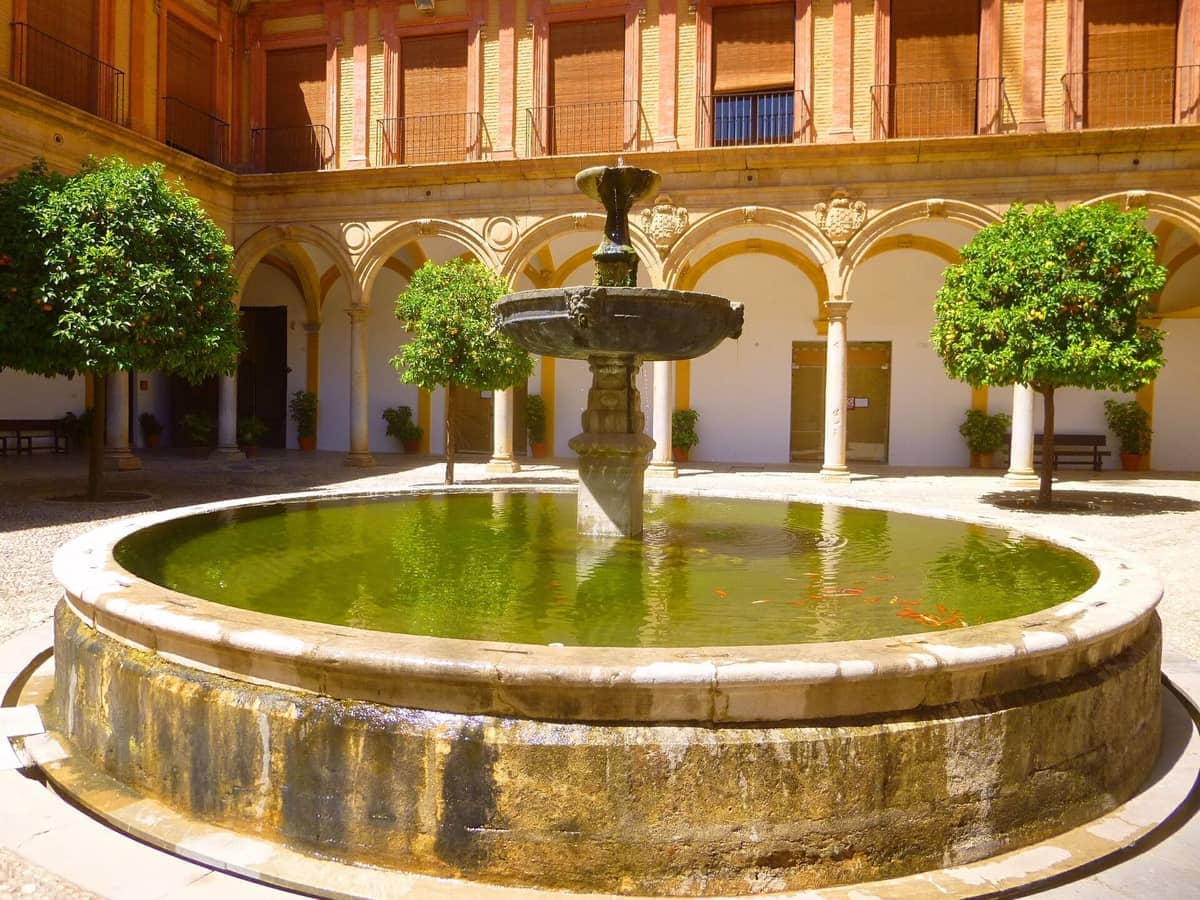
What the Abadía del Sacromonte Actually Is
The Abadía del Sacromonte is a diocesan collegiate church of secular canons founded in the early 17th century, built at the site where a series of lead tablets and bones were discovered in the 1590s. Church authorities at the time identified the remains as those of San Cecilio — the patron saint of Granada — and other early Christian martyrs. Whether or not that identification has held up to later scholarly scrutiny, the discovery transformed this rocky hillside into one of the most significant pilgrimage sites in Andalusia and prompted the construction of a substantial religious complex above the caves.
The monastery sits at roughly 820 meters above sea level on the eastern slope of the Sacromonte hill, separated from the cave dwellings below by a long, dusty path lined with prickly pear cactus. The buildings visible today — a collegiate church, a chapter house, a sacristy lined with artworks, and a series of interconnected underground cave chapels — represent decades of early 17th-century construction and subsequent additions. This is not a ruin or an archaeological site. The abbey is still home to a religious community, which gives the visit a different tone than most monuments in Granada: quieter, more contemplative, with the smell of incense occasionally drifting from the church.
ℹ️ Good to know
Opening hours change by season and the ticket office usually closes earlier than the doors. Check the official site or diocese pages (abadiasacromonte.org) before visiting rather than relying on printed or remembered times.
The Visit: What You Will See and How It Flows
Entrance is through the main gate off the Camino del Sacromonte. The guided tour — which is how the interior is typically shown — takes visitors through the collegiate church, the sacristy, the crypt, and down into the cave grottos beneath the hillside. The sequence matters: the caves are the climax, not the preamble.
The church interior follows late Renaissance and early Baroque conventions: high arched ceilings, side chapels, and a retablo mayor dominated by figures of the recognized martyrs. The sacristy holds a notable collection of Flemish paintings and religious silverware, displayed with minimal theatrical lighting — you will need a moment for your eyes to adjust. The collection is more substantial than most visitors expect given the modest entrance fee.
The cave chapels below are the genuinely unusual part of the visit. Cut into the hillside rock, they are cool even in July, with low ceilings and rough stone walls that have been fitted with altars and devotional images over the centuries. The contrast between the polished baroque spaces above and the raw geology below is striking. The caves have an intimacy that larger Granada monuments cannot replicate.
💡 Local tip
Bring a light layer regardless of the outdoor temperature. The underground cave chapels can be noticeably cold even in summer, with temperatures dropping several degrees below those outside.
Tickets & tours
Live prices and dates from our booking partner. If you book, we may earn a commission at no extra cost to you.
Flamenco show in a Sacromonte cave in Granada with drink
From 26 €Instant confirmationFree cancellation2-hour guided walking tour of Albaicin and Sacromonte
From 15 €Instant confirmationFree cancellationGuided tour of the Caminito del Rey from Granada
From 135 €Free cancellationGuided tour of Albaicin and Sacromonte
From 14 €Instant confirmationFree cancellation
The View from the Grounds
Before or after the interior tour, walk to the edge of the abbey's terrace. The sight line from here takes in the full length of the Alhambra hill, with the towers of the Alcazaba to the left, the Nasrid Palaces in the center, and the Generalife gardens climbing the slope to the right. On clear days, the Sierra Nevada fills the background. This is a less photographed angle than the Mirador de San Nicolás, but in many ways a more complete one — you see the entire Alhambra complex without the crowds around you angling for the same shot.
The view is especially good in the late morning, when the light comes from the south and falls directly on the Alhambra's towers. Photographers working with a longer lens will appreciate that the elevation here is slightly higher than the Albaicín viewpoints, giving a cleaner top-down perspective on the palace complex. For context on other vantage points across Granada, the Granada viewpoints guide covers the full range of options and comparative sightlines.
Historical and Cultural Context
The lead tablets found here in the 1590s, known as the Plomos del Sacromonte, were a remarkable episode in post-Reconquista Granada. The texts, written in a mix of Arabic and Latin, appeared to link early Christianity with Arabic language and Moorish cultural forms — an interpretation with obvious appeal to the city's large Morisco population at a time of intense religious and social pressure. The Vatican eventually declared the tablets inauthentic in 1682, but by then the abbey had been built and its status as a pilgrimage site was established.
The Sacromonte district itself developed in a very different direction: it became associated with Granada's Roma community, cave dwellings, and eventually with flamenco. That cultural history is documented at the Museo del Sacromonte, which sits further down the hill and makes a natural companion visit. The abbey and the cave museum together cover the two major threads of Sacromonte's history — religious and social — and are best visited on the same half-day.
The abbey also falls within one of the most significant zones of Granada's Moorish heritage, a short walk from the Albaicín neighborhood. Understanding the abbey's founding in the context of post-Reconquista identity politics adds considerable depth to what might otherwise seem like a straightforward religious monument. The Granada Moorish heritage guide provides useful background on that broader historical moment.
Getting There and Practical Logistics
Bus line C34 departs from Plaza Nueva roughly every 20 minutes and follows the Camino del Sacromonte up the hill, stopping near the abbey. The ride takes around 10 minutes. This is the simplest approach, especially if you are combining the visit with the Albaicín, since Plaza Nueva sits at the base of both neighborhoods.
On foot from Plaza Nueva, the walk takes approximately 25 to 35 minutes depending on your pace and whether you take the direct road or wind through the Albaicín lanes first. The road gains elevation steadily after the last houses of the cave district, and the final stretch is exposed with no shade. In July or August, when daytime temperatures routinely exceed 35°C, the midday walk uphill is genuinely unpleasant. Aim for the first opening slot at 10:00 or plan to arrive by bus.
There is limited car parking near the abbey, but the road is narrow and shared with buses and pedestrians. Driving is not recommended unless you are visiting very early or out of high season.
⚠️ What to skip
The abbey is still an active religious community. Visitors are expected to dress modestly — covered shoulders and no shorts for either gender. The dress code is enforced at the entrance. Loud behavior inside the church and cave chapels is inappropriate and will draw attention from staff.
How the Experience Changes by Time of Day and Season
Morning visits, particularly on weekdays, are the quietest. The first session after 10:00 often has fewer than a dozen visitors, and the cave chapels feel appropriately solemn. By late morning in high season, tour groups from central Granada begin arriving, and the guided flow through the interior becomes more crowded.
The afternoon sessions — starting at 15:30 in summer or 15:00 in winter — attract fewer visitors overall than the morning, but the light on the Alhambra from the terrace is better in the late afternoon, particularly in autumn when it turns golden and low. Winter visits come with sharp, clear air that makes the Sierra Nevada particularly visible behind the Alhambra. The cave chapels are naturally the same regardless of season, though their cool temperature is more welcome in summer than in January.
For general guidance on the best times to visit Granada taking weather and crowds into account, the best time to visit Granada page covers the full picture across seasons.
Is It Worth Your Time?
The Abadía del Sacromonte is not in the same category as the Alhambra or the Albaicín in terms of visual spectacle. If your time in Granada is limited to a day or less, it probably does not rank above those priorities. But for travelers spending two or more days in the city, it earns its place on the itinerary through a combination of factors that are hard to find elsewhere: genuine underground cave chapels, a coherent (if complicated) historical narrative about Granada's post-Reconquista identity, a quality art collection that most visitors underestimate, and a terrace view that rivals the most popular viewpoints with a fraction of the foot traffic.
Travelers who find religious art unengaging or who are primarily interested in Granada's Islamic heritage will get less from the visit. The abbey is specifically a product of early 17th-century Catholic institutional architecture, and the guided tour emphasizes its religious significance. But paired with the Museo del Sacromonte below and a walk through the Albaicín lanes, it forms part of one of the more rewarding half-days available in Granada.
Insider Tips
- If you take bus line C34 up to the abbey, consider walking back down through the Sacromonte cave district on foot — the road passes directly through the traditional cave dwellings, and you will see active domestic life alongside the tourist-facing cave bars. The descent to Plaza Nueva takes about 25 to 30 minutes.
- The ticket office closes before the official visiting hours end. In summer, ticket sales stop at 13:00 and at 18:00 — arrive at least 20 minutes before those cutoffs to avoid being turned away at the door.
- A second pricing structure labeled 'Art in the Abbey' at 12 euros appears on some booking platforms and may cover a different or extended tour format. If you want the standard visit, confirm you are booking 'Abbey general' admission. Contact the abbey directly at turismo@abadiasacromonte.org or +34 958 221 445 to clarify what is included.
- The terrace view of the Alhambra faces roughly southwest. Afternoon light in autumn and winter is noticeably warmer and more photogenic than midday summer light. A 50mm or 85mm equivalent lens will pull the Alhambra towers into a usable frame from the terrace.
- The cave chapels require some ducking at several points. Anyone over 1.80m tall will be more comfortable if they are paying attention. The floors are uneven stone — flat-soled shoes with grip are better than sandals or dress shoes.
Who Is Abadía del Sacromonte For?
- Travelers with two or more days in Granada who have already covered the Alhambra and Albaicín
- History and religious art enthusiasts interested in the Counter-Reformation period and post-Reconquista Granada
- Photographers seeking a less crowded angle on the Alhambra skyline
- Visitors combining a half-day circuit through the Sacromonte neighborhood, including the cave museum and the cave district itself
- Travelers who appreciate atmospheric, intimate spaces over grand set-pieces
Nearby Attractions
Other things to see while in Sacromonte:
- Cuevas del Sacromonte (Cave Houses)
Perched on the hillside above the Albaicín, the Cuevas del Sacromonte preserve eleven original cave dwellings that tell the story of the Roma and other communities who shaped one of Granada's most distinctive neighborhoods. The Museo Cuevas del Sacromonte offers a rare, grounded encounter with troglodyte domestic life, traditional crafts, and the cultural roots of flamenco, all within reach of the city center.
- Ermita de San Miguel Alto
Perched at the summit of the Albaicín hills above the Sacromonte neighbourhood, the Ermita de San Miguel Alto rewards the climb with one of the most complete panoramas in Granada. The Alhambra, the Sierra Nevada, and the rooftops of the old city spread out below, and unlike the famous Mirador de San Nicolás, the crowds rarely follow you this far up.
- Flamenco Shows in Sacromonte (Tablaos)
Sacromonte's whitewashed cave tablaos are where Granada's flamenco tradition feels most alive. This is not a polished theatre show. It is zambra performed in low-ceilinged grottoes carved into the hillside, with the Alhambra glowing on the ridge opposite and the smell of candle wax in the air. Here is everything you need to decide if it is worth your evening.
- Mirador de San Miguel Alto
Perched at about 850 metres above sea level in the Albaicín/Sacromonte hills, the Mirador de San Miguel Alto offers one of Granada’s most elevated panoramic views. It is free, effectively always accessible, and rewards the uphill walk with unobstructed sightlines across the Alhambra, the Albaicín, and the Sierra Nevada beyond.
Planning a trip? Discover personalized activities with the Nomado app.