Albaicín Self-Guided Walking Tour: The Complete Granada Route
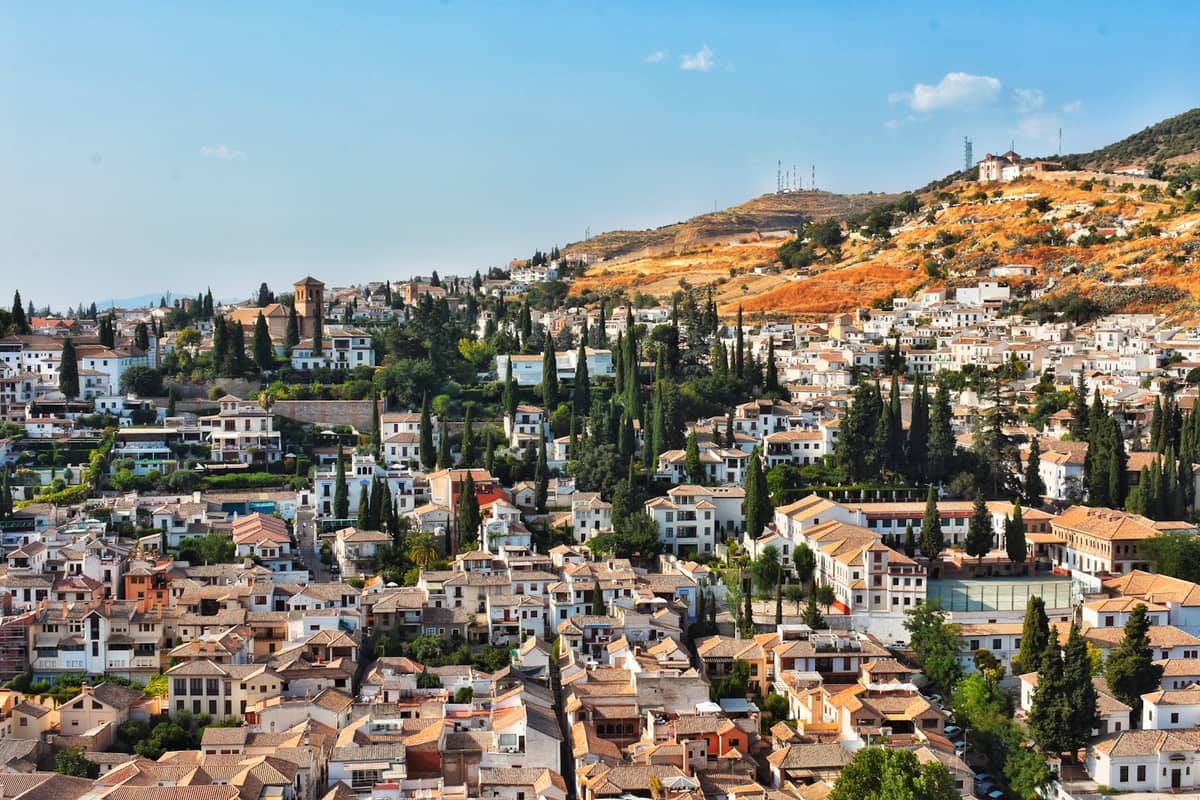
Walk Granada's UNESCO-listed Albaicín quarter at your own pace. This guide covers the full route from Plaza Nueva to Mirador de San Nicolás, every key stop along the way, seasonal timing advice, and the practical details most visitors only find out when they arrive.
Tickets & tours
Live prices and dates from our booking partner. If you book, we may earn a commission at no extra cost to you.
TL;DR
- The standard loop is roughly 3 km with significant stair climbing, starting at Plaza Nueva and finishing at Mirador de San Nicolás, allow 3 hours minimum.
- Entry to the Albaicín and all its viewpoints is completely free. Mirador de San Nicolás is a public plaza open 24 hours, not a ticketed site.
- Start early (before 9 am in summer, before 10 am in spring/autumn) to beat crowds at the mirador and secure the best light over the Alhambra.
- Wear proper footwear. The Albaicín's cobbled streets are steep and uneven, and they can be slippery after rain.
- Bus C31 runs from the centre into the Albaicín for around 1.60 € per trip if you want to shorten the walk. See our getting around Granada guide for full transport options.
What Is the Albaicín and Why Does It Deserve a Full Morning?
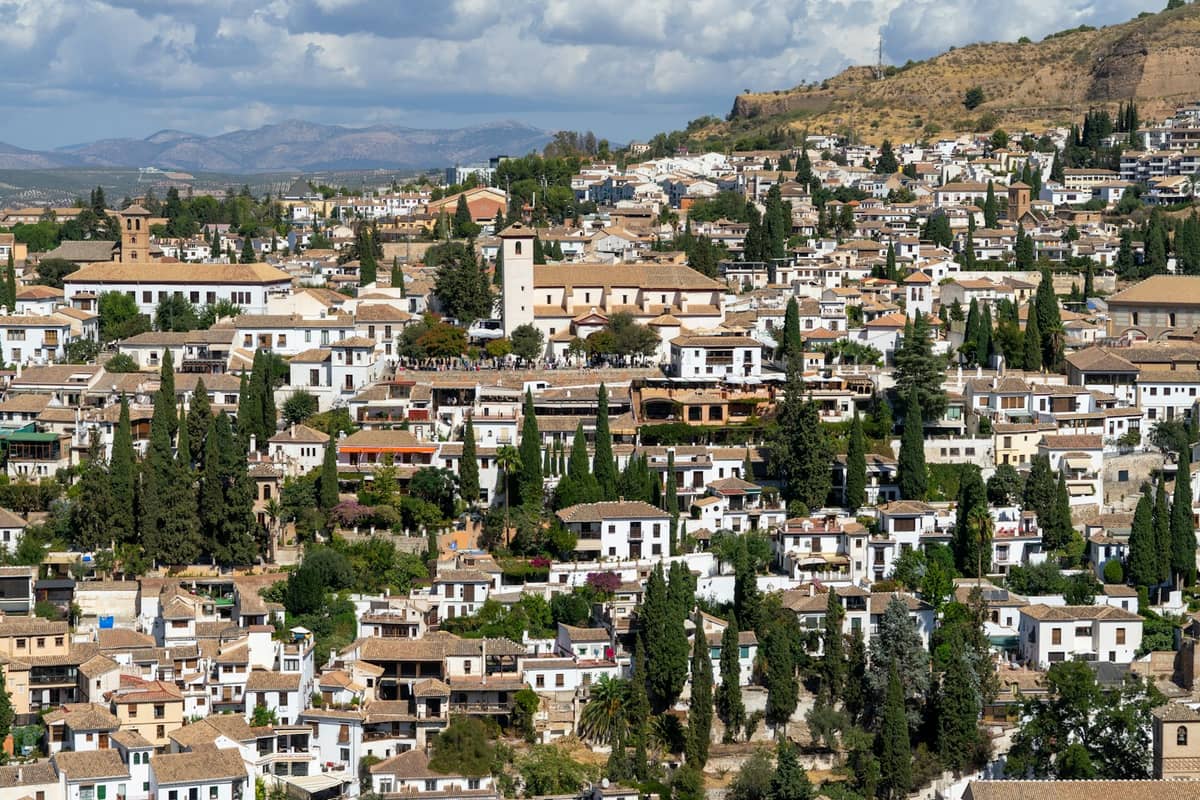
The Albaicín is Granada's medieval Islamic quarter, a labyrinth of whitewashed houses, ancient cisterns, and carmenes (walled garden villas) that climbs the hill directly facing the Alhambra. Together with the Alhambra and Generalife, it forms part of a UNESCO World Heritage Site first inscribed in 1984 and extended in 1994 to include the Albaicín. That status reflects genuine architectural and historical significance: the street plan here dates largely from the Nasrid period (13th to 15th centuries), and much of it survived the post-Reconquest building campaigns that transformed the rest of Granada.
This is not a neighborhood that delivers its best from a tour bus window or a single Instagram stop at San Nicolás. The real reward is in the slow walk: the sound of fountains in hidden plazas, the smell of orange blossom in spring, the way a narrow alley suddenly opens onto a terrace with the Sierra Nevada behind the Alhambra. A self-guided route lets you control the pace, linger where you want, and avoid the bottlenecks that organized groups create on the steepest streets.
ℹ️ Good to know
The Albaicín's street layout can be genuinely disorienting. Download an offline map (Google Maps or Maps.me both work well) before you start, as mobile data can be patchy in the narrower callejones. The streets were not designed for navigation by strangers, and that is part of their charm, but a backup map prevents a 20-minute detour becoming a 90-minute one.
The Route: Step by Step from Plaza Nueva to San Nicolás
The standard self-guided loop covers roughly 3 km on the map but involves a lot of vertical gain on cobbled surfaces. The total time with photo stops and one coffee break is realistically 3 to 3.5 hours. Below is the recommended sequence of stops.
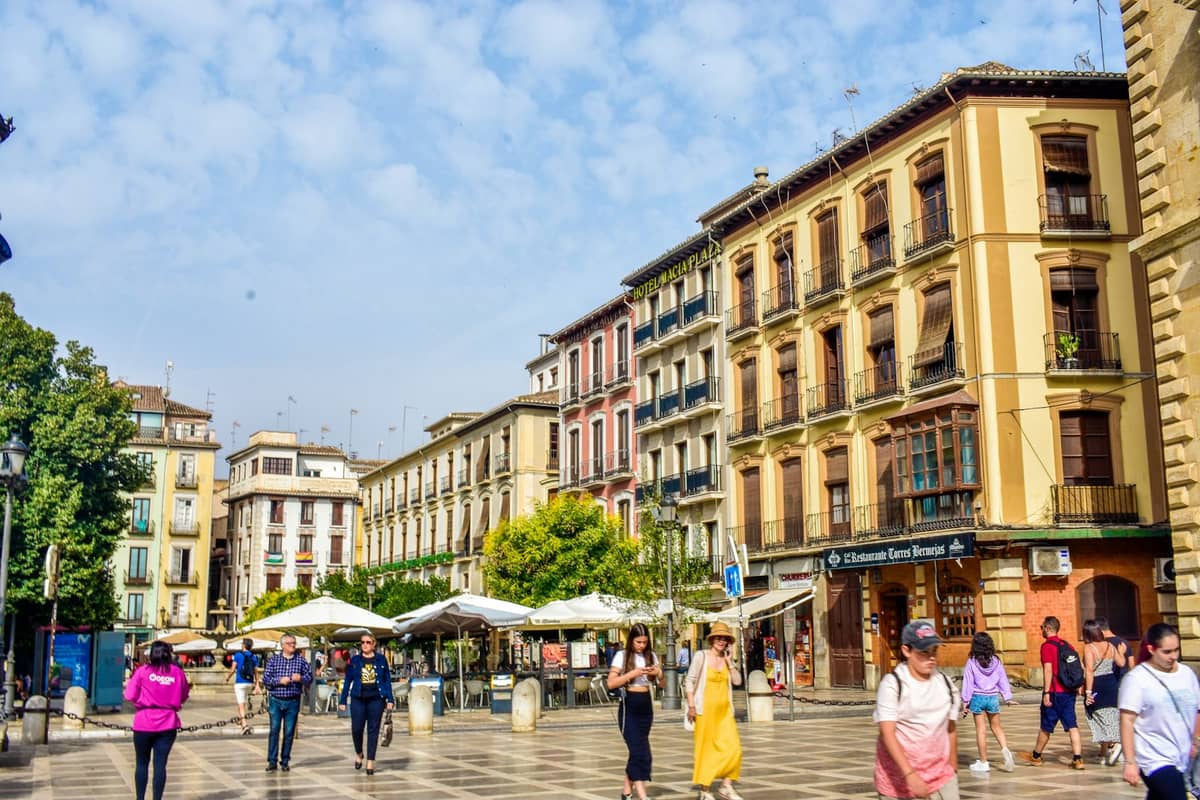
- Plaza Nueva (Start) The natural starting point: a broad square at the foot of the Alhambra hill, with cafes, a fountain, and the old Royal Chancellery building. From here all routes into the Albaicín begin.
- Carrera del Darro Walk east along the Darro River, one of Granada's most atmospheric streets. The river runs in a channel to your left, the Alhambra walls rise above on your right. Look for the arched bridges and the visible Roman foundations in the riverbed.
- El Bañuelo (Arab Baths) At Carrera del Darro 31, the 11th-century Hammam el Bañuelo are among the best-preserved Moorish bathhouses in Spain. Small entrance fee, short visit (around 20 minutes), but genuinely impressive vaulted ceilings with star-shaped skylights.
- Casa de Zafra A restored 14th-century Nasrid courtyard house on Calle Benalúa, just up from the Darro. Now an interpretation centre for the Albaicín. Free entry and often overlooked, which means no queues.
- Paseo de los Tristes The wide terrace where Carrera del Darro opens out, directly below the Alcazaba towers. Named after funeral processions that once passed here. Now popular for evening drinks, but quieter in the morning.
- Climb to Placeta de Carvajales and San Miguel Bajo From Paseo de los Tristes, take Calle Pagés into the upper Albaicín. The streets narrow considerably here. Placeta de San Miguel Bajo is one of the neighbourhood's genuine local squares, with a small church and a few neighbourhood bars.
- Mirador de San Nicolás (Highlight) The best-known viewpoint in Granada, facing the full facade of the Alhambra with the Sierra Nevada behind it. A public plaza, open 24 hours, no fee. Busiest between 11 am and 4 pm; quietest at sunrise and dusk.
- Descent via Calle Calderería Nueva Return to the centre through this steeply sloping street lined with tea shops (teterías) and North African produce stalls. It connects directly back to Gran Vía de Colón and Plaza Nueva in about 10 minutes of walking.
💡 Local tip
If you visit Mirador de San Nicolás at sunset, the light on the Alhambra is extraordinary, but the square fills up fast. Arrive at least 30 minutes before the sun drops to get a position at the railing rather than three rows back. Weekends in July and August can feel chaotic by 7 pm.
Key Stops in Detail: What to See and What to Skip
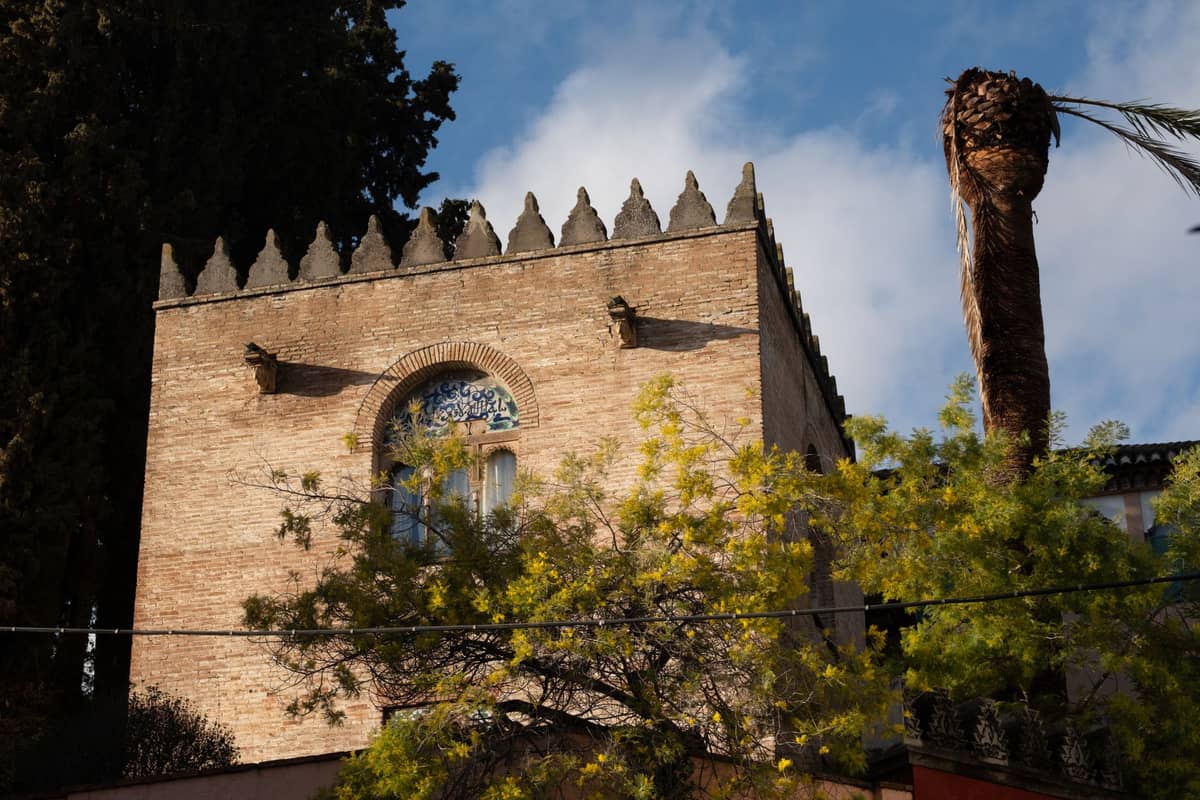
The Bañuelo Arab Baths on Carrera del Darro are one of the most undervisited monuments in Granada. Most tourists walk straight past the small door. The interior dates to the 11th century, roughly 100 years before the Nasrid dynasty built the Alhambra, and the building survived because it was converted for other uses after 1492. The star-shaped skylights are the defining image, and the scale is intimate enough that it never feels overwhelming. Worth 20 minutes and a modest entrance fee.
The Casa de Zafra is less famous and deserves more attention. It is a Nasrid courtyard house from the 14th century, excavated and restored in the 1990s, and now serves as a visitor centre for the Albaicín heritage zone. Entry is free. The central courtyard with its marble fountain gives you a much clearer sense of how the Albaicín's carmen houses were originally organized than any of the exterior streets can provide.
At the top of the route, Mirador de San Nicolás is the undisputed visual payoff. The panorama takes in the full length of the Alhambra from the Alcazaba tower at the western end to the Generalife gardens at the east, with the Sierra Nevada rising behind. On clear winter days, the snow-capped peaks create a backdrop that is genuinely startling. The square itself is a public plaza with no gates, no ticket office, and no closing time. Ignore any website that lists opening hours for it.
A secondary viewpoint worth the short detour is Mirador de San Miguel Alto, about 15 minutes further uphill from San Nicolás. It sits higher than San Nicolás and gives a wider angle over the city, though the Alhambra appears slightly smaller. The walk up is steep and exposed. Suitable if you have time and energy; not essential if you are already tired.
⚠️ What to skip
Petty theft is reported around Mirador de San Nicolás, particularly when the viewpoint is crowded at sunset. Keep bags in front of you, do not leave phones on walls for unattended photos, and be alert around anyone who approaches with something to sell. This does not mean avoid the area, just apply the same awareness you would in any busy tourist spot.
Timing, Seasons, and When to Walk
The Albaicín is walkable year-round, but the experience varies significantly by season and time of day. Here is a honest breakdown.
- Spring (April to May) The best overall window. Daytime temperatures of around 22 to 27 °C make the climb comfortable. Orange and jasmine are flowering in the carmenes, and rainfall is low compared to winter. Crowds are moderate rather than overwhelming.
- Summer (June to August) July and August see maximum temperatures regularly above 35 °C. The upper Albaicín streets are fully exposed and offer little shade. Start before 9 am or wait until after 6 pm. Carry at least 1 litre of water. The light at golden hour in summer is exceptional, but the midday climb is genuinely unpleasant.
- Autumn (September to October) September remains warm (maxima around 30 °C) but the worst of the heat is gone. October is ideal: around 24 °C by day, light crowds, and the Alhambra views are sharp and clear. The wettest month is November, so late autumn can bring rain on the cobbles, which become slippery.
- Winter (December to February) January averages around 14 °C by day, which is mild enough for walking in layers. The Albaicín is quiet, the light is low and beautiful, and the Sierra Nevada behind the Alhambra is often snow-covered. The downside: some streets and plazas feel empty, and a few neighbourhood bars close early. Not a bad time to visit, just different.
For those planning around a broader itinerary, the best time to visit Granada guide covers seasonal trade-offs across the city, including Alhambra ticket availability and festival calendars.
Practical Details: Getting There, Transport, and Costs
The Albaicín is entirely walkable from the city centre. Plaza Nueva, the standard start point, is about 10 minutes on foot from Granada Cathedral and 5 minutes from the Alcaicería market area. There is no need to take a bus or taxi to begin the route.
If you want to exit the Albaicín without walking back down, or if steep hills are a concern, bus C31 (Albaicín to Centre) stops near Mirador de San Nicolás and connects back to central stops including Carrera del Darro and Plaza Nueva. A single trip currently costs 1.60 € (verify current fares with the operator before travel, as prices are updated periodically). Multi-journey travel cards reduce the per-trip cost significantly.
The Albaicín walk itself is free. The only paid attractions on the route are the Bañuelo Arab Baths (small entry fee, verify current price at the site) and Casa de Zafra (usually paid, with free entry commonly offered on Sundays). Mirador de San Nicolás is a public plaza with no charge. If you want to combine the walk with a visit to the Alhambra, you will need a separate timed ticket booked well in advance. See the Alhambra tickets guide for everything you need to know about booking.
- Wear closed-toe shoes with grip. Sandals and smooth-soled trainers are a bad choice on wet cobbles.
- Carry cash for small purchases. Several neighbourhood bars and tea shops on Calderería Nueva do not accept cards.
- Water fountains are scattered through the Albaicín but not always easy to find. Carry at least 500 ml in spring and autumn, 1 litre or more in summer.
- There are no public toilets in the upper Albaicín. Use the facilities at Plaza Nueva before you start, or plan to use a bar.
- Photography at Mirador de San Nicolás is unrestricted, but the square gets very crowded. For cleaner shots of the Alhambra, come before 9 am on a weekday.
- The Albaicín has very limited car access. Do not try to drive in. Park at Plaza Nueva or use public transport from further out.
If you are visiting Granada on a tight schedule and want to cover the Albaicín alongside the Alhambra and the cathedral in 48 hours, the 2 days in Granada itinerary shows how to sequence them without burning out.
Extending the Walk: Sacromonte and Beyond
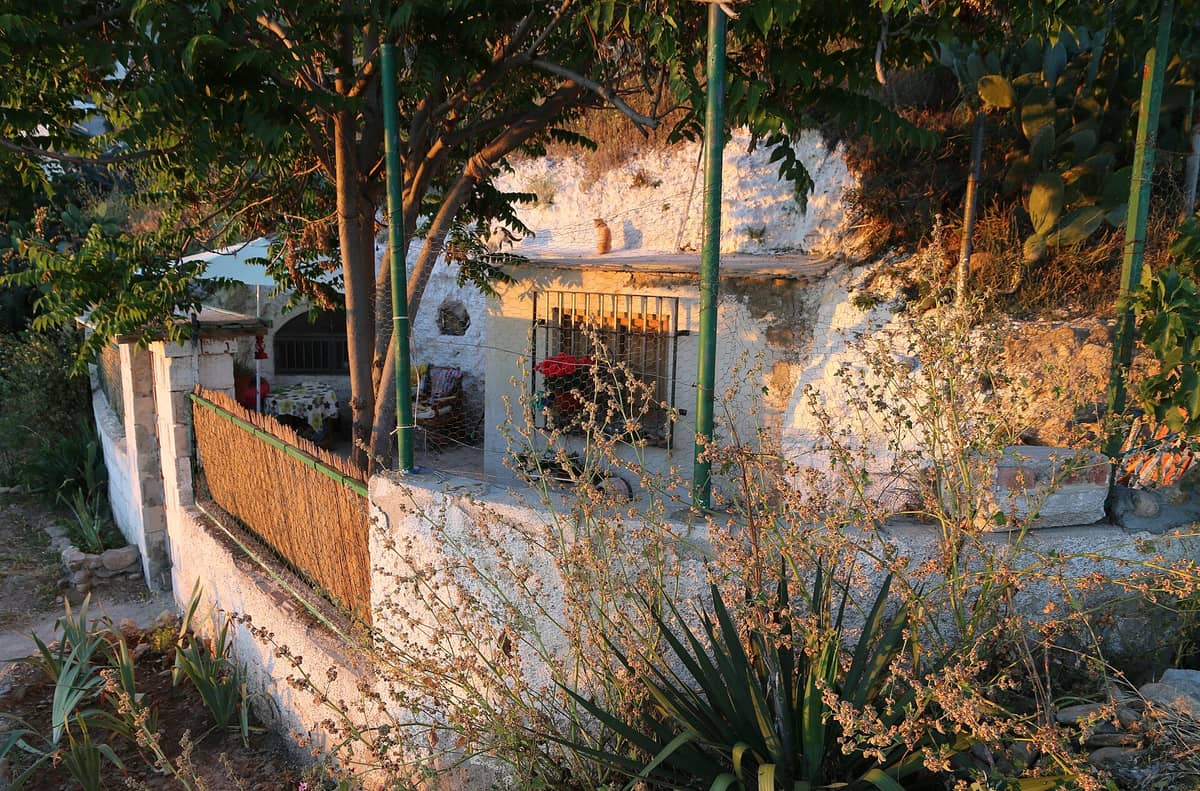
From Paseo de los Tristes, a path runs east along the Darro gorge into Sacromonte, Granada's cave-dwelling district. This extension adds roughly 45 minutes to an hour and takes you to the cave houses of Sacromonte and eventually the Abadía del Sacromonte, a 17th-century abbey perched on the hillside with views back over the Albaicín. The path is unpaved in sections and can be muddy after rain.
Sacromonte is also where Granada's most authentic flamenco performances take place, in the cave venues on Camino del Sacromonte. These are evening events rather than daytime walks. The flamenco in Granada guide covers which venues are worth attending and which lean toward the tourist end of the spectrum.
For dedicated walkers, the Albaicín loop can be combined with the Granada viewpoints route to include lesser-known terraces that most visitors miss entirely.
✨ Pro tip
The best tapa bars in the Albaicín are not on the main tourist drag. Placeta de San Miguel Bajo and the streets immediately around it have several neighbourhood bars where a drink still comes with a free tapa, as is traditional in Granada. Avoid the overpriced cafes at the very top near San Nicolás, which have shifted entirely to tourist pricing.
FAQ
How long does the Albaicín walking tour take?
Allow a minimum of 3 hours for the loop from Plaza Nueva to Mirador de San Nicolás and back via Calderería Nueva. Add 30 to 45 minutes if you visit the Bañuelo Arab Baths or Casa de Zafra, and another hour if you extend into Sacromonte. The route is short in distance (around 3 km) but the climbing slows you down, and there is a lot to look at.
Is the Albaicín walk difficult or suitable for people with limited mobility?
The Albaicín involves significant uphill walking on cobbled, uneven surfaces with steps in several sections. It is not suitable for wheelchairs or prams without serious difficulty. For people with limited mobility, bus C31 goes up to the Albaicín and stops near San Nicolás, which reduces the climbing required. The lower section of Carrera del Darro is relatively flat and accessible.
Is Mirador de San Nicolás free and when does it close?
Yes, Mirador de San Nicolás is a public plaza with no entrance fee and no closing time. It is open 24 hours a day. Some third-party listing sites show incorrect opening hours for it. You can visit at any time, though sunrise and the hour before sunset offer the best light for viewing the Alhambra.
What is the best time of day to visit Mirador de San Nicolás?
Early morning (before 9 am) gives you near-empty conditions and soft light on the Alhambra. The viewpoint is busiest between 11 am and 4 pm when day-trippers arrive in volume. Sunset is spectacular but draws large crowds, particularly in summer. If you want the sunset view, arrive at least 30 minutes early to get a spot at the railing.
Can I do the Albaicín walk and the Alhambra in the same day?
Yes, but sequence them carefully. Alhambra visits are timed and typically take 2.5 to 4 hours depending on your ticket type. The Albaicín walk adds another 3 hours. Doing the Alhambra in the morning and the Albaicín walk in the late afternoon, finishing at San Nicolás for sunset, is a logical and satisfying combination. Book your Alhambra ticket well in advance as they sell out weeks ahead, especially in spring and summer.
Tickets & tours
Live prices and dates from our booking partner. If you book, we may earn a commission at no extra cost to you.
Planning a trip? Discover personalized activities with the Nomado app.